REVIEW · HIKING & TREKKING
Ausangate and Rainbow Mountain Trek – 3 Days / 2 Nights
Book on Viator →Operated by Salkantay Trekking · Bookable on Viator
Rainbow Mountain looks different when you earn it. This 3-day trek from Cusco pairs the Ausangate crystal lakes with the drama of Puca Pass, then ends with an early run at Vinicunca for first-views glory.
I really like that you’re not left to figure out camp logistics. The camp setup, included sleeping gear, and well-run day structure mean you can focus on breathing, pacing, and taking in the views.
One thing to consider: this is a true high-altitude trek, with steep sections and passes. Expect a high altitude challenge, start with a 5:00am pickup, and plan your Cusco acclimatization (arriving 2 days early is strongly recommended).
In This Review
- Key Things You’ll Notice on This Ausangate and Rainbow Mountain Trek
- Cusco to the Andes: Why This Trek Feels Like More Than a Photo Stop
- Getting Moving Fast: Hotel Pickup and the 5:00am Start
- Day 1: Upis, Ausangate Views, and Arapa Pass to Hatun Pucacocha
- Day 2: Puca Pass, Glacial Lagoons, Warmisaya, and the Camp at Surinecocha
- Day 3: Vinicunca Early Morning, Real Time on the Mountain, Then Back to Cusco
- Camps, Meals, and the Team Energy That Makes It Work
- Altitude Reality: How to Make the Passes Feel Manageable
- What You Carry: The 7 kg Luggage Rule and Included Gear
- Price and Value: Is $535 Worth It?
- Who Should Book This Trek (and Who Might Reconsider)
- Should You Book the Ausangate and Rainbow Mountain Trek?
- FAQ
- How long is the Ausangate and Rainbow Mountain trek?
- What time does the tour start?
- Is hotel pickup and drop-off included?
- Are entry fees included for Ausangate and Rainbow Mountain?
- What camping gear is provided?
- How much luggage can I bring for the hike?
- What meals are included in the price?
- Is oxygen or first aid support provided?
- Can the trek accommodate vegetarian or vegan diets?
Key Things You’ll Notice on This Ausangate and Rainbow Mountain Trek
- Small group size (max 12) keeps the pace steady and the guide attentive.
- Early starts mean better timing for Vinicunca and fewer delays in the morning.
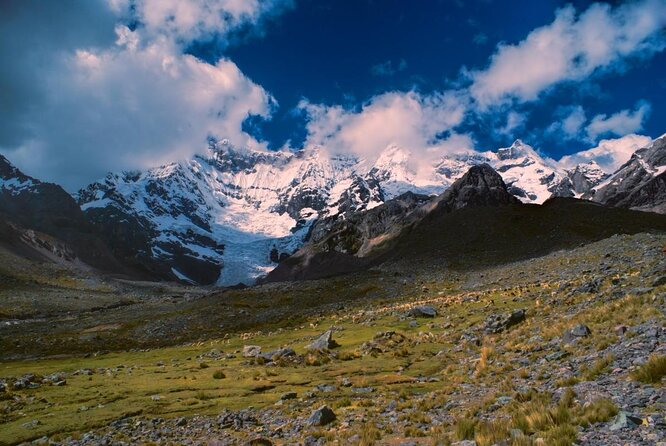
- Two high passes (Puca and Warmisaya) give you a serious workout with huge payoffs.
- Camping comfort is built in: tent, air mattress, and sleeping bag are included.
- Safety support is practical with a first aid kit and oxygen supply.
- Meal and drink support in remote terrain: hot coca tea, breakfasts, lunches, dinners, plus water and snacks.
Cusco to the Andes: Why This Trek Feels Like More Than a Photo Stop
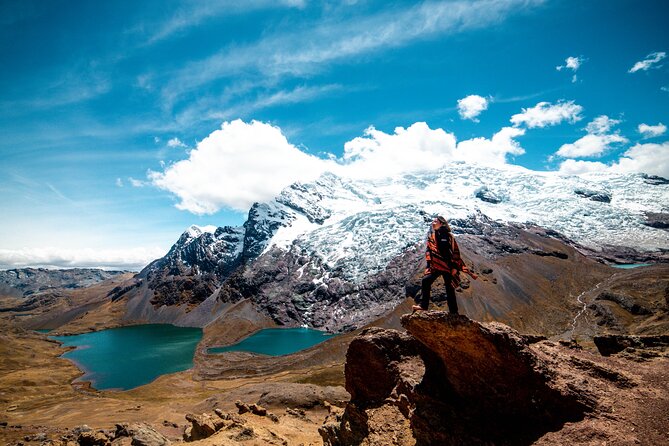
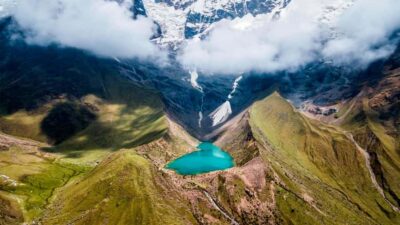
This route is built around the idea that Rainbow Mountain is the headline, but Ausangate is the real show. You spend your time in the high Andes where glacial lakes, rocky ridgelines, and thin-air passes do the talking. It’s the kind of trek where your body works hard, but your eyes keep finding new angles—foggy mornings clearing into bright visibility, then a pass-to-pass rhythm that makes the day fly by.
What makes the experience especially appealing for me is the mix of challenge and support. You’re trekking, yes, but you’re also camping with provided equipment and being guided by a real mountain team. People have described guides such as Nestor and Marco, plus chefs like Heber and Juan Carlos, as the reason the trek stays comfortable enough to enjoy.
The third ingredient is pacing: you’re not doing this as a rush job. Even with a sunrise start, the itinerary gives you time to rest, eat, and regroup at key moments. That matters when altitude is part of the equation.
You can also read our reviews of more hiking tours in Cusco
Getting Moving Fast: Hotel Pickup and the 5:00am Start
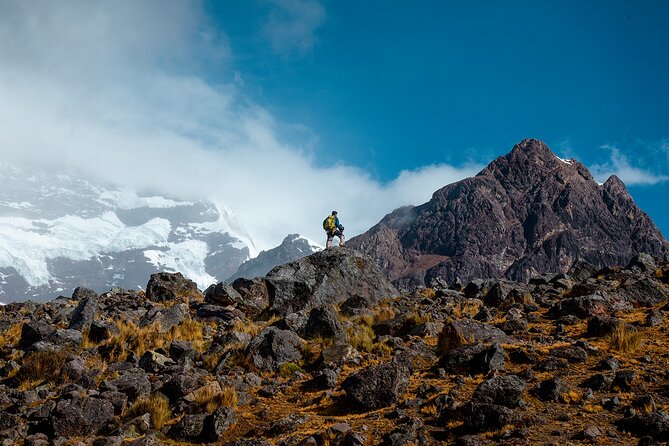
Your day begins early. The tour starts at 5:00am, and you’ll get hotel pickup and drop-off in Cusco. There are also round-trip transfers that handle the long-distance logistics so you can focus on the trek.
Why the early start is a big deal: at high altitude, mornings are when weather and visibility can turn in your favor. Also, for Vinicunca (Rainbow Mountain), timing matters because you want to be there before the heavy tourist flow. The plan is designed around that, with an early morning push on Day 3.
Another small but helpful detail: you get a pre-departure briefing. That kind of setup sounds routine, but on a tough route it can help you understand what to expect with your pace, cold nights, and how the team runs the camps.
Day 1: Upis, Ausangate Views, and Arapa Pass to Hatun Pucacocha
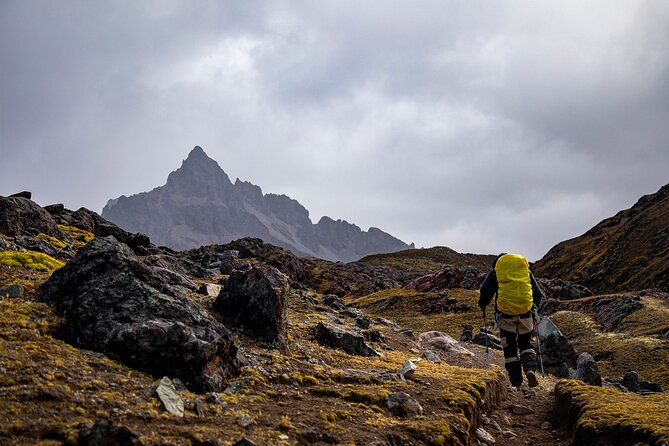
Day 1 is all about arriving into the Ausangate world and settling into the rhythm. You begin in the small town of Upis, after a bright-and-early pickup. Then you walk for about 3 hours toward the lunch spot, with scenery that’s already serious: Ausangate itself towers over the trail early on.
After lunch, you get a short rest before the uphill section. You’ll climb toward Arapa Pass, then descend to the camp at Hatun Pucacocha. The evening highlight here is not a single view—it’s the feeling of being camped at the foot of the mountain. Hot drinks and dinner follow, and you sleep near Ausangate’s base where the air can turn cold.
What I like about this first day is how it builds confidence. You start with steady walking, then you get a clear “okay, this is real altitude work” moment during the climb. By the time you settle in at camp, you’re tired in a good way: you’ll actually sleep and recover.
Possible drawback: if you’re not used to steep uphills, the pass approach can feel like a lot on Day 1. The best move is to keep your effort controlled—short steps, steady breathing, and no sprinting.
Day 2: Puca Pass, Glacial Lagoons, Warmisaya, and the Camp at Surinecocha
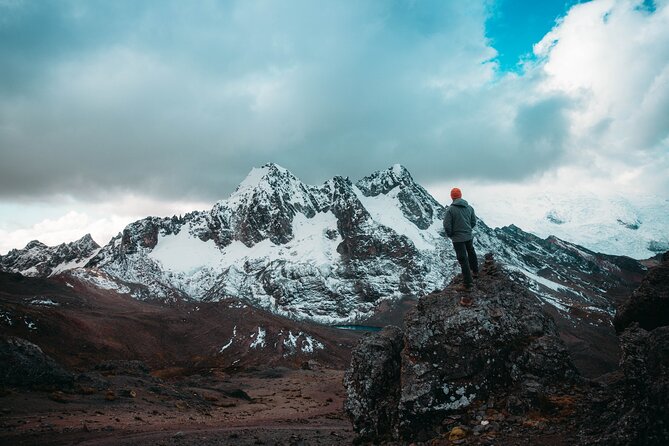
Day 2 starts with comfort: hot coca tea and breakfast. Then you hike toward Puca Pass, where the scenery gets sharper and more dramatic. This is also the day when you may catch wildlife overhead; people have mentioned possible condor sightings in the area.
As you work your way up, you’ll be looking at glacial lagoons and getting those classic high-Andes photo opportunities: bright water, jagged rock edges, and a sky that seems to change every hour. You continue to Anantapata for lunch.
The afternoon is where the day earns its name. After lunch, you hike up to Warmisaya Pass for a wide 360 view, including the first view of Rainbow Mountain and surrounding peaks. Then you descend to Surinecocha for dinner and rest.
Why this day matters: you’re not only climbing. You’re stacking viewpoint moments. Passes create natural “checkpoints” where you pause, look around, and mentally reset. That’s helpful when altitude starts to make you feel slow.
Small reality check: Day 2 is shorter in total hiking time than Day 1 (around 7 hours), but it still includes meaningful uphill work. If you pace well on Day 1, Day 2 feels more like progress than punishment.
Day 3: Vinicunca Early Morning, Real Time on the Mountain, Then Back to Cusco
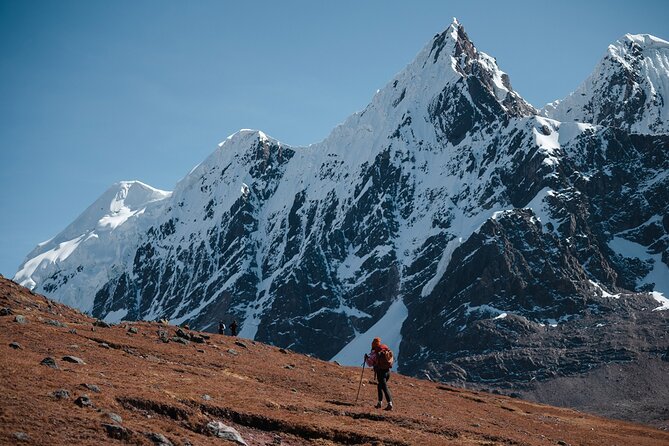
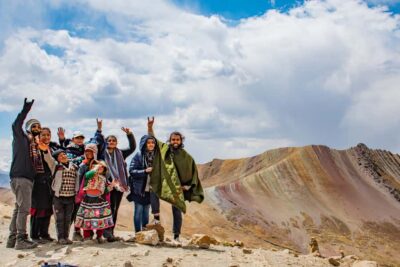
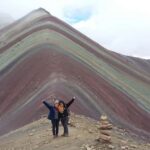
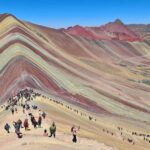
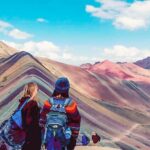
Day 3 begins early so you can reach Vinicunca (Rainbow Mountain) before the other tourists arrive. The itinerary includes stopping along the early section to take in the first views, then continuing up to the mountain itself.
This is the day you want to be present, not just rushed. The plan includes time on the mountain where you learn about the place and take in the views at your own pace. After that, you hike back down to your private transport, have lunch, and return to Cusco with drop-off at your accommodation.
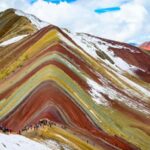
One of the smartest parts of this design is that you get a full experience up there. You’re not treated like a quick photo stop. You’ll have time to read the terrain, absorb what makes the area important, and walk around enough to enjoy the colors and ridges that made Vinicunca famous.
Practical tip: go slow on the way up. Even if you feel okay at first, altitude can hit after you’ve been breathing hard for a while.
You can also read our reviews of more tours and experiences in Cusco
Camps, Meals, and the Team Energy That Makes It Work
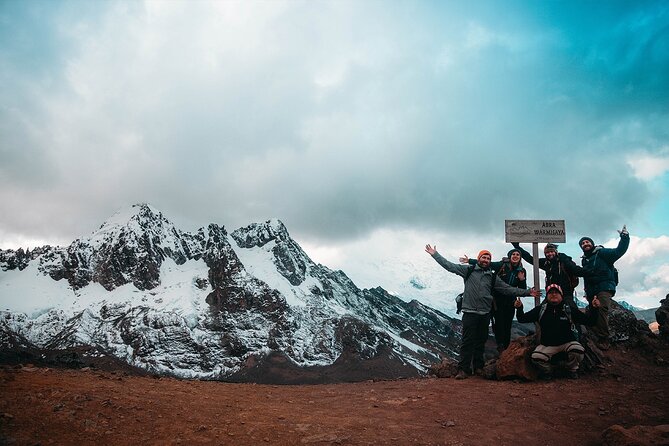
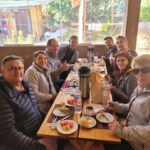
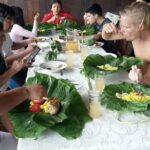
The experience here is strongly about the people who run the logistics at altitude. Many guests in the supplied accounts highlighted the mountain guide (names like Nestor, Marco, Fredy Apaza, Elisban, Franklin, Pabel, and Darwin) as a reason the trek feels smooth and safe. On the food side, chefs such as Heber and Juan Carlos were frequently praised for making camp meals feel genuinely satisfying—warm, filling, and prepared in remote conditions.
The camp system is also set up to reduce stress:
- Camping equipment is included, including a sleeping tent, air mattress, and sleeping bag.
- You also get a dining area with tables and chairs.
- Hot drinks appear in the evening routine, and meals are served across the trek (with breakfasts, lunches, and dinners included).
Comfort at night is a real concern for many first-time trekkers. The trek includes cold-weather support like sleeping bags and additional blankets in camp routines, and at least in the experiences shared, people felt warm enough even when temperatures dropped.
What you can expect from the team’s approach: they plan daily routes, set up and break down camp, and keep watch on group energy. If you need oxygen support, the tour includes an oxygen supply and first aid kit.
Altitude Reality: How to Make the Passes Feel Manageable
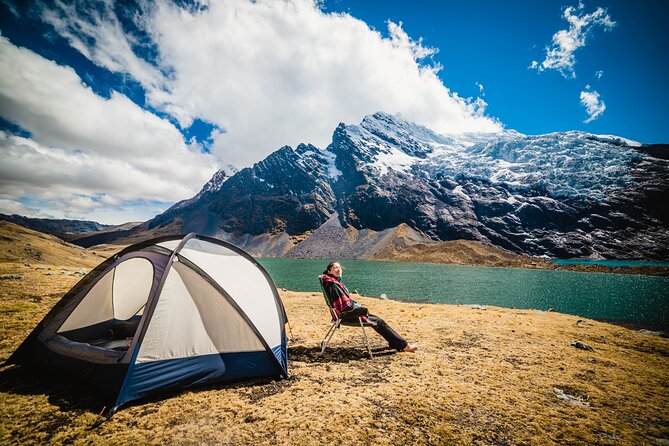
Let’s talk plainly: this route is challenging. You have two passes—Puca Pass and Warmisaya Pass—at high elevation. One of the accounts mentioned pass heights around 4,800 meters, and that’s exactly the kind of number that changes how your body works.
Here’s how you keep it enjoyable:
- Arrive in Cusco early: the recommendation is to get there at least 2 days before the trek. This is the difference between feeling “uncomfortable but okay” and feeling miserable.
- Use a steady pace: you’ll feel the altitude most when you push too hard early.
- Drink and snack: water and snacks are included, and you’ll need to keep intake up even if you don’t feel super thirsty.
- Tell your guide quickly if you feel off. The team includes oxygen and first aid support, and that only helps if they know early.
One more practical detail: the trek provides hiking poles and a rain poncho. Poles help on uphill grinding and downhill control, and rain protection matters because weather can change fast at elevation.
What You Carry: The 7 kg Luggage Rule and Included Gear
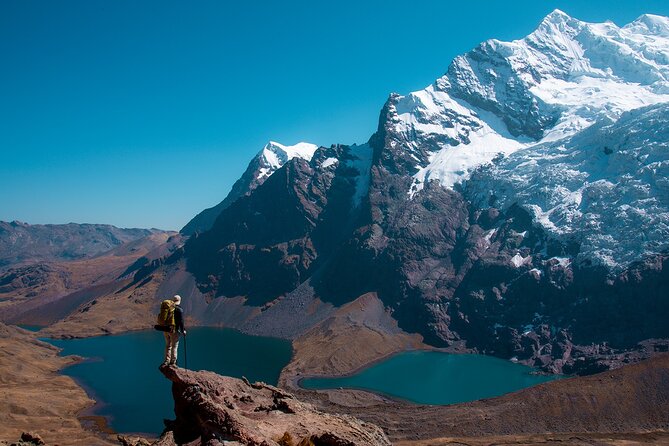
On paper, you’re hiking. In real life, you’re also managing your load. Here, the trek helps a lot: you get luggage transport on the hike for up to 7 kg. That means you’re not carrying everything, and you can keep your day pack lighter for the climbs and passes.
In terms of included items, you get:
- Hiking poles
- Rain poncho
- A first aid kit and oxygen supply
- Camping equipment (tent, air mattress, sleeping bag, dining setup)
This is the kind of package that makes the trek more accessible for people who want to hike without buying a full camping system. It also helps keep the trek experience consistent, especially in cold conditions.
Optional item to think about: horse assistance on the trail is listed as optional (not included). If you’re close to the edge of your fitness level or you want a backup plan, ask about that option before you go.
Price and Value: Is $535 Worth It?
At $535 per person for a 3-day, 2-night guided trek, the value depends on what you compare it to. If you try to replicate this route on your own, you’d need a guide, entry fees, transport out of Cusco, camp setup, and a sleeping system. This tour bundles those pieces for you.
What you’re paying for here isn’t just “someone walks with you.” You’re getting:
- An experienced mountain guide
- Entry fees for Ausangate and Rainbow Mountain
- Private transport and transfers
- Camp gear and meals (breakfasts, lunches, dinners)
- Hiking poles and rain poncho
- Safety support with first aid and oxygen supply
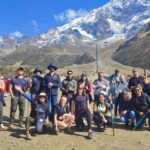
There’s also the small-group factor: the tour runs with a maximum of 12 travelers, which usually translates into less waiting and more individual attention. That’s not a luxury detail at altitude; it’s practical.
My rule of thumb: if you want the Ausangate portion (passes, lakes, multi-day camping) and the Rainbow Mountain early timing without handling logistics, this price looks fair.
Who Should Book This Trek (and Who Might Reconsider)
This trek is a great match for you if:
- you have strong physical fitness for steep hiking
- you’re okay with cold nights and early mornings
- you want a real Andes trek, not just a viewpoint sprint
- you like the idea of camping with real gear and guided support
You might reconsider if:
- you struggle with altitude climbs and long uphill efforts
- you’re not able to commit to acclimatization (the guidance is to arrive in Cusco early)
- you want a gentler walk with no passes
Also, if you’re traveling with dietary needs, vegetarian or vegan options are available if you ask at booking.
Should You Book the Ausangate and Rainbow Mountain Trek?
If you want one of the classic Cusco-region experiences that feels like more than a single landmark visit, I think this trek is a strong choice. The early start for Vinicunca, the two high passes, and the camping structure turn Rainbow Mountain into a reward for real effort. Add the safety and camp support, and it’s easier to enjoy than many high-altitude itineraries.
My advice: book it if you’re physically ready for steep days and you’ll handle acclimatization seriously. If that’s you, this is the kind of trek that keeps its energy long after you’re back in Cusco.
FAQ
How long is the Ausangate and Rainbow Mountain trek?
It’s a 3-day trek with 2 nights of camping.
What time does the tour start?
The meeting/start time is 5:00am.
Is hotel pickup and drop-off included?
Yes. You get hotel pickup and drop-off, plus private transport and transfers during the tour.
Are entry fees included for Ausangate and Rainbow Mountain?
Yes. Entry fees for both Ausangate and Rainbow Mountain are included.
What camping gear is provided?
Camping equipment is included, including a sleeping tent, air mattress, and sleeping bag, along with a dining room setup with tables and chairs.
How much luggage can I bring for the hike?
Luggage transport on the hike covers up to 7 kg.
What meals are included in the price?
Meals included are 3 breakfasts, 3 lunches, and 2 dinners, plus water and snacks.
Is oxygen or first aid support provided?
Yes. The tour includes a first aid kit and an oxygen supply.
Can the trek accommodate vegetarian or vegan diets?
Vegetarian or vegan options are available if you notify the provider at booking.