REVIEW · HIKING & TREKKING
5-Day Salkantay Trek to Machupicchu Sky Lodge Dome
Book on GetYourGuide →Operated by TERRA QUECHUA PERU · Bookable on GetYourGuide
Salkantay earns every one of your steps. This 5-day trek pairs classic high-mountain drama with geodesic dome camping and the payoff of Machu Picchu at sunrise. I like that it feels organized start-to-finish: you’re picked up early in Cusco, dropped at the trailhead, and led by a bilingual team (names like Roberto or Abel show up in past groups), so you’re hiking, not chasing logistics.
The other thing I really like is the comfort level for a trek: private domes with private bathroom and hot shower, plus a cook running meals for you each day. The one drawback to plan for is temperature, because even when the domes are comfortable, the first night can be very cold depending on conditions and your body’s altitude tolerance.
In This Review
- Key things that make this trek worth your time
- What you’re really signing up for: Salkantay + comfort domes + Machu Picchu timing
- Day-by-day: what each day feels like and what to watch for
- Day 1: Cusco to Challacancha, then Humantay Lagoon and Dome sleep
- Day 2: Soraypampa to the 4,650 m pass, with snow possibilities
- Day 3: Down into the high jungle to the coffee plantation domes
- Day 4: Llactapata, Hidroelectric, then the train-track walk into Aguas Calientes
- Day 5: Sunrise Machu Picchu, guided orientation, optional Huayna Picchu, then back to Cusco
- The dome lodging: comfort that actually matters on a trek
- Meals, guides, and the human side (the part you feel even when the view is the star)
- Machu Picchu logistics: where timing helps, and where you should double-check
- Price and value: what $700 covers and what it doesn’t
- Who should book this trek (and who should skip it)
- What to bring and how to prepare for high-altitude reality
- Should I book the 5-Day Salkantay Trek to Machu Picchu Sky Lodge Dome?
- FAQ
- How long is the trek and how many nights do I spend on the route?
- What’s included in the price?
- What are the big items not included?
- Do I have to carry all my luggage?
- Is vegetarian or vegan food available?
- How cold will it be in the domes?
- Can I climb Huayna Picchu?
- Who should not take this trek?
Key things that make this trek worth your time
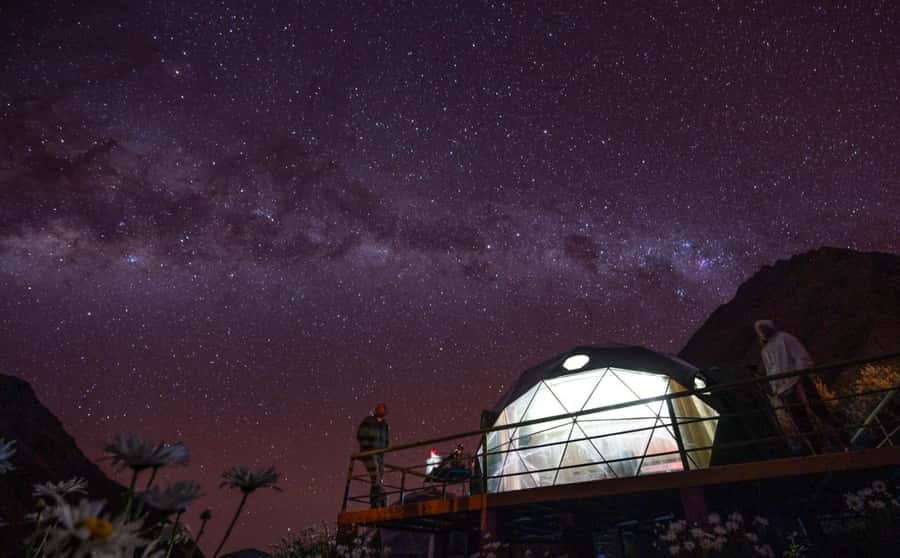
- Private domes with hot shower for at-camp recovery after big trekking days
- Small group size (up to 10), which usually means better pace control and less waiting
- A real pass moment at 4,650 m with huge views between Salkantay and Tucarhuay
- Coffee plantation camping and hands-on coffee during the descent toward the “high jungle”
- Sunrise Machu Picchu visit with a guided orientation before you explore on your own
- Part of the Inca route at Llactapata plus crop-and-valley viewpoints on Day 4
What you’re really signing up for: Salkantay + comfort domes + Machu Picchu timing
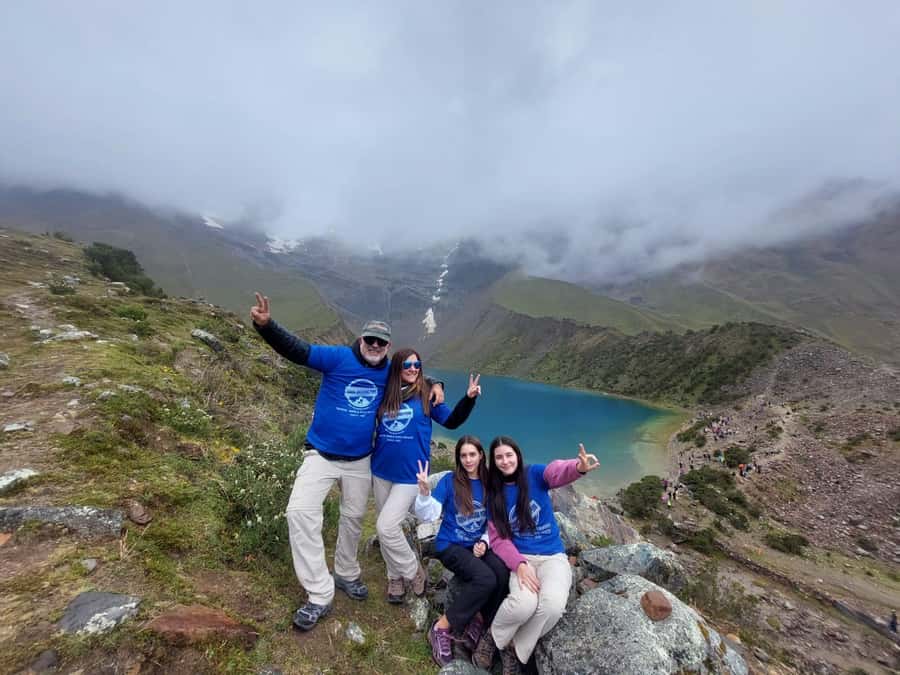
This isn’t just a hike to say you did it. It’s a mountain-to-forest route that changes every day, and it’s built around getting you to Machu Picchu while your legs still have enough energy to enjoy the moment.
You start with Cusco pickup in the early hours, then climb into colder altitude quickly. Expect long views, big breathing, and that specific feeling when you’re high above the clouds and everything looks sharper. Then the trail drops you into warmer, wetter terrain—streams, rivers, and that “high jungle” vibe—before you swing into the final approach where Machu Picchu slowly appears on the horizon.
You can also read our reviews of more hiking tours in Cusco
Day-by-day: what each day feels like and what to watch for
Day 1: Cusco to Challacancha, then Humantay Lagoon and Dome sleep
You’ll get picked up from your Cusco hotel around 4:30–5:00 am, then head to Mollepata for breakfast. After that, private transport brings you to Challacancha, and this is where your trek truly begins with an early start in mind.
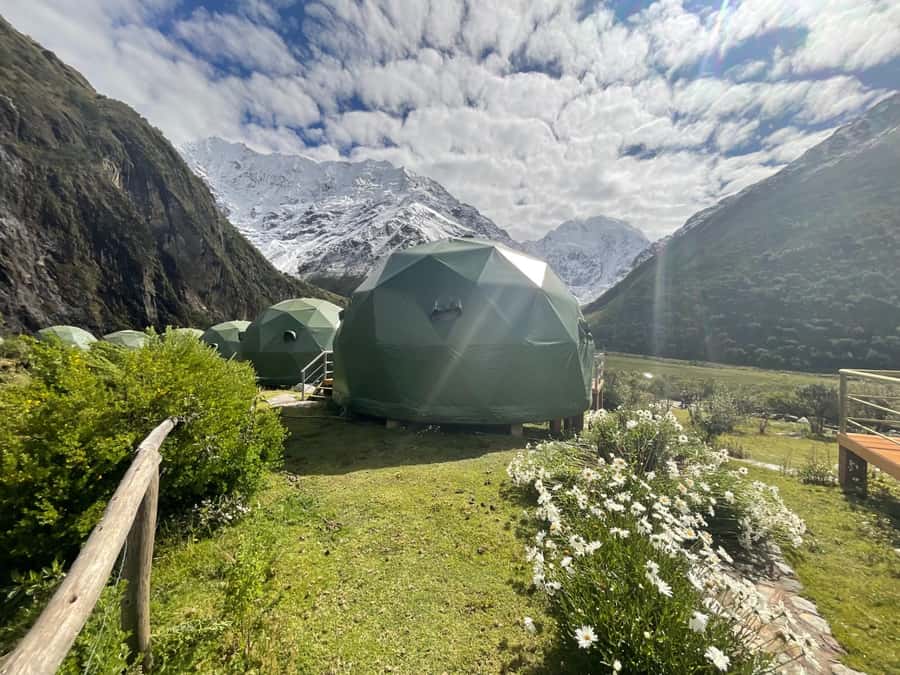
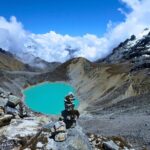
Later, you also visit the Humantay Lagoon, which makes this day feel like a warm-up with payoff views. And then you sleep in dome accommodation, not a basic tent. That matters because the first night sets your recovery tone. If you run cold or you’re new to high altitude, pack serious warmth for the dome night.
Day 2: Soraypampa to the 4,650 m pass, with snow possibilities
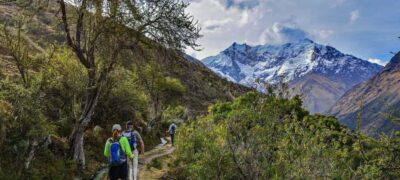
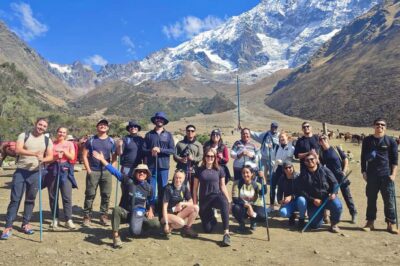
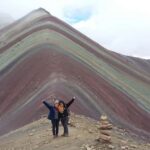
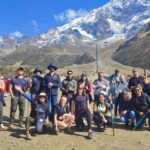
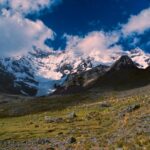
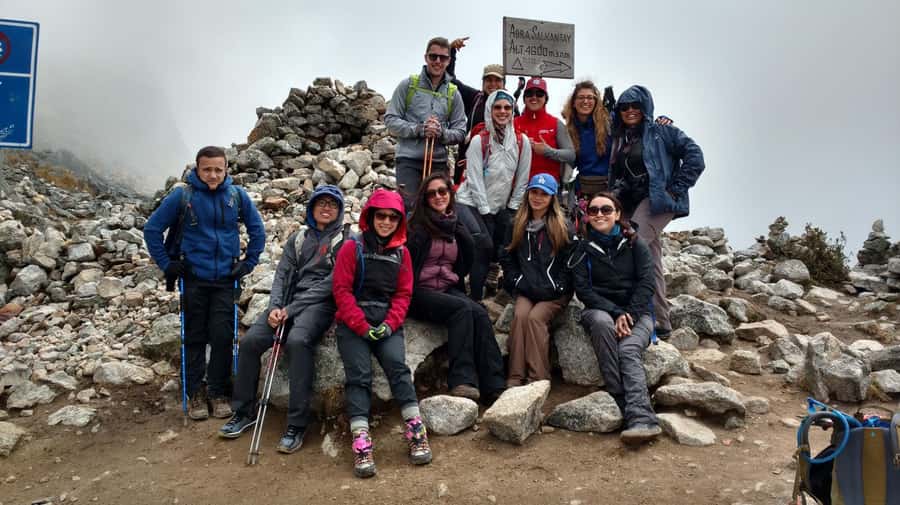
Breakfast comes around 5:30 am, and you’ll start hiking toward the trek’s highest pass: 4,650 m (15,200 ft). This is midway between two massive mountains—Salkantay on the right and Tucarhuay on the left—and the views from this point are the kind that make your brain go quiet.
There’s also a real chance of seeing snow at the pass, depending on season and conditions. That detail matters because cold at 4,650 m isn’t just “a little chilly.” I’d plan for windy, dry cold and cover your ears and hands, even if the sun looks strong.
Day 3: Down into the high jungle to the coffee plantation domes
You’ll wake around 6:30 am, then hike through the high jungle and cross the Lluskamayo River along with a number of streams. The walk to Playa takes around 4 hours, and it’s a different style of trekking day—less about one big climb and more about steady descent and changing terrain.
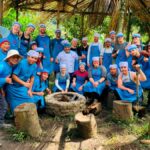
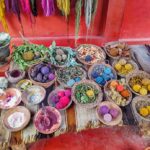
The reward is big: you camp in geodesic domes inside a coffee plantation. The experience includes learning the coffee process and getting hands-on time with activities like harvesting, roasting, and grinding coffee. It’s one of those moments that turns a tough trekking day into something personal and memorable, instead of only physical.
Practical heads-up: Day 3 can feel longer than you expect if you go out too fast on the first half. Keep your effort smooth. Your knees will thank you later.
You can also read our reviews of more tours and experiences in Cusco
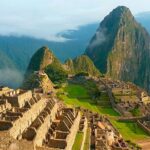
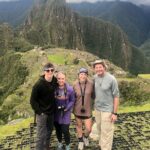
Day 4: Llactapata, Hidroelectric, then the train-track walk into Aguas Calientes
This is the day that connects your hike to the classic Machu Picchu arrival. You’ll start at about 6:30 am with the goal of reaching Llactapata early.
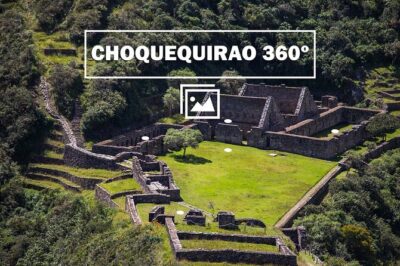
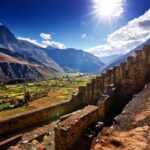
On the way you walk a portion of the original Inca trail, and you’ll pick up small “native life” moments in the area—like the chance to harvest fruits and experience the local rhythms. Llactapata also gives some of the best valley viewpoints, including a sense of the Urubamba Valley below, with Salkantay in the background.
Then you’ll head to Hidroelectrica for lunch and continue afterward, passing crop plantations (including coca, banana, and more). You walk along the train track for about 2.5 hours to Aguas Calientes.
You finish the day at a hostel in Aguas Calientes. One of the best ways to recover is using the hot springs in town (entrance is about 10 soles). It’s not magic, but it does help with that heavy-feet feeling.
Also note: from this day onward, you manage more of your own luggage. Your duffel is carried for you until the third day, then you carry it yourself starting on Day 4. There’s also an option on Day 4 to send luggage by car from Playa to Hidroelectrica and then by train to Aguas Calientes for about 20 soles, payable locally.
Day 5: Sunrise Machu Picchu, guided orientation, optional Huayna Picchu, then back to Cusco
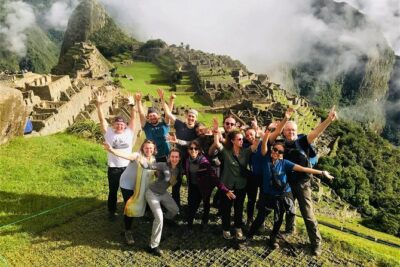
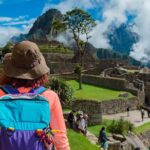
You’ll get up around 5:00 am, have breakfast, and go to Machu Picchu on the first bus (departing around 5:30 am, about 25 minutes). The point here is timing: you arrive early enough to see the city in the light of sunrise.
Your guide provides a 2-hour tour. After that, you explore on your own, which is where Machu Picchu really clicks. If you still have energy, there’s an optional climb to Huayna Picchu at 2,720 m (8,890 ft). The climb takes about 1 hour 45 minutes to reach the top and depends on availability.
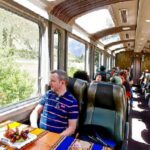
Then you head back by train, around 2:00–4:00 pm or 6:20 pm depending on schedules. From the station in Ollantaytambo, you’ll get private transport back to Cusco.
The dome lodging: comfort that actually matters on a trek
The dome setup here is a big part of the appeal because it reduces the usual trekking pain points. You get luxury domes with a private bathroom and hot shower, so your morning doesn’t start with the usual scramble of shared setups and cold rinse-off moments.
And the domes do more than feel nicer. Better hygiene and warmth can improve your sleep quality, and better sleep improves your pacing on the next day. If you’ve ever tried to trek after sleeping in a cold, damp tent, you already know the difference.
That said, the warmth isn’t unlimited. One past experience highlighted that night 1 can be very cold. So even with domes, I’d bring warm layers and treat altitude nights seriously.
Meals, guides, and the human side (the part you feel even when the view is the star)
This tour includes a cook and full meal coverage: 4 breakfasts, 4 lunches, 4 dinners, and 4 snacks. That’s huge on a trek because you don’t need to hunt for food, and you don’t have to guess whether meals will match your schedule.
The cooking team matters too. Names that show up in past groups include Mario and Exaltación as chefs, and guides like Roberto and Abel. That combination is usually a good sign because it suggests the operator takes the trek pace seriously: meals need to work with trekking times, not against them.
You also get an Andean ceremony on Day 1, with an offering to Mother Earth. It’s not the kind of thing you do for comfort; it’s more about grounding the trek in local meaning. Even if you’re not the type to get emotional, it can add context as you begin walking.
Machu Picchu logistics: where timing helps, and where you should double-check
Sunrise access plus a first-bus ride is exactly the right idea. It cuts down the day’s chaos and gives you a head start with daylight. Then you get a guided 2-hour orientation, which helps you understand what you’re seeing before you go roam.
Now the caution. One past experience described an issue with Machu Picchu ticket availability not being clarified until a briefing the day before departure. The guide Roberto proposed a solution that involved shortening the hike by a day to get tickets into the desired slot.
I can’t predict your date, but I can tell you what I’d do: when you confirm your booking, ask the operator directly whether your Machu Picchu ticket for the time slot you want is secured before you arrive in Cusco, and ask how the bus up will be handled. If the answer is vague, press for specifics. On a tight schedule, information late in the process can force trade-offs.
Price and value: what $700 covers and what it doesn’t
At $700 per person for 5 days, the value here isn’t just the idea of a trek. It’s the package: guide, transport in Peru, train back from Aguas Calientes to Ollantaytambo, bus up to Machu Picchu, Machu Picchu tickets, and the dome lodging with hot showers.
You’re also getting the heavy infrastructure pieces handled for you: a kitchen setup, dining tent, cooks, and porters/mules for gear and food. The tour includes transport of equipment and personal luggage up to 7 kilos per person, which helps you keep the trekking load more reasonable.
What you must plan for outside the package is straightforward: sleeping bag and trekking sticks are not included, and you’ll handle your first breakfast and last dinner on your own.
From a cost-value standpoint, this package tends to work best if you want one trusted operator handling the whole chain from Cusco to Machu Picchu and back, rather than piecing together transport, tickets, lodging, and meals yourself.
Who should book this trek (and who should skip it)
This tour suits you if:
- You want a challenging trek with real altitude moments and huge payoff views.
- You like small-group travel (limit 10 participants) and a guided plan that still leaves time to explore Machu Picchu on your own.
- You’d rather recover in a private hot shower dome than in colder, shared trekking setups.
This tour likely isn’t for you if you:
- Have back problems.
- Have heart problems.
- Are pregnant.
- Have mobility impairments, even though the activity listing says wheelchair accessible. The trekking nature here makes that conflict important to clarify with the provider.
If you’re generally healthy, use the altitude advice seriously, and bring warm gear, this trek can be a strong “dream trip” that feels both adventurous and well-managed.
What to bring and how to prepare for high-altitude reality
The basics are listed for a reason: you’ll be moving early, exposed to sun and cold, and spending nights at altitude.
Bring:
- Warm clothing
- Sunglasses
- Sun hat
- Cash
- Daypack
- Trekking gear
- Hiking shoes
- Passport or ID card
And prepare with altitude in mind. It’s recommended that you arrive in Cusco at least 2 days before the trek so you can acclimatize. That’s not marketing fluff. It’s what keeps Day 2 from feeling like a fight you didn’t agree to.
Vegetarian and vegan food are available on request with no extra charge, so if you have dietary needs, communicate them ahead of time.
Should I book the 5-Day Salkantay Trek to Machu Picchu Sky Lodge Dome?
If you want the full Salkantay-to-Machu Picchu experience with dome comfort, strong meal support, and a small group pace, I’d say yes. It’s a smart choice when you want a hard walk but a civilized recovery setup afterward.
I’d also book if sunrise Machu Picchu matters to you and you like the idea of a guided orientation before free time. That structure makes the ruins feel less like a blur and more like a place you can actually read.
But don’t book blindly. Do two things before you commit:
- Confirm your Machu Picchu ticket time slot is secured before departure, not only after you arrive.
- Ask how your bus and train timing will work for your exact date, especially if you’re traveling at peak season.
If you handle those details and come prepared for cold nights and altitude, this is the kind of trek that gives you a story you’ll still be telling months later.
FAQ
How long is the trek and how many nights do I spend on the route?
The trek runs for 5 days. You sleep in domes for the trek nights and then in Aguas Calientes for 1 night before Machu Picchu.
What’s included in the price?
Included are a professional bilingual guide (Spanish–English), hotel pickup, transportation between key points, train from Aguas Calientes to Ollantaytambo, the Machu Picchu ticket, the bus up to Machu Picchu, domes with private bathroom and hot shower, meals (4 breakfasts, 4 lunches, 4 dinners, and 4 snacks), an Andean ceremony on Day 1, plus a first aid kit.
What are the big items not included?
A sleeping bag and trekking sticks are not included. Your first breakfast and last dinner are also not included.
Do I have to carry all my luggage?
Your duffel bag is carried for you until the third day. From Day 4 onward, you carry your own bags. Equipment and food are transported with horsemen and mules, and personal luggage is limited to 7 kilos per person.
Is vegetarian or vegan food available?
Yes. Vegetarian and vegan meals are available on request at no extra charge.
How cold will it be in the domes?
It can be very cold at least on some dates; one past experience noted the first dome night was especially cold. Warm clothing is recommended.
Can I climb Huayna Picchu?
Yes, there is an optional climb to Huayna Picchu (2,720 m) that takes about 1 hour 45 minutes to reach the top. Availability depends on booking and schedules.
Who should not take this trek?
It is not suitable for people with back problems, mobility impairments, heart problems, or for pregnant women.