REVIEW · COOKING CLASSES
Cusco: 3-Hour Peruvian Cooking Class
Book on GetYourGuide →Operated by ChocoMuseo · Bookable on GetYourGuide
If you like food with a story, this class delivers. You’ll start at a Peruvian market to learn what actually goes into classic dishes, then head back to ChocoMuseo to cook and eat your way through Cusco. Two things I really like: the hands-on market shopping and the guided cooking that turns ingredients into a full menu you can actually repeat at home. One thing to consider is that the class runs fast—if you’re picky about every element being served hot at the same time, you may want to set expectations.
You’ll also get the pisco sour lesson, which is a fun way to understand Peru’s flavors beyond the obvious dishes. Chef-led tuition means you’re not just watching—you’re cooking, and you’ll finish with chocolate fondue and local seasonal fruit. The tradeoff: you’ll choose between the two main courses based on what the first booking selects, so you don’t fully control whether you get Lomo Saltado or Ají de Gallina.
In This Review
- Key Highlights Worth Your Time
- Why a Market-to-Kitchen Class Works in Cusco
- Finding ChocoMuseo at Plaza Regocijo (and What to Look For)
- The Market Stop: Learning Ingredients Where They’re Born
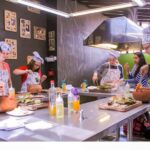
- Back in the Kitchen: How the Cooking Class Flows
- Menu Breakdown: Ceviche, Lomo Saltado or Ají de Gallina, Pisco Sour, Chocolate Fondue
- Starter: Ceviche
- Main Course Choice: Lomo Saltado or Ají de Gallina
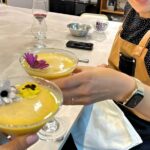
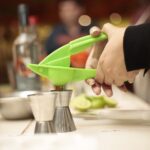
- Drink Lesson: Pisco Sour
- Dessert Finish: Chocolate Fondue with Local Seasonal Fruits
- Included vs. Not Included: What You Can Expect Without Surprise
- Small Group Size, Real Instruction, and Language Support
- Price and Value: Is $49 Reasonable for This 3-Hour Format?
- Common Friction Points (So You Don’t Get Caught Off Guard)
- Who This Cusco Cooking Class Is Best For
- Should You Book This 3-Hour Cusco Cooking Class?
- FAQ
- FAQ
- Where does the cooking class take place?
- How long is the class?
- What’s included in the price?
- What dishes do you cook?
- Can you choose between Lomo Saltado and Ají de Gallina?
- Can the pisco sour be replaced?
- Can you request vegetarian options?
- What language is the class taught in?
Key Highlights Worth Your Time
- Peruvian Central Market ingredient spotting: you’ll see what people buy daily and learn what matters in the recipes
- Cook a complete menu in 3 hours: starter, main, pisco sour, and dessert built into one session
- Pisco sour know-how: learn the drink technique, not just what it tastes like
- Choice available on request: pisco sour can be swapped for fruit juice, and meat can be swapped for vegetarian options
- Small group size (up to 10): easier questions, more guidance while you cook
- Sit-down payoff: you taste what you made in a relaxed, friendly setting
Why a Market-to-Kitchen Class Works in Cusco
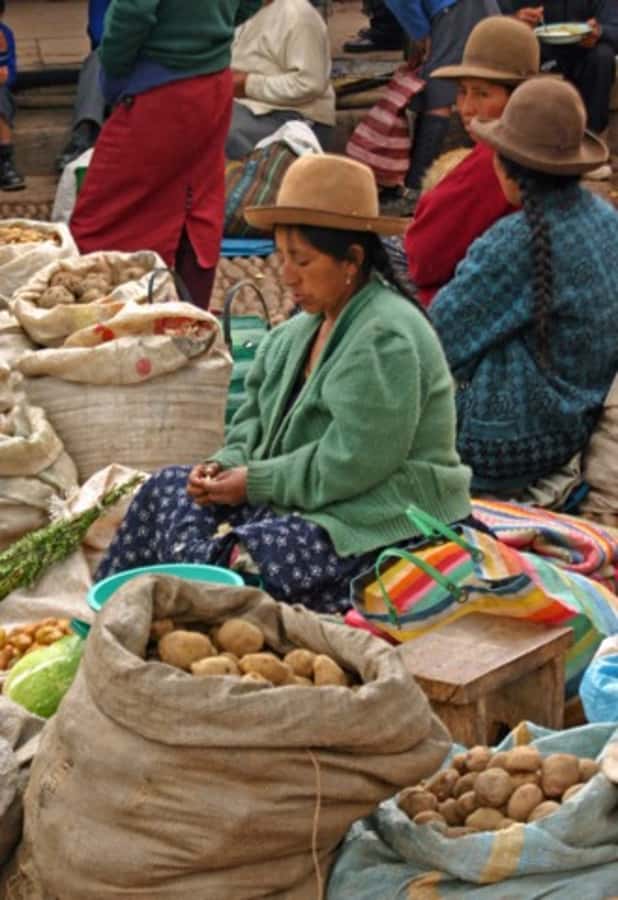
Cusco food isn’t just about flavor. It’s about the raw materials—fruits, peppers, potatoes, herbs, and the way Peru combines them. That’s exactly why this kind of market + cooking format is so satisfying: you’re learning the menu while you’re standing next to the ingredients.
I also like that the lesson focuses on practical skills. You’re not going to a cooking class that feels like a demo where you barely touch the pan. The structure is meant to get you from selecting ingredients to cooking your own plates, step by step.
The class is only 3 hours, so it’s not going to slow down for a long theory lecture. If you want deep, hour-by-hour culinary training, you might prefer a longer course—but for a short Cusco visit, this hits a sweet spot.
You can also read our reviews of more cooking classes in Cusco

Finding ChocoMuseo at Plaza Regocijo (and What to Look For)
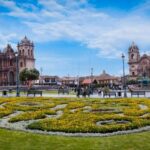
The cooking class happens inside ChocoMuseo, on the corner of Plaza Regocijo. When you arrive, look for the green and orange flags hanging from the balconies.
This matters because Cusco has plenty of charming side streets. Having a clear landmark helps you get there without stress, which is important when you only have a few hours and you don’t want to lose time to wayfinding.
Also note the group size is limited to 10 participants, so it’s worth arriving on time. If you’re late, you may miss the easiest part—the initial market talk and prep planning that sets you up for everything after.
The Market Stop: Learning Ingredients Where They’re Born
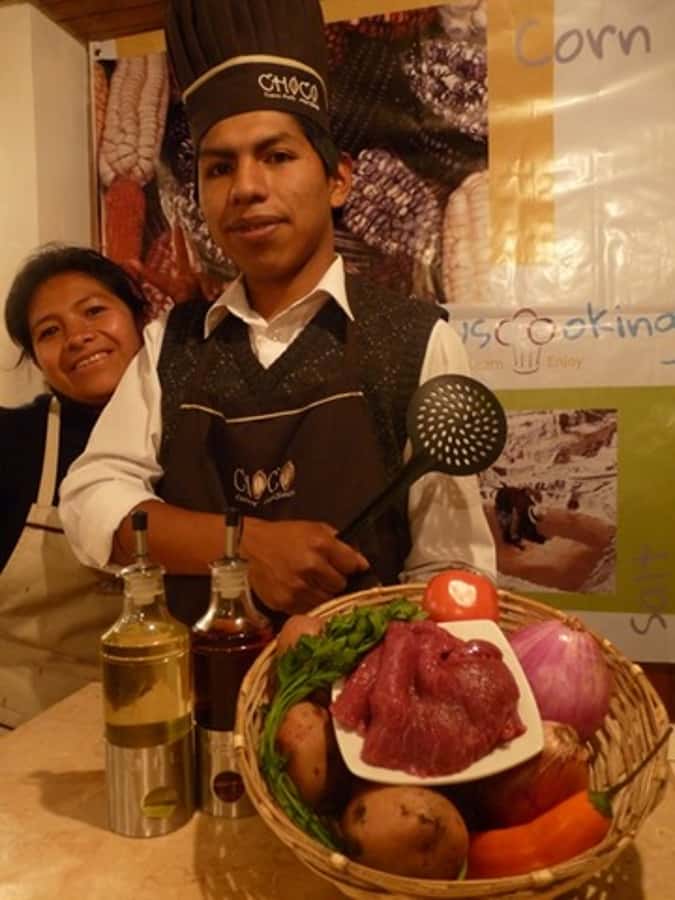
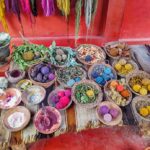
You’ll visit a local market with a guided tour, focused on the ingredients used in Peruvian cooking. This is where the experience becomes more than a meal. You start seeing the market as a pantry map, not just a place to take photos.
Here’s what you should pay attention to during the market walk:
- Produce variety: Peru’s produce shows up in lots of ways—fresh, vibrant, and often different from what you’d see at home
- Ingredient purpose: the guide will connect ingredients to dishes so you understand why a recipe tastes the way it does
- Simple selection skills: you’ll learn what to look for when a recipe asks for something specific like pepper flavor or the right fruit
The biggest value of this stop is context. When you later cook ceviche, shape a main like Lomo Saltado or Ají de Gallina, or make a pisco sour, you’ll remember what you saw in the market. That memory is what makes the menu stick.
Back in the Kitchen: How the Cooking Class Flows
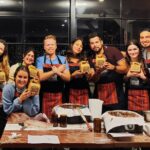
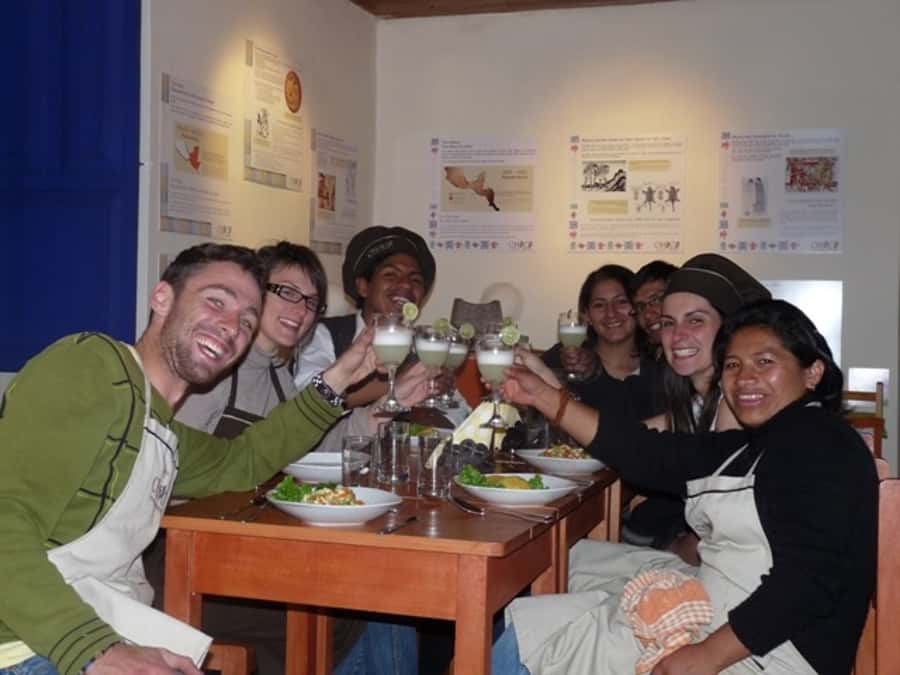
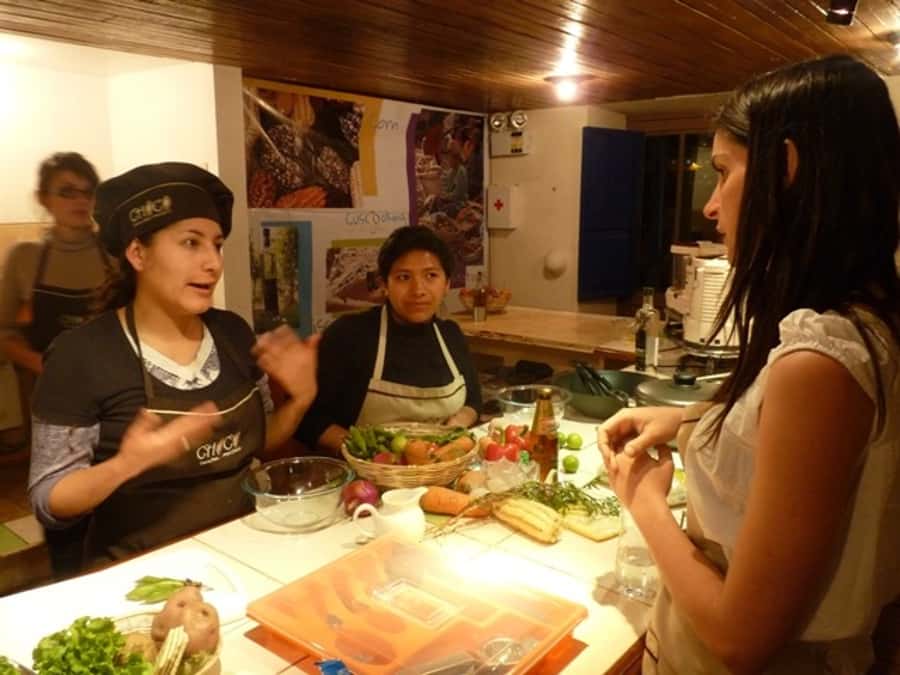
After the market, you return to the kitchen and cook under expert instruction. Since the class is led in Spanish and English, you can follow along comfortably even if your Spanish is still in progress.
The cooking rhythm is built around a full menu:
1) you prep for the starter
2) you move into the main course choice
3) you learn the pisco sour process
4) you finish with dessert and fruit
You’ll also have cooking supplies and ingredients provided, which removes the biggest hassle factor. You’re not hunting for specialty items or worrying about whether you brought the right tools.
One practical perk: because it’s a small group, you’re more likely to get help when you hit a sticky moment—like adjusting seasoning or nailing a basic technique. That kind of real-time correction is where cooking lessons become useful.
Menu Breakdown: Ceviche, Lomo Saltado or Ají de Gallina, Pisco Sour, Chocolate Fondue
This is the part you’ll remember when you’re back home planning dinner. The menu is built to show off distinct flavors and cooking styles, not just one repeating theme.
You can also read our reviews of more tours and experiences in Cusco
Starter: Ceviche
You’ll make ceviche as your starter. This is a great choice because it teaches you how Peru balances acidity, freshness, and seasoning. Even if you’ve had ceviche before, making it yourself helps you understand how the ingredients work together.
Main Course Choice: Lomo Saltado or Ají de Gallina
For the main, you’ll either cook:
- Lomo Saltado: a sautéed beef dish
- Ají de Gallina: chicken in a yellow pepper sauce
There’s a catch: the first participant booked chooses which option is cooked. If you have a strong preference, it’s smart to flag it in advance, but the first booking decides the final menu for the group.
My advice: treat this as a chance to try a different side of Peruvian cuisine. Lomo Saltado leans toward savory stir-fry comfort, while Ají de Gallina brings the distinctive pepper sauce character that Peru does so well.
You can request changes too. The meat can be replaced with vegetarian options, and the pisco sour can be swapped with fresh fruit juice if you prefer.
Drink Lesson: Pisco Sour
You’ll learn how to prepare a pisco sour, not just drink one. That makes a difference. Once you understand the process, you can recreate it later and impress friends without needing to guess.
If you’d rather not have alcohol, you can request a swap to fruit juice. That keeps the experience inclusive while still letting you follow the flow of the class.
Dessert Finish: Chocolate Fondue with Local Seasonal Fruits
At the end, you’ll enjoy chocolate fondue with local seasonal fruits. This is a feel-good close: the sweetness and fruit flavors make the meal feel complete, not just like a series of plates.
It also gives you a simple way to remember the class. Even if you forget a minor seasoning detail, you’ll remember the dessert pairing and the way the meal ends.
Included vs. Not Included: What You Can Expect Without Surprise
This class includes a lot of the stuff that usually drives cooking class prices up. You get:
- guided tour of the Peruvian market
- ingredients for preparing the menu
- the instructed cooking class
- dinner with a meal that includes three courses plus a pisco sour
- water
- cooking supplies
So your money goes into instruction, ingredients, and the full experience arc: shop, cook, eat.
What’s not included: gratuity and wine available for purchase, plus other alcoholic beverages beyond what’s provided with the class. If you want wine with dinner, budget extra. If you don’t, you’re fine—your menu includes the pisco sour as part of the experience.
Small Group Size, Real Instruction, and Language Support
The class is limited to 10 participants, which is a major quality lever. With fewer people, you get more attention, and it’s easier to ask questions without waiting.
Guides also handle Spanish and English, which helps if you’re traveling solo or you’re still building confidence with the local language. This kind of bilingual instruction matters because cooking has no patience for confusion—you need to understand what to do next.
From the way the class is described, you should expect step-by-step guidance and cultural notes tied to the ingredients. People often remember the “why” as much as the “how,” and here that learning is built into the market and kitchen segments.
Price and Value: Is $49 Reasonable for This 3-Hour Format?
At $49 per person for a 3-hour market-to-kitchen experience, you’re paying for three things at once: guided shopping, real cooking instruction, and a sit-down meal. In Cusco, where many tours are either food-focused but not hands-on, or hands-on but not market-based, this combo is what makes the price feel fair.
Also, because ingredients and cooking supplies are included, you’re not absorbing extra costs for items you don’t know you need. You leave with the meal plus the skills mindset—how to build a menu, not just how to eat it once.
The main “value risk” is your menu preference. Since the main course depends on what the first participant booked chooses, you might not get your first pick. If you’re flexible, the $49 value makes sense. If you’re not, consider booking with clear expectations and a willingness to enjoy the other option.
Common Friction Points (So You Don’t Get Caught Off Guard)
Nothing ruins a cooking class like timing expectations. This experience is designed to complete a full menu quickly. That means everything is managed as a set, not as slow-course fine dining.
One possible consideration is that some dishes may finish earlier than others. Since the menu moves from starter to main to drink to dessert within the same session, you could notice differences in serving temperature depending on how the group flows.
The good news: the class is still meant to be a relaxed experience where you cook, then eat together. If you’re the type who needs perfect timing for every bite, arrive ready to focus on the cooking and flavors, not the exact moment-by-moment heat level.
Who This Cusco Cooking Class Is Best For
You should book this if you:
- want a hands-on way to understand Peruvian food in a short window
- enjoy learning through the market first, then cooking right after
- like structured guidance, especially if you’re not an experienced cook
- want a fun group vibe with a small cap of 10 people
It may not be ideal if:
- you only want one specific main course and would be disappointed if the group chooses the other
- you prefer long, slow cooking education where you can repeat techniques multiple times
If you fall in the middle, you’ll likely have a great time because you’re getting both culture and practical cooking.
Should You Book This 3-Hour Cusco Cooking Class?
I’d recommend booking this if you want a strong Cusco food experience that mixes market learning with actual kitchen work. The menu is varied, the class size stays small, and the pisco sour lesson adds a cultural element you can take home.
Book it especially if you’re thinking about where to spend limited time in Cusco. For 3 hours, you get ingredient insight, cooking instruction, and a full meal payoff in one package.
If your heart is set on a particular main course, message your preference as early as possible and be ready for the group decision. The experience still gives you the market context and the rest of the menu, so it usually works out well even when you don’t control every choice.
FAQ
FAQ
Where does the cooking class take place?
It takes place inside ChocoMuseo on the corner of Plaza Regocijo. Look for the green and orange flags hanging from the balconies.
How long is the class?
The duration is 3 hours.
What’s included in the price?
You’ll get a guided market tour, ingredients for the menu, an instructed cooking class, dinner with a meal that includes a pisco sour, water, and cooking supplies.
What dishes do you cook?
You’ll cook ceviche as a starter, a main course that is either Lomo Saltado or Ají de Gallina, learn how to prepare a pisco sour, and finish with chocolate fondue with local seasonal fruits.
Can you choose between Lomo Saltado and Ají de Gallina?
You should inform the operator of your favorite option (Lomo Saltado or Ají de Gallina), but the first booking will rule for the group.
Can the pisco sour be replaced?
Yes. Upon request, the pisco sour might be swapped with a fresh fruit juice.
Can you request vegetarian options?
Yes. Upon request, the meat can be replaced by vegetarian options.
What language is the class taught in?
The instructor teaches in Spanish and English.