REVIEW · MANU JUNGLE TOURS
Living Nature from Cusco: 3 Days Manu Jungle all inclusive
Book on GetYourGuide →Operated by Viaja con Amaru Explorer · Bookable on GetYourGuide
Cusco to Manu in three days is a fast path into Peru’s jungle world. You get cloud forest on the way down, then real Amazon habitat with guided wildlife watching and a memorable morning at the parrot clay lick. It’s not just scenery. This plan is built around animals and the places they use every day.
What I like most is the mix of cultures and nature: you stop at Lupaca pre-Inca tombs and the colonial town of Paucartambo before the rainforest. Second, the wildlife focus is practical, from daytime birding to a guided night walk for insects and frogs. One thing to consider: it’s early starts and a fair amount of road and boat time, so you’ll want solid stamina for hikes and uneven paths.
In This Review
- Key highlights to look for
- Manu in three days: what this route really delivers from Cusco
- Day 1: Lupaca tombs, Paucartambo, and the cloud-forest descent to Pilcopata
- Day 2: Atalaya boat transfer, Amazon Manu Lodge, Machuwasi Lake, and the jungle night walk
- Day 3: The parrot clay lick morning and your return to Cusco
- Wildlife viewing odds: parrots, macaws, and what your guide actually does
- Lodges and comfort: Pilcopata vs Amazon Manu Lodge, plus the real travel reality
- Price and value at $390: what you’re really paying for
- Best fit: who should book, and who should skip
- Should you book this Manu Jungle tour from Cusco?
- FAQ
- How long is the Manu Jungle tour from Cusco?
- What’s included in the price?
- What meals are not included?
- What wildlife activities are part of the itinerary?
- Is zip lining part of the tour?
- What should I bring?
- Is this tour good for families?
Key highlights to look for
- Small group size (up to 15) means you’re not lost in a crowd when the guide spots something
- Two lodge nights with meals included keeps the trip smooth and saves you planning time
- Parrot clay lick morning viewing, when parrots gather to eat mineral-rich clay
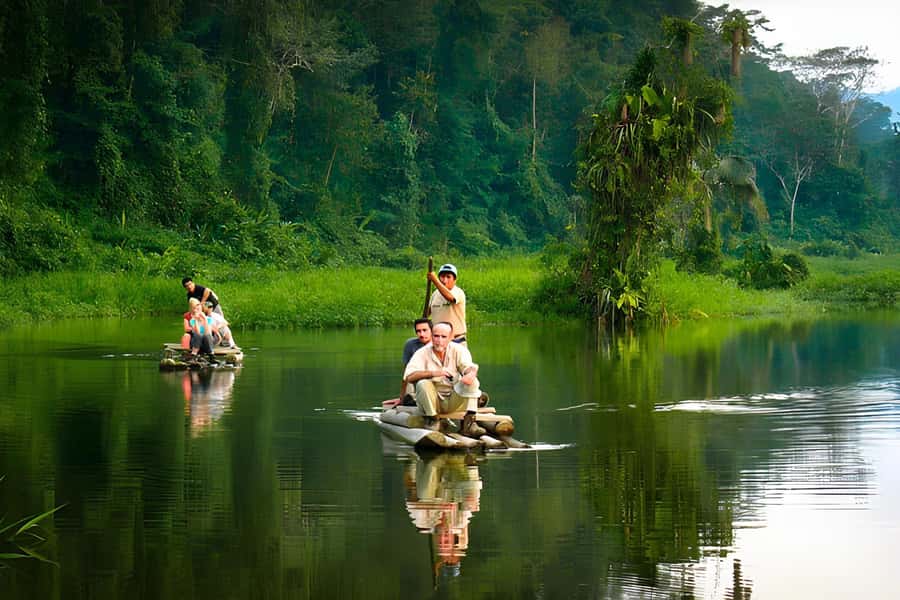
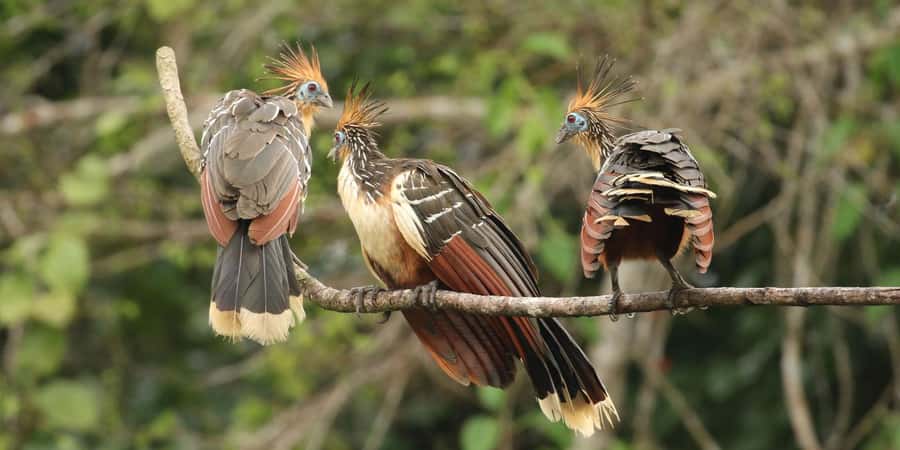
- Machuwasi Lake boat ride where you might see hoatzin and other wildlife from the water
- Night walk in the jungle to search for arachnids, insects, and amphibians after dark
- Guides who find animals: one guide name you’ll hear is Zero, praised for spotting birds others miss
Manu in three days: what this route really delivers from Cusco
This tour is a straight line from Cusco’s highlands into the rainforest zones that sit between the Andes and the Amazon basin. In about 72 hours, you move through different ecosystems fast: cloud forest first, then Amazon river-edge habitat, then back again. That’s the big value here. You don’t spend the whole time in one setting. You see the transition zone and the Amazon itself.
The pace is also the point. Manu is huge, and most wildlife is tied to daily rhythms. This itinerary uses those rhythms: morning birding and clay lick activity, daytime wildlife watching from boats, and a nighttime jungle walk when you shift from “birds and butterflies” to something weirder and more alive.
You should also know what kind of trip it is. It’s not a sit-on-a-bus-and-take-photos tour. You’re hiking on uneven ground at times, doing museum and town stops, then spending significant time traveling by road and water. If you get cranky with early departures, plan for that now.
You can also read our reviews of more tours and experiences in Cusco
Day 1: Lupaca tombs, Paucartambo, and the cloud-forest descent to Pilcopata
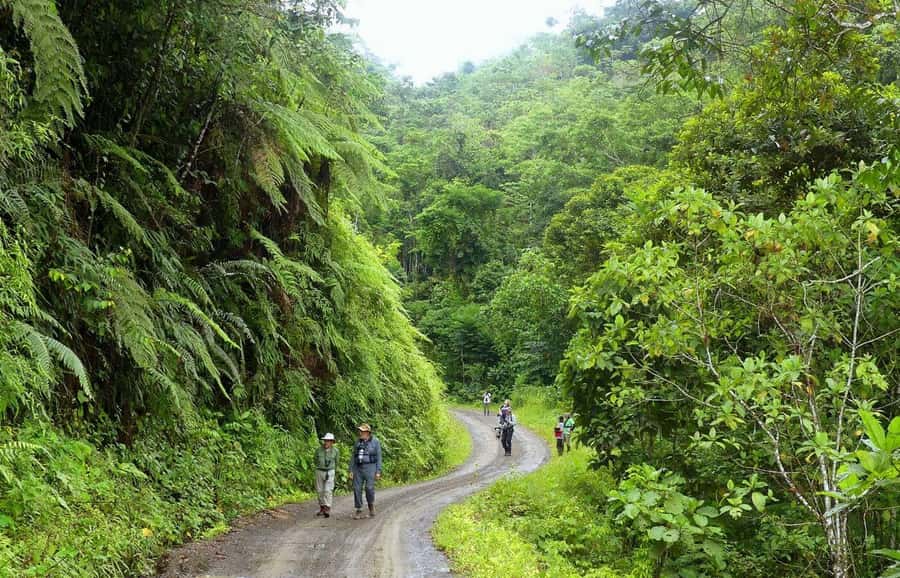
Day one starts with a morning departure from Cusco, then the long drive down through rural communities and Andean slopes. Before you reach the rainforest vibe, you get a cultural landing pad: pre-Inca Lupaca tombs. The point isn’t deep archaeology lecture time. It’s a chance to connect the region’s human history to the same landscape you’re about to walk through later.
Next comes Paucartambo, a colonial city. You’ll visit the city’s museum and then have lunch in the cloud forest. That lunch matters more than it sounds. Cloud forests can feel cooler and mistier than you expect, and having time to eat and reset before the next descent helps.
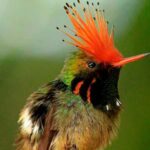
After lunch, you start moving through the cloud forest zone, where you’ll look for endemic species. The itinerary specifically calls out the spectacled bear and the cock of the rock (Peru’s national bird). You’re also watching plant life that signals elevation changes: orchids, bromeliads, and ferns. This isn’t about collecting photos of plants for the sake of it. These species indicate the humidity and microhabitats where insects and birds concentrate.
You’ll end the day at Pilcopata Lodge for dinner and an overnight stay. Based on real-world feedback from prior groups, Pilcopata can be more functional than fancy on the outside, but that’s often the trade-off for being close to the action. You’re there to sleep, eat, and gear up for the next zone.
One drawback to keep in mind: day one includes both driving time and a lot of moving around. If you’re sensitive to motion sickness, bring what you normally use. It’s also smart to dress in layers. Cloud forest weather can shift.
Day 2: Atalaya boat transfer, Amazon Manu Lodge, Machuwasi Lake, and the jungle night walk
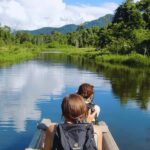
Day two begins with the river transition. After breakfast, you head to Atalaya, then take a roughly 40-minute boat ride to the Amazon Manu Lodge. This boat time is not wasted. It’s part of the viewing. The river corridor is where birds and other wildlife use edge habitat.
Once you arrive, you get time to rest. The itinerary also mentions a swim option in the river. That’s a big comfort point if you’ve been driving and climbing all morning. Just remember the jungle has its own rules: move carefully, and don’t assume every spot is safe to wade or swim.
Lunch comes at the lodge area, and then you have an optional zip line. If you’re the type who likes short adrenaline bursts, it can be a nice break from birding and boat time. If not, you can treat it as a bonus rather than a must-do.
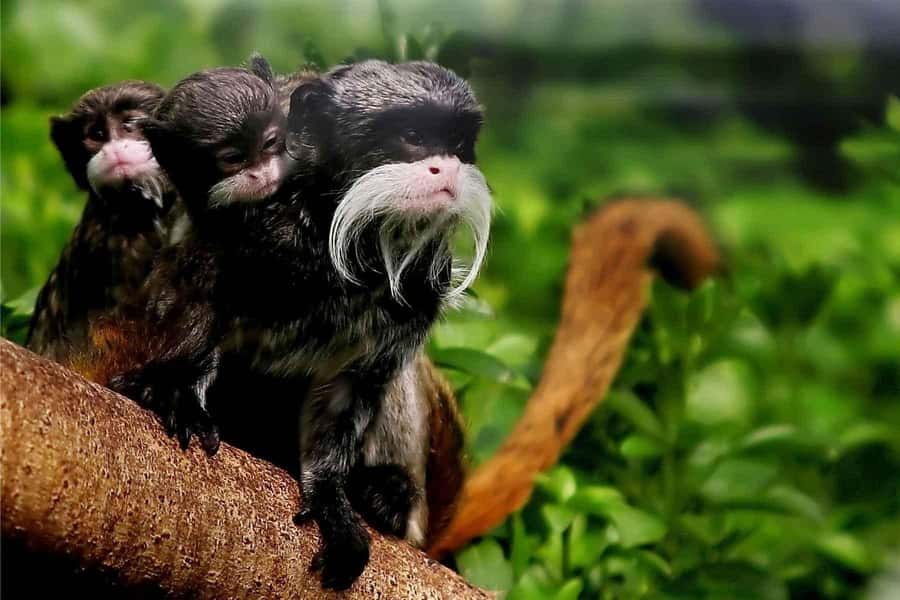
In the afternoon, you go to Machuwasi Lake and explore by boat. Here the guide focuses on birds, especially the hoatzin, often described as prehistoric-looking. The plan also mentions other wildlife you might spot, depending on conditions: monkeys and capybaras. I like how this portion is framed. It sets expectations that sightings are luck plus skill, not a guaranteed checklist.
Then comes the night walk, one of the most memorable parts for many people on this route. You go looking for arachnids, insects, and frogs after dark. This shift changes the whole vibe of the trip. During the day, you’re scanning treetops and river edges. At night, you’re paying attention to movement close to the ground and mid-level vegetation.
It’s also where a flashlight and good footwear matter. Even if the walk is not extreme hiking, night jungle terrain can be slippery or uneven. If you’re bringing a flashlight, bring one that works well in low light and won’t die mid-walk.
Day 3: The parrot clay lick morning and your return to Cusco
Day three starts early with a morning boat ride to the parrot clay lick. This is a wall-like bank area along the river where parrots gather every morning. The itinerary explains why: the clay is rich in minerals, and parrots eat it to help digestion and eliminate toxins.
That’s the key idea to understand before you arrive. This isn’t just a show. It’s a feeding behavior tied to nutrition. If you treat it like a wildlife spectacle, you’ll get more out of it, but if you understand the biology reason, the experience feels more meaningful.
After the clay lick, you return to the lodge for breakfast. Then you boat back to Atalaya and transfer to Cusco. There’s lunch along the way, and you reach Cusco in the late afternoon.
This return day is mostly about getting you safely back to altitude and normal routines. It’s also where you’ll notice how the trip adds up. By late afternoon, you’ll likely feel it in your legs and your sleep schedule. Plan a calm evening in Cusco after you arrive.
Wildlife viewing odds: parrots, macaws, and what your guide actually does
Manu is a place where your success depends on timing and the guide’s ability to read the forest. This tour is designed around that reality. It’s not a “maybe you’ll see something” plan. It’s structured so you’re in the right zones at the right times.
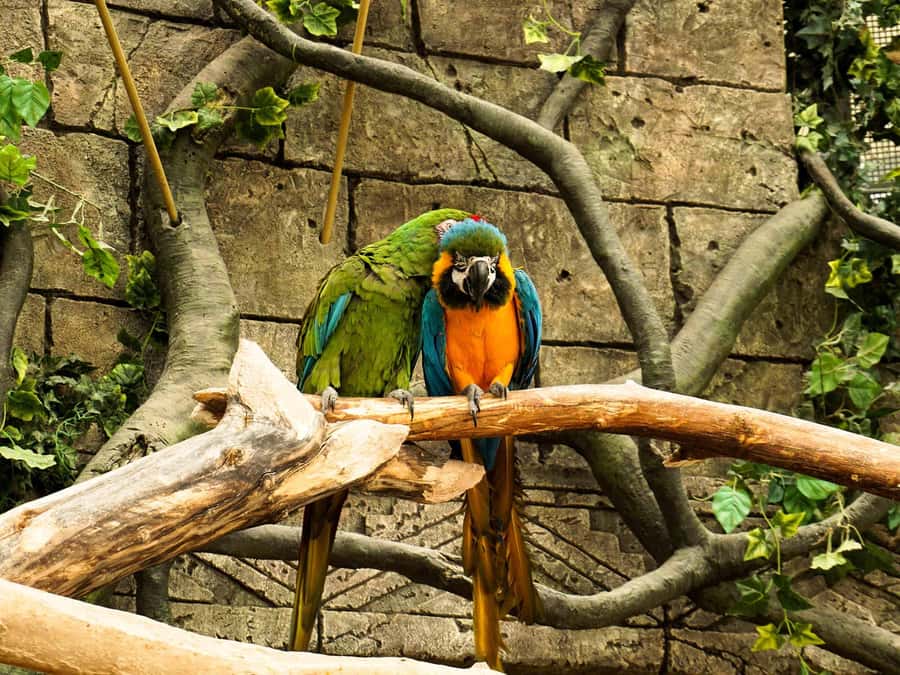
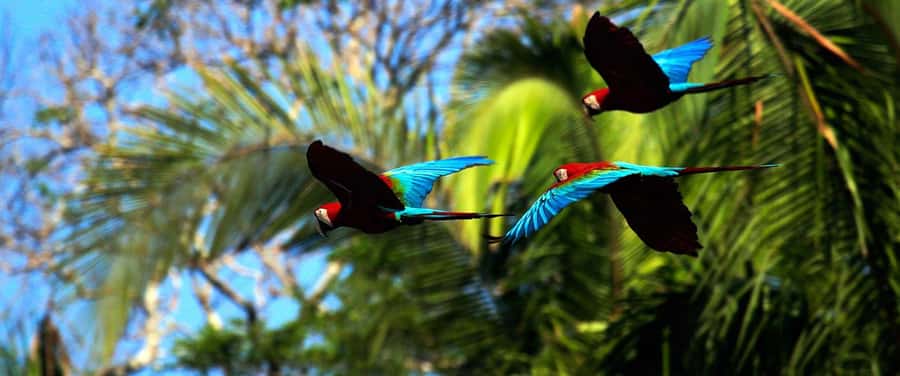
From the highlights, you’re specifically aiming for species like the blue-headed parrot, white-eyed parakeet, and chestnut-fronted macaw. You’re also looking for birds such as the cock of the rock in the cloud forest and the hoatzin on Machuwasi Lake. Add to that the chance for mammals mentioned in the route: spectacled bear in the cloud forest zone, plus monkeys and capybaras around water on day two.
Here’s how to make these wildlife moments more likely to happen for you:
- Keep your camera ready, but don’t stare blindly. Watch your guide’s pointing and scanning patterns.
- If you see one species, pause. The best animal sightings often come in short bursts, not in perfect single-file order.
- Dress for quiet movement. In this kind of jungle, rustling and loud steps can send animals away before you even realize you’re already late.
Also note the animal ethics rules in the trip guidelines: no feeding animals and no touching plants. That’s good for wildlife and good for you. It reduces the chance of getting too close to things you don’t want to handle.
Lodges and comfort: Pilcopata vs Amazon Manu Lodge, plus the real travel reality
Lodges on rainforest routes are never “hotel in the city” comfort. They’re functional and located to make wildlife access possible. For this tour, that means you’ll spend two nights, one at Pilcopata Lodge and one at the Amazon Manu Lodge.
One of the most useful bits of practical feedback from prior guests is this contrast:
- The first lodge (Pilcopata) can look less polished on the outside but works well for the schedule.
- The second lodge (Amazon Manu) is more remote, accessible only by boat. That remoteness is part of why the wildlife presence feels close.
There’s also a transportation reality check: the road down to the second lodge area can feel scary. The key detail is that the drivers are good. Still, if you’re nervous in cars, bring something to stay comfortable, and don’t skip water for the ride.
Food is another comfort factor. Reviews for this tour-style trip describe the meals as good, and on this itinerary you get three meals and one snack each day, with the specific exceptions noted in the details: no breakfast and no water listed for the first day, and no dinner listed for the last day. In practice, that means you should plan for what’s included versus what you may need to buy personally.
A final comfort point: you should pack for humidity and cool evenings. Even if you expect tropical warmth, cloud forest nights and jungle shade can feel chilly after a day outside.
Price and value at $390: what you’re really paying for
At $390 per person for a 3-day, all-inclusive style package, the value comes from how many moving parts are handled for you.
You’re not just paying for a guide. You’re paying for:
- inland transportation from Cusco,
- river transportation by boat,
- two nights in lodges,
- professional bilingual guide support (English/Spanish),
- three meals and one snack each day (with the specific day-one and day-three gaps noted),
- equipment like binoculars and a telescope, plus a first-aid kit,
- mineral water.
That matters because Manu-area logistics are the hard part. Transport is time-consuming, and it’s exactly the part you’d hate to organize alone. With a small group capped at 15, you also avoid the bigger-tour problem where wildlife spotting becomes a shouting contest.
What’s not included is also clear. Drinks like soft drinks or alcohol are extra, personal expenses are extra, and travel insurance is not included. If you’re budgeting, you’ll also want to remember that breakfast on day one and dinner on day three are not listed as included.
If you’re comparing costs, don’t just compare nightly lodge prices. Compare the total package cost with what it would take to line up guided wildlife time, boat rides, and two-lodge logistics yourself.
Best fit: who should book, and who should skip
This tour is best for adults and older teens who enjoy guided wildlife and can handle early departures. It’s small group, guided, and includes hiking on uneven ground as part of the experience.
It’s not suitable for:
- children under 12,
- pregnant women,
- people with back problems,
- people with heart problems,
- wheelchair users.
Also plan around altitudes. You’ll be in Cusco first, and even though the itinerary moves you downhill, you still need to be aware that the region has varying altitude. Early morning starts can hit harder if you’re not acclimated.
What you bring makes a big difference. The practical list helps you avoid being miserable:
- comfortable shoes and warm clothing,
- hat, sunscreen, rain gear,
- insect repellent,
- a flashlight for the night walk,
- camera, binoculars (even though binoculars and telescope are provided, your own camera and comfort with it matter).
One note on the rules: plastic bottles are not allowed. That’s common on guided tours in protected areas. Bring a reusable bottle so you can refill using the mineral water provided.
Should you book this Manu Jungle tour from Cusco?
If you want a well-paced intro to Manu rainforest wildlife without building your own multi-day logistics, I think this is a strong option. The structure is smart: cloud forest culture and birdlife on day one, Amazon river-and-lake time on day two, and the clay-lick morning payoff on day three. The small group size keeps the experience focused, and the guide-led approach helps you chase animals without wasting hours.
I’d hesitate only if you’re uncomfortable with early mornings, long travel days, and jungle night conditions. It’s also not the right pick for anyone with the listed medical or mobility limitations.
If you’re going anyway, go with a simple mindset: slow down when the guide stops, expect weather changes, and pack for insects and wet ground. Do that, and three days in Manu can feel like a full week of jungle memories.
FAQ
How long is the Manu Jungle tour from Cusco?
It’s a 3-day tour, and you should check availability to see the starting times.
What’s included in the price?
The package includes inland transportation, river transportation, 2 nights in lodges, 3 meals plus 1 snack each day (vegetarian option available upon request), a professional bilingual guide, binoculars and a telescope, first-aid kit, and mineral water.
What meals are not included?
The details specify that breakfast and water are not included on the first day, and dinner is not included on the last day.
What wildlife activities are part of the itinerary?
You’ll visit the parrot clay lick in the morning, explore Machuwasi Lake by boat, and take a night walk in the jungle. The highlights also mention specific parrot and bird species.
Is zip lining part of the tour?
Zip lining is listed as an option on day two after lunch.
What should I bring?
You’ll want comfortable shoes, warm clothing, a hat, rain gear, sunscreen, insect repellent, a camera, water, and a flashlight. Binoculars are also useful (and the tour provides equipment).
Is this tour good for families?
It’s not suitable for children under 12. It also isn’t suitable for pregnant women, people with back or heart problems, or wheelchair users.