REVIEW · AGUAS CALIENTES
4 Days Inca Jungle Adventure to Machu Picchu
Book on GetYourGuide →Operated by Inca Path · Bookable on GetYourGuide
That early Machu Picchu morning hits hard. This 4-day Inca Jungle Adventure layers downhill biking, jungle hikes, and hot-spring recovery into one efficient route from the Cusco region to Machu Picchu. I especially like the mix of active Inca-path walking plus real Andes views from the trail, and I like how the day-by-day structure keeps you moving without feeling rushed. One thing to flag: it is not the best fit if you get altitude sickness, since you start high and spend several days hiking.
You’ll also like the guided context. A bilingual guide helps you read the route and the places you pass, from plantation stops to the final Machu Picchu circuit. A possible drawback is that some segments are demanding—particularly the second-day hike and the biking—so plan to show up feeling active and keep your bag light.
In This Review
- Key things to know before you go
- A 4-Day Inca Jungle Route: Bikes, Inca Paths, and Machu Picchu at Sunrise
- Cusco pickup, Ollantaytambo breakfast, and the ride down from Abra Malaga
- Cloud forest walking, plantations, and the Pispitayoq family house stop
- Optional zip-lining, Hydroelectric Central Station, and arriving in Aguas Calientes
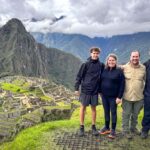
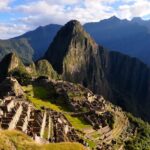
- Machu Picchu sunrise: the 4:00 am meet-up and your guided 2-hour tour
- Cocalmayo hot springs and Vilcanota River time: comfort that makes the next day easier
- Price and value at $439: what’s included, what costs extra
- Group size, pace, and packing tips that actually matter
- Should you book this Inca Jungle Adventure to Machu Picchu?
- FAQ
- How long is the Inca Jungle Adventure to Machu Picchu?
- Is pickup and drop-off in Cusco included?
- What group size is this tour?
- Are Machu Picchu entrance fees included?
- Is the bus to Machu Picchu included?
- What should I bring for the tour?
- Can I cancel and get a full refund?
Key things to know before you go
- Abra Malaga downhill biking gives you big altitude views fast, with protective gear included
- Small group (up to 10) keeps the pace controlled and helps on tighter trails
- Cloud-forest hikes through cocoa, coffee, cacao, and fruit plantations make the walk feel alive
- Cocalmayo hot springs are a legit muscle reset after the Vilcanota river hike
- Machu Picchu sunrise includes a guided 2-hour tour plus free time to choose your climb
- Costs you should expect: hot-springs entrance, the Machu Picchu bus, and optional extra viewpoints
A 4-Day Inca Jungle Route: Bikes, Inca Paths, and Machu Picchu at Sunrise
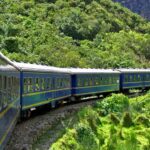
This is one of those trips where you get your thrills in stages. Day one is built around a high pass and a long downhill bike ride. Day two shifts into walking through cloud forest and along ancient routes, then ends with a soak at Cocalmayo hot springs. Day three gets you into Aguas Calientes by foot, lining up the views before Machu Picchu day. Day four is early wake-up, sunrise entry, and a guided tour that helps you understand what you’re looking at.
For value, I like that the “big ticket” part—Machu Picchu entrance fees—is included. You’re also covered for most meals, transport, and a bilingual guide throughout the trek. The trade-off is that you’re doing real activity for four days. This isn’t a slow sightseeing loop; it’s built for people who enjoy moving.
If you’ve got limited hiking stamina or you tend to feel sick at altitude, take that seriously. The trip starts at Abra Malaga (4,350 m) and includes early mornings, so you need a body that handles altitude and long days.
You can also read our reviews of more tours and experiences in Aguas Calientes.
Cusco pickup, Ollantaytambo breakfast, and the ride down from Abra Malaga
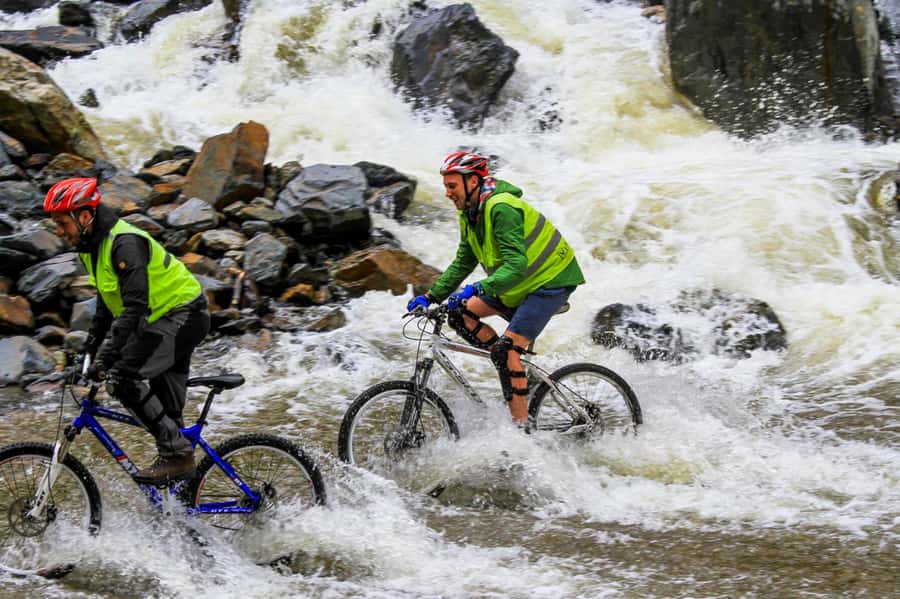
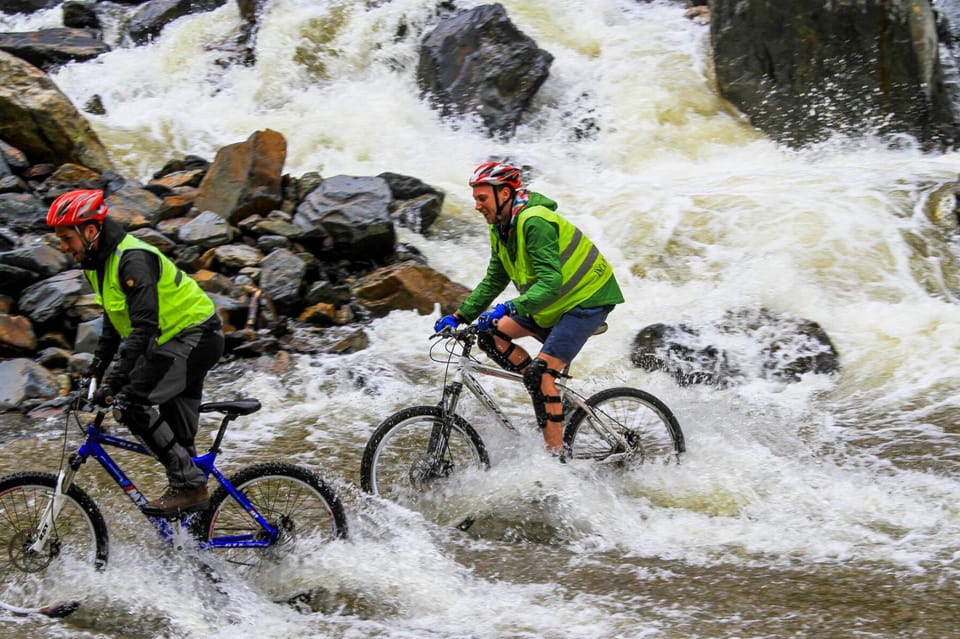
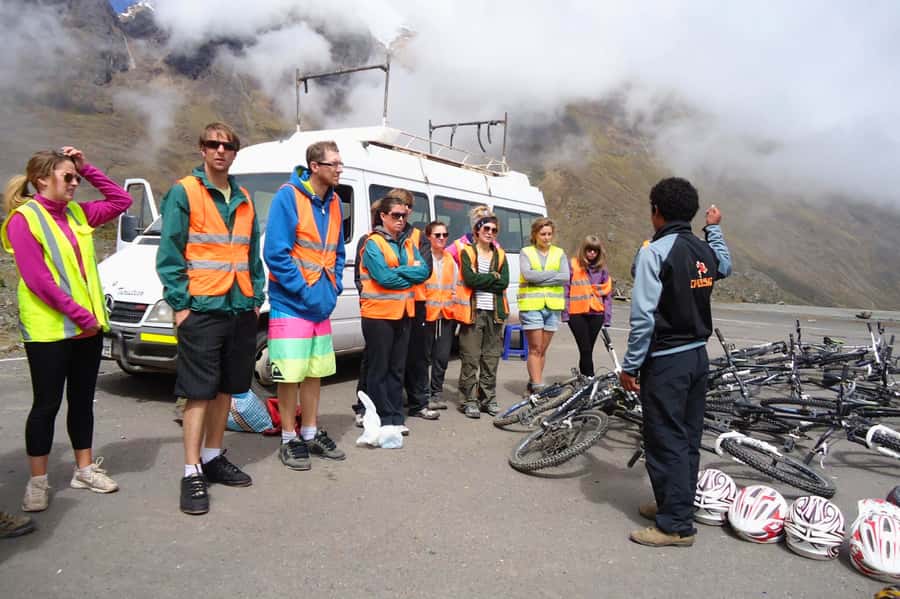
You start with a 7:00 am hotel pickup. Then you’ll stop in Ollantaytambo for shopping and breakfast before heading to Abra Malaga, the high pass at 4,350 m. From there comes the signature: a downhill mountain bike ride through the Andes down toward Huamanmarca.
This biking section is a big reason people love the “jungle” part of the name. It feels like you’re switching worlds: cold air at altitude, then the trail dropping you toward warmer valleys. The best part is that you’re not stuck on a boring transfer road for hours. You’re active from the moment you start.
Two practical notes. First, you’ll want your body ready for a downhill ride, even if the pace is guided. One review specifically suggested having some basic biking experience, which makes sense if you’re not used to handling a bike on uneven terrain. Second, bike and safety gear is included—helmets and knee pads—so you’re not improvising equipment.
After the ride, you transfer to Santa Maria. Lunch and dinner happen at your hostel, and the day ends there. If you’re up for it, there’s optional Vilcanota River rafting. Even if you skip rafting, Santa Maria is part of the reset: you eat, you sleep, and you let your legs recover for the next big day.
Cloud forest walking, plantations, and the Pispitayoq family house stop
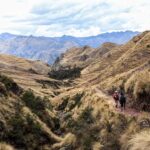
Day two starts at 6:30 am after breakfast, with a hike through cloud forest. This isn’t just “trees and mist.” You pass areas tied to everyday life—coca, coffee, cacao, and native fruit plantations—so the walking feels grounded instead of vague.
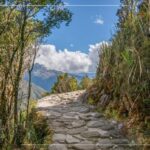
You’ll rest at a family house called Pispitayoq, which is one of those moments that makes a trek feel human. You’re not just moving through scenery; you’re stepping into how people live in the region. From there, you continue along an ancient route to Qellomayu village for lunch.
Then comes the long middle stretch. You hike about three more hours to reach the Vilcanota River, cross a monkey bridge, and work your way toward your big reward: Cocalmayo hot springs. This is the point where the trip shifts from exertion into recovery. When your legs are tired, soaking is not a luxury—it’s part of getting through the rest of the days comfortably.
After the hot springs, you continue to Santa Teresa for your hostel stay. This day is often the hardest one, and one guide (Andy) is noted for pushing the group along and keeping energy up. Even with a good guide, you should plan for real effort here.
Optional zip-lining, Hydroelectric Central Station, and arriving in Aguas Calientes
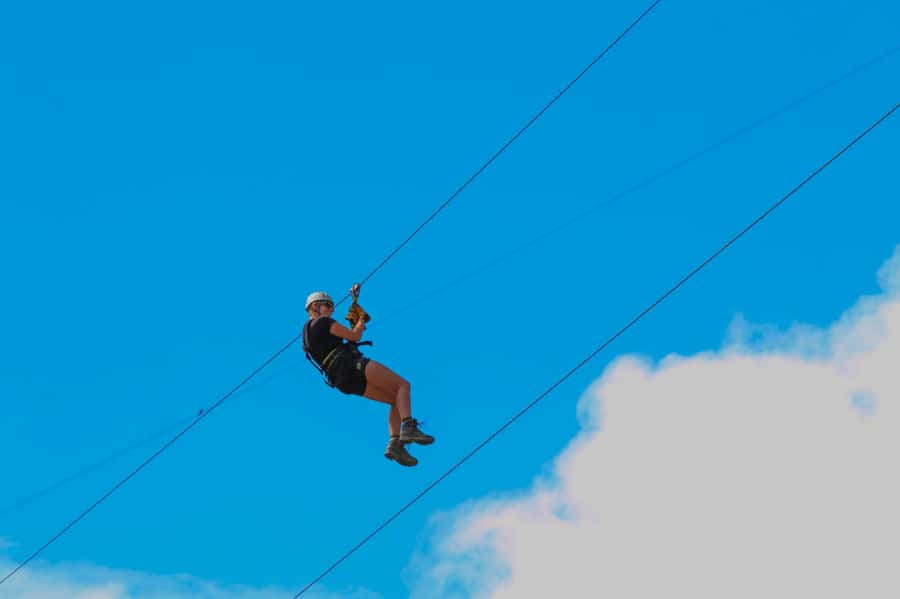
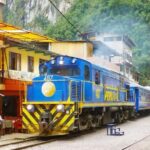
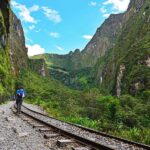
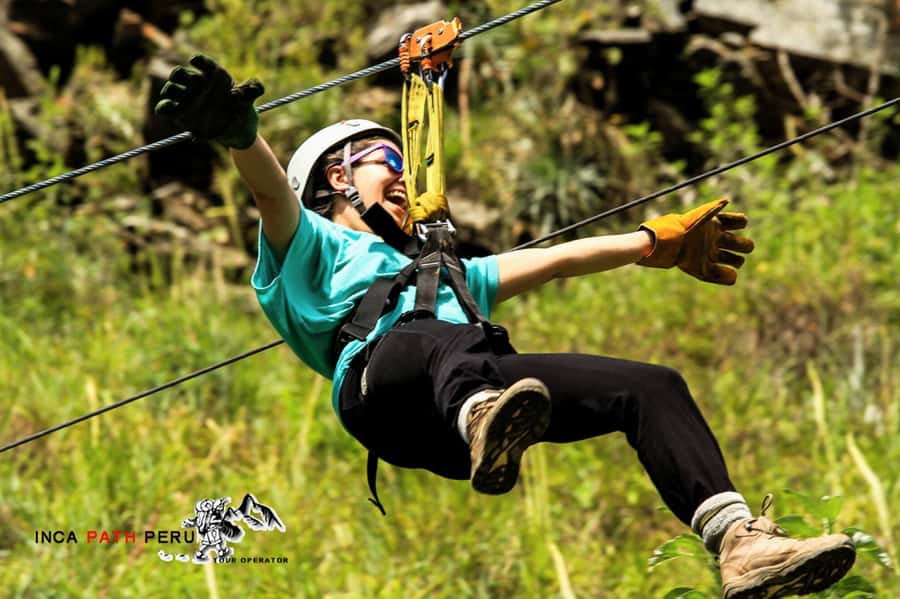
Day three begins with breakfast at 7:00 am. There’s optional zip-lining before you head to the Hydroelectric Central Station area for lunch. After that, you continue along the railroad route toward Aguas Calientes.
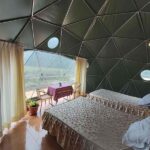
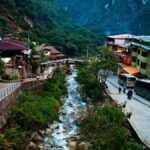
This walk is important even if you’ve seen Machu Picchu photos already. The route brings you closer to the mountain views in a way that feels earned. You reach Aguas Calientes around 5:00 pm, then check into a hostel with private bathroom and hot showers, which is a big quality-of-life upgrade after trekking days.
You’ll also get a sense of arrival energy. Aguas Calientes is where you transition from “trek mode” to “Machu Picchu mode.” One review highlighted the fact that ending the trek in town is a standout moment—because you can finally slow down, eat a proper meal, and get your timing together for sunrise.
Machu Picchu sunrise: the 4:00 am meet-up and your guided 2-hour tour
Day four is early. You’ll wake around 4:00 am to meet your guide. Then you either hike up or take the bus to Machu Picchu (bus cost is extra).
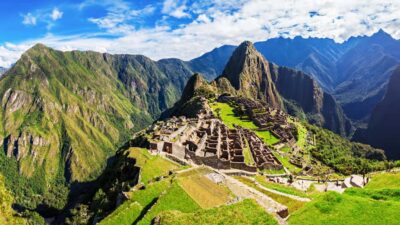
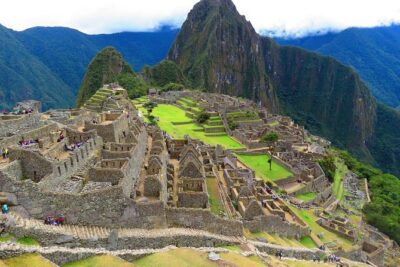
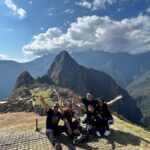
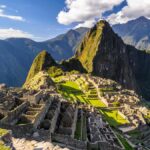
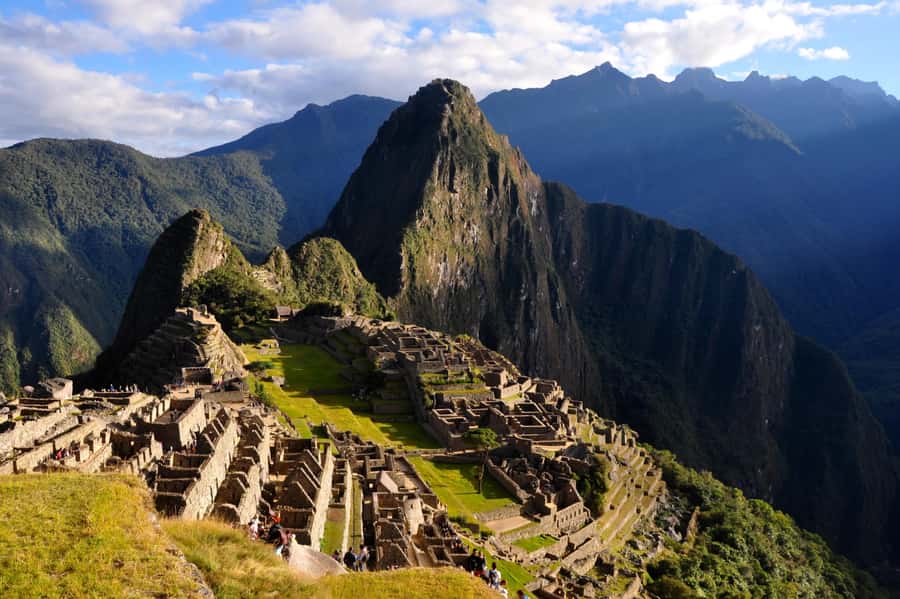
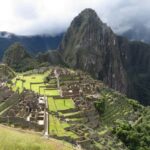
The morning plan is built around sunrise and includes a 2-hour guided tour. This is where having a bilingual guide matters. Machu Picchu is visually stunning, but the details are what turn it from a postcard into a place you actually understand. Your guide helps connect the site to the route and the Inca paths you walked earlier.
After the guided portion, you explore solo. You have optional extra climbs: Huayna Picchu or Machu Picchu Mountain, with additional fees and early booking needed. If you want that view upgrade, plan it ahead of time so you don’t leave it to chance.
Once you’re done, you return to Aguas Calientes by midday. Lunch at Machu Picchu isn’t included, and that’s normal—there are restaurant options in town after. The key thing is your energy management: an early start plus walking inside the site adds up. Wear good shoes and keep your daypack organized.
Cocalmayo hot springs and Vilcanota River time: comfort that makes the next day easier
The trip’s “recovery moments” aren’t an afterthought. The two big ones are the hot springs and—if you choose it—the river activity.
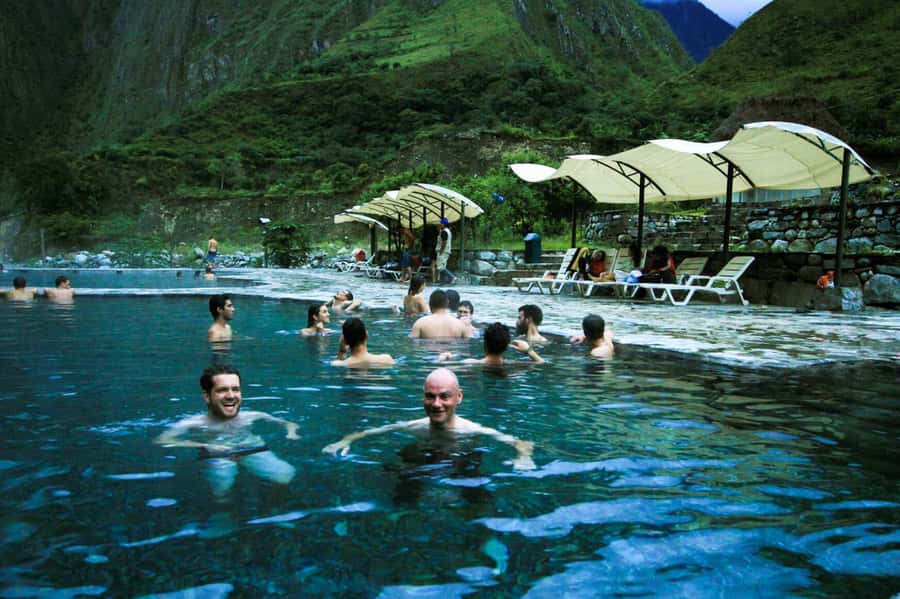
Cocalmayo hot springs are famous in this route, and you’ll go there on day two. The entrance fee is not included (listed as about $3 USD), so bring small cash just in case. After a hike that includes a river crossing and a long trail stretch, soaking helps you feel functional again instead of just sore and cranky.
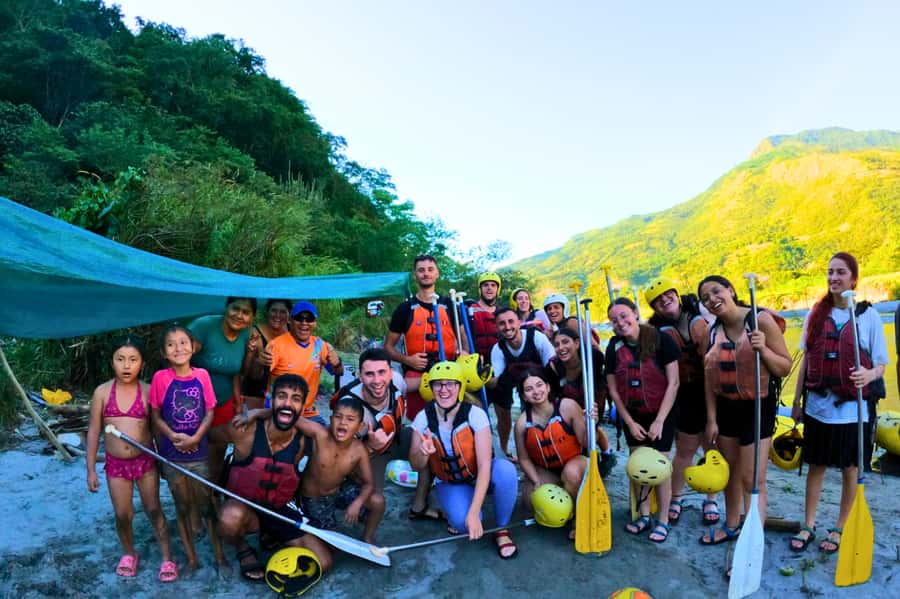
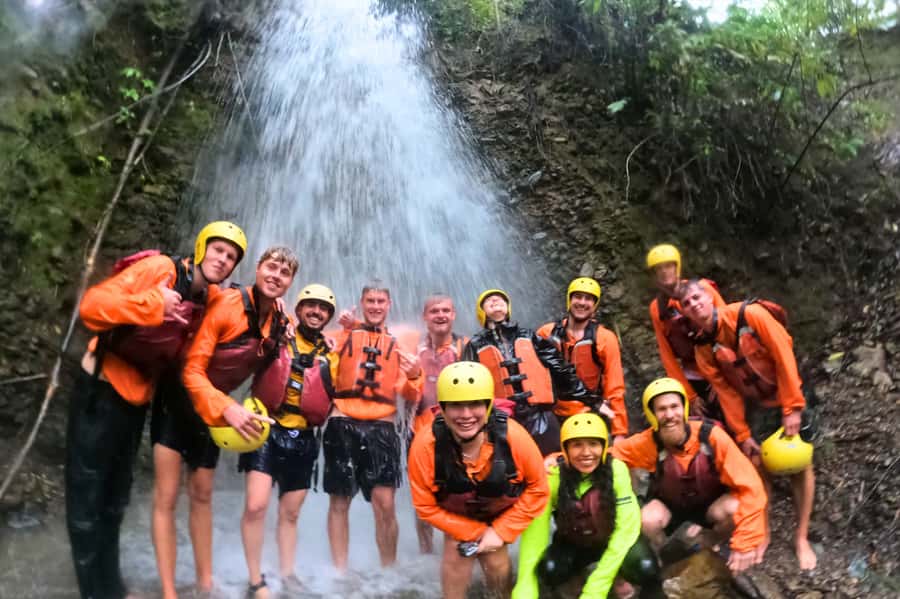
For the Vilcanota River, you can opt into rafting during day one. Whether you do it or not, it adds variety to the trip—moving from walking and biking to something more adrenaline-driven. Just remember that optional activities can affect your timing and energy, so decide based on how your body feels after the first day’s downhill ride.
Price and value at $439: what’s included, what costs extra
At $439 per person for four days, the best way to judge value is by what you’re not paying for separately.
This package includes:
- Cusco hotel pickup and drop-off
- Private transport from Cusco area to Malaga pass and down to Santa Maria
- A bilingual professional guide
- Mountain bike and protective gear
- 3 hostel nights (including hot showers in Aguas Calientes)
- 3 breakfasts, 3 lunches, 3 dinners
- Machu Picchu entrance fees
- Optional river rafting and optional zip-lining are listed in the included items
Things that are clearly extra:
- Cocalmayo hot springs entrance (about $3 USD)
- Bus to Machu Picchu (listed as $15 USD, double for round trip)
- Breakfast on day one isn’t included
- Lunch at Machu Picchu is not included
- Snacks aren’t included
- Optional climbs like Huayna Picchu or Machu Picchu Mountain have extra fees and require early planning
If you compare this to piecing together transport, guide time, bike gear, meals, and Machu Picchu entry on your own, the bundling is the selling point. The price is most fair when you actually plan to use the activities and don’t treat the trip as optional.
Group size, pace, and packing tips that actually matter
The group is capped at 10 participants, and that’s a practical advantage. Smaller groups spread out less on narrow paths, and your guide can keep pace without turning everything into a waiting game.
Pace-wise, you should be ready for:
- early starts (7:00 am pickup, 6:30 am day two, early day four)
- a big altitude beginning (Abra Malaga at 4,350 m)
- a tough second day that stacks hiking time with the hot springs payoff
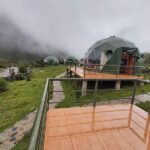
Accommodation is described as basic but friendly, and that lines up with hostel travel in this region. One review also recommended traveling with a small bag. That’s smart here because you’re changing locations and moving around with trekking gear.
Also, the trip is not suitable for people with altitude sickness. If you’re unsure how you react to altitude, it’s safer to talk to a medical professional before committing.
Should you book this Inca Jungle Adventure to Machu Picchu?
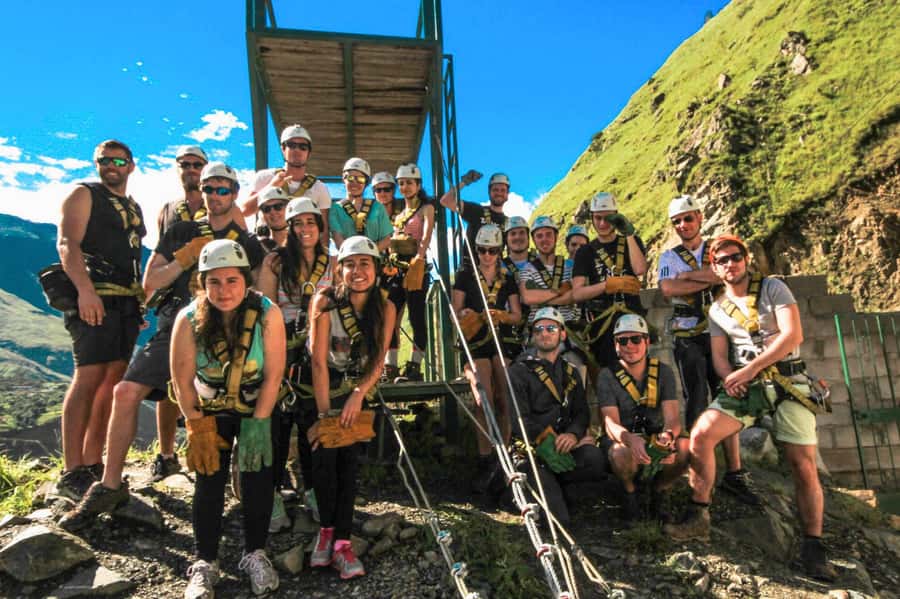
Book it if you want a Machu Picchu trip with motion built in. You’ll bike, hike, cross a monkey bridge, soak in hot springs, and still arrive with enough time to enjoy Machu Picchu at sunrise with a guided explanation. The combination of active Inca-path trekking plus the final guided Machu Picchu visit is exactly the kind of structure that makes the journey feel meaningful instead of like a series of transfers.
Don’t book it if you’re altitude sensitive, or if you hate early mornings and long hiking days. This route asks for stamina, especially on day two and during the early Machu Picchu wake-up.
One more “real-life” note: the guides can make a difference. Names like Andy and Carlitos come up in positive feedback for keeping energy up and bringing the Inca story to life in a way that makes you pay attention.
If you match the fitness needs, this is a strong way to reach Machu Picchu without spending four days watching buses.
FAQ
How long is the Inca Jungle Adventure to Machu Picchu?
It runs for 4 days.
Is pickup and drop-off in Cusco included?
Yes. Cusco hotel pickup and drop-off are included.
What group size is this tour?
It’s a small group limited to 10 participants.
Are Machu Picchu entrance fees included?
Yes. Machu Picchu entrance fees are included, and you also get a guided tour on site.
Is the bus to Machu Picchu included?
No. The bus to Machu Picchu is extra (listed as $15 USD, double for round trip). You can also hike.
What should I bring for the tour?
Bring your passport.
Can I cancel and get a full refund?
Yes. You can cancel up to 24 hours in advance for a full refund.