REVIEW · CUSCO
From Cusco: South Valley Villages and Archaeology Tour
Book on GetYourGuide →Operated by Peru & U · Bookable on GetYourGuide
A short trip can still feel big—this South Valley route packs Inca engineering, Huari adobe, and church art into 5 hours. I like how the day moves from Tipón’s working terraces to Andahuaylillas’ famous chapel murals without feeling rushed. You also get hotel pick-up and a bilingual English/Spanish guide, which makes the whole thing easier when your Spanish is still getting its footing.
The best part for me is the mix of ruins and real local life: you learn how the Incas managed water, then you get a chance to sample traditional food on the way back. One drawback to plan for: lunch and entrance fees aren’t included, so you’ll want some extra cash and a flexible appetite.
In This Review
- Key highlights worth your time
- Price and Logistics: why $29 can still make sense
- The Cusco pick-up and the drive to Valle Sur
- Tipón: Inca terraces, water, and the Viracocha connection
- Pikillacta: Huari adobe ruins from 700–900 AD
- Andahuaylillas’ Sistine Chapel of Peru: art you’ll actually remember
- Saylla return stop: food sampling without the pressure of a full lunch
- The guide experience: why the day feels easy
- Who this tour fits best
- Final thoughts: should you book the Cusco South Valley tour?
- FAQ
- How long is the Cusco South Valley Villages and Archaeology Tour?
- What’s included in the price?
- Are entrance fees included?
- Is lunch included?
- Does the tour offer English?
- Can I bring a pet?
- What is the cancellation policy?
Key highlights worth your time
- Tipón’s terrace farming and Inca water systems built for real agriculture
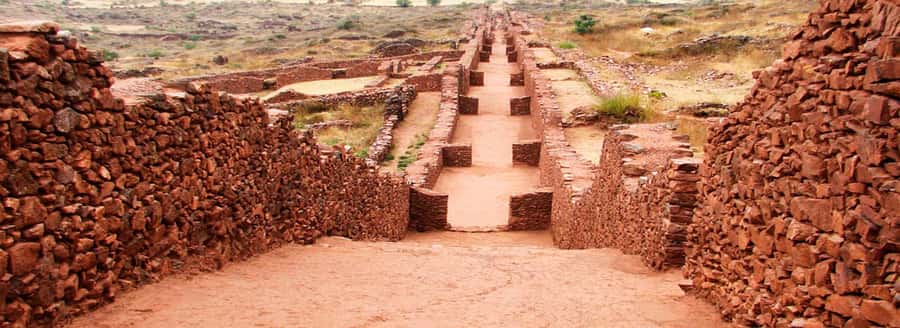
- Pikillacta’s Huari adobe complex from around 700–900 AD
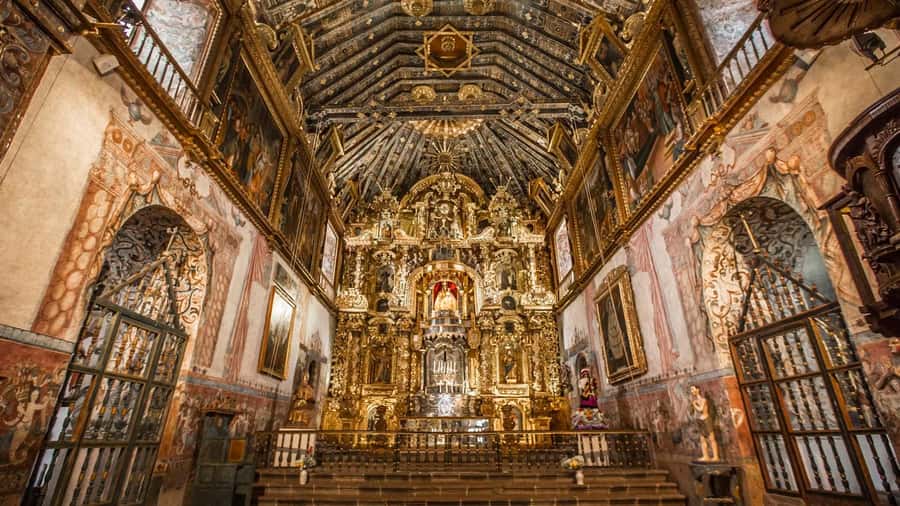
- Andahuaylillas’ Sistine Chapel of Peru with Escuela Cuzqueña paintings
- A calm, structured 5-hour pace that fits well into a Cusco itinerary
- Local food sampling around Saylla (with lunch not included)
Price and Logistics: why $29 can still make sense
At about $29 per person for a 5-hour guided tour with hotel pick-up and shared transport, this is the kind of outing that works when you want more than just another city walk. The key is what that price covers: guide time, transit, and bringing you to multiple sites.
What it doesn’t cover matters for your planning. Entrance fees aren’t included, and lunch isn’t included. That means the real cost of the day will depend on what you pay on arrival and whether you buy food during the trip. If you treat the tour as half archaeology lesson and half countryside break, you’ll feel like you got good value.
Also note the vibe: it’s described as calm and pleasant, not a hike-from-hell day. With shared transportation, you’ll get fewer private touches, but you also avoid the hassle of arranging vehicles and timing on your own.
You can also read our reviews of more tours and experiences in Cusco.

The Cusco pick-up and the drive to Valle Sur
This starts with pick-up at your Cusco hotel, then you head toward Valle Sur with an English-speaking guide (bilingual Spanish and English). I like this structure because it saves you from the classic Cusco problem: figuring out where to go, how to get there, and when everything actually starts.
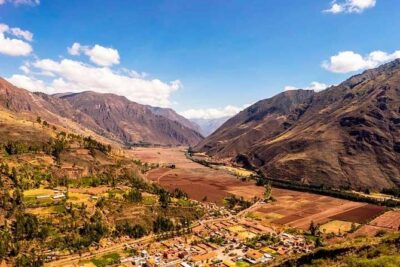
During the ride, you’ll get your first orientation to the route. Even without stopping much, just being driven out of Cusco helps you see how these sites connect—how agriculture and water control mattered across the region, and how later cultures left layers of building styles behind.
Tipón: Inca terraces, water, and the Viracocha connection
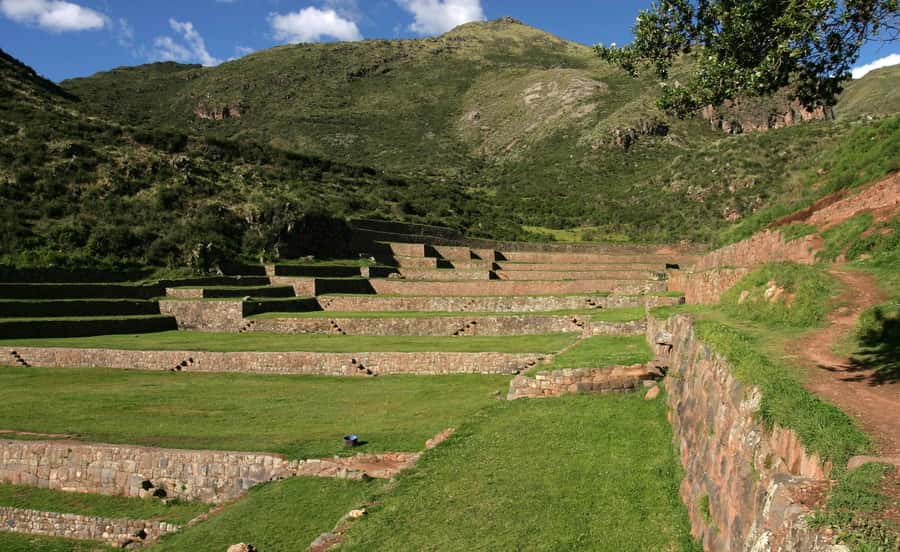
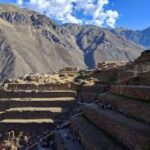
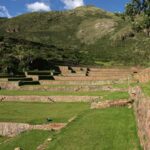
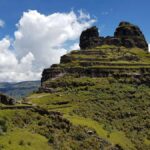
The day’s centerpiece is Tipón, an archaeological site often linked to a royal garden commissioned by the Inca god Viracocha. Even if you know nothing about Inca mythology, Tipón makes a lot of sense visually. The big idea is that this wasn’t just pretty landscaping. It was a system—designed for farming, movement of water, and daily use.
Here’s what you’ll be looking at:
- Agricultural terraces built by the Incas
- An aqueduct that irrigated the terraces from the Pachatusan mountain area
- Additional structures like baths and a temple complex
What I find useful for your planning is this: Tipón is where “Inca engineering” becomes understandable without needing a lecture. The terraces aren’t random. They’re arranged with purpose, and the water channel concept helps you connect the dots fast—why slope, stonework, and irrigation mattered to feeding a growing society.
Tipón also gives you a good change of tempo. You’re not just looking at one wall. You’re seeing a full environment created for work, not just for display. That’s why it’s so effective early in the tour: it sets the theme of the day.
Pikillacta: Huari adobe ruins from 700–900 AD
After Tipón, the route continues to Pikillacta, a pre-Inca site built by the Huari people around 700 to 900 AD. If Tipón feels like precision farming and Inca sacred design, Pikillacta gives you a different flavor: adobe architecture and a complex built by a society that came before the Incas’ dominance.
The practical value here is contrast. You’ll be able to compare cultures just by how the ruins are laid out and constructed. Pikillacta can also help you understand why Peru’s archaeological story isn’t one straight line. It’s layered. Different powers built, shaped, and reused land over centuries.
One small consideration: adobe sites can feel less dramatic up close than carved-stone ruins, especially if you’re expecting massive walls. If you go with the mindset of pattern recognition—layout, rooms, and construction style—you’ll get more out of it.
Andahuaylillas’ Sistine Chapel of Peru: art you’ll actually remember
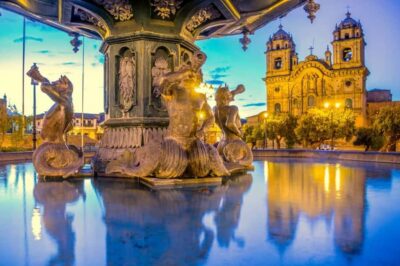
Next comes Andahuaylillas, where you’ll see the Sistine Chapel of Peru. This is the stop that shifts from outdoors archaeology to indoor (or chapel-style) artistry—and it tends to stick in your memory long after the terraces fade.
What you’re looking at includes:
- Elaborate paintings tied to the Escuela Cuzqueña style
Even if you’re not a museum person, this works because it’s visual and specific. You’re seeing regional painting traditions placed into a religious space, which makes Andahuaylillas feel like a cultural meeting point rather than a single-era monument.
If you’re deciding what to photograph, take a moment before the pictures start. Notice how the art is organized and where it directs your gaze. That little habit helps you understand what you’re seeing instead of just collecting images.

Saylla return stop: food sampling without the pressure of a full lunch
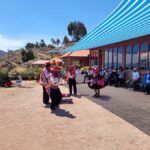
On the way back to Cusco, the tour route goes via Saylla. This is where you can enjoy local food options like pork chicharrones or roasted guinea pig. The experience description also points to sampling traditional food and meeting local communities, so expect a more social stop than just another photo spot.
Important planning note: lunch isn’t included, so think of this as a chance to try something specific (if you want) rather than a guaranteed full meal inside the tour price. The Esnel review you’ll see in the mix specifically mentioned lunch being a letdown compared to the rest of the day. That doesn’t mean you’ll hate the food—just that the meal part isn’t the selling point of the tour. If you care about food quality, go in with flexibility and treat the tastings as the bonus, not the foundation.
The guide experience: why the day feels easy
This tour includes a bilingual English and Spanish-speaking guide. I like guided days most when the guide does two jobs: keeps the logistics smooth and gives context that makes each site click.
The tone described from a verified booking was that the guide handled people well and made the outing instructive without turning it into a slog. That matters, because a route like this can be tiring if the explanation is vague or overly long. Here, the focus is on helping you understand what you’re seeing—especially the practical side of Inca agriculture at Tipón.
Who this tour fits best
This 5-hour circuit is a strong match if you:
- Want multiple archaeology stops without committing to a full-day excursion
- Prefer a guided, structured experience from Cusco
- Like understanding how ancient societies worked, not just staring at stones
- Appreciate an art stop like Andahuaylillas alongside ruins
It’s also a decent choice for first-time visitors to the Sacred Valley area who want a clear hit list in a short time frame. And if you’re traveling with limited flexibility for planning on your own, the pick-up helps a lot.
If you’re looking for a very long, deep archaeological immersion, or you want lots of free time at each site, you might feel the pace is a bit “on schedule.” But for most people, the timing is the point.
Final thoughts: should you book the Cusco South Valley tour?
I’d book this if you want a practical, high-yield day that mixes Tipón, Pikillacta, and Andahuaylillas into one guided route. The value is strongest because you’re paying for transport, guide time, and access to several key sights—at a price that stays friendly for a budget.
Pass or reconsider if you hate surprises around food costs or if you need entrance fees and lunch already handled. Since those aren’t included, plan to spend a bit more on the ground.
If you like calm pacing, clear explanations, and a day that makes ancient water engineering and regional church art feel connected, this one is worth your time.
FAQ
How long is the Cusco South Valley Villages and Archaeology Tour?
The tour lasts 5 hours.
What’s included in the price?
The included items are hotel pick-up and drop off, shared transportation, and a bilingual English and Spanish-speaking guide.
Are entrance fees included?
No. Entrance fees aren’t included, so you’ll want to budget separately.
Is lunch included?
No. Lunch isn’t included.
Does the tour offer English?
Yes. The tour guide is bilingual English and Spanish.
Can I bring a pet?
No. Pets aren’t allowed on this tour.
What is the cancellation policy?
This activity is non-refundable.