REVIEW · SACSAYHUAMAN & INCA RUINS
Cuzco : Excursion City Tour in Cusco, Sacsayhuaman and Tambomachay
Book on GetYourGuide →Operated by Peru Adventure Trek | Travel Agency · Bookable on GetYourGuide
Cusco feels like it’s already speaking to you. This 6-hour minivan tour stitches together the Incas’ major sites around town, starting at Plaza de Armas and ending near Plaza Regocijo. You’ll get a guided route through Sacsayhuaman, then quieter stops like Qenqo, with enough time at each place to actually look, not just pose.
I like two things a lot: first, the guide’s detailed explanations, which makes the ruins feel less random and more intentional. Second, the day’s timing is organized so you don’t feel stuck for hours in a single spot.
One consideration: the route may include a stop tied to alpaca clothing shopping, and that can feel tedious if you’re not interested in browsing.
In This Review
- Key highlights worth your attention
- Six hours around Cusco’s Inca power centers
- Plaza de Armas pickup and the Coricancha start (optional)
- Sacsayhuaman: the fortress stop with big city views
- Qenqo and the “ceremonial-astronomical” side of Cusco
- Puka Pukara: the military fortress stop (with baths and aqueducts)
- Tambomachay’s carved water channels and a water-cult idea
- Transport, pacing, and what 6 hours actually feels like
- Price and tickets: what $18 covers (and what it doesn’t)
- A quick word on the alpaca shop stop
- What to bring for Cusco weather and comfort
- Who this tour suits best
- Should you book this Cusco City Tour in Sacsayhuaman and Tambomachay?
- FAQ
- What time does the tour start?
- How long is the tour?
- Where do I meet the group if I’m not picked up from my hotel?
- Do you include hotel pickup?
- Which sites are included on the route?
- Is the Coricancha entrance ticket included?
- Is the tourist ticket included in the price?
- What should I bring?
Key highlights worth your attention
- Coricancha (Qoricancha) optional start: You can begin with temple context and photo stops before heading out of the center.
- Sacsayhuaman views for days: The fortress area gives you a privileged look over Cusco.
- Qenqo’s ceremonial-astronomical angle: You’ll learn why this complex mattered beyond simple “ruins sightseeing.”
- Puka Pukara’s mix of functions: Military-fortress features like squares, baths, and aqueducts help you see how practical the Incas were.
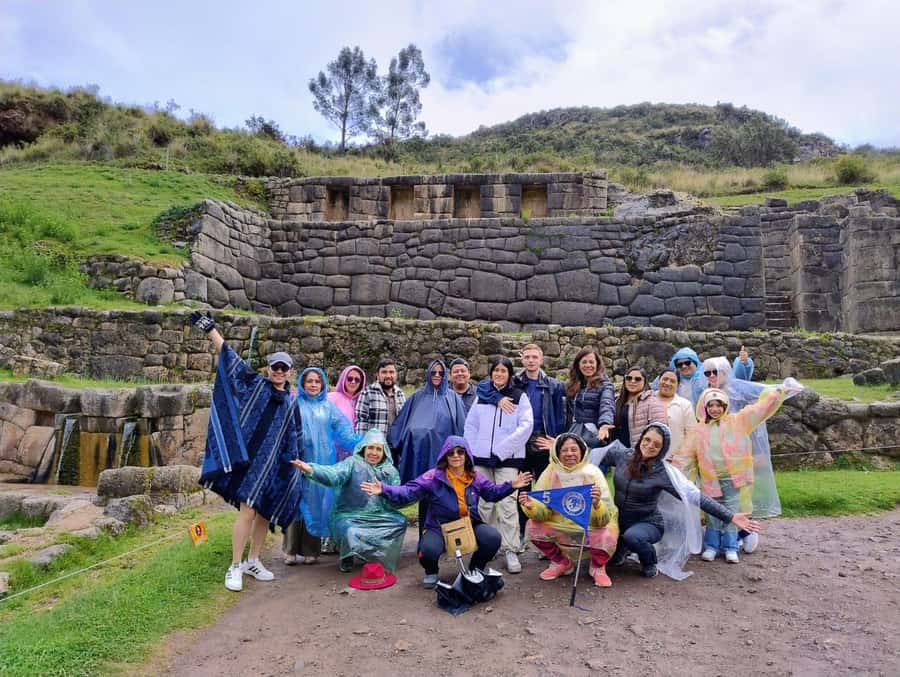
- Tambomachay’s water channels: Carved stone channels are tied to a water-cult idea, and the site is easy to take in.
- Hotel pickup or Plaza de Armas meet: Either works well if you want to avoid hunting for the first stop.
Six hours around Cusco’s Inca power centers
This tour is built like a smart circuit. You’ll spend about six hours moving between major Inca sites around Cusco, with short transfers by minivan and planned time at each stop for photos and guided walking.
There are two schedule windows, so you can choose what fits your day:
- Morning shift: about 09:00–14:00
- Afternoon shift: about 13:00–18:30
If you’re trying to see the big names without burning your whole day, this is the kind of plan that works. You get a mix of viewpoints, ritual sites, military-style architecture, and a water-focused complex, all within one loop.
You can also read our reviews of more city tours in Cusco
Plaza de Armas pickup and the Coricancha start (optional)
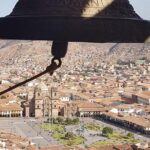
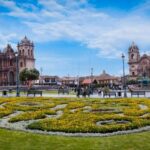
You start at Plaza de Armas, one of the most convenient launch points in Cusco. If your hotel is near the plaza, you can also get pickup about 10 minutes before the start time, or you can meet the group at the square.
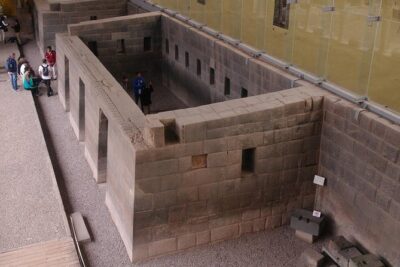
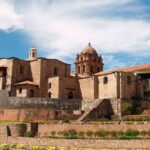
From there, the first big cultural anchor is Coricancha (also spelled Qoricancha on the ticketing side). The tour describes it as having what is inside the temple—so you’re not just driving past the name. It includes a photo stop and guided tour, with about 1 hour set aside.
A practical note: the entrance ticket to Qoricancha is not included (it’s listed separately at S/20.00). If you want the temple visit as part of your experience, plan that cost and bring cash.
Why this opening stop matters: it gives you context for the rest of the day. When you later see Sacsayhuaman’s fortress scale or Tambomachay’s water channels, you’ll understand better that these places weren’t random. They were part of a bigger system of meaning.
Sacsayhuaman: the fortress stop with big city views
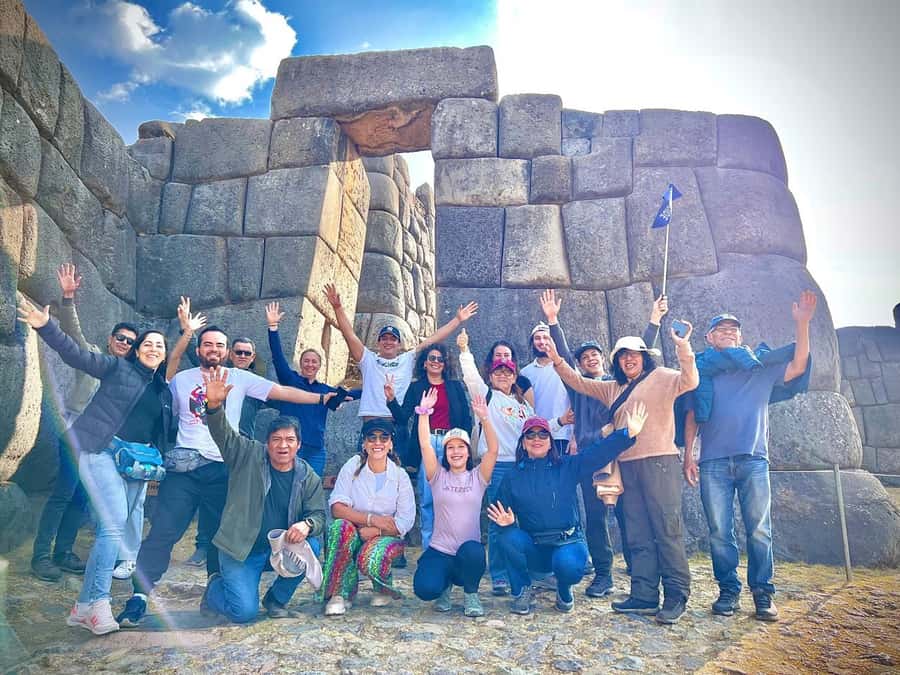
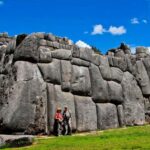
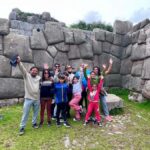
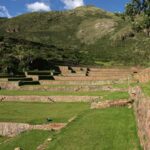
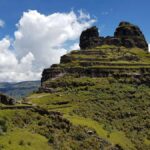
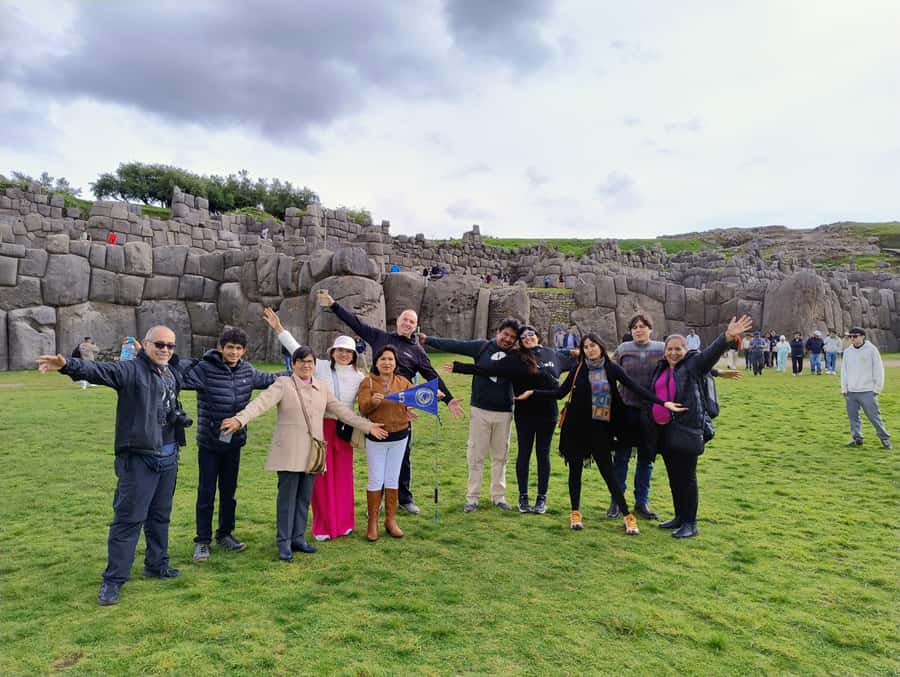
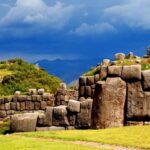
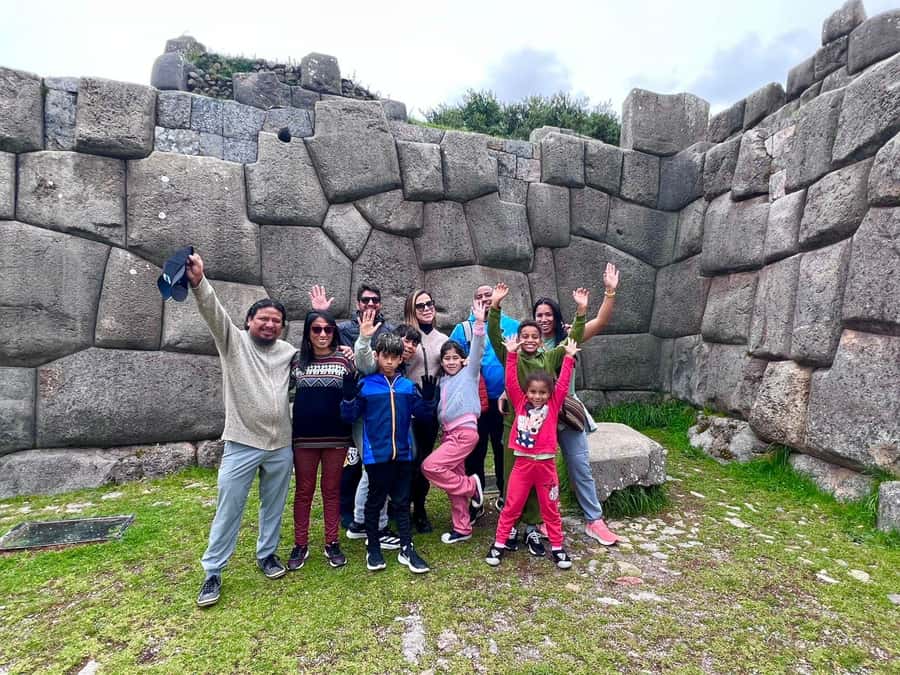
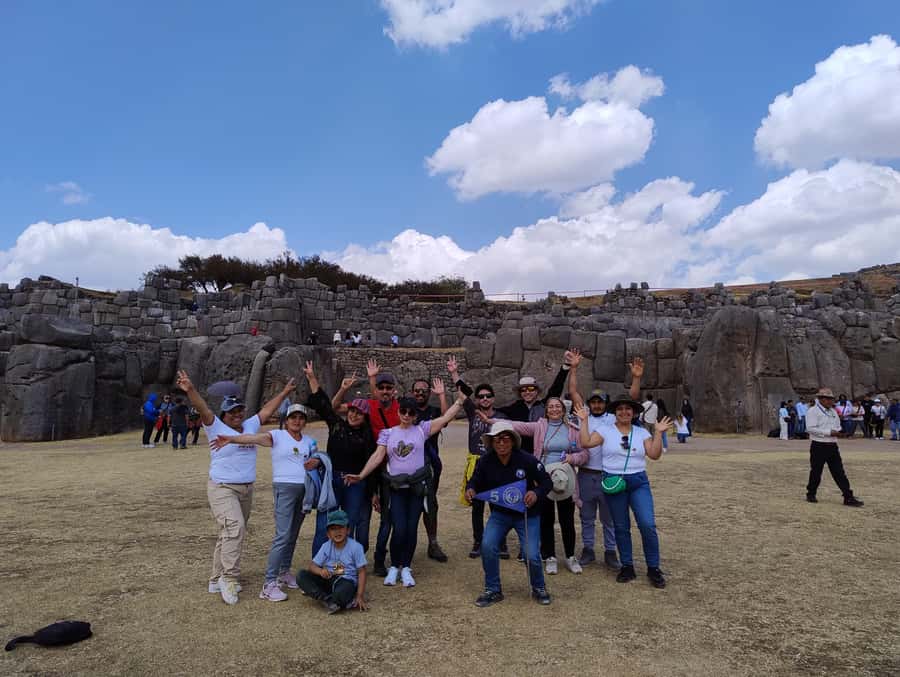
Next you head to Sacsayhuaman Archaeological Park. This is one of the tour’s best selling points for a reason: it’s emblematic, and it’s also a natural viewpoint.
The tour schedules the stop with:
- about 40 minutes on site
- break time
- photo moments
- guided visit and free time
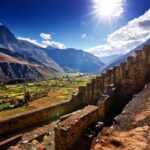
Here’s what makes it feel worth your time: Sacsayhuaman is positioned so you can contemplate a privileged view of almost the entire city. That means it’s not just walls and stones. It’s a chance to get your bearings quickly—how Cusco sits in relation to the ruins around it.
What to watch for: wear shoes that handle uneven ground. The guided walk is time-boxed, but you’ll still want solid footing because you’re on archaeological terrain, not a paved path.
Qenqo and the “ceremonial-astronomical” side of Cusco
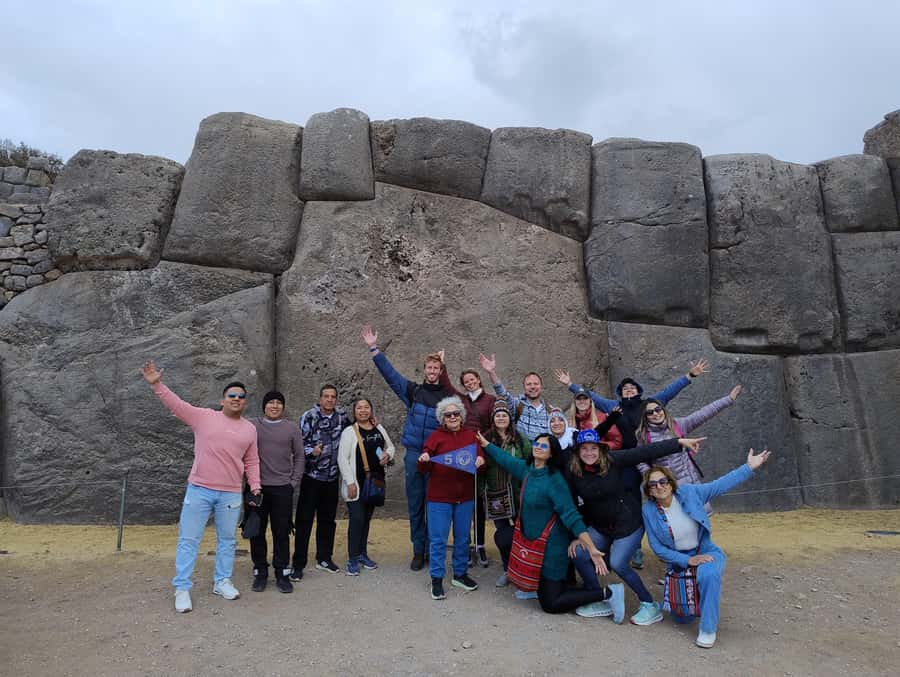
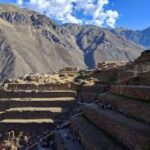
After a short minivan transfer, you reach Q’enqo Archaeological Complex. This stop is described as mainly used for ceremonial and astronomical purposes.
You’ll get:
- photo stop
- guided tour
- sightseeing
- about 30 minutes
This is a smart contrast to Sacsayhuaman. Where the fortress stop gives you scale and views, Q’enqo leans more into the “why this mattered” side. When the guide ties the site to ritual and observing the sky, it turns your attention from only what you see to how people might have used the space.
Practical tip: this is a good stop to slow down. If you rush it, you’ll miss the details the guide is pointing out. If you linger, you’ll get more out of the half hour.
Puka Pukara: the military fortress stop (with baths and aqueducts)
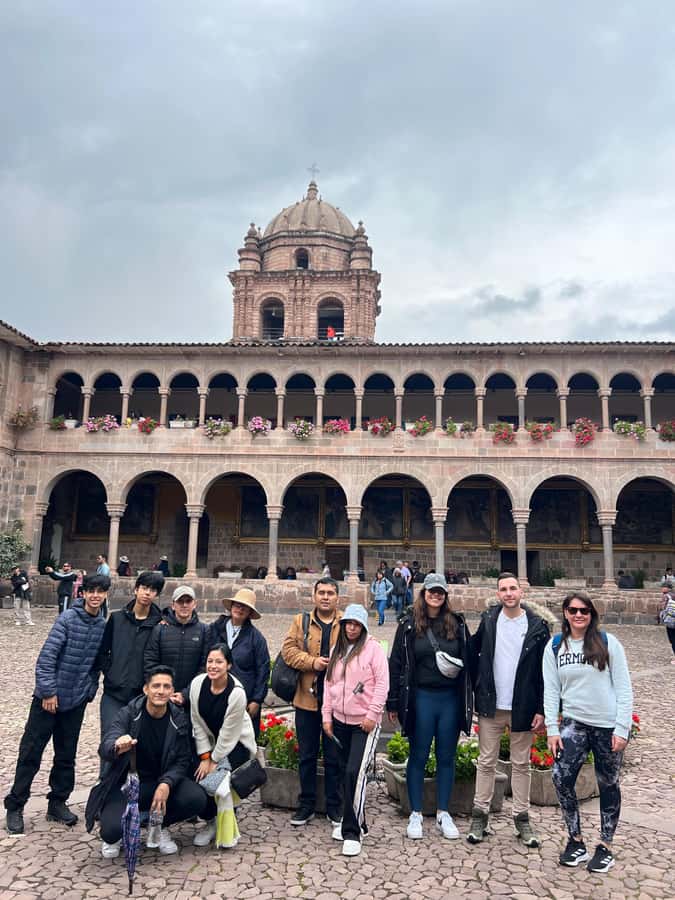
Then comes Puka Pukara, a site described as a fortress for military use. What I like about this stop is that it’s not presented as one single structure. The tour notes multiple environments such as squares, baths, aqueducts, walls, and towers.
On the schedule you’ll have about:
- 25 minutes at the site
- guided tour plus photo and sightseeing time
This makes Puka Pukara useful for understanding Inca engineering beyond agriculture and temples. Even if you’re mainly there for photos, this is the kind of place where you notice how people managed daily needs—water systems and organized spaces included.
Consideration: because the time is shorter, you’ll want to decide early what you care about most: architecture lines, water management features, or the views from particular angles. I’d pick two priorities and let the guide cover the rest.
Tambomachay’s carved water channels and a water-cult idea
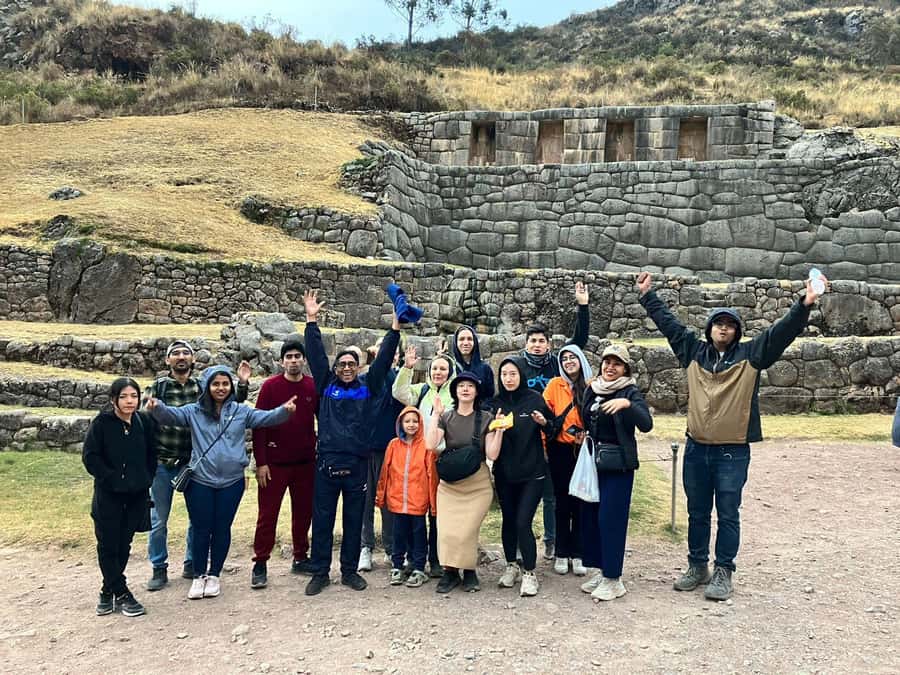
Finally, you’ll visit Tambomachay, described as an archaeological site with carved stone water channels. The text suggests it was possibly dedicated to the cult of water, which is exactly the kind of theme that makes this stop memorable.
Your on-site time is about:
- 40 minutes
- photo stop
- guided tour
- free time and sightseeing
This is the stop where you often feel the day relax a bit. Q’enqo and Puka Pukara are quick and focused, while Tambomachay gives a bit more breathing room. If you like ruins with a clear “theme,” water channels are easy to connect to the explanation your guide gives.
Also, if you’re someone who gets tired by repeated uphill walking, this is one of the better places to pace yourself because you have more time to look around without feeling rushed.
Transport, pacing, and what 6 hours actually feels like
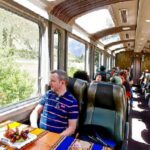
Everything is organized around short transfers by minivan, with frequent but brief breaks. The route includes multiple transfers (some as short as a few minutes) so the day doesn’t stall out.
That pacing is a big part of the tour’s value. It’s designed for visitors who want to see a lot without spending extra time figuring out routes, tickets, or ordering taxis. You get a plan and a guide, and then you decide how much you want to slow down at each stop.
Another nice touch from the information provided: the tour is described as suitable for all ages. Still, it’s not for everyone. It’s marked as not suitable for pregnant women and for people over 95 years. If you fall in either of those groups, it’s worth choosing a different option with fewer transfers and less walking.
Price and tickets: what $18 covers (and what it doesn’t)
The tour price is listed at $18 per person, lasting about 6 hours. For that price, you get tourist transport and a professional guide.
The costs that aren’t included matter, so don’t ignore them when judging value:
- Entrance ticket to Qoricancha: listed as S/20.00
- Tourist ticket: listed as S/70.00
So your real budget is the tour fee plus those additional site or regional tickets. Depending on whether you choose the optional Coricancha visit, you might pay more or less, but you should assume tickets will be part of the math.
Is it a good deal? In my view, yes—mainly because you’re buying two things that are expensive in time: transportation coordination and guided interpretation. If you tried to stitch together these stops alone, you’d spend hours juggling logistics, and you’d still have to figure out what each site means.
A quick word on the alpaca shop stop
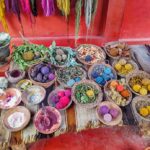
One of the practical trade-offs showing up in the provided experience details is a stop connected to alpaca clothing (chompas de alpaca) that some people may find a bit time-consuming. If you hate shopping stops, just mentally plan for it.
If you like buying souvenirs and you want a chance to browse, it can be fine. If you don’t, you’ll still benefit from the structured route—just use that moment to take a breath and reset, then get back to the ruins.
What to bring for Cusco weather and comfort
This tour is short enough that you can stay comfortable if you pack smart. Bring:
- Camera
- Biodegradable sunscreen
- Comfortable clothes
- Cash (you’ll likely need it for tickets)
- Charged smartphone
Why cash is specifically called out: because the tour requires separate payments for certain entries and tickets. Cusco runs on real-world logistics, and having cash keeps you from getting stuck.
Also, dress in layers. Even on clear days, the timing of a morning or afternoon circuit can make temperature shifts noticeable once you’re outside the center.
Who this tour suits best
This works well if you:
- want a guided overview of key Cusco Inca sites in one day
- like the mix of fortress views + ceremonial/astronomical context + water-channel themes
- want to avoid independent transport planning
It also makes sense for families, since it’s described as suitable for all ages and uses a minivan circuit.
It’s not the best match if you:
- are looking for a quiet, slow archaeological deep dive
- want zero shopping stops
- need accessibility-friendly pacing (pregnancy and age limits are listed)
Should you book this Cusco City Tour in Sacsayhuaman and Tambomachay?
Book it if you want a well-structured route that gets you from the historic center to major sites around Cusco without extra planning. The tour’s biggest win is the combination of transport plus a guide who explains what you’re looking at, and the agenda is tight enough that you’ll feel productive rather than bored.
Skip or consider alternatives if you’re budgeting tightly for tickets and don’t want to add S/20.00 for Qoricancha plus S/70.00 for the tourist ticket on top of the tour price. Also think twice if you know you dislike shopping stops like the alpaca clothing stop.
If you do book, do this: plan for tickets in cash, bring sunscreen and comfortable shoes, and decide your photo priorities early. You’ll get a lot out of the day, especially from the Sacsayhuaman viewpoint and the water-channel story at Tambomachay.
FAQ
What time does the tour start?
There are two options: a morning shift starting around 09:00 and an afternoon shift starting around 13:00.
How long is the tour?
The duration is about 6 hours.
Where do I meet the group if I’m not picked up from my hotel?
You can meet at Plaza de Armas.
Do you include hotel pickup?
Yes. Pickup is offered if your hotel is near Plaza de Armas, about 10 minutes before the starting time.
Which sites are included on the route?
You’ll visit Sacsayhuaman, Q’enqo, Puka Pukara, and Tambomachay. Coricancha is an optional first point depending on the schedule.
Is the Coricancha entrance ticket included?
No. The Qoricancha entrance ticket is listed separately at S/20.00.
Is the tourist ticket included in the price?
No. The tourist ticket is listed separately at S/70.00.
What should I bring?
Bring a camera, biodegradable sunscreen, comfortable clothes, cash, and a charged smartphone.