REVIEW · MANU JUNGLE TOURS
3-Day Eco-Sustainable Private Tour Manu National Park
Book on Viator →Operated by Manu Tour Operator Expediciones Vilca · Bookable on Viator
Manu works on jungle time. This 3-day private tour from Cusco blends boat rides on the Madre de Dios with night walks and serious wildlife viewing.
I love two things about it. First, the guides come equipped with a telescope and binoculars, which makes long rainforest sightings feel closer and easier to read. Second, you get solar-panel battery charging, so your phone/camera life keeps going even when outlets feel like a rumor.
One thing to consider: you do hike and walk at times for about 2 to 3 hours, and the tour notes a moderate fitness level. If you hate early mornings and muddy trails, you’ll want to mentally prep before you go.
In This Review
- Key highlights to look for
- The Cusco start: why the 5:30–6:00 AM pick-up matters
- Kosnipata Valley and cloud-forest birding, plus Ninamarca tombs
- Entering Manu with Atalaya’s river rhythm
- Machuwasi lagoon and the Day 2 night walk plan
- Parrot clay lick on Day 3: the show that rewards timing
- Eco-sustainable details that actually affect your day
- Guides, food, and lodging: comfort level you can plan around
- Wildlife spotting that feels real (not scripted)
- Price and logistics: is $389 per person good value?
- Who should book this Manu tour?
- Should you book 3-Day Eco-Sustainable Private Tour Manu?
- FAQ
- Where does the tour start and end?
- What time is hotel or meeting point pick-up?
- Is this tour private?
- What’s included in the price?
- What is not included?
- How much walking is involved?
- What fitness level do I need?
Key highlights to look for
- Early cloud-forest bird chances around Kosnipata Valley, with classic targets like cock of the rocks and quetzals
- Water-based wildlife time: boat ride, raft rides on wooden rafts, and a river backtrack that keeps the day moving
- Thermal baths break up the jungle grind and give your legs a reset
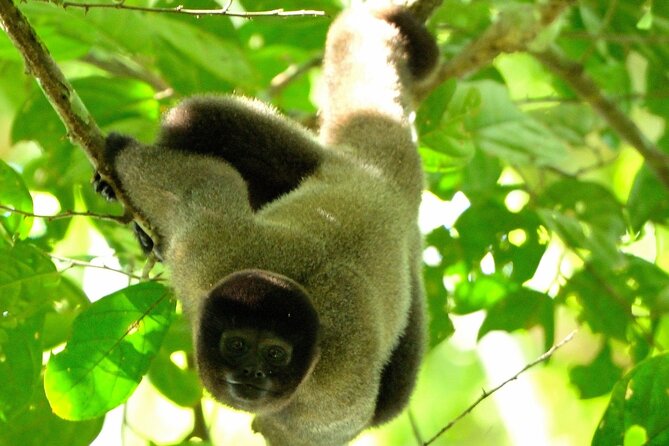
- Night walk focus on nocturnal animals like armadillos, snakes, toads, and nocturnal monkeys
- Specialist guide gear including telescope/binoculars plus a first aid kit on hand
The Cusco start: why the 5:30–6:00 AM pick-up matters
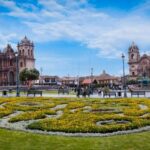
This tour is set up for people who can handle an early start. Pick-up runs from 5:30 to 6:00 AM from the Plaza de Armas area, and that timing matters because you’re heading from the highlands toward rainforest habitat that wakes up earlier than you do.
You’ll spend serious time in transit across the Andes-to-jungle route. Day 1 includes travel toward the Manu National Park area (with a reference point around Acjanaco), and Day 2/3 are paced with additional transfers to reach Atalaya, the practical launching point for river activities. In other words: this is not a sit-and-snack vacation. It’s a “you came to the jungle” trip, with the schedule built to maximize daylight for wildlife.
Also, because it’s private, you’re not stuck waiting on a big bus to regroup after each photo stop. You’ll have your guide and crew working with your group’s pace, and that usually makes the whole day feel smoother.
You can also read our reviews of more private tours in Cusco
Kosnipata Valley and cloud-forest birding, plus Ninamarca tombs
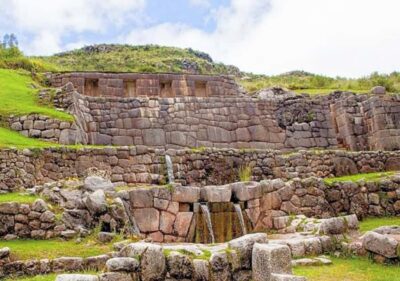
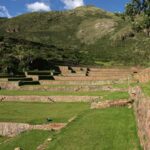
Day 1 is an interesting mix: cultural stop first, then rainforest nature time. You’ll travel through Kosnipata Valley and visit the funerary tombs of Ninamarca, part of the broader Paucartambo region. It’s a reminder that the Amazon region isn’t just wildlife and trees; it’s also human history and land use, sitting right alongside nature.
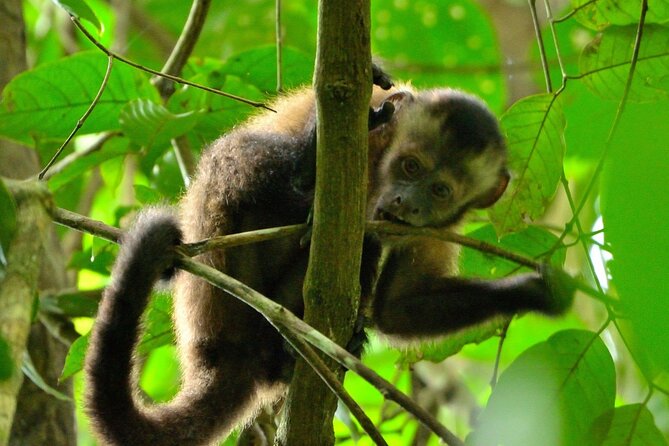
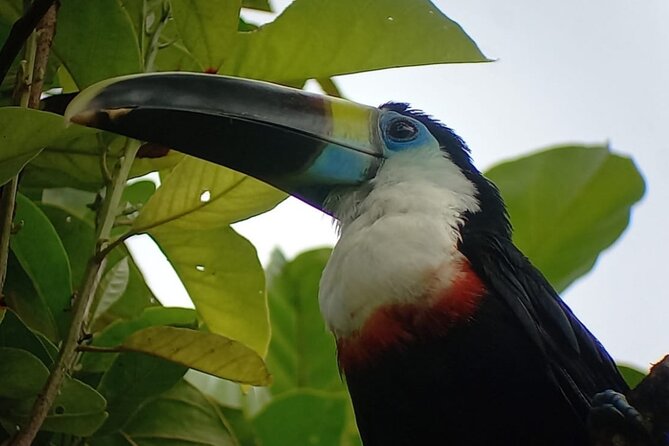
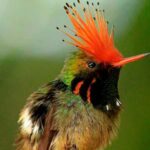
After that, you move into cloud forest where birding becomes the main event. The tour specifically points toward seeing cock of the rocks and quetzales, plus additional biodiversity and two monkey species during the forest walk. If you’ve only ever seen birds in zoos, cloud-forest bird watching changes your expectations fast: the canopy hides things until the moment they don’t.
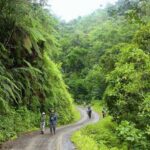
Practical angle: cloud forest conditions can feel cooler and damp compared to lowland jungle, and the walking time on Day 1 is listed as about 2 hours (with admission included). Go in expecting you’ll need layers you can adjust on the fly, and bring your patience for quick wing flashes and calls you can’t immediately place.
Entering Manu with Atalaya’s river rhythm
On Day 2 you transition into the core rainforest experience from the Atalaya area. You’ll take bus transport (about 45 minutes) to Atalaya, and on the way the tour highlights a spread of ecosystems and farming patterns: native plants, fruit trees, coca plantations, bananas, and medicinal plants.
That road-and-river combo is useful for two reasons. One: you get a better sense of how the jungle edges are used and managed. Two: you start seeing wildlife signs early, including birds and plant detail, before you even get on the water.
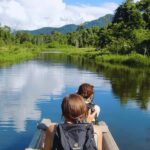
Then comes the water day. You’ll do a boat ride, relax in thermal baths, take a 2-hour walk in the tare, and ride wooden rafts around the Machuwasi lagoon. This is the heart of Manu for many people because it creates variety in one day: quiet floating, hot soak breaks, and then active searching on land and water.
One note on pacing: with multiple activity types packed in, your best strategy is to keep your camera accessible but not permanently in your face. Let the guide set the observation rhythm. Your telescope/binocular time will be most rewarding when your eyes are first catching movement naturally, then your gear confirms the ID.
Machuwasi lagoon and the Day 2 night walk plan
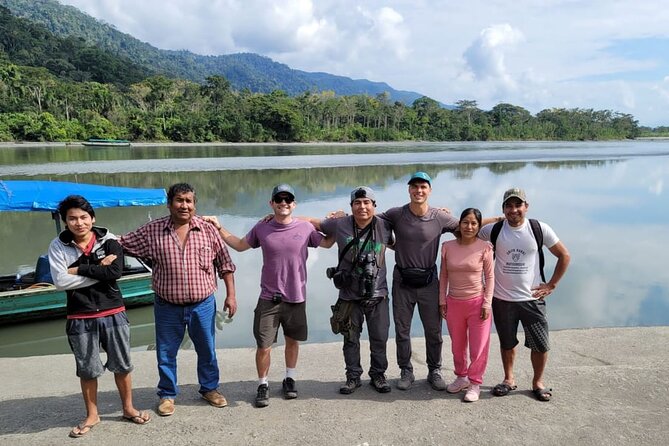
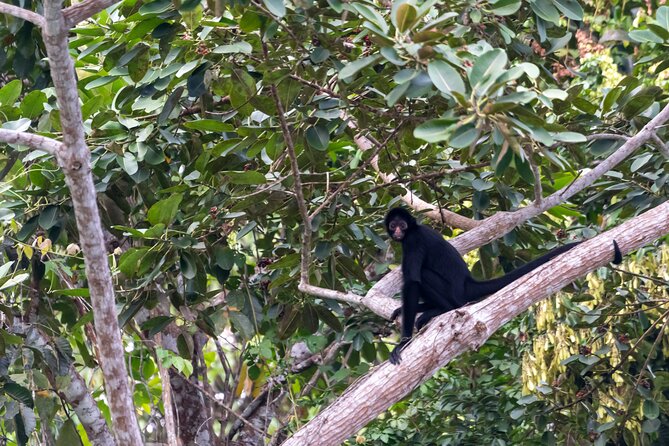
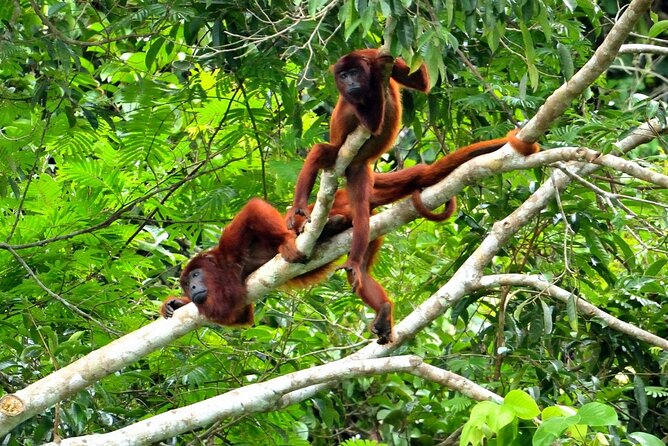
Machuwasi lagoon is where the day shifts from daytime birds to more “look longer” wildlife. The tour calls out observing many native birds, plus sightings of animals like capybara and monkeys during the raft-and-lagoon time. Capybaras are especially good proof that you’re in the real habitat, not just passing through.
After you’ve had enough daylight wildlife to make your camera batteries sweat, Day 2 ends with a free night walk. That’s not just an extra. It’s part of the tour’s logic: different species are active after dark. The tour description specifically targets nocturnal animals such as armadillo, snakes, toads, and nocturnal monkeys.
Night walks in the rainforest are also about technique. Keep your movements slower than you think you need to be. You’re listening for rustles and calls as much as you’re looking. Your guide’s role becomes critical here—someone who knows how to read the forest at night can make the difference between seeing nothing and spotting something real.
Also, because your gear includes solar recharging for your batteries, you’re less likely to end up in the annoying situation of filming all day and then having your devices die right when the night walk starts.
Parrot clay lick on Day 3: the show that rewards timing
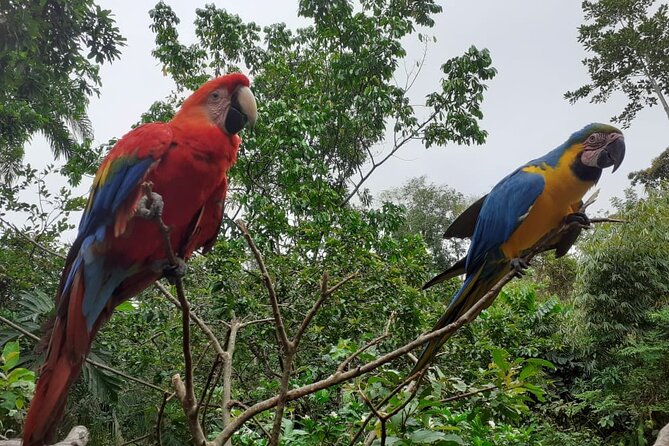
Day 3 is more focused and more concentrated. You start with the parrot clay lick, then return by boat toward Atalaya. A clay lick is basically a wildlife magnet: birds and other animals come to a mineral-rich spot, and timing matters because the best activity is usually brief and intense.
The tour then transitions back to Cusco by bus, with arrival around 5:00 to 6:00 PM. That makes this a true “get in, get it done, get out” jungle circuit. It’s great for people short on time in Peru, but it does mean you’ll want to travel light and keep your essentials organized. When you’re back on the river and then heading uphill, messy bags turn into slow delays.
On the way back, you’re likely to carry jungle dust and the damp smell of the rainforest with you. That’s normal. Bring a small dry bag or zip pouch for electronics and keep a plan for drying out anything fabric that got soaked.
You can also read our reviews of more tours and experiences in Cusco
Eco-sustainable details that actually affect your day
The eco part here isn’t only marketing language. The operator notes social, environmental, and sustainability responsibility, including working responsibly since 1993 and supporting the native population of the area by taking tours.
More practically, several included items make sustainability feel real rather than abstract:
- Rubber hiking boots are provided, which helps you avoid buying gear you’ll never use again.
- Mineral water is always included, which reduces the need to hunt for bottles in remote areas.
- Solar panels recharge your batteries, which is a smart solution for electricity limitations.
You’re also getting a first aid kit included and professional guiding with telescope and binoculars, which improves safety and wildlife viewing efficiency. When you can identify what you’re seeing faster, you spend less time “chasing” and more time observing responsibly.
One more subtle point: the tour is designed around a mix of activities rather than just one vehicle stop. That matters because it spreads impact and can reduce the feeling of being herded from one point to another.
Guides, food, and lodging: comfort level you can plan around
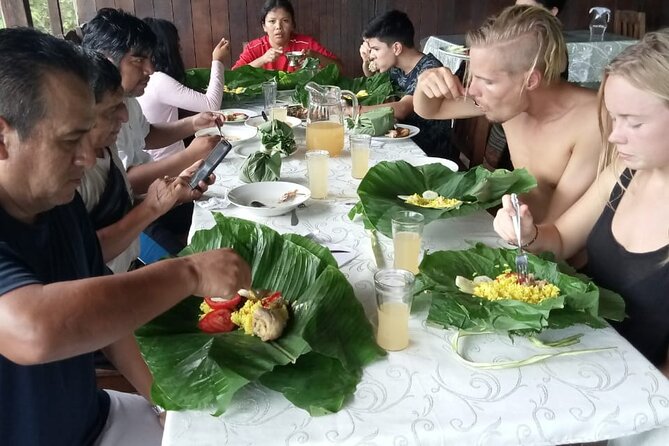
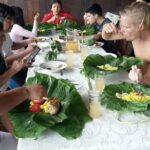
The tour includes lodging in comfortable hostels with private bathrooms and a professional cook. Meals are included too: breakfast 2 times, lunch 3 times, dinner 2 times. That removes a lot of uncertainty in a remote environment.
That said, some feedback mentions accommodations and food as moderate. In a jungle setting, “comfortable” often means clean and functional, not luxury. Your best expectation is basic comfort with good care—especially important when you’re walking and sleeping in a damp climate.
Who you might end up with can also shape how enjoyable the experience feels. The guide names that have been highlighted include people like José (described as a biologist with over 25 years in the field), plus other guides such as Miguel, Michel, Edson, Alex, Nicholas, and Marco. Cooks have also been praised by name, including Katia, and drivers/crew members like Ivan, Bequer, Willy, and Edson show up in the positive descriptions. The common thread is that these guides focus on calm organization and wildlife spotting, not just reciting facts.
A practical tip: Day 1 doesn’t include breakfast, and it doesn’t include water on the first day. So plan for that early start—have a breakfast before pick-up if you can, and confirm how the first-day water situation works with your guide at the meeting point.
Wildlife spotting that feels real (not scripted)
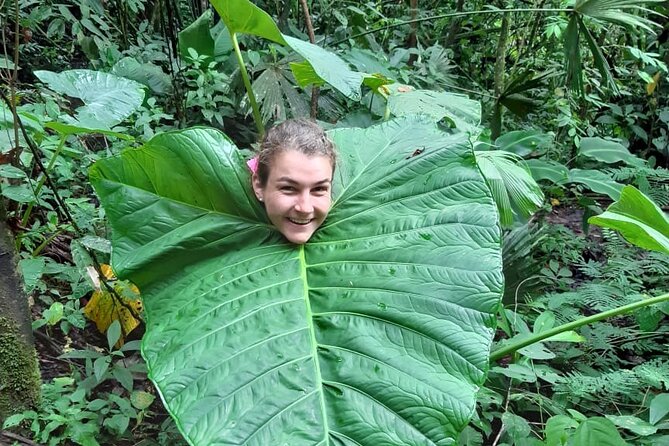
Manu is famous for biodiversity, but the tour’s structure helps you actually see it. You’re building wildlife opportunities in three time windows:
1) Daylight birding in cloud forest (cock of the rocks, quetzales)
2) River and lagoon time (capybara, monkeys, many birds)
3) Night time searching (armadillos, snakes, toads, nocturnal monkeys)
Your odds improve when you slow down and let the guide guide your eyes. Having telescope and binoculars included means you can look at distant movement without constantly changing your position. That’s also better for wildlife and safer for you.
From the provided animal targets and the types of sightings described, you might encounter species and signs like small alligators, insects, tarantulas, tapir footprints, hoatzin birds, and more. Just keep expectations flexible: weather and forest activity can shift what shows up, and Manu is still nature, not a theme park.
Price and logistics: is $389 per person good value?
At $389 per person for a 3-day private tour, value comes from what’s included. You’re paying for private transportation, a specialized professional guide (with telescope/binoculars), entrance tickets to attractions, lodging with private bathrooms, a professional cook, meals, and gear like rubber hiking boots. You’re also getting solar battery charging and a first aid kit.
In real terms, you’re not just buying “a ride into the jungle.” You’re buying reduced planning stress: transportation, feeding schedules, and daily activities are handled, which matters when you’re moving between cloud forest, river habitat, and night-walk terrain.
Timing also plays a role. This experience is often booked about 52 days in advance, so if you want dates that match your Peru schedule, don’t wait until the last minute. Manu isn’t close to Cusco, and the logistics stack up fast when multiple groups are trying to coordinate.
Who should book this Manu tour?
This one fits best if you want:
- A private, guide-led jungle experience with lots of wildlife observation time
- Daytime and nighttime nature activities (not just one or the other)
- A tour that balances boats, hiking, and lagoon time rather than repeating the same activity all three days
- A group that can handle early pick-ups and moderate walking (about 2–3 hours at times)
It may not be the best choice if you want luxury comfort, minimal walking, or zero chance of damp conditions. Jungle trips always come with “rain is part of the plan” reality, even when the schedule looks great on paper.
Should you book 3-Day Eco-Sustainable Private Tour Manu?
I’d book it if you’re excited by the idea of doing Manu as a full cycle: cloud-forest birds, river and lagoon wildlife, and a night walk where nocturnal animals become the main characters. The included guide gear and solar charging alone make it easier to enjoy the experience without constant gear stress.
I’d think twice if your personal must-haves are slow days, lots of downtime, or strictly light walking. This is active, wildlife-focused, and built around early starts. If that sounds like your kind of trip, you’ll likely feel you got your money’s worth quickly—especially with lodging, meals, transport, and entry tickets wrapped into one package.
FAQ
Where does the tour start and end?
It starts at the Plaza de Armas de Cusco area (Del Medio 123, Cusco 08000, Peru) and ends back at the same meeting point area.
What time is hotel or meeting point pick-up?
Pick-up is scheduled between 5:30 and 6:00 AM.
Is this tour private?
Yes. It’s a private tour/activity, so only your group participates.
What’s included in the price?
Included are private transportation, a specialized professional guide with telescope and binoculars, first aid kit, mineral water always (with an exception noted for the first day), rubber hiking boots, solar-panel battery recharging, lodging in comfortable hostels with private bathrooms, a professional cook, and meals (lunches and dinners plus two breakfasts), plus entrance tickets to attractions.
What is not included?
Breakfast on the first day, alcoholic beverages, and water on the first day are not included.
How much walking is involved?
The tour includes trail walking around 2 to 3 hours across the days, and night walks are also part of the experience.
What fitness level do I need?
The tour recommends a moderate physical fitness level.