REVIEW · MANU JUNGLE TOURS
From Cusco: Manu National Park Tour & Accommodation 3 Days
Book on GetYourGuide →Operated by Uyuni Experience EIRL · Bookable on GetYourGuide
Amazon wildlife starts with a 6 AM pickup. This 3-day Manu National Park trip from Cusco is a hands-on run through cloud forest and lowland river life, with boat rides and guided walks where you keep your eyes moving. What I like most is the small-group feel (limited to 15) and how the guide actually manages the day so you can focus on seeing animals, learning names, and asking questions. In one group, the guide Silver and the crew were clearly on top of the details and made solo travelers feel safe and included.
The main trade-off is comfort level. You’ll sleep at a basic hostel (Basical Hostel) and food can be hit or miss depending on the day and your tastes—one person flagged the meals as not great. If you’re expecting a hotel in the jungle, this is not that. If you’re after real nature time, it’s a strong pick.
In This Review
- Key things to know before you go
- Manu National Park from Cusco: what this 3-day plan feels like
- Day 1 in the Andes: Cusco road stops, Ninamarca burials, and cloud forest searching
- Day 2 on the river: Alto Madre de Dios motorboat and Machuhuasi Lagoon wildlife
- Day 3 return to Cusco: medicinal plants garden and cloud forest drive-through views
- Wildlife watching that actually works (and how to enjoy the waiting)
- Food and lodging reality at Basical Hostel
- Travel logistics that matter: early starts, guide language, and group size
- Price and value: is 3 days enough for Manu?
- Who should book this Manu 3 Days tour
- Should you book this Manu National Park Tour & Accommodation (3 Days)?
- FAQ
- Where does the tour start, and where do I end up?
- How long is the Manu National Park tour?
- What language is the guide, and is it a live guide?
- How big is the group?
- What kind of lodging is included?
- What activities are included for wildlife viewing?
- Is there a night activity?
- What does Day 3 include besides the return drive?
- What do I need to provide before the trip?
Key things to know before you go
- Small group energy: Limited to 15, and some departures can run very tight-knit.
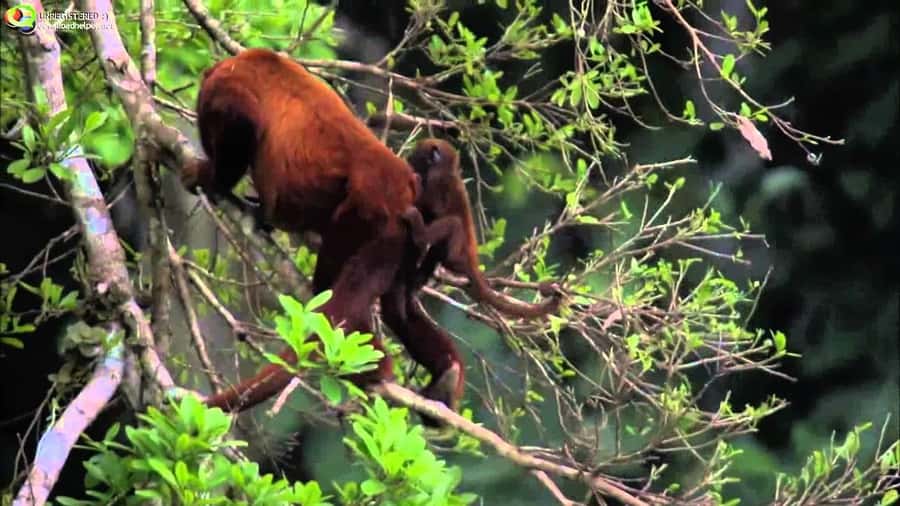
- Oxbow and lagoon wildlife: Channels of the Machuhuasi Lagoon are built for bird-and-reptile spotting.
- Real jungle timing: Early mornings and a night walk are part of the schedule, not optional extras.
- Boat + hike combo: You get river views from the motorboat and close-range nature from forest trails.
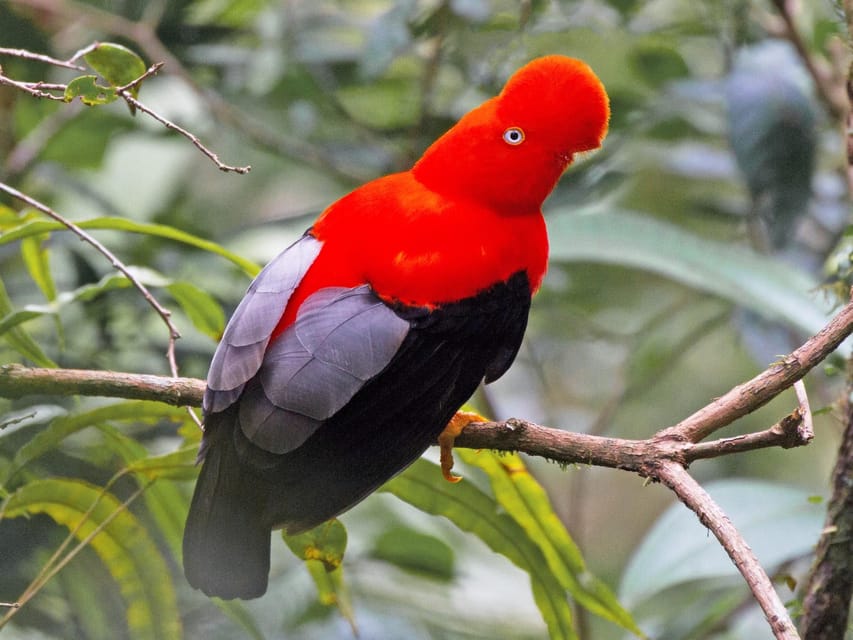
- Cloud forest stops on the way in: Monkeys, cock of the rock, quetzals, and mountain toucans are part of the search.
- Basic lodging in nature country: Comfortable enough for most, but don’t expect restaurant-level food.
Manu National Park from Cusco: what this 3-day plan feels like
This tour is built around one idea: you see more life when you move between habitats. Day 1 leans high-and-cool with cloud forest and waterfall time. Day 2 drops you toward river systems and oxbow-lagoon edges, where birds and reptiles show up more often. Day 3 slows down with a medicinal plant garden stop and then a long return drive through cloud forest again.
You also get a steady rhythm of short, guided pieces. That matters in the Amazon. If everything were just one long ride, you’d miss the small moments: the ranger-station style explanations, a sudden bird call you can actually identify, or the moment you notice movement in the riverine vegetation.
One more practical point: this is not a “sleep in and stroll” trip. Pickups start early (6:00 AM from Cusco/airport), and the next day starts even earlier (breakfast at 5:30 AM). If you’re the type who likes to ease into the day, bring patience. The schedule is intense, but it’s built for animal activity.
You can also read our reviews of more tours and experiences in Cusco
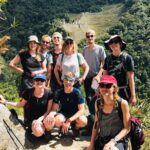
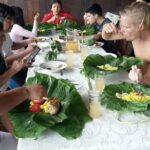
Day 1 in the Andes: Cusco road stops, Ninamarca burials, and cloud forest searching
Day 1 begins with pickup in Cusco at 6:00 AM. You’ll head along the Manu Road, with a quick stop in Oropesa, sometimes described as bread town. It’s the kind of pause that breaks up the drive without eating your whole morning.
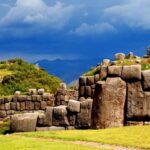
Then you shift into culture and local geography. There’s a guided visit along the Ninamarca pre-Incan burials. Even if you don’t know the region well, this stop helps you understand that you’re not only heading to jungle—you’re traveling through layers of Peruvian history and landscapes.
Next comes Paucartambo village: breakfast, a guided walk through the local market and main square, and a stop at the colonial bridge. This is the kind of town moment that keeps the trip grounded. After that, you’ll do a guided walk along the Manu Park border, including ranger-station illustrations, plus talk with maps and the basics of how this protected area works.
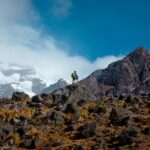
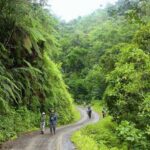
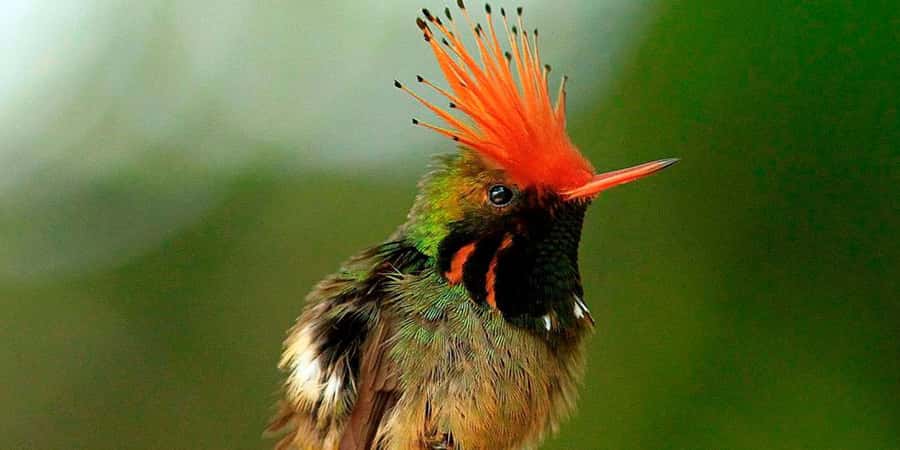
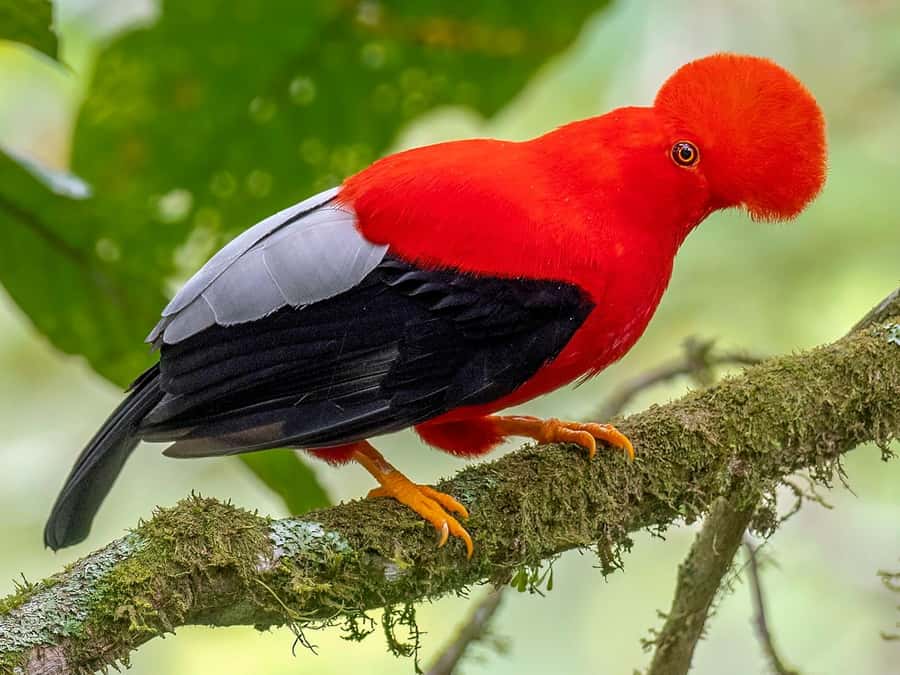
From there, the day turns into nature hard mode. You’ll walk along waterfalls and cascades, then spend time in cloud forest searching for species. The tour description points to monkeys, cock of the rock, quetzals, and mountain toucans. In real terms, expect a lot of “look and listen” and not every sighting is guaranteed, but you’re in the right zone and your guide is actively scanning.
You stop briefly at the local market in Pilcopata town, then arrive at Basical Hostel by mid-afternoon. After settling, you’ll explore a canyon and caves to see bats, spiders, and scorpions. It’s not just random crawling around. The point is learning how these animals live in the dark corners of the region.
The day ends with more forest time: a palm forest trail where you look for macaws and monkeys, and then a night walk searching for reptiles, spiders, and amphibians. Night in the jungle is where the sounds change and your senses wake up. If you’re nervous about the dark, you should know this is done with a guide and group structure, not solo wandering.
Day 2 on the river: Alto Madre de Dios motorboat and Machuhuasi Lagoon wildlife
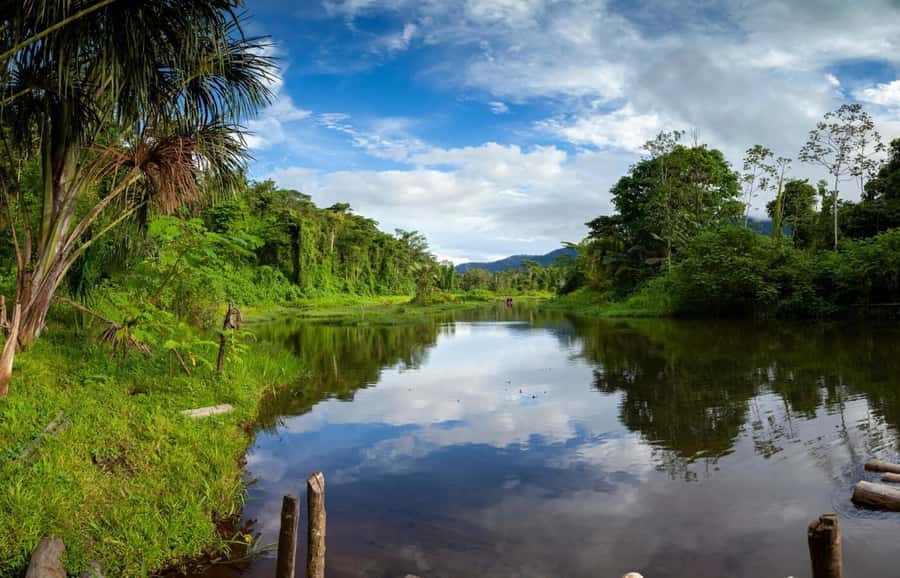
Day 2 starts with an early breakfast at the hostel at 5:30 AM. Then you’ll head by transport to Atalaya Port (about an hour along the way), with viewpoint stops to break up travel and give you chances to spot wildlife from the road.
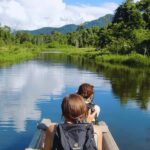
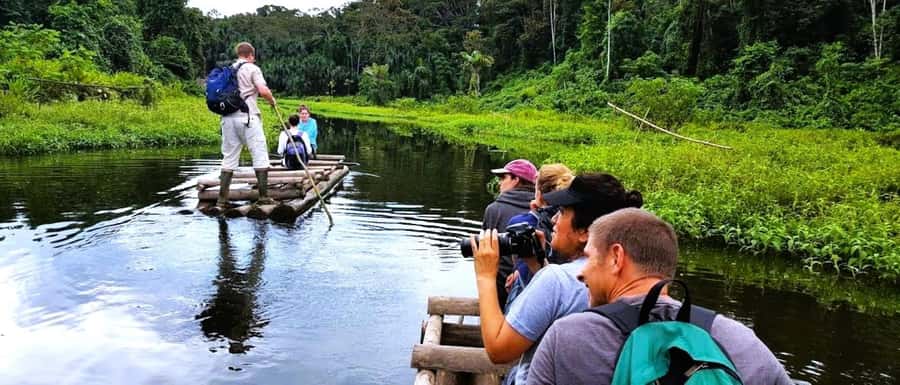
Next comes the motorboat ride up and downstream along the Alto Madre de Dios River. This is one of the best parts of the whole program because you’re moving through river habitat quickly, with a higher chance of seeing birds and other animals along the edges. The boat also gives you a different angle than the forest trails.
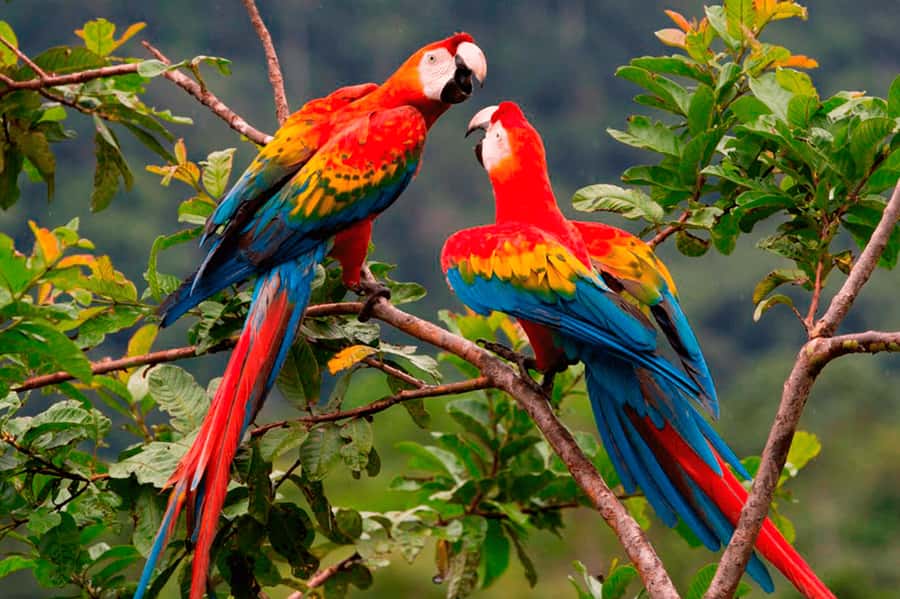
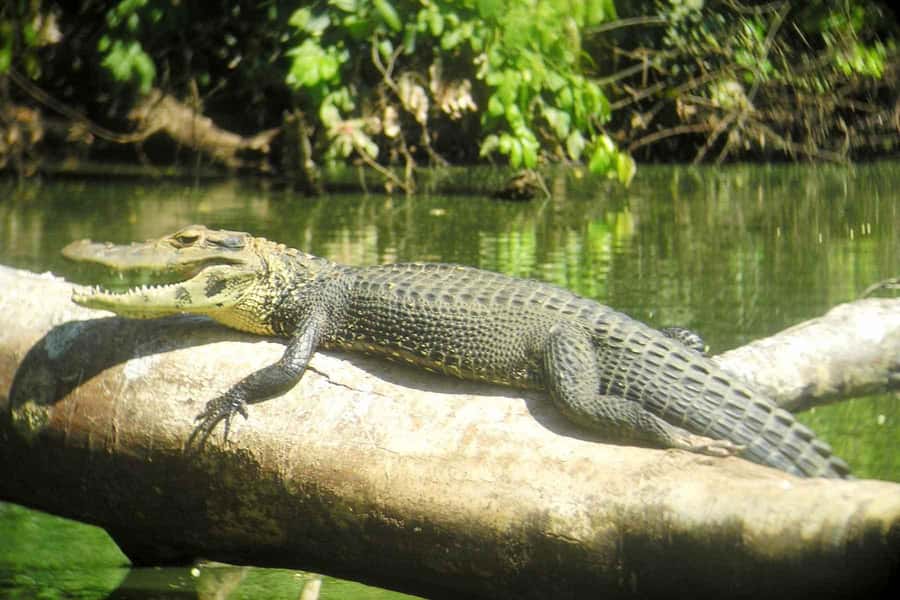
After the motorboat ride, there’s a guided walk along the riverine forest. This is where you look for monkeys, caymans, and birds. The guide’s job here is huge: they know where animals tend to appear, and they help you read signs you’d otherwise miss.
Then you shift to the highlight habitat: the channels of the Machuhuasi Lagoon. You’ll explore on foot toward the lagoon edges and channels, searching for aquatic birds, monkeys, and caymans. Oxbow and lagoon areas can be especially productive because food and shelter cluster there.
There’s also a walk toward the Giant Kapok tree and more forest exploration. Even if you’re not a “tree person,” giant trees act like living landmarks, and they often hold the attention of birds and other animals.
You’ll return to Atalaya and then ride back to Basical Hostel. Dinner is at the hostel.
One optional add-on is mentioned: a wildlife rescue center visit. If you’re the kind of traveler who likes a bit of conservation context alongside wildlife watching, this can be a meaningful extra. If you’re tired from the day’s walking, it might feel optional in the best way.
A small heads-up based on the way the tour runs: some groups have been tiny, down to four people, with separate roles like guide, driver, and cook. When that happens, you can ask more questions and you’re not lost in a big crowd.
Day 3 return to Cusco: medicinal plants garden and cloud forest drive-through views
Day 3 is lighter in pace but not “easy.” You’ll start with an exploration of the lodge garden focused on medicinal plants. The tour description lists coca leaf, cacao, bamboo water, annatto, and other plant uses. This part is useful because it explains how people in the region understand plants beyond their appearance—what gets used, what grows locally, and why.
Breakfast at Basical Hostel follows, then the long drive back to Cusco. You’ll go through cloud forest again, with stops for waterfalls and wildlife search. This is a great moment for “second chances.” If you missed a certain kind of bird or didn’t spot something on Day 1, you’re moving through similar zones with another chance to scan.
There’s a brief stop at Paucartambo village for coffee. It’s a small touch, but it gives you a breather before the final stretch.
You arrive in Cusco around 4:00 PM and get dropped off at your hotel in the city. That timing matters: it means you still have most of the afternoon for dinner or an easy walk, instead of arriving late-night and feeling wiped out.
Wildlife watching that actually works (and how to enjoy the waiting)
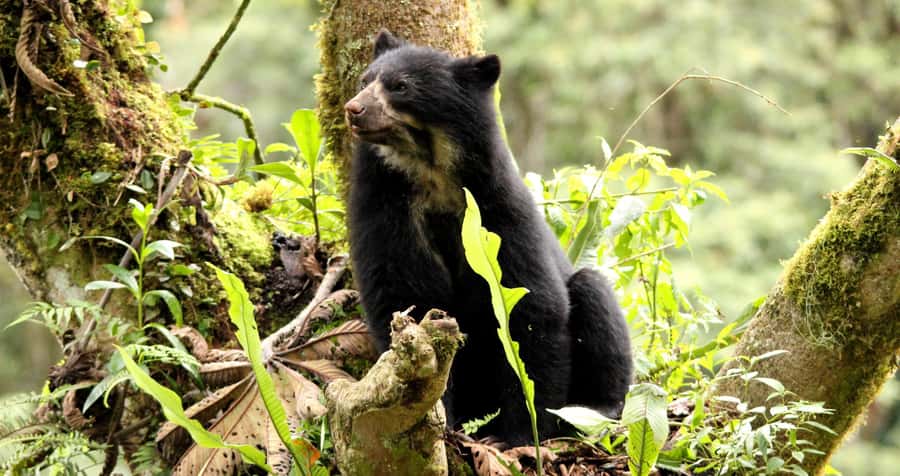
This tour sells wildlife spotting, but it’s the kind of trip where the best sightings come from staying calm and paying attention, not from demanding results.
Here’s what the schedule does for you:
1) It changes habitats daily. Cloud forest on Day 1. River and lagoon edges on Day 2. Back through cloud forest on Day 3. That mix improves your odds because you’re not repeating the same environment three times.
2) You get both close and wide looks. The motorboat gives broad views and fast movement. Forest walks give the close-range chance—plus chances to hear calls and see animals at the edge of trails.
3) Night activity boosts your range. The Day 1 night walk is for reptiles, spiders, and amphibians. Even when you don’t see much, the soundscape shifts and you start noticing movement differently.
If you’re hoping for a specific animal, keep expectations flexible. The tour description mentions clay licks and oxbow lakes, plus several bird types. Those are real possibilities in the zones you’re visiting. But jungle wildlife is not a theme-park schedule. The way to enjoy this trip is to treat each sighting as a bonus and every guided explanation as part of the experience.
Food and lodging reality at Basical Hostel
Let’s talk comfort like an adult.
You’ll stay at Basical Hostel. It’s described as basic, which usually means simple rooms and a practical setup designed for nature travelers. The itinerary includes breakfast each morning and dinner on at least Day 2. One traveler noted the food wasn’t top quality, so if your idea of vacation includes great meals, plan for average rather than gourmet.
The good news: your “restaurant time” is limited because you’re always outside doing something—walking, boating, exploring. So even if one meal isn’t perfect, it doesn’t dominate your day.
Bring mindset, not just snacks. If you’re picky, consider bringing a few favorites for backup, especially for long travel segments. Also, plan your hydration. Humid rainforest days can sneak up on you even when the pace feels steady.
Travel logistics that matter: early starts, guide language, and group size
A few practical points that can make or break your experience:
- Pickup timing: Cusco pickup and airport pickup starts at 6:00 AM.
- Early day 2: breakfast at 5:30 AM, then transport and boat time.
- Group size: limited to 15 participants. Small groups can make the experience more personal and help guides manage wildlife-spotting.
- Languages: live guide in English and Spanish. If you want richer explanations, tell the guide your interests early.
- Guide involvement: the guide Silver was mentioned as especially supportive in one group, and the overall tone is that the crew watches out for comfort and safety.
One thing to double-check: you’ll need to provide a correct phone number with country code and have WhatsApp. That’s the easiest way for the supplier to reach you if plans shift.
Price and value: is 3 days enough for Manu?
You’re paying for time in the right places, not for luxury.
In 3 days, you cover a lot of ground: Andean stops, border talks, waterfall walks, cloud forest searching, caves, night activity, then river and lagoon exploration with boats and hikes. That’s a tight timeline, but it’s also why the tour can feel valuable if you want variety rather than one long stretch of the same scenery.
The value case is strongest if you:
- want a guided structure to increase wildlife-spotting odds,
- like early starts (at least partially),
- are okay with basic lodging and straightforward meals.
If you want a higher-comfort rainforest lodge and more downtime, you may feel rushed. But for most nature-focused travelers, this format hits the sweet spot: it’s active, guided, and focused on the real draw—wildlife and habitat.
Who should book this Manu 3 Days tour
This is a great fit if you’re:
- a nature enthusiast who enjoys guided walks and animal searching,
- traveling solo and want a group setup that feels organized and safe,
- the type who likes learning—why plants matter, how the park works, what guides are looking for.
It’s less ideal if you:
- expect consistently great food and hotel-level comfort,
- dislike early mornings or night walks,
- want lots of free time with no structure.
Should you book this Manu National Park Tour & Accommodation (3 Days)?
I’d book it if your main goal is to see Amazon life across multiple habitats with a real guide and a schedule that actually puts you where wildlife is more likely to show up. The small-group structure and the mix of boat rides, cloud forest searching, and that night walk make it feel like a true Amazon experience rather than a quick sightseeing drive-by.
I wouldn’t book it if comfort and food quality are your top priorities. The hostel is basic, and one guest flagged meals as not great. Also, if you hate early starts, this plan will test you.
If you’re somewhere in the middle, you’re probably the right match. Bring the right expectations, keep your eyes open, and let the guide do the wildlife work. You’ll get plenty to remember.
FAQ
Where does the tour start, and where do I end up?
The tour starts with pickup in Cusco (including hotel or airport pickup) at 6:00 AM and returns you to Cusco around 4:00 PM on Day 3, with drop-off at your hotel.
How long is the Manu National Park tour?
It’s a 3-day program.
What language is the guide, and is it a live guide?
You’ll travel with a live guide who speaks English and Spanish.
How big is the group?
The group is limited to 15 participants.
What kind of lodging is included?
Accommodation is at a basic hostel in the region (Basical Hostel).
What activities are included for wildlife viewing?
You’ll do boat rides along the Alto Madre de Dios River, guided walks in riverine forest, exploration around Machuhuasi Lagoon channels, cloud forest searching, plus a night walk for reptiles, spiders, and amphibians.
Is there a night activity?
Yes. Day 1 includes a night walk in search of reptiles, spiders, and amphibians.
What does Day 3 include besides the return drive?
Day 3 includes a garden visit focused on medicinal plants such as coca leaf, cacao, bamboo water, annatto, and others, followed by the drive back to Cusco with cloud forest and waterfall stops.
What do I need to provide before the trip?
You should enter your contact number correctly with your country code and have WhatsApp available.