REVIEW · HIKING & TREKKING
Salkantay 5-Day Trek To Machu Picchu
Book on Viator →Operated by Bamba Travel · Bookable on Viator
A single trek can’t do justice to the Andes. This one stacks snow peaks, jungle trails, and Machu Picchu in five days. You get a small-group Salkantay route with a professional bilingual guide, plus guided time at Machu Picchu after your hike. Day by day, the scenery and the effort change enough to keep you focused even when your legs start negotiating.
I love how the trek is structured around real comfort tradeoffs: camping gear (basic pad plus tent) and organized meals on the trail, so you’re not constantly improvising. And the food quality seems genuinely prioritized, not treated like an afterthought. One drawback to plan for: this is a demanding route at altitude, with major temperature swings and long hiking days—if you’re not ready for that, it will feel harder than the brochure.
In This Review
- Key things to know before you go
- Why the Salkantay route feels like two different trips
- Price and logistics: what $797 buys (and what it doesn’t)
- Small-group guiding makes the tough days feel manageable
- Day 1: Mollepata warm-up, Soraypampa views, and Laguna Humantay
- Day 2: The highest pass (15,200 ft) and the optional horse choice
- Day 3: Upper jungle trail to Santa Teresa and a hot springs treat
- Day 4: Hydroelectric station box lunch, then Aguas Calientes comfort
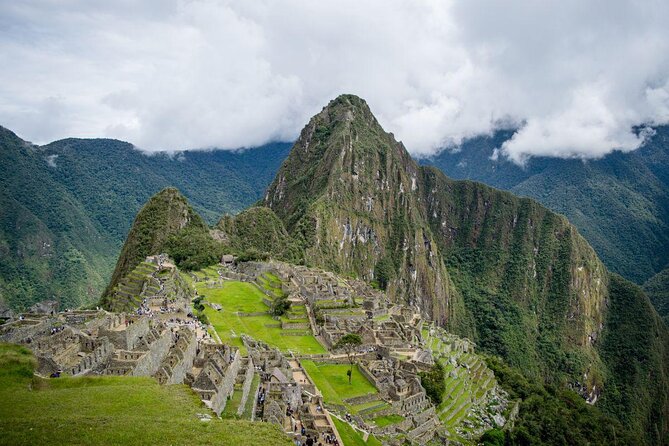
- Day 5: 5:30 am Machu Picchu bus, guided walk, then your own time
- The camping setup: good to know what you’re carrying
- Food quality on the trail is a real deciding factor
- Packing list reality: altitude swings and wet weather
- Who should book this Salkantay trek, and who should hesitate
- Should you book this 5-day trek to Machu Picchu?
- FAQ
- What time does the trek start from Cusco?
- What’s included in the price?
- Do I need a sleeping bag for the camping nights?
- Is there a vegetarian meal option?
- Is the hot springs in Santa Teresa included?
- Can I visit Huayna Picchu or do a Machu Picchu mountain hike?
Key things to know before you go
- A 15,200-foot high pass (4,650m) sits halfway through Day 2, with optional horse help.
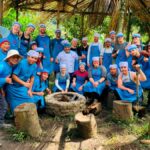
- Small group sizing (max 16, average around 4) makes the pace feel human, not cattle-car.
- Camping, not constant lodges: you’ll sleep in tents for three nights, with one night in a hotel in Aguas Calientes.
- Guided Machu Picchu ruins plus optional peak hikes at extra cost.
- Food is part of the plan: cooked meals on trekking days with a vegetarian option available on request.
- Transports are arranged, but some transfer-day parts are on your own (like bus/train segments with no guide).
Why the Salkantay route feels like two different trips
The best part of the Salkantay trek is that it doesn’t just give you views. It changes the environment fast, so the hike feels like you’re traveling through climates.
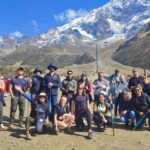
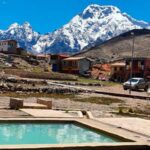
Early on, you’re working your way through high Andean terrain with cold nights and dramatic peak scenery around Soraypampa and Laguna Humantay. Then the trek begins trending downward into greener zones, where you’ll cross rivers and hike in the region that leads toward Santa Teresa. Day 3 has that upper-jungle feel: more humidity, more plants, and a different soundscape with waterfalls and running water.
That change matters because it helps you pace mentally. If you only saw one type of scenery, you might hit a monotony wall. Here, every day pushes you in a new direction—physically and visually.
You can also read our reviews of more hiking tours in Cusco
Price and logistics: what $797 buys (and what it doesn’t)
At $797 per person, this is not a bargain trek. But it’s also not “bare-bones.” The value comes from how many moving parts are bundled into a guided, multi-day operation.
Here’s what you’re paying for in practical terms:
- Pickup and transfers that move you from Cusco area into the trek start point, then later to and from Machu Picchu.
- A guided trek (professional bilingual guide) for the days that matter most.
- Camping setup during the trek (basic sleeping pad and tent; mules also carry some gear).
- Meals on the trail: four breakfasts, four lunches, four dinners, plus three snack breaks.
- Machu Picchu guided walking tour and round-trip train/bus route to get you there efficiently.
What’s not included is equally important:
- Sleeping bag (you’ll need to bring or rent one).
- Cusco accommodation (you’re picked up for Day 1, but your hotel in Cusco isn’t part of the package).
- Transfers without a guide on bus/train segments. The transport is handled, but there’s no accompanying guide for those segments.
- Several optional extras (hot springs, Huayna Picchu, the Machu Picchu mountain hike).
And a quick reality check: the trek is non-refundable and not changeable once you book. If your dates are flexible, double-check your plans before committing.
Small-group guiding makes the tough days feel manageable
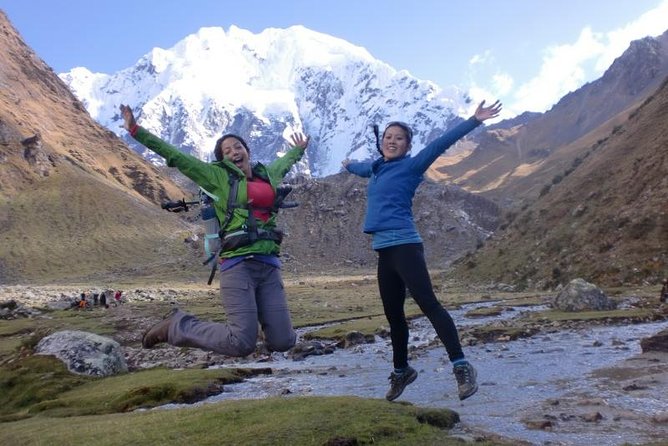
This trek runs with a maximum group size of 16, and the average group size is around 4. That size difference changes how the days feel.
With small numbers, your guide can actually manage pacing and help you adjust when altitude fatigue hits. It also makes logistics calmer at trail junctions and during Machu Picchu entry timing. You’re not fighting the flow; you’re walking with it.
The guide side is also a key strength in the feedback you’re likely to hear: people consistently highlight the guide as friendly, informative, and professional. That matters on the Salkantay route, because you’ll spend time at high elevation early and then shift into lower zones where it’s easy to underestimate the physical cost.
Day 1: Mollepata warm-up, Soraypampa views, and Laguna Humantay
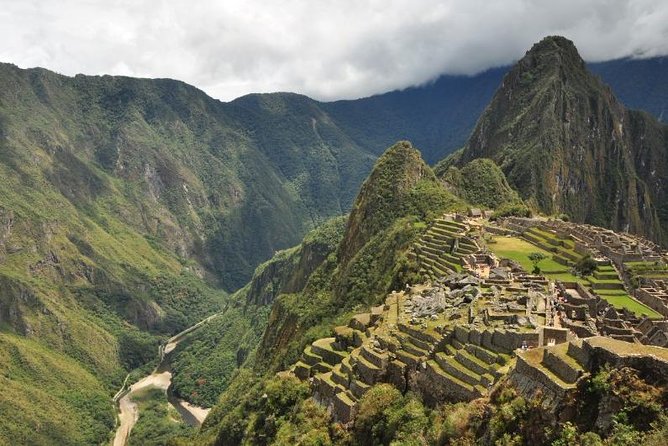
Day 1 is long and scheduled for an early start—pickup is typically between 5:00 and 6:00 am, then you travel by bus to Mollepata (2,900m). This is your leg-stretch and snack window before the route climbs higher.
From there, you go to Challacancha for final prep and equipment checks, then begin your hike to Soraypampa (3,920m). Soraypampa is where you’ll have lunch with snow-capped peaks in view—this is the first moment you see how the Salkantay route plays with contrast.
After lunch, you hike up toward Laguna Humantay, roughly 1.5 hours each way. The payoff here is the high-altitude “wow” factor: the Andes look sharp and close. Once you return, you camp at 3,920m, described as the highest and coldest camp of the trip. That’s important: Day 1 is about enjoying the scenery while also learning what cold at elevation really means.
Practical consideration: pack layers for real cold, not “I’ll be fine” cold. The first night sets the tone.
Day 2: The highest pass (15,200 ft) and the optional horse choice
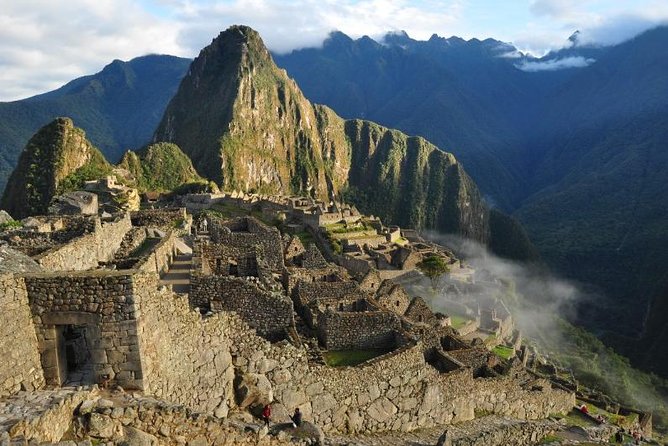
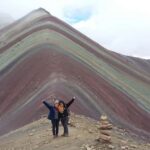
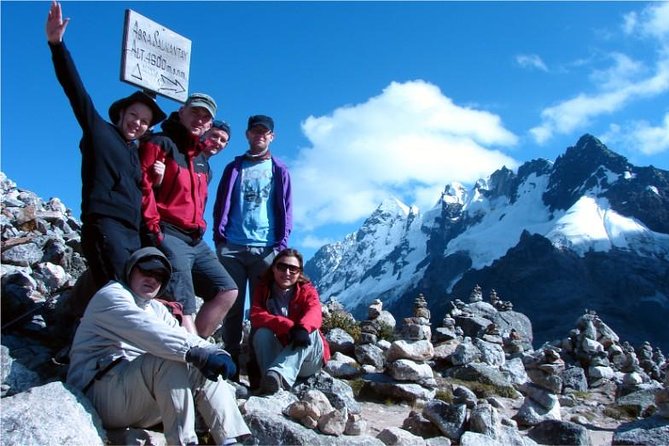
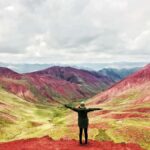
Breakfast starts around 6:00 am, and then you hike toward the highest pass of the trek: 4,650m (about 15,200 feet). This pass sits between Salkantay (6,267m) and Humantay (5,900m), and you’re in the right spot for dramatic peak views—possibly even snow in the pass area.
This is the day where good pacing matters most. Your climb and the time at altitude can feel like a wall, even if you’re fit. The trek gives you a realistic option for help: horse rental to reach the high pass is available for about 100–120 soles (optional).
After the pass, the day turns into a downhill grind for about two hours before lunch at Huayracpampa, then another multi-hour trek down toward Challhuay or Colcapampa (near the start of the high jungle region at about 2,900m). This is where the altitude relief starts to feel real.
If you take one lesson from Day 2, make it this: don’t measure success by speed. Measure it by staying steady and breathing.
You can also read our reviews of more tours and experiences in Cusco
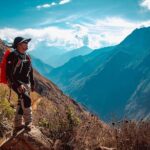
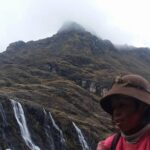
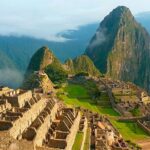
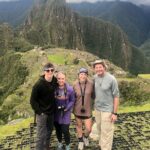
Day 3: Upper jungle trail to Santa Teresa and a hot springs treat
Day 3 begins with breakfast around 6:30 am, then you hike through upper jungle terrain. The route crosses the Santa Teresa River plus smaller brooks, and you’ll notice the change in air and vegetation as you go. The day includes views of waterfalls and tropical fruits and plants—more sensory variety than the earlier high-altitude days.
You’ll stop for lunch at La Playa (2,200m), then shift by car to Santa Teresa (1,700m) for camp. This is a key logistics move: rather than forcing you to walk every meter of descent, you get a ride that helps you recover.
In Santa Teresa, there’s an optional hot springs visit for extra cost (20 soles). After three trekking days, that soak can feel like a reset button. Even if you skip it, the warmer climate alone helps you feel human again.
One consideration: Day 3 can feel “easier” on paper, but humidity and footing can still wear you out. Bring hydration habits and don’t treat it like a day off.
Day 4: Hydroelectric station box lunch, then Aguas Calientes comfort
Your last trekking day starts with breakfast around 8:00 am. The path from Santa Teresa (1,700m) to the hydroelectric station (1,880m) is described as more relaxing, about three hours. You’ll have a box lunch there.
Then you walk onward to Aguas Calientes (2,010m) for another three hours of slight uphill hiking. This is your “arrive with energy” segment. By this point, you’re probably tired in the legs, but your brain will be buzzing because Machu Picchu is close.
Dinner is at a local traditional restaurant, and you sleep in a 3-star hotel in Aguas Calientes for one night. That hotel night is part of the value here: you get a real bed after days of tent sleep.
You also have optional transfer options if you don’t want to walk certain segments:
- Optional bus from Santa Teresa to the hydroelectric station (extra cost).
- Optional train from hydroelectric station to Aguas Calientes (extra cost).
If you’re deciding between walking and transferring, choose what will keep you comfortable enough to wake up early on Day 5.
Day 5: 5:30 am Machu Picchu bus, guided walk, then your own time
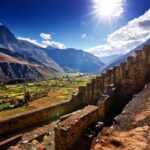
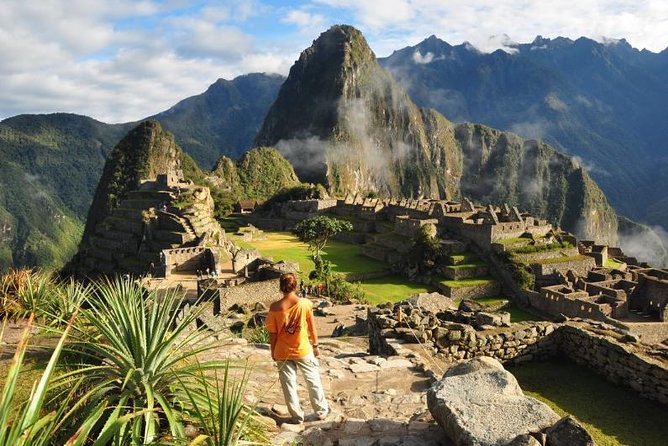
The Day 5 plan is built around one smart strategy: go early. You catch one of the first buses at 05:30 am to Machu Picchu, a ride of about 25 minutes. The goal is morning light and mist clearing—exactly the kind of timing that turns ruins into photo-worthy ruins.
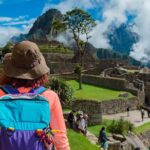
You get a walking tour of about 2 hours with your guide. That guided time is valuable because Machu Picchu is layered: structures, terraces, water channels, and the site’s layout. A guide helps you connect the pieces so it doesn’t feel like random stone.
After the tour, you explore on your own. If you want more effort, you can also climb Huayna Picchu inside the archaeological site, but it has an extra cost and must be booked in advance.
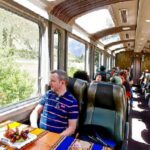
Then you head down by bus back to Aguas Calientes, eat dinner if time allows at your own pace, and return by train to Ollantaytambo. From there, there’s a bus back to Cusco, and you’re dropped off late at Plaza San Francisco. Your final walk back to your Cusco accommodation is on you.
Tip: plan your Cusco arrival as a night-in. This day is exciting, but it’s still a full travel day.
The camping setup: good to know what you’re carrying
One of the best parts of a guided trek is having the “how do we sleep?” piece handled. Here, you get camping accommodation including a basic sleeping pad and a tent.
You’re also not fully on your own for gear weight. The trek includes horsemen and mules to carry cooking and camping equipment, with a limit of 7 kilos per trekker. The split matters: it includes about 3 kilos for your sleeping bag and mattress and about 4 kilos for personal items.
Two practical notes:
- Bring your own sleeping bag. The trek company doesn’t include it.
- Think about tent cold. You’re camping at high altitude, and “light jacket” won’t cut it.
Emergency support is also included: an emergency oxygen bottle is part of the plan. It’s not something you hope to use, but it’s reassuring that the trek has it.
Food quality on the trail is a real deciding factor
This trek includes meals and snacks every day across the trekking portion:
- Breakfast (4), Lunch (4), Dinner (4)
- Three snack moments during the trek
- Vegetarian option available, if you request it ahead of time
What makes this valuable is consistency. You’ll see examples like hot porridge, quinoa or oats, eggs, soups, chicken or beef dishes, plus desserts and fruit. Snacks typically include warm drinks and small treats like popcorn, cookies, and crackers.
You also get fresh cooking effort on the trail. The feedback you’ll likely hear about this trek focuses on food being cooked well, not just “edible.” When you’re climbing passes and sleeping cold, a decent meal is not a luxury—it’s fuel.
Packing list reality: altitude swings and wet weather
Your packing choices decide how much you suffer. The provided packing list is built around common Salkantay conditions, including limited/no electricity for charging on trek days.
Aim for:
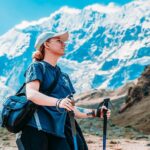
- Hiking poles
- Rain pants and a poncho
- Trekking boots (and warm socks)
- Thermals, sweater, hat, gloves
- Sun protection: sunscreen and sunglasses
- A flashlight/torch and extra batteries
- Waterproof bag for camera gear
- Small first-aid kit and hand sanitizer
- Personal medications
Also plan for cash. You’ll likely want to buy snacks or drinks along the way, and the price can be higher on the trail.
Who should book this Salkantay trek, and who should hesitate
This trek fits best if:
- You can handle long hiking days and altitude.
- You want the full Salkantay experience: high pass, valley descent, and the Santa Teresa shift.
- You like being active but also appreciate organization—meals, camping gear, and guided ruins time.
You might hesitate if:
- You struggle with high-elevation walking or you’re worried about cold nights.
- You want a fully comfort-focused itinerary with minimal hiking.
This trek is demanding, with important temperature changes from around 4000 meters down toward 2000 meters. Even when you’re descending, the day still involves effort and footing.
Should you book this 5-day trek to Machu Picchu?
I think it’s a strong choice if you want a guided, classic Salkantay-to-Machu Picchu route that feels run by people who know how to manage both logistics and trail morale. The small-group size and the guide quality are the big reasons it works, and the food plan helps you keep energy without guessing.
Book it if you can handle the physical side and you’re comfortable with tent camping for three nights. Don’t book it if you’re hoping for an easy hike or if your schedule is so tight that a non-refundable booking would be stressful.
If you do book, take the prep seriously. Attend the mandatory pre-departure briefing in Cusco one day before departure (at 5pm, 6pm, or 7pm depending on your trek). Bring your passport for check-in. And if you want Huayna Picchu, treat it like a must-do and plan well in advance.
FAQ
What time does the trek start from Cusco?
Pickup is offered between 5:00 and 6:00 am on Day 1. The meeting start time is listed as 5:00 am, and you’ll travel to the trek start point before hiking begins.
What’s included in the price?
The tour includes pre-departure briefing, Cuzco accommodation pickup, transfers to the trek starting area, car transfer to Santa Teresa, round-trip bus between Aguas Calientes and Machu Picchu, train Aguas Calientes to Ollantaytambo, bus Ollantaytambo to Cusco, a bilingual guide for the trek and Machu Picchu tour, camping accommodation during the trek, a 3-star hotel night in Aguas Calientes, meals (4 breakfasts, 4 lunches, 4 dinners), and some snacks. It also includes entrance fees and mules/horsemen to carry equipment.
Do I need a sleeping bag for the camping nights?
Yes. Sleeping bag is not included. The trek provides basic sleeping pad and tent, but you’ll need your own sleeping bag (or a rental).
Is there a vegetarian meal option?
Yes. Vegetarian meals are available upon request. You should advise the company at least two days in advance.
Is the hot springs in Santa Teresa included?
No. The hot springs visit is optional and costs extra (20 soles).
Can I visit Huayna Picchu or do a Machu Picchu mountain hike?
Yes, but both are optional and cost extra. Huayna Picchu must be booked in advance (at least two weeks). The Machu Picchu mountain hike must also be booked in advance (at least one week).