REVIEW · INCA TRAIL TREKS
Inca Trail to Machu Picchu 4 Days – Small Group / Reservations 2026
Book on Viator →Operated by Incredible Peru Tours · Bookable on Viator
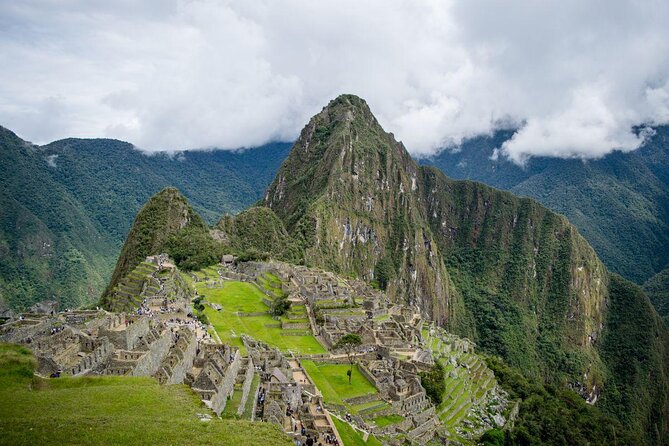
That first sunrise over Machu Picchu is a real gut-punch. This small-group 4-day Inca Trail trip from Cusco keeps things tight (max 8 people) and runs with a pro team, from guides to porters, so you’re not “figuring it out” at 4,200 meters.
I love the all-in support here: personal porter service (up to 7 kilos), tents and mats set up for you, and a kitchen team that keeps meals moving. I also like that you get a guided Machu Picchu Circuit 1 and Circuit 3 experience, then time to wander and take photos at your own pace.
One thing to consider: Day 2 is genuinely tough. You’ll climb to the highest point of the Inca Trail route, Warmiwañusca / Dead Woman’s Pass (about 4,200 m), and the altitude can make even short breaks feel necessary.
In This Review
- Key Things to Know Before You Go
- Cusco Morning Pickup to Km 82: Starting With the Right Energy
- Day 1: Piscacucho to Patallacta to Wayllabamba (Easy to Set You Up)
- Day 2’s Main Event: Wayllabamba, Dead Woman’s Pass, and Pacaymayo
- Day 3: Runkuracay, Sayacmarca, Cloud Forest Ruins, and Winay Wayna
- Day 4: Inti Punku Sunrise, Machu Picchu Tour, Huayna Picchu, Then Down to Aguas Calientes
- Price and Value: Why $860 Can Make Sense Here
- Meals, Comfort, and the Little Things That Save Your Trip
- Logistics You Should Not Ignore: Altitude, Passes, and What to Pack
- Who This Inca Trail Trip Fits Best
- Should You Book Inca Trail to Machu Picchu (4 Days, Small Group) for 2026)?
- FAQ
- How many people are in the small group?
- Where are you picked up in Cusco?
- What time does the trek start?
- Are the Inca Trail and Machu Picchu tickets included?
- Is Machu Picchu guided?
- Is Huayna Picchu included?
- What meals are included during the trek?
Key Things to Know Before You Go
- Small group size (max 8): easier pacing, less waiting around, more personal attention.
- Meals handled end-to-end: 3 dinners, 3 breakfasts, 4 lunches, plus tea times with hot drinks.
- Porters carry the heavy stuff: your personal load is limited (up to 7 kilos), and camping gear is on the porter team.
- Official checkpoints with your documents: you’ll show permits, tickets, and passports at the control posts.
- A very early Machu Picchu morning: wake-up is around 4:00 am to beat the crowds and catch the best light.
- Huayna Picchu is add-on: ticket is not included (request in advance for an extra $70 per person).
Cusco Morning Pickup to Km 82: Starting With the Right Energy
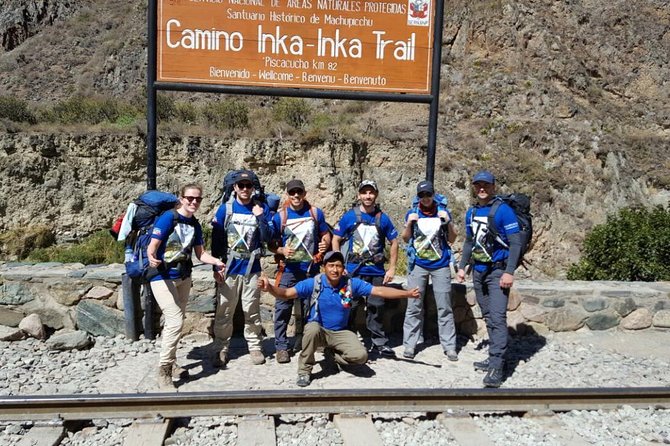
You start early, with pickup at 6:00 am from your Cusco hotel (and they can also pick you up from Sacred Valley hotels). Before leaving, bring your original passport. If you’re a student, also bring your valid ID—this kind of trip lives and dies on paperwork being ready when they ask.
Transport takes about 3.5 hours by bus to the Piscacucho area near Km 82, the start point of the Inca Trail. Along the way, you’ll get real views of the Sacred Valley: the Urubamba River, Andean towns, and the Inca fortress of Ollantaytambo in the mix. There’s also a stop in Ollantaytambo for quick purchases or a toilet break.
This matters because it sets expectations. A lot of day-hike travel is “optional walking.” The Inca Trail isn’t like that. The trip is organized so you arrive at the trailhead with documents sorted, people accounted for, and your team already working.
You can also read our reviews of more tours and experiences in Cusco
Day 1: Piscacucho to Patallacta to Wayllabamba (Easy to Set You Up)
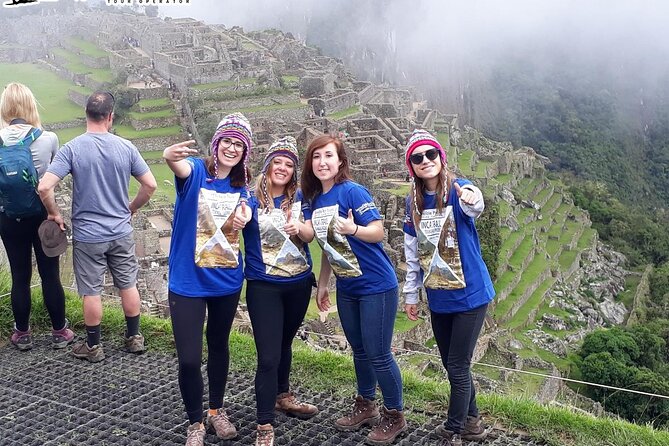
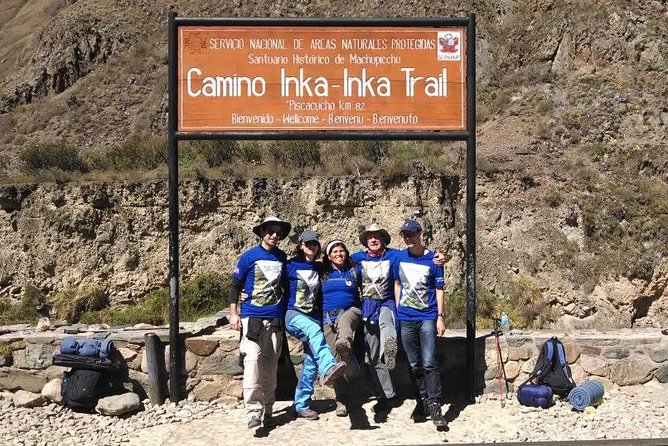
Your first big logistics step happens at Piscacucho / Km 82 at about 10:00 am. You meet the whole crew: your guide, visitors, porters, and cook team. You’ll also pass through the first official control post, showing permits, entrance tickets, and passports before walking begins.
Then comes the first real trail moment: crossing a suspension bridge over the Urubamba River. It’s not the hardest day—this first stretch is designed to get your legs awake and your lungs adjusting.
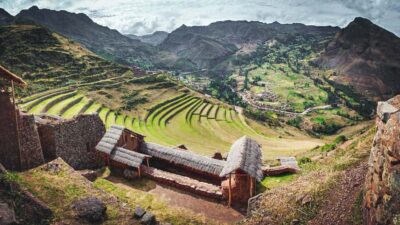
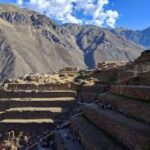
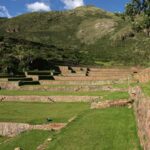
The walk is about two hours following the river on relatively flatter terrain to Miskay, arriving around 1:00 pm. In Miskay, you’ll get lunch prepared by the cook and served by the team. After that, you continue toward Patallacta, an ancient Inca town where you’ll see agricultural terraces. The timing here is key: you’ll arrive at Wayllabamba around 5:00 pm, giving you daylight to see what you’re actually walking through, not just march until dark.
By evening, the rhythm becomes clear. You settle into camp tents, then get tea time with hot drinks and snacks. Dinner follows around 7:30 pm, and the goal is simple: sleep well so you can handle the tougher Day 2.
One extra detail I appreciate: you’re not left dealing with daily survival chores. A lot of treks turn into a “who forgot what” contest. Here, boiled water shows up in the morning for refilling, and the camp setup is run by the porter and kitchen team.
Day 2’s Main Event: Wayllabamba, Dead Woman’s Pass, and Pacaymayo
Day 2 starts with coca tea brought right to your tent, then breakfast with the group. The schedule says 7:00 am departure from Wayllabamba, and the day is described as the most difficult one for a reason.
You start with about four hours of walking toward the highest point: Dead Woman’s Pass (Warmiwañusca). First comes climbing, roughly the first two hours uphill. The trail offers bird spotting—hummingbirds, hawks, eagles—plus a switch into cloud forest terrain. You can also expect native trees like queñua and those straw meadow areas that feel very different from the morning sections.
Your arrival is around Llulluchapampa, a quiet spot at about 3,600 m. There’s a small stream you can use to cool off and refill bottles. Then it’s onward: a final hard climb to Warmiwañusca / Dead Woman’s Pass at about 4,200 m.
At the pass, you get a rest stop long enough to take in the view and grab photos—around 20 minutes. And yes, temperatures can drop quickly at altitude, so keep your hat and coat accessible.
After the pass, you descend toward Pacaymayo Valley, with lunch at a designated lunch spot around 2:00 pm, then camp at about 3,600 m. The late afternoon includes tea time and then dinner—followed by another night in tents.
The best way I can describe Day 2: it’s the day you stop thinking about the itinerary and start thinking about your body’s pacing. The route gives you chances to walk at your own pace, and the guide and porters are there for support. That combination is what keeps this day from turning into pure suffering.
Day 3: Runkuracay, Sayacmarca, Cloud Forest Ruins, and Winay Wayna
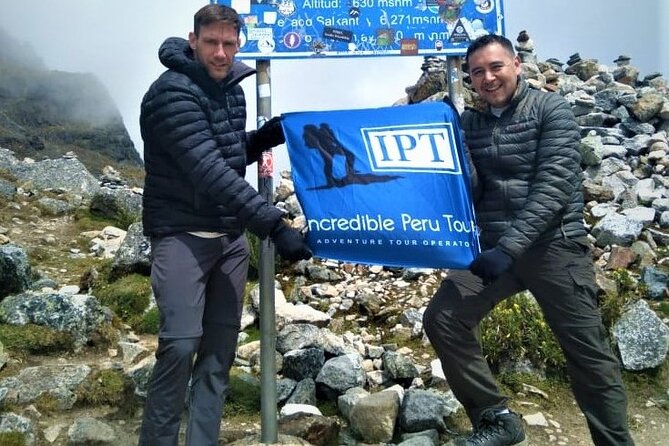
Day 3 begins around 6:00 am with hot tea in your tent area, followed by breakfast. Departure from Pacaymayo Camp is around 7:00 am, and you begin with an ascent to the second step of the route, including a visit to Runkuracay.
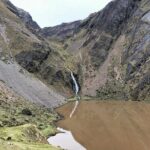
You’ll climb for about two hours to Runkuracay Pass while stopping at the circular Inca site of Runkuracay. The site is at around 3,800 m. You’ll get guide explanations here, and the trail also passes two small lagoons on the way.
From there, the schedule includes a descent toward Sayacmarca. Sayacmarca sits at about 3,497 m and its name means something like Inaccessible Town, which you’ll understand when you’re looking at it from the right angles. The visit is guided, then you continue to Chaquicocha for lunch.
Chaquicocha camp is around 3,600 m. After lunch and a rest (including restroom access), you walk through cloud forest with orchids, hanging moss, bromeliads, and ferns. There’s also a tunnel carved into the mountain, then you climb again to about 3,700 m for views of snowy peaks and the Urubamba River.
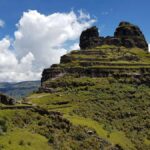
Then the day delivers the “Inca engineering” hits. You’ll walk along a paved stone path made by Inca masons and pass Puyupatamarca (Village above the clouds). Descending, you reach terraces and water-channels at Intipata. Finally, you wrap at Wiñay Wayna / Winay Wayna Camp around 5:00 pm at about 2,680 m.
Winay Wayna is the last official camping spot and it’s popular for a reason: it’s close to Machu Picchu. The camp includes tea and snacks, and your guide gives you important info for the next day—the biggest day—so you start Machu Picchu morning ready, not confused.
There’s also a tradition around the last dinner: a small ceremony that thanks the porter team. It’s one of the small moments that makes the whole trail feel like a shared effort, not just a hike with strangers.
Day 4: Inti Punku Sunrise, Machu Picchu Tour, Huayna Picchu, Then Down to Aguas Calientes
Your final day starts early in a very real way. You wake around 4:00 am, then breakfast about 4:30 am. You’ll say goodbye to the cook and porter team, then head toward the Zone Control Post for entry when the gates open at 5:30 am.
From Wiñay Wayna, it’s about 1 hour 20 minutes of walking to Inti Punku. The route is mostly flat, crossing a leafy cloud forest with giant ferns, then there’s an almost-vertical climb of about 50 steps to reach Inti Punku.
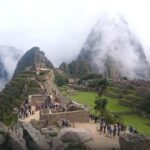
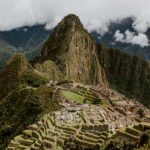
You arrive around 7:00 am, and Inti Punku is your panoramic viewpoint of Machu Picchu and the surrounding mountains. You’ll get a short break for photos, then the walk down is about 40 minutes to Machu Picchu itself.
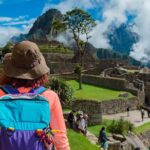
Around 7:40 am, you arrive and register at the last control post, presenting passports. Then comes a guided 2-hour tour of Machu Picchu with a professional guide, covering key spots and history. After that, you get free time to explore and take photos from different angles—basically the part where your brain finally goes quiet because your eyes are busy.
After the Machu Picchu tour, there’s time pressure and the option of Huayna Picchu. The itinerary mentions a climb around 10:30 am, about one hour up and time on top for panoramic views. But here’s the important part: the Huayna Picchu ticket is not included. If you want to do it, you must request it in advance for $70 per person.
Later, you head to Aguas Calientes, arrive around 1:00 pm, enjoy lunch in town (included), then you can visit the town or the thermal baths if you want. Around 6:00 pm, you board the return train to Ollantaytambo, arriving around 7:50 pm. From there, a bus takes you back to Cusco, landing around 10:00 pm.
This whole day is a clockwork blend of sunrise magic and logistics. If you’ve ever underestimated how early people can be while on vacation, this fixes that.
Price and Value: Why $860 Can Make Sense Here
At $860 per person for a 4-day trek, this isn’t a “cheap and cheerful” adventure. But it also isn’t just a guided walk. You’re paying for the infrastructure and staff that keep the trek functional and comfortable.
Here’s what stands out as value:
- Small group max 8, which usually means better pacing and less waiting.
- All fees and taxes paid, plus Inca Trail and Machu Picchu tickets included (with the one exception of Huayna Picchu).
- Meals handled all day: multiple breakfasts, lunches, dinners, plus tea times.
- Camp comfort upgrades: a 4-person bedroom tent used by 2 people, a travel pillow, and Thermarest-style inflatable mats.
- Safety and readiness: first aid kit and emergency oxygen balloon carried by the guide.
- Porter system that’s real: tents and kitchen equipment carried by porters, plus personal porter service up to 7 kilos of your load.
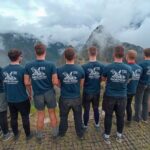
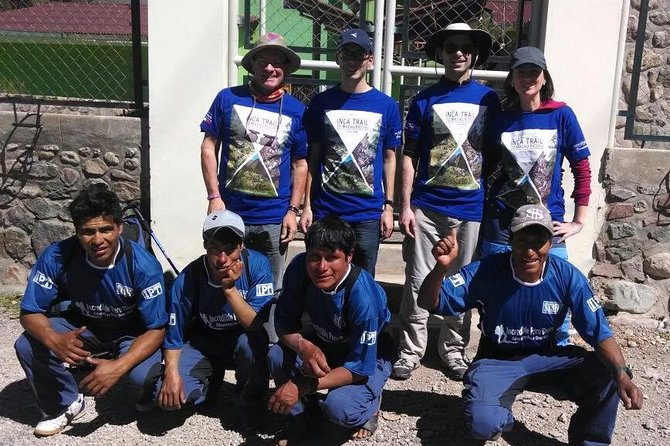
And the reviews point to the same practical thing: when the guide and crew are supportive and organized, you feel taken care of. Names like Paul (guide) and porters Timoteo, Julián, Nicolás, Pedro, and José Luis show up as standout staff in the feedback, with people praising the team’s attitude and how smoothly they handled food and baggage.
If you want an experience where you focus on hiking and views—not camp chores—this price can feel fair.
Meals, Comfort, and the Little Things That Save Your Trip
I’m a big believer that good treks aren’t only about big sights. They’re about how you sleep, eat, and recharge. This itinerary builds that in.
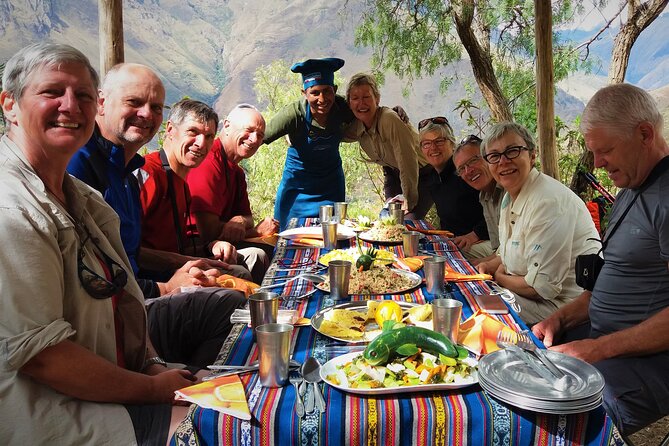
Meals are specifically listed as included: 3 breakfasts, 4 lunches, 3 tea hours, and 3 dinners. Tea time includes hot drinks and snacks, and the kitchen handles vegetarian, vegan, and special dietary requests if you request them. Even the water plan is built in: boiled water is served each morning so you can refill your bottle.
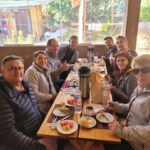
Camp comfort is also handled with more than “here’s a blanket” energy. You’ll get a tent setup that’s meant for sleeping comfort, plus mats and a travel pillow. There’s a dining tent with portable chairs and tables, plus a gas lamp. That sounds minor until you’re cold and hungry and thankful someone already solved the warmth and seating problem.
Also: you can rent a sleeping bag and walking sticks in the office up to one day before the tour. So you don’t have to arrive from home thinking you must buy everything.
Logistics You Should Not Ignore: Altitude, Passes, and What to Pack
This trek is for people with moderate physical fitness, but moderate doesn’t mean easy. Day 2’s passes are the obvious physical challenge, and altitude makes it personal. Keep expectations realistic, and plan to move at a steady pace instead of trying to conquer the trail like a race.
Pack choices matter. The included items list does not cover personal hiking gear like your backpack, clothes, or shoes. You’ll want solid footwear and layers because temperatures can shift fast, especially near the passes.
A couple of practical notes:
- Bring your original passport (and student ID if relevant).
- Expect early mornings and cold air at altitude; keep your hat and coat accessible around the pass area.
- If you didn’t bring hiking sticks or a sleeping bag, you can rent them through their office in advance of the trek.
And if you’re wondering about the “how do we handle emergencies” question: the guide carries a first aid kit and an emergency oxygen balloon.
Who This Inca Trail Trip Fits Best
This is best for you if you want:
- a small group with a structured plan,
- a strong staff setup (guides, cooks, porters),
- and comfort that lets you recover between long walking stretches.
You might not love it if you’re the kind of traveler who wants maximum independence or you’re planning to do long self-guided detours all day. This trip is organized, timed, and checkpoint-driven.
It suits couples, solo travelers, and friends who don’t want to manage camp cooking, tent logistics, or the document steps at control posts.
Should You Book Inca Trail to Machu Picchu (4 Days, Small Group) for 2026)?
Yes, if you want a guided, small-group Inca Trail where the heavy lifting is handled and the day-by-day schedule keeps you moving toward Machu Picchu with less stress. The value is strongest when you care about food consistency, camp comfort, and a supported pace through the big climbs.
Before you book, be honest with yourself about Day 2. If altitude climbing scares you, this itinerary might still be doable, but only if you’re willing to slow down, rest when needed, and accept that the pass is part of the story.
If Huayna Picchu matters to you, plan ahead and request the ticket early since it’s an extra cost.
If you want, tell me your hiking experience level and whether you want Huayna Picchu. I’ll help you sanity-check if this exact schedule fits your comfort and pace.
FAQ
How many people are in the small group?
The group is limited to a maximum of 8 travelers.
Where are you picked up in Cusco?
Pickup starts at 6:00 am from your accommodation in Cusco. They can also pick you up from hotels in the Sacred Valley.
What time does the trek start?
You’ll begin at the trail start area around Km 82 (Piscacucho) after meeting the team and going through the first official control post, with walking starting around late morning.
Are the Inca Trail and Machu Picchu tickets included?
Yes. The tour includes tickets to the Inca Trail and the Machu Picchu Citadel.
Is Machu Picchu guided?
Yes. You get a guided tour of Machu Picchu (Circuit 1 and Circuit 3) plus time afterward for photos and exploring.
Is Huayna Picchu included?
The Huayna Picchu Mountain ticket is not included. If you want to climb it, you must request it in advance for $70 per person.
What meals are included during the trek?
Meals are included throughout the trek and camp period: 3 breakfasts, 4 lunches, 3 tea hours, and 3 dinners, plus boiled water each morning for refilling your bottle.