REVIEW · CUSCO
“Aventura Inca: 4 Días en la Ciudad Perdida”
Book on Viator →Operated by Rap Travel Peru · Bookable on Viator
Four days, one big Inca payoff. This tour strings together Cusco’s Inca-and-colonial sites with the Sacred Valley and a guided walk at Machu Picchu, plus you get time to wander on your own and photograph freely. I like that the day at Machu Picchu includes a structured guided tour with breathing room afterward, not just a quick drive-by.
The one real catch is planning: the experience is non-refundable, and Machu Picchu depends on weather and fixed entry slots. If your schedule is flexible, that’s great; if it’s not, double-check everything before you pay.
In This Review
- Key Highlights You’ll Feel on Day One
- Cusco City Tour: Cathedral, Koricancha, Sacsayhuamán, Qenqo
- Sacred Valley Rhythm: Pisac Market, Urubamba Buffet, Ollantaytambo Ruins
- Machu Picchu Day: A 2.5-Hour Guided Tour Plus Real Free Time
- Aguas Calientes to Ollantaytambo: Using Business-Class Train to Save Your Energy
- Meals, Timing, and Group Size: Where This Tour Feels Different
- Price and Value: What $951 Is Buying You
- Who Should Book This Aventura Inca Tour
- Should You Book Aventura Inca: 4 Días en la Ciudad Perdida?
- FAQ
- What’s the duration of the tour?
- Does the tour include pickup and transportation?
- Is Machu Picchu admission included?
- What meals are included?
- How large is the group?
- Is the tour physically demanding?
Key Highlights You’ll Feel on Day One
- A small group size (max 15): You’ll move faster through checkpoints and feel less like a number.
- Pre-arranged Machu Picchu tickets: Entry is handled, so you’re not chasing down the right line and time window.
- Cusco city tour with major stops: Cathedral, Koricancha, Sacsayhuamán, and Qenqo—packed but not random.
- Sacred Valley food is built in: Pisac market time, then a buffet lunch in Urubamba.
- Business-class rail on the Machu Picchu side: Less hassle on the long movement days.
- Private transportation and pickup options: It reduces the “how do I get there?” stress across 4 days.
Cusco City Tour: Cathedral, Koricancha, Sacsayhuamán, Qenqo
Your first full taste of Peru’s layered story starts in Cusco, and the order matters. You’ll begin the day with an airport-to-hotel transfer after you land at Velasco Astete (listed around 8:30 am), then you’ve got morning time to get your bearings before the main tour starts at 2:00 pm.
When the city tour kicks off, you don’t just see monuments—you move through them like a map of eras. The Cusco Cathedral is the first major stop. I like how it’s presented as colonial architecture, but with clear Inca-era context in the city’s layout and spiritual importance. Then comes Koricancha, the Temple of the Sun. The detail that sticks here is the idea of its gold-clad walls—whether you’re seeing surviving elements or learning what used to be there, you understand why this was a powerhouse sacred place.
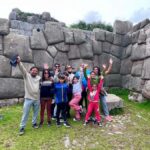
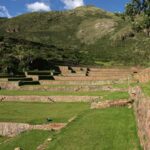
Next is Sacsayhuamán, up on the outskirts. This one is all about scale: enormous stone platforms, built by the Incas in a way that still looks engineered for endurance. After that, you’ll head to Qenqo, where you can spot canals, passageways, and that distinctive large rock shaped like a puma. Qenqo is a great “slow down” stop. If you enjoy imagery and symbolic design, you’ll get more out of it than just “another ruin.”
Practical takeaway: Cusco’s walking time is real, and the tour notes moderate physical fitness. Wear shoes you trust on uneven pavement and stone paths. Also, Cusco is a city where you’ll want water—build in small breaks even if your group keeps a good pace.
You can also read our reviews of more tours and experiences in Cusco.
Sacred Valley Rhythm: Pisac Market, Urubamba Buffet, Ollantaytambo Ruins
Day two is the Sacred Valley day, and it has a smart rhythm: market energy, then comfort food, then archaeology with a story behind it. You’ll start with breakfast at the hotel, then pickup around 8:00 am.
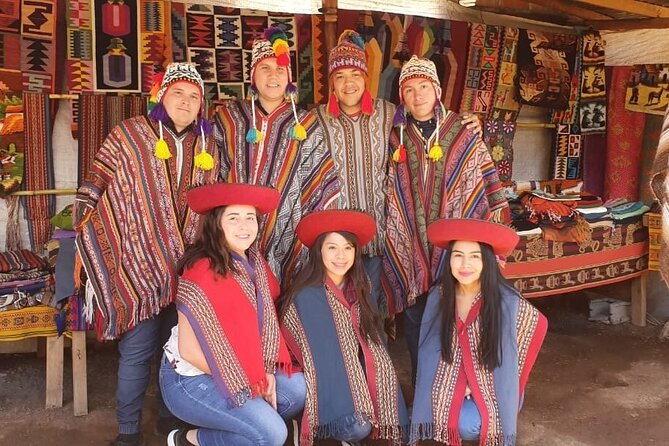
The morning anchor is Pisac, often called the gateway to the Sacred Valley. Here, you’re not stuck at ruins only. You’ll have time to explore the artisan market, where color and food smells mix with handcrafted goods. Even if you don’t plan to buy anything, Pisac is one of the easiest places to understand daily life in the Andes—because you’re walking among people doing ordinary things, not only sightseeing.
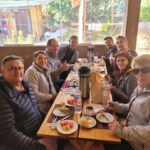
Lunch is a proper sit-down moment in Urubamba at Tunupa Restaurant. The tour includes a buffet, with typical dishes of the region, a novo-Andean angle, and traditional Urubamba choices. I like that this lunch isn’t pitched as bland “tour food.” It’s designed as a reset so you can handle the next portion without feeling wiped out.
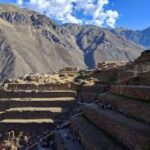
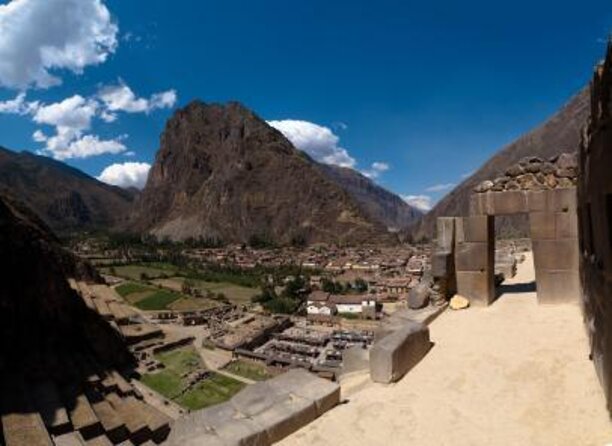
Then it’s on to Ollantaytambo, with ruins and a historical narrative. The standout point is the site’s connection to resistance during the Spanish conquest—specifically the role of Manco Inca defeating Spanish conquistadors. That’s not just trivia. It changes how you read the stones: you start looking for practical design and strategic thinking, not only aesthetics.
By the end of the day, you’ll be moving toward the Machu Picchu side of the route. The tour keeps the travel structured, which matters because the Sacred Valley drive times can eat your day if you’re trying to self-plan.
Practical takeaway: If you like food markets, Pisac is worth your attention. If you’re picky about meals, keep in mind lunch is included but buffet formats can vary; eat early in line so you don’t have to stand around during the busiest time.
Machu Picchu Day: A 2.5-Hour Guided Tour Plus Real Free Time
Machu Picchu is where this itinerary earns its name, and the schedule is built around getting value from the day.
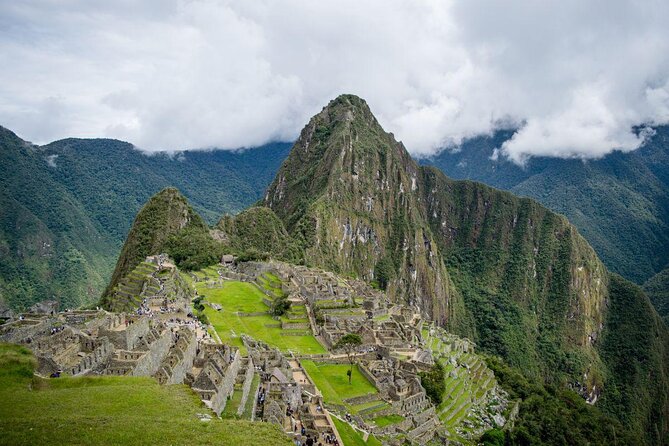
You’ll begin with breakfast in Aguas Calientes, then take a bus to the Machu Picchu sanctuary (about 30 minutes). Along the way, you get that classic Sacred Valley context: you can see the Urubamba River running below, which helps you understand the setting isn’t random. It’s a system of water, valleys, and engineered routes.
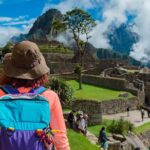
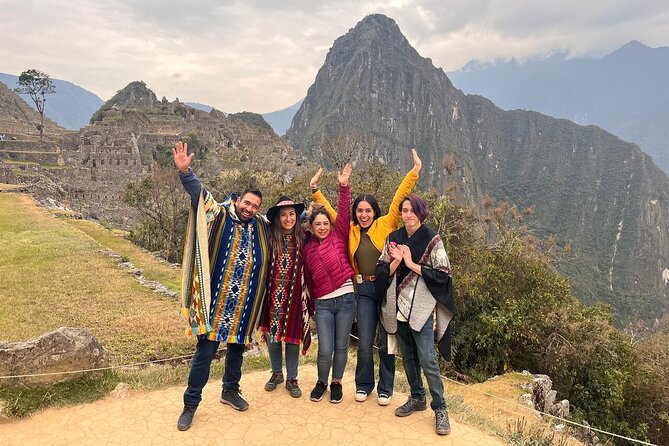
Entry to Machu Picchu is handled with pre-arranged tickets, which is huge for avoiding the scramble that can happen with limited timed entry. Once you’re inside, your guide leads a 2.5-hour tour, focusing on main temples and towers, plus the Intiwatana (the Inca sundial). I like tours that explain what you’re seeing and why it mattered, and Intiwatana is one of those moments where you suddenly realize the site was built with astronomy and ritual in mind.
Then you get the part many short tours skip: free time to explore on your own. The goal here isn’t only selfies. It’s time to move at your pace, find your angles for photos, and soak in the views without feeling rushed every ten minutes.
Afterward, you return by bus to Aguas Calientes. Your included buffet lunch happens at El Apu Inti or Indio Feliz, and you’ll also have time for the artisanal market in Aguas Calientes.
Guide note (from real experiences): One guest specifically praised a guide named Carlos for making the Machu Picchu visit feel special and well explained. That’s the kind of difference you want on a site this big—someone who can point out what you’ll otherwise miss.
Practical takeaway: Machu Picchu is a walking-and-stair kind of day. The tour’s “moderate fitness” note matters because even if you’re not hiking all day, you’ll still cover a lot of ground. Go slow on the steps early, when you’re freshest.
Aguas Calientes to Ollantaytambo: Using Business-Class Train to Save Your Energy
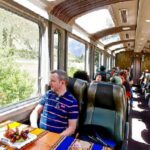
After Machu Picchu and lunch, the itinerary adds a comfort layer: you’ll board a train in Inka Rail business class (listed options like Expedition/Voyager for the train inclusion). On day three, you’ll have a departure listed at 2:36 PM or 7:00 PM, then ride for about 1 hour 40 minutes to Ollantaytambo.
Why does this matter? Because the route between the Machu Picchu area and the Sacred Valley side is the kind of travel that drains momentum. You could do it any number of ways, but when the tour builds in a fixed schedule with a higher-comfort rail option, it helps you stay present for the main event rather than spending the day in transit stress.
Also, the included plan uses bus transfers around Machu Picchu (up and down via CONSETTUR). That means you don’t have to figure out ticket timing for transport to the sanctuary once you’re there.
Practical takeaway: The best use of your train time is simple: sit, drink water, and don’t scroll your phone the whole ride. Save your focus for the moments you’ll still want energy for—like walking around Ollantaytambo when you connect.
Meals, Timing, and Group Size: Where This Tour Feels Different
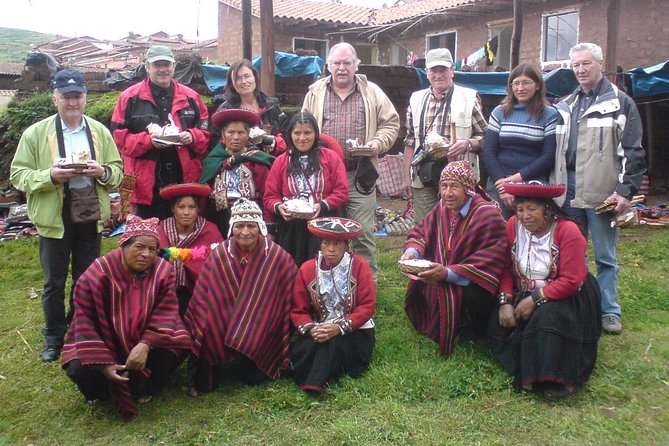
This is an all-inclusive style itinerary, and the “all-inclusive” part is mostly about reducing friction. Your included meals are clear: lunch is included (at Tunupa during the Sacred Valley day and at one of the Aguas Calientes buffet options after Machu Picchu), plus breakfast on three mornings. You’ll also have private transportation throughout the route segments that matter.
The tour lists a maximum of 15 travelers, and I like that for two reasons. First, smaller groups often mean easier movement at stops. Second, your guide can keep explanations within reach, which helps on complex sites like Koricancha and the Cusco fortress.
Timing-wise, expect a day structure that doesn’t waste time but also isn’t a nonstop sprint. For example, on the Cusco day you’re freed up in the morning and then you hit key monuments in the afternoon. Sacred Valley day is full, but it’s broken with lunch. Machu Picchu day is the longest-feeling because of early buses and walking, then it’s balanced by lunch plus market time before you head back via train.
Safety and organization signals from guest experiences: Many guests highlighted the team’s organization, communication, and a feeling of safety throughout the process. That matters in Peru, where some logistics can be confusing if you’re self-planning.
Practical takeaway: If you’re the type who plans outfits and photos based on time windows, this itinerary’s structure will help. If you hate schedules, you’ll want to protect your free time (especially on Machu Picchu) and not fill it with extra errands.

Price and Value: What $951 Is Buying You
At $951 per person, this isn’t a cheap Cusco weekend. But the value comes from what’s included—because the expensive parts of this route are exactly the parts you’d otherwise be scrambling to book: Machu Picchu Historic Sanctuary admission, bus up and down, and train transportation in a higher-comfort category. On top of that, you get private transportation and core meals.
Think of it like this: the biggest cost drivers are admission fees, timed entry complexity, transport logistics, and the cost of bundling guides and movement across multiple days. This tour packages those with a route that makes sense: Cusco to Sacred Valley to Machu Picchu, then onward.
Is it worth it for you? It’s a good fit if you want:
- fewer planning headaches,
- strong guided interpretation at Machu Picchu (not just entry),
- and predictable daily pacing.
It might not be worth it if you’re the kind of traveler who enjoys DIY route building and you’re comfortable booking Machu Picchu entry and transit yourself under tight time windows.
Practical note: The tour is non-refundable and depends on weather. Weather can affect the experience, so treat your dates seriously. If the itinerary gets canceled due to poor weather, you’re offered either another date or a full refund.
Who Should Book This Aventura Inca Tour
This tour is best for you if you:
- want the Cusco and Sacred Valley combo without stitching together separate companies,
- like guided context at major archaeological stops,
- and enjoy the idea of a full Machu Picchu day with time after the guide.
It also fits families and couples well based on how guests describe the service quality—warm, attentive, and careful with timing. And the small group size helps if you don’t want to feel buried under a crowd.
You should think twice (or at least plan carefully) if you:
- have very strict schedule constraints, since changing plans isn’t supported and entries are timed,
- or you know you struggle with walking at archaeological sites and stairs, since the tour calls for moderate physical fitness.
Should You Book Aventura Inca: 4 Días en la Ciudad Perdida?
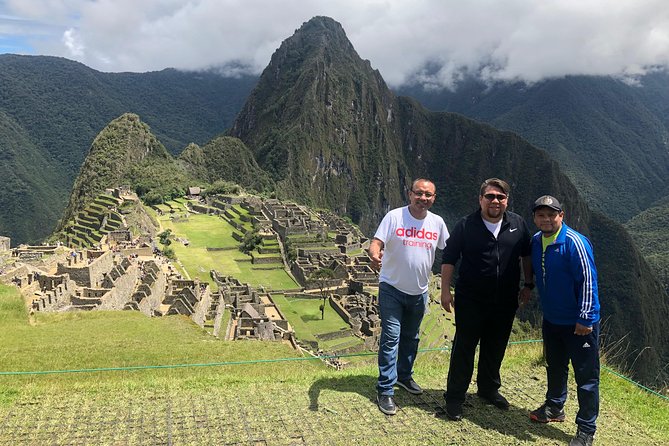
I’d book it if you want a clean, guided route that delivers Machu Picchu with both structure and freedom. The mix of Cusco monuments, Sacred Valley market + lunch, and a 2.5-hour Machu Picchu guide with independent time is the kind of itinerary that leaves you satisfied instead of just exhausted.
I’d pause before booking if your dates are hard to protect or if you dislike fixed schedules, because Machu Picchu is weather and timing sensitive. Also, the non-refundable rule means you should commit only when you’re sure you’re going.
FAQ
What’s the duration of the tour?
It runs about 4 days.
Does the tour include pickup and transportation?
Yes. Pickup is offered, and the tour includes private transportation across the route segments. It starts at Velasco Astete, Cusco.
Is Machu Picchu admission included?
Yes. Machu Picchu Historic Sanctuary entrance is included, along with bus up and down to the site.
What meals are included?
The tour includes breakfast (3 times) and lunch during the Sacred Valley day and again on the Machu Picchu day.
How large is the group?
The maximum group size is 15 travelers.
Is the tour physically demanding?
The tour notes you should have moderate physical fitness, since you’ll be walking through multiple archaeological sites.