REVIEW · PISAC & OLLANTAYTAMBO TOURS
Full-Day Excursion to Sacred Valley, Pisac and Ollantaytambo from Cusco
Book on Viator →Operated by MACHUPICCHU TOURIST CONNECTION · Bookable on Viator
Waking up before 7 can pay off fast. I like that this tour strings together the main Sacred Valley sites in one long day, with a guide who keeps the Inca context clear. I also love the buffet lunch in Urubamba, built around a big spread of local dishes. The only real catch is the pace: you’ll be moving almost nonstop, and you should budget extra for the Sacred Valley and salt-mine entrance fees.
Here’s what to expect if you want an organized highlights day. Pickup is early and the itinerary is packed, but the route is designed to cover the big names like Moray, Maras, Ollantaytambo, and Pisac without you having to figure out transportation.
The drawback is simple: it’s a speed-run format. Some stops are shorter than you might want, and there can be extra shopping stops that eat into site time, so plan your expectations accordingly.
In This Review
- Quick hits before you go
- A long day that actually works: Cusco pickup and timing
- Sacred Valley of the Incas: five highlights and your main ticket
- Chinchero’s Inca wall, then colonial frescoes
- Moray: Inca agriculture built like a science project
- Salinas de Maras: salt terraces you can’t stop looking at
- Urubamba lunch buffet: your mid-day fuel stop
- Ollantaytambo: fortress walls and street-level Inca thinking
- Parque Arqueologico Pisac: Inca astronomy on mountain slopes
- Price and value: what you actually get for $47.90
- Who should book this Sacred Valley day run?
- Should you book this one-day Sacred Valley tour?
- FAQ
- What’s the pickup time in Cusco?
- How long is the full-day excursion?
- Is hotel pickup and round-trip transportation included?
- What’s included in lunch?
- Are the entrance fees included?
- How many people are on the tour?
- What physical condition do I need?
- What’s the final return time to Cusco?
- Do I need to tip?
- Can I cancel for a refund?
Quick hits before you go
- A one-day Sacred Valley overview: five Sacred Valley visits plus Moray, Maras, Urubamba, Ollantaytambo, and Pisac
- Lunch that isn’t a sad sandwich: buffet in Urubamba with 30+ typical dishes (and ceviche often steals the show)
- Small-group feel: maximum of 20 travelers, which matters when you’re trying to hear the guide
- Entrance fees aren’t uniform: some are included, but Sacred Valley and salt mines cost extra
- Bilingual-style guiding: guides like Jhon, AJ/Abel, Victor, and others are known for clear English/Spanish explanations
A long day that actually works: Cusco pickup and timing
This starts early, because Sacred Valley driving time adds up fast. You’ll get picked up from your Cusco hotel between 6:30 a.m. and 6:55 a.m., and the tour runs about 13 hours total. If you hate early mornings, this is still the right tour—because you’re covering the valley while the roads are calmer.
I like that the pickup is built into the plan. You don’t need to wrestle with taxis at altitude while you’re half awake. The tour also keeps the group together with round-trip transportation, so you can focus on the sights instead of logistics.
The practical reality: you should be ready for a full day of walking and standing. The operator calls for moderate physical fitness, which usually means steps at archaeological sites, short uphill stretches, and time where you’re pressed to stay with the group.
If you’re sensitive to long bus rides, bring what you need. The tour is rated well, but some people report tight seating on the vehicle. Pack patience, not just snacks.
You can also read our reviews of more tours and experiences in Cusco
Sacred Valley of the Incas: five highlights and your main ticket
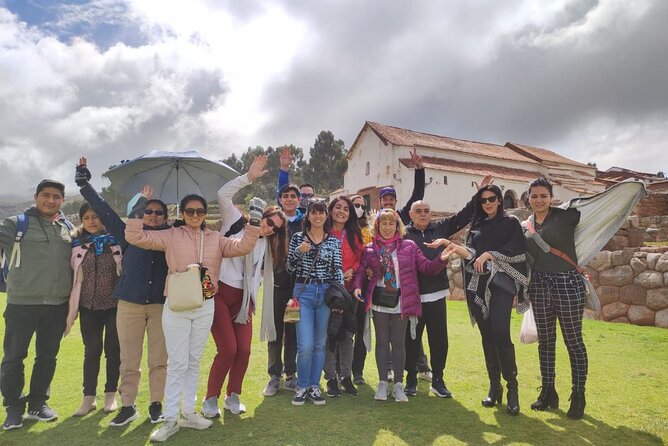
The day opens in the Sacred Valley of the Incas area with a tour plan that hits the region’s most important places. Instead of a scattered half-day, you get a structured run meant to give you a coherent picture of Inca life and how the Incas used these sites.
Budget for the biggest entrance fee of the day: Sacred Valley tickets (70 soles) are not included. The good part is that you buy that ticket the same day at the first archaeological center. So you’re not scrambling the night before, and you can follow the guide’s lead on where to go.
This stop is where you get the “why it mattered” explanation. You’re not just looking at ruins—you’re being walked through the history and the reasons these places were central for the Inca world. That context is especially helpful if this is your first time seeing the valley.
One thing to keep in mind: this is a highlights route. You might feel like you’re moving quickly through monuments, because the plan is designed to fit a lot into a single day. If you want long, slow photo sessions in every courtyard, you’ll likely prefer a slower-format tour.
Chinchero’s Inca wall, then colonial frescoes
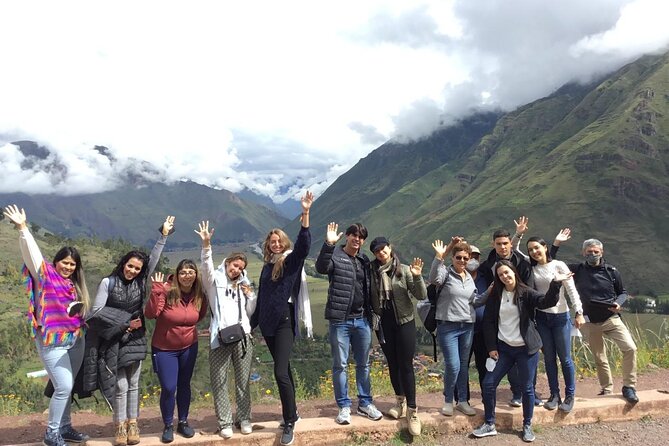
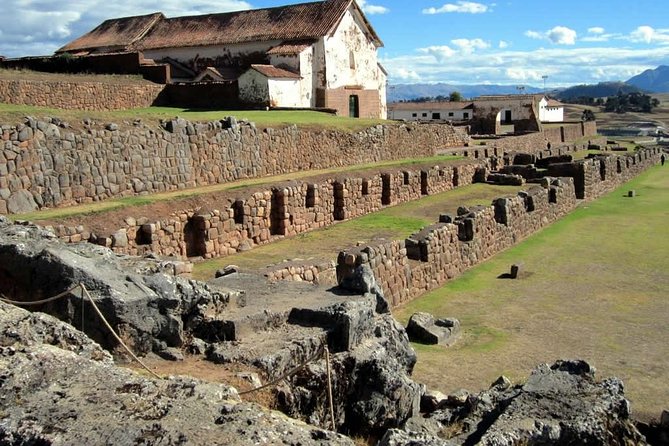
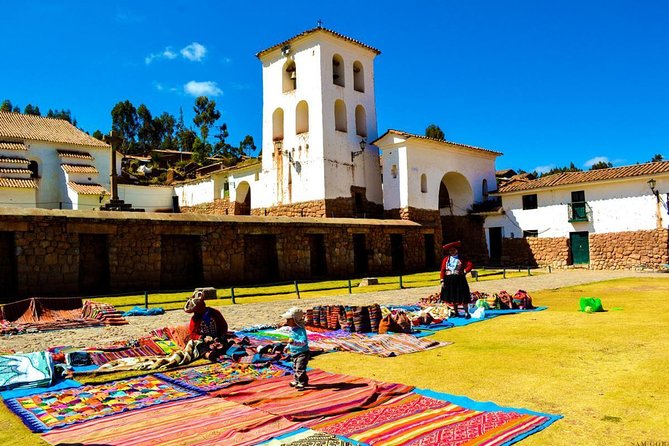
Next up is Complejo Arqueológico Chinchero—a stop that’s great if you like places where time layers over itself. Chinchero is tied to the Inca royal treasury of Túpac Inca Yupanqui, and you’ll see a well-preserved Inca wall in the main square.
What makes Chinchero more than just ruins is the colonial overlay. You can also visit a colonial temple built on the foundations of an earlier Inca building, with frescoes in the portico that add a different flavor to what you’re seeing.
This stop is short enough that you keep momentum, but it’s meaningful. In plain terms, it helps you understand how Spanish-era structures often took over existing Inca layouts. That mix of cultures is a big theme around Cusco—and Chinchero gives you a clean example without making you guess.
Also, because Chinchero sits on the way through the valley, it fits the route well. You’re not adding extra backtracking, which keeps the day from feeling even more chaotic.
Moray: Inca agriculture built like a science project
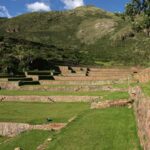
Moray is one of those Inca sites that feels weird in a good way—because it’s not just about temples and fortresses. This is where you see the Inca approach to agriculture using platforms arranged in different altitudinal levels.
Admission is included for Moray, so you don’t have to pull out cash for this one. The time on site is about 45 minutes, which usually means you’ll get a solid walkthrough without getting stuck in one spot too long.
Even if you’re not an archaeology nerd, the idea is easy to grasp. The Incas were experimenting with how different conditions affect crops. When you stand there and look at the terraces, it clicks as “smart design,” not just “old stone.”
This stop is also a good mental breather between bigger travel jumps. After the Sacred Valley segment and before salt mines, Moray gives you something more focused and less crowded feeling.
If you’re prone to altitude headaches, take it slow on the walkways. It’s not the kind of place where you can sprint and still enjoy the story.
Salinas de Maras: salt terraces you can’t stop looking at
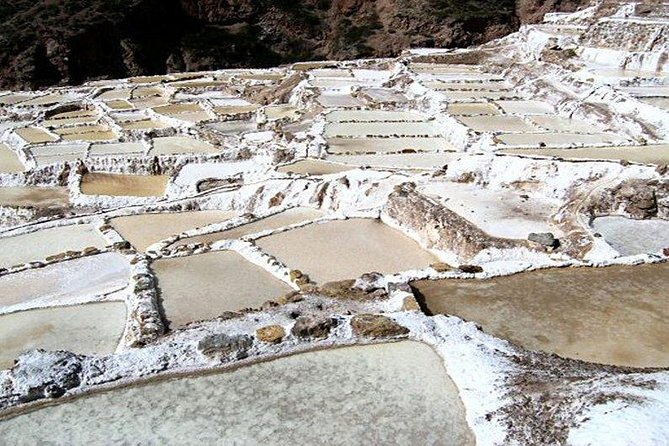
Then comes Salinas de Maras, the salt center people talk about for a reason. You’ll see rows of salt deposits climbing across a hill—an extraction site that has been supplying salt for a long time.
This one is not included in the main ticket. Plan on about 20 soles for the salt-mine entrance. (You’ll pay on the day; the guide will point you where to go.) The stop itself is about 45 minutes.
What I like here is the visual pattern. It’s not one dramatic monument—it’s thousands of small “works” spread over a hillside. The shape of it makes it easy to understand why people remember it even after a few other sites blur together.
One note: you’re often on uneven ground and near lots of activity. Wear comfortable shoes with grip, and keep an eye on where you step. This isn’t a museum floor.
If your day already feels rushed, Maras is still worth it because it’s one of the most clearly “real life” stops. You’re seeing something that looks functional, not just historical.
Urubamba lunch buffet: your mid-day fuel stop
Lunch happens in Urubamba at a tourist restaurant with a buffet. This is one of the biggest value moments of the tour because the buffet offers 30+ varieties of typical Peruvian dishes. Admission here is listed as free.
This is where the day stops feeling like pure movement and turns into recovery time. You can eat without thinking too hard about the menu, and you can choose what works for your stomach after hours of altitude and bus time.
A common highlight is ceviche. The buffet is also praised for being plentiful, not just “a small tasting.” If you’re building your expectations: this meal can genuinely feel like a reward, not a checkbox.
Still, manage one risk: if you need strict vegetarian options, you might find the main courses less generous than you hoped. I suggest you go in ready to mix and match sides, salads, and whatever hot dishes look best that day.
Also note drinks aren’t guaranteed to be included. If you’re thirsty (and you will be), you’ll likely want to budget a bit for beverages.
Ollantaytambo: fortress walls and street-level Inca thinking
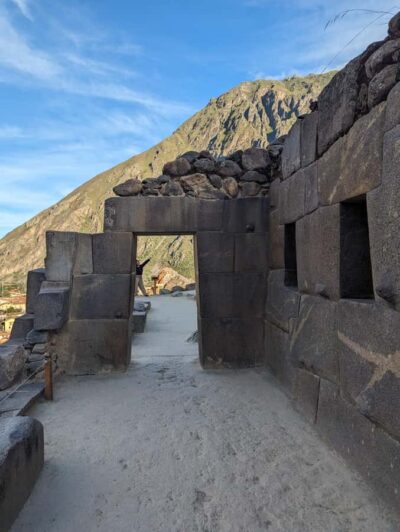
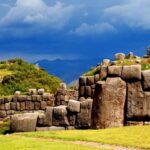
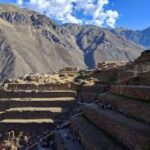
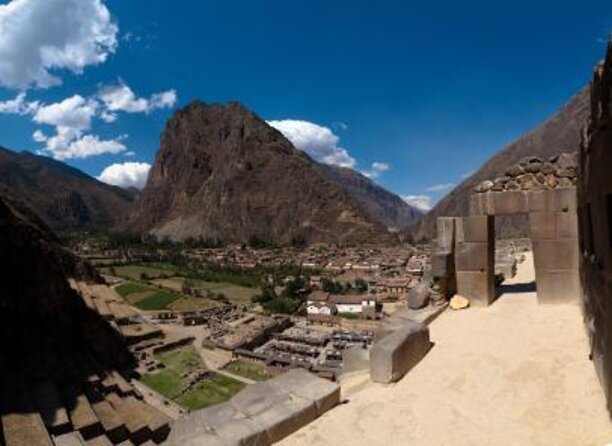
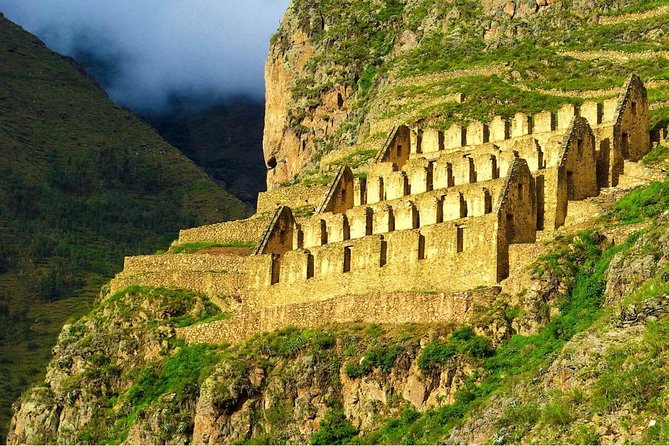
Ollantaytambo is one of those places where walking through the streets makes you understand the design. This Inca site functioned as a military fortress meant to protect the entrance to the valley and defend against possible threats coming from jungle regions.
You’ll get about 45 minutes here, and admission is listed as free. The time is enough to get a sense of the settlement’s layout and to appreciate how military, religious, and cultural space overlap.
What makes Ollantaytambo work in a highlights tour is the “you can see it” quality. When you look at the stonework and then move into the street grid, the Inca logic stops feeling abstract.
This stop is also a good opportunity to take photos without feeling like you’re constantly chasing the group. Still, don’t lag. The tour schedule is built tightly, and the guide needs everyone together to keep the day running smoothly.
If you feel tired, prioritize one thing: pick a viewpoint and soak in the walls and terraces for a minute. That single quiet moment can make the whole day feel less like a sprint.
Parque Arqueologico Pisac: Inca astronomy on mountain slopes
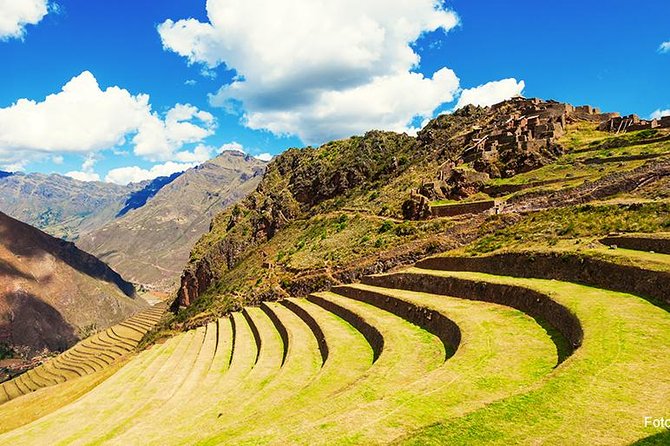
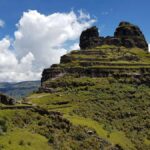
The final archaeological stop is Parque Arqueológico Pisac, an Inca astronomical center. Instead of a single monument, it’s groups of platforms and architectural structures spread on slopes and at the top of the mountain.
This is often the “wow” ending because the architecture looks deliberate against the mountain setting. The site is praised for combining great views with the neat finish of its buildings—so even in a short time, you’ll usually feel like you saw something special.
The Pisac stop is about 45 minutes, and then you return to Cusco around 7:30 p.m. The transport drops you close to the main square area, so you can grab a taxi or walk to dinner without extra hassle.
If you’re the type who loves taking time, you may wish you had more time here. But if you’re doing Sacred Valley as an intro—Pisac is a strong finish because it’s different from forts and salt terraces.
Go in with good walking shoes and a plan for your photos. The best light often comes and goes quickly, and the route doesn’t wait for your camera settings.
Price and value: what you actually get for $47.90
The price shown is $47.90 per person, and that’s where the value logic matters. You’re getting hotel pickup, round-trip transportation, a professional guide, a big buffet lunch, and ongoing monitoring during the day.
However, not all entrance fees are included. You should budget separately for:
- Sacred Valley entrance: 70 soles (purchased the day of at the first archaeological center)
- Salt Mines (Salinas de Maras): 20 soles
Admission is included or free for other parts like Moray (included) and sites such as Urubamba and Ollantaytambo (free as listed).
Add in the guide quality. A lot of the positive energy comes from guides who stick with the schedule and explain the sites clearly in English and Spanish. Guides like Jhon, AJ/Abel, and Victor show up in the mix often enough that you can reasonably expect the narration to be a key part of the experience, not an afterthought.
So who is it great for?
If you want a strong overview of the Sacred Valley in one day, this is a good deal. If you want slow time at each site, you’ll probably feel it’s rushed.
Also factor in optional costs: tips, extra drinks, and the reality of shopping stops that can be part of the flow.
Who should book this Sacred Valley day run?
This tour fits best if you’re:
- Short on time in Cusco and want the biggest hits
- Happy with a plan that moves on schedule
- Interested in Inca history explained in plain language
- Looking for an easy day where pickup and lunch are handled
It’s not ideal if you:
- Want long stays at Pisac or other single sites
- Get cranky on bumpy roads or tight seating
- Prefer zero shopping stops (some days can include extra shop time)
One more tip: bring a small bottle of water plan. Bottled water isn’t listed as included, and some people have noted it wasn’t provided. You’ll feel better if you’re not waiting for a store stop to hydrate.
Also, pace your expectations. You’ll see a lot, but you won’t “live” in any one town. If you love settling into places and returning later, save some budget for a second trip—maybe just one site or one village for a slower day.
Should you book this one-day Sacred Valley tour?
Book it if you want a guided highlights pass through the Sacred Valley with a real lunch payoff. The combination of major sites, a structured guide talk, and a buffet that actually feeds you makes it a strong first taste of the region.
Skip it or choose a different format if you’re hoping for unhurried time and minimal distractions. This is a long day, and it’s designed to keep you moving.
If you do book, go in prepared: good shoes, a little cash for entrances, and an open mind about the pace. That’s the formula for turning a whirlwind day into a trip you’ll remember for the right reasons.
FAQ
What’s the pickup time in Cusco?
Pickup is from your hotel between 6:30 a.m. and 6:55 a.m. The start point listed is Plaza de Armas, with a start time of 6:00 a.m.
How long is the full-day excursion?
The duration is about 13 hours.
Is hotel pickup and round-trip transportation included?
Yes. The tour includes pickup from your Cusco hotel, round-trip transportation, and a professional guide.
What’s included in lunch?
Lunch is a buffet with 30+ varieties of typical Peruvian dishes.
Are the entrance fees included?
Not all of them. Sacred Valley entrance fees (70 soles) and salt mine entrance fees (20 soles) are not included. Moray is included, and Urubamba and Ollantaytambo admission are listed as free.
How many people are on the tour?
The group is capped at a maximum of 20 travelers.
What physical condition do I need?
The tour recommends moderate physical fitness. Expect walking at archaeological sites.
What’s the final return time to Cusco?
You return around 7:30 p.m., with transport leaving you close to the main square area.
Do I need to tip?
Tips are not included.
Can I cancel for a refund?
Free cancellation is available up to 24 hours before the experience starts for a full refund.