REVIEW · HIKING & TREKKING
5-Day: Salkantay Trek to Machupicchu and Humantay Lake
Book on Viator →Operated by Mega Expeditions · Bookable on Viator
A five-day trek that ends with Machu Picchu at sunrise is a rare kind of planning win. You’ll climb the famous Salkantay Pass, hit Humantay Lake high above the valleys, and finish with a guided Inca citadel visit timed so you’re not arriving after the magic has already passed.
I really like how this tour keeps things small (max 15) and runs with professional bilingual guides. I also like the “real trip” feel: camping, porters and horses for a portion of the gear, and daily meals handled for you. The one drawback to weigh is the altitude plus the early wake-ups, so if you’re not comfortable with hard starts and mountain air, you’ll feel it.
In This Review
- Key things to know before you go
- Salkantay Trek to Machu Picchu: the big picture
- Altitude and pacing: why the schedule feels intense
- Day 1: Humantay Lake, Soraypampa camp, and that cold-warm rhythm
- Day 2: Salkantay Pass at 4,600m and the descent into the high jungle
- Day 3: Sahuyaco’s jungle trek, Santa Teresa base camp, and Cocalmayo hot springs
- Day 4: Zip line thrill or railway walk to Aguas Calientes
- Day 5: Sunrise climb, private Machu Picchu guide, and a long walk back
- Optional upgrades that change your day
- Price and logistics: what $360 really covers
- Weather and schedule reality
- Who should do the Salkantay route with this operator
- Should you book this 5-day trek?
- FAQ
- What time is pickup in Cusco?
- How many nights are included?
- Is Machu Picchu entrance and a guide included?
- Do I need to bring a sleeping bag?
- What about meals during the trek?
- Is Cocalmayo hot springs included?
- How much extra does Huayna Picchu cost?
Key things to know before you go
- Small group size (max 15): easier pacing, more personal guidance, less standing around.
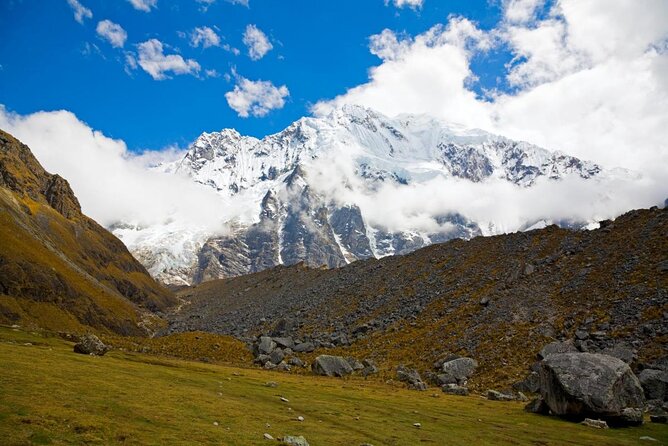
- Guide-led Salkantay Pass crossing: the pass portion is the big deal, and having a guide who handles the flow matters.
- Humantay Lake at altitude: a short push from camp gets you to a high, dramatic viewpoint.
- Two activity tracks on Day 4: zip line option or a trek to the hydroelectric before heading to Aguas Calientes.
- Machu Picchu sunrise plan: you’re climbing early, entering around 6:00am, then getting a private 2-hour guided tour.
Salkantay Trek to Machu Picchu: the big picture
This is an active, full-throttle way to reach Machu Picchu—no slow sightseeing bus tour disguised as trekking. Your trip is built around altitude and variety: high Andean passes, then a drop into jungle, then a final push through the “high jungle” up to the citadel at dawn.
What makes it feel worthwhile is the mix of effort and payoff. You’re not just hiking to say you hiked; you’re hiking for specific moments: Humantay Lake, the Salkantay Pass crossing, the jungle-to-railway walk toward Aguas Calientes, and then the Machu Picchu sunrise timing.
If you want maximum comfort at the expense of walking, this isn’t that. If you want an experience where your day-to-day rhythm is the point, this can be a very good fit.
You can also read our reviews of more hiking tours in Cusco
Altitude and pacing: why the schedule feels intense
You’ll start very early. One part of the plan lists pickup before dawn around 4:30am, while the general start time is about 5:30am, so either way you should plan for a pre-coffee start. Early starts are not a gimmick here. They help you move while temps are cooler and visibility is better for the higher sections.
Altitude is also a featured character. The trip climbs to Soraypampa around 3,900m, then Humantay Lake around 4,200m. The second day pushes to Salkantay Pass at 4,600m. That’s real high altitude, and you’ll feel it—especially if you sprint or try to “prove” fitness instead of working steadily.
The pace is mountain-smart rather than marathon-smart. For example, the pass day includes a climb to the top, then a descent to lunch at Wayracpunku, then continued walking into the high jungle. You won’t be walking nonstop forever, but you’ll be moving enough that you’ll earn the moments, including the sunrise at Machu Picchu.
Day 1: Humantay Lake, Soraypampa camp, and that cold-warm rhythm
Day 1 starts with the long transfer leg and a first acclimatization stop. After pickup, you ride about four hours by bus, then stop in Mollepata at roughly 2,900m for a short break. From there you continue to Challacancha, where you meet your horses and porters to handle the equipment.
Then comes your first hike: about four hours to Soraypampa at 3,900m, walking near Inca water irrigation channels. This part matters because it’s your first real altitude test, and it’s long enough to warm you up—without being the pass.
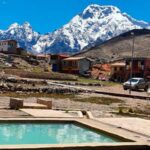
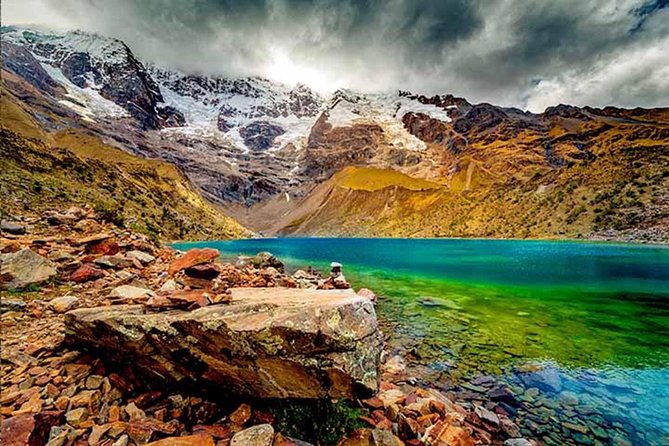
Once you arrive at Soraypampa, you set up the first base camp and get that classic Salkantay view. The temperature pattern is dramatic here—reported around 10°C in the day and 2°C at night—so you’ll want to think in layers, even if it’s sunny. Lunch happens at camp, then you head to Humantay Lake for about 1 hour 30 minutes on foot at around 4,200m.
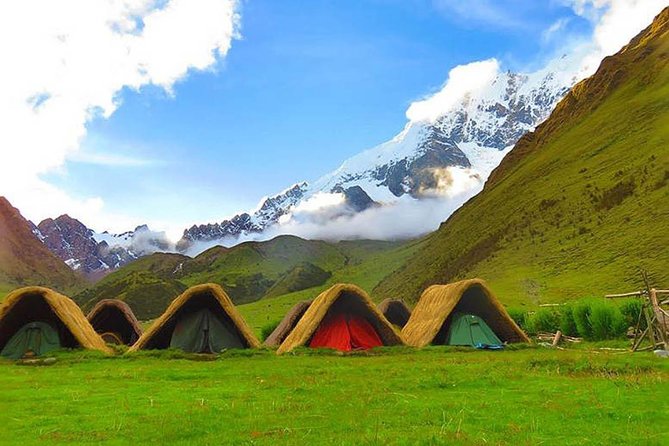
The camp setup is worth noting. Your shelter is described as a four-season tent with an additional straw-coated roof. Translation: you’re not sleeping in a bare, sketchy setup. It’s still mountain camping, just with more attention to weather basics.
Day 1 drawback: it’s a full day before you even hit the “hard” pass. If you hate long transit days, know this includes both bus time and a hike, plus camp and a lake walk.
Day 2: Salkantay Pass at 4,600m and the descent into the high jungle
Day 2 begins with an acclimatization routine: you’re woken up with tea, then breakfast. It’s a small thing, but I like any trip that treats altitude as something to prepare for rather than something you just endure.
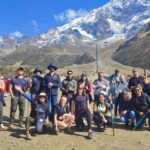
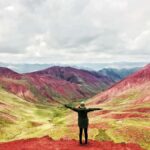
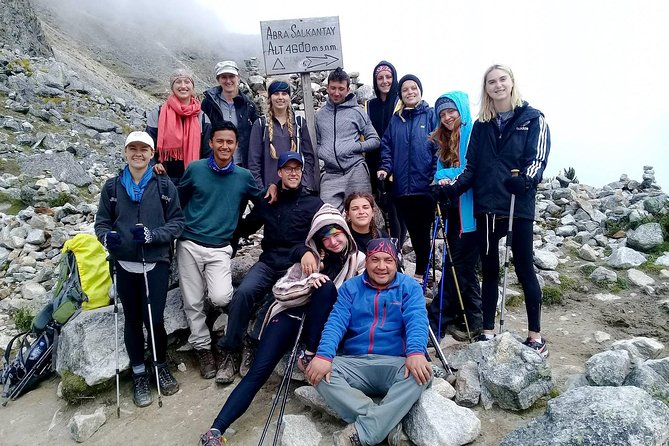
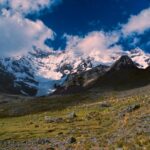
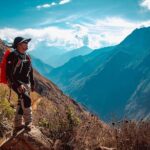
From there you hike about three hours to the highest point: Salkantay Pass at 4,600m. You’ll be among Andean peaks that feel intimidating up close. There’s also a cultural moment built into the pass crossing: you’ll pray and ask the Apus (mountain gods) for permission to pass, following what the Inkas did.
After the pass, you don’t just coast downhill. You walk toward Wayracpunku (Huayra Pampa) for lunch, then keep going into the high jungle. This is where the scenery changes from rocky altitude to living green. The plan describes big trees with branches reaching over streams, with bromeliads and orchids around the area.
You walk around five hours from there to your next base camp in Chaullay (about 2,900m). Dinner and rest follow, and this is an important “recovery day inside a trekking day.” You drop from the highest altitude point, but you don’t go back to sea-level comfort. Still, it sets you up for the jungle-temperatures of Day 3.
Day 3: Sahuyaco’s jungle trek, Santa Teresa base camp, and Cocalmayo hot springs
Day 3 is a temperature shift. You’ll have breakfast around 6:30am, then head toward Sahuyaco (La Playa) at roughly 2,000m. The jungle trekking here is described with warmer conditions—around 25°C by day and 14°C at night—so it can feel like a different world from Day 1 and Day 2.
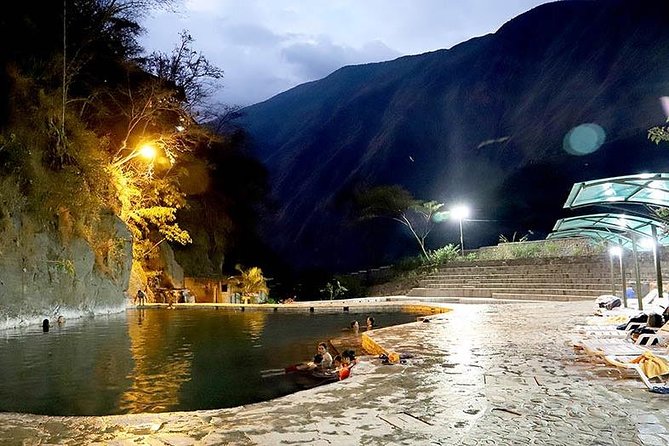
Lunch is in this warmer zone, then you transfer to Santa Teresa at about 1,550m. That’s where you set up camp and get your built-in reward: Cocalmayo hot spring time.
The hot springs are not included in the base cost. You can pay on the spot, with a listed price of $6 USD. I like this setup because it gives you control. If you want to soak, go for it. If your legs feel cooked, you can also keep it short and focus on sleep.
After hot springs, you’ll have a traditional Peruvian dinner and rest. This night is useful. You’re moving toward Aguas Calientes next, and that last stretch is about reaching Machu Picchu smoothly rather than adding another huge altitude test.
You can also read our reviews of more tours and experiences in Cusco
Day 4: Zip line thrill or railway walk to Aguas Calientes
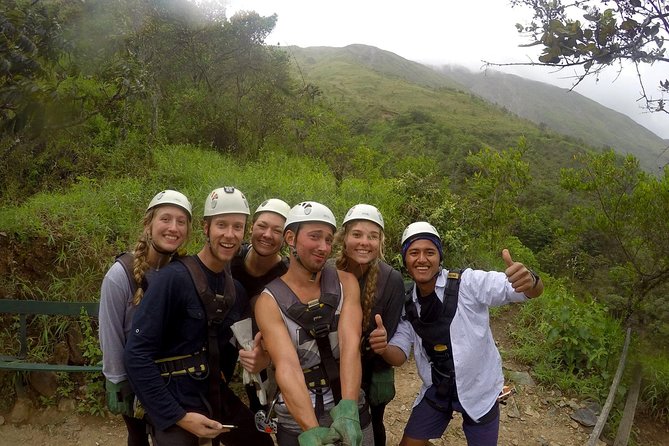
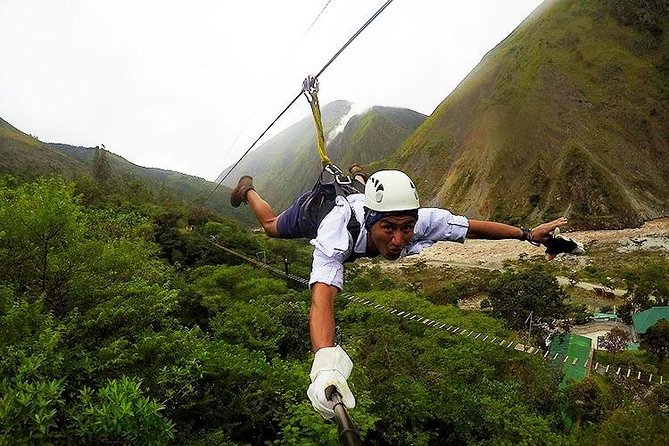
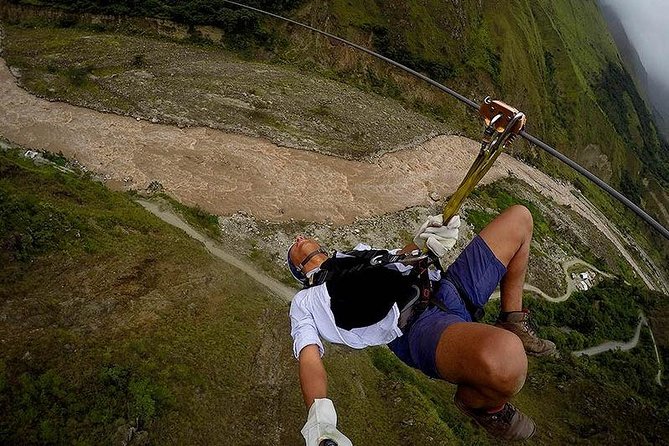
Day 4 has a split plan, and that’s one of the smartest design choices on the trip. If you booked the zip line, you’re picked up from the camping site for an activity lasting about 2 hours 30 minutes. It’s described as having more than 6 cables, with the longest cable at 1 kilometer, and a maximum speed around 70 km/h (45 mph). There’s also a climbing rock and a suspension bridge.
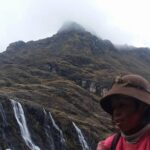
If you didn’t book zip line, you’re offered a different kind of day: about 2 hours trekking from Santa Teresa to the hydroelectric area, where the group reunites for lunch and a break. Then you all walk along the railway route through jungle toward Aguas Calientes. The walking is described as about 3 hours, with waterfalls and ecological farms along the way, plus a chance of seeing wildlife.
You arrive around 5:00pm, then sleep in a hostel. At night, you meet at a local restaurant for dinner and a briefing about the Machu Picchu outing.
Practical note: this day is a balance of effort and logistics. It gets you to the town where you’ll sleep for the final sunrise climb, without dragging you through another super-long technical section.
Day 5: Sunrise climb, private Machu Picchu guide, and a long walk back
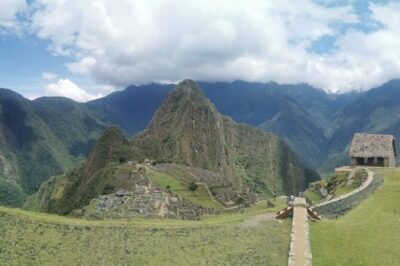
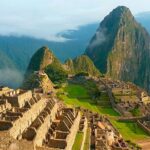
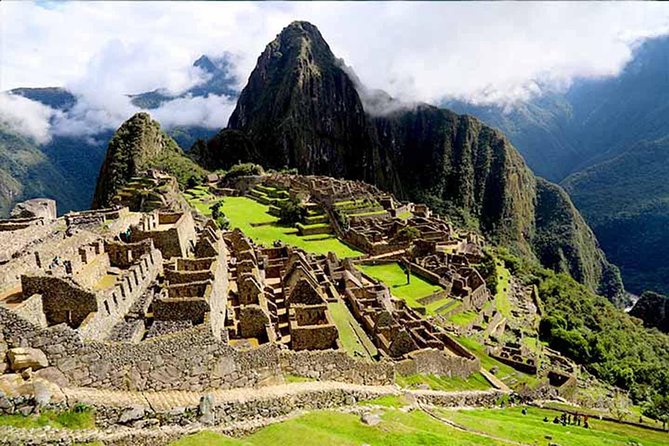
This is the morning you came for. Around 4:00am, you get ready to climb to Machu Picchu. The route is described as an ascending path crossing high jungle so you reach the site in time for sunrise.
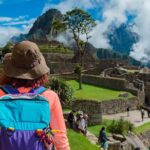
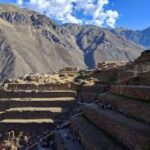
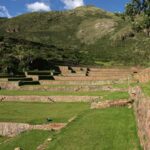
You pass control around 6:00am, then you get a private guided tour for about 2 hours inside the Inca citadel. After that, you have free time to explore on your own.
Free time is important here, because Machu Picchu rewards wandering—but only if you don’t feel rushed. Your visit is long enough that you can pause when something grabs your eye instead of being yanked from spot to spot.
Then comes the less glamorous part: returning. At 11:30am, you walk back to the hydroelectric area, about 3.5 hours. A bus waits and takes you back to Cusco until around 3:00pm, arriving around 10:00pm.
Optional upgrades that change your day
Two optional ideas are mentioned. First, you can spend an extra night in Machu Picchu town by paying $30 more. That would let you return the next day, which is helpful if you want to climb Huayna Picchu or Machu Picchu Mountain.
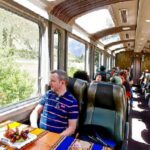
Second, you can add the train for a return route. The plan describes staying in Machu Picchu until a 5:00pm max, then taking a train from Aguas Calientes to Ollantaytambo (about 1 hour 40 minutes). A car then waits to bring you back to Cusco, dropping you near San Francisco Square around 10:00pm. I like the logic of this upgrade: more time at the site and a more comfortable return.
Price and logistics: what $360 really covers
At $360 per person for roughly five days, the value comes from a few specific things being handled for you: entrance to Machu Picchu, a professional bilingual guide, camping logistics, most meals, and the big movement parts (transport and return to Cusco).
Here’s what’s clearly included:
- Pickup from your Cusco hotel area between 5:30 and 6:00am (and the plan also notes 4:30am pickup in one section, so assume very early)
- A briefing with your guide the day before
- Machu Picchu entrance arranged ahead of time
- Full camping gear except your sleeping bag
- Three nights camping plus one night in a hostel (private for couples)
- Lunch (4), dinner (4), breakfast (4) across the trip pattern
- Private transportation during transfer segments
- Carrying your backpack (up to 5kg the first three days) using horses/porters
- Return to Cusco by bus on the last day
What costs extra:
- Hot springs at Cocalmayo: $6 USD on the spot
- Huayna Picchu: $30 USD additional to climb
- Optional zip line activity on Day 4 (price isn’t listed in the details you shared)
- Optional extra night in Machu Picchu town: $30
Think about the backpack limit (max 5kg carried by horse early on). If you pack heavy, you’ll pay for it with stress and extra carrying later. I’d treat this trip like a “pack light and think smart” situation.
Weather and schedule reality
This experience requires good weather. If poor weather cancels it, you’re offered a different date or a full refund. One more thing: the booking is described as non-refundable and not changeable for any reason. That’s the kind of policy you want to consider before you lock in flights.
Who should do the Salkantay route with this operator
This trek fits best if you:
- Want adventure with real hiking and daily altitude change
- Are okay with moderate physical fitness requirements and early mornings
- Like having a small group (max 15) and a guide who stays organized
It also works well for couples. The hostel night is described as private for couples, which helps if you want a little more calm at the end.
If you’re sensitive to altitude or you expect the trek to be more casual than demanding, this may not feel good. The pass day includes a climb to 4,600m, and the plan moves at altitude rather than around it.
One last practical note: you’ll have a bilingual guide, Spanish-English. A highlighted guide name here is Roger, described as helpful and friendly—exactly the kind of guide you want when you’re dealing with timing and altitude.
Should you book this 5-day trek?
I think you should book if your priority is a classic, active route that ends with Machu Picchu at sunrise plus a proper guided visit. The strengths—small group size, Salkantay Pass leadership, Humantay Lake timing, and the 2-hour private guided tour at the citadel—line up well with what actually makes this kind of trip memorable.
I’d pause and rethink if you’re not comfortable with very early starts, big altitude days, and a final day that includes a long walk back to the hydroelectric before the bus ride home. Also, if you dislike non-refundable bookings, make sure you’re truly ready before committing.
If you want, tell me your hiking comfort level (and whether you’re planning Huayna Picchu). I can help you decide whether the optional add-ons are worth it for your schedule and energy.
FAQ
What time is pickup in Cusco?
Pickup is listed as between 5:30am and 6:00am. One part of the plan also references pickup at 4:30am, so expect a very early departure.
How many nights are included?
You get 3 nights camping and 1 night in a hostel.
Is Machu Picchu entrance and a guide included?
Yes. Machu Picchu entrance is included, and you get a private guided tour for about 2 hours after entering around 6:00am.
Do I need to bring a sleeping bag?
Yes. Full camping gear is included except for the sleeping bag, which is personal.
What about meals during the trek?
Meals are included across the trip: breakfast (4), lunch (4), and dinner (4). The plan also notes that breakfast is not included on the first day and lunch/dinner are not included on the last day.
Is Cocalmayo hot springs included?
No. You can enjoy the hot springs for an extra cost of $6 USD, paid at the spot.
How much extra does Huayna Picchu cost?
Climbing Huayna Picchu is listed as $30 USD additional.