REVIEW · MARAS & MORAY SALT MINE TOURS
Salt Mines(Maras),Moray and Chincheros
Book on Viator →Operated by Trip Inka Town · Bookable on Viator
Inca salt still runs today. This Cusco private outing strings together Maras salt mines, Moray terraces, and Chinchero, with a quick stop at an alpaca-focused artisan market. I like the fact it’s private, so your guide can set the pace and spend time where you actually care.
My favorite part is the live, on-the-road commentary. With your own guide, you’re not stuck staring at ruins while someone else guesses what you’re looking at. If you get a guide who’s as clear as Franco, you’ll likely get practical tips on how to look at the sites, not just what the sites are called.
One thing to consider: not all entrances are included. Chinchero and Moray list admission as not included, so you should budget a bit more on top of the $80 price.
In This Review
- Key highlights you’ll feel from the start
- Why Chinchero, Moray, and Maras work as one Cusco day
- Meeting in Cusco and the all-in transportation setup
- Mercado de Artesanias: the alpaca craft stop that saves you time
- Chinchero’s archaeological site: Pachacuteq’s presence and trading energy
- Moray terraces: how to spot the logic in the mountain farming
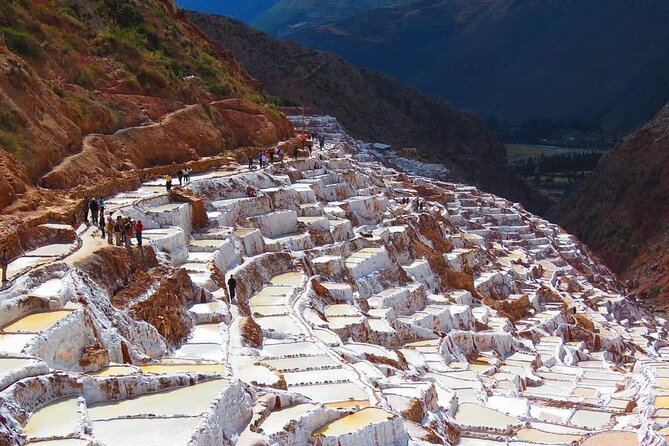
- Maras salt mines: still working, still producing
- The private tour advantage: efficiency without the bus-speed vibe
- Price and value: what $80 actually buys you
- Timing, weather, and how to avoid the slow-stress day
- Who this tour suits best
- Should you book this Cusco private tour?
- FAQ
- How much does the tour cost?
- How long is the experience?
- Is this tour private?
- Where is the meeting point in Cusco?
- What does the price include?
- Are entrance fees included?
- How long do you spend at each main stop?
- What days and hours does the tour operate?
- How far in advance is it usually booked?
- What happens if the weather is bad?
- Can I cancel and get a full refund?
Key highlights you’ll feel from the start
- Private guide, private timing: You’re not sharing attention with a big bus group.
- Maras salt mines are still in use: You’ll see working salinization, not a staged demo.
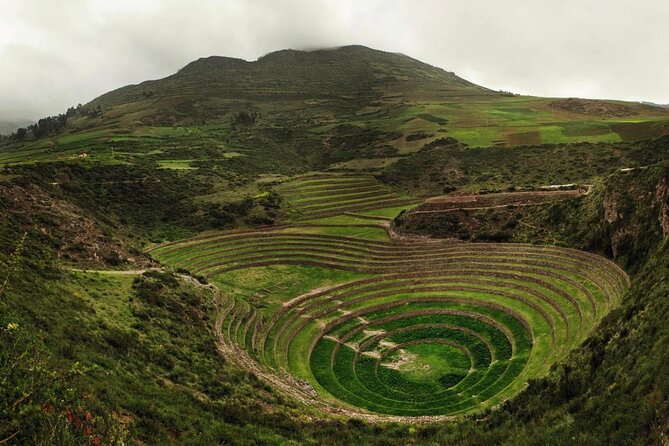
- Moray’s terraces are the point: You’ll focus on the agricultural experiment idea and terrace engineering.
- Chinchero beyond the postcard: You’ll cover Pachacuteq’s connection and the Andean trading scene.
- Alpaca craft shopping with a built-in stop: Mercado de Artesanias time is included.
Why Chinchero, Moray, and Maras work as one Cusco day
If you want an authentic Sacred Valley feel without doing three separate tours, this route makes a lot of sense. You start with local crafts, then move into Inca-era life and food production, and end at a place where salt-making continues in the same pattern families have used for generations.
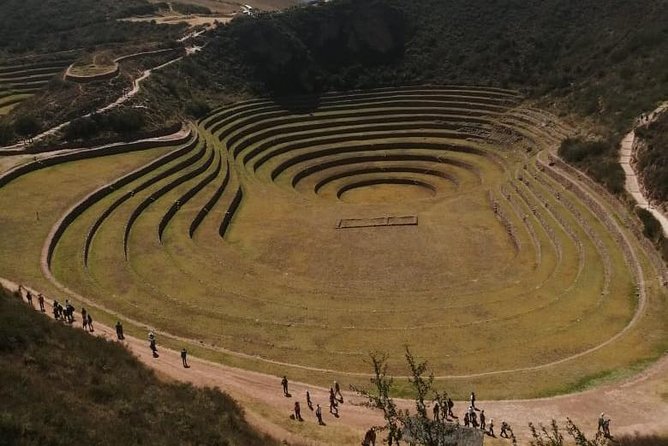
The best value here is focus. The stops are specific and varied: terraces at Moray (how food was tested), salt pans at Maras (how salt is produced), and Chinchero (a window into elite Inca presence plus local trading). Instead of one “big” sight, you get three different ways to understand Inca impact in the mountains.
You can also read our reviews of more tours and experiences in Cusco.
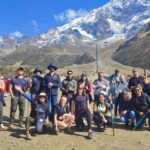
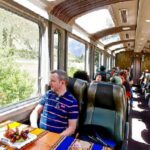
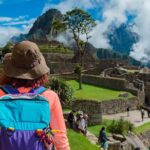
Meeting in Cusco and the all-in transportation setup

You meet at Av. El Sol 920, Cusco 08002, Peru. The activity starts during daytime hours (Monday through Thursday, 7:00 AM to 3:00 PM), and it returns you back to that same meeting point at the end.
What you care about as a visitor is simple: transport is included, and you don’t have to figure out directions between sites. That matters in Cusco because the Sacred Valley day can feel like a logistical blur if you’re doing it on your own. With a guide handling the flow, you can spend your brainpower on what you’re seeing.
This is also set up as a private tour/activity, meaning only your group rides along. Reviews back up the “relaxed but efficient” feel, including examples where the guide doesn’t clock-watch and will stop where it’s useful.
Mercado de Artesanias: the alpaca craft stop that saves you time
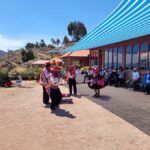
First stop is Mercado de Artesanias for about 40 minutes. The admission ticket is included here, and that’s a small but smart detail—your time starts without friction.
This market is where you’ll find handmade products, especially alpaca wool items made by local people. If you’ve been hunting for scarves, sweaters, or smaller alpaca pieces, this is the kind of stop that can cut your shopping stress. You’re not wandering endlessly later in town trying to compare quality and prices.
A practical way to shop: don’t rush. Spend the whole 40 minutes. Look at stitching, check how the fabric drapes, and ask questions about what it’s made from. A good guide can help you avoid common shopping traps like confusing similar-looking wool blends.
Chinchero’s archaeological site: Pachacuteq’s presence and trading energy
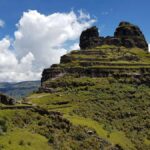
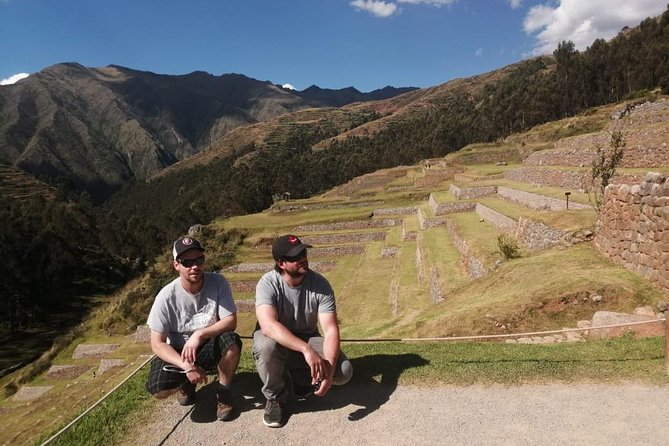
Next is Complejo Arqueologico Chinchero for about 30 minutes. Entrance is not included, so this is one of the few places where you’ll want to plan for extra payment.
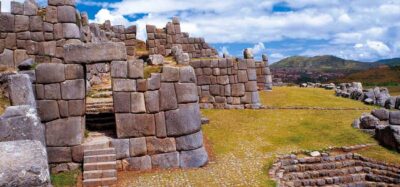
Chinchero is interesting because it’s more than a pretty ruin. You’ll visit an ancient local house associated with one of the famous rulers, Pachacuteq. You’ll also see what’s described as Andean trading. That combination matters: it frames the site as a place tied to both leadership and everyday movement of goods.
Because your time at Chinchero is shorter (30 minutes), you’ll want to walk with purpose. Ask your guide what to focus on for terrace walls, doorways, and layout. Even without deep technical details, you can usually read the site better when you know what to look for first.
Possible drawback: since entrance isn’t included, the experience can feel a little more “add-on” than the market stop. If you’re trying to keep costs tight, just remember to factor it in.
Moray terraces: how to spot the logic in the mountain farming
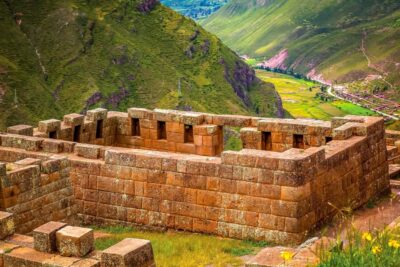
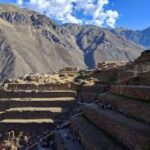
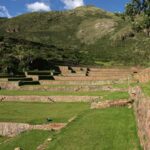
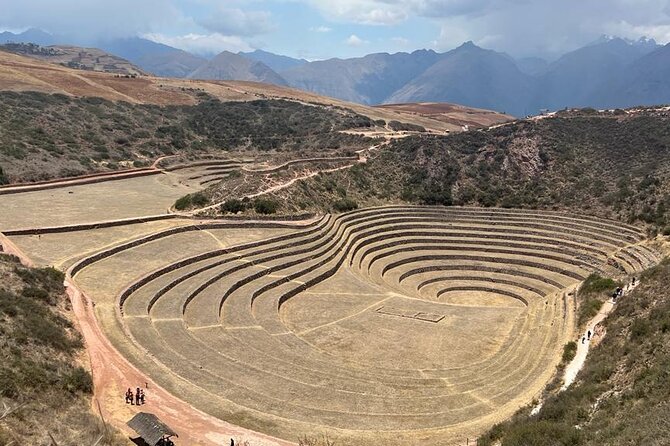
Moray is an agricultural experimental center, and the terraces are the main attraction. You’ll spend about 40 minutes here, and entrance is not included.
The key idea is experimentation. These terraces are part of how Inca agriculture adapted to different conditions in the mountains. You’re not just looking at steps carved into a slope—you’re looking at a system designed to test and manage growing conditions. When you understand that, the terraces stop being “cool shapes” and start being a practical solution to a tough environment.
How to enjoy Moray in the allotted time:
- Keep your eyes on the terrace arrangement, not only the central view.
- Use your guide’s explanation to understand why terraces were built where they were.
- Take a minute to look back at how the terraces step down—your brain reads the engineering faster from a distance.
At 40 minutes, you’re enough time to get the meaning and snap photos, but not so much time that you feel stuck. If you want slower pacing, the private format helps—your guide can usually adjust stops within reason.
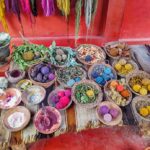
Maras salt mines: still working, still producing
The final stop is Maras, the Inca salt mines that are still working and used by local people. You’ll spend about 1 hour, and admission is listed as free.
This is the real payoff for most people on this tour. Maras isn’t frozen in time. You’ll see the process of salinization and the working pattern of salt pans. Watching how salt production operates in a living system can be more memorable than a site where nothing continues today.
For your visit, treat Maras as a visual study:
- Follow the layout of the pans so you understand what you’re seeing.
- Pay attention to the surfaces and the way water is directed through the system.
- Take your photos, but also set aside a moment to just watch the activity and changes in the pans.
One more practical note: since it’s described as a place still used by locals, keep your pace respectful and avoid blocking viewpoints. You’ll get better photos anyway when you’re not rushing.
The private tour advantage: efficiency without the bus-speed vibe
A big reason people rate this so highly is how smooth the day feels when it’s private. In reviews, guides are praised for being knowledgeable and for keeping the tour relaxed and well organized. One example includes a guide stopping where the group wanted, without counting minutes.
That kind of flexibility is worth money—especially when your group includes different interests or kids. For a family of four (with kids around 7 and 12), the tone is described as relaxed, and the guide didn’t try to force a strict script. That’s what you should look for when choosing a Cusco day trip: someone who can manage timing but still let you breathe.
If you’re the type who likes to ask questions and linger when something clicks, this private format fits you better than a rigid group schedule.
Price and value: what $80 actually buys you
The price is $80.00 per person for a 6 to 7 hour experience, and it’s priced with transportation and a tour guide included.
Here’s the value logic:
- You get transport between four stops without handling directions or logistics.
- You get live commentary, which can turn “I saw it” into “I understood it.”
- You get at least one paid component already handled (Mercado de Artesanias admission ticket is included).
- You get one major sight with free admission (Maras is listed as free).
The only part that can soften the value is that entrances are not included in general—meaning Chinchero and Moray may cost extra. If you budget for those, the remaining package still looks strong because you’re paying for guidance plus all-in transportation across the route.
If your goal is to minimize hassle and maximize learning time, this is a clean deal. If your goal is only low cost, you might price out DIY transport plus a guide for one stop. But for most people, the private guide + transport combo saves stress that’s hard to measure in dollars.
Timing, weather, and how to avoid the slow-stress day
This experience runs Monday through Thursday, 7:00 AM to 3:00 PM. It also requires good weather, and if it’s canceled due to poor weather, you’ll be offered a different date or a full refund.
Why that matters: places like Moray and Maras depend on outdoor walking and visibility. If weather turns, your photos and your comfort level can change fast. The good news is the tour provider builds weather handling into the system, so you’re not left stranded hoping for the best.
To make the day easier on yourself, I’d plan for a long stretch. Even though the stop times aren’t huge individually, the overall experience is 6 to 7 hours. Bring layers. Cusco weather changes quickly, and mornings can feel cooler than you expect.
Who this tour suits best
This tour is a strong fit if you want:
- A private day without sharing your guide’s attention.
- A Sacred Valley route that includes more than just the headline ruins.
- A mix of crafts, archaeology, and working salt production.
- A guide who can explain what you’re seeing in plain language.
It’s also been described as working well for families, including kids old enough to handle short stretches at each stop. Most travelers can participate, but you should still expect some standing and outdoor walking.
If you’re traveling only for one kind of interest—like only salt, or only museum-style archaeology—this route might feel like a lot. But if you enjoy variety and like connecting the dots across sites, it’s a very satisfying day.
Should you book this Cusco private tour?
I’d book it if you want a practical day that actually helps you understand the Sacred Valley. The private format is the big reason. You’re not just paying for transport—you’re paying to have someone guide your attention at Chinchero, Moray, and Maras.
I’d think twice if you’re trying to lock into the absolute lowest cost, since entrances for some stops aren’t included. Also consider that the tour depends on good weather, and it runs on specific days and hours.
If your priority is a smooth, focused day—alpaca crafts in the mix, terraces that make sense, and salt mines that are still alive—this tour checks the boxes.
FAQ
How much does the tour cost?
It costs $80.00 per person.
How long is the experience?
Plan for about 6 to 7 hours.
Is this tour private?
Yes. It’s a private tour/activity, so only your group participates.
Where is the meeting point in Cusco?
The start point is Av. El Sol 920, Cusco 08002, Peru.
What does the price include?
The experience includes transportation and a tour guide.
Are entrance fees included?
Entrance is not included generally. Mercado de Artesanias includes its ticket, and Maras is listed as free. Chinchero and Moray have admission tickets not included.
How long do you spend at each main stop?
Mercado de Artesanias is about 40 minutes, Chinchero about 30 minutes, Moray about 40 minutes, and Maras about 1 hour.
What days and hours does the tour operate?
It runs Monday through Thursday from 7:00 AM to 3:00 PM.
How far in advance is it usually booked?
On average, it’s booked about 25 days in advance.
What happens if the weather is bad?
This experience requires good weather. If it’s canceled due to poor weather, you’ll be offered a different date or a full refund.
Can I cancel and get a full refund?
Yes. You can cancel up to 24 hours in advance for a full refund. If you cancel less than 24 hours before the start time, the amount you paid is not refunded.