REVIEW · HIKING & TREKKING
Salkantay Trek Standard 5D/4N
Book on Viator →Operated by Conde Travel · Bookable on Viator
Five days, one unforgettable ridge. This Salkantay Trek 5D/4N strings together huge Andes views, Humantay Lake, cloud forest walking, and the big finish at Machu Picchu—all with a small-group cap of 15. It’s interesting because the whole trek runs like a system: the hikes feel guided, but you’re still doing the walking.
I really like that you don’t have to piece together the logistics. Meals, camping support, and entrance fees are built in, and your team (bilingual guide, cook, assistants) handles the setup so you can focus on the trail. One drawback to weigh: it starts fast—pickup at 4:00 am—and the experience is non-refundable, so timing and flexibility matter.
In This Review
- Key highlights worth knowing
- Why this trek is built to feel smoother than DIY
- Your altitude game plan: Soraypampa to the 4600 m pass
- Day 1: Mollepata breakfast, Soraypampa start, and Humantay Lake
- Day 2: Salkantay Pass at 4600 m, Wayrac Machaq lunch, and high jungle
- Day 3: Cloud forest rivers and Lucmabamba, with optional zipline and hot springs
- Day 4: Llactapata views, Hydroelectric lunch, and reaching Aguas Calientes
- Machu Picchu sunrise: private guide time and the ride back to Cusco
- What’s included (and why that’s the real value)
- How the small-group cap shapes the hike
- Weather and disruption risk: the one caution you should plan around
- Who this Salkantay trek fits best
- Should you book Salkantay 5D/4N?
- FAQ
- FAQ
- What’s the start time and where do we meet in Cusco?
- How many people are in the group?
- How long is the trek?
- What’s included for meals and camping?
- What nights do we sleep in?
- What are the key altitude points on the itinerary?
- Is a sleeping bag included?
- Are walking poles included?
- Is Machu Picchu sunrise included?
- Are Huayna Picchu or Machu Picchu Mountain entrances included?
- Can I cancel or change the booking later?
Key highlights worth knowing
- Small group (max 15) keeps the pace more personal and the experience less chaotic
- Horsemen carry camping equipment so you’re hiking with a lighter load
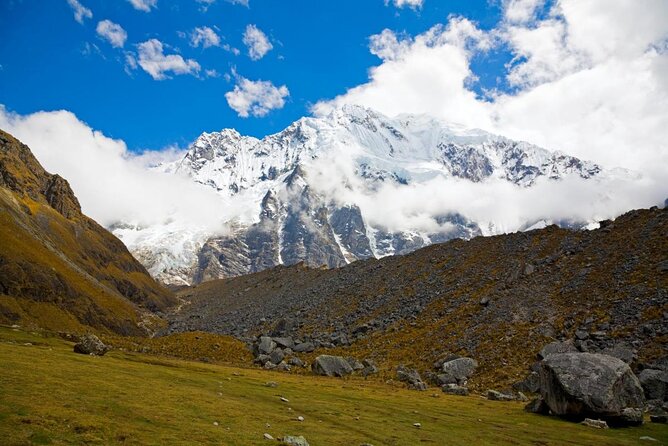
- Salkantay Pass at 4600 m is the big altitude moment of the route
- Cloud forest day means waterfalls, rivers, and thick plant life along the way
- Machu Picchu sunrise with a private guide gives you a smooth arrival and guided time inside
- Optional add-ons exist (ziplining near Lucmabamba, Cocalmayo hot springs), but they cost extra
Why this trek is built to feel smoother than DIY
The main reason people pick this kind of standard 5D/4N Salkantay itinerary is simple: you get the structure. Cusco-to-trail transfers, guide, meals, camping setup, and the Machu Picchu entry are handled for you. That matters when the route is long and the clock starts early, because last-minute planning in Cusco can turn into extra stress.
This version also leans small. With a maximum of 15 people, you’re less likely to feel like you’re moving inside a conveyor belt. Your guide can explain what you’re seeing and adjust the flow when the terrain tightens up or the group needs a breather.
You still hike hard. This isn’t a couch-to-clouds day tour. But the “hard” part is the altitude and the legs—not figuring out where to sleep, what to eat, or how to line up Machu Picchu entry and transport.
You can also read our reviews of more hiking tours in Cusco
Your altitude game plan: Soraypampa to the 4600 m pass
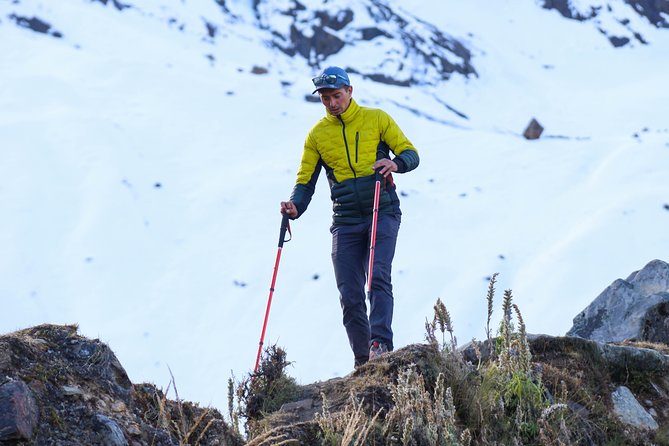
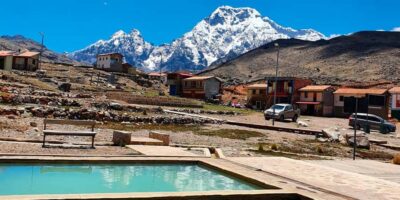
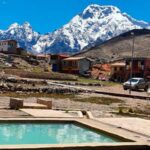
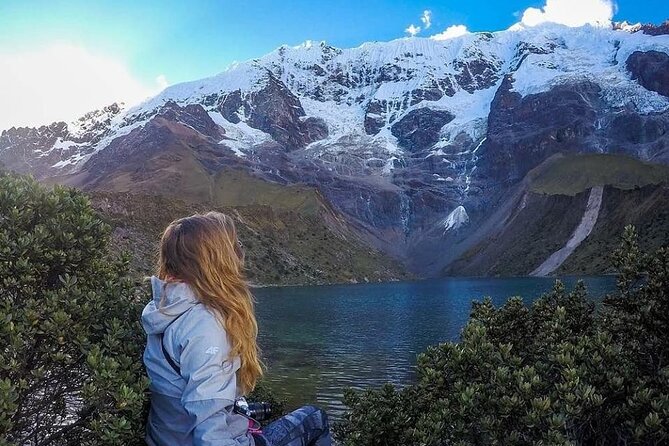
Altitude isn’t a footnote on Salkantay—it’s the main character. The itinerary steps you up gradually, starting at Soraypampa (3900 m) on Day 1. You then visit Humantay Lake (4200 m), which is a useful early acclimation stop (and, yes, it’s also a stunning viewpoint).
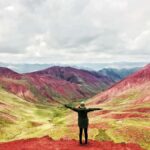
The big milestone is Day 2: reaching Salkantay Pass at 4600 m, described as about a 3-hour push up from the start of the day. After that, the route drops downhill and transitions into the high jungle, which usually feels like a relief after the pass.
Day 3 keeps you in the higher, wetter world with cloud forest walking, including rivers and waterfalls. By Day 4 you’re still hiking, but the rhythm becomes more “go, stop, take in the view,” ending the trek in Aguas Calientes where you sleep indoors.
Practical tip: pace matters more than speed at altitude. Drink regularly, move steadily, and don’t sprint to impress anyone (nobody cares; your knees do). Also note what’s included: you’ll have coca tea at key moments, which is a cultural touch and a comfort drink for the journey.
If you have any health concerns related to altitude, it’s smart to talk with a medical professional before booking.
Day 1: Mollepata breakfast, Soraypampa start, and Humantay Lake
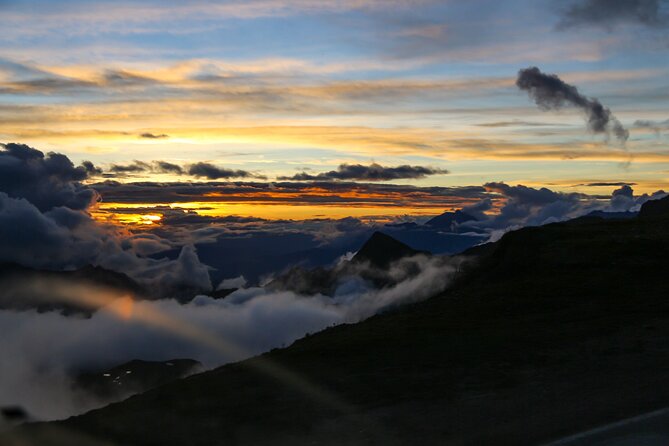
Day 1 begins with an early hotel pickup in Cusco. You stop for breakfast in Mollepata, then ride to the trekking start at Soraypampa (3900 m).
Here’s a key detail that makes the trek feel more manageable: you meet the horsemen and horses, and they carry the camping equipment. That means you’re hiking, not lugging everything with you. When the trail is doing the climbing, that difference feels huge.
From Soraypampa, you hike up to Humantay Lake (4200 m). After the lake visit, you return to Soraypampa for lunch—then you continue to the trekking basecamp at Salkantaypampa. The day ends with the kind of camp rhythm that trekking teams do well: afternoon tea, then dinner, plus those first serious views of the snowy Salkantay peak.
What to watch for on Day 1:
- You’ll likely feel the altitude before you feel the soreness, since you start at 3900 m.
- You’re transitioning from road time into walking time quickly, so good boots and a steady pace are your best friends.
Day 2: Salkantay Pass at 4600 m, Wayrac Machaq lunch, and high jungle
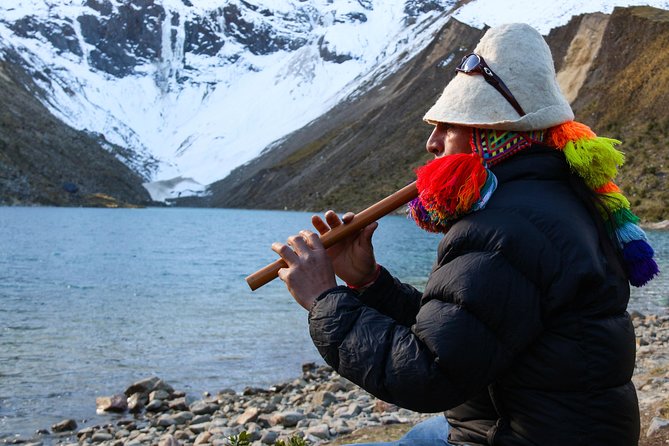
Day 2 starts early in spirit if not in comfort. You wake up with coca tea, then breakfast comes with views over the mountains.
Then comes the climb to Salkantay Pass (4600 m). The schedule says about 3 hours to the high point. From the pass, you head toward Wayrac Machaq for lunch, then continue downhill toward the next campsite.
One of the more vivid parts of this itinerary is the plant-and-water shift. As you descend into the high jungle, you’ll pass large trees with their arms extended over streams, plus areas described as heavy with bromeliads and orchids. In other words: it’s not just “rocks and sky.” The ecosystem changes while you’re still moving.
Expect this day to run long: it’s listed as about 8 hours. The route description emphasizes downhill after the pass, which is good for altitude but can still be tough on the knees.
Practical consideration: if you’re not used to steep descents, you’ll want to take controlled steps. This is the day where trekking poles would help if you have them—though poles aren’t included, so you’ll need to plan on your own if you want them.
Day 3: Cloud forest rivers and Lucmabamba, with optional zipline and hot springs
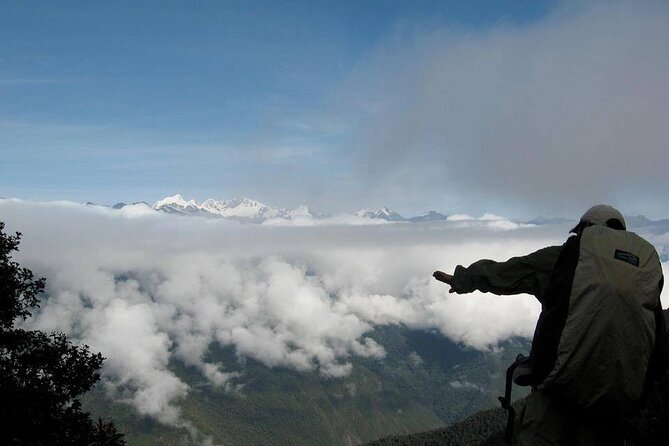
Day 3 is the “green” day. You wake, have breakfast, and start with about 3 hours of hiking along the cloud forest. The route notes rivers and waterfalls—and that’s important because cloud forest walking usually means constant visual variety. Even when your legs want a break, there’s usually something to look at.
After lunch, you hike another 3 hours to Lucmabamba campsite.
This is also where you have optional extras:
- If you book in advance, you can do ziplining near Lucmabamba.
- Back at camp, there are suggested activities around coffee plantations and processing.
- If you want to add a soak, Cocalmayo hot springs are about 30 minutes from the campsite, but the itinerary is clear that transportation and entrances aren’t included, so expect extra time and extra costs.
How to decide what to do:
- If you’re feeling good and want a fun burst after hiking, pick one add-on (not three).
- If your body is saving energy, skip the extras and focus on sleep and hydration. Day 4 still has a lot of walking.
Day 4: Llactapata views, Hydroelectric lunch, and reaching Aguas Calientes
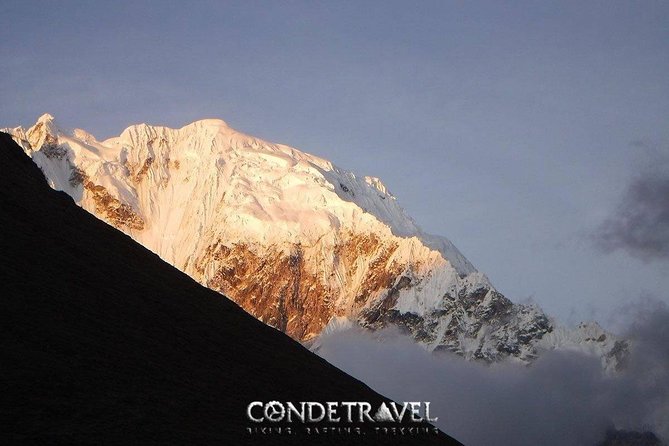
Day 4 is a classic Salkantay rhythm: long views early, then a downhill march toward the train-town.
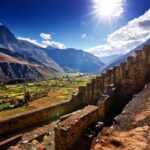
You hike up to Llactapata, and the payoff is a view that includes Machup Picchu in the distance. Then you head downhill to Hydroelectric for lunch. After lunch, the itinerary calls for another 3 hours of hiking to Aguas Calientes.
You finish the day with a bed: tonight is a stay in Aguas Calientes (the included description says hostel lodging; the day-by-day outline uses the word hotel). Either way, you’re sleeping indoors after multiple camping nights.
Why Llactapata matters: you get a “sense of scale” before Machu Picchu. It’s easier to appreciate what you’ll see later when you’ve already spotted the site from above during your trek.
The tradeoff is tired legs. Day 4 is not a gentle day. If you’re prone to sore calves or tight knees, you’ll feel it here.
Machu Picchu sunrise: private guide time and the ride back to Cusco
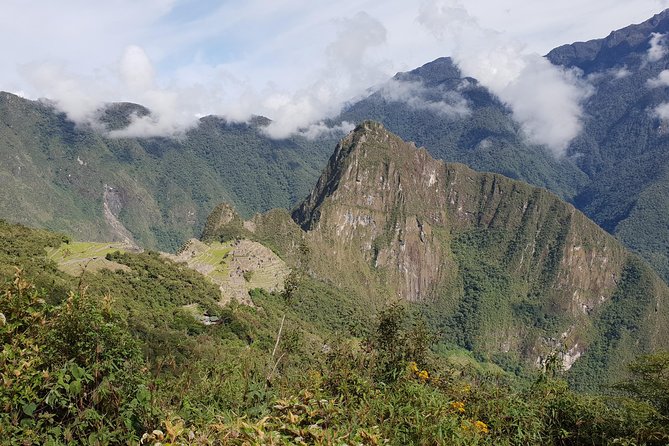
The big finish starts with early buses from Aguas Calientes to Machu Picchu for sunrise. The itinerary doesn’t include the bus tickets for that leg, so plan on paying for the up and down bus separately.
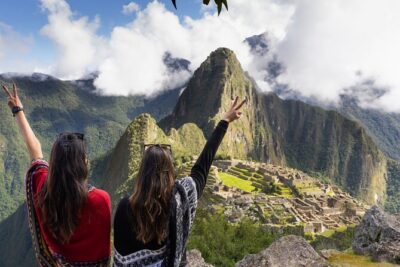
Once you arrive, you explore Machu Picchu with your private tour guide. That’s a big advantage compared to wandering alone, because the guide can help you understand what you’re looking at and where to focus your time—especially at a site this size and this crowded in peak hours.
After your visit, you take the included train and bus back:
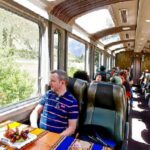
- Train from Aguas Calientes to Ollantaytambo is included
- Then transportation from Ollantaytambo to Cusco is included
Important note for your planning: the itinerary says the Huayna Picchu and Machu Picchu Mountain entrances are not included. If you want those viewpoints, you’ll need to arrange them separately.
If sunrise is a priority, this part is the reason this trek feels worth it. You’re not just “going to Machu Picchu.” You’re getting there while it’s still calm-ish, with a guide already queued up for your timing.
What’s included (and why that’s the real value)
This trek is packed with the items that usually create headaches when you DIY it.
Included highlights:
- Transfer from Cusco to Mollepata
- Entrance fees to Machu Picchu
- A roomy dining tent and kitchen, plus chairs and dining tables
- A first aid kit
- A professional bilingual guide, cook, and assistants
- 3 nights of camping
- 1 night lodging in Aguas Calientes
- All listed meals: 4 breakfasts, 4 lunches, 4 dinners
- Train back from Aguas Calientes to Ollantaytambo
- Transportation from Ollantaytambo to Cusco
What’s not included:
- The up/down bus from Aguas Calientes to Machu Picchu
- Sleeping bag
- Walking poles
- Ziplining activity
- Huayna Picchu or Machu Picchu Mountain entrance
That list tells you where your money goes: mostly into people and logistics. The camp setup, the guide team, meals, and the Machu Picchu access are the hard-to-organize bits. If you want to avoid a second job before your vacation, this is the right structure.
How the small-group cap shapes the hike
A max of 15 travelers changes the whole feel. You’re less likely to get stuck behind a huge pack. Your guide can keep an eye on everyone’s pace. On a trek like this—where Day 2’s pass and Day 4’s long downhill both demand attention—that matters.
There’s also a practical knock-on effect. When the group is smaller, the camp rhythm tends to run smoother: dining setup, meal timing, and moving between trekking segments.
Also, horse support for camp gear is a big deal. It doesn’t erase the effort, but it stops your pack from turning into the main event. You can keep your focus on footing and breathing.
Weather and disruption risk: the one caution you should plan around
Peru can throw curveballs. Roads, trains, and local transport can be affected by strikes and unrest. One past booking issue described trouble tied to transport disruptions near the Machu Picchu area, with the person worried about getting stuck after choosing not to continue. They also said the situation wasn’t refundable under the rules they encountered, and they flagged safety concerns.
I can’t predict how your trip will go. But you can control your risk management:
- Bring travel insurance that covers missed tours and disruptions.
- Don’t plan another time-critical commitment right after the trek.
- If you’re traveling during a known period of potential unrest, read the situation closely and ask your operator how they handle transport changes.
This is a non-refundable style experience. So think of it as “commit to the trek unless conditions make it unsafe or impossible.”
Who this Salkantay trek fits best
This route suits you if:
- You want one guided itinerary that delivers Humantay Lake, cloud forest, and Machu Picchu sunrise without extra planning.
- You’re comfortable with altitude and several long walking days.
- You like the idea of camping with a real support team (cook, assistants, kitchen setup).
- You want a small-group feel instead of a massive trek line.
It might not fit you if:
- You need flexible changes or a refund for personal schedule reasons.
- You can’t handle early starts (meeting is set at 4:00 am).
- You planned on Huayna Picchu or Machu Picchu Mountain as part of your ticket package; those entrances aren’t included.
Should you book Salkantay 5D/4N?
If your goal is a real Andes trek with a guided Machu Picchu sunrise finish, this is a strong choice. You get the big hiking moments (Humantay Lake, Salkantay Pass, cloud forest) plus the payoff timing at Machu Picchu—while the heavy logistics (camp setup, meals, entry fees, train and transport) stay off your plate.
I’d book it if you’re honest about one thing: you’re signing up for early mornings and altitude. Add in the fact that you’ll need to handle some personal gear (especially a sleeping bag) and pay for a couple extras (like the Machu Picchu bus), and you’ll feel prepared instead of surprised.
FAQ
FAQ
What’s the start time and where do we meet in Cusco?
The group meets at Portal de Comercio 145, Cusco 08002, Peru and the start time is 4:00 am.
How many people are in the group?
The tour is capped at a maximum of 15 travelers.
How long is the trek?
It runs 5 days (about 4 nights / 5 days in the itinerary flow).
What’s included for meals and camping?
The experience includes 3 nights camping and meals for 4 breakfasts, 4 lunches, and 4 dinners, plus camp dining tent and kitchen.
What nights do we sleep in?
You sleep 3 nights camping and 1 night lodging in Aguas Calientes.
What are the key altitude points on the itinerary?
You start at Soraypampa (3900 m), visit Humantay Lake (4200 m), and reach Salkantay Pass (4600 m) on Day 2.
Is a sleeping bag included?
No. A sleeping bag is not included.
Are walking poles included?
No. Walking poles are not included.
Is Machu Picchu sunrise included?
Yes. The itinerary includes early buses for sunrise, and you get a private tour guide at Machu Picchu. The bus fare itself is not included.
Are Huayna Picchu or Machu Picchu Mountain entrances included?
No. Huayna Picchu and Machu Picchu Mountain entrances are not included.
Can I cancel or change the booking later?
This experience is non-refundable and cannot be changed for any reason. If it’s canceled because a minimum number of travelers isn’t met, you’ll be offered a different date/experience or a full refund.