REVIEW · MACHU PICCHU TOURS
From Cusco – 2-Day Tour to the Sacred Valley and Machu Picchu with Lunch
Book on Viator →Operated by Peru Andes Top · Bookable on Viator
Two days, one big Inca payoff. This Cusco-based tour strings together Pisac, Ollantaytambo, Aguas Calientes, and Machu Picchu so you see the good stuff without having to stitch the travel plan yourself.
I really like two things about this experience: first, Machu Picchu is handled with guided entry plus the round-trip bus from Aguas Calientes, so you’re not guessing your way up the mountain. Second, the Sacred Valley day includes a real arc of stops, from Pisac’s stone-and-terraces site to Urubamba’s lunch break and then the drama of Ollantaytambo’s fortress-like layout.
One possible drawback is timing and walking. Depending on your specific train schedule, you might face extra walking around the station areas, longer waiting, or a less “door to door” feel than the wording suggests, especially on the way in and out of Aguas Calientes.
In This Review
- Key things to know before you go
- Sacred Valley day: Pisac market, Inca terraces, and Ollantaytambo stonework
- Day 1 train to Aguas Calientes: why this overnight matters
- Machu Picchu morning: bus up, guided tour, and lunch after the stairs
- Price and what’s extra: getting value from a $432 two-day plan
- Logistics reality check: walking, waiting, and bus/train connections
- Who this tour suits best (and who should rethink)
- Should you book this 2-day Sacred Valley and Machu Picchu tour?
- FAQ
- What are the main places this tour covers?
- How long is the tour?
- Is Machu Picchu entrance included?
- Are meals included?
- What about train and bus tickets?
- Do I need to pay entrance fees for Pisac and Ollantaytambo?
- What languages will the guides use?
- Is there an overnight stay included?
- What’s the group size?
- What is the cancellation policy?
Key things to know before you go
- Max group size 15: Smaller groups usually mean less chaos at each stop and easier guide attention.
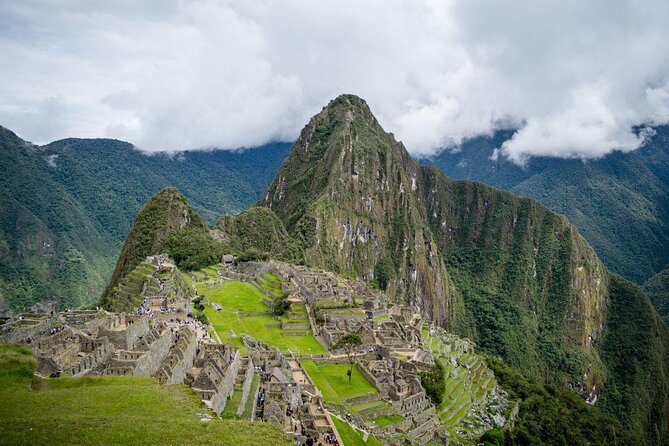
- Guided Machu Picchu is the centerpiece: Entrance with a guided visit, then lunch after the tour.
- Pisac and Ollantaytambo fees are extra: Budget about $22 per person for those sites (Machupicchu ticket is included).
- Aguas Calientes is your overnight base: You’ll travel by train and spend the night there before the early Machu Picchu morning.
- English/Spanish guides: You’ll get interpretation through the tour, with experienced guides like Clara, Julio, and Edgar referenced in feedback.
Sacred Valley day: Pisac market, Inca terraces, and Ollantaytambo stonework
The Sacred Valley portion works because it mixes built environment and daily life. You start with pickup from your Cusco hotel around 8:00 am, then head to Pisac. At Pisac, you’ll get both the archaeological site feeling and the market energy.
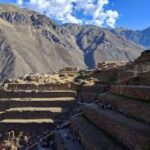
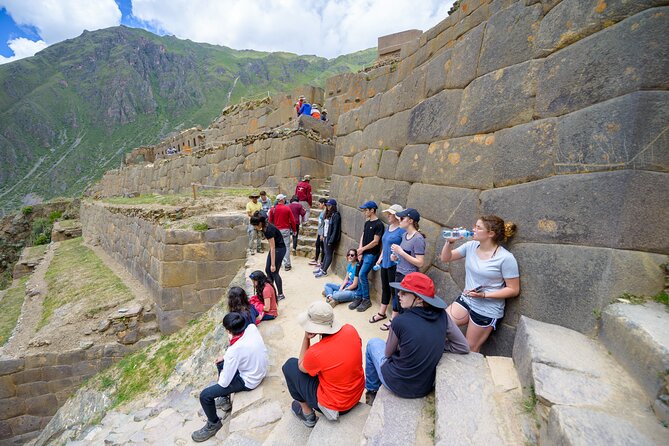
Pisac is more than a pretty ruin. You’re looking at Inca agricultural terraces, irrigation logic carved into the mountainside, and stone walls that explain how the Incas used this landscape for real food production. There’s also the cemetery area connected to the Inca Empire’s scale. If you like understanding how people lived, not just taking photos, this stop tends to land well.
Then you’ll have time at the craft market. This is where you can browse ceramics, textiles, jewelry, Andean instruments, alpaca products, and souvenirs. It’s also a good place to pause and get oriented: what people in the region actually make, what materials look like in person, and what you might want to compare with later purchases.
You continue about an hour through the Sacred Valley until Urubamba, where you get time for lunch at a local restaurant. This is your chance to slow down, eat something Peruvian using fresh local products, and reset before Ollantaytambo.
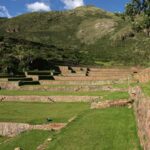
Ollantaytambo in the afternoon is a different vibe. It’s the “still standing” feel: the town and complex are built on ancient Inca foundations, so you experience Incas as a living footprint, not just a distant monument. You’ll see temples, terraces, warehouses, and a large monolithic stone feature. Practically speaking, it’s also the ideal staging area for the next step: getting to the train station for Aguas Calientes.
One note on costs: the entrance ticket for Pisac is not included, and Ollantaytambo’s entrance is not included either. Plan for the extra site fees so your budget stays accurate.
You can also read our reviews of more tours and experiences in Cusco

Day 1 train to Aguas Calientes: why this overnight matters
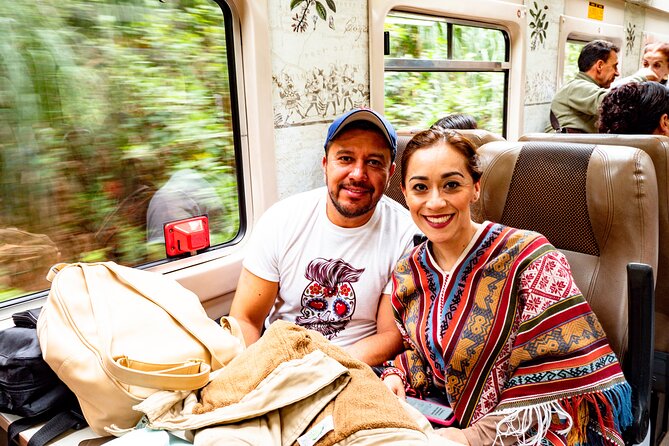
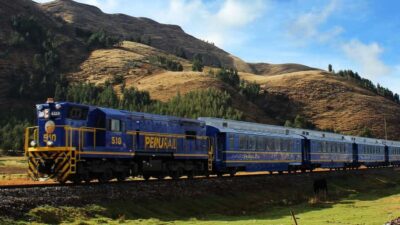
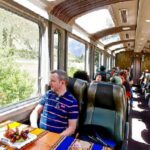
After Ollantaytambo, you move to Aguas Calientes by train. This is one of those “you’ll feel it” parts of the trip. Instead of trying to crisscross the route in a rush, you lock in the key transition: Cusco area viewpoints and ruins today, Machu Picchu access tomorrow morning.
When you arrive, your staff supports you at the station and you’ll spend the night in Aguas Calientes. The tour includes transfers between hotel and station—helpful, especially if you’re carrying luggage—though feedback does suggest the walking distance around the station/town areas can vary from what people expect.
Your overnight is there for a reason: Machu Picchu mornings run on a schedule. By staying in Aguas Calientes, you’re positioned to start early for the bus up, rather than trying to race the day from Cusco or from farther out.
Accommodation is included for one night, but it’s listed as “according to the chosen option,” and feedback has mentioned that the stay can be basic. So if you’re picky about hotels, treat this as functional. You’re mainly paying for the sleep that sets you up for Machu Picchu, not a resort-style experience.
Finally, keep your expectations realistic about the day ending. Even when the big pieces are handled, the last-mile timing (walks, meeting points, and train windows) is where “tight schedules” can show up. This is the day when you’ll feel it most.
Machu Picchu morning: bus up, guided tour, and lunch after the stairs
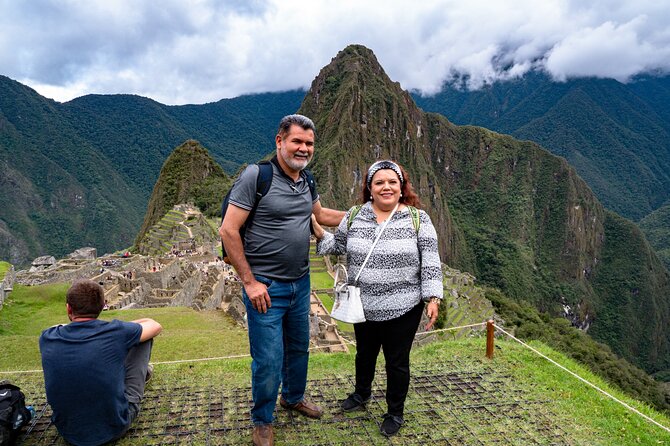
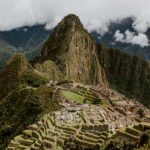
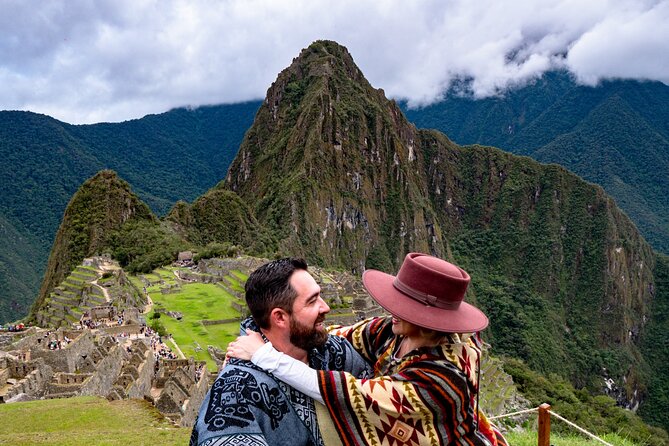
The second day starts with a hotel pickup in Aguas Calientes for transport up to Machu Picchu. The drive follows an intricate path with views of the Urubamba River canyon area that shapes the region. If you like your first look at a destination to come with scale, this bus ride gives you that.
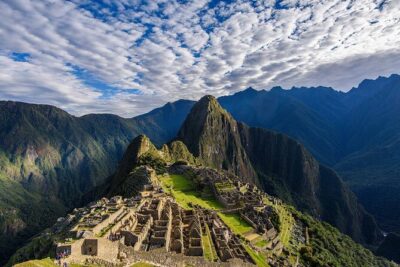
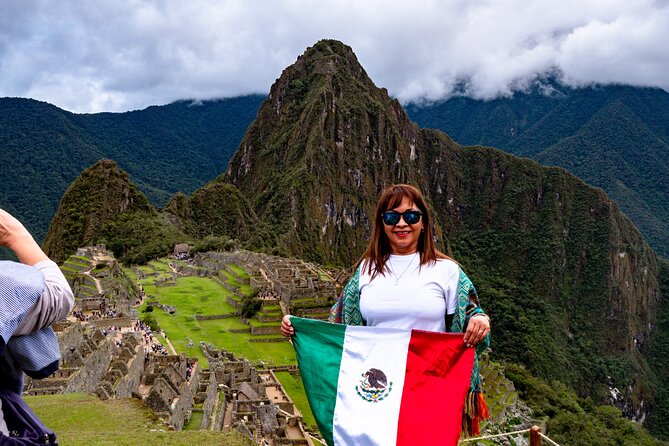
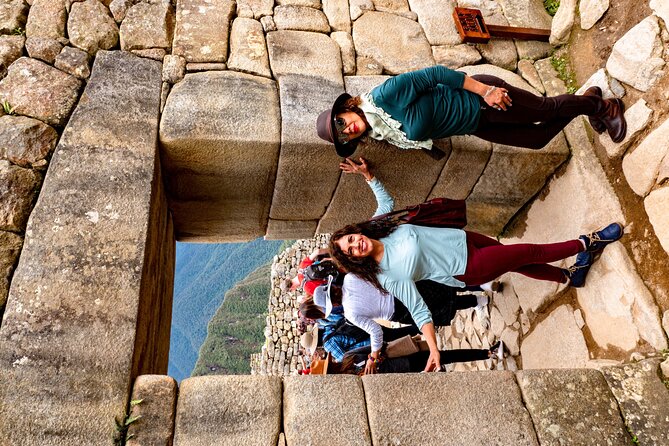
Then it’s straight into the guided visit. You’ll see Machu Picchu’s terraces, stairways, ceremonial precincts, and urban zones. The value of a guided tour here is simple: you get help reading the site. You’re not just looking at stones; you’re being pointed toward what each space likely meant and how the layout fits together.
There’s also an energy factor people often mention: even without a deep background, you feel the attention the place gets. It’s not random. The design is what it is, and the guide is there to help you notice the details you’d otherwise miss.
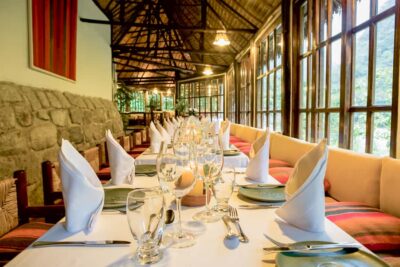
After the guided tour, you’ll have lunch at a restaurant in the area, included in the tour. In feedback, the included meal has been singled out as one of the better lunches on the whole trip, which matters because Machu Picchu days can run long.
After lunch, you return by train and then get transferred back toward Cusco, ending the experience. Do note one practical detail that has shown up in feedback: in some cases, the return train may only take you partway (for example, to Ollantaytambo) before a longer road transfer to Cusco. Your actual connection depends on your booked train option, so check your schedule details when you receive them.
Guide quality can make or break Machu Picchu, and feedback includes guides like Julio and Edgar being specifically praised for clarity and assistance, including great photo tips and a strong “meet you where you are” approach.
Price and what’s extra: getting value from a $432 two-day plan
At $432 per person for roughly two days, this tour can feel like a lot until you break down what’s actually included.
Here’s what you’re getting covered:
- Lunch (included)
- Guided tours at the Sacred Valley stops (Spanish/English)
- Guided Machu Picchu visit (Spanish/English)
- Train ticket round trip to match your chosen option
- Round-trip bus ticket from Aguas Calientes to Machu Picchu
- Entrance ticket to Machu Picchu with guided visit
- Professional guide
- One night of accommodation in Aguas Calientes (option dependent)
- Transfer support between hotel and stations plus 24-hour assistance
What’s extra:
- Entrance tickets for Pisac and Ollantaytambo (about $22 per person approx.)
So the money logic is this: you pay for the heavy logistics (train + overnight base + Machu Picchu access) and the guide labor that turns “cool ruins” into “I understand what I’m looking at.” Then you handle smaller add-on site fees for the earlier stops.
Is it good value? For many people, yes, because Machu Picchu access itself is expensive and time-sensitive, and the train routing adds complexity. Paying one price for those moving parts is usually worth it if you don’t want to spend vacation energy building the system yourself.
The one catch is cancellation and entrance ticket rules. Machu Picchu ticketing has restrictions that can be hard on refunds, so if your travel dates might change, make sure you understand the policy before you book.
Logistics reality check: walking, waiting, and bus/train connections
This is where your expectations need to match the schedule. The core tour is organized, but real life adds friction when trains have fixed departure times and towns are compact.
In particular, feedback has flagged:
- Being dropped at a station area with a short walk and luggage movement (not always explained in advance)
- Sitting at train terminals for longer than you’d want when your train departure is later
- Machu Picchu bus logistics that can mean waiting in a general bus line for a period
- Extra walking between drop-off points and where you need to go in Aguas Calientes at certain moments
- Return transfers that can include a longer road segment after a partial train ride
None of this changes Machu Picchu quality. But it changes how tired you feel. You’ll enjoy the day more if you pack for comfort: closed-toe shoes, a small day bag you can keep with you, and a plan for hydration and snacks in case meal timing shifts.
Also, treat the itinerary as structured but not frictionless. If you’re the type who hates uncertainty, choose a travel style that tolerates waiting. If you’re flexible and you care more about seeing the sites than optimizing minute-by-minute comfort, this tour usually works out fine.
You can also read our reviews of more tours and experiences in Cusco


Who this tour suits best (and who should rethink)
I think this tour fits best if you want:
- A guided Machu Picchu experience without doing the train/bus puzzle yourself
- A full Sacred Valley day that mixes ruins and market time
- Smaller group energy (up to 15 travelers) rather than a huge herd
It may not fit as well if:
- You’re very sensitive to walking with luggage
- You expect “private” transport at every segment beyond what’s clearly listed
- Your hotel comfort standards are high, since the Aguas Calientes night is described as option dependent and can be basic
If you’re traveling solo, this can still be a great value because your guide and schedule carry the structure. If you’re traveling as a couple or friends, it can also be efficient: you all share the same pace and you don’t need to split up to manage logistics.
Should you book this 2-day Sacred Valley and Machu Picchu tour?
Yes, if you want the shortest path to Machu Picchu with guided interpretation, a guided Sacred Valley circuit, and the big transport pieces already assembled. The $432 price makes more sense when you compare it to the cost of entry access plus the time cost of building the route on your own.
Book it with clear eyes. Expect extra walking and waiting to be possible because train times drive the day. Also budget for Pisac and Ollantaytambo entrance fees, and double-check your exact train option details so you understand how the return to Cusco is handled.
If you do those things, you’re set up for a memorable one-two punch: Sacred Valley ruins and daily life first, then Machu Picchu with a guide and lunch, all wrapped into a two-day format that keeps moving.
FAQ
What are the main places this tour covers?
You’ll visit the Sacred Valley highlights (Pisac and Ollantaytambo) with time for the craft market, then travel to Aguas Calientes by train for the night. The next day includes a guided visit to Machu Picchu.
How long is the tour?
It’s a 2-day tour (approx.).
Is Machu Picchu entrance included?
Yes. The entrance ticket to Machu Picchu with a guided visit is included.
Are meals included?
Lunch is included. The Sacred Valley lunch is listed as not included, and you’ll have time to eat at a local restaurant in Urubamba.
What about train and bus tickets?
Train tickets are included for the round trip according to your chosen option. You also get a round-trip bus ticket between Aguas Calientes and Machu Picchu.
Do I need to pay entrance fees for Pisac and Ollantaytambo?
Yes. Entrance tickets for Pisac and Ollantaytambo are not included (about $22 per person approx.).
What languages will the guides use?
Tours are provided in Spanish and English.
Is there an overnight stay included?
Yes. The tour includes one night of accommodation in Aguas Calientes, depending on the chosen option.
What’s the group size?
The tour has a maximum of 15 travelers.
What is the cancellation policy?
This experience is non-refundable and cannot be changed for any reason. If you cancel or ask for an amendment, the amount you paid will not be refunded. The Machu Picchu entrance ticket percentage also cannot be refunded if you cancel your reservation.