REVIEW · HIKING & TREKKING
4-Day Lares Trek to Machu Picchu from Cusco
Book on Viator →Operated by Bamba Travel · Bookable on Viator
High passes, warm hearts, and Machu Picchu at dawn. This 4-day trek ties together small-group hiking with a guided sunrise-style visit to Machu Picchu, plus an overnight in Aguas Calientes so you’re not rushing the day of the big site. You’ll be in the hands of a professional bilingual guide, and in one recent group Percy stood out for being experienced, funny, and careful with pace and comfort.
I also love the way the trip handles the hard part for you: camping is supported by horses carrying cooking and camping gear, and meals are cooked fresh by the group cook with a vegetarian option available. The food isn’t treated like an afterthought, and it shows up in the daily rhythm of breakfast, lunch, and dinner on the trail.
The main drawback is altitude and effort. You’ll hike up to about 4,400m and spend long days trekking, so if cold weather and steep climbs make you grumpy, plan for that now.
In This Review
- Key things to know up front
- Cusco to Lares Town: your big start at 6:00am
- Wakawasi to Patacancha: the 4,400m pass and the llama-and-crops feel
- Patacancha to Ollantaytambo: one more hike day, then train comfort
- Machu Picchu at first light: guided 2-hour walk plus free time
- Meals, camping, and the horse-carry system (what it means for you)
- Price and logistics: is $847 actually good value?
- Who should book this trek (and who should think twice)
- Packing tips that keep you comfortable on Lares
- Should you book this 4-day Lares Trek?
- FAQ
- What day does this trek depart from Cusco?
- How big is the group on this trip?
- Is there a vegetarian meal option?
- Do I need to rent a sleeping bag?
- When do you go to Machu Picchu?
- Is Huayna Picchu included?
- Is there a guide during transfers?
Key things to know up front
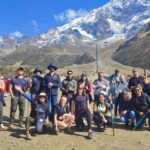
- Max 15 travelers, average around 4 means you’ll actually be able to move as a group without feeling swallowed by crowds
- Local professional bilingual guide (and the group pace) matters on steep high-altitude sections
- Camping with support horses reduces what you personally need to carry for the first three days
- Ipsayccocha Pass at 4,400m is the big altitude moment on Day 2
- Early bus to Machu Picchu at 5:30am sets you up for the misty, first-light feel
- Huayna Picchu is optional but time-ticketed and requires advance planning (it sells out fast)
Cusco to Lares Town: your big start at 6:00am
Your day begins with a pick-up around 6:00am in Cusco, then a bus ride to Lares Town at about 2,900m. You’ll have a chance to soak in the hot springs if you want (extra cost), which is a smart move because the trek days ahead are no joke.
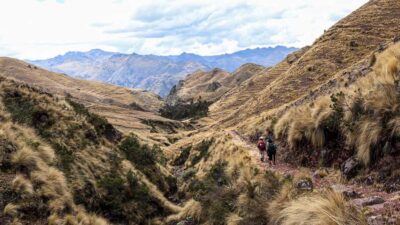
From Lares Town, you start a zigzag climb toward Wakawasi (around 3,850m). This Day 1 trek is listed at about 14km / 6 hours, and even if you feel steady at the start, it’s the kind of hike where pacing beats heroics. The views bring in glacier scenery, wildlife, and local communities in the mix, and the route helps you shift from city brain to mountain focus fast.
At Wakawasi, you sleep in a campsite in the community area. This is where the trek becomes more than transportation to Machu Picchu: you’re spending the night in a place shaped by altitude, agriculture, and local life.
You can also read our reviews of more hiking tours in Cusco
Wakawasi to Patacancha: the 4,400m pass and the llama-and-crops feel
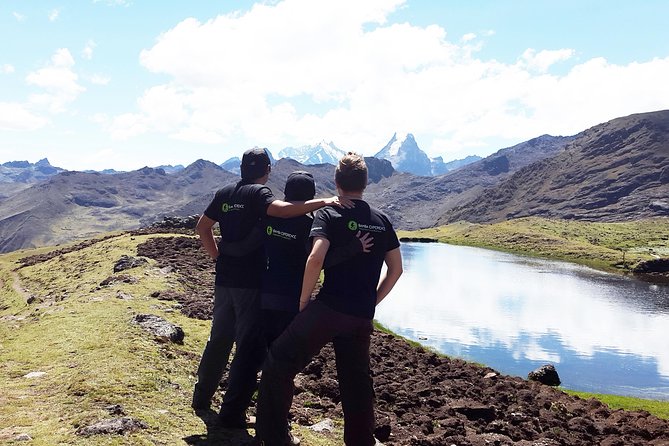
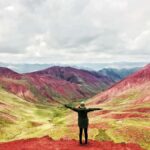
Day 2 is longer on the body than it looks on paper. You start with about 4 hours uphill to Ipsayccocha Pass (4,400m), then you drop for about 40 minutes to lunch by a lake. After that, it’s another roughly 3 hours to Patacancha (about 3,800m) where you camp.
This section is all about altitude management and steady breathing. If you go too fast, the pass punishes you. If you go slow, you get to enjoy the changing scenery and the sense that you’re walking through lived-in high country.
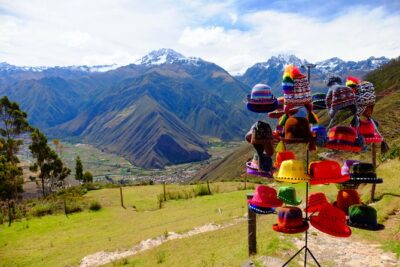
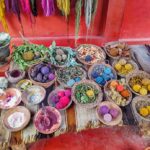
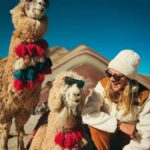
Patacancha is where you feel the agricultural side of the Andes more clearly. You’re camping in a space surrounded by llamas and alpacas, with native crop plantations around you. That combo matters because it explains the Lares region beyond photos: herding and farming aren’t side quests here; they’re the core.
Patacancha to Ollantaytambo: one more hike day, then train comfort
On Day 3, you hike for about 4 hours from the Patacancha area toward Ollantaytambo. This is the transition day. You’ll likely feel it in your legs because you’re still working, but you’re also approaching the moment where the trip shifts gears from trekking into transit.
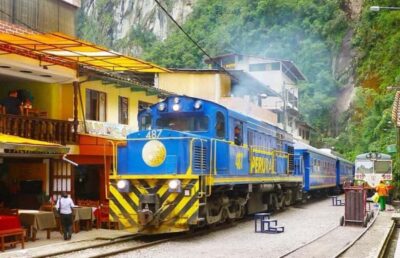
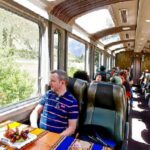
Once you reach Ollantaytambo, you have lunch and then hop on the train to Aguas Calientes. That train ride is a practical relief valve, and it also sets the right mood: you go from mountain trail to the small base town right before Machu Picchu.
You stay one night at a 3-star hotel in Aguas Calientes. Your guide meets you to cover indications for the next day, and depending on timing you can wander the town at your own pace. There are shops and places to relax, plus internet cafes, which can be handy if you need to send a quick message or just recharge your phone battery.
Machu Picchu at first light: guided 2-hour walk plus free time
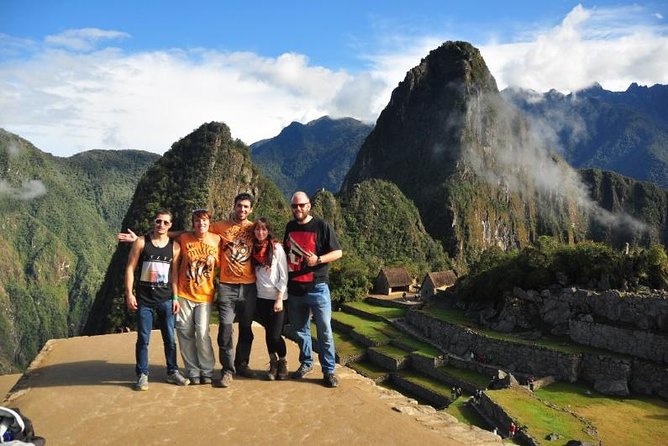
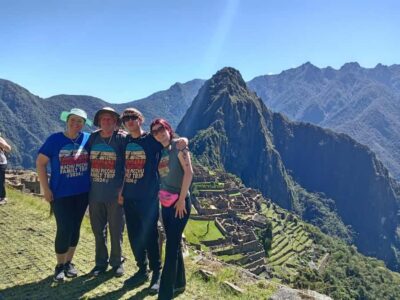
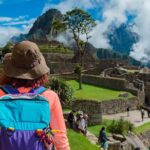
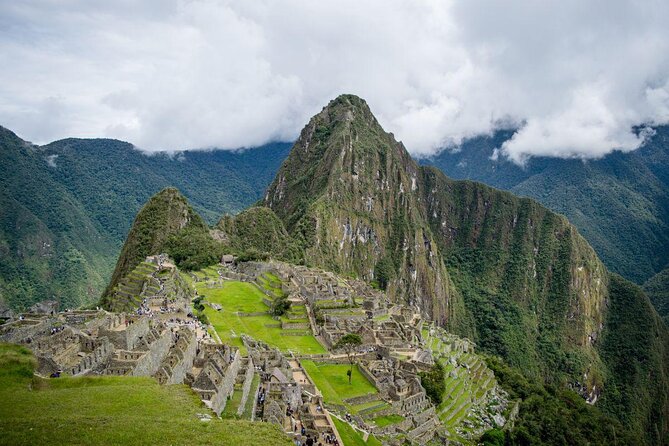
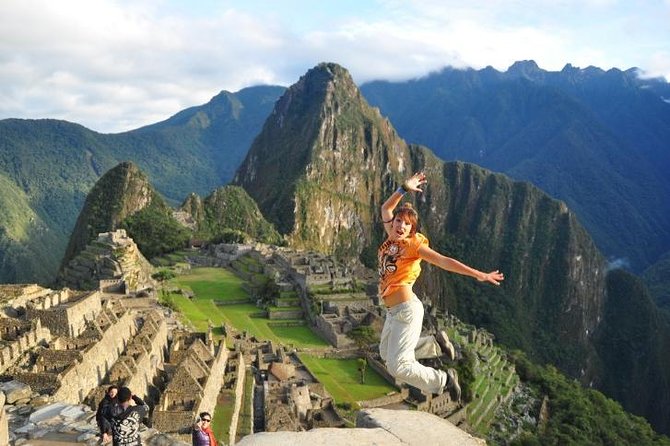
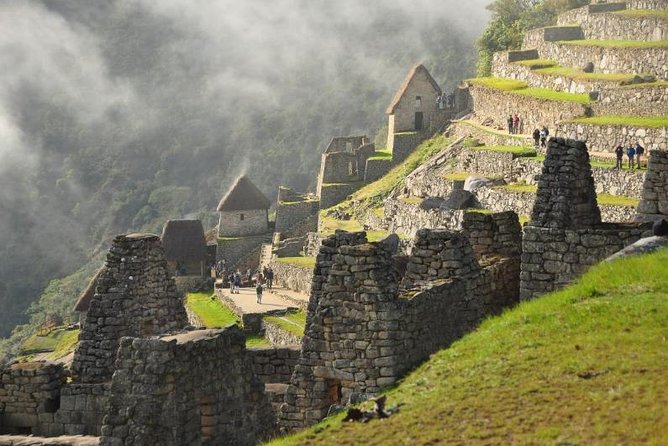
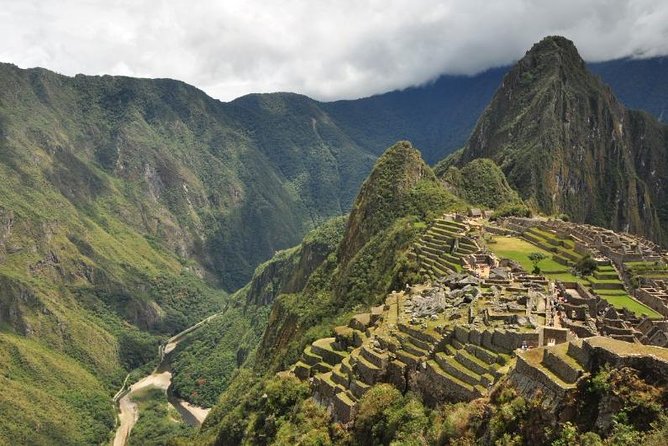
Day 4 starts early. You catch one of the first buses around 5:30am to Machu Picchu, with the ride taking about 25 minutes. The timing is the whole point. You’re there early enough to see the site with misty atmosphere, and it gives the morning light time to do its thing.
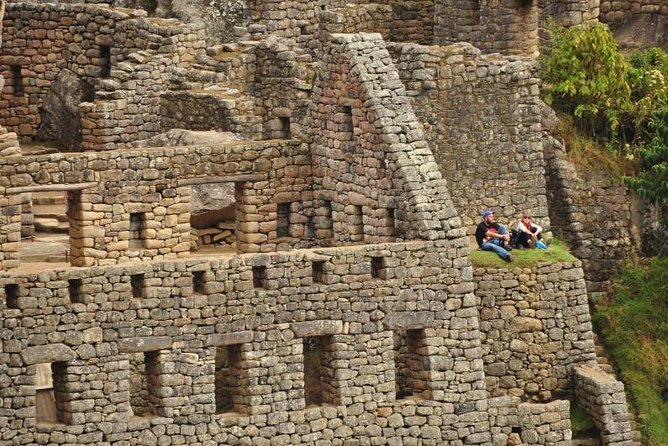
You get a walking tour of about 2 hours led by your guide. This guided portion is where you learn what you’re looking at and why the layout matters, instead of wandering around feeling like you’re reading labels on an empty map. After the tour, you explore on your own for more photos and slower curiosity.
If you still have energy, you can add the optional Huayna Picchu hike inside the Machu Picchu area. It takes about 45–60 minutes, is described as steep and sometimes muddy, and it’s ticketed in advance. The operator notes you need to request and purchase your Huayna Picchu pass at least 2 weeks ahead (400 passes total, split into 200 at 7:00am and 200 at 10:00am). If you want it, plan early enough that it doesn’t become stress instead of fun.
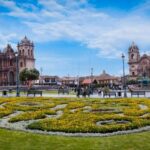
After Machu Picchu, you take the bus back down to Aguas Calientes. Then you can visit the local marketplace near the train station and shop until the train whistle signals your return to Ollantaytambo. From there it’s a bus back to Cusco, with drop-off at Plaza San Francisco around 8:00pm. You’ll make your own way from the drop-off to your lodging.
Meals, camping, and the horse-carry system (what it means for you)
The trek is built around a simple idea: you shouldn’t have to carry everything. For the first three days, horses carry cooking and camping equipment, plus a total of about 7 kilos per trekker. That includes roughly 2.5 kilos for your sleeping bag and mattress, and about 2.5 kilos of personal items (as defined by the operator’s packing approach).
For you, that means your personal load can stay lighter than many DIY versions of this hike. You’ll still want a daypack for layers, water, snacks, and anything you need close at hand, but you’re not hauling the entire camp on your back.
Food is another real strength here. Meals are prepared fresh by the cook with typically breakfasts, lunches, dinners, and snacks included during trek days. The operator explicitly states there’s a vegetarian option available for every meal if you request it at least 2 days in advance. One big praise from a recent guest was that the food and chef experience felt genuinely excellent, not just adequate fuel.
Sleeping setups are practical rather than fancy. During Days 1–2, single travelers share a tent with another traveler, while couples have their own tent. On Day 3, singles share a room with another traveler, and couples get a private room.
You can also read our reviews of more tours and experiences in Cusco
Price and logistics: is $847 actually good value?
$847 per person sounds like a chunk of change, but for this specific route it can make sense if you value guided mountain support and smooth access to Machu Picchu. What you’re paying for includes:
- Small-group trek support (max 15, average around 4)
- A professional bilingual guide on the trek and at Machu Picchu
- Train Ollantaytambo to Aguas Calientes round trip for the Machu Picchu side
- Round-trip buses between Aguas Calientes and Machu Picchu
- Camping gear setup (tents and basic sleeping mattress are included)
- One night 3-star hotel in Aguas Calientes
- Meals and snacks during the included trek days
What’s not included is also important. You’ll need to budget for a few extras: the operator lists hot springs in Lares Town (10 soles), a sleeping bag rental if you don’t have one ($15 USD for the trek), bottled water, and meals not listed for Day 1 breakfast and Day 4 lunch. Tips are optional, and there are recommended amounts if you choose to tip (guide, assistant guide, horsemen, and cook are all mentioned in the operator guidance). If you plan to hike Huayna Picchu or add any Machu Picchu mountain hike, those are extra and need advance ticket planning.
My take: this price feels most fair if you want a guide, organized pacing, and the Machu Picchu logistics handled. If you’re the type who enjoys full DIY planning and already has trekking and altitude experience, then it might feel expensive. But for most visitors, the included structure is the point.
Who should book this trek (and who should think twice)
This is a serious hike in high-altitude conditions. The operator calls it difficult and says you need good physical condition, with much of the trail at around 4,000 meters. If you’re comfortable walking for 6–8 hours on steep terrain and you don’t mind cold mornings, you’ll likely have a great time.
The trip has a minimum age of 7, but that doesn’t mean every child will find it enjoyable. You’re making a long-altitude trek with camping, so the realistic answer depends on the child’s comfort with physical effort and the cold.
If you’re prone to altitude sickness or you know you struggle at high elevations, you should pause and make a smart plan with your doctor before committing. The schedule includes the 4,400m pass, and once you’re up there, the best tool is pacing.
One more practical note: you’ll have a guide for the trek and Machu Picchu, but the operator states you won’t have a guide during the bus and train transfers. That’s normal, and it keeps costs down, but it’s worth knowing so you don’t plan on explanations during the ride.
Packing tips that keep you comfortable on Lares
Bring the warm stuff. Even if daytime feels manageable, nights at elevation can bite, and rain is always a possibility in mountain weather.
The operator provides a strong suggested list, and I’d follow it closely:
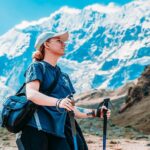
- hiking poles (often a game changer on descents)
- rain pants and a rain poncho
- trekking boots plus warm socks
- thermals, sweater, hat, gloves, sunglasses, sunscreen
- flashlight/torch and extra batteries
- waterproof bag for your camera
- personal first aid kit and any medications
- a water bottle
Also: the operator warns that electricity is limited or nonexistent during the trek, so plan for battery life. And yes, extra cash matters for water or snacks along the way, since prices can jump on the trail.
For hot springs day, don’t forget a bathing suit if you plan to soak.
Should you book this 4-day Lares Trek?
Book it if you want an experience that’s more than a Machu Picchu photo stop. This route gives you Lares highland trekking, a real sense of community countryside, and then a well-timed Machu Picchu visit with a guided explanation and early access. I’d especially recommend it if you like the idea of small-group hiking and being cared for by a guide who can keep the pace realistic—Percy’s example is exactly the kind of support you want when altitude is in the picture.
Consider a different plan if you’re not ready for high elevations around 4,000–4,400m, long hiking days, or cold camping nights. In that case, the logistics might feel heavy instead of rewarding.
FAQ
What day does this trek depart from Cusco?
Departures are listed for Monday, Wednesday, and Saturday.
How big is the group on this trip?
The group size is capped at maximum 15 travelers, and the average group size is around 4.
Is there a vegetarian meal option?
Yes. The operator states a vegetarian option is available for every meal if you request it at least 2 days in advance.
Do I need to rent a sleeping bag?
A sleeping bag is not included. The operator offers rental for $15 USD for the trek.
When do you go to Machu Picchu?
You take one of the first buses around 5:30am to Machu Picchu.
Is Huayna Picchu included?
No. Huayna Picchu is optional and costs extra. The operator says you must purchase/request the ticket at least 2 weeks in advance, and it sells via limited passes at specific times.
Is there a guide during transfers?
The operator notes you’ll have a guide during the trek and on the Machu Picchu tour, but you will not have a guide during the bus and train transfers.