REVIEW · INCA TRAIL TREKS
4 Days Inca Jungle to Machu Picchu Standard
Book on Viator →Operated by Conde Travel · Bookable on Viator
A jungle-to-Machu Picchu route is a rare combo. What makes this one worth your time is the mix of active jungle days plus a guided entry to Machu Picchu, without you having to plan the logistics yourself. You’ll roll from Cusco-area highlands down into the cloud-forest zone, then finish at one of the world’s most famous ruins.
I love how the tour keeps things hands-on: mountain biking through rural valleys, hiking in the high forest with stops tied to Inca sites, and soaking at Cocalmayo. I also like the small-group setup (up to 15) with a bilingual guide who explains what you’re seeing, not just where you’re going. One thing to consider: several of the biggest “adventure add-ons” (like rafting and zip-line) aren’t included, and the schedule involves a lot of movement from early morning.
In This Review
- Key highlights worth your attention
- The Big Picture: What This Tour Feels Like
- Day 1: Abra Málaga Mountain Bikes and Santa María Rafting
- Day 2: High Forest Trek, Inca Carcel, and Included Cocalmayo Hot Springs
- Day 3: Zip-line Choice, Hydroelectric Meet-Up, Waterfalls to Aguas Calientes
- Day 4: Machu Picchu Morning Route, Guided Sanctuary Time, and the Long Return
- Price and Logistics: What $455 Really Covers
- Comfort, Pace, and What to Pack for a Jungle Trek
- Guide Style and Group Dynamics: The Difference Between Fine and Great
- Who Should Book This and Who Should Skip It
- Should You Book This Conde Travel Standard Tour?
- FAQ
- FAQ
- What time does the tour start each day?
- What is the maximum group size?
- Are meals included, and what about the last day?
- Is the hot spring at Cocalmayo included?
- Are rafting and zip-line included in the Standard price?
- Where will I stay during the 4 days?
- Is Machu Picchu admission included?
- Can I add Huayna Picchu or a similar climb?
- Is the tour refundable?
Key highlights worth your attention
- Small-group feel (max 15) with a guide who stays engaged throughout.
- Abra Málaga bike descent at altitude (4350m), then you’re off on a real downhill day.
- Inca Carcel stop during the high-forest hike, with context for how the Incas punished rule-breakers.
- Cocalmayo hot springs included, with time to relax after walking.
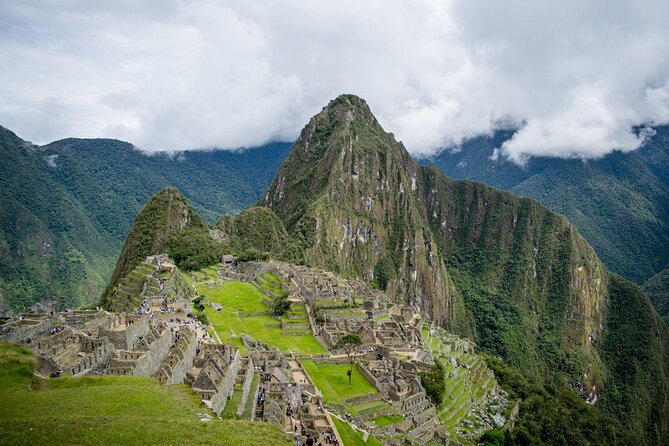
- Chance at a sunrise route to Machu Picchu, then about 2 hours with your guide on-site.
- Active return day: you walk from Aguas Calientes to the hydroelectric point before the bus back to Cusco.
The Big Picture: What This Tour Feels Like
This is not a sit-and-stare sightseeing day tour. It’s a 4-day “get your legs involved” journey, moving through different climates as you travel from the Andes down toward the Machu Picchu zone. Expect early starts, a steady pace, and moments where you’ll want your water, snack, and bug-spray routine dialed in.
You’ll spend one night at Conde Ecolodge (first night, shared room), one night in Santa Teresa (hostel with wifi and hot water), and one night in Aguas Calientes (hostel with private bathrooms and hot water). That’s a pretty practical balance: you get real breaks, but you’re never fully disconnected from the trek.
The tour is built around a guide who explains the Inca Empire and Peruvian culture while you hike, bike, and (optionally) add adventure activities. In the real world, that matters at Machu Picchu, but it also matters in places like Inca Carcel, where context turns a ruin into a story you can actually follow.
You can also read our reviews of more tours and experiences in Cusco
Day 1: Abra Málaga Mountain Bikes and Santa María Rafting
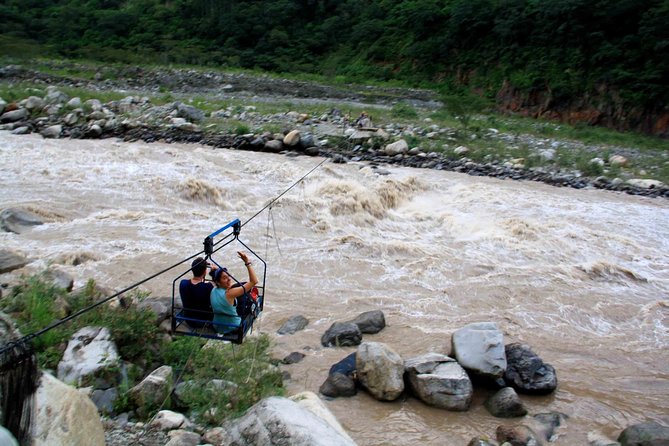
Your day begins in the Cusco area and quickly climbs into higher altitude terrain, topping out at Abra Málaga (4350m). After breakfast, you travel through villages and scenic stretches until you reach the mountain pass, then you switch gears: the main event is a 3-hour mountain bike descent.
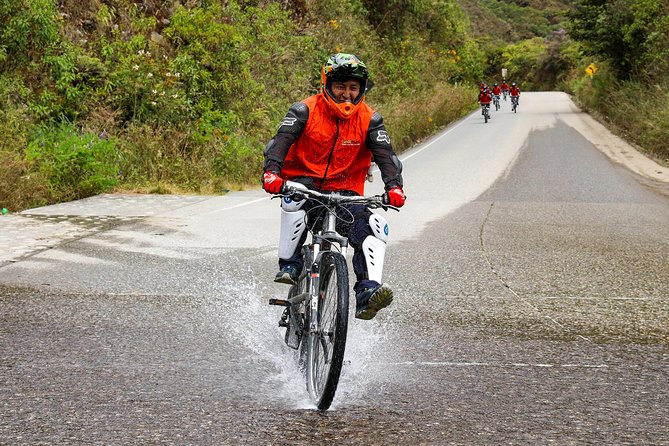
This bike ride is where the tour earns its “Inca Jungle” name in a very literal way. You’ll ride through rural villages, plus rivers, orchards, and streams—then end up at Huamanmarca. If you want water and snacks, this is one of your practical stops to resupply before the next leg.
From there, the biking continues until you reach Huyro for lunch. After lunch, you head by private bus to Santa María, where the rafting portion starts. The day ends back in Huyro after rafting.
Two practical notes. First, even if you’re not a cycling fanatic, you’ll likely enjoy this day more if you’re comfortable riding downhill and sharing time with a group. Second, rafting is not included in the Standard price—so plan for that extra cost if you want the full “river day” experience.
Day 2: High Forest Trek, Inca Carcel, and Included Cocalmayo Hot Springs
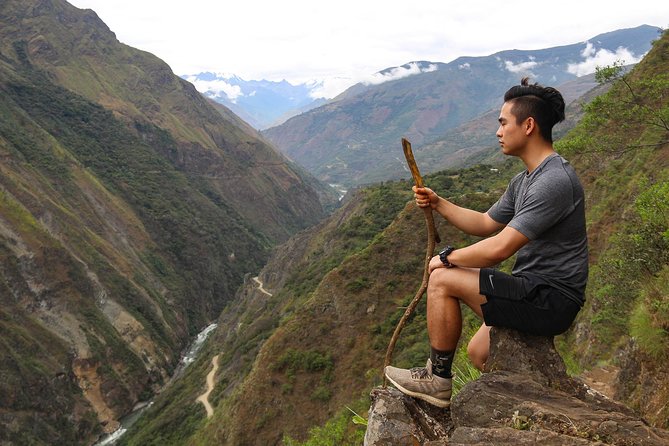
Day 2 shifts from altitude biking to a high-forest walking day. After breakfast, private transportation takes you to Pasto Grande. Then you start a 4-hour walk along an area known for its biodiversity, with small coffee and cocoa plantations mixed in with fruit trees and plenty of plant life.
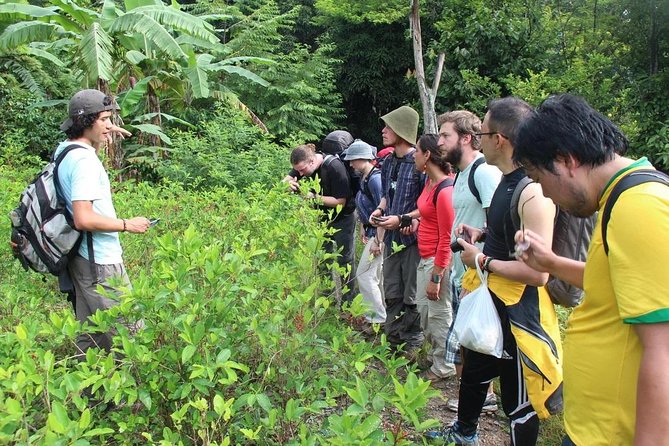
This is the day where a guide’s explanations make the difference between a stroll and a real experience. Along the route, you may spot orchids, birds, and other wild animals. The key is that you’re not just walking through greenery—you’re moving through an environment tied to how locals live and what the Incas and later communities did in this region.
Near the top, you visit the archaeological center of Inca Carcel. This stop is specifically about the punishments tied to Inca society rules, and your guide provides detailed context. That kind of information can change how you see a site. Instead of treating it like a photo stop, you understand why it mattered.
After resting at Inca Carcel, you continue along an Inca road segment toward the community of Pumachaca. Lunch here is described as nutritious and made with fruits and tubers. Then you walk onward to the Cocalmayo hot springs, where admission is included.
The hot springs are the payoff. Your muscles have done their job, and you get time to relax—plus there’s an option to enjoy refreshing beers if you want. Then it’s on to your lodging in Santa Teresa.
Day 3: Zip-line Choice, Hydroelectric Meet-Up, Waterfalls to Aguas Calientes
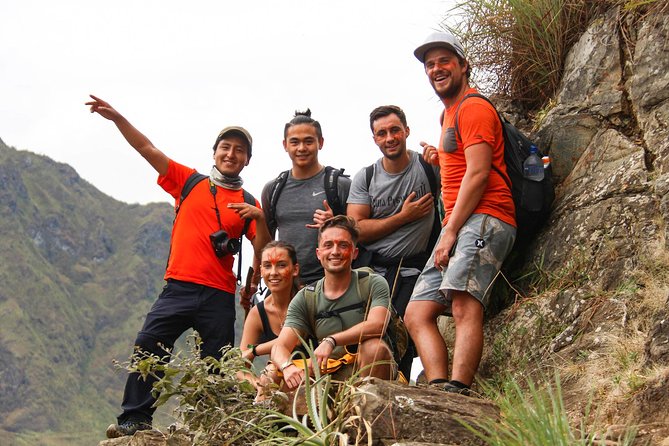
Day 3 begins in Santa Teresa, but not everyone does the same activity first. If you reserved in advance, you do zip-line later, and afterward you’ll be transferred by bus to the hydroelectric area. The rest of the group continues hiking for about 3 hours until reaching the hydroelectric meeting point.
So you’ll get two parallel paths: one more adrenaline-forward, one more “keep walking and take in the route” friendly. Either way, the group rejoins at hydroelectric. Then you share lunch.
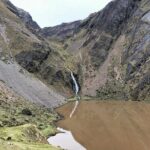
After the midday reset, the hike continues for another 3 hours, now along a path with waterfalls plus coca and coffee farms, before you reach Aguas Calientes. You arrive around mid-afternoon, with hostel check-in scheduled for about 4 pm. That evening includes dinner and a briefing about Machu Picchu the next day.
One thing to plan for: zip-line is not included in the Standard price. Also, some people find the day includes more waiting than they expected, because group logistics matter. If you don’t love downtime, bring patience—and treat it like part of the rhythm of “jungle-to-rails” travel.
And yes: this part of Peru often means limited tech access. If you’re hoping to stay connected, don’t count on consistent wifi during most hiking. It’s smart to download maps and anything you’ll need before you get deep into the route.
Day 4: Machu Picchu Morning Route, Guided Sanctuary Time, and the Long Return
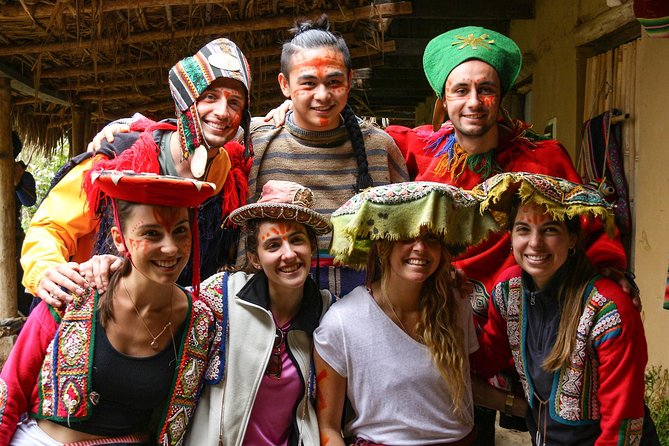
The final day starts early. You head up an ascending route through the high forest, and the tour description notes you could have a chance to see sunrise. Even if the sky doesn’t cooperate, the early timing helps you beat crowds and get into the site with energy.
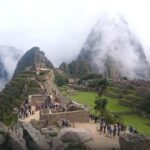
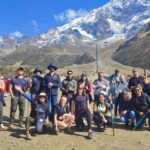
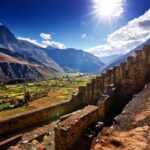
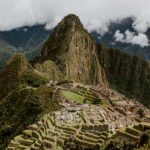
You’ll spend about 2 hours with your guide at Machu Picchu’s sanctuary area. This guided time is where your trip becomes more than “I saw it.” Your guide shows you the layout and explains what you’re looking at, including why Machu Picchu works the way it does.
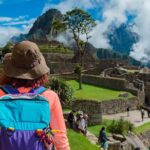
After that, you get time to explore on your own. This is the part you’ll enjoy most if you like walking at your own pace and finding the spots that click for you, whether that’s architecture details, viewpoints, or just soaking in the atmosphere.
Then comes the return. Instead of going straight back by bus, you walk for about 2 hours from Aguas Calientes to the hydroelectric point. At 3 pm, the bus waits to take you back to Cusco, arriving around 9:00 pm.
There’s an optional extra night in Machu Picchu town for $30. If you want to climb Huayna Picchu or Machu Picchu Mountain, that extra night can make the schedule less rushed.
Price and Logistics: What $455 Really Covers
At $455 per person for 4 days, the value is in the structure: transport, guide, key gear, and multiple nights of lodging. You’re not paying for just “a ticket to Machu Picchu.” You’re paying for a full, moving circuit that takes you from Cusco-area regions down to the Machu Picchu rail corridor.
Here’s what’s included (based on the tour’s included list). You get:
- A briefing the evening before in the office, with tour details explained
- Transportation from Cusco to Ollantaytambo – Abra Málaga
- Mountain bikes, helmets, and gloves
- A private bilingual guide specialized in the tour
- Bus from Ollantaytambo to Cusco
- Lodging for 3 nights (shared room first night, hostels the other nights)
- Pick-up service
- First aid box
- Meals: breakfast (4), lunch (3), dinner (3)
The exclusions are important because they affect how “Standard” plays out in your budget. The tour notes not-included items like:
- Rafting activity (Day 1)
- Zip-line activity (Day 3)
- Bus from Aguas Calientes to Machu Picchu (this is separate from Machu Picchu admission)
- Lunch and dinner on the last day
- Tips for the guide and personal care items
In other words, if you assume the entire adventure menu is baked into the $455, you might feel surprised later. If your goal is to do rafting and zip-line, it’s smart to budget for those add-ons now so you don’t end up stressed mid-trip.
Also note: Cocalmayo hot spring admission is included, and Machu Picchu sanctuary admission is included. Those are two big-ticket “quality of life” items, so you don’t have to manage them on the fly.
Comfort, Pace, and What to Pack for a Jungle Trek
This is an active itinerary. You should have moderate fitness, and you should be comfortable with a mix of hiking time, biking, and long travel days. Abra Málaga sits at 4350m, so you’ll feel altitude even if you’re not hiking all day at that height.
Sleeping is described as basic but comfortable. Your first night is a shared room in Conde Ecolodge. Later nights are in hostels, with Santa Teresa offering wifi and hot water, and Aguas Calientes offering private bathrooms and hot water. That private bathroom detail in Aguas Calientes is a real morale boost before Machu Picchu.
Food is mostly covered by the included meals, but you should know one practical limitation: remote areas often cook what families grow and raise. If you’re vegetarian, you might find options are limited at certain stops because of how meals are prepared in remote communities. You can still usually eat, but don’t expect a restaurant-style menu.
From real practical advice: bring bug spray, sun screen, swim trunks (if you want for hot springs or splashy stops), flip flops, a light jacket, and a headlamp. Also pack smart—your hiking works better with a small pack instead of dragging extra weight around.
Guide Style and Group Dynamics: The Difference Between Fine and Great
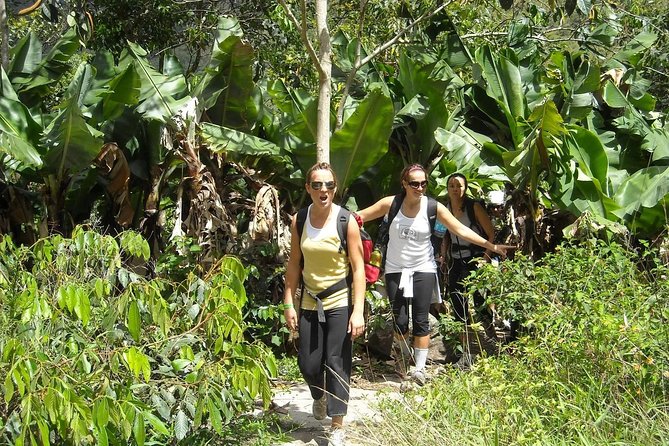
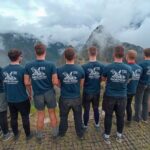
This tour’s success depends a lot on your guide and the group’s energy. The tour size limit (15) helps. With a smaller group, your guide can adjust pacing so everyone doesn’t feel lost or left behind.
Some guides are especially strong at explanation. In the feedback you can see examples of guide names like Jonathan and Carlitos, and the common theme is attentiveness and making sure the group stays safe and informed. That’s a big deal on rafting, biking, and the long Machu Picchu return day.
That said, there are also real-world friction points. Meeting times can slip, and some people report logistics feeling unclear with extra expenses not fully explained upfront. If you want a smooth trip, I recommend treating the pre-departure briefing as non-negotiable. Ask direct questions: which activities cost extra, and when do you pay?
Who Should Book This and Who Should Skip It
I’d point you toward this tour if you:
- Want an active alternative to the Inca Trail
- Like seeing the region through multiple outdoor activities (bike, hike, optional adrenaline)
- Prefer a guided Machu Picchu visit instead of doing it all on your own
- Are okay with basic lodging and early mornings
You might think twice if you:
- Get stressed by last-minute add-on costs
- Hate waiting around at meet-up points
- Need a fully guaranteed, no-surprises schedule every hour
If you’re a fit traveler who likes motion and wants a story-driven route from jungle to ruins, this one fits.
Should You Book This Conde Travel Standard Tour?
Book it if you’re excited by the idea of reaching Machu Picchu through the jungle route—especially if biking, high-forest hiking, and Cocalmayo hot springs sound like your kind of day. The Machu Picchu portion is guided and timed well, and the included meals plus three nights of lodging reduce a lot of the planning load.
But don’t book it if you want everything included in one price and zero uncertainty. Rafting and zip-line aren’t part of the $455 Standard package, and some parts of the trip can include downtime due to group logistics. If you ask the tough questions early and budget for the add-ons you want, you’ll be much happier with the value.
FAQ
FAQ
What time does the tour start each day?
The tour start time is listed as 5:00 am.
What is the maximum group size?
The maximum is 15 travelers.
Are meals included, and what about the last day?
Meals included are breakfast (4), lunch (3), and dinner (3). Lunch and dinner on the last day are not included.
Is the hot spring at Cocalmayo included?
Yes. The Cocalmayo hot springs admission ticket is included (Day 2).
Are rafting and zip-line included in the Standard price?
No. Rafting activity and zip-line activity are listed as not included.
Where will I stay during the 4 days?
You stay 1 night at Conde Ecolodge (shared room), 1 night in Santa Teresa hostel (wifi and hot water), and 1 night in Aguas Calientes hostel (private bathrooms and hot water).
Is Machu Picchu admission included?
Yes. Machu Picchu sanctuary admission is included (Day 4).
Can I add Huayna Picchu or a similar climb?
Huayna Picchu or Old Mountain are not included in the base price. There is an additional excursion option listed at $55 (minimum 2 persons). There’s also an option to spend an extra night in Machu Picchu town for $30 to do climbs next day.
Is the tour refundable?
No. The experience is non-refundable and cannot be changed for any reason.