REVIEW · CYCLING TOURS
4-Day Inca Jungle Adventure, Mountain Biking, Rafting and Zipline
Book on Viator →Operated by Chullos Travel Peru · Bookable on Viator
That first bike ride feels like time travel.
This 4-day Inca Jungle Adventure swaps the classic Inca Trail vibe for a mix of mountain biking, rafting, zipline, and big-hinge scenery—Cusco mornings, tropical afternoons, and then Machu Picchu at dawn. Two things I especially like: you get a small group of up to 15 (so the guiding doesn’t vanish), and the itinerary is built around real physical variety rather than just bus-and-photos. One thing to consider up front: you’ll need strong fitness, and the “included” comfort level is basic hostal life, not boutique luxury.
On day one you drop from Abra Málaga (4316 masl) by bike and roll into a climate shift you can actually feel. On day four, you earn Machu Picchu with a very early start, then a guided walkthrough that helps you understand what you’re looking at instead of just staring at ruins and guessing. Still, the cost can creep if you add extras—Machu Picchu entrance and the Aguas Calientes bus aren’t included, and you’ll also decide later whether you want Huayna Picchu.
In This Review
- Key Highlights You’ll Actually Feel
- What You’re Really Paying For (and What You’ll Pay Extra)
- Day 1: Cusco to Santa María via Abra Málaga Bike Descent
- Day 1 Extras and Real-World Comfort
- Day 2: Waka Yupana Hike, Zipline, and Cocal Mayo Thermal Reset
- Day 2 Fitness Note (Because This One Adds Up)
- Day 3: Lucmabamba Coffee Fields and the Long Approach Toward Aguas Calientes
- Day 3 Tip: Plan Your Energy for the Dawn Mission
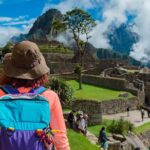
- Day 4: Puente Ruinas Checkpoint to Machu Picchu’s Main Gate
- About Machu Picchu Circuits and Huayna Picchu Choices
- Logistics That Make or Break Your Experience
- Packing for Mud, Altitude, and That “Wait, It’s Hot Now” Moment
- Who This Tour Suits Best (and Who Should Skip It)
- Should You Book the 4-Day Inca Jungle Adventure?
- FAQ
- What does the tour cost?
- How long is the tour?
- Where does the tour start?
- What is the maximum group size?
- What is included in the price?
- What is not included?
- Is breakfast included on all days?
- Will I need to be physically fit?
- What about the Machu Picchu early morning walk?
- What is the cancellation policy?
Key Highlights You’ll Actually Feel
- Abra Málaga biking descent with gear provided and big Andes views while you pick up speed
- Waka Yupana trek through coca, coffee, and fruit plantations, plus canyon viewpoints
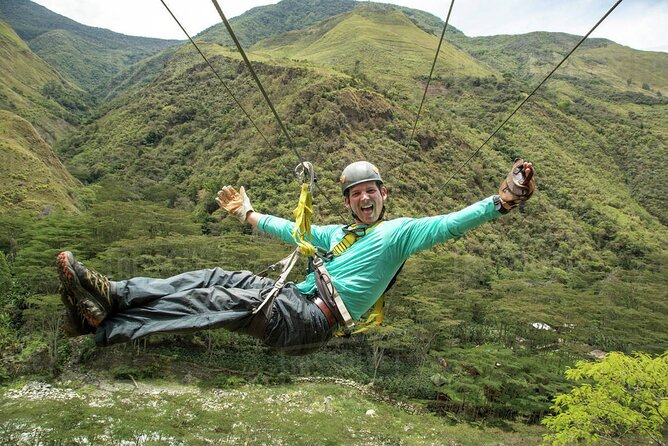
- Zipline over the river as a proper adrenaline break (not just a quick slide)
- Cocal Mayo Thermal Baths as an optional soak after hiking and ziplining
- Tropical forest + organic coffee farm stop at Lucmabamba, with a taste of fresh coffee
- Early Machu Picchu entry via Puente Ruinas and the main gate, guided for 2.5 hours
What You’re Really Paying For (and What You’ll Pay Extra)
At $378 per person for roughly four days, this isn’t a cheap “tour bus to sights” package. You’re paying for a loaded program: 3 nights in a hostal, breakfast/lunch/dinner most days, hotel pickup, and the heavy activity list—biking, zipline, and rafting, plus the guided Machu Picchu visit and key transport links.
Here’s the honest math of value: Machu Picchu is the costly magnet in Peru. This tour includes the train from Aguas Calientes to Ollantaytambo and then transport back to Cusco, but it does not include Machu Picchu entrance (and you’ll also pay the round-trip bus between Aguas Calientes and Machu Picchu, listed as $24 per person). If you also want Huayna Picchu, that’s an extra add-on (the tour lists $79 per person when purchased through them).
So I’d see this as a “build-your-days” deal: the adventure portion is mostly handled, and you buy the Machu Picchu ticket items separately. If you already know you want Machu Picchu early and possibly Huayna Picchu, the budget stays manageable. If you don’t like add-ons at all, you might feel surprised later.
You can also read our reviews of more cycling tours in Cusco
Day 1: Cusco to Santa María via Abra Málaga Bike Descent
Your morning starts early, with hotel pickup between 6:00 and 7:00 a.m. Then you drive toward the Sacred Valley of the Incas. There’s a stop in Ollantaytambo about an hour into the ride—time to grab breakfast on your own and do any last-minute purchases.
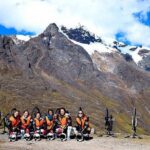
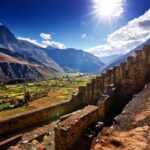
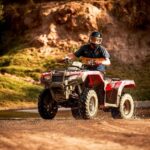
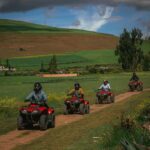
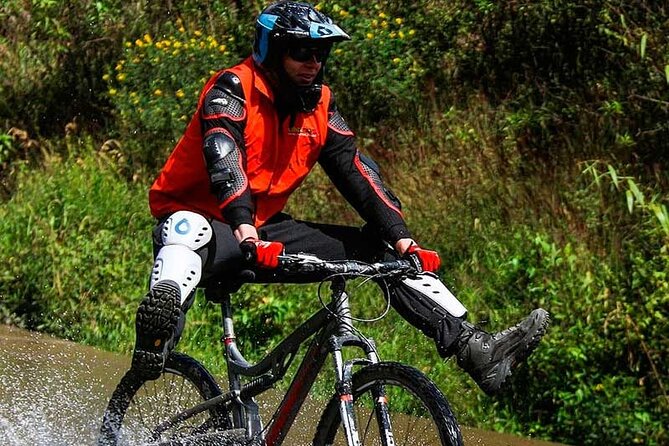
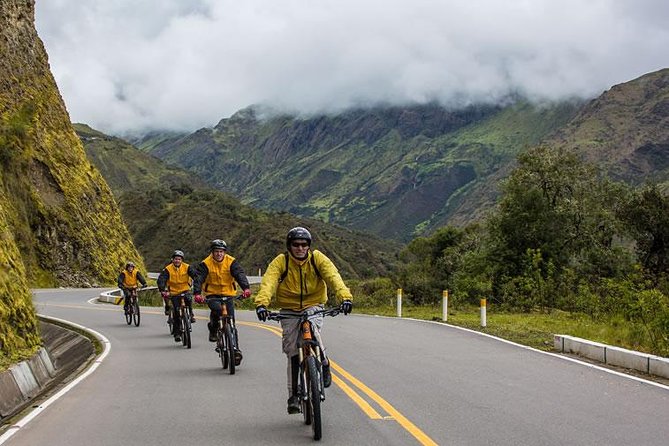
Next you continue toward Abra Málaga (4316 masl). This is where the tour turns from “scenery trip” into actual motion: you’ll start a mostly downhill bike ride with equipment provided by your guide. Expect a long downhill stretch (about 2.5 hours of travel time), and it’s beginner-friendlier than you might fear—fun speed, good views, and a steady flow as you descend.
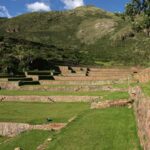
About halfway, you stop at the archaeological center of HUAMANMARKA. The guide explains the site as you finish up the cycling and transition onward. After that, you shift into the “Inca jungle” side of the map: fruit fields and rivers, and a noticeable temperature change as you move from cool highland air into something warmer and more tropical.
You’ll reach Santa María for lunch and sleep. Day one is long—about 9 hours—but it’s the best kind of fatigue. You end the day thinking, I did something real today.
Day 1 Extras and Real-World Comfort
This is adventure travel, so don’t expect crisp, modern rooms. Hostal nights are included, but the stay style is shared and practical. One important tip: plan for the fact that after biking and then rafting later, you’ll want a real shower that actually feels refreshing. If you’re picky, bring patience.
Also note: day one includes an admission ticket (the exact site isn’t spelled out in the details you provided, but it’s part of the program). That’s one less headache to plan for.
Day 2: Waka Yupana Hike, Zipline, and Cocal Mayo Thermal Reset
After breakfast, day two starts with a walk toward Waka Yupana lasting about 5 hours. The first part is easier—around 2 hours on gentler trail—then it turns uphill for about 2 hours. You’ll pass agricultural landscapes that match the region’s identity: coca, coffee, cassava, annatto, and tropical fruits. It’s not just scenery. You’re learning how people farm in this elevation band.
Then comes one of the day’s big rewards: views into Wankar Q’asa canyon. The hike has that classic “work for the view” rhythm—stop, look, breathe, keep going.
After the viewpoints, you descend for about 1 hour to Waka Yupana. Transport takes you onward to Santa Teresa, and you’ll have lunch there.
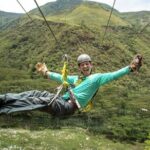
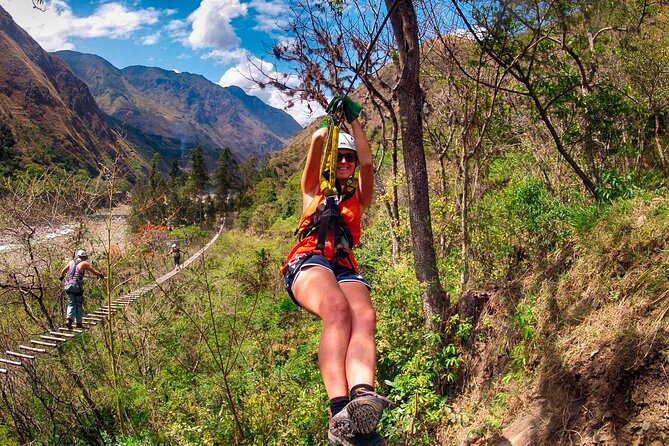
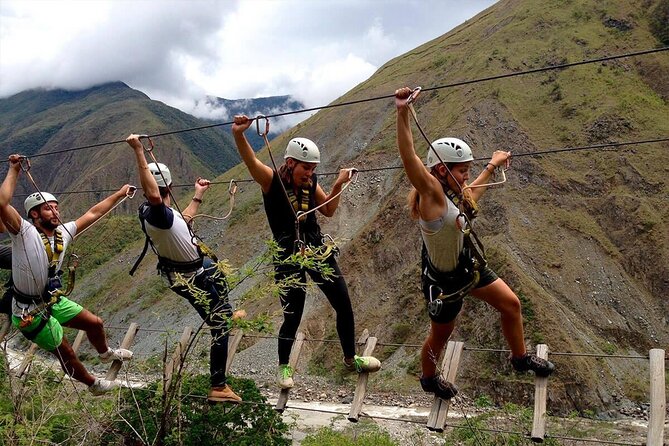
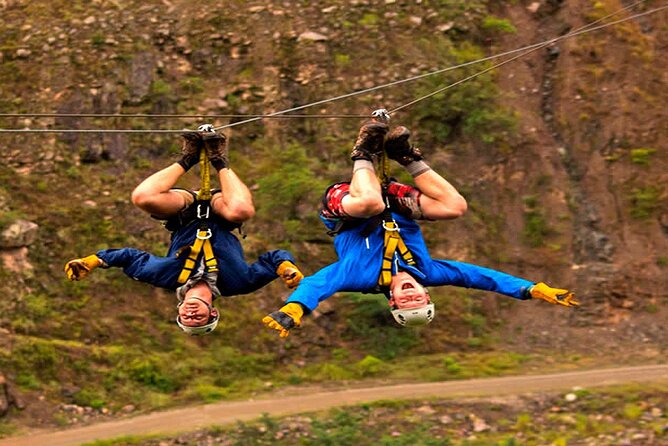
In the afternoon, you switch gears to adrenaline: the zipline lasts about 2 hours. You slide through a pulley attached to a waist harness. This is a nice rhythm change after a hike—your legs rest, but your brain still goes, wow.
After ziplining, you can soak at the Cocal Mayo Thermal Baths. This is marked optional. The waters are described as clear and relaxing, with wells at comfortable temperatures—basically, a good “reset” after a day that uses your calves.
Dinner and overnight are in Santa Teresa.
Day 2 Fitness Note (Because This One Adds Up)
Day two is where the tour proves it’s not a casual walk-in-the-park itinerary. The uphill portion is real, even if you take breaks. If you’re intermediate, you’ll likely be fine with steady pacing. If you hate steep climbs, you might spend day two in a negotiating relationship with your breathing.
One more practical point: the guide can only explain so much if you’re trying to keep the group moving. It’s worth being curious and asking questions when the pace allows.
You can also read our reviews of more tours and experiences in Cusco

Day 3: Lucmabamba Coffee Fields and the Long Approach Toward Aguas Calientes
Day three begins brutally early: breakfast at 5:30 a.m. You take local transport for about 45 minutes to Lucmabamba. This isn’t just a transfer stop. You explore tropical forest and an organic coffee agricultural field, with a chance to try fresh coffee.
Then you hike to Llactapata (about 2 hours 50 minutes). Llactapata is known for viewpoints—what matters here is that it breaks the day into chunks: hike up, reach the viewpoint, regroup, then continue.
After Llactapata, you do about 2 hours of downhill hiking. Along the route, you can see Machu Picchu until you reach Hidroeléctrica, where you stop for lunch.
The itinerary then moves toward the Aguas Calientes area. You’ll arrive at Intiwatana, described as an ancient Inca rock used as a sundial. After that, you reach the train tracks leading to Aguas Calientes.
You get two options:
- Take the train to Aguas Calientes (not included), or
- Walk the tracks from Hidroeléctrica to Aguas Calientes (about 2 hours), if you still have legs.
Overnight is in Aguas Calientes. This is the night where you sleep with Machu Picchu in your head.
Day 3 Tip: Plan Your Energy for the Dawn Mission
Even if you’re hiking more than expected, you should still treat day three as the “save your strength” day for Machu Picchu morning. This is not the place to sprint ahead and regret it later when you’re waking at 4 a.m.
If you’re unsure whether you’ll walk the tracks, choose based on how your body feels after the Hidroeléctrica stretch. There’s no prize for suffering.
Day 4: Puente Ruinas Checkpoint to Machu Picchu’s Main Gate
This is the money day.
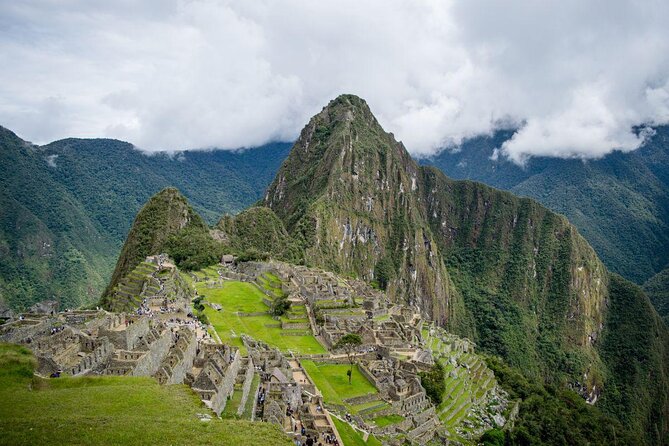
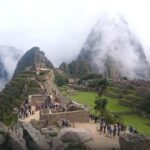
You wake up at 4:00 a.m. with a packed breakfast. Then you walk around 30 minutes to the Puente Ruinas checkpoint, followed by a steep climb with stairs for about 1 hour to reach the main gate of Machu Picchu.
Once inside, your guide shows you the main sectors for about 2.5 hours, focused on Inca history and culture. This is where a good guide matters. If you get someone like Eber (a friendly, slightly quiet guide I’ve seen in this program), the ruins stop being random and start being readable.
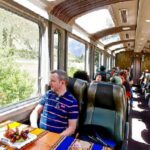
After the guided tour, you return to Aguas Calientes. Lunch is on your own, and then you catch the included train (about 2 hours) to Ollantaytambo, followed by transport back to Cusco.
About Machu Picchu Circuits and Huayna Picchu Choices
Your provided details say Machu Picchu entrance is paid separately, and when bought with the company it’s typically Circuit 1 or Circuit 2 depending availability. Here’s the practical thing: circuit choice affects what you see. If you care most about the classic icons, ask your agent which circuit you’re assigned or can request. If you can add Huayna Picchu, that’s another steep hike for extra views.
I like thinking about this as a decision between time and intensity. If you want a calmer day, stick to your main circuit. If you want the “I climbed for that view” payoff, add Huayna Picchu—just know it’s a workout.
Logistics That Make or Break Your Experience
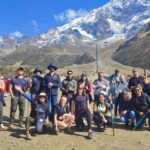
This tour is built with transport in mind: pickup in Cusco, transfers between activity zones, then train and bus on the way out. Group size is capped at 15, which helps because you aren’t getting lost in a crowd.
But the tight reality is schedule. The early wake-ups mean you should sleep as soon as you can each night, and keep your bag ready. You’ll be carrying your essentials during hikes and the approach toward Aguas Calientes.
Also: the included items cover a lot, but not everything. You’ll plan for:
- Machu Picchu bus round trip from Aguas Calientes (listed at $24 per person)
- Machu Picchu entrance fee (circuit depends on availability)
- Optional Huayna Picchu
- Optional train vs walk on day three (train not included)
If you’re traveling with a tight budget, set aside money early so you don’t have to decide under stress.
Packing for Mud, Altitude, and That “Wait, It’s Hot Now” Moment
You’re moving from cold highland conditions to warmer tropical air. That means layered clothes and humidity-ready gear.
I’d pack:
- Solid hiking boots and good socks (at least two quality pairs)
- A couple sweat-wicking shirts
- A hat and sunglasses for sun
- Mosquito repellent (especially around warmer areas)
- A water bladder or bottles you can sip from on hikes
- Swim gear if you plan to use thermal baths
- A small day pack that won’t wreck your back during long walks
Also bring money you can access quickly for extras, plus your passport for Machu Picchu entry.
Who This Tour Suits Best (and Who Should Skip It)
This is ideal for you if:
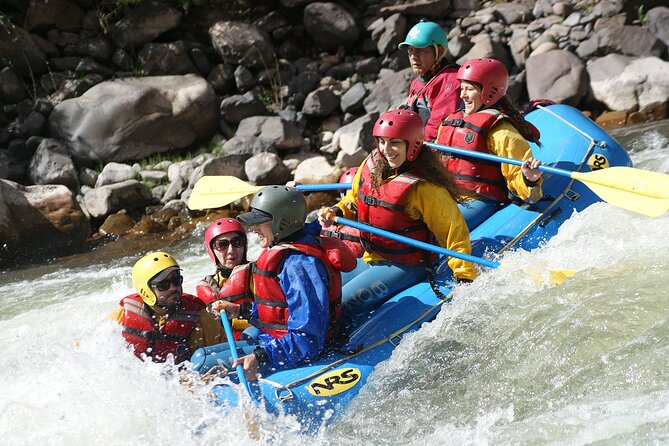
- You want a real adventure mix: biking + hiking + zipline + rafting + Machu Picchu
- You’re comfortable with early mornings and steep sections
- You like guided context for ruins (not just a self-guided wander)
This is not a match if:
- You want lots of downtime and soft pacing
- You hate shared hostels and basic comfort
- You’re sensitive to long days with physical effort
Should You Book the 4-Day Inca Jungle Adventure?
If you’re aiming for value and authenticity, I’d say yes—with your eyes open. The tour’s best strength is the variety: you’re not just moving between landmarks. You’re actually doing different activities in different climates, which keeps the trip from feeling repetitive.
Book this if Machu Picchu is your anchor and you want the journey to earn it. Skip—or choose a lighter program—if your idea of a “great day” includes minimal uphill climbing and maximum comfort.
If you do book, do one thing before you go: confirm your Machu Picchu circuit plan with your agent and understand the separate costs. That single step keeps day four smooth instead of stressful.
FAQ
What does the tour cost?
The price listed is $378.00 per person.
How long is the tour?
It’s a 4-day tour (approximately 4 days).
Where does the tour start?
Pickup starts from your Cusco hotel between 6:00 and 7:00 a.m. on day 1.
What is the maximum group size?
The tour has a maximum of 15 travelers.
What is included in the price?
Included are pre-departure briefing, transport between Cusco and Abra Málaga, biking experience, zipline experience, river rafting experience, an experienced Inca Jungle guide, hostal for 3 nights, meals (3 breakfasts, 3 lunches, 3 dinners), and guide + train/transport elements for Machu Picchu (including the train from Aguas Calientes to Ollantaytambo and transport from Ollantaytambo to Cusco).
What is not included?
Not included: the bus to/from Machu Picchu from Aguas Calientes (around $24 per person), Machu Picchu entrance fees (Circuit 1 or 2 depending availability), and Huayna Picchu entrance (listed at $79 per person if bought with the company).
Is breakfast included on all days?
Yes. Breakfast is included for 3 mornings as part of the tour meals.
Will I need to be physically fit?
Yes. The tour states travelers should have a strong physical fitness level.
What about the Machu Picchu early morning walk?
Day 4 starts with a 4:00 a.m. wake-up, then a walk to Puente Ruinas followed by stairs to reach the main gate.
What is the cancellation policy?
Free cancellation is available if you cancel up to 24 hours in advance for a full refund.