REVIEW · HIKING & TREKKING
Salkantay Trek to Machu Picchu 5D/4N or 4D/3N by glamping
Book on GetYourGuide →Operated by Machu Picchu Expeditions Perú · Bookable on GetYourGuide
High passes, comfy beds, and Machu Picchu tomorrow. That is the appeal of this glamping-style Salkantay Trek: you’ll hit Machu Picchu with a guided circuit after days of remote, scenic trekking.
I love that it pairs big-altitude trail days with real camp comforts—think glass-roof cabins, sky huts, and dome tents—and you’re not doing it alone thanks to an English/Spanish guide and small group size (15 max). I also like the food setup: mountain chefs cook your meals with proper equipment, plus you get tea-time snacks every afternoon and coca tea each morning.
Here’s the main consideration: the trekking still climbs high. The Salkantay Pass tops out at 4630 m, and Machu Picchu entrance plus hot springs are not included in the base price, so you’ll want to budget extra.
In This Review
- Key things that make this Salkantay Trek special
- Salkantay Trek to Machu Picchu: what you’re really signing up for
- Glamping camps on the Salkantay route (and what that changes)
- Day 1: Cusco pick-up at 4 a.m., Humantay Lake, and that glass-roof cabin
- Day 2: the Trail of the 7 Snakes to Salkantay Pass (4630 m)
- Day 3: Santa Teresa Valley trekking, coffee tour, Cocalmayo hot springs, and dome nights
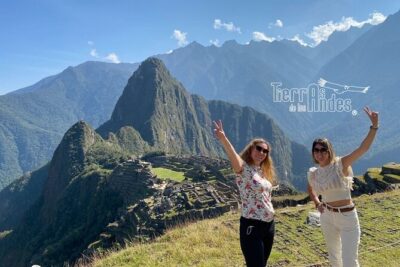
- Day 4: Llactapata on the Inca Trail, Machu Picchu glimpses, then Aguas Calientes
- Day 5: guided Machu Picchu circuit (and optional hikes after)
- Food and guides: where this trip earns its reputation
- Price and logistics: the parts you must budget separately
- What to bring (so you don’t suffer the boring way)
- Who this trek fits best (and who should skip it)
- Should you book this Salkantay Trek to Machu Picchu with glamping?
- FAQ
- What is the duration of this Salkantay Trek experience?
- What does the tour include for meals and drinks?
- Are vegetarian or vegan meals available?
- Do I need to buy the Machu Picchu entrance ticket separately?
- Are Humantay Lake and hot springs included?
- Is the zipline included?
- How does luggage work during the trek?
- What is not suitable for this tour?
Key things that make this Salkantay Trek special
- Humantay Lake + Salkantay Pass: big elevation days at 4200 m and 4630 m, with standout views.
- Camp cooking that feels like a meal plan: breakfast, lunch, dinner, plus afternoon tea snacks.
- Glamping-style stays: glass roof cabin, sky huts, and jungle domes with free electricity for charging.
- Santa Teresa Valley add-ons: coffee tour, optional Cocalmayo hot springs soak, and an optional zipline.
- Llactapata on the way in: a segment on the original Inca Trail for archaeology with Machu Picchu views.
- Small group pace management: limited to 15 participants, with first-aid gear and emergency oxygen on hand.
Salkantay Trek to Machu Picchu: what you’re really signing up for
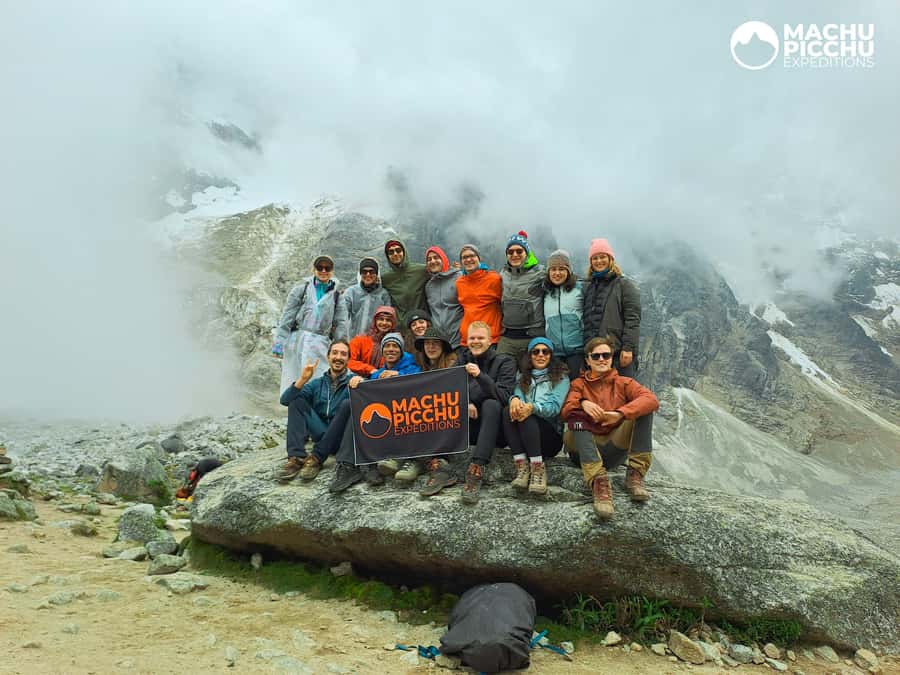
This is a classic alternative route to Machu Picchu that trades the busier Inca Trail vibe for a more remote, rugged trek. You’ll see the range of Peru’s terrain in one trip: high Andean passes, a descent into valleys, then finishing with the dramatic Machu Picchu payoff.
What makes this version interesting is the mix of comfort and effort. You still hike hard days, but the trip leans into camp support—private transport to the trailhead, guided pacing, and food that’s cooked for you instead of “figure-it-out” camp cooking.
The result is best for people who want the real trek feel, but don’t want their whole vacation to be about roughing it. And yes, you’ll still earn your Machu Picchu day.
You can also read our reviews of more hiking tours in Cusco
Glamping camps on the Salkantay route (and what that changes)
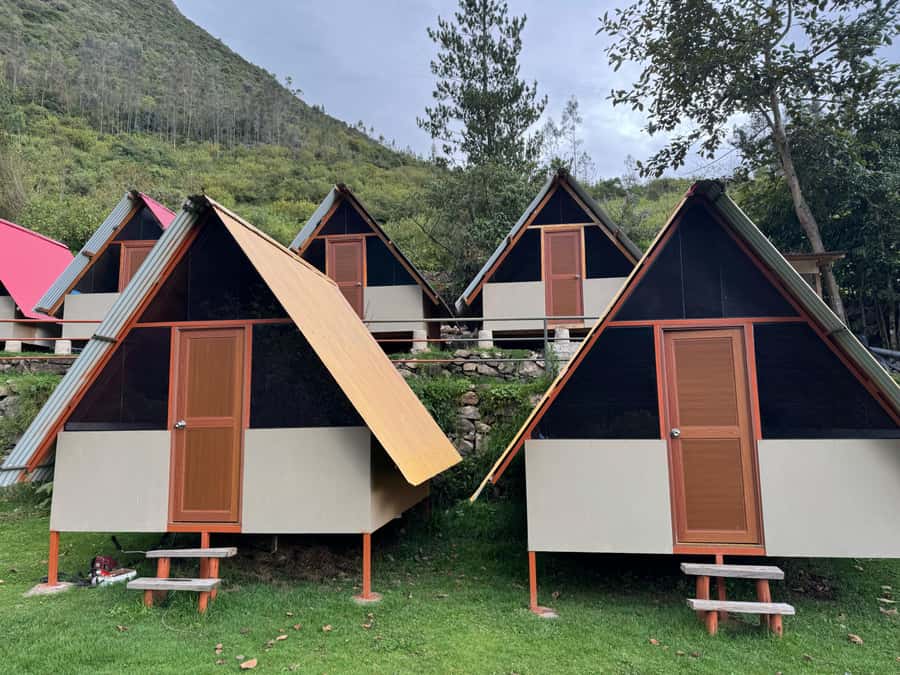
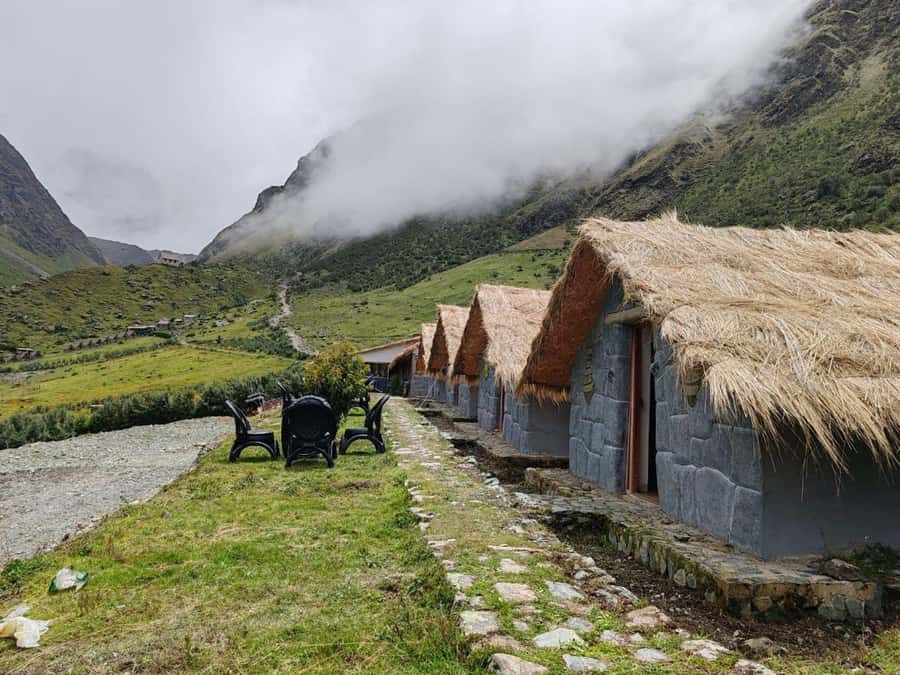
This tour is built around glamping-style lodging for three nights in camp and one night in a town hotel.
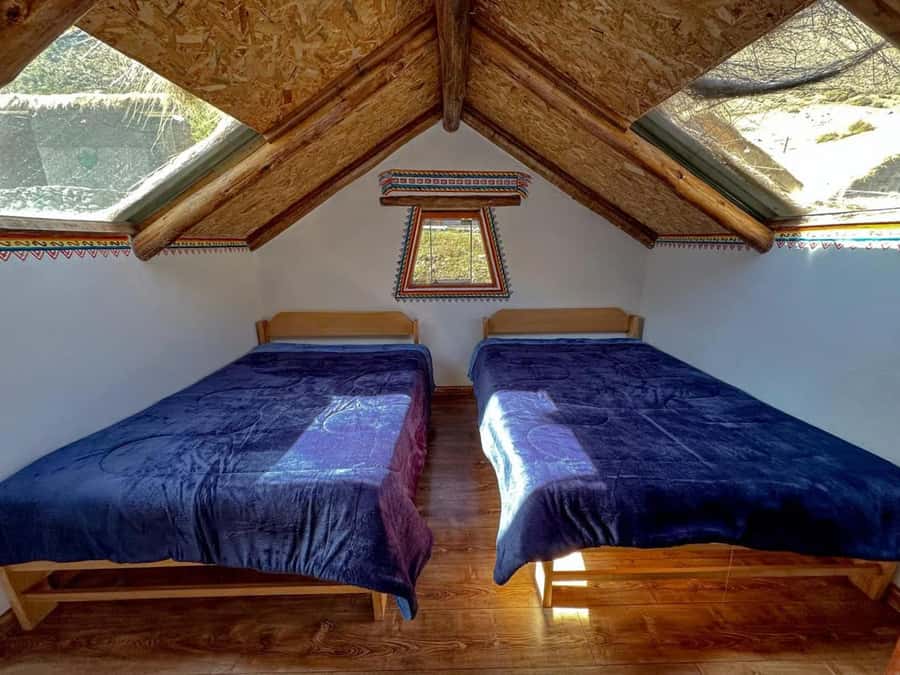
- Night 1: a cabin with a glass roof after the Humantay Lake day. It’s the kind of setup that helps you recover without feeling like you’re sleeping in pure camping-mode.
- Night 2: sky huts at Collpapampa. After a pass day, anything cozy matters.
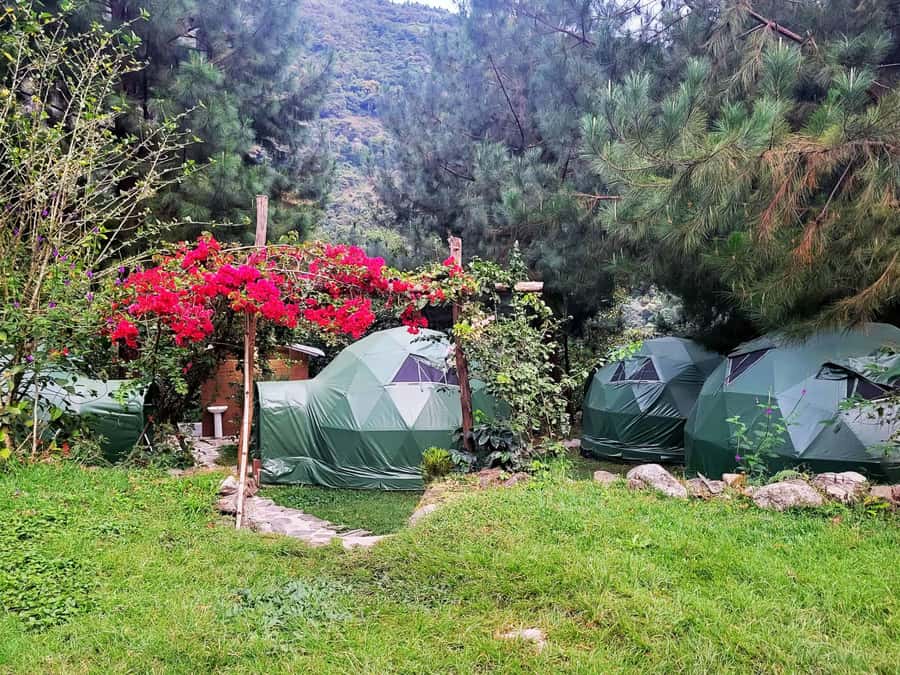
- Nights 3: jungle domes after descending toward the warmer Santa Teresa Valley area. These are timed for when the trip shifts from high altitude to more humid terrain.
Practical bonus: camps include free electricity so you can charge devices. That matters because cold mornings and long hikes drain phones fast, and navigation happens in real life, not just in theory.
You should still pack for cold nights and temperature swings. “Comfortable camp” doesn’t mean “no layers needed.”
Day 1: Cusco pick-up at 4 a.m., Humantay Lake, and that glass-roof cabin
Day 1 starts early, with a 4 a.m. pick-up from your hotel in Cusco’s historic center. There’s a short transport rhythm break, then a breakfast stop in Mollepata before you start hiking from Challacancha toward Soraypampa.
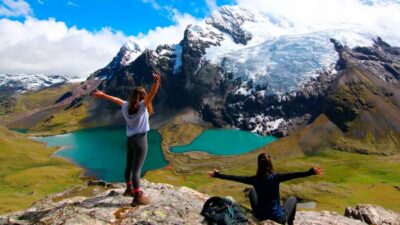
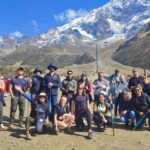
The first big moment is the Humantay Lake hike. You’ll pass through Soraypampa (your private camp base), have lunch and rest, then climb up to Humantay Lake at 4200 m. It’s one of those hikes where you feel the altitude in your breathing, but the payoff is the lake itself and the view lines expanding as you gain height.
Back at camp, dinner and sunset time help the day land gently. You end the night in that cabin with the glass roof, which is a real change from “tent on dirt” trekking.
What to watch: the day is short on clock time but long on effort. Bring warm layers and plan for a slower first hour so your body doesn’t sprint before it’s ready.
Day 2: the Trail of the 7 Snakes to Salkantay Pass (4630 m)
This is the day that people remember. You start at dawn with coca tea, then breakfast before beginning the climb toward Salkantay Pass (4630 m) via the challenging Trail of the 7 Snakes.
The itinerary calls this a tough route, and the numbers back it up: you’re moving toward the sightline of Salkantay mountain (listed at 6271 m). Even if you don’t feel like a mountain climber, the scale of the views is what makes the work feel worth it.
After reaching the pass, you hike down to Collpapampa (2950 m) for dinner and a restful night in the sky huts. That descent is the emotional shift of the day: you go from “steel your legs” to “breathe easier.”
My practical advice for this day: slow down on the way up. If your pace is too fast early, you’ll pay for it on the higher stretches.
Day 3: Santa Teresa Valley trekking, coffee tour, Cocalmayo hot springs, and dome nights
Day 3 starts at 6 a.m. with tea and breakfast, then you head toward La Playa, trekking through the Santa Teresa Valley. Compared to Day 2, this is the kind of day where you can settle into rhythm and enjoy the changes in terrain as you go.
Lunch happens back at camp, then you choose how you want to spend your free time. This trip includes a coffee tour experience, and you can also add Cocalmayo hot springs for a relaxing soak. Hot springs add-ons aren’t free (entrance and transportation are listed as extra), but the idea is simple: you’re earning the warm-water break after days of walking.
There’s also an optional zipline on Day 3 if that sounds like your style.
At night, you sleep in jungle domes. This is where the glamping theme stays real: it’s not just a fancy word, it’s where you actually recover after switching from high altitude effort to valley walking.
Consideration: hot springs and zipline are optional, so your “active” personality can stay active, or you can keep it mellow and just unwind in camp.
Day 4: Llactapata on the Inca Trail, Machu Picchu glimpses, then Aguas Calientes
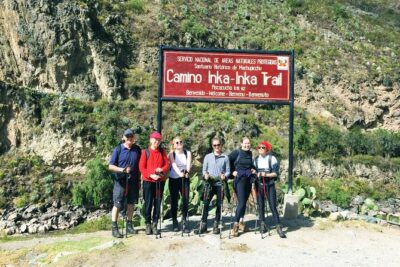
Day 4 is the build-up day. You start with breakfast, then begin the final trekking stretch that includes a segment on the original Inca Trail.
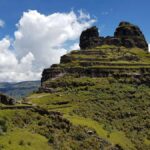
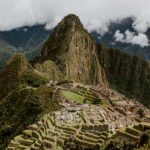
After about two hours uphill, you reach Llactapata (2700 m), an archaeological site with views toward Machu Picchu. Even from this side, you get that sense that the main event is close—and it helps you understand what you’re looking at when you arrive later.
Then comes the descent for about two hours, with glimpses of the citadel along the way. Lunch is at Hidroelectrica, and then you continue on to Aguas Calientes.
You check into a 3-star hotel in Machu Picchu town, and dinner is scheduled at 7:00 p.m. That timing is thoughtful: it gives you energy for an early Machu Picchu day.
What to plan for: this is a long day where you go from ruins views to town logistics. Pack a dry layer for the evening so you’re not stuck in damp trekking clothes.
Day 5: guided Machu Picchu circuit (and optional hikes after)
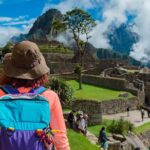
Machu Picchu day starts with a guided visit—about 1.5 hours—on the circuit assigned to your entry. The tour includes a guided circuit (listed as Circuit 2B/6, 7, and 8:00 am options), and the Machu Picchu entrance ticket is not included in the package price.
You’ll also have time after the guide portion to explore on your own. Options include hiking:
- Huayna Picchu (listed at 2720 m)
- Machu Picchu Mountain (listed at 3000 m)
- Sun Gate (2729 m)
- Inca Bridge
If you like photos, plan your hike decision early so you don’t spend the day making it up on the spot. If you like not-sprinting, you can also simply wander and let the site unfold.
Food and guides: where this trip earns its reputation
The tour is structured around meals by mountain chefs, with 5 breakfasts, 4 lunches, and 4 dinners included, plus 3 snacks and tea time every afternoon (popcorn, cookies, chocolate, and coffee).
That may sound like a small detail until you’re on a pass day. Then you realize eating on schedule is not a luxury; it’s part of how you survive the next hour.
Vegetarian and vegan options are available on request with no additional charges, which is a big plus if you have dietary needs.
On the guide side, you’ll see names like Ruben, Roger, Reynaldo, and Tupac & Nidia referenced in bookings. What I care about with guides is consistency: clear explanations, realistic pacing, and help when something goes sideways. This kind of trip lives or dies on that.
Price and logistics: the parts you must budget separately
The headline price is shown as $35 per person, but the real cost depends on what you add on.
Two major items to plan for:
- Machu Picchu entrance ticket (listed at $45.00, subject to availability on the official Peruvian government ticket sales site)
- Hot springs: entrance (PEN 10.00) plus transportation (PEN 40.00)
Other listed add-ons if you want them:
- Zipline on Day 3: $28.00 USD
- Walking sticks rental: $10.00 USD for the whole trek
- Sleeping bag rental: $10.00 USD for the whole trek
- Hot shower: PEN 10.00 from the 2nd and 3rd camp
- Wi-Fi: paid at different rates in camp (listed as small fees by camp)
- Drinking water for bottles is not included
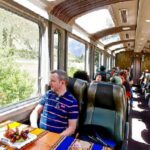
Return from Hidroelectrica to Cusco by bus is listed as $12 USD, but that return is not included in the base package. There’s also an optional train route (+USD 90) that includes train time to Ollantaytambo, then bus back to Cusco.
Value check: you’re paying for support—meals, guides, camp setup, and logistics that would be annoying to coordinate alone. If you already know you’ll want the Machu Picchu ticket and likely hot springs, the package starts to look more reasonable.
What to bring (so you don’t suffer the boring way)
This trek runs in cold-to-mild conditions across altitude changes, so pack like you expect weather swings.
You’ll want:
- warm clothing, gloves, long-sleeved shirt
- hat and sunglasses
- hiking shoes plus a daypack
- sunscreen (and biodegradable options, since the trip asks for it)
- swimwear and a towel (for hot springs)
- trekking gear and a reusable water bottle
- power bank and a flashlight
The tour also provides a duffle bag system: you get a duffle bag to pack 6 kilos that horses carry during the trek. That means you can keep your daypack lighter, but you still need enough items in your personal bag for the hours you’re on foot.
Who this trek fits best (and who should skip it)
This route is not for everyone. It is listed as not suitable for:
- pregnant women
- people with back problems
- mobility impairments
- heart problems
- wheelchair users
- children under 18
- people with respiratory issues
- people with epilepsy
- people over 70
Even if you’re healthy, you should be comfortable with long trekking days and high altitude.
This trip fits you if you want:
- the best alternative to the Inca Trail vibe (less crowded feel, remote trail days)
- camp comfort that still keeps the adventure real
- a guided Machu Picchu experience with flexibility after the tour
Should you book this Salkantay Trek to Machu Picchu with glamping?
Book it if you want a serious trekking itinerary with camp support, chef-cooked meals, and a Machu Picchu day that’s guided and structured. The glamping stays also make recovery easier, which helps you enjoy the second half of the trip instead of just surviving it.
Skip it (or look for a gentler option) if you can’t handle altitude or steep effort, or if the extra costs for Machu Picchu and hot springs would make you uncomfortable financially.
If you do book, do one smart thing before you go: confirm your Machu Picchu circuit/time and the extra costs you care about (hot springs, zipline, rentals). Then you’ll show up ready, not guessing.
FAQ
What is the duration of this Salkantay Trek experience?
The experience is listed as 5 days. It also notes availability for different starting times, including the 5D/4N style by glamping.
What does the tour include for meals and drinks?
You get 5 breakfasts, 4 lunches, 4 dinners, and 3 snacks. There is also tea time every afternoon, and coca tea is provided to wake you up each morning in camp.
Are vegetarian or vegan meals available?
Yes. Vegetarian and vegan options are available on request with no additional charges.
Do I need to buy the Machu Picchu entrance ticket separately?
Yes. Machu Picchu entrance is not included. The listed price is $45.00 for the circuit option mentioned, subject to availability on the official Peruvian government ticket sales site.
Are Humantay Lake and hot springs included?
Humantay Lake entrance is not included. Hot springs entrance and transportation are also listed as extra costs.
Is the zipline included?
Zipline on Day 3 is optional and not included. You can book it with the provider for $28.00 USD.
How does luggage work during the trek?
You’ll receive a duffle bag to pack 6 kilos of belongings that are carried by horses during the trek. You’ll still carry what you need in your daypack.
What is not suitable for this tour?
It’s listed as not suitable for pregnant women, people with back problems, mobility impairments, heart problems, wheelchair users, children under 18, people with respiratory issues, people with epilepsy, and people over 70.