REVIEW · HORSEBACK RIDING TOURS
Horseback Riding Plus Tour to Sacsayhuaman, Quenqo, Puka Pucara and Tambomachay
Book on Viator →Operated by Horseback Riding Cusco · Bookable on Viator
Horses and Inca stone, same day in Cusco. I like how you get horseback riding for about an hour with a safety helmet and a muleteer nearby, and I also like that your guide ties each stop to Inca life and religious customs. One thing to note: the big ruin entrances are not included, so you’ll likely pay the access fees separately.
This is built as a relaxed half-day, with hotel pickup and drop-off by private car and a small group limit of 15 travelers. The experience also feels intentionally paced—slow enough for first-timers, but not boring if you’re more confident (I’m thinking of accounts where riders were allowed to trot a bit). The main drawback to plan around is simple: horses don’t go into the archaeological sites, so you’ll view the ruins on foot like everyone else.
In This Review
- Quick hits before you go
- Why this Cusco half-day feels different than a standard ruins tour
- Price and what’s actually good value at $95
- Vieja Estancia Ranch: helmets on, horse matched to you
- Stop 1: Sacsayhuaman—big Inca walls, strong guide explanations
- Stop 2: Puka Pucara—smaller stop, good rhythm
- Stop 3: Tambomachay—water-and-stone feel, calm viewing pace
- Stop 4: Horseback riding at Cusco by Vieja Estancia Ranch
- Stop 5: Q’enqo—finish with another Inca puzzle piece
- Who this works best for (and who might feel underwhelmed)
- How to dress for this Cusco day: comfort beats style
- Group size, guides, and how questions get answered
- Getting in and out: transport is part of the comfort value
- Should you book this horseback riding plus Inca sites tour?
- FAQ
- How long is the tour?
- Is horseback riding included, and how long do you ride?
- Can beginners participate?
- What’s included in the tour price?
- Is the Cusco Touristic Ticket included?
- Do I need to pay entrance fees for the archaeological sites?
- What are the weight and age limits?
- What should I wear?
- Is the group size large?
- What happens if the weather is poor?
Quick hits before you go
- A guided Inca history route: Sacsayhuaman, Puka Pucara, Tambomachay, and Q’enqo, explained by your guide
- Horse safety setup: saddle plus helmets, and a muleteer who helps manage the horses
- Private-car pickup: transport from your hotel area to the ranch and the sites
- Matched horses to ability: the ranch staff choose horses for comfort and confidence level
- Riding time is short but scenic: expect around an hour (often up to about 1.5) in the saddle
- Ruins need separate ticketing: the Cusco Touristic Ticket (or equivalent access) is not included
Why this Cusco half-day feels different than a standard ruins tour
Most Cusco tours are either “van + photos” or “walking + explanations.” This one mixes both, and that matters at altitude. Riding gives you a change of pace from the usual stone-and-steps circuit, and you get big mountain views while you’re still fresh.
The tour also keeps the group moving. You don’t spend all day stuck in traffic between sites. Instead, you bounce between key Inca locations and then swap gears for time in the saddle at Vieja Estancia Ranch. Reviews consistently point to how the guide is the glue here—someone like Benni/Benny (and also Jenny or Hogler, depending on your date) who can answer questions clearly and explain what you’re looking at without turning it into a lecture.
The one “gotcha” is that horseback riding doesn’t replace the ruin visits. You still get out and walk through the sites. Think of the ride as the scenic connector and the bonus experience, not as a way to avoid ruins walking.
You can also read our reviews of more tours and experiences in Cusco
Price and what’s actually good value at $95
At $95 per person, you’re paying for more than a guide. You’re also paying for: saddle + helmet setup, a ranch operation with trained staff, a muleteer, and round-trip private transport from your hotel zone.
That said, value depends on what you’re expecting to cover. The tour price does not include the Cusco Touristic Ticket (and access fees for archaeological sites are handled separately). In one case, the expected entrance cost was cited around 20 USD paid directly to preserve the sites. If you show up thinking everything is included, you’ll feel surprised when you’re asked to pay.
So here’s the practical way to judge it: if you want horseback riding plus a guided Inca circuit in a half-day, the price can feel fair. If your top priority is lowest cost for the ruins alone, you may find cheaper options that focus only on sites.
Vieja Estancia Ranch: helmets on, horse matched to you
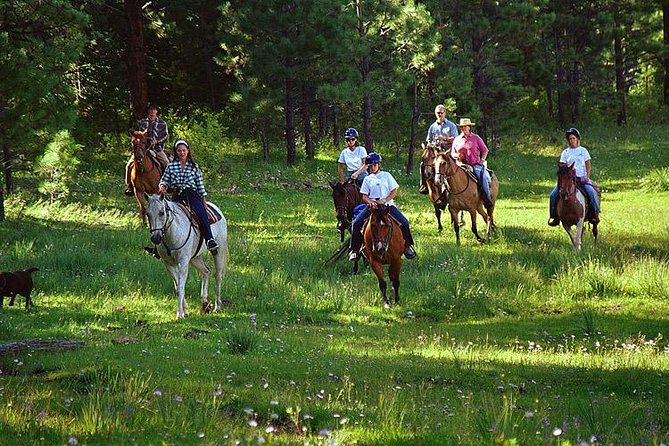
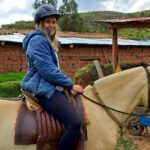
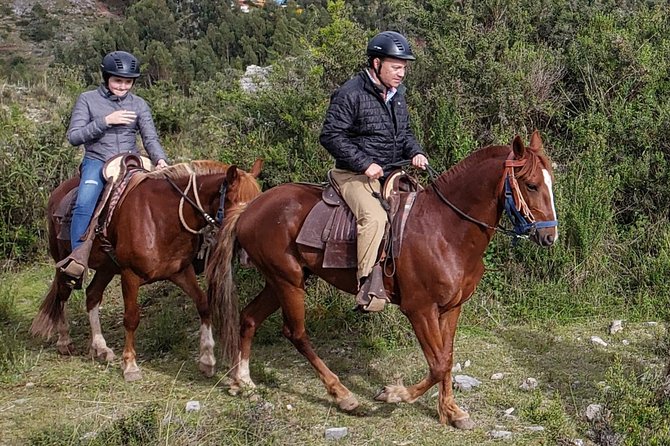
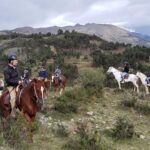
Your horse time is the heart of the experience. You’ll start at Vieja Estancia Ranch, get saddled, and wear a safety helmet. The muleteer is part of the setup too, riding or working close enough to help with horse handling and rider comfort.
One detail that keeps coming up: horses are matched to rider confidence. If you’re a first-timer, you won’t be dropped onto a “wildcard” horse. If you’re comfortable, your guide and staff may let you pick up speed at times (some riders said they could trot/open the pace a bit).
How long is the ride? Most accounts describe about an hour, with some mentioning closer to an hour and a half. Either way, don’t plan your day around a long “all-terrain epic ride.” Instead, plan for a scenic ride, a switch back to guided stops, and a finish that still feels like you did something special.
Also, horses don’t go into the archaeological sites. That’s not just for show—it’s to protect the soil and the site surfaces. So you’re looking at ruins from the right areas on foot, while the horse trail brings you through nearby countryside and viewpoints.
Stop 1: Sacsayhuaman—big Inca walls, strong guide explanations
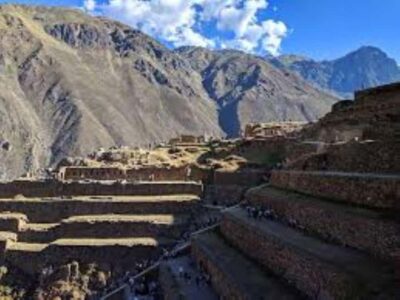
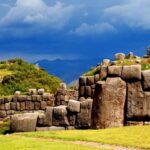
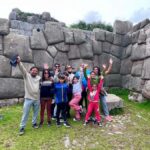
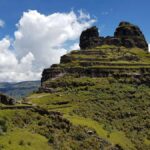
Sacsayhuaman is typically the opener in this kind of route, and it’s a smart choice. It’s the kind of site where your eyes want to wander—massive stonework, dramatic angles, and a sense of scale. With a guide, that scale becomes understandable instead of just impressive.
What makes this stop work on horseback-day pacing is that it’s not stretched too long. You get enough time to take photos, listen, and get your bearings, without burning hours that you’ll want later for the ride and the other sites.
A practical tip: if you’re prone to sunburn or heat, bring protection even if the sky looks cloudy. One rider regretted not having sunscreen, and that’s a common Cusco mistake when you assume clouds mean no UV.
Stop 2: Puka Pucara—smaller stop, good rhythm
Puka Pucara is the kind of place that can be easy to overlook on a rushed itinerary. Here, it helps that the tour keeps a steady rhythm: van transfers are short, the guide stays engaged, and you’re not constantly waiting around.
At this point in the day, you’ll likely feel the altitude in small ways—slower breathing on the walks and a need for water. That’s where the included mineral water or natural water helps. It’s not a luxury upgrade, but it keeps the day from turning into a dehydration headache.
If you like sites where the story matters more than the crowds, this stop often feels like a “breather” between bigger monuments. And because your guide is focused on Inca history and religious customs, you get explanations rather than just a checklist of locations.
Stop 3: Tambomachay—water-and-stone feel, calm viewing pace
Tambomachay is another strong stop in the route because it supports the day’s theme: Inca life in the mountains. Even without getting lost in technical details, you’ll benefit from a guide who connects what you’re seeing to how the Incas used and respected these sacred spaces.
Tambomachay also fits the tour’s overall pacing. It’s a site you can enjoy without needing to sprint through. The goal is to keep the group moving smoothly so everyone is ready for the ranch portion later.
One reason I like this structure for real humans: you don’t end the day exhausted before horseback time. You’re still in “tour mode,” and then the ride resets your mood.
Stop 4: Horseback riding at Cusco by Vieja Estancia Ranch
This is where the experience turns into something you’ll remember for the right reasons: motion, scenery, and the sense of being out in the region instead of just staring at artifacts behind fences.
You’ll ride as a group with your guide and muleteer. Most routes like this include some trotting depending on rider comfort. The important part is that you’re not stuck walking the whole time if you chose the tour for the riding.
Two practical notes that help set expectations:
- You’ll wear long pants and closed shoes anyway, so the ride should feel secure. This also helps with friction from tack and rougher trail sections.
- Don’t treat the ride as a way to avoid paying attention to the guide. The best part is when the guide’s explanations about the sites and the region connect while you’re moving between them.
A final logistics detail: the tour says it includes snacks, but one review reported not receiving snacks. If snacks matter to you, ask ahead. If you’re the type who gets hangry at altitude, it’s smart to bring a backup snack from home too (no one wants to negotiate hunger at 3,400m+).
Stop 5: Q’enqo—finish with another Inca puzzle piece
Q’enqo is a fitting late-day stop because it keeps the “Inca architecture and sacred spaces” thread going. By the time you reach Q’enqo, you’ve already gotten context from earlier sites, so the explanations land better.
The tour timing also makes sense here: you don’t want your final stop to drag when your legs are a bit tired. The structure of the half-day format keeps walking segments reasonable and helps the whole day feel productive.
Expect guided interpretation rather than just self-guided sightseeing. Your guide’s job is to make sense of what you’re seeing, including how these sites relate to Inca religious customs. That’s a big part of why riders rate the tour so highly.
Who this works best for (and who might feel underwhelmed)
This tour is well-suited if you want a day that mixes activity and culture without turning into a full-day endurance event. It’s especially good for:
- First-time riders who want safety gear and staff support
- Couples who want variety in one morning/afternoon
- Families with kids old enough to meet the minimum age (6 years)
- Travelers who want guided explanations but also want something physical and scenic
It may feel less ideal if:
- You mainly want to minimize extra costs (because site access isn’t included)
- You expected horses to ride into the archaeological sites themselves (they don’t)
- You want a long horseback session (it’s usually about an hour, sometimes up to 1.5)
How to dress for this Cusco day: comfort beats style
For a horse ride at altitude, practical clothing matters more than looking good in photos.
Wear long pants (jeans are recommended) and closed shoes with rubber soles or walking shoes. This helps with grip in the stable areas and on uneven ground. Avoid jewelry and valuables during the ride—small items can get in the way with tack or just become an unnecessary worry.
Bring a rain jacket if rain is a real possibility in the forecast. The experience requires good weather, and conditions can change quickly in the Andes. If you run cold easily, layering also helps for the transitions between van, ranch, and the sites.
And yes, bring sunscreen. Even if it looks cloudy, the sun can still bite.
Group size, guides, and how questions get answered
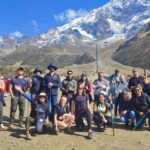
With a maximum group size of 15 travelers, you’re not lost in a sea of silence. That small size makes a difference when you want to ask questions about Inca history, architecture, or religious customs.
The guide quality is repeatedly called out in the feedback, including named guides like Benni/Benny and Jenny, and also Hogler. These guides are described as strong in Inca history and professional at explaining things clearly, even when questions are a little messy.
One more plus: a first aid kit is carried by the guide for emergencies. You should still use common sense with altitude, hydration, and footwear. The guide is not authorized to provide medication outside basic first aid.
Getting in and out: transport is part of the comfort value
The tour includes round-trip transport by private car from hotels. That sounds small, but it matters in Cusco. It reduces the time you spend figuring out where to go and how to get back.
The experience is also said to be near public transportation. That means if you’re curious and want options, you’re not fully isolated. Still, the main benefit here is the convenience of hotel pickup and drop-off.
Plan for total time around 4 hours (approx.). It’s a half-day format, not a full-day commitment. If you’re trying to stack activities in Cusco, this is a manageable slot.
Should you book this horseback riding plus Inca sites tour?
Book it if you want a half-day that adds real variety: guided Inca ruins plus a ranch ride where you can actually feel the region. The safety gear, the muleteer support, and the matching of horses to ability make it a strong pick for beginners. Also, the guide-led explanations are a big part of the value, not just a background soundtrack.
Think twice if you’re budget-first. Site access fees and the Cusco Touristic Ticket are not included, and horseback time is only about an hour to an hour and a half. If your dream is a longer ride or horses actually inside the archaeological areas, this isn’t built for that.
If you’re flexible, this can be one of the more memorable ways to see Cusco beyond the usual walking-only route.
FAQ
How long is the tour?
The tour runs about 4 hours, approximately, from start to finish.
Is horseback riding included, and how long do you ride?
Horseback riding is included. Riding time is described as about an hour, with some experiences closer to about 1.5 hours, while the rest of the time is spent traveling between sites.
Can beginners participate?
Yes. The tour is suitable for participants with little or no experience.
What’s included in the tour price?
Included items are a professional tour guide, saddle and safety helmets, a muleteer (who helps with the horses), mineral water or natural water, and transport by private car.
Is the Cusco Touristic Ticket included?
No. The Cusco Touristic Ticket is not included.
Do I need to pay entrance fees for the archaeological sites?
Yes. The tour does not include entrance fees for the archaeological sites, which you pay separately.
What are the weight and age limits?
The maximum weight is 200 pounds (90 kilos). The minimum age is 6 years.
What should I wear?
Wear long pants (preferably jeans) and closed shoes with rubber soles or walking shoes. Bring a rain jacket if rain is likely.
Is the group size large?
No. The tour has a maximum of 15 travelers.
What happens if the weather is poor?
The experience requires good weather. If it’s canceled due to poor weather, you’ll be offered a different date or a full refund.