REVIEW · MACHU PICCHU TOURS
Machu Picchu & Sacred Valley 2-Day Tour
Book on Viator →Operated by Viagens Machu Picchu · Bookable on Viator
Machu Picchu hits fast, even on day one. What I love most is the small group feel and the fact that you get a Machu Picchu guided tour, not just a ticket and a map. I also like how the Sacred Valley portion mixes big-name ruins with real local stops like the Pisac market. One watch-out: the day starts early, and train seating is assigned automatically (so you can’t pick seats).
With a solid lineup of tickets, transport, and a 3-star hotel in Aguas Calientes included, this tour is designed to remove the usual stress. You also get real support: max 16 passengers with 24 hours assistance, plus pick-up and drop-off from your Cusco hotel. Just note the guide is not bilingual; your guide will work in Spanish, English, or Portuguese.
In This Review
- Key things that make this Machu Picchu + Sacred Valley tour work
- Cusco to Machu Picchu: a plan that saves your energy
- Awana Kancha: textiles first, before the stone cities
- Pisac Archaeological Park + Pisac Market: altitude with reward
- Urubamba lunch: real rest between ruins and trains
- Ollantaytambo: Inca urban design you can actually spot
- Train to Aguas Calientes: logistics handled, comfort matters
- Machu Picchu day: the guide is the difference
- A quick reality check on timing and Huayna Picchu
- Poroy to Cusco: the return leg that keeps you from feeling stranded
- Price and value: what you’re paying for (and what you’re not)
- Language and guide setup: pick what you can follow best
- What to pack and how to pace yourself (moderate fitness level)
- Who should book this Sacred Valley and Machu Picchu combo
- Should you book it?
- FAQ
- What’s the group size for this Machu Picchu and Sacred Valley tour?
- What language will the guide speak?
- What’s included for food and lodging?
- How do you get to Machu Picchu from Aguas Calientes?
- Is Huayna Picchu included?
- Do I need my passport details?
- Can I choose train seats?
Key things that make this Machu Picchu + Sacred Valley tour work
- Small group pace (16 max): more attention, clearer next steps, and easier movement between stops.
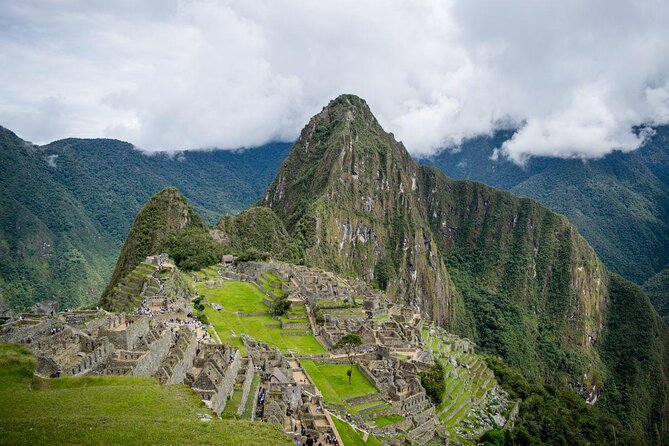
- Machu Picchu with a guide: you’ll get context and Inca history while you’re actually standing in the site.
- Sacred Valley in one tight loop: Pisac ruins + market, then Ollantaytambo before the train down to Aguas Calientes.
- Train and bus logistics included: Ollantaytambo to Aguas Calientes by train, then bus up to Machu Picchu.
- Language is not mixed: choose Spanish/English/Portuguese based on what you’ll follow best.
- Huayna Picchu is optional: it’s not included, so you’ll need to plan that separately if you want it.
Cusco to Machu Picchu: a plan that saves your energy
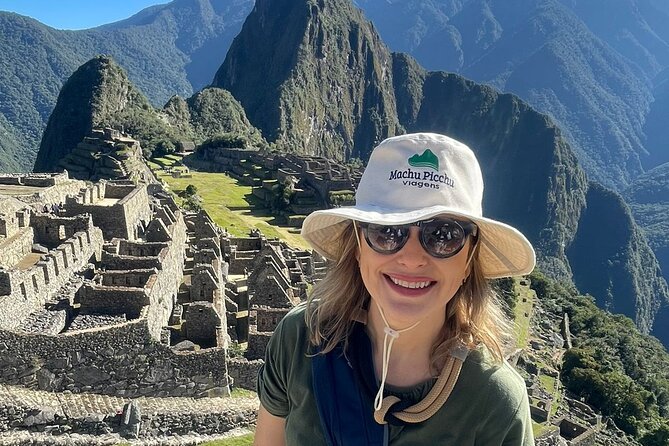
This 2-day tour is built for travelers who want the highlight (Machu Picchu) and the lead-in (Sacred Valley) without spending your entire vacation in booking screens and transfer lines.
Your base for night one is Aguas Calientes, and the route is organized around getting you from Cusco into the Sacred Valley sites, then down by train, then back up to Machu Picchu the next morning. That structure matters because it keeps you from trying to cram too much into one day at altitude.
The tour also includes guided time where it counts. You’re not just walking past stones; you’re getting explanations at Pisac and Ollantaytambo, and then again at Machu Picchu itself. For many first-timers, that’s the difference between seeing a world-famous place and actually understanding it.
You can also read our reviews of more tours and experiences in Cusco

Awana Kancha: textiles first, before the stone cities
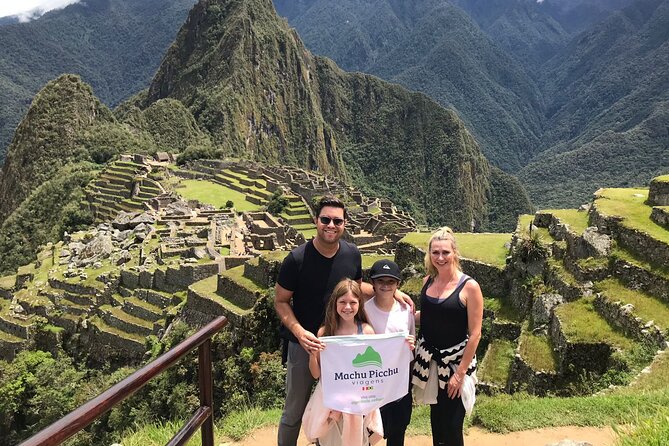
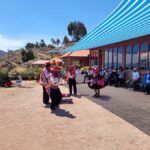
Day 1 starts with Awana Kancha, an animal shelter with an exhibition of traditional Peruvian textiles. If you’re picturing the Incas only as ruins and stonework, this quick stop gives you a useful reminder: Inca culture wasn’t only architecture. It was also fiber work, tradition, and craftsmanship—things that are still very alive in Peru today.
Practical angle: this stop is short, so it works well as a soft start. And since admission is free, it’s an easy way to kick off the day without feeling like you’re paying for another brief stop.
Pisac Archaeological Park + Pisac Market: altitude with reward
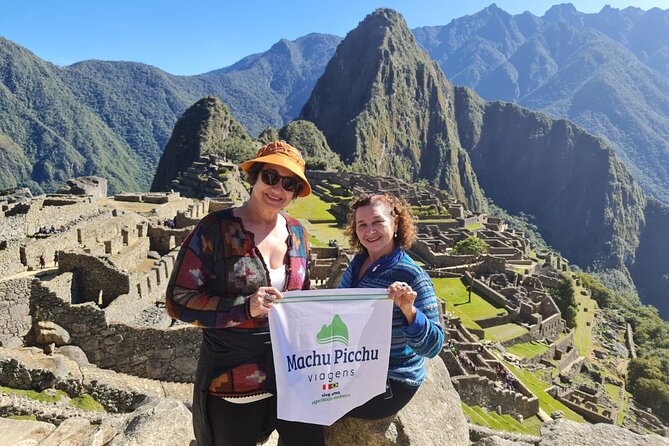
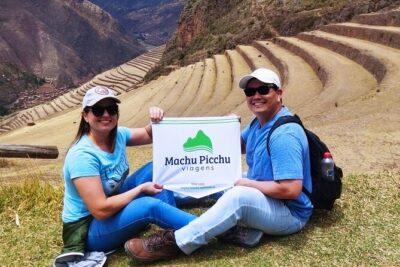
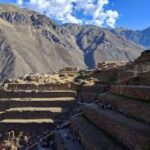
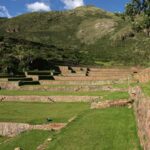
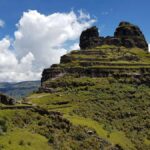
Next up is Parque Arqueológico Pisac, a high-altitude archaeological site at around 3,300 meters. Even if you’re not a history nerd, you’ll feel the setting: the views from Pisac help you understand how the Incas chose places for both function and sightlines.
Then you get time at the Pisac Market. This isn’t just a quick photo stop. You have about 40 minutes to browse. You’ll find handmade artisan pieces, but also practical market items like food, vegetables, and fruits. For me, that market time is one of the most valuable parts of the tour because it shifts the day from monuments back to everyday life.
Two small considerations:
- Markets move fast, and your time is limited, so set a tiny goal in your head (one gift, one snack, one textile).
- You’ll be at altitude, so if you’re sensitive to breathing, take short breaks and don’t rush the walk.
Urubamba lunch: real rest between ruins and trains
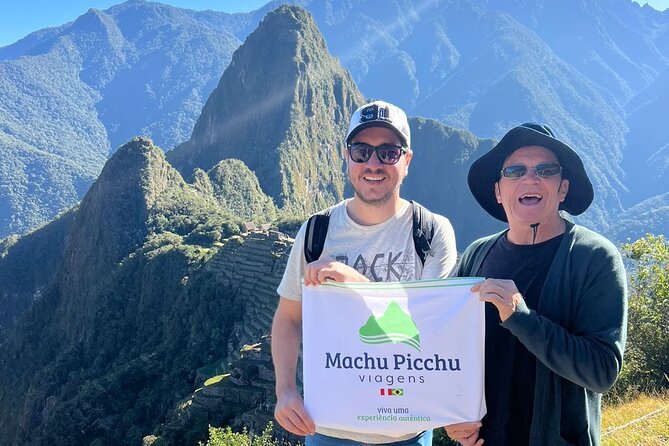
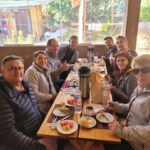
After the morning stops, you head to Urubamba for lunch at Tunupa Restaurant, a buffet-style meal with the sound of the Urubamba River around you. It’s not a fancy-speech moment; it’s a functional reset.
This matters because Day 1 includes a lot of transitions: archaeology, then market time, then a town meal, then Ollantaytambo, then train service. A proper sit-down lunch keeps you calmer for what comes next—especially the bus/train timing later in the day.
Ollantaytambo: Inca urban design you can actually spot
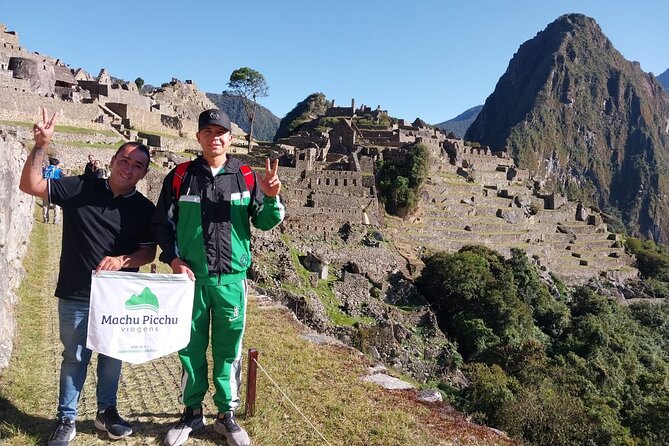
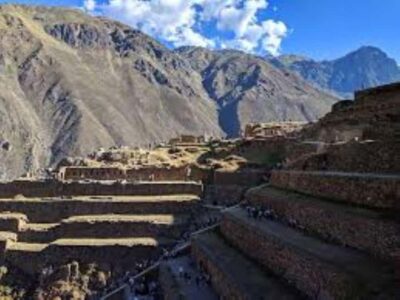
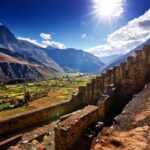
In the afternoon you visit Ollantaytambo, including the archaeological park and town area. Here’s what makes it special beyond the big name: Ollantaytambo is a strong example of Inca urbanism, with cobbled streets and a drainage system that you can see and understand as engineering—not decoration.
You’ll also hear about a major historical point: this was the site recognized as the only place that defeated the Spanish army during colonization for almost 50 years. Even if you only catch part of the story, it gives the ruins more weight. It’s no longer just a pretty place; it becomes a stubborn place in history.
You get about one hour here. That’s enough time to enjoy the site without feeling like you’re trapped in a long lecture.

Train to Aguas Calientes: logistics handled, comfort matters
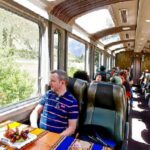
After Ollantaytambo, the tour moves you to Estación Ferroviaria de Ollantaytambo and takes you by train to Aguas Calientes. The train ride is part of the value here: it’s one less thing you have to organize.
A few practical notes based on what you need to know for planning:
- It’s Tourist class.
- On PeruRail, you can’t choose seats. The company assigns them automatically.
- The bus and train day is about movement; you’ll want to wear layers because temperatures can shift.
Once you arrive, a guide takes you to your hotel in Aguas Calientes. You’ve earned that check-in. Even if you’re excited, it’s smart to keep your evening low-key—tomorrow is Machu Picchu.
Machu Picchu day: the guide is the difference
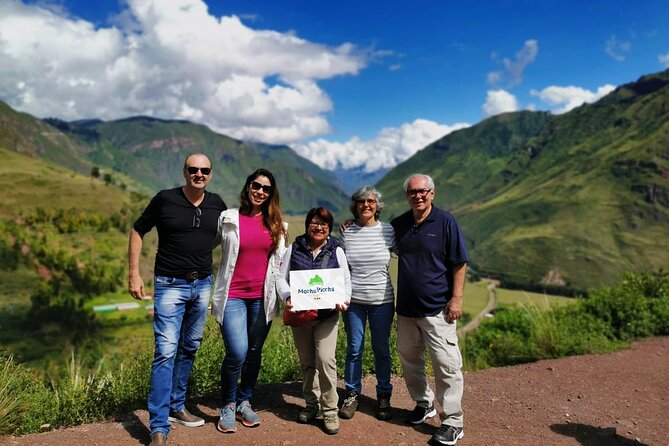
Day 2 begins early with pick-up from your hotel in Aguas Calientes and a bus ride of about 30 minutes to Machu Picchu’s main entrance. You’ll spend about two hours at Machu Picchu with a professional guide.
This is the heart of the tour, and the guide’s role is worth your attention. A good guided visit changes how you move. Instead of wandering and guessing, you’ll get explanations about what you’re seeing, along with mysteries and fascinating facts of Inca culture tied to the site.
Even beyond facts, the guide helps you interpret the layout. Machu Picchu can feel like one big picture at first. With context, you start noticing how areas relate to each other and why certain spots might matter.
After your visit, you return to Aguas Calientes and then continue back toward Cusco later.
A quick reality check on timing and Huayna Picchu
You’ll have the standard Machu Picchu entrance included. If you want the optional Huayna Picchu hike, it’s not included and must be booked in advance. So if Huayna Picchu is your must-do, don’t wait until the last minute.
Poroy to Cusco: the return leg that keeps you from feeling stranded
Once you’re back from Machu Picchu, the tour heads toward the return route: the train will take you to Poroy, which is about 30 minutes away from Cusco. Your team meets you there and transfers you back to your Cusco hotel.
This matters because the transfer portion is often where trips feel stressful. Here, you’re not left guessing where to go or which bus to catch. The tour includes transport to and from Ollantaytambo and Poroy train stations, plus pick-up and drop-off at Cusco hotel.
Price and value: what you’re paying for (and what you’re not)
At $679 per person for a 2-day experience, the price is usually less about buying the view (you’d still pay for Machu Picchu somehow) and more about buying your time and reducing risk.
Here’s what’s included that often costs extra if you DIY:
- Machu Picchu entrance ticket and round trip bus
- Sacred Valley guided tour (with entrance for Pisac & Ollantaytambo)
- Round trip train tickets Ollantaytambo ↔ Aguas Calientes
- Hotel (1 night) in Aguas Calientes plus breakfast
- Lunch on Day 1
- Transfers from your Cusco hotel and assistance support
In other words, you’re paying for a working system: guides, tickets, and transportation stitched together.
What isn’t included is also important:
- Optional Huayna Picchu
- Tips and personal expenses
- Travel insurance
- Flights (international or national)
- Any extra nights or early/late hotel changes
If you already enjoy planning, you might be able to assemble something similar. But if you want your energy focused on sites and not logistics, this kind of package is often worth the premium.
Language and guide setup: pick what you can follow best
Your professional guide is assigned in Spanish, English, or Portuguese, and it’s not a bilingual tour. That’s a real factor for your enjoyment. If you’re comfortable in more than one language, that’s great. If not, lock in the language that you can follow without effort.
One useful tip from experience patterns: in Sacred Valley, guides can sometimes adjust to individual needs. On at least one run, a guide named Franco stepped in to translate everything into English for a lone English speaker in the group. You can’t count on that every time, but it’s a reassuring sign that the team takes communication seriously when it matters.
Also, the tour organization is known for being supportive and punctual, with clear next-step instructions and updates by text before things begin.
What to pack and how to pace yourself (moderate fitness level)
The tour notes a moderate physical fitness level. That doesn’t mean you need to be an athlete. It does mean you should expect:
- walking on uneven ground,
- some stair steps in archaeological areas,
- time at altitude in the Sacred Valley region (Pisac sits high).
Packing basics for this trip style usually include:
- breathable layers (morning can feel cooler),
- comfortable walking shoes,
- a light rain layer (Machu Picchu depends on weather),
- water and snacks if you’re the type who gets hungry between stops.
And here’s the pacing trick: take it slow at your first site. Your body needs a little time to adjust, and you’ll enjoy the views more when you’re not rushing.
Who should book this Sacred Valley and Machu Picchu combo
This tour fits best if you:
- want Machu Picchu + Sacred Valley in a tight 2-day plan,
- prefer guided explanations over wandering alone,
- like the comfort of included hotel, tickets, and transportation,
- want a small group (up to 16) for a calmer pace.
It may be less ideal if you:
- want to choose your train seats (you can’t),
- need a fully bilingual guide,
- are only able to handle low walking or very late starts (the schedule is early and packed).
If you’re traveling with kids, note that children under 5 are free as long as they don’t occupy a seat.
Should you book it?
If your priority is to see Machu Picchu and get the most out of Sacred Valley without turning your trip into a project, I’d lean yes. The mix of guided history, market time, and well-handled transfers makes this kind of tour a practical way to experience Peru’s biggest hits in just two days.
Book it if you’re ready for an early start and you’re comfortable with moderate walking. Consider a different approach if seat choice or language flexibility is a must for you, or if you know you’ll want Huayna Picchu and haven’t planned ahead.
FAQ
What’s the group size for this Machu Picchu and Sacred Valley tour?
The Sacred Valley portion is limited to 16 passengers max, keeping the group small for better guide attention.
What language will the guide speak?
The professional guide works in Spanish, English, or Portuguese, but it’s not a bilingual tour. Your chosen language affects how much you’ll comfortably follow during the guided parts.
What’s included for food and lodging?
You get breakfast and lunch, plus 1 night at a 3-star hotel in Aguas Calientes.
How do you get to Machu Picchu from Aguas Calientes?
On Day 2, you’re picked up from your hotel and take a bus ride (about 30 minutes) to the main entrance of Machu Picchu. A round trip bus ticket and the Machu Picchu entrance ticket are included.
Is Huayna Picchu included?
No. Huayna Picchu is optional and not included. If you want to hike it, you must book it in advance.
Do I need my passport details?
Yes. You’ll need your passport details to book the train and the Machu Picchu entrance ticket.
Can I choose train seats?
No. PeruRail does not allow passengers to choose seats. Seat assignment is done automatically by the company’s system.