REVIEW · HISTORICAL TOURS
6-Day Cultural Tour to Machu Picchu
Book on Viator →Operated by Inkayni Peru Tours · Bookable on Viator
One sunrise, three Inca eras. This 6-day route strings together Cusco’s stone-and-stories start, a guided Machu Picchu morning, and a Sacred Valley day focused on real Inca ingenuity.
I love the way the schedule teaches you context before the big wow—Qorikancha and Sacsayhuamán help Machu Picchu click. I also like the practical chain of transport: train to Aguas Calientes and round-trip buses, plus a private guide at the citadel.
One thing to consider: you’re at serious altitude from day one, and sunrise on a bus means early wake-ups. Also, peak add-ons like Huayna Picchu cost extra, so plan ahead if you want that view.
In This Review
- Key highlights you’ll care about
- Why this Cusco–Machu Picchu–Sacred Valley plan works
- Day 1 in Cusco: Qorikancha and the Inca Museum
- Day 2: Sacsayhuamán, the Temple of the Moon, and the move toward Ollantaytambo
- Day 3: Sunrise at Machu Picchu with a real guide (and optional peaks)
- Getting to Aguas Calientes by train (and using the hot springs option)
- Sacred Valley day: Moray terraces, Maras salt pools, and Chinchero weaving
- Day 4 and Day 5 rhythm: Cusco time you can actually control
- Day 6: a short historical center walk and getting out smoothly
- Price and value: what $999 buys you in real terms
- Practical tips before you go (the stuff that actually saves your trip)
- Should you book this 6-day cultural tour?
- FAQ
- What’s included in the tour price?
- How do I get to Machu Picchu?
- Are Huayna Picchu or Machu Picchu Mountain included?
- What’s the group size?
- Is pickup offered and do I get an airport transfer?
- Is the tour refundable or changeable if I cancel?
Key highlights you’ll care about
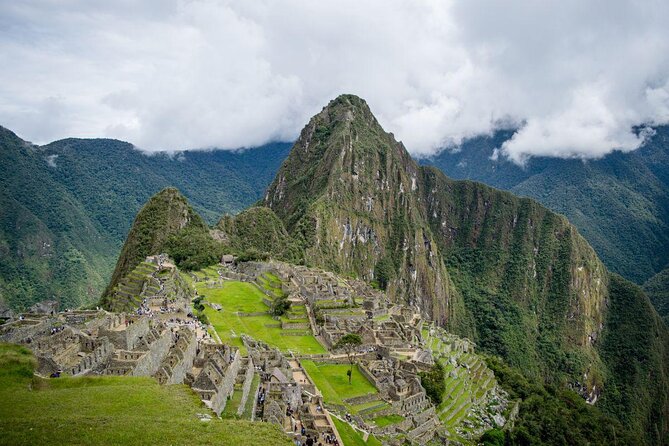
- Sunrise arrival at Machu Picchu with a guided walkthrough of terraces, temples, and ceremonial zones
- Small-group feel with a max of 15 people and professional English-speaking guidance
- Sacred Valley stops with meaning: Moray terraces, Maras salt pools, and Chinchero weaving demos
- Train comfort on a long day from Ollantaytambo to Aguas Calientes, then buses up to the citadel
- Free time in Cusco to tailor your last in-town day (from Rainbow Mountain to ATV options)
- Guides people remember like Jonathan, Frankly, Guido, Ernesto, and Eddy Ninan—praised for patience and organization
Why this Cusco–Machu Picchu–Sacred Valley plan works
Machu Picchu is the headline. But the smarter part is the lead-up. This tour doesn’t just drop you at a viewpoint. It builds the story: Inca religion in Cusco, Inca engineering at Sacsayhuamán and the Moon Temple, then the “how did they farm and live like that” lessons of Moray and Chinchero.
You’ll also get a clean logistics package. Transport and transfers are included, entrance fees are handled, and you have guided time where it counts most—at Machu Picchu. That means less worrying about when to be where, and more time actually looking.
The group size stays small (up to 15), which matters for pacing. Big groups can turn ruins into a photo stampede. Here, your guide can explain and answer, and you can move without feeling pushed along.
You can also read our reviews of more historical tours in Cusco

Day 1 in Cusco: Qorikancha and the Inca Museum
Day one starts with an airport transfer to your hotel so you can rest and adjust. Cusco sits around 3,400 meters (11,000 feet), so the first goal is breathing room, not speed.
In the afternoon, you hit two anchors. First is the Inka Museum, described as a long timeline of Andean culture and Inca-era pieces. This is useful because Cusco isn’t one monument—it’s layers. The museum helps you understand what you’ll be seeing later, from artifacts to Inca relics.
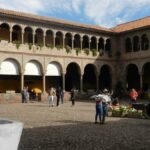
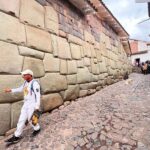
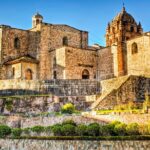
Then comes Koricancha (Qorikancha), the legendary Sun Temple of Qosqo. It’s famous for what used to cover it: gold. Even if you’re seeing it after centuries of change, the site still communicates the Incas’ emphasis on order, astronomy, and ceremony. If you’re the type who likes to connect architecture to meaning, you’ll enjoy this day.
Practical note: even if your energy feels fine, go easy. Day one is the day to let your body catch up.
Day 2: Sacsayhuamán, the Temple of the Moon, and the move toward Ollantaytambo
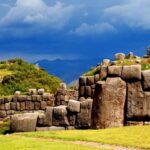
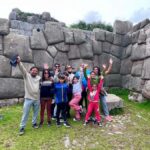
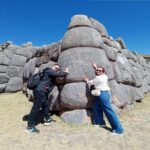
You start higher up at Sacsayhuamán, around 3,700 meters (12,139 feet). It’s one of those places where the stones make you stop talking. The walls are built from huge blocks, fitted with precision without mortar. From the overlook, you get panoramic views of Cusco while your guide explains ceremonial and military importance.
Next is the Temple of the Moon, carved into natural rock and connected to rituals honoring the Moon Goddess. The underground chambers and altars are the kind of details that make you realize this wasn’t just “cool architecture.” It was a spiritual system with physical form.
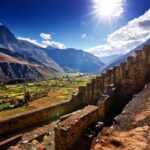
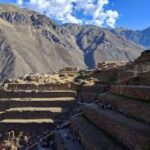
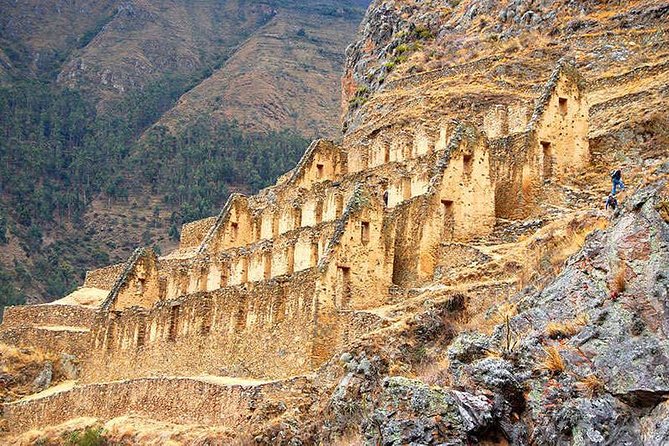
After midday, the day continues toward Ollantaytambo, a living Inca town. You’ll hear about its original streets, water canals, and the way the town still carries an Inca framework. This matters because Ollantaytambo isn’t just a stop. It’s the launching point for the Sacred Valley part of the trip—and for the train connection later.
Altitude check: Sacsayhuamán can make you feel light-headed. Slow down, sip water, and don’t treat the morning climb like a workout.
Day 3: Sunrise at Machu Picchu with a real guide (and optional peaks)
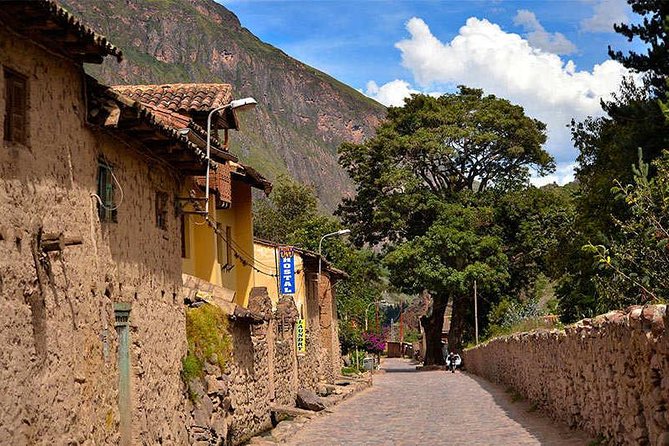
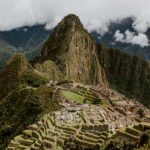
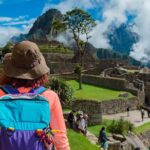
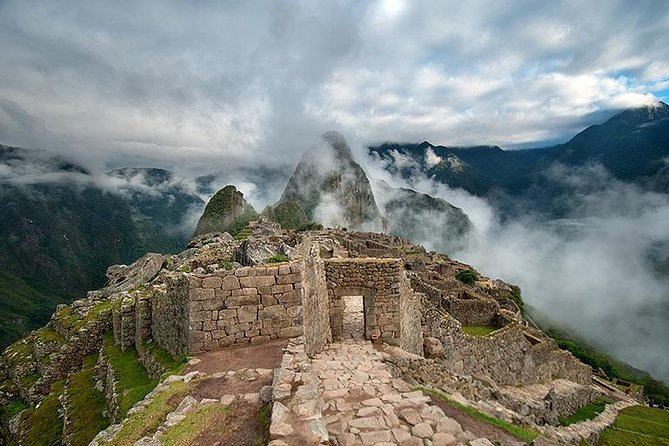
This is the centerpiece day. Breakfast comes first, then you ride early by bus to Machu Picchu, which sits around 2,430 meters (7,972 feet). Even though that’s lower than Cusco, you still feel the altitude in your body.
Once you enter, you get a guided tour that focuses on the parts you’ll want to find on your own later: temples, ceremonial areas, terraces, and storage structures. That guided layer is the difference between seeing random walls and understanding a functioning site designed for social, religious, and practical life.
If you bought an extra ticket ahead of time, you can also visit Huayna Picchu (2,720 meters / 8,924 feet) or Machu Picchu Mountain (3,082 meters / 10,111 feet). The point of those hikes is scale and perspective—how the citadel sits inside the surrounding ridges. Just remember: they are not included, and entry fees aren’t covered in the package.
After the guided tour, you head back to Aguas Calientes. This return is key for comfort. You avoid the “tour ends, and now everyone is stranded” feeling. You get time to regroup before the evening rhythms.
Pro tip: sunrise is worth it, but dress for it. Cool air can be real before the sun warms up the stone.
Getting to Aguas Calientes by train (and using the hot springs option)
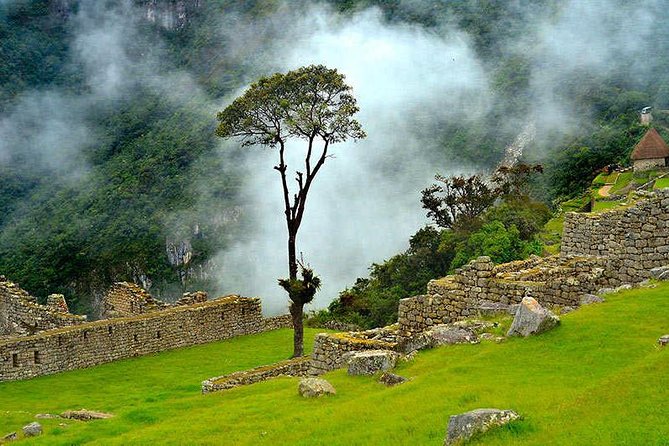
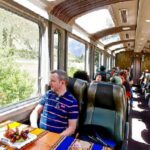
One of the more relaxing parts of this whole route is the rail segment. You travel by scenic train from Ollantaytambo to Aguas Calientes, and that ride acts like a buffer day between Cusco’s altitude and Machu Picchu’s early morning intensity.
The tour includes the Expedition or Executive train options. Either way, this is a “less stress” transport choice compared with long road time plus stop-and-start delays.
Aguas Calientes itself is where people want a little downtime. The highlights mention an optional dip in the hot springs. If you’ve got the energy, it’s a nice way to loosen up your legs after walking. If you’re tired, even just taking a slow evening walk helps.
Don’t expect this to be a quiet nature retreat. It’s a base town built for site access. But it does the job: get you fed, rested, and ready for the bus climb the next morning.
You can also read our reviews of more tours and experiences in Cusco
Sacred Valley day: Moray terraces, Maras salt pools, and Chinchero weaving
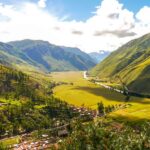
The Sacred Valley day is one long lesson in Inca experimentation and daily craft.
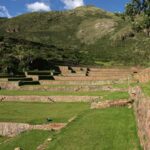
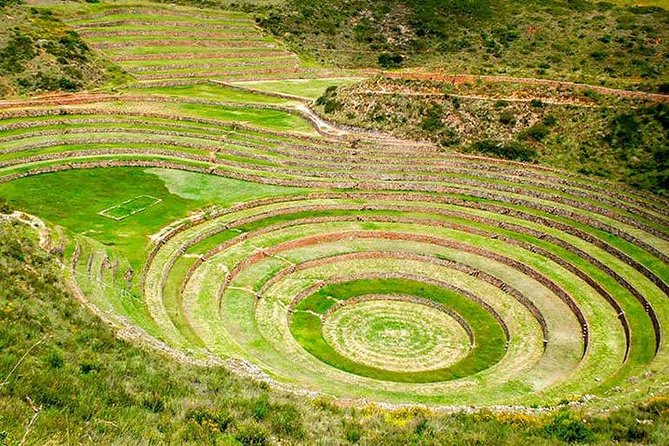
First stop: Moray (around 3,500 meters / 11,482 feet). Moray’s concentric terraces drop into the earth. They’re famous as an agricultural testing ground—an ancient way to experiment with crops using microclimates. Even if you don’t know the details, the design makes you feel the logic. People built a system to learn from environment.
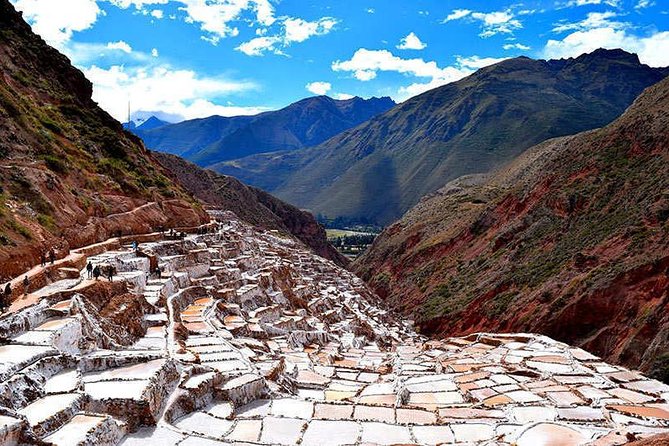
Next comes Maras Salt Mines (about 3,380 meters / 11,090 feet). You see thousands of white salt pools cascading down the mountainside. The visual punch is immediate: it looks almost too patterned to be real. Local families have harvested salt there for generations, and you’ll get that connection to living tradition rather than just a photo stop.
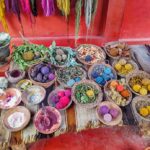
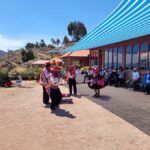
Then Chinchero (around 3,762 meters / 12,356 feet). This is where the tour shifts from food science and salt work to culture you can watch. You’ll see traditional Andean dyeing and weaving demonstrations. It’s not only about the final product. The process is the story—how colors are made and how textiles connect to identity.
If you want souvenirs that don’t feel random, this is where you can shop with context. You’re not buying a trinket out of a bag. You’re seeing how people create cloth, then deciding what to take home.
Day 4 and Day 5 rhythm: Cusco time you can actually control
After your Sacred Valley day, you get time to breathe in Cusco. That matters because Cusco is a place where you can feel boxed in if your schedule is too tight.
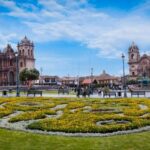
Day five is yours to enjoy at your pace. You can wander cobbled streets and plazas where Inca foundations show up under colonial facades. The joy here is simple: you stop, you look, you turn down a lane you didn’t plan.
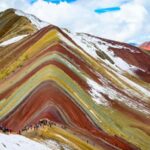
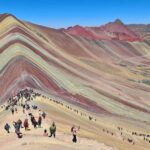
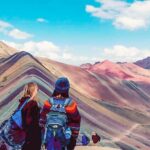
There are also optional add-on ideas mentioned for different travel moods. If you want altitude views and color drama, there’s Rainbow Mountain Trek to Vinicunca. If you prefer guided context, there are Cusco city tour options. Want motion and scenery? There are horseback rides through the hills near Sacsayhuamán. If you want off-road energy, there’s even an ATV option to Apukunaq Tianan, described as a hidden near-Cusco carving site.
Two practical points:
- If you add Rainbow Mountain, treat it as a serious altitude day, not a casual stroll.
- Keep one evening flexible. Cusco nights are good for wandering, not rushing.
Day 6: a short historical center walk and getting out smoothly
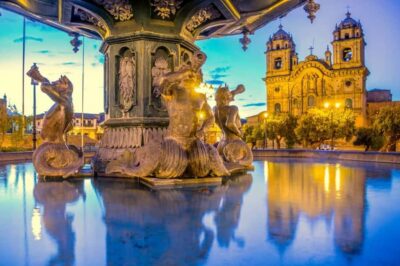
Your last day starts with a quick tour of Cusco’s historical center. You’ll pass San Blas, Cusco’s charming streets, San Pedro Market, and the Main Square area. This works as a wrap-up because it takes you through the parts you can also revisit later on your own.
The day ends with an airport transfer scheduled based on your flight time. That is exactly what you want on the last morning: no guessing, no last-minute scramble.
One more thing: if you’re walking a lot, bring blister care. Markets are great, but cobblestones and long distances can turn “just one more stop” into a foot problem.
Price and value: what $999 buys you in real terms
At $999 per person (double occupancy), this package is trying to solve a hard problem: getting you from Cusco to Machu Picchu with the right timing. The big cost drivers are the Machu Picchu access pieces—train, buses, entrance fees, and the private guided tour at the citadel—plus five nights of accommodations and a guide for the full trip.
You also get built-in structure:
- Pick-up and transfers
- Train to Aguas Calientes
- Round-trip bus service to Machu Picchu
- Guided time where it’s most valuable
- Five breakfasts
So you’re not just paying for sightseeing. You’re paying for reduced friction.
Group size stays small (max 15), and guide support seems to be a consistent strength. The names that show up with strong praise include Jonathan, Frankly, Guido, and Ernesto, and also Eddy Ninan, Justin, Edy, and Joel. People talk about smooth organization and patient pacing, which is what you want when you’re handling altitude and early starts.
Hotel tier details are stated as 5 nights of accommodation, with pricing based on double occupancy in a 2-star hotel category, and the inclusions describe 4 nights in a 3-star hotel. Either way, don’t book this expecting luxury rooms. Book it for what it truly delivers: guided access, included logistics, and the core sights done the right way.
Practical tips before you go (the stuff that actually saves your trip)
First, respect altitude. Cusco is around 3,400 meters, and you’ll be higher at Sacsayhuamán. Start slow, drink water, and plan for a slower first day.
Second, plan for early mornings. Day three is an early bus day for sunrise at Machu Picchu. The schedule rewards anyone who travels with a flexible attitude about sleep.
Third, pack for temperature swings. You can be cool in the morning and warm later, especially once sun hits stone surfaces.
Fourth, be smart about optional paid peaks and activities. Huayna Picchu has an entrance fee not included. Machu Picchu Mountain is mentioned as an optional extra with an advance ticket. If that matters to you, confirm timing and tickets early.
Finally, bring cash for small purchases. Even with tours and tickets handled, markets and crafts still work best with local payment flexibility.
Should you book this 6-day cultural tour?
You should book it if:
- You want a guided path that makes Machu Picchu easier to understand
- You prefer included transport and entrance fees over DIY planning
- You like small-group pacing (up to 15 people) and professional English-speaking guides
- You’re okay with early starts and altitude on a schedule that’s already set
You might skip it if:
- You want full freedom every day with no fixed timing for sunrise logistics
- You’re traveling solo and would rather find different hotel options (this is priced for double occupancy)
- You’re planning multiple paid peak hikes and want all of them included (Huayna Picchu is not)
If your main goal is a high-value first taste of Cusco, Machu Picchu, and the Sacred Valley with minimal stress, this is a strong match.
FAQ
What’s included in the tour price?
The package includes 5 nights of accommodations, all transportation and transfers, train to Aguas Calientes, round-trip buses to Machu Picchu, a private guided tour in Machu Picchu, an English-speaking tour guide during the whole trip, and five breakfasts.
How do I get to Machu Picchu?
You take morning buses to Machu Picchu and the tour includes round-trip buses to and from Aguas Calientes. Machu Picchu also has a guided tour as part of the package.
Are Huayna Picchu or Machu Picchu Mountain included?
Huayna Picchu entrance fees are not included. Machu Picchu Mountain is listed as an optional option if you secure the additional ticket in advance.
What’s the group size?
The tour has a maximum of 15 travelers.
Is pickup offered and do I get an airport transfer?
Pickup is offered. There’s also an airport transfer on arrival to your hotel, and an airport transfer scheduled according to your flight time on the last day.
Is the tour refundable or changeable if I cancel?
This experience is non-refundable and cannot be changed for any reason. If you cancel or ask for an amendment, the amount you paid will not be refunded.