REVIEW · HIKING & TREKKING
5 Day – Salkantay trek to Machu Picchu – Group Service
Book on Viator →Operated by Valencia Travel Agency S.a.c. · Bookable on Viator
Cold air, big peaks, Machu Picchu at sunrise. This is a 5-day group trek from the Cusco region that trades city time for high passes, cloud forest, and a dramatic guided sunrise visit to Machu Picchu. I especially like the full-service setup—pickup, transport, camp gear, meals, and guides handled—so you can focus on the hike and the views.
I also love the way the route moves through very different environments in a short time: snow-capped views near Humantay and Salkantay, then cooler cloud forest, and later a warmer jungle stretch with waterfalls and fruit plants. The small group size (up to 16) helps, and the team behind the trek is consistently praised for friendly, motivating support from guides such as Aldo, Victor, Ruben, Lenin, Oscar, and Claudio.
My only real caution is practical: camping days two and three can feel basic, and the trek includes a high pass around 15,200 ft (4,650 m) where snow is possible. If you’re not used to altitude and early mornings, this route can feel harder than the photos suggest.
In This Review
- Key points I’d plan around
- Salkantay to Machu Picchu: what this 5-day trek really feels like
- Price and logistics: what $650 includes (and what it doesn’t)
- Day 1: the Mollepata start and the Cruzpata mountain lunch
- Day 2: Huayracpunco pass at 4,650 m and the cloud forest descent
- Day 3: upper jungle trekking to La Playa, with hot springs as the reward
- Day 4: Llactapata fort views, then the long descent to Aguas Calientes
- Day 5: sunrise entry at Machu Picchu plus your guided 2-hour walkthrough
- Camp life, food, and who carries what
- Your guide team: why names keep showing up
- Practical tips: pack smarter for cold passes and long days
- Should you book this Salkantay group trek?
- FAQ
- What time does the trek pickup start?
- Are meals included, and do I pay for any food?
- How many nights do I sleep on the trek, and where?
- What’s the highest point on the route?
- How do I get back from Machu Picchu area to Ollantaytambo?
- Is sunrise at Machu Picchu included?
- Can I upgrade the train class?
Key points I’d plan around
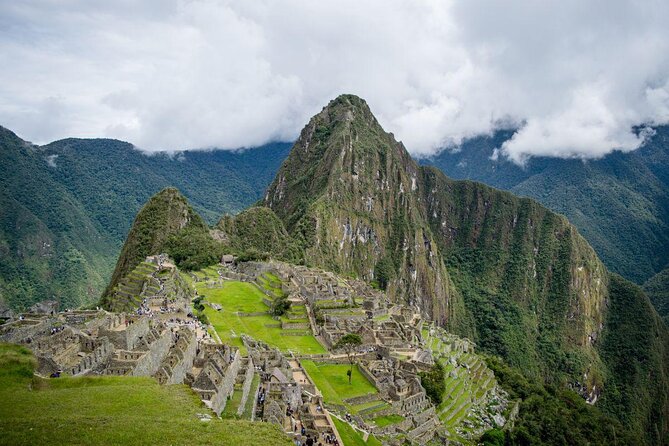
- Sunrise Machu Picchu day: You’ll wake early, ride up to the gates, and then get a guided walkthrough before your free exploring time.
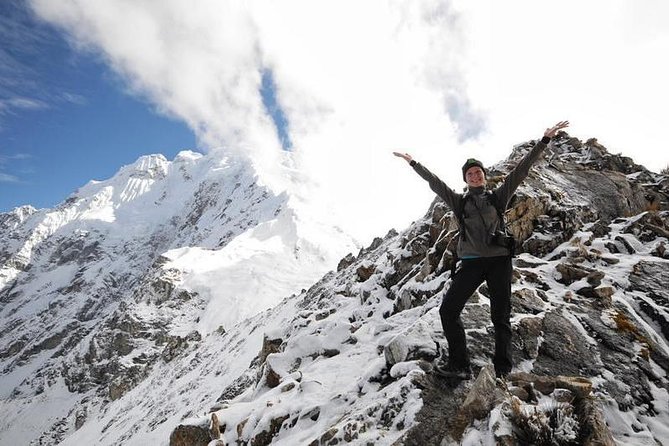
- High pass at Huayracpunco (4,650 m): Expect cold, and there’s a chance of snow at the top.
- Three nights camping + one night in Aguas Calientes: You’re camping for most of the trek, then switching to a 3-star superior stay near town.
- Food, tents, and camp logistics are handled: Dining tent, cook, mattresses, and camp setup mean less stress on trail days.
- Horsemen and mules manage heavy loads: You get a porter allowance for your personal items, while crew handles camping equipment.
- Optional extras if you want them: Hot springs in Aguas Calientes are optional, and you can upgrade train class to Vistadome for an added cost.
Salkantay to Machu Picchu: what this 5-day trek really feels like
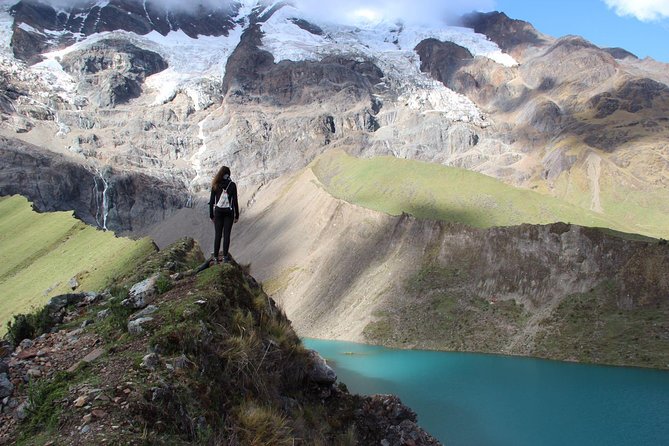
This is not a casual walk. It’s a classic Andes-to-Machu Picchu route built for people who like steady effort, early starts, and being rewarded by big scenery. You’ll trek through high passes, then drop down into cooler forest, then continue toward warmer jungle conditions before you finally reach Machu Picchu.
What makes this specific group format work is the structure. You’re not negotiating day-by-day logistics; you’re hiking, eating, and sleeping while the team runs transport, meals, and camp gear. That’s why the experience can feel “hard but smooth” instead of “hard and chaotic.”
If you’re the type who gets anxious when plans change, this is worth knowing up front: train times can shift depending on schedules and availability. The operator flags this, and it’s a normal reality for routes tied to Machu Picchu rail schedules.
You can also read our reviews of more hiking tours in Cusco
Price and logistics: what $650 includes (and what it doesn’t)
At $650 per person, you’re paying for a full package with the expensive parts already bundled: guiding, transport, entrance fees, camping setup, and a tourist train back to Ollantaytambo. You’re also getting a real chunk of meals—four days of lunch/dinner/breakfast plus snacks—so you’re not constantly buying food on the trail.
Here’s what you should budget for separately:
- Flights (international/domestic) and travel insurance are not included.
- Breakfast on day 1 isn’t included, and dinner and lunch in Aguas Calientes are not included.
- Huayna Picchu tickets are not included.
- If you need a single room, there’s a single supplement of $112.
- Optional costs: hot springs entrance in Aguas Calientes is 10 soles.
Also note the value of the equipment. You’re provided with sleeping mattresses and tents (4-person tents, typically for two people per tent setup). That means you’re bringing the right personal items instead of trying to solve the camp comfort problem yourself.
Day 1: the Mollepata start and the Cruzpata mountain lunch
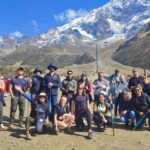
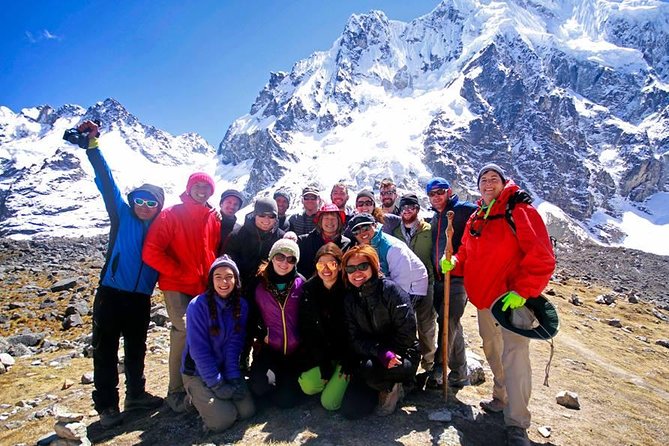
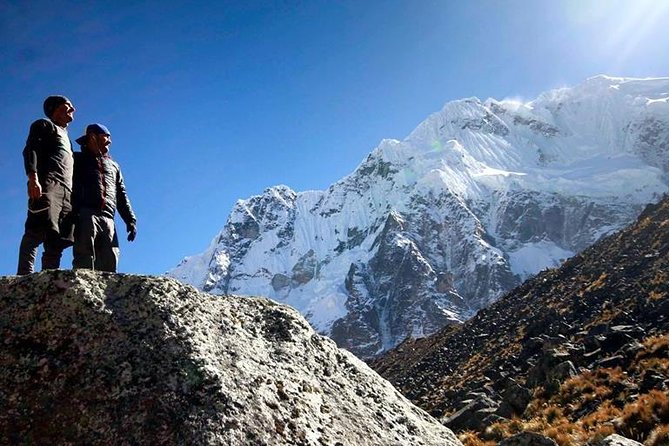
Your day begins very early: you’re picked up at 5:00 am and ride by bus to Mollepata. After that drive, the trek kicks off with a hike to Cruzpata, where you stop for lunch with panoramic views of Humantay (4,120 m / 13,500 ft) and Salkantay (6,271 m / 20,575 ft).
This first day is a good one to treat as pacing practice. It’s long enough to get your heart rate up, but it’s also structured with a lunch stop and a clear move toward your first campsite. You’ll also make a stop at a medical clinic in Cusco before the trek continues toward Soraypampa, the first campsite.
The hike time listed for this day is about 3 hours for the Cruzpata section plus additional walking as you head to Soraypampa. Don’t overthink it: you’re learning how the group moves while you get those first high-altitude views.
Practical drawback to expect: early mornings mean you should sleep well the night before. And since breakfast on day 1 isn’t included, plan to eat something before your pickup time.
Day 2: Huayracpunco pass at 4,650 m and the cloud forest descent
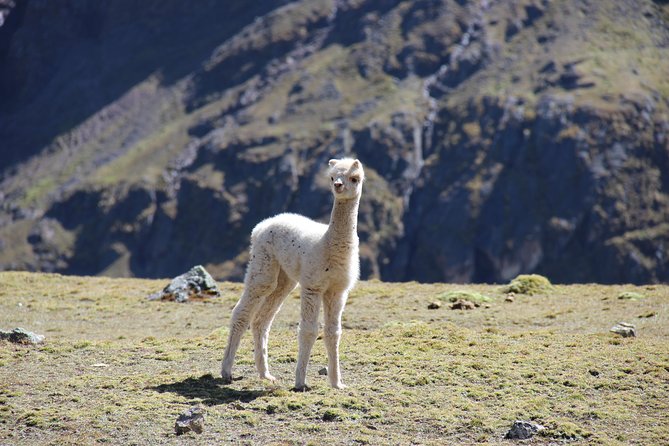
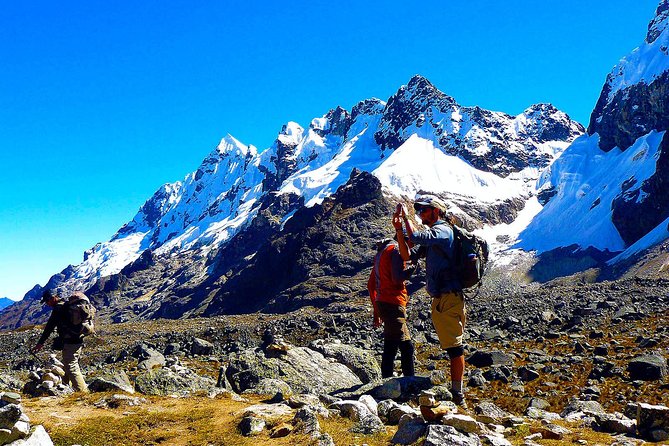
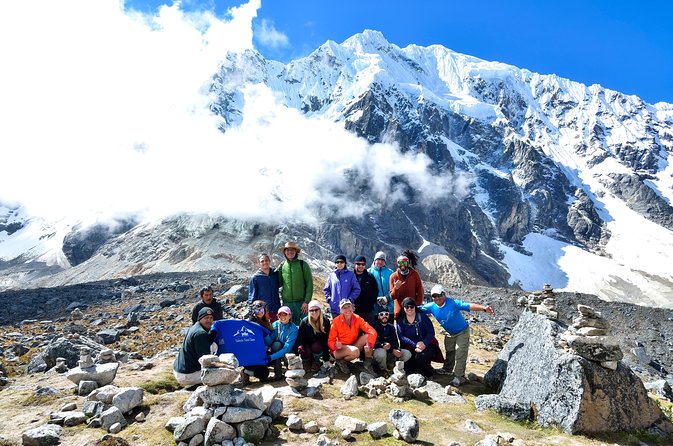
Day two is the altitude day. After breakfast around 5:30 am, you hike toward the highest pass on this trek: 4,650 m / 15,200 ft, located halfway between Salkantay and Tucarhuay. This is where cold can become real cold, and the itinerary notes snow is possible at the pass.
The payoff is the view. After resting at the top, you continue downhill through a dramatic cloud forest. That’s a big change from day one, and it’s not just scenic—it’s a shift in how the air feels and how your legs manage the terrain.
Lunch lands at Huayracpunku. Then you hike onward toward a second campsite in the Colcapampa area at about 3,000 m (9,800 ft). Depending on your group’s pace, you might reach other camps such as Challway or Andenes, so don’t treat the exact campsite name as something you can count on.
Total hiking time is substantial (about 7 hours on the pass-and-descent segment, plus roughly 3 hours after lunch). This is why your packing and clothing choices matter: you’ll want warm layers for the pass, then breathable layers for the descent.
Day 3: upper jungle trekking to La Playa, with hot springs as the reward
On day three, the trek shifts into a warmer zone. You start at 6:30 am after breakfast and head through the upper jungle, crossing the Lluskamayo River via smaller brooks and creeks. This is where you’ll start noticing a different rhythm: it’s still hiking hard, but the scenery is greener and the trail feels less like pure high-altitude rock.
You’ll pass valleys with views of waterfalls and plants, and the itinerary even points out tropical fruits and vegetation you may see along the way. Camp is set in the warmth at La Playa (2,500 m / 8,202 ft).
After rest, you can go to the hot springs in the area (optional). It’s a common kind of finish for day three: hot water after several days of altitude and cold wind does wonders for the legs.
One thing to keep in mind: the hot springs are optional, so if you’re tired, you don’t have to push through. If you do go, you’ll enjoy that classic trek feeling—done hiking for the day, then your body finally catches up.
You can also read our reviews of more tours and experiences in Cusco
Day 4: Llactapata fort views, then the long descent to Aguas Calientes
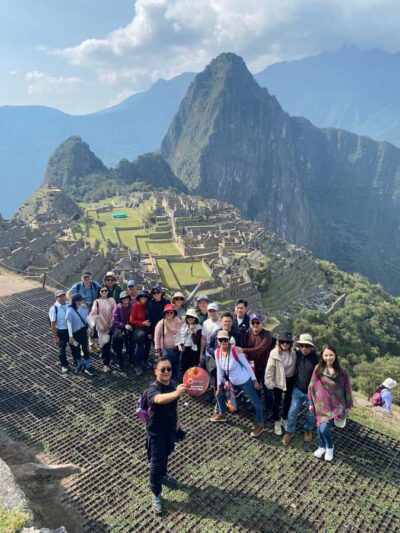
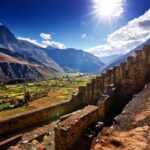
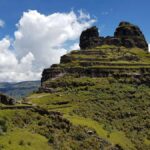
Day four starts with breakfast around 6:30 am, then a steady climb to Llactapata, about 3 hours. Llactapata is described as an Incan fort, and the big reason to care is the view: you can see Machu Picchu from there.
This is a great moment for photos, but it’s also a moment to recalibrate. You’ve been climbing and descending through different ecosystems; now you’re closing in on the destination with a view that feels like a preview trailer.
After Llactapata, you hike downhill for about 2 hours to the hydroelectric dam for lunch. Then you continue on, passing plantations associated with crops like coca and bananas, until you reach Aguas Calientes where you’ll spend the night.
A key note: there are time blocks here that can feel long because of the downhills and the final approach into town. Still, you’re rewarded with the transition from camping to a more comfortable place to sleep.
If you want the hot springs in Aguas Calientes, it’s optional and listed at 10 soles.
Day 5: sunrise entry at Machu Picchu plus your guided 2-hour walkthrough
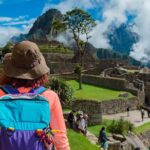
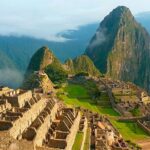
Your final day is built around an early start. Your guide picks you up from your hotel at 5:40 am, then you take the short bus ride to the gates of Machu Picchu for sunrise. Once you enter, you’ll get a guided walking tour of the citadel complex for about 2 hours.
This timing matters. Sunrise isn’t just for the Instagram crowd; it’s also often when the site feels most alive and least crowded. After the guided portion, you’ll have free time to explore at your own pace, which is when you can slow down, go back to structures that caught your attention, and spend time lingering.
Day five is the “you came for this” day. Everything earlier—the cold pass, the cloud forest, the hot springs stop—turns into context while you’re walking the stone paths in the early light.
Camp life, food, and who carries what
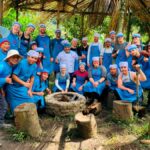
This trek runs on a camp system. You’ll have a dining tent with tables and chairs, plus a cook and organized meal times. You’re provided with 4-man tents designed for two people per tent setup, along with sleeping mattresses. The practical value here is simple: you’re not trying to sleep directly on the ground while also doing a serious multi-day hike.
You also get support for gear weight. The trek includes horsemen and mules to carry camping equipment and about 8 kilos of tourists’ belongings. In addition, the package lists a 7 kg personal porter allowance. Either way, you’ll still carry your day pack, but you won’t be hauling everything like a self-supported trek.
Meals are a big deal here too. The itinerary emphasizes four days of meals and snacks, and the included list specifies breakfasts, lunches, and dinners across the trek. Still, remember the small gaps: day one breakfast isn’t included, and some meals in Aguas Calientes aren’t included either.
One more safety detail that’s easy to overlook until you’re on a remote trail: the trip includes extra oxygen and a first-aid kit. It doesn’t erase altitude risk, but it does suggest the operation plans for emergencies rather than hoping for the best.
Your guide team: why names keep showing up
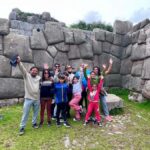
What you really feel on a trek like this is team energy. The strongest common thread in feedback is that guides (including Aldo, Victor, Ruben, Lenin, Oscar, and Claudio) help people stay calm when the climb gets steep and motivation drains.
In plain terms, you want three things from your guide:
- clear directions so you don’t waste energy guessing,
- pacing advice so you don’t blow yourself up on the pass,
- and local context so the hike feels like more than miles on a map.
Guides in this group are also described as supportive and friendly, with strong communication in English and a focus on group care. When you’re tired and altitude is working on you, those small moments—someone checking in, someone adjusting the plan to your group—matter more than you’d expect.
Practical tips: pack smarter for cold passes and long days
If you’re considering this trek, plan your gear around the reality that temperatures can swing hard. The pass day hits around 4,650 m, and snow is possible. That means layers are key: warm top layers, a way to block wind, and something comfortable for the downhill.
A few other smart moves:
- Wear hiking boots or trail shoes you trust. You’ll do a lot of downhills, plus rocky stretches.
- Keep your day pack light. Even with mules and a porter allowance, your legs will thank you.
- Bring cash for small extras. Hot springs entrance in Aguas Calientes is listed, and you may want snacks or drinks at your own pace.
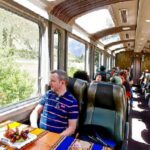
- If train comfort matters to you, the option to upgrade to Vistadome exists for an additional cost (you need to arrange it in advance).
- Confirm your vegetarian preference at booking if you need it. A vegetarian option is available.
Also, remember the group start time is early. Build your trip schedule around that: you’ll want an early night in Cusco so day one doesn’t start with you already behind.
Should you book this Salkantay group trek?
If you want a structured Salkantay-to-Machu Picchu trek with camping gear handled, meals largely included, and a guided sunrise Machu Picchu visit, this is a strong match. The $650 price makes sense when you compare what’s included: guide team, entry fees, transport, camp setup, and the train back from the Machu Picchu area to Ollantaytambo.
You should think twice if you’re chasing maximum comfort. Camping sites on days two and three may not match the comfort level you expect, and the high pass is not a gentle stroll. If your priority is soft beds every night, or you’re not comfortable hiking at altitude, you’ll likely feel frustrated rather than thrilled.
One final check before you commit: if Machu Picchu tickets for Huayna Picchu matter to you, plan for that cost separately, since they’re not included. And if you’re traveling solo and need your own room, factor in the single supplement.
FAQ
What time does the trek pickup start?
Pickup is at 5:00 am.
Are meals included, and do I pay for any food?
The package includes meals and snacks for four days. Breakfast on day 1 is not included, and dinner and lunch in Aguas Calientes are not included.
How many nights do I sleep on the trek, and where?
You’ll have three nights of camping and one night of accommodation in Aguas Calientes (a 3-star superior category).
What’s the highest point on the route?
The highest pass is listed at 4,650 m / 15,200 ft, and snow is possible there.
How do I get back from Machu Picchu area to Ollantaytambo?
You take a tourist train back to Ollantaytambo, and bus transport is included from the Cusco area to the start of the trail.
Is sunrise at Machu Picchu included?
Yes. On day 5, you’re picked up at 5:40 am to go to the gates of Machu Picchu for sunrise.
Can I upgrade the train class?
Yes. Train times can change, and if organized in advance, the train can be upgraded to Vistadome for an additional cost.