REVIEW · URUBAMBA
4 days/3 nights: Inka Jungle Trek to Machu Picchu
Book on GetYourGuide →Operated by Libertrek Peru Travel Agency · Bookable on GetYourGuide
Some trips to Machu Picchu feel like a straight line. This one starts with biking descent and ends with sunrise access to the Inca city.
You get a full mix of movement—mountain roads, a long river hike on an Inca path segment, and time relaxing in the Cocalmayo hot springs—all tied together by a guided plan and meals.
One thing to keep in mind: the rafting day can be canceled if the river is too high in the Jan 1–Mar 31 window, and there’s no refund if that happens.
In This Review
- Key things to know before you go
- Cusco to Machu Picchu, but With Real Inca Jungle Days in Between
- Day 1: Cusco to Abra Málaga to Santa María—Bike Descent and Optional River Time
- Day 2: Urubamba Walk on a Preserved Inca Road, Then Cocalmayo Hot Springs
- A practical tip for day two
- Day 3: Zip Line Optional, Hidroeléctrica Lunch, and the Train-Track Walk to Aguas Calientes
- Day 4: Sunrise at Machu Picchu, Guided Highlights, Then Back to Cusco
- How Hard Is It, Really? Train-Track Hours and Pack Weight Matter
- Rafting and Zip Line: Fun Add-Ons With Real Risk Planning
- Small Group Size, English/Spanish Guidance, and Meals That Keep You Moving
- Price and Logistics: Is $420 Good Value?
- Optional Machu Picchu Add-Ons: Wayna Picchu and the Bus
- What to Pack (So You Don’t Hate Day Two)
- Who Should Choose the Inka Jungle Trek?
- Should You Book This Inka Jungle Trek?
- FAQ
- How long is the Inka Jungle Trek to Machu Picchu?
- Where does the trek start and end?
- What activities are included besides hiking?
- Is the rafting always guaranteed?
- Are hot springs included?
- What’s included for Machu Picchu?
- Can I add Wayna Picchu?
- What is optional about getting around Machu Picchu?
- What language are the guides?
Key things to know before you go
- A 6:30AM Cusco pickup sets the tone fast, then you drop into the adventure with a long bike descent
- Ancient Inca road walking on day two, with birds and local medicinal plants along the way
- Cocalmayo hot springs are part of the core route (entry isn’t included)
- Rafting is weather-dependent in a specific season window, and replacement isn’t guaranteed
- Sunrise at Machu Picchu is built into the day four schedule, followed by a guided site circuit
Cusco to Machu Picchu, but With Real Inca Jungle Days in Between
If your main goal is Machu Picchu, this trek makes you earn it in the best way. You’re not just transferring from one viewpoint to another—you’re moving through the same kind of terrain the Incas and locals worked with: steep valleys, forested stretches, river crossings, and mountain air that changes by the hour.
The value here is the combination. You’re paying for guided logistics plus multiple activities that would be a hassle to stitch together yourself: cycling, long hikes, optional zip lining, hot springs, and then trains and buses to reach Cusco at the end. And the group is kept small (up to 15), which helps you stay organized on busy days.
Just don’t treat this like an easy stroll to Machu Picchu. Day three and day four ask for steady legs, and you’ll want to pack smart.
You can also read our reviews of more hiking tours in Urubamba
Day 1: Cusco to Abra Málaga to Santa María—Bike Descent and Optional River Time
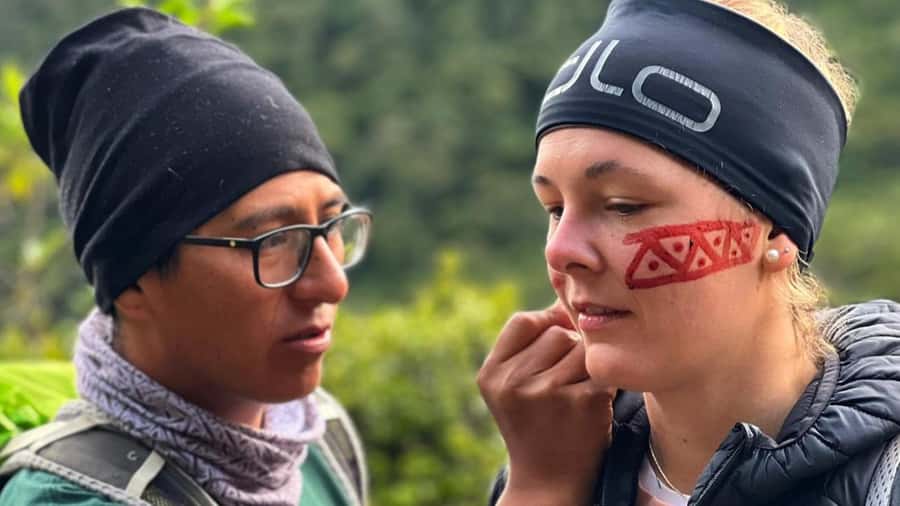
Your day starts early: a private transport picks you up from your Cusco hotel at 06:30. Then it’s about a four-hour drive through the Málaga pass to San Luis, where the adventure portion kicks in.
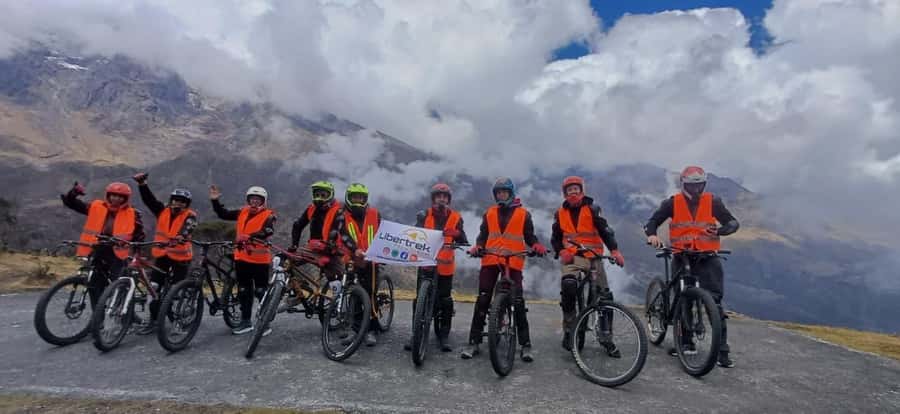
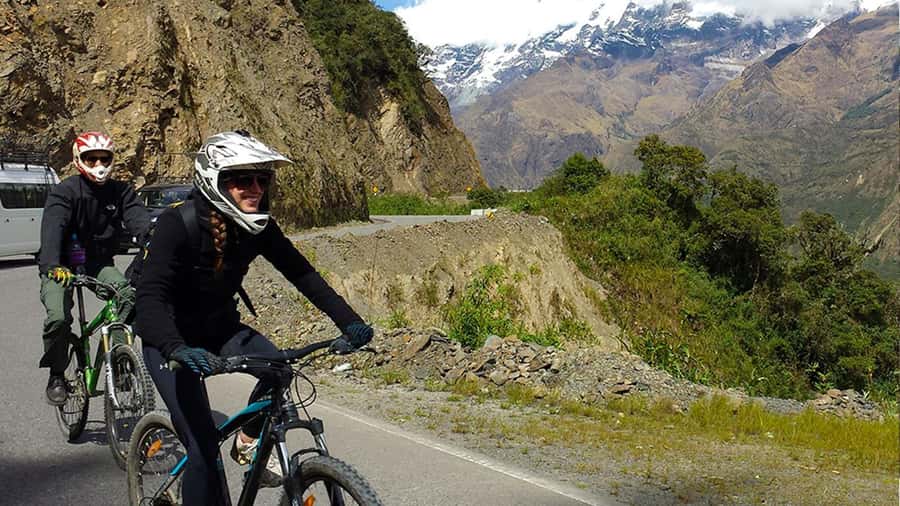
After that, you do a 3 to 4 hour descent by bicycle down toward Santa María. This is one of the defining moments of the whole route, because you’re watching the terrain shift while you move—mountain air and switchback angles turning into greener river-valley conditions. It’s also the kind of activity where the guide’s pacing matters: you want steady control, not a race.
A key archaeological stop happens along the route: you’ll get a chance to appreciate the archaeological center of Huamanmarca. Even when time is tight, these short look-ins are worth it because they remind you this isn’t just a jungle trek—it’s an Inca region trek.
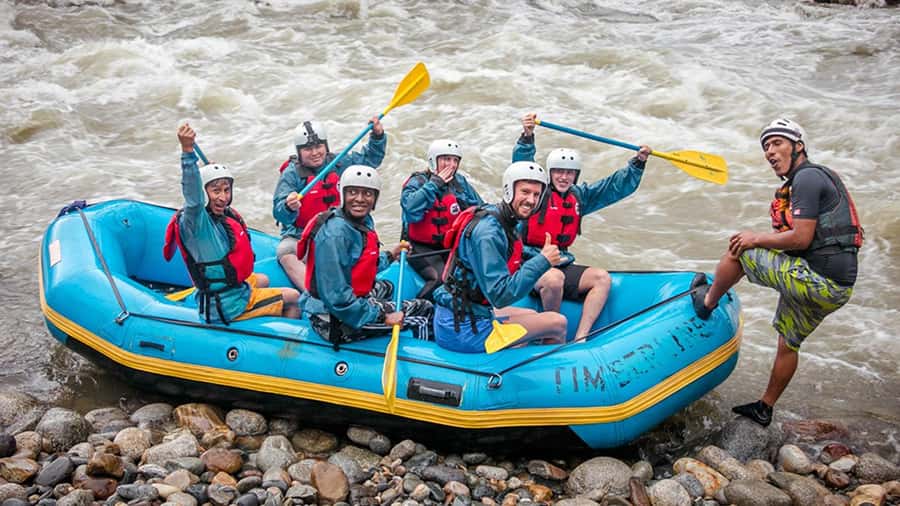
In the afternoon, there’s an optional rafting session on the river. The tour notes it as Urubamba/nearby Vilcanota rafting, with rapids between Class III and IV. It’s scheduled around 15:00, but—and this matters—rafting is only guaranteed weather-wise between Jan 1 and Mar 31. If the river is high on your rafting day, rafting will not take place and you won’t get a refund.
You end day one with a night hostel stay in Santa María.
Day 2: Urubamba Walk on a Preserved Inca Road, Then Cocalmayo Hot Springs
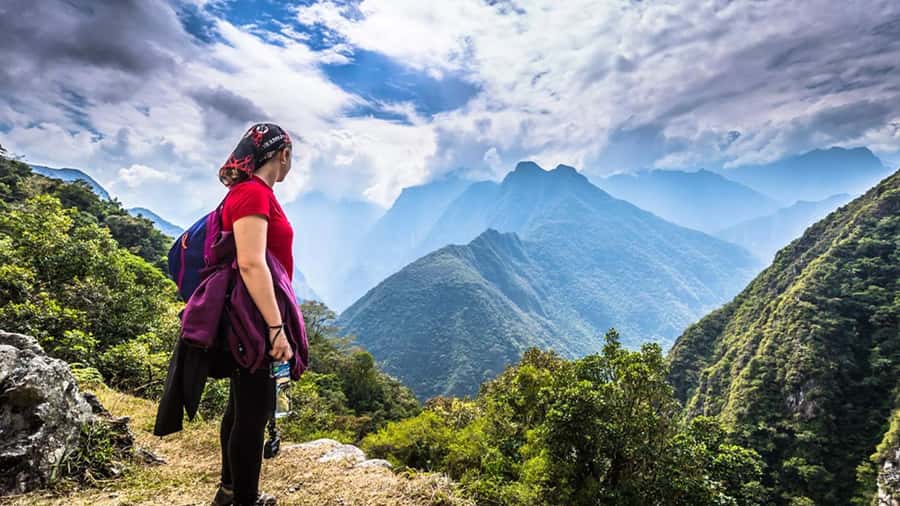
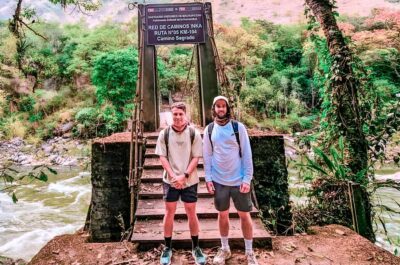
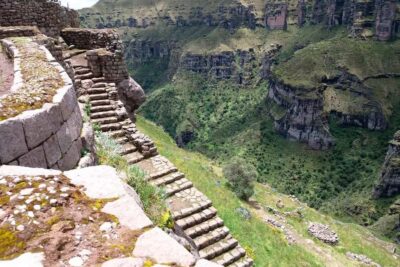
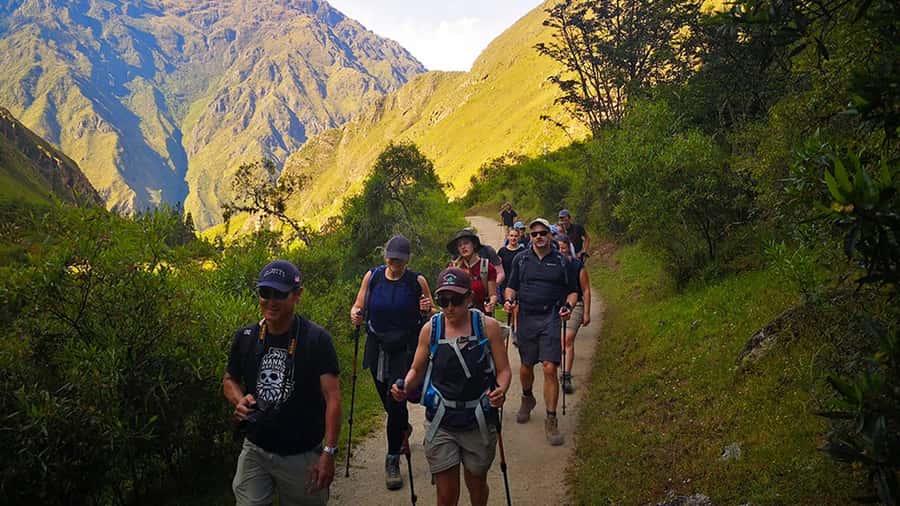
Day two is your long walking day. After an early breakfast, you hike about 7 to 8 hours along the Urubamba River with repeated ascents and descents. The special part is that you’re walking along part of an ancient Inca road segment that’s described as perfectly preserved.
This is where the trek starts feeling more like an archaeological walk than a theme-park jungle day. You’ll also observe fruit and medicinal plants used by locals, plus wildlife and birdlife (including parrots). The point isn’t to memorize species; it’s to notice the everyday connection between people and the land.
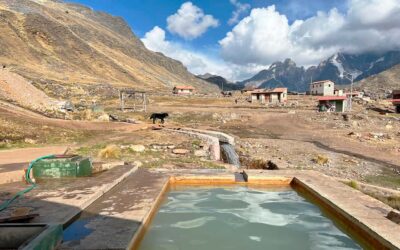
At some stage in the day, you cross the Urubamba River through Oroya, and then continue onward to Cocalmayo hot springs in Santa Teresa. The hot spring entrance itself isn’t included, so budget for it if you want to fully enjoy that stop.
You finish the day with a night in Santa Teresa.
A practical tip for day two
Bring insect repellent and expect wet ground. Even when conditions look calm, river valleys tend to be humid, and bugs treat you like a welcome buffet. You’ll be grateful you brought sunscreen and long hiking pants too.
Day 3: Zip Line Optional, Hidroeléctrica Lunch, and the Train-Track Walk to Aguas Calientes
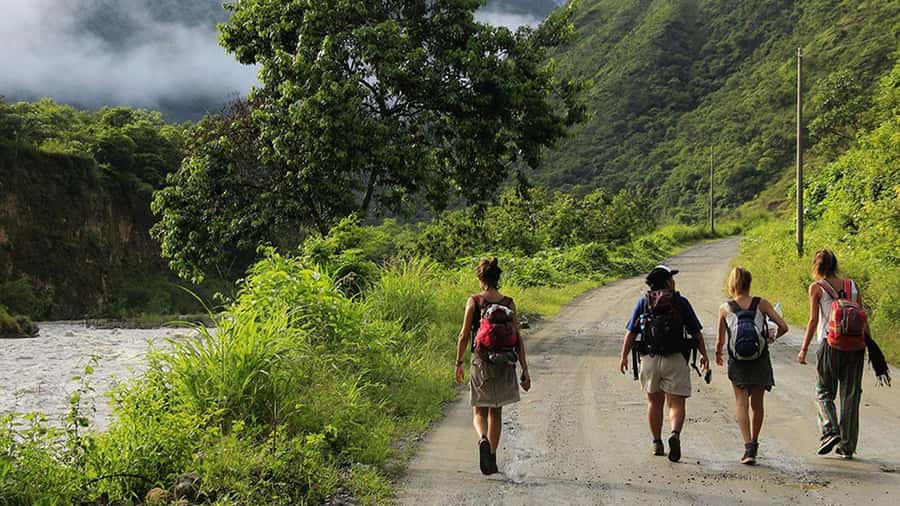
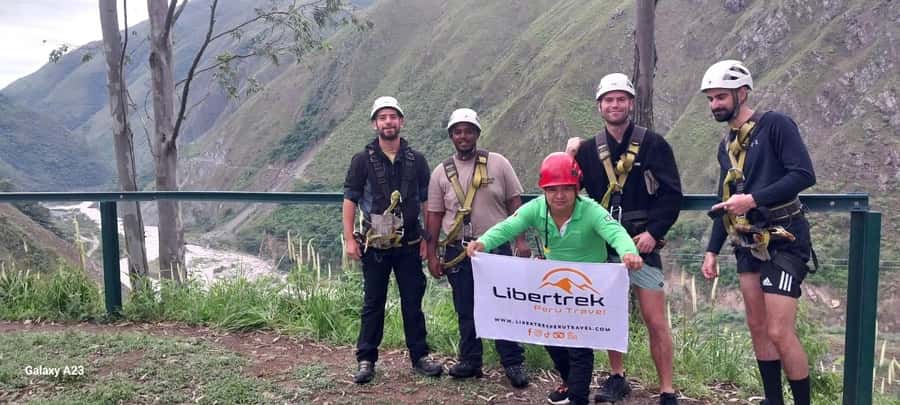
Day three gives you a choice. In the morning, you can do the zip line at Cola de Mono. It’s listed as part of the experience, but optional—so you can stay focused on hiking if you prefer.
After breakfast, you start walking toward Hidroeléctrica. The route includes a narrow canyon, and the tour notes that the climate feels pleasant there. That’s a welcome shift, because the canyon can break up the heat and expose you to cooler air pockets.
At Hidroeléctrica, you’ll have lunch, then continue onward along the train tracks for about three hours to reach Aguas Calientes.
This is a strange-but-excellent stretch of the day: you’re not in a jungle hurry anymore, but you’re still not at Machu Picchu. Walking those tracks helps you time your arrival. It also gives your body a steady rhythm after the morning activity—use it well.
That night is in a hotel in Aguas Calientes.
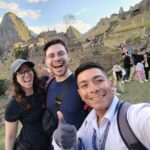
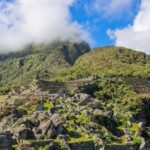
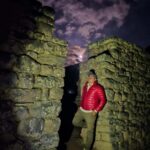
Day 4: Sunrise at Machu Picchu, Guided Highlights, Then Back to Cusco
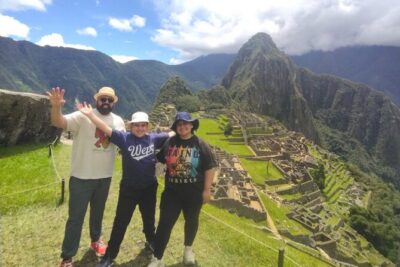
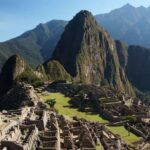
Day four is the payoff. After breakfast, you walk from Aguas Calientes up to Machu Picchu, which gives you a strong chance to be among the first groups for a sunrise visit.
The guided tour focuses on key sites, including:
- Inti Watana
- Temple of the Condor
- Sacred rock
…and other important areas as time allows.
A sunrise entry does two things for you. First, it reduces how hard you have to fight crowds for good viewing angles. Second, the light makes the stone surfaces feel different—less harsh, more textured. Even if you’ve seen photos, being there in early morning air changes how you read the site.
After the Machu Picchu visit, you head back to Aguas Calientes in time for the tourist train. The train goes from Machu Picchu town to Ollantaytambo, and then a tourist bus takes you back to Cusco.
How Hard Is It, Really? Train-Track Hours and Pack Weight Matter
This trek mixes steep moments with long walking blocks. Day two (7 to 8 hours) is the stamina test, but day three and day four also require steady effort.
One thing I’d be proactive about: pack size. Some people find that heavy backpacks turn a long hike into a knee-bothering grind. If you can, follow a simple plan: keep your daily carry light, and make sure you’re not lugging extra weight you don’t need on the walking days. If anything is unclear in the briefing, ask early—don’t wait until your legs are already tired.
Also consider how you handle minor injuries. Cell service is not guaranteed in remote valleys, and help can take time. You’re given a first aid kit with the group, which is good, but it doesn’t replace the need to hike carefully and know your limits.
Rafting and Zip Line: Fun Add-Ons With Real Risk Planning
The rafting option is the highest-impact activity on the route, with rapids rated between Class III and IV. It’s included, but it’s also weather/river-level dependent in the Jan 1–Mar 31 window. If the river is high the day of your activity, rafting won’t run and there is no refund.
That’s not a reason to skip the trek—it’s a reason to go in with the right expectations:
- If you’re traveling in peak river season for high water risk, consider what you’ll do mentally if rafting is canceled.
- Keep expectations flexible. The rest of the route still has plenty of moving parts.
The zip line on day three (Cola de Mono) is optional. That’s a good structure for people who want the adrenaline without forcing it on everyone.
Small Group Size, English/Spanish Guidance, and Meals That Keep You Moving
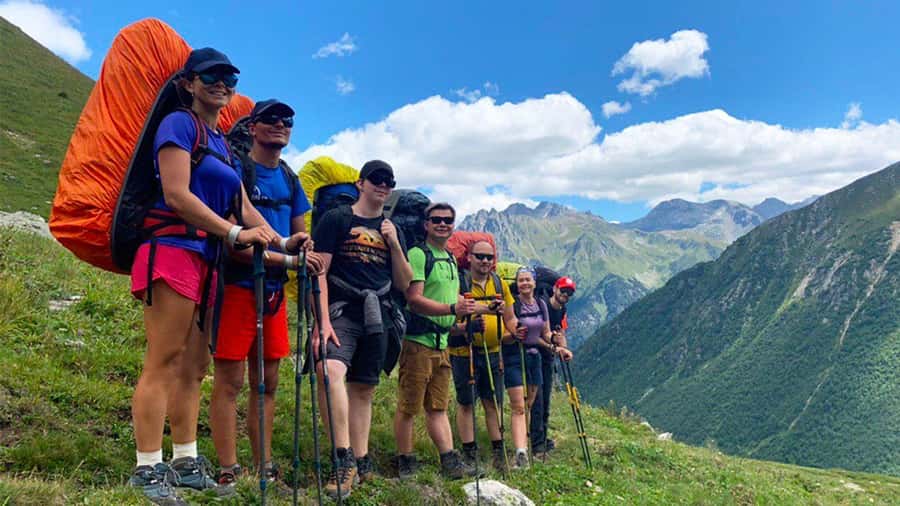
The tour runs with a small group size (limited to 15 participants). That matters when you’re hiking all day: you can spread out, the guide can keep an eye on everyone, and you’re less likely to feel like a number in a line.
Your guide is described as an official adventure-qualified tour guide, and the languages offered are English and Spanish. In at least some departures, guides such as Gustavo Candia have been singled out for strong communication and attention. Even when a guide style can vary, the key point is that you’re not doing a self-guided trek.
Food is included across the days: you have 3 breakfasts, 3 lunches, and 3 dinners listed as part of the Inka Jungle meals package. The tour also specifies what’s not included: breakfast on day one and lunch in Aguas Calientes. So you’ll want to plan for those gaps—carry a small amount of cash, and don’t assume every meal is provided every single day.
You also get accommodation each night as part of the package (hostel-style in Santa María and Santa Teresa, then a hotel in Aguas Calientes per the schedule).
Price and Logistics: Is $420 Good Value?
For a four-day experience, $420 per person can be a very reasonable deal, if you price it like a bundle instead of a single hike. Here’s what you’re getting that’s often hard to coordinate on your own:
- Private transportation segments from Cusco to the start area
- An adventure-qualified guide
- Machu Picchu entrance
- Train transport from Aguas Calientes to Ollantaytambo
- Tourist bus back to Cusco
- Multiple activities (biking, optional rafting, optional zip line)
- Meals and nightly accommodation
The potential value hit comes from the rafting weather rule. If you’re in the Jan 1–Mar 31 period and the river is high, rafting cancels and there’s no refund. For the majority of the experience, though, you’ll still be doing the core trek, including the sunrise Machu Picchu day.
Also note what’s not included: hot spring entry at Santa Teresa, Wayna Picchu (optional), and the Machu Picchu bus tickets up and down (optional). Those extras can change the final cost, so I’d treat them as add-ons you decide after you see your Machu Picchu ticket situation and your energy level.
Optional Machu Picchu Add-Ons: Wayna Picchu and the Bus
On day four, you focus on the main Machu Picchu circuit with a guided explanation of major points. If you want more steps and views, Wayna Picchu is an optional add-on listed at USD 65 (not included).
The schedule also references bus tickets up and down to Machu Picchu as USD 24 optional. If you don’t want to hike the steep sections twice, the bus can be worth it. If you’re happy walking and want the simplest day-to-day plan, you may skip it.
Your entry timing is built to help you get into Machu Picchu early for sunrise, which is one reason this trek feels special compared to a basic day trip.
What to Pack (So You Don’t Hate Day Two)
Here’s your practical gear list, straight from what you’ll be expected to bring:
- Passport
- Comfortable shoes and hiking shoes
- Sunscreen, hat, sunglasses
- Insect repellent
- Swimwear and towel (for hot springs)
- Camera
- Hiking pants and comfortable clothes
- Small cash amount for non-included items
- Personal medication
If you’re the type who overpacks, use this as a checklist to force discipline. Your legs will thank you.
Who Should Choose the Inka Jungle Trek?
This trek is a strong fit if you want:
- A non-standard route to Machu Picchu that includes biking and long walks
- An adventure guide and small-group pace
- A trip where nature, not just monuments, fills your days
- The chance to add optional zip lining and possibly rafting
It’s less ideal if you’re very sensitive to physical effort, want guaranteed rafting no matter what, or dislike carrying any backpack weight for long periods.
Should You Book This Inka Jungle Trek?
I’d book it if your dream Machu Picchu day includes the climb from Aguas Calientes at sunrise, plus several full action days getting there. The mix of bike descent, preserved Inca road walking, hot springs time, and then the guided Machu Picchu highlights makes the price feel like a real package deal.
I’d pause before booking only if rafting is the main reason you’re interested and you’re traveling in the Jan 1–Mar 31 window where high water can cancel it with no refund. If you’re flexible, though, day two and day four alone are enough to justify choosing this route.
FAQ
How long is the Inka Jungle Trek to Machu Picchu?
It runs 4 days / 3 nights.
Where does the trek start and end?
It starts in the Cusco area and ends back in Cusco after your train and bus ride from Machu Picchu town to Ollantaytambo and then to Cusco.
What activities are included besides hiking?
You’ll bike on day one, and you can also do optional activities such as zip line on day three. Rafting is included on day one but depends on river conditions.
Is the rafting always guaranteed?
No. Rafting is subject to weather conditions between January 1st and March 31st. If the river is too high on your rafting day, the activity won’t take place and there is no refund.
Are hot springs included?
Hot springs entry for Santa Teresa is not included, even though Cocalmayo hot springs are part of the plan.
What’s included for Machu Picchu?
You get Machu Picchu entrance, a guided tour of major sites, and train transport from Aguas Calientes to Ollantaytambo with onward bus transfer to Cusco.
Can I add Wayna Picchu?
Yes. Wayna Picchu is optional and costs USD 65 (not included).
What is optional about getting around Machu Picchu?
Bus tickets up and down to Machu Picchu are optional and cost USD 24 (not included).
What language are the guides?
The live tour guide offers English and Spanish.