REVIEW · PISAC
San Pedro Wachuma Ceremony in Cusco – Espiritual Tour
Book on GetYourGuide →Operated by Andean Ceremonies Perú · Bookable on GetYourGuide
A night in the Sacred Valley hits different. This San Pedro Wachuma experience in Taray trades the usual Cusco crowds for a quiet forest home and a ceremony guided through shamanic techniques, music, and meditation. It’s set up to help you connect with nature and yourself, with healing and “transmutation” framed as the point of the night.
I love how practical it feels for something so spiritual: a warm place to rest afterward at Killary ILLari Home, and blankets plus an all-night fire until around midnight to keep you comfortable as the temperature drops. One thing to think through first is whether a late-night ceremony with restricted movement and strong atmosphere works for you, since it’s not suitable for people with claustrophobia, recent surgeries, motion sickness, or mobility limitations.
In This Review
- Key things that make this San Pedro Wachuma experience work
- San Pedro Wachuma in Taray: why the forest setting matters
- Cusco pickup and the late-afternoon start (what the timing really means)
- Killary ILLari Home: what you’re doing before you start the medicine
- The San Pedro Wachuma ceremony: guidance, the medicine, and the big fire
- Cleansing work (earth, fire, air, water) and what to expect from the night
- Breakfast and rest: why the next morning matters
- Price and value: is $385 worth it?
- Who this is for (and who should skip it)
- What to bring (simple items that actually help)
- Should you book this San Pedro Wachuma ceremony?
- FAQ
- Where is this San Pedro Wachuma ceremony held?
- What time does the experience start and when do I return to Cusco?
- Is hotel pickup and drop-off included, and where do I get picked up?
- Is the group private?
- What’s included besides the ceremony and Wachuma drink?
- What languages are available?
- Who is this experience not suitable for?
Key things that make this San Pedro Wachuma experience work
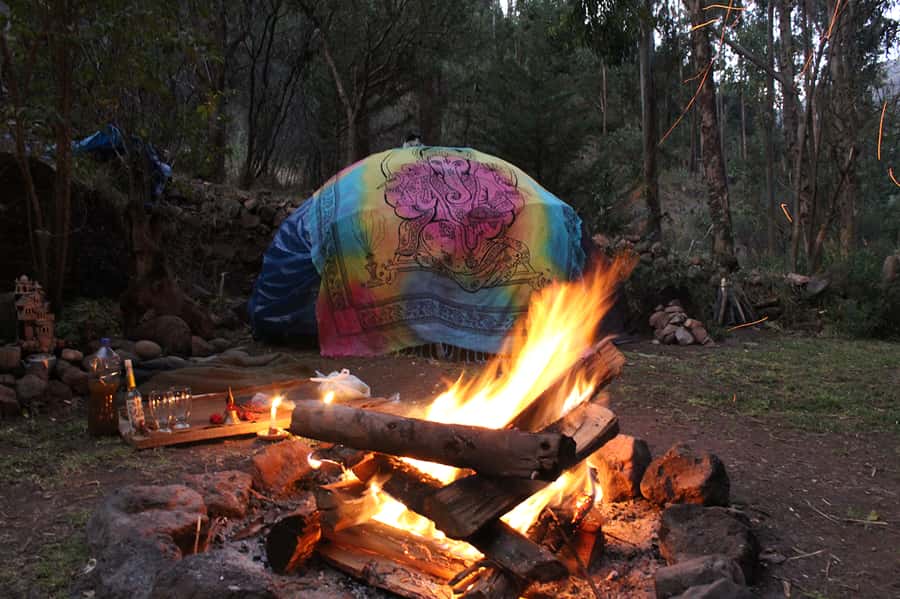
- Forest setting in Taray (about 2900 m / 9514 ft): cooler air and darker skies, away from the more public Sacred Valley areas.
- All-night fire until midnight: warmth and a steady focal point for relaxing, meditating, and taking in the night.
- Guidance through energetic and emotional process: the shamanic approach focuses on how you feel and how you connect.
- Cleansing sequence with earth, fire, air, and water: more than sitting still—there’s a structured flow.
- Family-run home base: you’re welcomed into a real household, not a sterile retreat space.
- Breakfast next morning: natural food prepared after you’ve had a chance to sleep and reset.
San Pedro Wachuma in Taray: why the forest setting matters
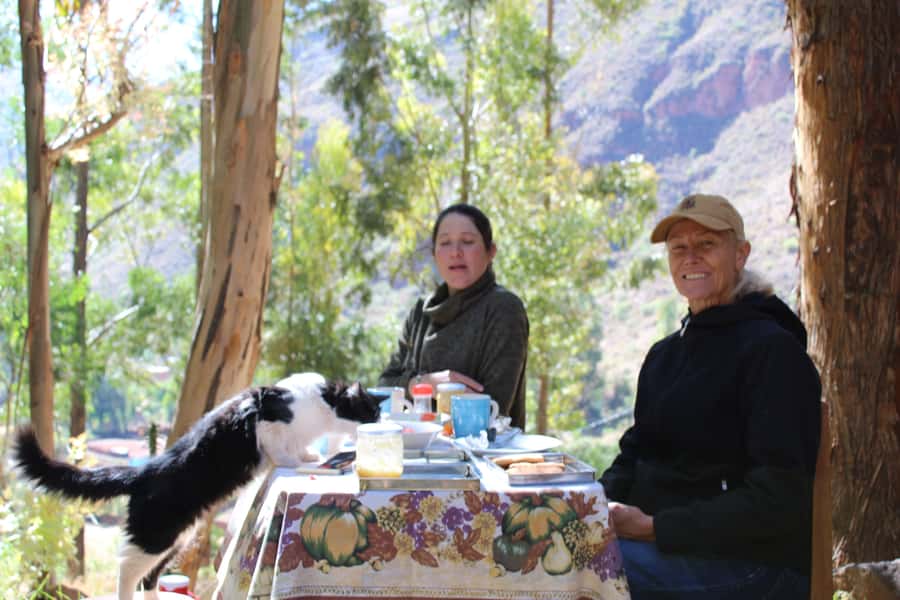
This ceremony happens in the Cusco region, in the Sacred Valley of the Incas, but you’re taken away from the more tourist-centered parts. The reason I like this approach is simple: when you’re in a quiet forest space, the whole night feels less performative and more personal. You’re not fighting for space, attention, or quiet. You’re in nature, and nature does the heavy lifting.
The team’s home base, Killary ILLari, is described as a small family space in the middle of the forest, run by Andean Ceremonies Perú. You’re not just arriving to a venue—you’re received into their home setup. That family feeling shows up in small details: warm items provided for the night, a cozy room afterward, and a breakfast that’s cooked in the morning rather than handled like a tourist meal.
At around 40 minutes from Cusco (and about 5 minutes from Pisac), Taray still gives you the Sacred Valley vibe without dragging you through constant checkpoints and crowds. If your goal is healing, reflection, and being able to actually settle into the experience, this matters more than most people expect.
Cusco pickup and the late-afternoon start (what the timing really means)
You’ll choose between two pickup points in Cusco: Plaza De Armas or Plazoleta de San Blas. The departure is set for about 17:00 from Cusco to the Sacred Valley area in Taray. That late-afternoon departure is not just logistics. It gives you time to get there before the night really sets in, which helps a lot when the ceremony is later and you’ll want to be comfortable.
You’re looking at a private transfer (about 45 minutes) to reach the Taray district. This is a good fit for a ceremony where you’ll be sensitive to the pace and the environment. A private ride also avoids the typical awkward “waiting for everyone” rhythm. You can get settled, ask questions, and not feel rushed.
One very practical tip: if you have questions, contact the host by WhatsApp. Prior guests noted quick replies, often within an hour. And yes—pickup times in Cusco can be a little loose in general. The benefit here is that your driver is arranged to pick you up ahead of time and meet you for the morning return as well.
Killary ILLari Home: what you’re doing before you start the medicine
When you arrive in Taray, the experience includes breakfast and an overnight stay at Killary ILLari Home. You’ll have basic accommodation for the night, and the space is designed for comfort rather than luxury. Think warm blankets, time to settle, and a real place to lay down so you’re not trying to recover on a tour bus.
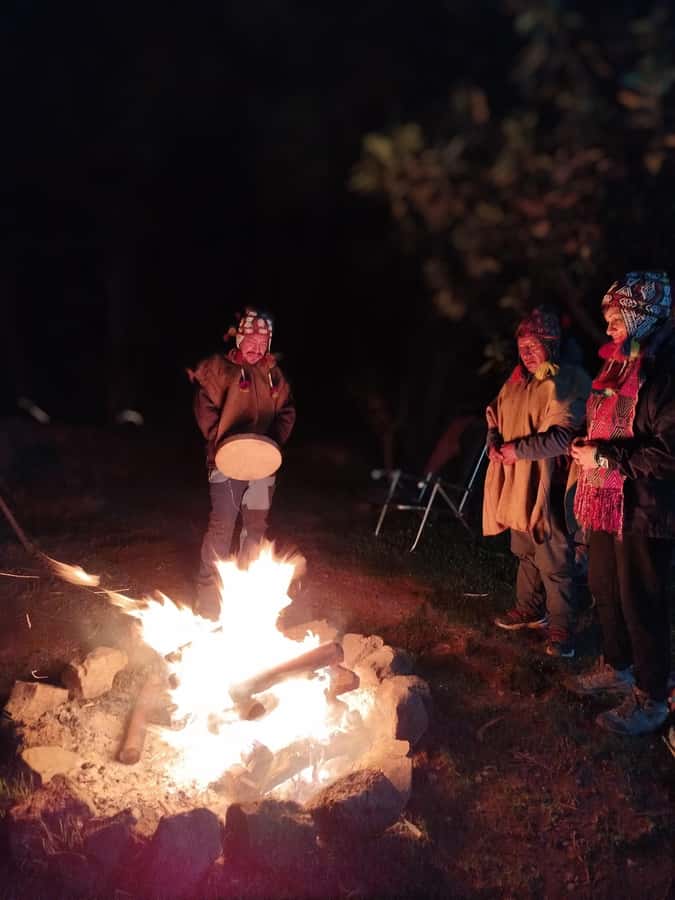
Before the ceremony begins, you’re not just waiting in silence. You’ll get a guided flow that includes cleansing work and meditations, plus music with traditional instruments. That matters because people often think the main event is only the medicine. Here, the structure leading up to it is treated as part of the healing process.
The reviews also mentioned a comfortable room afterward and that the place feels welcoming like family. Even if you come in skeptical, that “homey” feeling helps your nervous system calm down. And at high altitude in the Sacred Valley, calmer usually means clearer.
The San Pedro Wachuma ceremony: guidance, the medicine, and the big fire
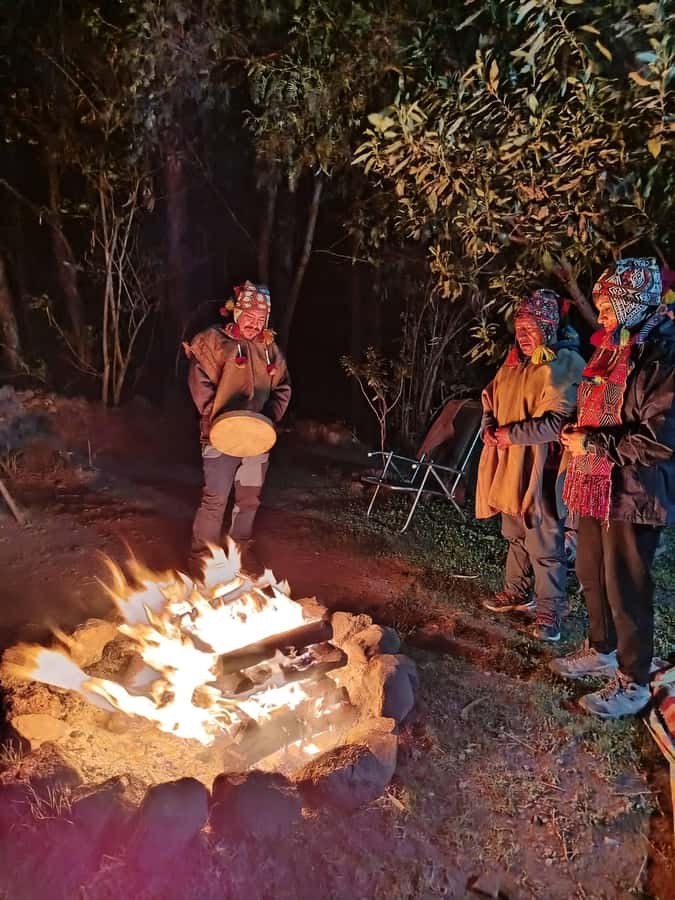
San Pedro Wachuma is described as a ceremony using the ancestral plant medicine called wachuma, and the included drink/medicine is described as mescaline. The ceremony is carried out on the night of your reserved date, and the biggest “set and setting” feature is the big fire that stays going through the night until midnight.
Here’s what makes that fire a meaningful detail, not just a cool visual. The fire gives you warmth, a steady rhythm, and something grounding when the night gets intense. It also supports the ceremony’s focus on relaxation and meditation. You’re not only absorbing guidance from the shamanic techniques—you’re also in an environment that makes it easier to stay present.
You’re also guided to connect with yourself and with nature. The approach is described as emotional and energetic, with communication using shamanic techniques. That can sound abstract, so translate it like this: you’re being led to notice what you feel, what comes up, and how you experience energy during the night—not just to “endure” something.
Music is part of the sequence. Ancestral music with traditional instruments is included, and that helps many people transition between inner thoughts and the external world. If you’re someone who gets overwhelmed by too much silence, this kind of sound can steady you.
Cleansing work (earth, fire, air, water) and what to expect from the night
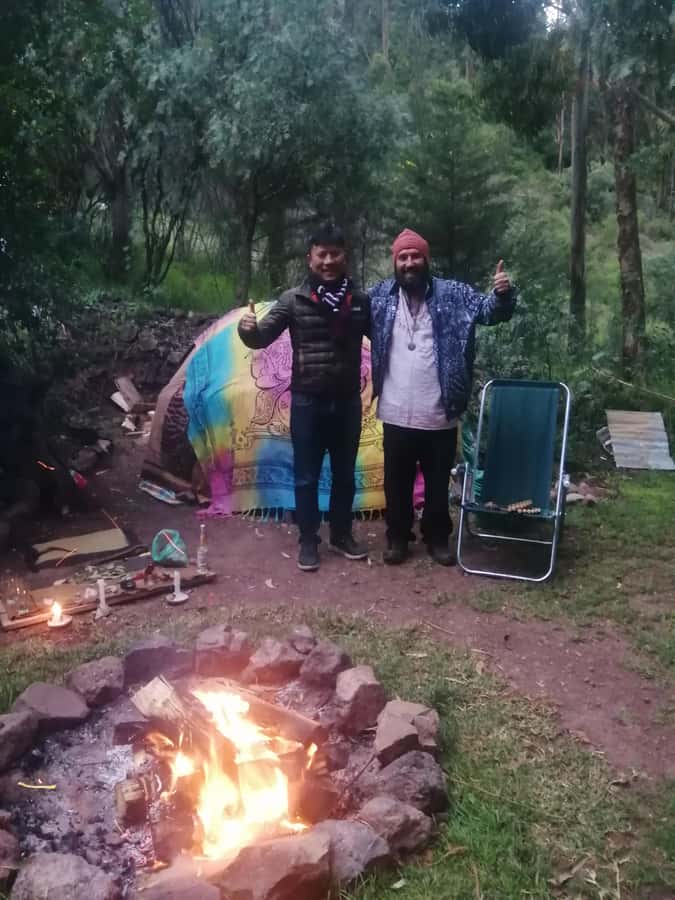
Besides the medicine, the experience includes energetic cleansing works related to earth, fire, air, and water. That line matters because it suggests the ceremony isn’t only about one moment. It’s a sequence with different phases—moving between elements—so your experience has form.
One of the standout points from a guest review was that the night included a sauna ceremony that felt transformative. The core of the provided info doesn’t label it as a sauna in plain text, but it is clearly described as part of the cleansing sequence in at least one account. Practically, that’s a heads-up: you may experience additional body-based elements as part of the earth/fire/air/water framework, so be ready for warmth, heat, and a lot of stillness.
As the night continues, you’re expected to relax, meditate, and enjoy the medicine in that fire-lit forest setting. Another guest highlighted watching the stars and sharing emotional conversation—paired with a feeling of safety and warmth from the blanket setup and cozy home environment afterward. That combination is common when a ceremony is handled with structure and care.
Breakfast and rest: why the next morning matters
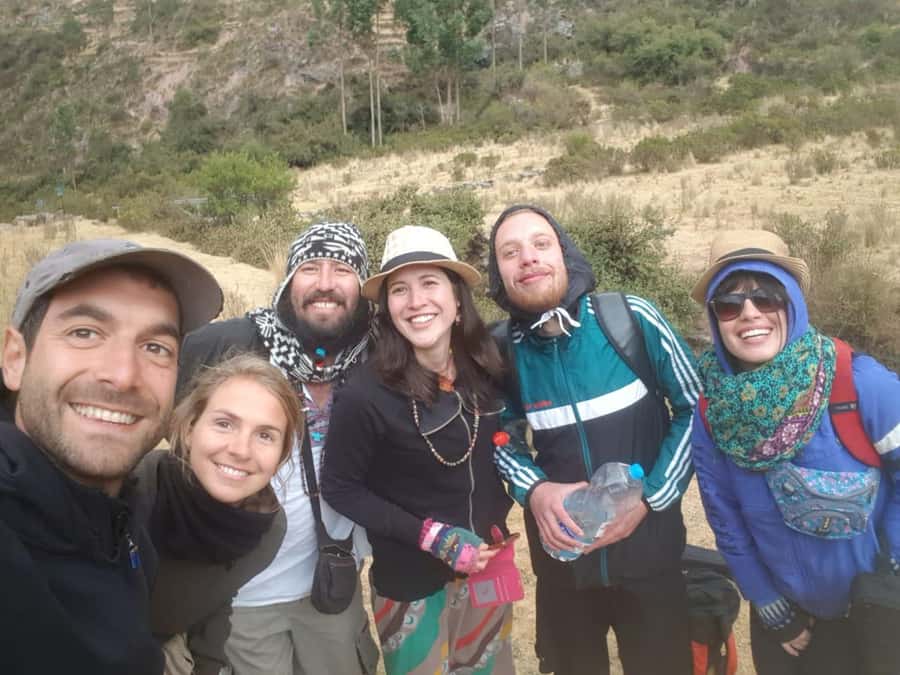
This is not a “one-and-done” spiritual event. You sleep in the basic accommodation, and the next morning you’re offered a natural breakfast. In the Sacred Valley, that matters because your body may need time to come back to normal.
One review specifically called out how incredible the breakfast was and that Juan and his wife cooked it. Even if you don’t care about the cooking detail, the point is: you’re not sent back to Cusco starving and exhausted. You’re supported through the recovery part.
You return to Cusco the next day at around 10:00. That gives you a morning buffer to reset and keep your overall trip moving. It also means you can plan other daytime activities after you come back, instead of scheduling everything around a rough night.
Price and value: is $385 worth it?
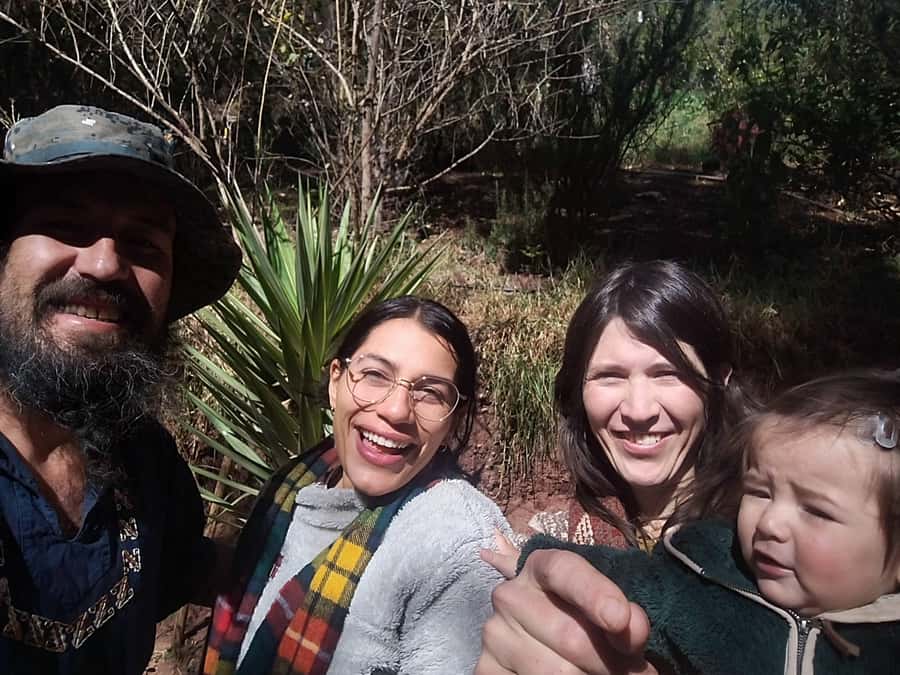
At $385 per person, this isn’t a cheap Cusco add-on. You’re paying for a specific kind of experience: a private group setup, hotel pickup and drop-off, private transportation to Taray, the ceremony itself, the wachuma drink/medicine, cleansing works, ancestral music, meditations, basic accommodation for the night, and breakfast.
What makes it feel like value is the combination of support and comfort for a night that can be intense. The all-night fire until midnight, blankets, a place to rest, and a morning meal are not small perks. They turn the experience from something you survive into something you can actually settle into.
You’re also paying for the human element: the host’s family-run home setting, and the fact that the process is handled through shamanic guidance rather than a generic “ritual for tourists” approach. If your priorities are healing, emotional processing, and being in nature away from the loudest Sacred Valley areas, the price starts to make sense.
If your priorities are only sightseeing in the daytime or you want something structured like a standard tour, then this might feel overpriced. But if you’re choosing a ceremony because you want a real spiritual night with follow-through, it’s priced like a guided service, not like a casual excursion.
Who this is for (and who should skip it)
This San Pedro Wachuma ceremony is not suitable for:
- children under 10
- people with mobility impairments
- people with claustrophobia
- wheelchair users
- people with recent surgeries
- people with motion sickness
That’s not “just caution language.” A nighttime ceremony with heat from a big fire, meditation, and a guided environment means your body needs to be able to tolerate the setting. Also, at Taray’s altitude, you may notice cold at night even if daytime in Cusco feels sunny.
Who it suits well:
- You want a ceremony in the Sacred Valley but away from the loudest tourist circuit.
- You’re open to guided emotional and energetic work.
- You appreciate having time and comfort built in: blankets, a cozy room, and breakfast.
Also, consider your expectations. This is spiritual work, not entertainment. If you go in hoping for a quick, dramatic show, you might miss the point. If you go in willing to sit, feel, and listen, the structure around the fire and cleansing tends to land better.
What to bring (simple items that actually help)
The packing list is straightforward, and it’s worth following. Bring:
- comfortable shoes
- warm clothing and a jacket
- comfortable clothes for sitting and resting
- warm layers for the night (Taray sits around 2900 meters / 9514 ft)
- water plus snacks (if you like having them on hand)
- a camera
- cash
You’ll likely be provided with blankets, but your own warm layers make it easier to stay comfortable during long periods near the fire.
Should you book this San Pedro Wachuma ceremony?
If you want San Pedro Wachuma in the Cusco region with a forest home setting, an all-night big fire, structured cleansing (earth, fire, air, water), and real family-style care afterward, this is a strong choice. The private transportation, overnight stay, and breakfast support make it feel designed for actual recovery, not just a late pickup and drop.
Skip it if any of the listed unsuitability factors apply to you, or if you know you won’t handle a long nighttime ceremony environment. Also, if your idea of value is mostly daylight views and quick stops, this won’t be that kind of trip.
FAQ
Where is this San Pedro Wachuma ceremony held?
It takes place in the Cusco region, in the Sacred Valley of the Incas, with the home base in Taray (Killary ILLari Home), described as located in the middle of nature and about 40 minutes from Cusco city.
What time does the experience start and when do I return to Cusco?
You depart Cusco for the Sacred Valley (Taray) at around 17:00, and you return to Cusco city at approximately 10:00 the next day.
Is hotel pickup and drop-off included, and where do I get picked up?
Yes. Pickup and drop-off are included, with pickup options at Plaza De Armas or Plazoleta de San Blas.
Is the group private?
Yes. It is a private group.
What’s included besides the ceremony and Wachuma drink?
Included are the big fire through the night until midnight, energetic cleansing works (earth, fire, air, and water), ancestral music with traditional instruments, meditations, basic accommodation for one night, and a natural breakfast.
What languages are available?
The live tour guide speaks English, Quechua, and Spanish.
Who is this experience not suitable for?
It’s not suitable for children under 10, people with mobility impairments, people with claustrophobia, wheelchair users, people with recent surgeries, or people with motion sickness.
If you want, tell me your travel dates and whether you’re in Cusco near Plaza de Armas or San Blas. I can suggest how to plan your other Cusco days around a ceremony that runs late.