REVIEW · MACHU PICCHU TOURS
Sacred Valley Experience and Machu Picchu Sunrise 2-day Journey
Book on Viator →Operated by Inca Soul Tours · Bookable on Viator
Sunrise at Machu Picchu starts before you blink. This 2-day Sacred Valley + Machu Picchu plan is built for maximum Inca sights with a morning start that helps you beat the day’s crowds.
Two things I really like: the mix of Sacred Valley stops (Pisac and Ollantaytambo) before Machu Picchu, and the fact it’s run as a private tour, so you’re not stuck waiting on a big group. Recent feedback also puts a spotlight on guides like Guido and Fredy, who are praised for clear explanations and friendly conversation.
One possible drawback: the schedule is tight. You start around 5:00 am, and Machu Picchu is dependent on train timing too—plus the train itself is not included, so you’ll want to line that up early.
In This Review
- Key things that make this 2-day journey worth your time
- Entering Machu Picchu with a plan that actually fits 2 days
- Sacred Valley Day 1: Pisac, Ollantaytambo, and the Urubamba River bends
- Llama Experience: the camelid start that feels like a warm-up
- Pisac: an Inca site plus a working town vibe
- Ollantaytambo: temples, streets, and museum time
- Lunch and arrival rhythm in Aguas Calientes
- Animal center stop and weaving: why it’s more than a side quest
- Machu Picchu sunrise-style access: buses, the guided citadel, and optional climbs
- How the day flows after Machu Picchu
- Comfort and altitude support: the parts you’ll thank yourself for
- Price and value: where the $509 makes sense, and where to double-check
- Who should book this 2-day Sacred Valley + Machu Picchu sunrise-style trip
- Should you book Inca Soul Tours for Sacred Valley and Machu Picchu?
- FAQ
- What time does the tour start?
- Are meals included?
- Is the Machu Picchu entrance fee included?
- Is Huayna Picchu included?
- Are train tickets included?
- How do you get up to Machu Picchu?
- Is cancellation free?
Key things that make this 2-day journey worth your time
- 5:00 am departure so Machu Picchu day doesn’t eat your whole trip
- Private pacing through Sacred Valley, with hotel pickup in Cusco
- Sacred Valley mix of culture + ancient sites, including Pisac and Ollantaytambo
- Guided Machu Picchu citadel tour with optional Huayna Picchu
- Altitude support included (oxygen tank and first aid assistance)
- Meals + transport handled, while your free time is kept realistic
Entering Machu Picchu with a plan that actually fits 2 days

If you only have a short window in Peru, the biggest challenge is logistics. This tour is built to solve that. You’re not just taking a single highlight and calling it a day; you’re stacking Sacred Valley history first, then aiming at Machu Picchu early enough to have a real chance at sunrise viewing.
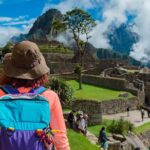
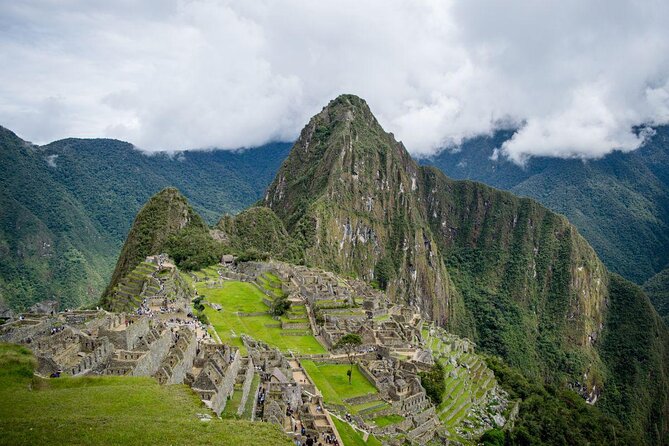
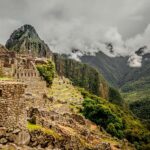
Day 2 starts with an early drive up to the citadel. You’ll take a 25-minute bus ride from the base area to Machu Picchu, then get a guided tour of the site. The tour notes that if you go super early, you can catch the sun rising over the Inca ruins—exactly the moment most people picture when they plan Machu Picchu.
The Machu Picchu portion also isn’t only about walking the main paths. Huayna Picchu and the Drawbridge are mentioned as optional, and the more adventurous option is a 55-minute climb to Huayna Picchu. That climb comes with a real constraint: officials limit Huayna Picchu tickets to 400 per day, and you need to plan in advance. If you’re the type who wants one big view for the day, Huayna Picchu is often the difference between a good visit and a standout one.
You can also read our reviews of more tours and experiences in Cusco

Sacred Valley Day 1: Pisac, Ollantaytambo, and the Urubamba River bends
Day 1 is a classic Sacred Valley sequence: Cusco pickup, then a run of stops that give you both Inca-era sites and modern town energy. It follows the Urubamba River path, so the drive keeps changing viewlines as you go. That matters because Sacred Valley isn’t just a flat road to history—you’re traveling through the region’s different elevations and communities.
Llama Experience: the camelid start that feels like a warm-up
Your first featured stop is the Llama Experience, where you can interact with llamas—feeding them and learning about camelids. This is a smart first move on a tour like this. It breaks up the morning drive with something hands-on and low-stress, and it gives you grounding in Andean animal life before you switch gears to Inca architecture.
A practical note: animal stops can involve short waits and walking on uneven ground. If you’re sensitive to movement or have knee issues, take it slow here and let the pace stay easy.
Pisac: an Inca site plus a working town vibe
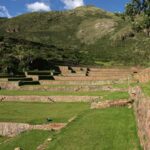
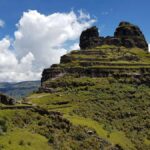
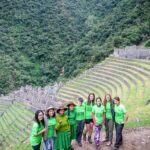
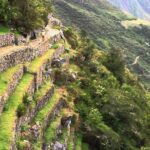
Next up is Pisac. You’ll get time to explore the Inca site and also look around the town area. The schedule gives you about an hour, and the tour frames Pisac as one of the key Inca sites in the Sacred Valley. With limited time, that hour is usually enough to orient yourself, see the main stonework, and understand how the site relates to the surrounding hills.
The trade-off is that you won’t see everything at Pisac in detail. If you love spending long stretches studying stone placement, you’ll likely want more time or a longer Sacred Valley day. But for a 2-day trip, this is a reasonable hit.
Ollantaytambo: temples, streets, and museum time
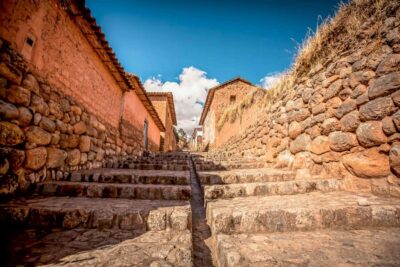
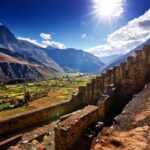
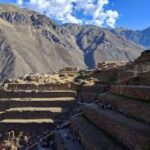
Ollantaytambo is where the trip shifts from “site viewing” to “living-with-history.” You’ll visit the archaeological park associated with Ollantaytambo and then later step into the museum to see the original streets and how people use the town today.
That sequence is helpful. Stones first, then context. The city streets and daily life perspective make the Inca story feel less like a display case and more like something still part of local identity.
One heads-up: the archaeological park admission at Ollantaytambo is marked as not included, while the museum/streets time is free on the schedule. So bring that to your planning. If you arrive and realize you need tickets, it can add a little pressure right when you want the day to flow.
You can also read our reviews of more tours and experiences in Cusco


Lunch and arrival rhythm in Aguas Calientes
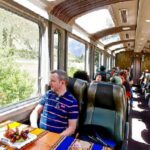
Lunch is included and served at a nearby restaurant as you move along the river route. After exploring Ollantaytambo, you board the train to Machu Picchu pueblo (Aguas Calientes). This train leg is a big part of the experience because it gets you out of Cusco’s altitude rhythm and into the base town for Machu Picchu.
Your hotel transfer in Aguas Calientes is included, and that helps. A lot of people get stuck dealing with transport confusion late in the day. Here, the tour keeps that part organized.
Animal center stop and weaving: why it’s more than a side quest
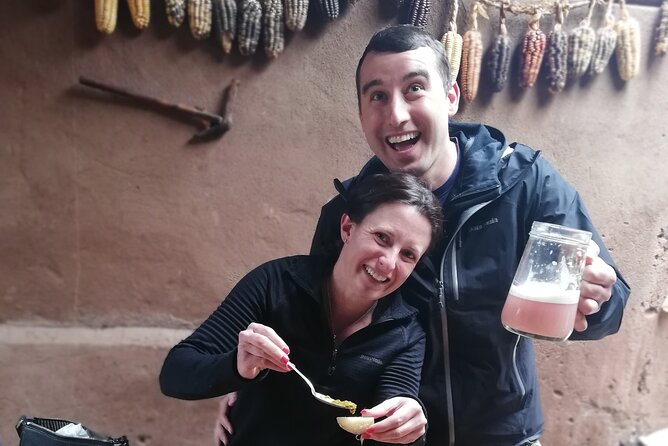
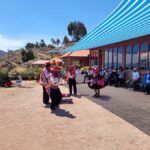
One hour is set aside for Manos De La Comunidad, described as an animal center and weaving learning stop. You can pet a llama or alpaca, and you may even see an Andean condor.
There’s a practical reason this stop works well on a 2-day tour: it gives you a breather between major site days. Sacred Valley can be a lot of stone and walking. This segment mixes animals with craft knowledge, and it’s built for understanding daily Andean life rather than only photographing ruins.
Even if you’re not a weaving expert, watching people describe techniques helps you connect the dots between materials, climate, and how communities make a living. It’s a short stop, but it often lands as memorable because it feels human-scale compared to the size of Inca engineering.
Machu Picchu sunrise-style access: buses, the guided citadel, and optional climbs

Machu Picchu day is where you feel the effort behind the scheduling. You’ll head to the bus station early, then take that 25-minute drive up. Once there, you’ll visit what the tour calls the best spot and get a guided tour of the citadel.
This is the part where a guide can make a real difference. Without interpretation, Machu Picchu can turn into a series of viewpoints you recognize from photos. With guidance, you start seeing relationships between terraces, water, and how the site is laid out on steep ground.
The tour also lists Huayna Picchu and the Drawbridge as optional places to visit. If Huayna Picchu interests you, the itinerary flags that tickets are limited to 400 per day and must be purchased in advance. So if that’s a must-do for you, you should plan early rather than waiting until you arrive in Cusco.
How the day flows after Machu Picchu
After the citadel visit and guided portion, you’ll return by bus to Aguas Calientes, then continue back toward Ollantaytambo. There’s also about an hour to enjoy Aguas Calientes with its sculptures.
This isn’t a huge free day, so it’s not for deep wandering. Think of it as a decompress block: stretch your legs, grab a drink if you want (drinks aren’t included), and reset for the ride down.
Comfort and altitude support: the parts you’ll thank yourself for
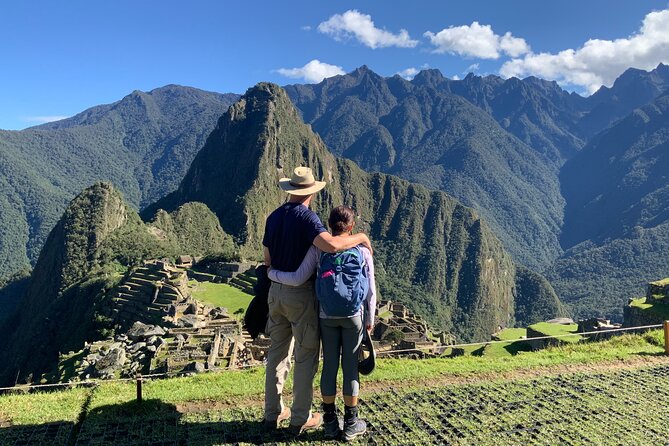
Inca regions come with altitude stress. This tour includes 24 hours assistance, along with an oxygen tank and first aid. It’s not about guaranteeing you’ll feel perfect; it’s about having support if your body needs help adjusting.
You’ll also travel in an air-conditioned vehicle on the Sacred Valley side, which matters because road time between stops can add fatigue fast. The tour’s private nature helps here too. You’re not forced to wait around for someone else’s pace, and you’re more likely to get real rest time between activities.
For overnight comfort, feedback highlights a 3-star hotel that’s well kept and comfortable. That’s the kind of detail that makes a difference on day 1, because you’ll need sleep if you’re starting again at dawn.
Meals are included across the trip:
- Breakfast (Day 1 start)
- Lunch (Day 1 during the Sacred Valley route)
- Dinner (included)
- On Day 2, lunch is not included, so you’ll handle that with your own timing in the town area.
If you like control over what you eat, plan to treat Day 2 lunch as your flexible choice.
Price and value: where the $509 makes sense, and where to double-check
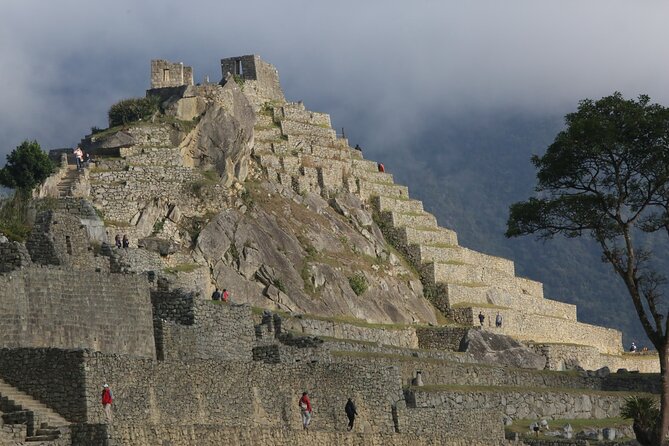
The cost is $509 per person for the 2-day experience. On paper, that’s not cheap for Peru. But when you break it down, you’re paying for several things that are hard to DIY efficiently:
- hotel pickup and private transportation
- multiple guided and structured stops across Sacred Valley
- Machu Picchu guided entry
- round-trip bus service to Machu Picchu
- meals (breakfast, lunch, dinner)
- and the altitude support materials
The big value play here is time. If you only have a couple days, you’re buying a reduction in daily decision fatigue.
The big caution is what’s not included:
- Train tickets are not included, even though the route clearly includes the train to Aguas Calientes. The tour says they can book train tickets for an extra cost. Still, you’ll want to confirm what’s included in your final quote.
- Drinks, lunch on the second day, and personal expenses are not included.
- Some Sacred Valley site admissions are also marked as not included (like the archaeological park portion at Ollantaytambo).
If you budget carefully and line up the train timing, the price starts to look like fair payment for organization and guide time. If you show up without planning for the train and optional Huayna Picchu, you can end up paying extra anyway and feeling like the “deal” wasn’t the whole deal.
Who should book this 2-day Sacred Valley + Machu Picchu sunrise-style trip
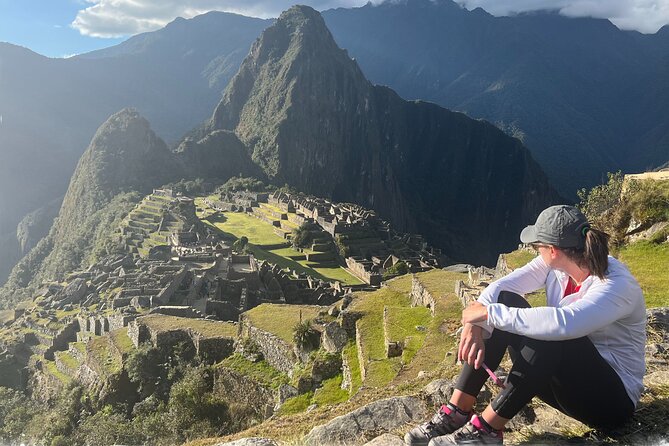
This tour is a strong match if:
- you have limited time and want both Sacred Valley and Machu Picchu
- you prefer a private tour where the pace and explanations can fit your questions
- you want help with the big logistics pieces (transport, entry, bus, and meals)
- sunrise viewing is part of your dream Machu Picchu plan, even if conditions and timing can always vary day to day
It may not be ideal if:
- you hate early starts (it begins around 5:00 am)
- you want totally unstructured free time
- you’re traveling with someone who won’t handle a challenging hike component and/or possible steep walking
- you’re trying to keep costs strictly minimal, since the train and some admissions are not included
Should you book Inca Soul Tours for Sacred Valley and Machu Picchu?
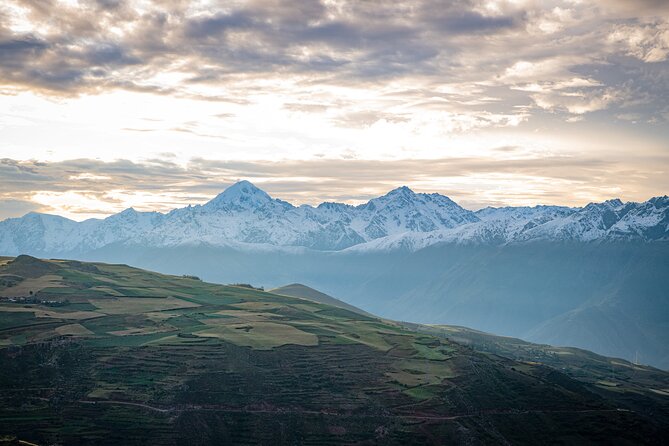
If your goal is one trip that checks the boxes—Sacred Valley sites, a real guided Machu Picchu visit, and a sunrise-style rhythm—this is a smart way to spend two days in the region. The inclusion of oxygen support and the way the schedule is set up for early access are practical wins, not just marketing.
I’d book it if you can commit to the early day and you’re willing to plan around the train add-on and the Huayna Picchu ticket limits. If either of those is a deal-breaker, you may want a different Machu Picchu plan that matches your pace and budget more tightly.
FAQ
What time does the tour start?
The start time is listed as 5:00 am.
Are meals included?
Yes. Breakfast, lunch, and dinner are included. Lunch on the second day is not included.
Is the Machu Picchu entrance fee included?
Yes. The tour lists admission to Machu Picchu as included.
Is Huayna Picchu included?
Huayna Picchu is listed as included up to request. The itinerary also notes Huayna Picchu has a daily limit of 400 visitors and tickets need to be purchased in advance.
Are train tickets included?
No. Train tickets are not included, but the tour says they can be booked for an extra cost.
How do you get up to Machu Picchu?
You take a round-trip bus to Machu Picchu, with the bus ride up taking about 25 minutes.
Is cancellation free?
Yes, there is free cancellation. You can cancel up to 24 hours in advance for a full refund.