REVIEW · INCA TRAIL TREKS
4 Day Classic Inca Trail to Machu Picchu by 360° Train
Book on Viator →Operated by Happy Gringo Tours · Bookable on Viator
Trains and cliffside ruins in the same week sounds good. This 4-day Inca Trail-to-Machu Picchu trek is built around a small group (up to nine) and private tent camping at the sites, with an itinerary that gives you a solid sense of how the trail flows.
I love that the experience is structured for your day-to-day comfort: all meals are included and you’re not spending your time hunting down logistics mid-trek. I also like the pace promise implied by the group size—you can actually hear your guide and ask questions without feeling rushed.
One thing to consider is service consistency. A couple low reviews complained about late communication and pickup/sleeping-gear confusion, so before you commit, push for clear written details about start time, pickup, and what gear you’ll be responsible for.
In This Review
- Key things to know before you go
- Cusco to the Inca Trail: what this tour really buys you
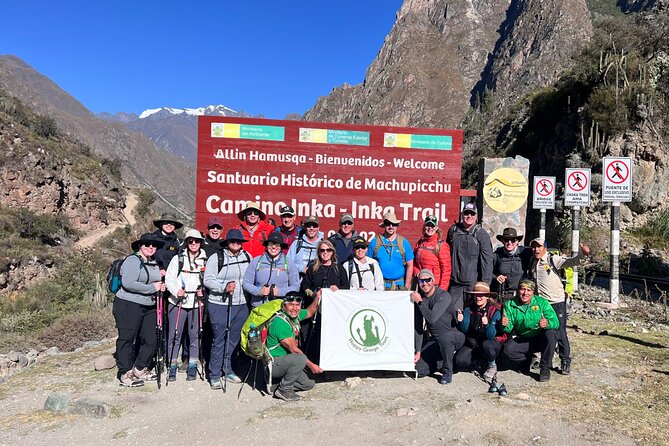
- Getting started at 4:00am: the KM-82 checkpoint that sets the tone
- Day 1: Piscacucho station to Llactapata, then Ayapata Base Camp
- Day 2: Dead Woman’s Pass (4215 m), then Runkurakay and Sayacmarca
- Day 3: Phuyupatamarca (City in the Clouds) and Winay Wayna
- Day 4: Sun Gate entry, Machu Picchu temples, then train and bus home
- Price and logistics: is $820 actually good value?
- Meals and camps: how the included comforts change your hike
- Train, Ollantaytambo, and Cusco timing you should plan around
- The service question: what the negative reviews are warning you about
- Who this tour suits best (and who should be careful)
- Should you book this 4-day Inca Trail tour?
- FAQ
- What time does the trek start?
- How many people are in the group?
- What’s included in the price?
- What’s not included?
- Is the tour suitable for beginners?
- If I cancel, do I get a refund?
Key things to know before you go
- Max 9 travelers: Small-group energy means more attention and a calmer trek rhythm.
- Private tent at each camp: Comfort matters when nights get cold and you’re hiking hard days.
- All meals included: Breakfasts, lunches, and dinners remove a big planning headache.
- Inca Trail high point on Day 2: The Dead Woman’s Pass (4215 m / 13,779 ft) is the big physical test.
- Machu Picchu before crowds settle: You go in early, then hike toward Sun Gate for the first major views.
Cusco to the Inca Trail: what this tour really buys you
This is not just a hike. It’s a guided route through the Inca world that’s paced like a real expedition, with camping at the trail sites and the Machu Picchu day built around getting you inside at the right time.
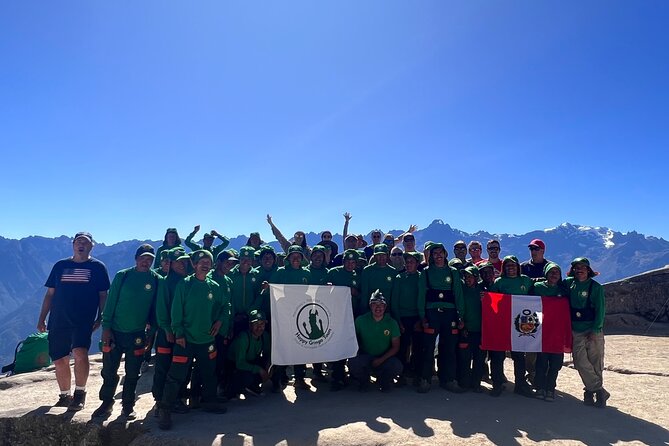
The max-9 group detail matters more than it sounds. On the Inca Trail, small-group trekking usually means fewer bottlenecks at steep steps, more predictable breaks, and less time lost trying to “find the group” on narrow paths. It also makes it easier to settle into the schedule—waking, eating, hiking, resting—without the chaos that can happen in larger tours.
And then there’s the comfort angle. Private tents at each campsite are a big deal because your energy is your currency. After a hard day, you want a place to reset. When you combine that with included meals, your brain can focus on the trail instead of food hunting or figuring out what you’re missing.
You can also read our reviews of more tours and experiences in Cusco

Getting started at 4:00am: the KM-82 checkpoint that sets the tone
Your day starts early—4:00am is the listed start time. You’ll be picked up from your hotel, then driven to the trailhead at KM-82.
Right at the checkpoint, there’s a passport check meant to match your permits. This isn’t trivia; it’s part of what controls whether the trek starts on time. If your passport details and permits don’t line up, you can lose precious hours—or worse, be forced into awkward fixes.
For your peace of mind, I’d treat this like a pre-flight step. Double-check your passport name/spelling and plan to arrive with a calm, early mindset rather than a “we’ll figure it out” one.
Day 1: Piscacucho station to Llactapata, then Ayapata Base Camp
Day 1 is about easing in and learning the trail’s style. You’ll move from Piscacucho Estacion de Tren area, then head by vehicle toward KM-82.
Once you begin hiking, the first couple hours are described as fairly flat. That matters because it lets your legs warm up gradually before the day turns more serious. Then you reach Llactapata, an Inca site that gives you early proof that the Inca Trail isn’t just walking to one destination—it’s a sequence of sacred stops.
Lunch is included and is described as organic and fresh, with porters waiting at the first lunch spot. On the Inca Trail, having a real lunch stop (not just a snack) helps you keep steady energy for the climb that comes after.
After lunch, the route becomes uphill. You’ll keep going with breaks, eventually reaching Ayapata Base Camp by late afternoon/evening. Day 1 runs about 9 hours, so it’s not “easy sightseeing.” It’s a proper start day that sets you up for the altitude work later.
Practical note: Day 1 feels like the warm-up, but it still chips away at your stamina. Pack your pacing strategy now: slow steps, short breath, and frequent micro-breaks.
Day 2: Dead Woman’s Pass (4215 m), then Runkurakay and Sayacmarca
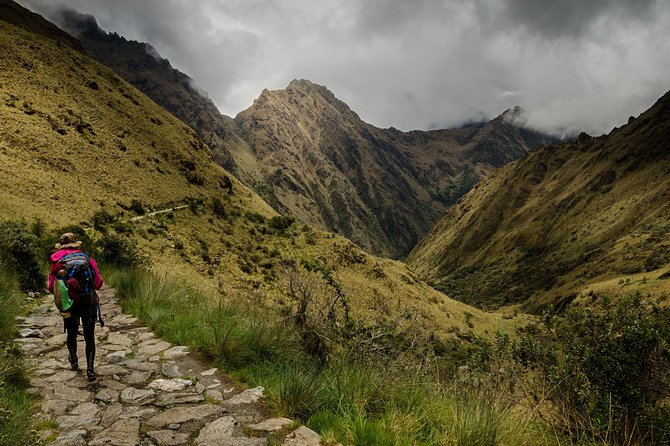
If Day 1 is your rhythm, Day 2 is your reality check. This is the trek’s hardest day, with the climb taking about 5 hours to the highest point: Dead Woman’s Pass (4215 m / 13,779 ft).
That altitude number is the kind of detail that changes how you hike. At this elevation, it’s not about speed—it’s about breathing control. Your best ally is a slow, steady pace that keeps your heart from spiking. You’ll likely feel this climb more than you expect, even if you’re fit.
After the summit, there’s a 2-hour downhill through steep Inca steps. Downhill can feel like a break, but it often punishes your knees and quads. Use the same calm pace you used on the climb.
Then you hit lunch again at the next spot, followed by a mix of hiking with climbs and downhills. You’ll also visit Inca sites including Runkurakay and Sayacmarca, with breaks at each site. Those short pauses aren’t just “photo time.” They give you a chance to recover, refocus, and absorb what you’re looking at instead of just passing through.
Finally, you finish with about 30 minutes to reach Chaquicocha campsite. Another 9-hour day.
What you’ll likely remember: the contrast between the high pass and the steep stair descent, plus the fact that the tour doesn’t treat camps like an afterthought. You’re working for every view, then sleeping at the end of it.
Day 3: Phuyupatamarca (City in the Clouds) and Winay Wayna
Day 3 is often the day people hope for: still demanding, but with a different kind of reward—views, flora, and Inca architecture in a calmer rhythm.
After breakfast, you’ll hike about 2 hours to Phuyupatamarca, described as the best area for flora, fauna, and wide views. The meaning of the name—City in the Clouds—fits the way this area is talked about. If weather cooperates, you can get that layered feel: ridgelines, terraces, and sky hanging low.
You’ll also visit Inti Pata (Sun above the terraces) in the morning. That’s a classic Inca layout idea: buildings and terraces tied to how light moves through the day.
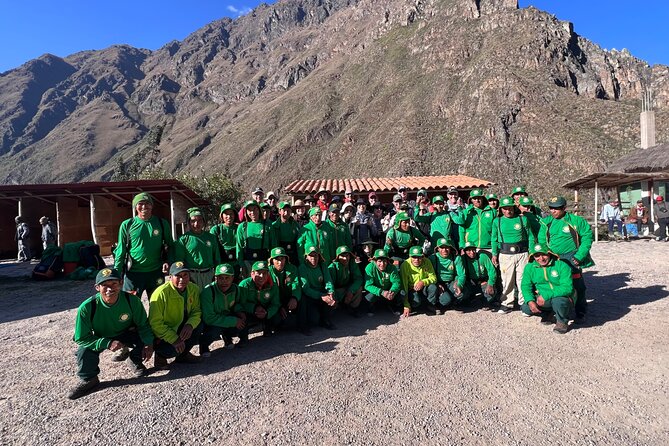
After lunch, you visit Winay Wayna—called Forever Young. Then it’s back to camp for dinner. The day ends with a farewell to your team and porters. The trek distance is shorter than Day 2, and it shows in the vibe: more time to notice details before heading into the Machu Picchu day.
Day 4: Sun Gate entry, Machu Picchu temples, then train and bus home
This is the day you’ve been saving your legs for.
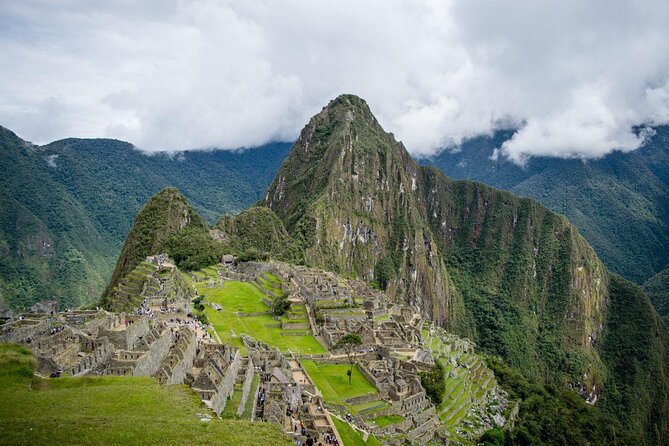
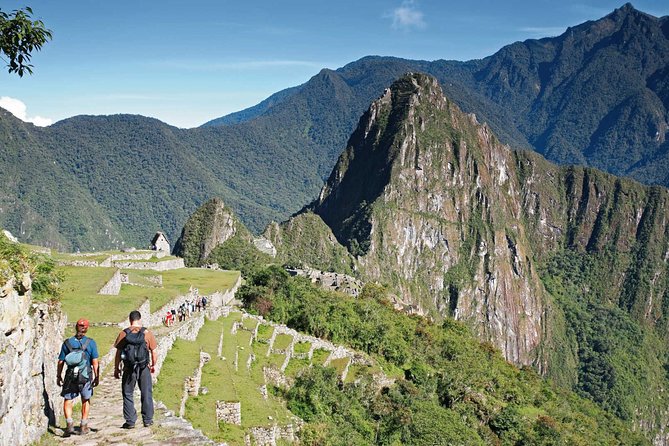
Your team wakes you early, then you head straight to the checkpoint to enter Machu Picchu as the site opens. You then hike toward the Sun Gate, which is the first big viewpoint many people build their expectations around.
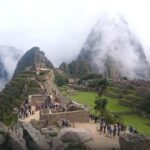
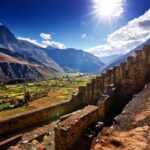
From Sun Gate, you’ll get your first fantastic view of Machu Picchu. After that, you’ll visit the most important temples in the complex. The wording here matters: you’re not wandering randomly. You’re guided to the key areas so you get structure rather than “we saw some ruins.”
In the afternoon, you take the train back to Ollantaytambo, then continue by bus back to Cusco. The trek day runs about 9 hours, but it’s split between the ruins time, the checkpoint timing, and the return travel.
Value tip: Arriving early reduces the pressure. You’re less likely to feel like you’re competing for space at the best viewpoints, and you’ll have more energy for photos and real walking instead of cramming everything at the end.
Price and logistics: is $820 actually good value?
At $820 per person, this tour is positioned as mid-to-upper range for a guided Inca Trail package. The key question isn’t just the price. It’s what you get for that price.
Here’s what’s explicitly included:
- Inca Trail and Machu Picchu tickets
- Meals: 3 breakfasts, 4 lunches, 3 dinners
- Private tent sleeping arrangements at the camps
- Guide-led itinerary with visits to multiple Inca sites
- Park entry included across the trek and Machu Picchu day
What’s not included:
- Health insurance
- Tips for guide, cook, and porters
So where does your money go? Mostly into reducing your mental load and preventing cost surprises. Paying for tickets separately and arranging camp logistics on your own is usually where DIY planning turns expensive and stressful. Here, you trade some flexibility for a smoother flow and a guided structure.
That said, the low-rating reviews you have here include complaints about communication and clarity. Even if you ignore the drama, the lesson is simple: ask for a clear schedule in advance and confirm pickup details so you’re not relying on last-minute updates.
Meals and camps: how the included comforts change your hike
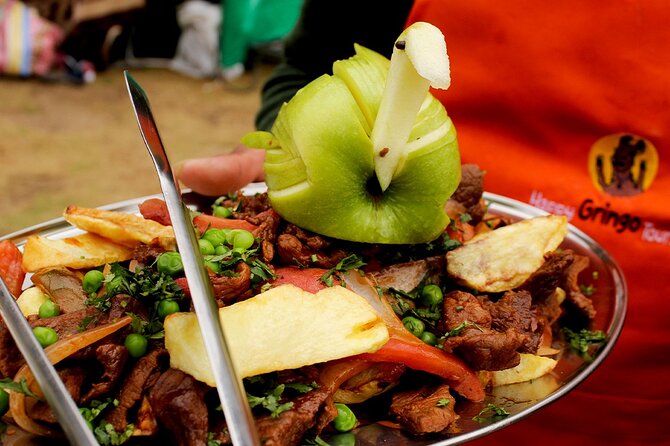
The included meals are not a minor perk on an 8–9 hour hiking day. When lunch is described as organic and fresh, it signals more than just calories—it suggests someone is paying attention to quality, not only stuffing you with whatever is cheap.
Breakfast and dinner being included also means you don’t arrive at night starving or underfed. On the Inca Trail, under-eating is a fast way to turn a tough day into a miserable one. If you follow the schedule and drink water, your recovery tends to go better.
Then there’s the campsite arrangement. Sleeping in a private tent at each site is the kind of comfort upgrade you feel the next morning. It’s easier to sleep when you know you have your own space, and it’s easier to reset your body when the end of the day feels managed.
Even so, remember that trekking adds physical stress you can’t completely “camp” away. You’ll still want to bring smart hiking clothing and plan for cold night temperatures, especially at higher elevations—just because you have a private tent doesn’t mean you’ll be comfortable in every condition.
Train, Ollantaytambo, and Cusco timing you should plan around
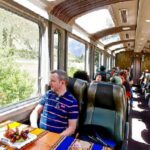
This tour uses train time as part of the finish. On Day 4, you go from Machu Picchu area to Ollantaytambo by train, then bus back to Cusco.
Why this matters: your itinerary is built around that connection. If you book flights right after you arrive in Cusco, you’re gambling with delays on the ground. I’d treat your return day like a fragile link in the chain. Keep your final-day plans flexible so you’re not racing taxis or stressing about check-in times.
Also, the meeting/checkpoint info includes a ticket redemption point in Aguas Calientes (08681) and a 4:00am start time. That combination suggests a very structured schedule around Machu Picchu ticket timing. In practice, you’ll do best when you arrive early to any handoff points and keep your documents accessible.
The service question: what the negative reviews are warning you about
Two low ratings in your provided feedback raised serious concerns—while the operator’s replies dispute those points.
One complaint focused on communication, saying booking details weren’t shared until about 1.5 days before the trek, including a push-back by one day. Another complaint described issues like no pickup even though it was promised, plus claims about sleeping bag/linen costs if you didn’t have the right gear, and allegations about guide conduct involving alcohol and unwanted touching.
Here’s the fair takeaway for you: don’t treat any tour like a black box. This is a sold-out, regulated trek with checkpoints and timed entry. If your start date shifts or your pickup doesn’t happen, it can cascade into missed logistics.
What I’d do before you go:
- Confirm your exact start date and start time in writing
- Confirm pickup location and what happens if you’re running late
- Ask what camping gear is provided versus what you need to bring
- Keep a calm paper trail: messages and confirmations saved on your phone
Even if your tour goes smoothly, these steps reduce stress and protect your trip schedule.
Who this tour suits best (and who should be careful)
This trek is listed as requiring strong physical fitness. That’s consistent with the itinerary’s physical landmarks: a long hike on Day 2, the climb to Dead Woman’s Pass at 4215 m, and steep Inca steps on the way up and down.
You’ll probably love this tour if you:
- Want the Inca Trail experience with a small group
- Appreciate included meals and a guided route rather than DIY planning
- Value comfort enough to pay for private tents
You should be careful if you:
- Get anxious about last-minute schedule details and prefer maximum independence
- Have knee issues, since steep downhill steps can be hard after the pass
- Are relying on tight timing for your travel after the trek (train-to-bus logistics can affect your day)
Should you book this 4-day Inca Trail tour?
If your goal is a guided Inca Trail to Machu Picchu with max-9 group size, private tent camping, and meals handled, this tour hits the right notes. The itinerary is thoughtfully arranged: multiple Inca sites across the trail, a big physical Day 2, then Machu Picchu accessed early for Sun Gate views.
My recommendation comes with one condition: get your documentation and schedule locked down early. With the negative feedback mentioning late communication and pickup confusion, you’ll reduce risk by confirming the basics in advance, especially the start date/time and pickup.
Book it if you’re ready for the physical test and you want the trail to feel organized. Skip it—or at least ask more questions—if you strongly prefer flexible, DIY-style travel with minimal operator involvement.
FAQ
What time does the trek start?
The listed start time is 4:00am.
How many people are in the group?
This tour has a maximum of 9 travelers.
What’s included in the price?
Tickets for the Inca Trail and Machu Picchu are included, along with 3 breakfasts, 4 lunches, and 3 dinners.
What’s not included?
The tour does not include health insurance and does not include tips for the guide, cook, and porters.
Is the tour suitable for beginners?
The tour notes that travelers should have a strong physical fitness level, since it includes a difficult Day 2 climb to Dead Woman’s Pass.
If I cancel, do I get a refund?
This experience is non-refundable and cannot be changed for any reason. If it’s canceled due to poor weather, you’re offered a different date or a full refund. If it’s canceled because a minimum number of travelers isn’t met, you’ll be offered a different date/experience or a full refund.