REVIEW · MUSEUMS
City Tour in Cusco & visit Museum South American Camelid
Book on Viator →Operated by Chullos Travel Peru · Bookable on Viator
Cusco hits hard in four to five hours. This half-day tour is a smart way to see how Inca and Spanish Cusco layered onto the same streets, starting right at Plaza de Armas and rolling out to major archaeological sites. It’s also flexible, since you can pick a morning or afternoon departure that fits your pace.
What I really like is the way the tour builds understanding step-by-step. You start with the city’s main square, then move into Qorikancha (the Temple of the Sun) where you’ll connect the dots between Inca building and what came later.
My other big plus is the bilingual, professional guidance—the kind that helps you actually read the ruins instead of just taking photos. One catch to keep in mind: quality can depend a bit on the guide and the group flow, and there have been complaints about timing changes and uneven English clarity in some situations.
In This Review
- Key Things To Know Before You Go
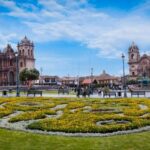
- Getting Oriented in Cusco’s Plaza de Armas
- Qorikancha (Temple of the Sun): Where Inca Meets the Spanish
- Sacsayhuaman: Stonework You Can Actually Talk About
- Q’enqo and Puka Pukara: Short Stops, Clear Meaning
- Tambomachay: The Water Temple and a Different Kind of Wonder
- Price and Value: Why $11.70 Can Be a Bargain (With One Big Caveat)
- Timing, Group Size, and How to Avoid Schedule Stress
- What You’ll Learn: Inca Meaning, Spanish Influence, and Practical Context
- Museum South American Camelid: How to Confirm the Fit
- Who This Tour Suits Best
- Should You Book This Cusco City Tour?
- FAQ
- How long is the Cusco city tour?
- How much does the tour cost?
- Is the tour only in one language?
- Does the price include entrance tickets?
- Are meals included?
- Where does the tour start and end?
- Is it possible to choose a morning or afternoon tour?
- How big is the group?
- When should I book?
- What’s the cancellation window?
Key Things To Know Before You Go
- Pick morning or afternoon: you’ll choose the departure that best matches your Cusco arrival day (or your next plan).
- Air-conditioned transport: you’ll move between sites by vehicle, not all on foot.
- Small group size (max 15): easier questions, less rushing, better atmosphere for learning.
- Big-name Inca sites in one run: Qorikancha, Sacsayhuaman, Q’enqo, Puka Pukara, and Tambomachay.
- Admissions cost extra: plan your budget for entrance tickets (not included).
- Guides matter: many guides are praised for knowledge, but a few guests reported English wasn’t always crystal clear.
Getting Oriented in Cusco’s Plaza de Armas
Your tour starts at Plaza de Armas de Cusco, in the historic core that still feels like the heart of the city. Expect an external look at the main square and a short explanation of what you’re seeing—why this spot became the stage where different cultures left their mark.
Even if you’ve already walked through the plaza on your own, a guided start helps you notice details you might miss when you’re just trying to get your bearings. It also gives you a mental map fast, which matters in Cusco because streets loop and the terrain makes everything feel closer than it is.
Also, this tour is a practical choice if you’re balancing energy and altitude. You’re not signing up for a marathon hike; you’re getting context while keeping movement manageable.
You can also read our reviews of more city tours in Cusco
Qorikancha (Temple of the Sun): Where Inca Meets the Spanish
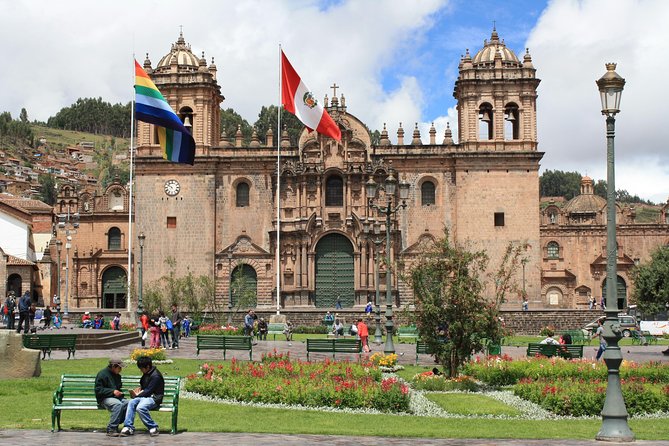
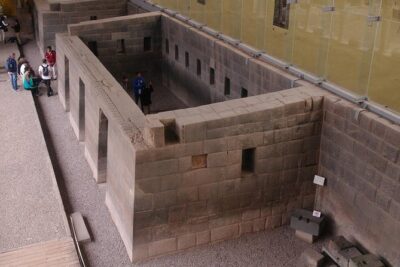
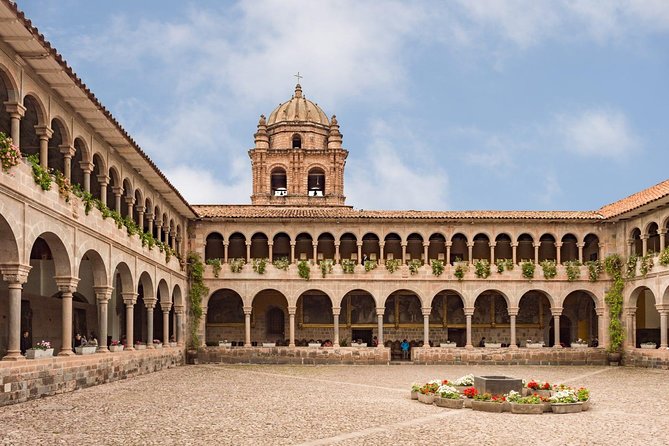
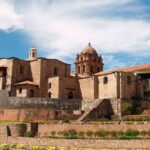
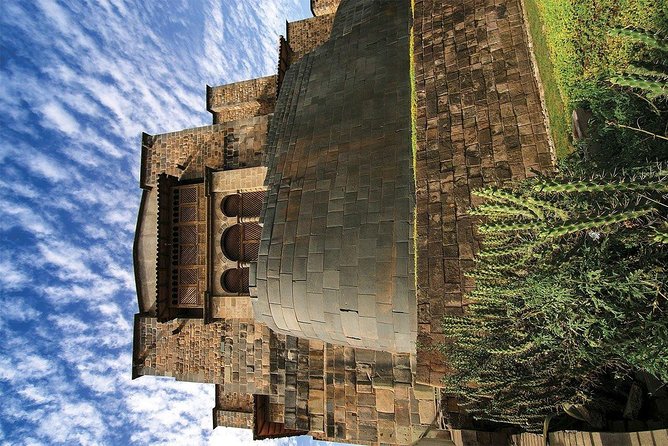
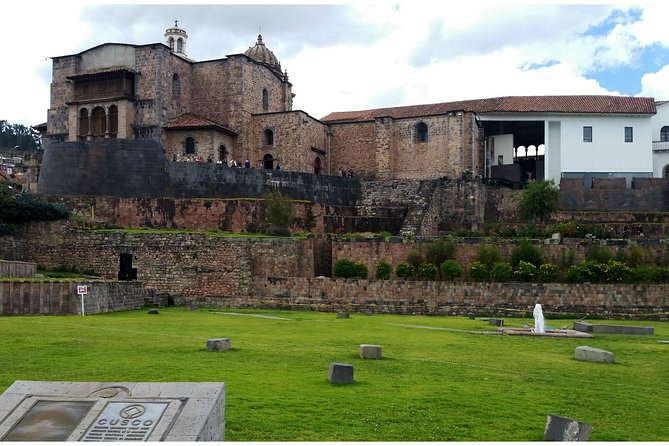
Qorikancha is the kind of stop that turns ruins into stories. This site centers on the Templo del Sol, and the guide’s job is to show you how the Inca built the place and how later influence changed what you see today.
You’ll typically spend about 45 minutes here, which is enough time to walk the main areas without feeling trapped in a long lecture. The best part is that Qorikancha acts like a “decoder ring” for Cusco. Once you understand what this site meant to the Inca, the rest of the tour feels more connected.
One more practical note: the tour doesn’t include entrances, so you’ll want to budget for your Qorikancha admission ticket before you arrive at the gate. It’s the kind of small admin step that can save you stress later.
Sacsayhuaman: Stonework You Can Actually Talk About
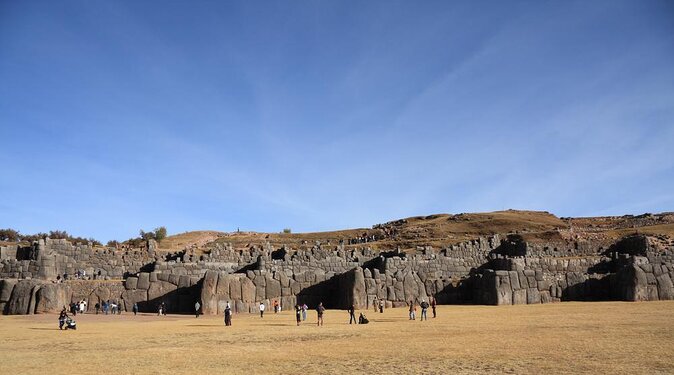
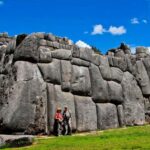
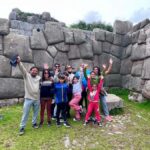
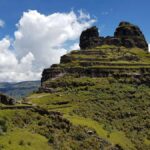
Then you roll to Sacsayhuaman, often considered one of the most impressive ruins near Cusco. You’ll spend around 45 minutes, which is a good match for how these stones “read” at human speed—close enough to notice shapes and alignments, long enough for the guide to explain what you’re looking at.
This is where Cusco tour days can go one of two ways: either you’re just standing and staring, or you walk away understanding why the site was built this way. The guides on this tour tend to emphasize Inca meaning, and you’ll hear the kind of explanations that help you see beyond “cool rocks.”
If you’re going on to Machu Picchu later, this stop is also a strong warm-up. Learning about the pre-Machu-Picchu Inca world around Cusco helps the bigger adventure feel less random.
Q’enqo and Puka Pukara: Short Stops, Clear Meaning
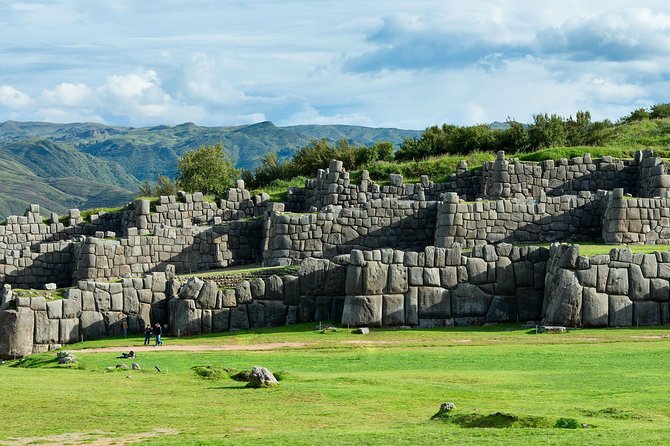
Next come two archaeological sites that fit nicely into a half-day schedule: Q’enqo (about 30 minutes) and Puka Pukara (about 30 minutes). These aren’t long sightseeing marathons. They’re more like “chapters”—small, focused lessons in how Inca sacred spaces were organized.
At Q’enqo, you’ll get guided context for the site’s purpose, so you’re not left guessing. Puka Pukara gives you a different feel—more open, more stonework to interpret, with the altitude making the views a real part of the experience.
These stops also help with acclimatization. You still walk and climb a bit, but the tour keeps it broken into manageable chunks. That pacing can be a big deal if you’re arriving in Cusco and trying not to overdo it on day one.
Tambomachay: The Water Temple and a Different Kind of Wonder
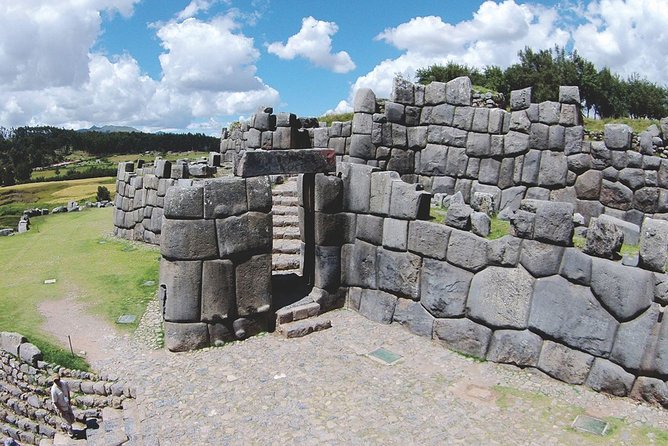
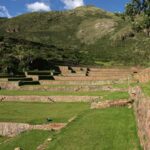
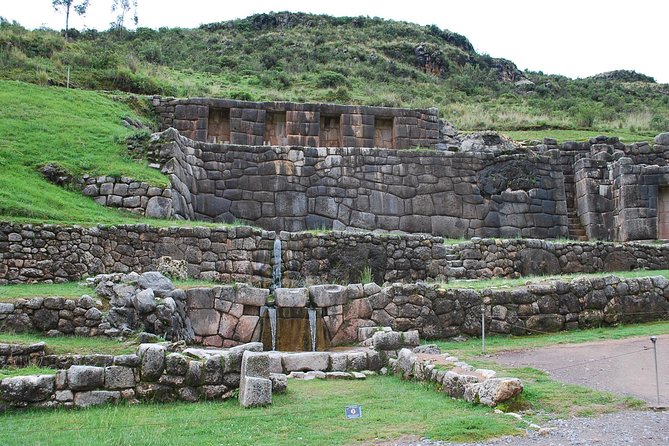
The final major archaeological stop is Tambomachay, often described as a water temple. You’ll spend around 30 minutes here, and that short time works because it’s a site you can appreciate by watching the water-related design and listening to the explanations.
This is a nice contrast to the more fortress-like Sacsayhuaman vibe. Instead of focusing only on power and stone, you get a glimpse into Inca engineering and how water systems fit into sacred or ceremonial life.
When the tour ends, you return to the meeting point, which helps you plan dinner and the rest of your day without guessing how late you’ll get back.
You can also read our reviews of more museum experiences in Cusco
Price and Value: Why $11.70 Can Be a Bargain (With One Big Caveat)
At $11.70 per person, this tour looks like a deal because you’re paying for a professional bilingual guide, air-conditioned vehicle, and a structured route that hits key Cusco sites in about 4 to 5 hours.
Here’s the caveat: entrance tickets and meals are not included. That means the real cost to you depends on how many admissions you purchase for the sites on your day. One guest tip that’s worth taking seriously: for foreigners, you may need around 70 soles for a partial ticket that covers major stops like Sacsayhuaman, Qenqo, Puka Pukara, and Tambomachay. If you’re planning another day like the Sacred Valley, a general ticket around 130 soles may make more sense.
So, the value math is simple:
- If you already plan to visit several nearby ruins over multiple days, tickets can add up.
- If this half-day is your main Cusco archaeology day, you’ll still likely enjoy the guide-led learning, even after paying admissions.
Either way, the guide and vehicle package is where the bargain is. The sites themselves come with a separate price tag.
Timing, Group Size, and How to Avoid Schedule Stress
This tour runs on either a morning or afternoon option, and the group size is capped at 15 travelers. That small cap matters because it keeps the vibe more conversational and helps the guide manage questions at each stop.
Still, there’s at least one theme in the feedback: timing can get tricky. A few guests described last-minute changes to departure time and difficulty gathering everyone. I’d handle that by showing up a bit early at Plaza de Armas and keeping your next plan flexible.
Also, if you care a lot about English narration quality, choose a departure time with enough daylight and energy for you to hear the guide clearly. Several guides are praised by name—Luis (Lucho), Edwin, Regina, and Pavel—but another review noted English skills weren’t strong on their date. So, it’s smart to assume guide quality can vary.
One more thing that helps: this is a vehicle-based tour with short walks. If you’re coping with altitude, that format is friendlier than a full-day trek.
What You’ll Learn: Inca Meaning, Spanish Influence, and Practical Context
The tour is designed to teach you how Cusco became what it is. The guide explanations typically focus on:
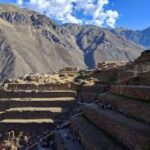
- how Inca influence shaped the sites and the sacred logic of building
- how Spanish presence changed what survived and how the city is read today
- why each archaeological stop matters, not just that it exists
That’s why I think this is a good first serious Cusco activity. You don’t leave with just a list of ruins; you leave with a framework that makes later sightseeing faster and more meaningful.
Museum South American Camelid: How to Confirm the Fit
Your title suggests a visit to a Museum South American Camelid. The Cusco city portion here clearly centers on archaeological stops, so if your booking includes the camelid museum, I recommend confirming one detail before you go: what time it replaces or adds to your route, and whether it affects entrance planning.
If the museum is added, it’s likely an extra cultural stop rather than a long hike. But without clear schedule details here, the best move is a quick check with the operator after booking.
Who This Tour Suits Best
This is a great choice if you want:
- a half-day Cusco orientation that includes major ruins
- a guided explanation to connect the sites to Inca and colonial influence
- an easier pace while you acclimatize
It’s also a solid “before Machu Picchu” activity. Learning the Cusco area context can make the later trip feel more coherent, not like a surprise from the clouds.
If you’re the type who hates buses and prefers walking-only days, you might find this style more structured than you want. But if you like efficient learning with minimal fuss, it fits well.
Should You Book This Cusco City Tour?
I’d book it if you’re looking for a value-focused, guided introduction to Cusco’s key Inca sites. For the price, the combination of professional guidance and vehicle transport is hard to beat—especially if it saves you from piecing together multiple sites on your own.
I’d also book it with one smart adjustment: plan for entrance tickets and keep your day flexible in case the schedule shifts slightly. And if your booking truly includes the camelid museum, confirm the exact timing so you don’t end up guessing on the day.
If you want a well-paced Cusco day that teaches you what you’re seeing, this half-day tour is a strong bet.
FAQ
How long is the Cusco city tour?
The tour runs about 4 to 5 hours.
How much does the tour cost?
It costs $11.70 per person.
Is the tour only in one language?
No. The tour is bilingual in English and Spanish.
Does the price include entrance tickets?
No. Entrance tickets are not included.
Are meals included?
No. Meals are not included.
Where does the tour start and end?
It starts at Plaza de Armas de Cusco (Del Medio 123) and ends back at the meeting point.
Is it possible to choose a morning or afternoon tour?
Yes, you can choose either a morning or afternoon departure.
How big is the group?
The tour has a maximum of 15 travelers.
When should I book?
On average, it’s booked about 23 days in advance, so booking ahead is a good idea.
What’s the cancellation window?
You can cancel up to 24 hours before the experience starts for a full refund.
If you want, tell me your travel dates and whether your schedule includes the camelid museum add-on, and I’ll help you map the best order for your day in Cusco.