REVIEW · ANIMAL SANCTUARY TICKETS
Cochahuasi Animal Sanctuary® Admission Ticket
Book on Viator →Operated by Cochahuasi Animal Sanctuary · Bookable on Viator
Animal rescue stories in Cusco, up close. You’re buying a Cochahuasi Animal Sanctuary admission ticket that turns a simple stop into a guided walk through rescued Andean wildlife, with time to explore at your own pace. It’s also a smart way to skip waiting in line since you book ahead.
I like that the visit is focused and efficient. Your ticket includes a local guide, and the whole experience usually lands between 45 minutes and 1.5 hours, so it fits easily into a Cusco day without eating your afternoon.
One thing to consider: this is a sanctuary for animals that couldn’t go back to the wild. You’ll see animals in controlled enclosures, and depending on the day and condition, some areas may feel less polished than you’d expect.
In This Review
- Key things to know before you go
- Why Cochahuasi works as a Cusco side trip
- What your $10 ticket actually buys you
- Cochahuasi Sanctuary walkthrough: what happens during the visit
- What animals and encounters can look like
- The “up close” part matters more than you think
- Conservation reality check: rehab, release, and permanent care
- Time, group size, and why your afternoon plan matters
- Price and value: is this ticket worth it?
- What might disappoint you (and how to avoid that)
- Who should book this sanctuary ticket
- Should you book Cochahuasi Animal Sanctuary in Cusco?
- FAQ
- How long does the Cochahuasi Animal Sanctuary admission visit take?
- What is included with the admission ticket?
- Are food and drinks included?
- What fitness level do I need?
- Are children allowed?
- How many people are in each group?
- When do I receive confirmation after booking?
- What’s the cancellation policy?
- Should I book ahead or pay at the sanctuary?
Key things to know before you go
- Skip-the-line with an advance ticket, so you can start your visit without extra waiting
- Local guide included, which makes a big difference for understanding each animal’s story
- Short, doable timing of about 45 minutes to 1.5 hours
- Small group size (maximum 15), which helps you actually hear the guide
- Rescue and conservation focus: rehabilitation, release, and permanent care all come up
- Not a long food stop: no food or drinks are included, so plan accordingly
Why Cochahuasi works as a Cusco side trip
Cochahuasi Animal Sanctuary sits in the category of places you remember because the mission is clear. You’re not just ticking off an attraction. You’re learning how wildlife rescue works in the Andes, and why some animals can’t be restored for life in the wild again.
The visit is also easy to fit into your itinerary. With a typical time of 45 minutes to 1.5 hours, you won’t feel stuck there all day. That matters in Cusco, where afternoons can get eaten by transport, acclimatization breaks, or just plain fatigue.
And yes, it’s an obvious pick if you’re a wildlife person. Expect to see Andean animals up close and hear what brought them there in the first place, plus what rehabilitation looks like when it’s possible.
You can also read our reviews of more tours and experiences in Cusco
What your $10 ticket actually buys you
At $10 per person, the biggest value is the combination of admission plus a guide. The ticket includes a local guide, and that’s what turns the visit from seeing animals into understanding them.
Here’s what else to keep in mind:
- Food and drinks are not included, so bring water if you think you’ll need it.
- You should have a moderate physical fitness level. The visit is described as requiring moderation, which likely means some walking around the sanctuary grounds.
- Children must be accompanied by an adult, so plan on adult supervision for the full experience.
One extra practical note: some people find that paying on site can cost more. A common comparison shared is that the on-site price can be 20 soles per person, while this advance ticket is listed at $10 USD. If you like getting better value and less friction, booking ahead often wins.
Cochahuasi Sanctuary walkthrough: what happens during the visit
Your ticket centers on one main stop: Cochahuasi Animal Sanctuary. The experience is guided by a local expert, and the whole point is to see the animals while learning their recovery and conservation stories.
The flow is straightforward:
1) You arrive and start with your guide, who helps you orient quickly.
2) You walk the sanctuary at an unhurried pace.
3) You hear the background on the animals you’re seeing—why they were rescued, what happened to them, and what the sanctuary can do now.
The sanctuary’s mission is described as rescuing animals that were abused, trafficked, abandoned, or treated poorly. That’s not just a slogan. You’ll learn that some animals can’t go back to the wild due to injuries or human imprinting. In that case, sanctuaries become a long-term home—and that’s part of the conservation story your guide helps you understand.
What animals and encounters can look like
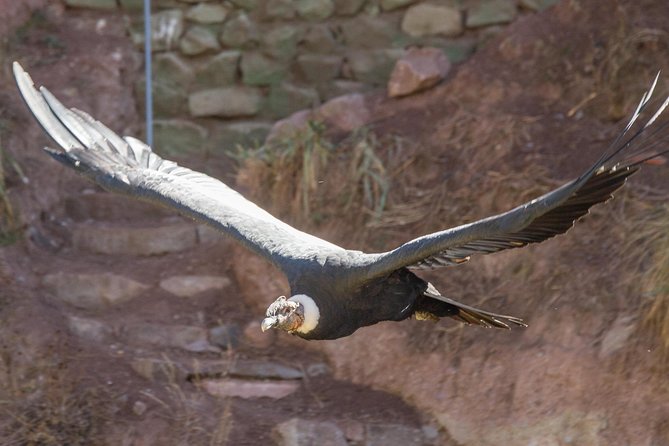
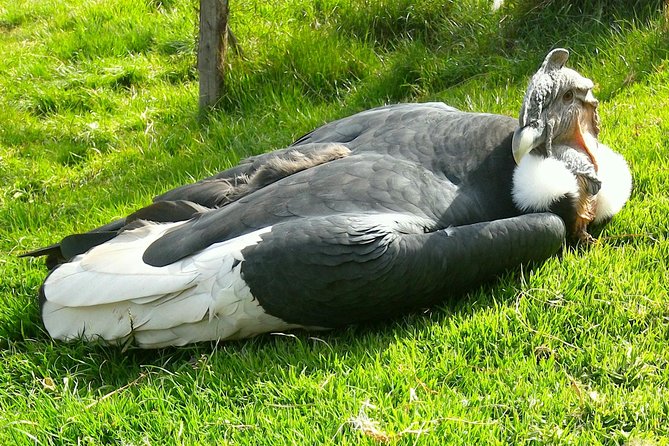
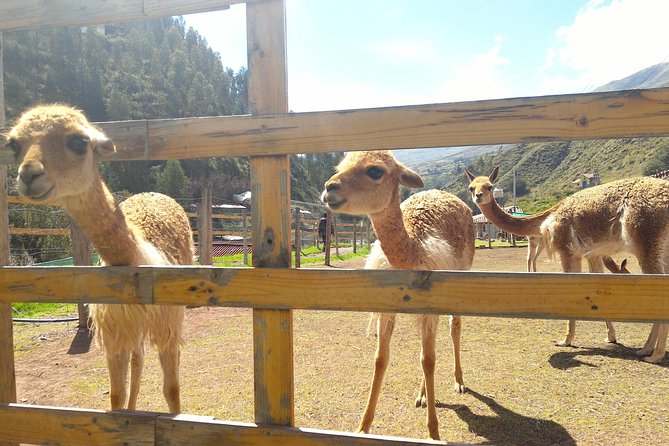
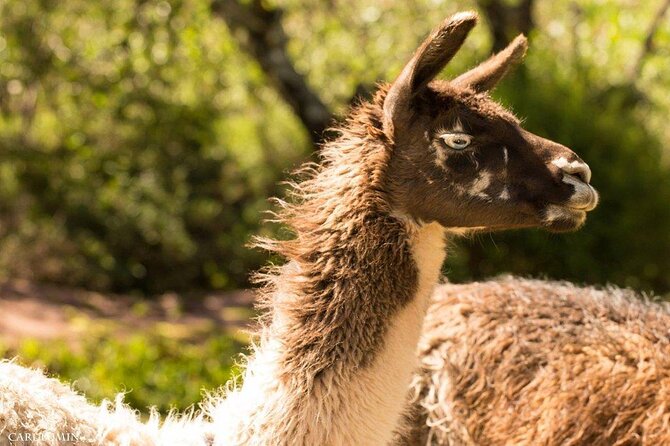
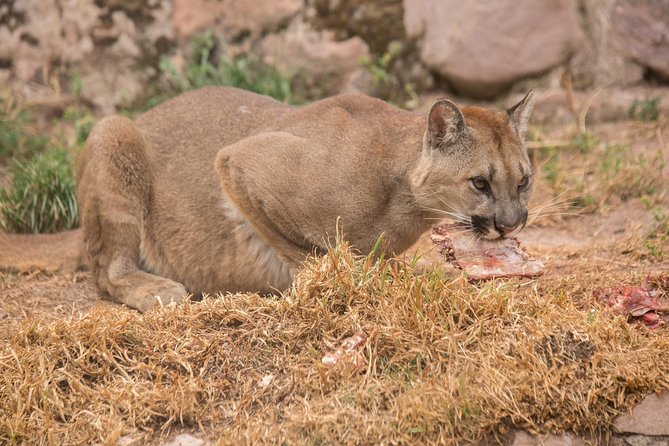
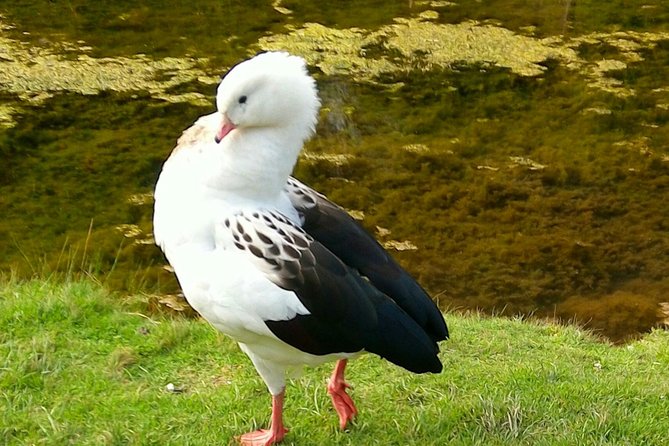
The sanctuary is known for showing a mix of Andean wildlife. Based on what people report, you may see animals such as condors, pumas, bears, monkeys, plus llama and alpaca-type animals.
Some visitors also mention more direct interaction—especially with alpacas. Still, interaction details can vary, and one account suggests you might have to pay extra for certain types of interaction. If you want hands-on moments, treat it as a possible add-on and ask your guide on arrival what’s included with your admission versus what costs extra.
The “up close” part matters more than you think
These visits can become either meaningful or shallow, depending on interpretation. A strong guide changes everything. With this ticket, the guide is included, and that’s what helps you connect what you’re seeing (a rescued animal’s body, behavior, or environment) with why it’s there.
That’s also where the sanctuary’s conservation angle comes in: rehabilitation is sometimes possible, and sometimes it isn’t. You’re learning the real constraints, not just a feel-good story.



Conservation reality check: rehab, release, and permanent care
One of the most important lessons you’ll get is that sanctuary care isn’t just a waiting room. It’s active treatment and ongoing support.
Here’s the key idea that visitors often take away: many rescued animals cannot return to the wild. Injuries may prevent survival, and human imprinting can make release unsafe. When that happens, the sanctuary’s job shifts from temporary rehab to long-term welfare.
This is also why you may notice animals in spaces that don’t look like an idealized nature scene. It can be emotionally hard. But from the conservation side, the goal is stability and safety for animals who can’t live as free-ranging wildlife anymore.
If you’re worried about the ethics, go in with eyes open. Ask questions and listen to the guide’s explanations. The sanctuary’s team also responds to criticism by saying animals were rescued from maltreatment or illegal trafficking and that care and maintenance are ongoing. You can hold two thoughts at once: places like this may not look perfect, while still being the best available option for rescued wildlife.
Time, group size, and why your afternoon plan matters
This isn’t a half-day bus tour where you’re herded from stop to stop. It’s a small-group experience with a stated maximum of 15 travelers. That size keeps things from feeling chaotic and makes it easier to hear the guide.
Timing is another strength. When your visit fits into a 45-minute to 1.5-hour window, you can do it without sacrificing your other Cusco priorities. You might be pairing it with markets, a short hike, a museum stop, or just a slow dinner.
The one logistics thing to get right is transport. The sanctuary is described as being about 30 minutes from Cusco, but some areas can feel remote once you’re there. A smart move is to arrange both directions in a way that doesn’t leave you guessing. If you take a cab or Uber, confirm ahead of time whether your driver can wait and return you. Some visitors report drivers can wait for a small fee, which can save you from standing around with nothing to do.
Also, bring the realistic expectation that you’re likely to be walking through the grounds in a way that suits short visits, not a marathon trek.
Price and value: is this ticket worth it?
For many people, the decision is simple: $10 is not much for a guided encounter with Andean wildlife and a conservation mission.
But value isn’t only price. It’s what your money turns into:
- A guide is included, so you get context instead of just visuals.
- The visit is short, so you’re not paying for a long time commitment.
- You’re supporting a rescue-and-rehab operation rather than a spectacle.
There’s also a practical value angle. If you prefer saving money and avoiding on-site pricing differences, booking in advance can help. One reported comparison is that on-site payment can be 20 soles per person, while the advance ticket is listed at $10 USD. Prices can shift with exchange rates and time, so use this as a general guide: advance booking may be cheaper and more predictable.
Your best bet for value is to go prepared to learn. If you want the mission story, this ticket delivers. If you only want animals with no interpretation, you might feel it’s less satisfying.
What might disappoint you (and how to avoid that)
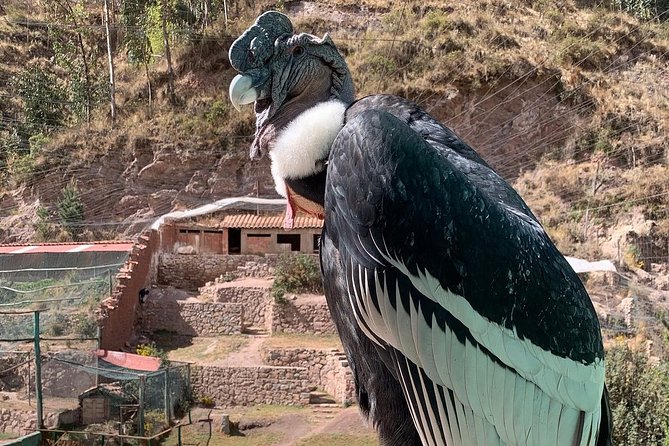
Let’s talk about the honest risk. Some people come expecting a picture-perfect sanctuary. Cochahuasi isn’t sold as a luxury zoo. It’s a working rescue facility for animals that were harmed or trafficked.
So you might see animals in cages or enclosures, and you may notice that some living areas can feel tight or visually unappealing. One critical account described maintenance concerns and felt that the environment didn’t match the sanctuary label.
Here’s how to avoid walking in with the wrong expectations:
- Don’t expect a theme-park animal experience.
- Focus on the guide’s explanation of why the animal is there and what care is being provided.
- If you care about animal welfare, ask practical questions and watch for how the staff responds.
If you’re extremely sensitive to seeing enclosure environments, this might be emotionally difficult. On the flip side, supporters point out that animals appear safe and well cared for, and that the passionate caretakers make the stories matter.
That’s why I’d say the experience is best if you can handle a real-world conservation setting.
Who should book this sanctuary ticket
Book it if:
- You love wildlife and want context, not just photos.
- You care about rescue and rehabilitation work in the Andes.
- You want a short, focused activity that fits into a Cusco day.
- You prefer a small-group visit instead of a large crowd scramble.
Skip or reconsider if:
- You expect a polished, resort-like animal park.
- You can’t handle the emotional weight of seeing animals in enclosures, even when they are rescued and cared for.
- You’re looking for a long itinerary or a full day tour with meals.
Should you book Cochahuasi Animal Sanctuary in Cusco?
I’d book it for most visitors who are wildlife-minded and short-on-time. The combination of a local guide, a manageable 45 minutes to 1.5 hours, and a clear conservation mission makes it one of those Cusco stops that feels worth fitting in.
Go with open eyes. You’re supporting a real rescue operation, so the visit can look different than what you’d see in a typical attraction. If you’re comfortable with that and you like learning how conservation works when the situation is complicated, Cochahuasi is the kind of place you’ll talk about after you leave.
FAQ
How long does the Cochahuasi Animal Sanctuary admission visit take?
It typically runs between 45 minutes and 1.5 hours (approx.).
What is included with the admission ticket?
Your admission includes a local guide.
Are food and drinks included?
No. Food and drinks are not included.
What fitness level do I need?
You should have a moderate physical fitness level.
Are children allowed?
Yes, children must be accompanied by an adult.
How many people are in each group?
The maximum group size is 15 travelers.
When do I receive confirmation after booking?
Confirmation is received at the time of booking.
What’s the cancellation policy?
You can cancel for free up to 24 hours in advance for a full refund. If you cancel less than 24 hours before the start time, there’s no refund.
Should I book ahead or pay at the sanctuary?
This ticket is designed to help you avoid waiting in line by booking your admission in advance.