REVIEW · SACRED VALLEY TOURS
Sam’s Zip Line in Sacred Valley
Book on Viator →Operated by Sam's Zipline - Cusco · Bookable on Viator
You’ll zip along sacred hills fast.
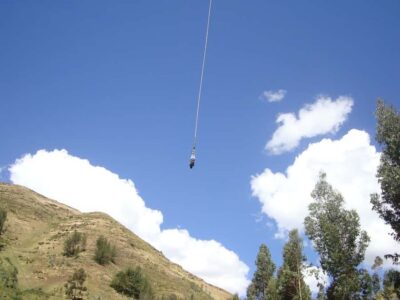
Sam’s Zip Line in the Sacred Valley turns the mountain views of the Cusco region into a hands-on ride: you fly hill to hill from the Racchi viewpoint, practice balance over a few fun obstacles, and get photos as proof you actually did it. I especially like the safety-first gear and setup.
What makes it work for most people is the certified equipment and the guided pacing before you launch. One thing to plan for: there’s no bottled water or food included, and the short climb between lines can feel tougher at altitude for anyone who runs out of breath easily.
In This Review
- Key Highlights You’ll Care About
- Why Racchi Viewpoint Ziplining Feels Different in the Sacred Valley
- Gear, Safety, and the Calm Before You Fly
- What You Actually Do: 4 Cables, a Tibetan Bridge, and Balance Obstacles
- Stop 1: Mercado de Artesanias and Why It Makes the Day Feel Real
- Stop 2: Complejo Arqueologico Chinchero—A Culture Pause With Easy Logic
- Getting There and Timing in Cusco: Plan for a Half-Day Rhythm
- Photos, Personal Items, and the Stuff You Don’t Want to Carry
- Price and Value: Is $61.54 Worth It?
- Who This Zip Line Is Best For (and Who Should Think Twice)
- Should You Book Sam’s Zip Line in the Sacred Valley?
- FAQ
- How long is Sam’s Zip Line in the Sacred Valley?
- How much does it cost?
- How many zip lines are included?
- What safety gear do I receive?
- Are photos included?
- Is private transportation included?
- What stops are part of the itinerary?
- Is bottled water or food included?
- What’s the maximum group size?
- What are the opening hours?
- Can I cancel for a refund?
Key Highlights You’ll Care About
- 4 zip line cables plus a Tibetan bridge (suspension) for a mix of speed and variety
- Harness, helmet, and gloves included, with Petzl-certified equipment
- At least 3 in-air photos plus time to store your stuff safely before you fly
- Max group size of 12 means you’re not lost in a huge crowd
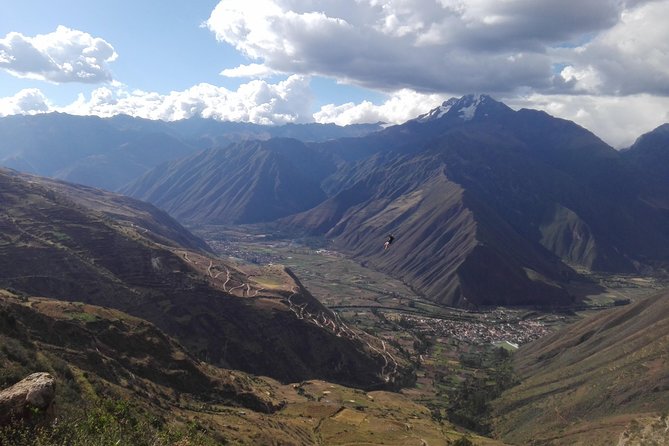
- Racchi Ayllu community area views over the Sacred Valley and nearby Andes peaks
Why Racchi Viewpoint Ziplining Feels Different in the Sacred Valley
If you’re visiting Cusco, you’re surrounded by big views and steep terrain. This is one of the few activities where you don’t just look at the Sacred Valley—you move through it. The ride runs from the Racchi viewpoint, flying between hills in a way that makes the scale of the valley click instantly.
The setting also matters. You’re not only above open countryside. You’re flying with a sense of place tied to the local community area of Racchi Ayllu, with the Sacred Valley of the Incas and eastern Andes mountain ranges in view. That combination—Inca-region scenery plus a working community backdrop—feels more grounded than a generic “adventure park” vibe.
And there’s a practical bonus: since the zip line is the main event, you’re not stuck on your feet for long. The flight time is the payoff, and the rest of the day supports it.
You can also read our reviews of more tours and experiences in Cusco.
Gear, Safety, and the Calm Before You Fly
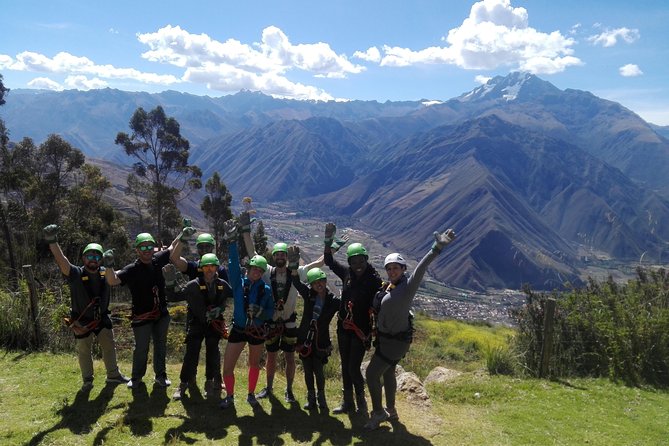
Ziplining can feel intimidating if you’ve never done it. I like that this tour treats safety as the headline, not the footnote.
You’ll wear a harness, helmet, and gloves. The operation also states its facilities are validated by Civil Defense and that the equipment is certified by Petzl. There’s also a health agreement mentioned for unforeseen events. Even if you’re comfortable with heights, that kind of structure helps you relax.
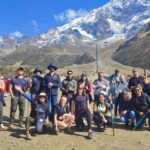
The other safety piece is human: you get a team and a clear process before you ride. The best part is not just that they give instructions—it’s that they help you feel confident. Families with kids and older adults have done this with no drama, which usually means the staff is good at pacing people and explaining what your body needs to do.
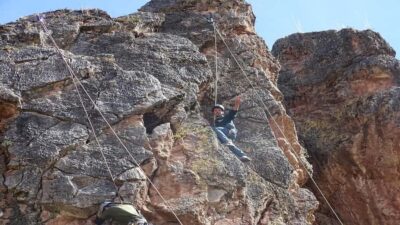
One more consideration: the activity includes obstacles and balance practice. That’s fun. It’s also a reminder that you’ll be using your hands and legs to stay stable while you’re learning the rhythm of the route.
What You Actually Do: 4 Cables, a Tibetan Bridge, and Balance Obstacles
This is not one single “zip and done” line. The experience includes four zip lines plus a Tibetan bridge (suspension), which changes the feel from pure speed to something more about body control and confidence.
Between segments, you’ll deal with the practical side of ziplining: getting positioned, keeping your grip, and handling the short transitions. One of the most useful realities from people who’ve done it here is that the climb and movement between zip sections can be harder if your breathing is affected by Cusco altitude. If you get winded easily, pace yourself during transitions and don’t try to rush.
You’ll also face a few fun obstacles along the way. Think of these as balance tests rather than a stunt course. They’re there to make you feel capable before the longer, more scenic flights.
And yes, there can be thrill options. Some riders call out a Superman-style upside-down position, which is exactly the sort of thing that makes the day feel like it’s more than a standard “sit and slide” attraction. If you want that version, you’ll likely want to ask on-site what positions are available for your run.
Stop 1: Mercado de Artesanias and Why It Makes the Day Feel Real
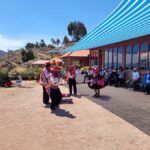
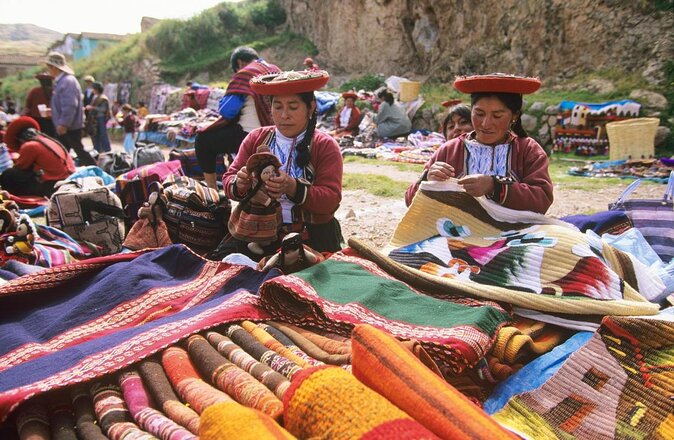
Your day starts with a stop at Mercado de Artesanias. This isn’t just filler. It’s a chance to get your bearings in the region and see the local craft side of Cusco beyond the main attractions.
Practically, it also breaks up your time on the road. In tours like this, you want a moment where you can stretch, look around, and understand what you’re actually heading toward. Markets are good for that: quick, visual, and easy to dip into even if you don’t plan to buy.
The only caution here is time and attention. Markets can pull you in. If you’re the type who loves shopping, set yourself a budget and keep an eye on the schedule so you don’t show up to the zip line already exhausted.
Stop 2: Complejo Arqueologico Chinchero—A Culture Pause With Easy Logic
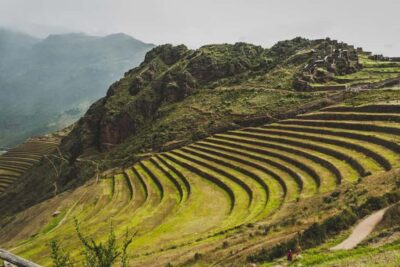
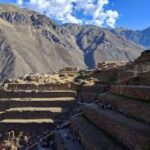
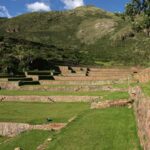
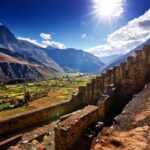
After the craft stop, the itinerary includes the Archaeological Complex of Chinchero. This adds context to the Sacred Valley beyond the view from above.
Why I like this pairing: ziplining is an adrenaline experience, but it works best when you also get at least one grounded cultural stop during the day. Chinchero gives you a “before/after” feeling—then you fly with your brain remembering what you saw on the ground.
A drawback to consider: archaeological sites can include uneven paths and sun exposure. If you’re going straight from site walking to harnessing up, wear comfortable footwear and protect yourself from the sun.


Getting There and Timing in Cusco: Plan for a Half-Day Rhythm
The core zip line activity runs about 1 hour (approx.), but the day itself includes transport and two stops. You’re looking at a schedule that feels like a structured excursion rather than a drop-in activity.
Operating hours are listed as 9:00 AM to 4:00 PM, Monday through Sunday. That’s helpful because you can usually slot it into a morning or early afternoon plan.
Also note two practical details that affect your experience more than you’d think:
- Private transportation is included, so you don’t have to figure out getting in and out on your own.
- The group limit is 12 travelers, so you’re not waiting forever for your turn.
Altitude tip: if you feel breathless walking uphill in Cusco, treat the transitions between zip segments as the moment you might notice it most. Slow down and focus on control, not speed.
Photos, Personal Items, and the Stuff You Don’t Want to Carry
A small thing that makes a big difference: you can store your personal items with peace of mind. That means you don’t have to hand-carry a bag or worry about where your phone ends up while you’re flying.
Photo-wise, the included payoff is clear: you’ll come away with at least three pictures of you in the air. That’s a practical number. Enough shots to actually get a good one, without the pressure of needing a perfect moment every time.
If you’re the type who wants proof for social media (or just wants something to remember), the photo-included approach is a smart value move. You’re buying an experience with built-in documentation.
Price and Value: Is $61.54 Worth It?
At $61.54 per person, this is positioned as an “accessible adventure” rather than a premium, all-day luxury tour. The value comes from what’s included with the ride:
- Safety gear (harness, helmet, gloves) is included
- Private transportation is included
- Item storage is included
- Photos in the air are included (at least 3)
- Small group size (max 12) keeps the experience more controlled
If you’ve priced other zip lines in mountain regions, you’ll know a lot of places charge extra for basic gear or photos. Here, the essentials are bundled. That makes the price easier to swallow—because you’re not doing “upsell math” during the tour.
The only “cost” you should plan for is personal. Since bottled water and any drinks/food are not included, bring money for a refill or plan to buy water after the zip line.
Who This Zip Line Is Best For (and Who Should Think Twice)
This tour states that most travelers can participate, and the age range in real-world use supports that. Families with kids around elementary age have done it, and older adults have handled it too. The key factor is not age—it’s willingness to follow instructions and be ready to move between sections.
It’s a great fit if you:
- want a thrilling way to see the Sacred Valley without long hikes
- like guided activities where you’re coached through safety and positioning
- want included photos and gear so you can focus on having fun
You might want to think twice or ask more questions before booking if:
- you have trouble with short climbs or moving your body quickly between segments
- you’re very sensitive to height or balance challenges
- you forget to prepare for altitude and warm conditions (Cusco can surprise you)
Should You Book Sam’s Zip Line in the Sacred Valley?
Yes—if you want one of the most efficient, scenic “wow” activities in the Cusco area, this is a strong choice. You get four cables plus a Tibetan bridge, you’re flying in a Sacred Valley setting from Racchi viewpoint, and you’re not paying extra for basic gear or the in-air photos.
I’d book it especially if you value safety structure and a small-group feel. And I’d go in prepared: wear shoes you can walk in, take your time breathing during transitions, and plan for water since none is included.
If you’re only interested in a calm, low-activity cultural day, then a zip line might feel like too much. But if you want a day that mixes views, a market stop, Chinchero, and real adrenaline—this one makes a lot of sense.
FAQ
How long is Sam’s Zip Line in the Sacred Valley?
The zip line activity is listed at about 1 hour (approx.). The full day also includes the two included stops.
How much does it cost?
It costs $61.54 per person.
How many zip lines are included?
The experience includes 04 cables plus a Tibetan bridge (suspension).
What safety gear do I receive?
You’ll be provided a harness, helmet, and gloves.
Are photos included?
Yes. You’ll come away with at least three pictures of you in the air.
Is private transportation included?
Yes, private transportation is included.
What stops are part of the itinerary?
The itinerary includes Mercado de Artesanias and Complejo Arqueologico Chinchero.
Is bottled water or food included?
No. Bottled water and any drinks or food are not included.
What’s the maximum group size?
This activity has a maximum of 12 travelers.
What are the opening hours?
Opening hours are listed as 9:00 AM to 4:00 PM, Monday through Sunday.
Can I cancel for a refund?
Free cancellation is available if you cancel at least 24 hours in advance for a full refund. If you cancel less than 24 hours before the start time, the amount paid is not refunded.