REVIEW · FARMS
Private Ollantaytambo, Pisac Ruins Tour with Farm Visit, Gourmet Picnic Lunch
Book on Viator →Operated by Valentins Pachamama Journeys · Bookable on Viator
First-rate ruins should come with real context. This private Cusco outing strings together Ollantaytambo, Pisac, and a Sacred Valley farm day so you’re not just looking at stones—you’re seeing how Andean life still works. It’s a full 8-hour block with hotel pickup/drop-off, plus a guided flow that keeps the questions coming. The tour is also privately paced, so you’re not wedged into someone else’s schedule.
Two things I especially like: the way you get time to wander after the guide-led parts, and the hands-on farm stop that goes beyond a photo op. You’ll get a chef-prepared gourmet picnic lunch with local organic produce, and you’ll also taste Peruvian fruits like lucuma and chirimoya at a Urubamba market.
One consideration: entrance fees aren’t included, and you’ll want to plan for the Boleto Turístico options (paid on your side). Also, there’s moderate walking and some stairs at Ollantaytambo, with extra climbing if you choose the optional hike around Pisac.
In This Review
- Key things that make this tour worth your time
- A private Sacred Valley day that actually feels connected
- Ollantaytambo morning: Pachacutec’s base and the town’s old streets
- Yanahuara farm visit: cut alfalfa, see chicha, eat outdoors
- Urubamba market tasting: lucuma, chirimoya, and medicine plants
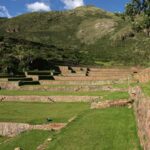
- Pisac ruins: terrace agriculture above 11,000 feet
- Pisac handicraft market: ceramics, weaving, and sensible shopping
- Price and ticket reality: what you’re paying for
- The guide factor: why Valentin’s approach changes the day
- Timing, comfort, and what the day feels like
- Who should book this tour (and who should consider alternatives)
- Should you book this private Ollantaytambo and Pisac tour?
- FAQ
- FAQ
- How long is the private tour?
- Do I need to buy entrance tickets?
- What does the tour include for food?
- Is the chicha experience part of the tour?
- How much walking and stairs should I expect?
- Is this a group tour?
- Where do you pick me up and drop me off?
- What’s the cancellation policy?
Key things that make this tour worth your time
- Private guide, private pace: plenty of time for questions without feeling rushed.
- Ollantaytambo’s waterworks and storage logic: terraces, fountains, aqueducts, and wind-cooled storage.
- Farm visit you can actually participate in: you’ll cut alfalfa for guinea pigs and see chicha production.
- Urubamba market tasting with context: fruits and ingredients tied to corn beer culture.
- Pisac ruins plus a quieter Inca trail section: including a tunnel built by the Incas.
- Organic farm picnic with chef prep: lunch is part of the experience, not just included food.
A private Sacred Valley day that actually feels connected
If you’re doing the Sacred Valley for the first time, it’s easy to get tour fatigue: ruins in the morning, a quick stop, then long drives with little connection. This plan avoids that by moving through a logical thread—Inca engineering at Ollantaytambo, living agriculture at the farm, everyday foods at a local market, then high-altitude terraces and sacred features at Pisac.
Because it’s private, you get to slow down where it matters. When the guide explains why Ollantaytambo’s storage houses used winds to keep crops cool, you’re not just hearing facts—you can look at the structure while it’s still fresh in your mind. Same for Pisac, where the explanation of religious, astronomical, and military functions makes the layout easier to read.
And yes, you’ll still cover a lot. But the day is paced in a way that feels deliberate rather than stuffed.
You can also read our reviews of more private tours in Cusco
Ollantaytambo morning: Pachacutec’s base and the town’s old streets
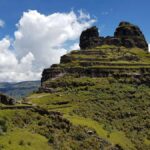
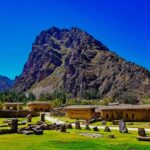
You’ll start early with hotel pickup in the Cusco area and private transport into Ollantaytambo for a guided visit at the archaeological park. The focus here is not only what the ruins look like, but what they were built to do.
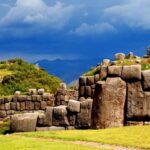
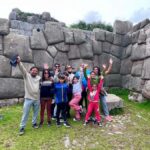
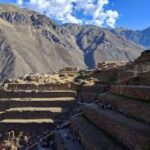
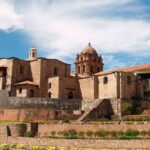
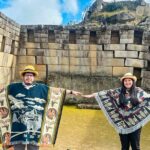
This site is described as the lodging of Inca emperor Pachacutec, and later it served as a military checkpoint protecting the road toward Machu Picchu from Spanish advances. That “why” matters because it shapes how you look at the terracing, water systems, and built-up spaces. You’ll see terraced ruins, fountains, and aqueducts, plus storage houses tied to preservation through airflow and temperature control.
After the guide-led portion, you’ll have time to wander the streets of one of Peru’s oldest towns. A big bonus: you’re not just viewing an isolated site. You’re also stepping into a town where many 15th-century Inca buildings still stand.
What to watch for: there are stairs and some climbing at Ollantaytambo. If you’re steady on your feet, it’s manageable. If you’re not, the private format helps because your guide can adjust the pace and help you choose which sections to focus on.
Yanahuara farm visit: cut alfalfa, see chicha, eat outdoors
After Ollantaytambo, you’ll drive about 20 minutes to the town of Yanahuara for a farm visit in the Sacred Valley. This is one of those stops that flips the whole day from sightseeing to real life.
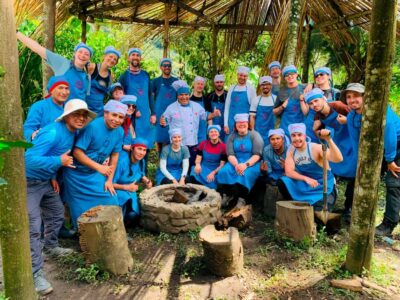
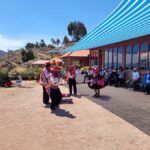
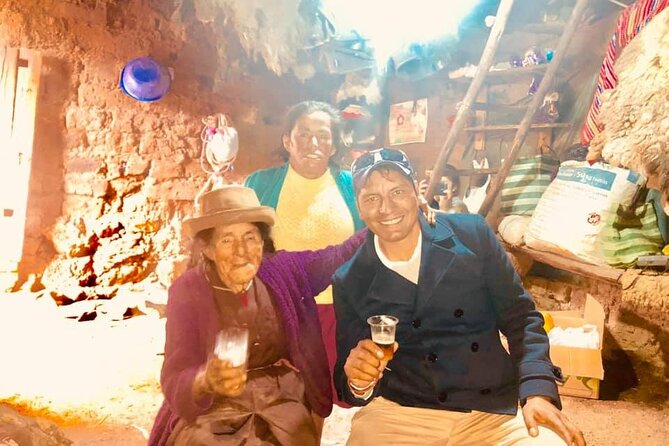
You’ll tour the farm lands, including a hands-on activity: cutting alfalfa to feed the guinea pigs. It’s small and simple, but it gets you out of spectator mode. You also see first-hand how chicha is made, which connects your later market tasting to something tangible.
Chicha is a corn beer with deep roots in Peruvian culture, traced back to Inca times in the tour’s explanation. Seeing the process on a working farm gives the idea weight, not just trivia.
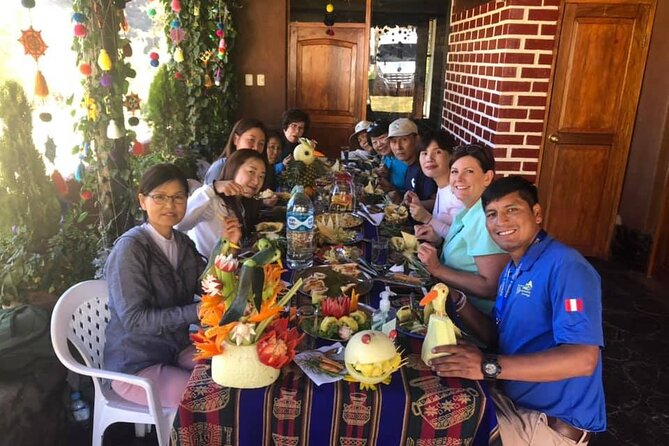
Then comes the lunch, and this is where the day earns its reputation. A private chef prepares a gourmet picnic using local organic produce, including some of the farm’s own crops. You’ll eat outside with a view over the Sacred Valley, which makes the meal feel like part of the landscape instead of an intermission.
If you like food travel that’s more than a sandwich, this is a big reason to pick this particular itinerary.
Urubamba market tasting: lucuma, chirimoya, and medicine plants
Once lunch wraps, you’ll head to Urubamba for an authentic market that’s described as non-tourist. This is less about souvenirs and more about ingredients and daily routines.
Your guide walks you through what families sell—fruits, vegetables, flowers, and natural medicinal plants. Then the tasting part turns the market into a lesson you can actually taste. You can try Peruvian fruits and foods such as passion fruit, lucuma, and chirimoya.
You’ll also learn about the ingredients used to make chicha, tying the market back to what you saw at the farm. That connection is the whole point: ingredients, not just names.
Practical tip: markets move fast. If there’s a fruit you love, ask your guide to help you find where that ingredient is sold again, or which stall tends to have it freshest.
Pisac ruins: terrace agriculture above 11,000 feet
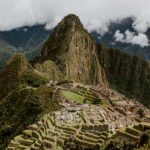
After Urubamba, you’ll drive about an hour to Pisac, another major Sacred Valley site with dramatic mountain-set terracing. The ruins sit high on the slope, so the climb and viewpoints are part of the show.
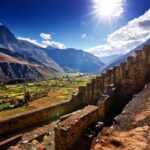
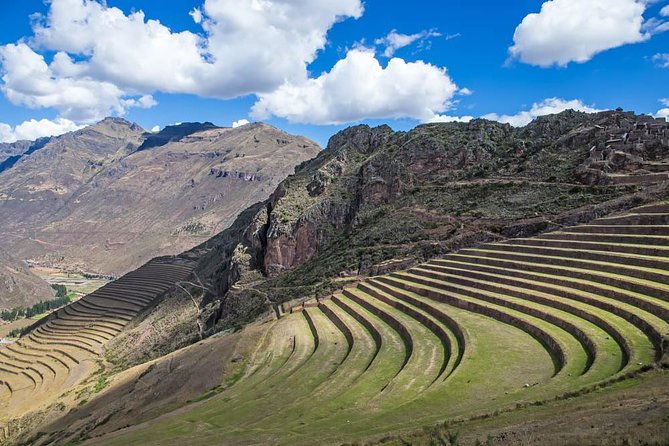
Your guide helps you make sense of the place by explaining how Pisac’s terraces served agriculture above 11,000 feet, plus its religious, astronomical, and military functions. When you understand those categories, it becomes easier to see patterns in where things are placed and how the terraces perform.
You’ll have time to climb toward the top of the ruins to take in views over the Sacred Valley. And then there’s an extra layer that many shorter tours skip: you can hike a little known, seldom used original Inca trail and pass through a tunnel built by the Incas.
You’ll also find one of the largest Inca cemeteries within the ruins, and you can tour that area as well.
What to watch for: the day already includes some steps at Ollantaytambo. Pisac adds more climbing. If you’re fit and enjoy short hikes, you’ll likely love the trail and tunnel section. If you’re more cautious, you can still get a lot from the main route and viewpoints.
You can also read our reviews of more tours and experiences in Cusco
Pisac handicraft market: ceramics, weaving, and sensible shopping
After the ruins, you’ll visit the Pisac handicraft market in town. This is where browsing can be fun again because you’ve already seen the working context of Andean agriculture and daily life.
You can look for ceramics, jewelry, and weaving. The tour format keeps it unhurried compared with the usual “two-minute shop stop,” because you’re coming straight from the history and views—not from a rushed bus transfer.
If you shop, consider this a buy-with-meaning moment: pick something small and durable that fits what you actually noticed during the day.
Price and ticket reality: what you’re paying for

At $197 per person, this is not a budget group tour. But it’s also not just a “transport + entrance fees” deal. You’re buying a private guide, private transport, and key food components: lunch plus food tasting.
Here’s what’s extra: entrance fees. The tour notes that you’ll need the Boleto Turístico for entry into Ollantaytambo and Pisac, with two options listed:
- 130 soles (about $37) covering Pisac, Ollantaytambo, Chinchero, Moray, multiple museums in Cusco, and Sacsayhuaman
- 70 soles (about $23) covering only some sites
Value-wise, if you plan to see multiple Inca sites during your trip, the full pass can make sense. If you’re only doing these two, you might weigh whether the half ticket covers what you want.
Also factor in time. Private transport plus a private guide in the Sacred Valley is a big part of why the day flows well. If you’re the type who wants to understand what you’re seeing, the price can feel fair.
The guide factor: why Valentin’s approach changes the day
A big through-line in the reviews is the guide’s ability to connect the ruins to living Andean life. Valentin is described as growing up in the Sacred Valley and knowing the locals. That shows in the kinds of questions you’ll naturally want to ask.
You should expect a guide who can talk about day-to-day realities—diet, weather, economy, and agriculture—so the farm and market stops don’t feel like side quests. And at least one review notes Valentin’s English was strong, which matters a lot when you’re trying to understand details like how water systems and storage designs work.
If you want history only in a textbook form, any guide might do. If you want history that helps you read the landscape, the guide is the difference-maker here.
Timing, comfort, and what the day feels like
This is an approximately 8-hour private experience. Your start is early, with pickup from your Cusco-area hotel and transport toward Ollantaytambo, then on to Yanahuara for the farm and Urubamba for the market, and finally Pisac.
Comfort notes based on the info provided:
- There’s moderate walking overall, with some stairs at Ollantaytambo.
- You’ll have breaks built into the flow—especially at lunch and market tasting.
- It’s private, so you’re not forced into a one-size-fits-all pace.
- The tour is designed so most people can participate, but you should be honest with yourself about stairs and altitude comfort.
Who should book this tour (and who should consider alternatives)
This tour is a great match if you:
- Want a full Sacred Valley day that balances ruins with food and agriculture
- Prefer private guiding and time for questions
- Enjoy markets and farm-to-table style stops where you learn as you eat
- Don’t just want views—you want reasons for the layout and the engineering
It might be less ideal if you:
- Need a very low-steps day (Pisac and Ollantaytambo both involve climbing)
- Don’t want to pay entrance fees on top
- Prefer a shorter itinerary with only the biggest photo spots
Should you book this private Ollantaytambo and Pisac tour?
If your goal is to leave the Sacred Valley with both photos and understanding, I’d book it. The strongest part is the way the day connects engineering at the ruins with food and farming in the valley. The farm lunch, plus chicha and fruit tasting, makes the day feel lived-in.
If you’re budget-tight, the extra entrance fees and a private price tag may sting. But if you’re the type who values a guide that explains what you’re looking at while you’re still standing in front of it, the cost starts to make sense.
My call: book it if you want a day that tastes like Peru, not just looks like it.
FAQ
FAQ
How long is the private tour?
It’s scheduled for about 8 hours.
Do I need to buy entrance tickets?
Yes. Entrance fees are not included. The tour notes that you’ll need the Boleto Turístico for entry into Ollantaytambo and Pisac, with full and half options listed.
What does the tour include for food?
You’ll have a gourmet picnic lunch prepared for you at the organic farm, plus food tasting during the day.
Is the chicha experience part of the tour?
Yes. You’ll see how chicha is made on the farm, and you’ll also learn about the ingredients used to make chicha at the market.
How much walking and stairs should I expect?
There’s a moderate amount of walking, with some stairs to climb at Ollantaytambo. Pisac also involves climbing through the ruins area.
Is this a group tour?
No. It’s private, so only your group participates.
Where do you pick me up and drop me off?
You’ll get hotel pickup and drop-off. The itinerary mentions pickup from Cusco-area hotels and returning you to your hotel in Cusco or the Sacred Valley after Pisac.
What’s the cancellation policy?
You can cancel for a full refund if you cancel at least 24 hours in advance of the experience start time.
If you want, tell me your travel dates and where you’re staying (Cusco vs. Sacred Valley). I can help you think through whether the full or half Boleto Turístico option is the better value for your extra sightseeing.