REVIEW · COOKING CLASSES
Cooking class and market tour with a local chef
Book on GetYourGuide →Operated by Cusco Gastronomic Tours & Coooking Class · Bookable on GetYourGuide
Cusco tastes better when you learn where ingredients come from, not just how they’re plated. This market tour plus hands-on cooking class pairs shopping in a local food hub with a chef-led session that ends in a full meal and a pisco-based drink.
I especially love two things: you cook with a professional chef who grew up in Cusco, and you’re not stuck with one menu. You choose your cocktail and your main dish, while the starter stays the same for everyone, and the chef can adapt to different diets and restrictions.
One consideration: the course can include ingredients tied to local eating habits (meat and fish show up in the listed dishes). If you have strong restrictions, tell them clearly before the class so you get the right swap.
In This Review
- Quick reasons this class earns repeat bookings
- Finding the workshop near Aranwa Boutique Hotel
- San Pedro Market: fruit, cheese, and how to shop like a local
- From market to mise en place: how the cooking session flows
- Starter dishes you’ll cook: Rocoto relleno and Causa rellena
- Rocoto relleno: stuffed chili baked with local cheese
- Causa rellena: yellow chili potato cake with avocado and fish tartare
- Your drink choices: pisco classics and passion fruit sour
- Main dish choice in Cusco: Lomo saltado or ceviche
- Option 1: Lomo saltado with native potato fries
- Option 2: Ceviche with trout, mango, and sweet potato
- Diets and substitutions: how flexibility actually works
- Altitude reality check: pace, sip, and ask for support
- What’s included in the $57 price, and what you’re really paying for
- Clean studio, clear technique, and a chef who checks the details
- Where solo travelers fit in (and why group size matters)
- Who should book this Cusco cooking class?
- Should you book this cooking class in Cusco?
- FAQ
- How long is the Cusco cooking class and market tour?
- How much does it cost?
- Where is the meeting point?
- What language is the class taught in?
- What do I cook during the class?
- What drinks are included?
- Can dietary restrictions be accommodated?
- Is transportation included?
- What safety and health notes apply to altitude in Cusco?
- Are there age and equipment limits?
Quick reasons this class earns repeat bookings
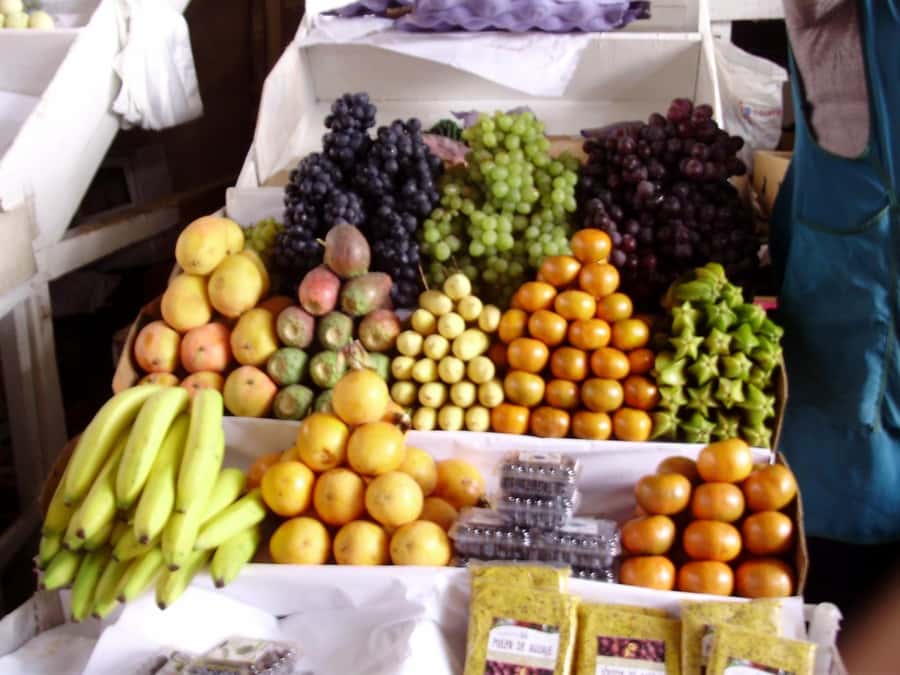
- Chef-led market shopping in Cusco, with tastings and ingredient context you can use later at home
- Pick-your-own drink and main (while the starter dish is shared)
- Two iconic Peruvian dishes you actually cook: Rocoto relleno and Causa rellena
- Pisco Sour plus a passion fruit option for a Cusco-style cocktail experience
- Dietary flexibility including vegetarian options and adaptations for restrictions
- Altitude-minded details, like altitude-sickness support and digestive teas if needed
Finding the workshop near Aranwa Boutique Hotel
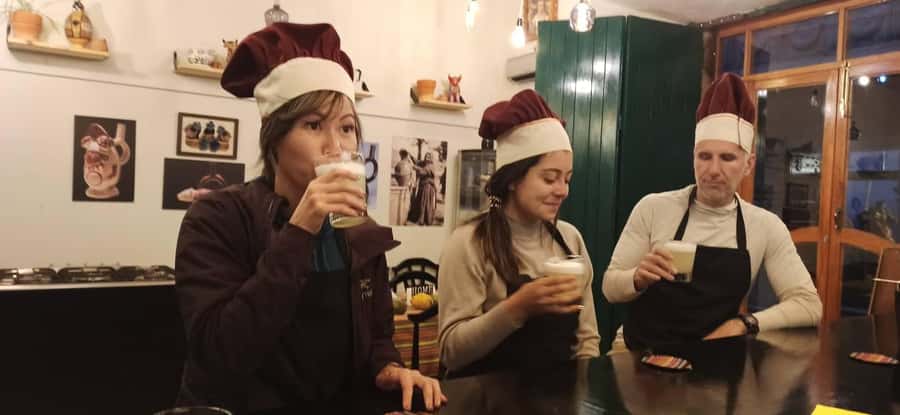
The meeting point is at Calle San Juan de Dios 264, in front of the Aranwa boutique Hotel. The workshop entrance is across the track, behind a glass-and-wood door with no big signage or ads, so I’d give yourself a few extra minutes and look for that quiet storefront feel.
This matters because Cusco runs on tight timing. You’ll want to arrive rested enough to enjoy the market walk and not feel rushed when the cutting board time starts.
Also note: there’s no transportation included. If you’re staying outside the area, plan a taxi or a short ride so you don’t lose your energy before the class.
You can also read our reviews of more shopping tours in Cusco

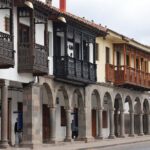
San Pedro Market: fruit, cheese, and how to shop like a local
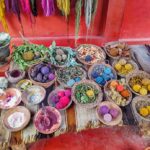
Your first big block is the market visit, where you’ll discover one of Cusco’s best-known markets and the ingredients behind the dishes you’ll cook later. You’ll see fruits and cheeses of the city, and you’ll get guidance on what to look for and why certain ingredients work together.
In practical terms, this is the part that upgrades your memory of the meal. When you understand the “why” behind ingredients, you can recreate flavors later, even if you can’t find the exact same product in your hometown.
You’ll also get some tasting along the way, which helps you decide how you like flavors such as acidity, sweetness, and herb intensity. That’s useful because your final food choices are built around these taste profiles.
From market to mise en place: how the cooking session flows
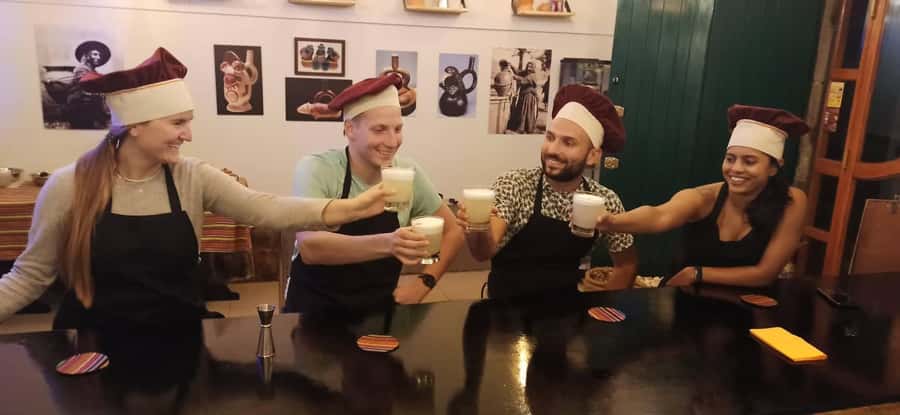
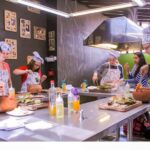
The class is hands-on from the start, and the pace feels structured without dragging. You’re working in a kitchen workshop with the tools you need, plus aprons, water, and utensils set up for both cooking and the bar side of the experience.
A detail I appreciated is how the chef handles timing around multiple dishes. Starters and drinks come first, then you shift into your chosen main, which keeps the room moving and prevents that late-session chaos that can happen in some cooking classes.
You also choose dishes before the class begins. That means less indecision at the counter and more focus once you’re chopping, mixing, and cooking.
Starter dishes you’ll cook: Rocoto relleno and Causa rellena
The starter menu is the same for everyone, and it’s designed to show you two core Peruvian flavor paths: heat-with-depth and layered comfort.
Rocoto relleno: stuffed chili baked with local cheese
Rocoto relleno is a traditional stuffed chili with meat and a sweet-salty ingredient mix. You’ll prepare fillings that include onions, peas, carrots, peanuts, and dry grapes, then cover with local cheeses and bake it in the oven.
What I like here is the balance: heat from the chili, savoriness from meat and onions, and a surprising fruit note from the dry grapes. If you think you only like mild flavors, this dish is the one that can change your mind.
You can also read our reviews of more tours and experiences in Cusco
Causa rellena: yellow chili potato cake with avocado and fish tartare
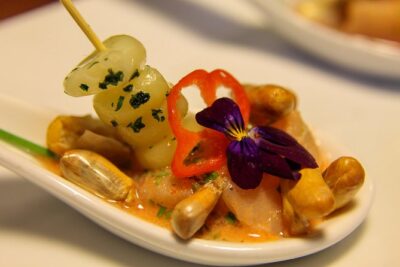
Causa rellena is a different type of Peruvian comfort. It’s made with yellow chili sauce, then layered into a potato cake and stuffed with avocado, fish tartare, mayonnaise, and spices.
This is one of those dishes where the texture matters. The potato base has to be mashed smoothly, and the sauce needs to be blended well so it doesn’t taste harsh or salty.
If you’re vegetarian, you should expect substitutions, because the listed version includes fish tartare. The important point: the experience is described as adaptable, so you’re not meant to just sit out a dish.
Your drink choices: pisco classics and passion fruit sour
While you cook, you also make a cocktail in base pisco, or a non-alcoholic fruit option. The whole bar part stays integrated with the class, not treated like a separate add-on.
You can choose one of these:
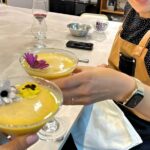
- Pisco sour (classic style) with lime, syrup, and egg whites
- Passion fruit sour made with fresh passion fruit juice
- A non-alcoholic drink made with Peruvian fruits and honey
If you’re not comfortable with egg whites or alcohol, don’t guess. The class description says you can adapt to dietary restrictions, but you’ll want to confirm what substitutions they can do for your exact needs.
Either way, tasting and mixing here helps you understand why Peruvian cocktails are built around acidity and fruit, not just sweetness.
Main dish choice in Cusco: Lomo saltado or ceviche
After starters and drinks, you switch to the main course and your choice for the day. Everyone picks their favorite, so you’ll likely see different plates going on at once, without the class falling apart.
Option 1: Lomo saltado with native potato fries
Lomo saltado is listed with beef tenderloin, rice, onions, tomato, soy sauce, oyster sauce, and vinegar, served with native potato fries. It’s a stir-fry style dish with that classic hit of tang from vinegar and depth from the sauces.
I like this one for two reasons. First, it’s forgiving if you’re new to cooking technique because the flavors come together with the right heat and timing. Second, it pairs well with the pisco drink you made, since the acidity cuts through the beef richness.
Option 2: Ceviche with trout, mango, and sweet potato
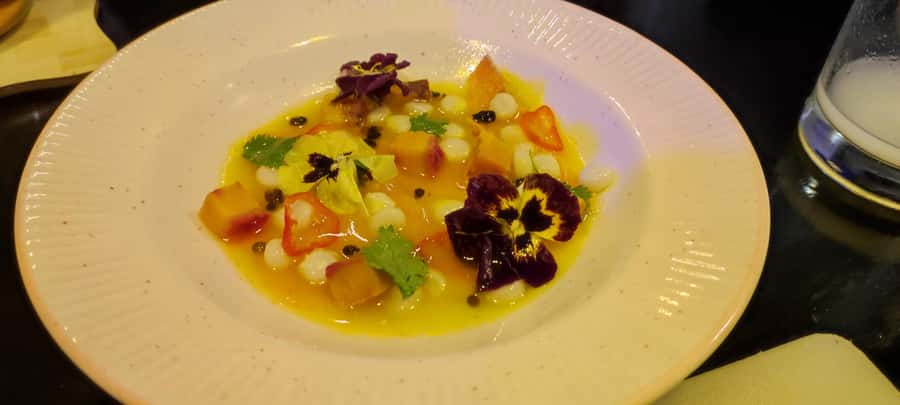
Ceviche here is made with trout, mango, avocado, lime juice, onions, celery, ginger, corn, and sweet potato. It’s not just fish with lime; it’s a mix of sweet fruit, creamy avocado, and crunchy corn, plus gentle warmth from ginger.
If you’re sensitive to raw or semi-cured fish ingredients, check with the chef about what’s possible for your restriction. The base version is clearly seafood-based, but the class is described as adaptable.
Diets and substitutions: how flexibility actually works
The class calls out that it can adapt to dietary restrictions, and it specifically mentions vegetarian options. In practice, that’s the difference between a “watch and taste” experience and one where you feel like you earned your meal.
I’d treat the menu as a foundation and expect real swaps when needed. For example, the listed starter and mains include fish and meat, but you shouldn’t assume you’ll get those exact ingredients in your final plates if your diet requires changes.
If you have allergies, be direct in advance. The experience description and multiple accounts emphasize attention to restrictions, but your clarity still makes the biggest difference.
Altitude reality check: pace, sip, and ask for support
Cusco altitude is real, even for people who think they’ll be fine. This class notes that it can offer natural medicine for altitude sickness and digestive teas if necessary.
That doesn’t mean you should ignore symptoms. It does mean you’re not totally on your own if you feel off during the class.
My advice: take it slow during the market walk, drink water, and don’t stack this activity with heavy exertion later the same day. Cooking is active, and chopping with a headache is no fun.
Also, the experience is listed as not suitable for people with altitude sickness. If you’re currently struggling, you’ll want a safer plan than pushing through.
What’s included in the $57 price, and what you’re really paying for
At $57 per person for about 4 hours, you’re paying for far more than a meal. You’re getting:
- A professional chef and guide
- Market time with ingredient education
- Cooking workshop setup, kitchen and bar utensils, and aprons
- Fresh ingredients
- Water and at least one cocktail included
- A starter dish and a main course
Transportation is not included, so your total day cost depends on how you get there.
Is it value? I think so if you want the full package: market-to-plate learning, cooking time, and ingredients you wouldn’t otherwise hunt down. If you just want to eat, you can find cheaper food in Cusco. But if your goal is to leave with skills, flavors, and a menu you can recreate, this is one of the more efficient ways to do it.
One more cost reducer: you’re not guessing which drink or dish you’ll end up with. You choose your cocktail and main in advance, and the starter is organized so the group stays on schedule.
Clean studio, clear technique, and a chef who checks the details
Several parts of the experience point to quality control. The workshop is described as clean, with quality equipment and clear instruction, including tips for cutting and basic technique for beginners.
A small but meaningful detail: the chef tastes and checks as things cook. That sort of feedback loop keeps the food from ending up bland or under-seasoned.
If you’ve ever taken a class where you just “follow steps” and hope for the best, you’ll appreciate how this one trains technique. You don’t just copy a recipe; you learn how flavor and texture should behave.
Where solo travelers fit in (and why group size matters)
Cooking classes work best when you can actually talk to the chef. This experience can run as a small group, and you might even end up with fewer people on quieter days.
That’s a win for solo travelers. You get interaction without shouting over a big crowd, and it’s easier to ask dietary questions and cooking questions in real time.
For couples and friends, it’s also friendly because you can both participate while picking different mains and drink styles.
Who should book this Cusco cooking class?
This is a strong fit if you:
- Like food enough to want the story behind it
- Want a practical market-to-kitchen experience
- Are excited to cook famous dishes like Rocoto relleno, Causa rellena, Lomo saltado, and ceviche
- Appreciate being able to choose your cocktail style
It may not be right if:
- You can’t manage altitude exposure and symptoms, since the experience is listed as not suitable for altitude sickness
- You have strict restrictions and need ingredient certainty beyond what adaptations can cover
- You’re traveling with a stroller or you need baby carriage access, since those aren’t allowed
Should you book this cooking class in Cusco?
Yes, book it if you want more than a single restaurant meal. This class pairs a market walk for real ingredient context with a chef-led cooking session where you cook, drink, and eat what you make—then leave with a clearer idea of how Peruvian flavors are built.
If you’re cautious about meat, fish, egg whites, or any dietary issue, I’d still consider it, but message your needs first. The class is described as adaptable, yet your advance clarity is what turns adaptation into a smooth experience.
Finally, if you’re early in your Cusco trip, this is a smart activity. It’s 4 hours, not all day, and the altitude support notes help you plan with a little more confidence.
FAQ
How long is the Cusco cooking class and market tour?
It lasts 4 hours.
How much does it cost?
The price is $57 per person.
Where is the meeting point?
Meet at Calle San Juan de Dios 264. The workshop is in front of the Aranwa boutique Hotel; the entrance is across the track in a glass and wooden door with no ads.
What language is the class taught in?
English and Spanish are available.
What do I cook during the class?
You’ll prepare two Peruvian starter dishes (Rocoto relleno and Causa rellena). Then you’ll make one main dish that you choose (Lomo saltado or ceviche).
What drinks are included?
A cocktail in base pisco is included, with options like pisco sour (classic) or a passion fruit sour. There is also an alcohol-free option using Peruvian fruits and honey.
Can dietary restrictions be accommodated?
Yes. The class says it can adapt to dietary restrictions and offers vegetarian options.
Is transportation included?
No. Transportation is not included.
What safety and health notes apply to altitude in Cusco?
The experience notes it may offer natural medicine for altitude sickness and digestive teas if necessary, but it is also listed as not suitable for people with altitude sickness.
Are there age and equipment limits?
The activity is not suitable for children under the listed ages (including under 2, 3, 5, and 6), and baby strollers or baby carriages are not allowed.