REVIEW · PISAC & OLLANTAYTAMBO TOURS
Sacred Valley Full-Day Private Tour from Urubamba & Ollantaytambo
Book on Viator →Operated by Cusco Local Friend · Bookable on Viator
Inca engineering meets everyday salt making. This private Sacred Valley day is built around the big sights with private transportation and real local context from guides such as Ferdinand and Pablo. I especially like the way the route stacks Inca engineering (Ollantaytambo and Moray) with pre-Inca traditions like the salt work at Maras.
The main consideration: it is a long, active day. Expect up-and-down walking at altitude, so good shoes and a slower pace mindset really matter.
In This Review
- Key highlights at a glance
- Sacred Valley, minus the stress: how the day actually feels
- Price and value: what $135 per person buys you
- Timing and pacing: a 9–10 hour day with about 5.5 hours on-site
- Stop 1: Ollantaytambo’s terraces, temples, and water features
- Stop 2: Moray’s circular terraces and the idea of an agricultural lab
- Stop 3: Salinas de Maras and the salt-mines you can walk through
- Stop 4: Lunch in Maras and a free extra stop
- Stop 5: Chinchero for weaving traditions and well-preserved Inca ruins
- Transportation and comfort: the private-van advantage
- What you’ll learn (and why it matters for the rest of Peru)
- Tips that make or break the day
- Who should book this private Sacred Valley tour
- Should you book it?
- FAQ
- What time does the Sacred Valley private tour start?
- How long is the tour?
- Is this a private tour?
- What entrance fees and meals are not included?
- What is included in the price?
- What is the cancellation policy?
Key highlights at a glance
- Private pickup and van time-savers if you’re staying around Urubamba or Ollantaytambo
- About 5.5 hours of site time inside a longer 9–10 hour day that includes driving
- Crowd-smart pacing with guides who can adjust timing and order to keep it calmer
- Four standout stops: Ollantaytambo, Moray, Salinas de Maras, and Chinchero
- Salt-mines reality check: you see how locals have produced salt for ages
- You pay some entry fees and lunch (entrances for several sites and your meal aren’t included)
Sacred Valley, minus the stress: how the day actually feels
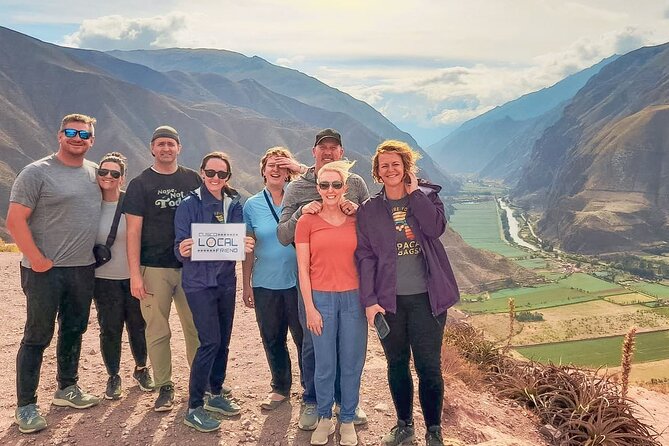
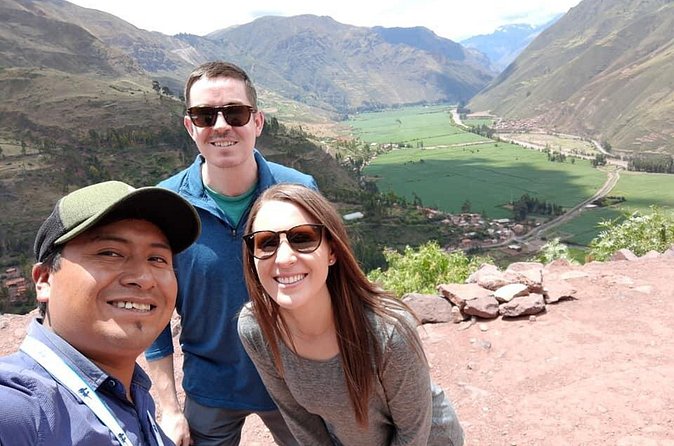
This is one of those tours that feels less like a checklist and more like a guided route through a place you’ll understand better at the end. You start early (8:00 am) and you’re in a private vehicle with a local guide, so you’re not juggling buses, lines, or lost connections. Your guide’s job isn’t only to point at stones. They put the sites into a story you can carry forward when you go on to Cusco or Machu Picchu.
A big part of why people rate this so highly is the tone of the day: low stress, flexible pacing, and real conversation. Guides such as Sam, Pablo, Ferdinand, and others are described as patient—especially if your altitude pace is slower. That matters on Sacred Valley days, where you’re often walking while breathing a little heavier.
Also, the itinerary is set up to cover multiple “musts” in a single long day: Ollantaytambo first, then Moray, then the Maras salt areas, and finishing in Chinchero. You get variety without feeling scattered.
You can also read our reviews of more private tours in Cusco
Price and value: what $135 per person buys you
At $135 per person, this isn’t the cheapest way to see the Sacred Valley. But you’re buying three very practical things:
- Private transportation (you aren’t sharing a van or sitting on a tight schedule with strangers)
- A local guide who connects the ruins and the living culture
- Pickup from your accommodation plus taxes
Then there are costs you should budget separately. Lunch isn’t included. Entrance fees are also extra for key stops: Maras Salt Mines (PEN 20 per person) and Ollantaytambo, Moray, and Chinchero (PEN 70 per person total). Plan on budgeting about PEN 90 per person in entrance fees, plus your lunch.
If you prefer a calm day, a slower pace, and fewer logistical headaches than group tours, this price can feel fair. If you only want the cheapest possible way to hit a few photo spots, it may feel high. But if you care about understanding what you’re seeing, the guide-driven value shows up quickly—especially at Moray and at the salt flats, where local explanations make a big difference.
Timing and pacing: a 9–10 hour day with about 5.5 hours on-site
The tour runs about 9 to 10 hours, starting at 8:00 am. Site time totals roughly 5 hours 30 minutes. The rest is travel between Urubamba/Ollantaytambo-area pickup, each archaeological stop, the lunch break, and finally getting back to your hotel.
This setup is important for two reasons:
- You won’t feel constantly rushed. It’s still a long day, but you aren’t racing between far-flung stops every five minutes.
- Walking is real. Even when you’re not hiking all day, there’s uneven ground, steps, and up-and-down paths, especially around Ollantaytambo and in the Maras areas.
If you’re sensitive to altitude, you’ll want to move slowly and build in rest moments. Many guides handle this well, including those who are known for stopping frequently to let people catch their breath.
Stop 1: Ollantaytambo’s terraces, temples, and water features
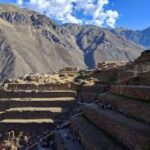
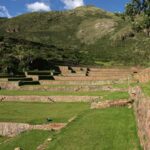
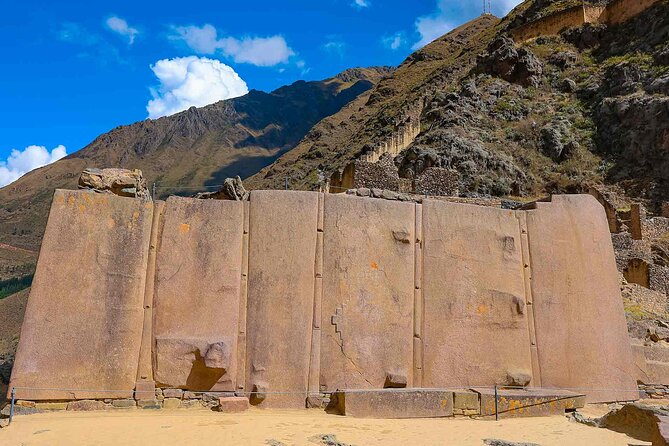
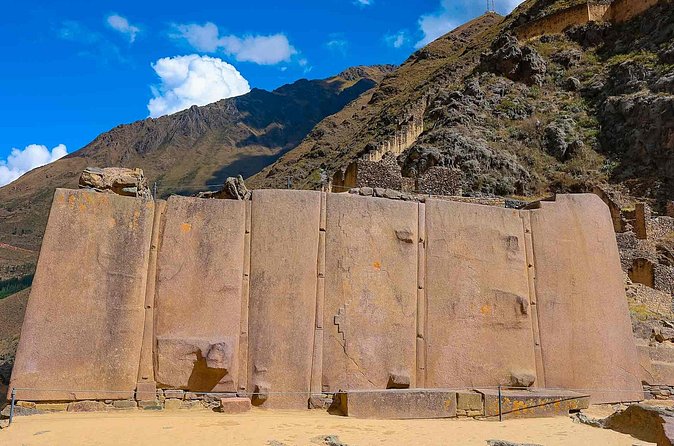
Ollantaytambo is one of the Sacred Valley’s grandest Inca sites, and it’s a smart place to start because it gives you context for everything you’ll see later. You’re looking at Inca terraces, plus major temple areas like the Temple of the Sun and a Water Temple with ceremonial fountains.
You’ll spend about 2 hours here, and entrance fees are not included. What I like about beginning at Ollantaytambo is that it teaches you how the Inca used engineering to control water, manage slopes, and organize sacred space. Even if you’ve heard the basics before, it tends to click here.
Practical reality: Ollantaytambo involves more walking than you might expect from a first glance at the map. If your legs are feeling heavy, don’t force a fast loop. The terraces reward patience. Take your time with views, then come back for the details your guide points out.
Stop 2: Moray’s circular terraces and the idea of an agricultural lab
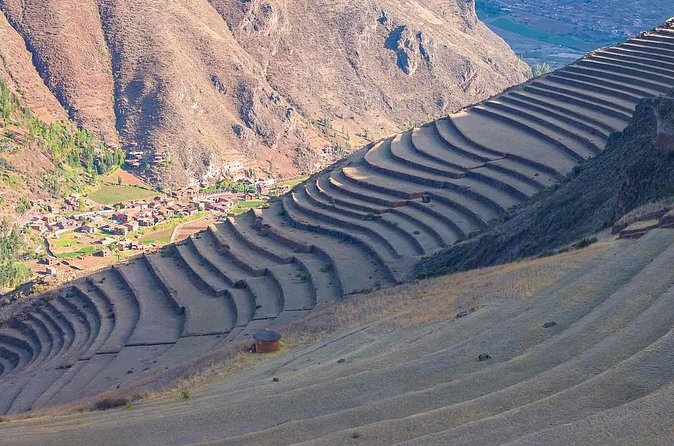
Next is Moray, famous for its circular Inca terraces. The big idea: this place is often described as an elaborate agricultural laboratory—a way to test conditions for different crops by using the varying microclimates created by the terrain.
You’ll have about 1 hour here, and entrance fees are extra. Moray can feel more abstract than a massive fortress or a dramatic temple, but it’s worth it because it changes how you think about Inca power. They weren’t only building monuments. They were experimenting with food, environment, and long-term planning.
What to watch for: the way the terraces step down in circles. Your guide’s explanation matters here because the terraces are visually striking, but the “why it matters” needs a translator from stone to story.
You can also read our reviews of more tours and experiences in Cusco


Stop 3: Salinas de Maras and the salt-mines you can walk through
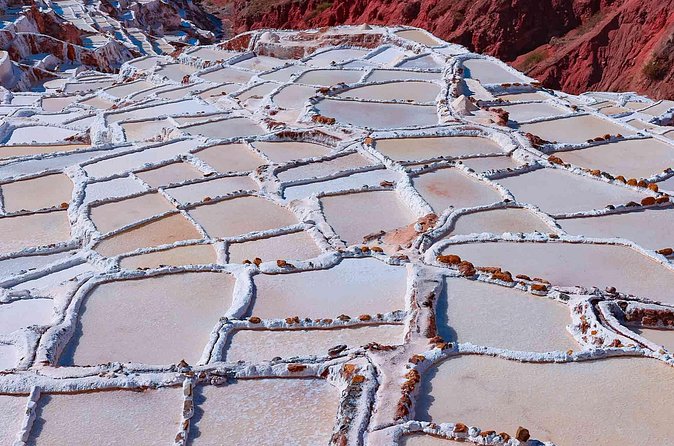
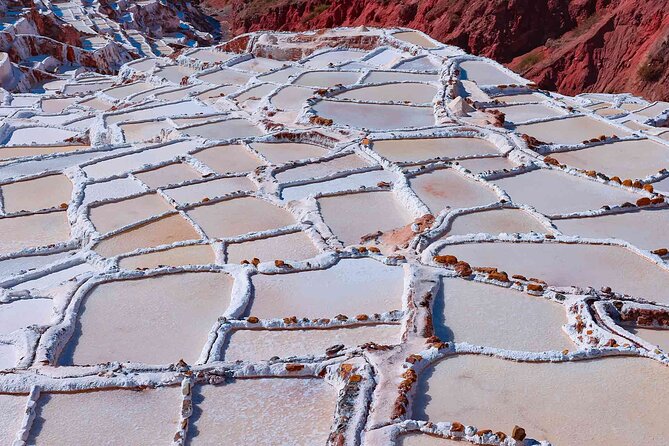
Then you get to the part many people remember most: Salinas de Maras, the salt mines where locals have produced salt by evaporating warm salty water. The mechanism is the key detail: warm water rises from a subterranean source, is directed into salt pans, and then the sun does the rest.
You’ll spend about 45 minutes here. Entrance fees are not included.
This stop is valuable for one main reason: it connects past and present. You’re not only looking at ancient ruins. You’re seeing a working system that still depends on the same core ingredients—water, evaporation, and local know-how. It’s also a great photo stop, but don’t let the photos steal your attention from what’s happening on the ground.
Comfort note: there’s walking across uneven terrain in and around the pans. Wear shoes with grip, and expect sun exposure. If you’re the hat-and-sunscreen type, this is your moment.
Stop 4: Lunch in Maras and a free extra stop
After the salt mines, you’ll head into the Maras area for time to eat. There’s a block of time that includes a lunch break in a local restaurant, and lunch is not included.
Then you visit another Maras stop listed with free admission, with about 1 hour on the schedule.
I like this structure because it gives your body a reset. You’ve done terrace time, crater-like terrace time, and salt-pan walking. Lunch is when altitude fatigue and dehydration catch up with people. Use the break. Drink water. Eat something simple. You don’t need a huge meal, but you do want fuel for the afternoon.
Because the exact free stop isn’t spelled out here, treat it as added local time rather than a “must-see masterpiece.” The value is often the pacing and the chance to look around the area between the bigger-ticket sights.
Stop 5: Chinchero for weaving traditions and well-preserved Inca ruins
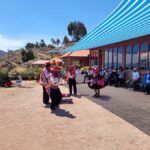
Finally, you head to Chinchero. This small town is known for traditional textile weaving centers, plus well-preserved Inca ruins. It’s also a place where the views from the town help you understand how communities positioned themselves in the valley.
You’ll spend about 45 minutes here, and entry is listed as free. Your guide can also help you make sense of what you’re seeing in the weaving work, which is often the part that surprises people who expected only ruins.
One very practical tip from experience-based guidance: if someone invites you to see how they weave, say yes. It’s short, it makes the cultural piece real, and it helps you avoid the common mistake of treating everything as only background to the photos.
Transportation and comfort: the private-van advantage
You’re in private transportation the whole day, and that changes how the day feels. A recurring theme in guides and drivers is professionalism: safe driving on narrow roads, patience with walking pace, and vehicle cleanliness between stops. Drivers such as Edgar and Willy are specifically mentioned for these good-practice habits.
Also, you’re not fighting for space with strangers. You can stash your day bag, keep layers accessible, and handle the little things that matter when you’re dealing with altitude: water, snacks, hat, and anything you need if you get tired.
This matters because a Sacred Valley day isn’t only about the sites. It’s about the route between them. Private transport makes the route calmer.
What you’ll learn (and why it matters for the rest of Peru)
This route gives you a useful “thread” through the Sacred Valley. You start with Inca ceremonial and agricultural engineering at Ollantaytambo. Then you see Moray and the agricultural logic behind terrace design. Then you hit Salinas de Maras and watch how a salt-making operation works even today. Then you finish with Chinchero, where you see how Inca-era presence and daily life show up through ruins and textiles.
If you’re planning other major stops after this—like Cusco neighborhoods or Machu Picchu—this helps your brain connect the dots faster. The monuments stop feeling random. You start recognizing patterns: water control, slope farming, and community craft.
Tips that make or break the day
Here’s how I’d prepare based on what makes the experience work in real life:
- Bring a hat and sunscreen. Sun is intense and the salt mine area doesn’t offer much shade.
- Wear supportive shoes. Expect uneven ground and up-and-down paths.
- Take altitude seriously. Move slower than you think you should, and rest when your guide suggests it.
- Pack a light layer. Even in daytime warmth, mornings and shaded ruins can feel cooler.
- Plan your budget for extras. Entrances (PEN 20 + PEN 70 where applicable) and lunch are not included.
- Ask for photos and pacing changes. Many guides like Sam and Pablo are used to tailoring timing, and it makes the day feel personal.
Who should book this private Sacred Valley tour
This is a strong fit if:
- You’re staying in Urubamba or Ollantaytambo and want pickup without a long Cusco start
- You like a guided explanation instead of wandering ruins alone
- You want the major Sacred Valley highlights in one day without the chaos of big buses
- You travel as a couple or family and want a pace that won’t punish slower walkers
It might be less ideal if:
- You want to minimize walking as much as possible
- You’re only chasing the lowest price and don’t care about guided context
- You prefer a do-it-yourself schedule with no driver or set stops
Should you book it?
If you want the Sacred Valley’s best-known pieces—Ollantaytambo, Moray, Maras salt, and Chinchero—and you care about understanding what you’re seeing, I’d book it. The private format is the point: pickup, transport, and a guide who can explain and adapt to your pace.
Just go in with realistic expectations. This is a full-day active tour, not a sit-and-glance cruise. Bring the basics for sun and comfort, budget for entrances and lunch, and give yourself time to slow down at altitude. Do that, and you’ll come away with a much clearer picture of how Inca engineering and everyday work connect across the Sacred Valley.
FAQ
What time does the Sacred Valley private tour start?
The tour starts at 8:00 am.
How long is the tour?
It runs about 9 to 10 hours total, with roughly 5 hours and 30 minutes spent at the sites and the rest for travel between locations.
Is this a private tour?
Yes. It is a private tour/activity, meaning only your group participates.
What entrance fees and meals are not included?
Lunch is not included. Entrance fees are not included for Maras Salt Mines (PEN 20 per person) and for Ollantaytambo, Moray, and Chinchero (PEN 70 per person).
What is included in the price?
Pickup from your accommodation, a knowledgeable local tour guide, private transportation, and taxes are included.
What is the cancellation policy?
You can cancel for a full refund up to 24 hours in advance of the experience’s start time. If you cancel less than 24 hours before, the amount you paid is not refunded.