REVIEW · CHINCHERO VILLAGE TOURS
Sacred Valley: Chinchero, Moray, Ollantaytambo & Pisac+Lunch
Book on GetYourGuide →Operated by Machupicchu Adventour · Bookable on GetYourGuide
Cusco altitude wakes you up fast. This full-day Sacred Valley route hits Chinchero textiles, Moray’s Inca agricultural terraces, and ends with Pisac’s archaeological park and market. I especially like how the day is structured to balance ruins, culture, and food in one sweep. The buffet lunch also gets high marks for size and quality. One drawback to plan for: the schedule is tight, so time at each site can feel short if you want to linger.
You’re moving north of Cusco with multiple stops, photo breaks, and guided explanations along the way. I like that the tour includes hotel pickup and an English/Spanish guide, which makes it easier to understand what you’re seeing without getting stuck on logistics. Just remember this is a long day at high altitude, with several climbs and uneven stone.
In This Review
- Key highlights worth knowing
- Cusco altitude and the 12-hour reality check (3,350–3,762m)
- Pickup, buses, and timing: good comfort, but be ready for a full day
- Chinchero textile stop: where weaving turns into a story
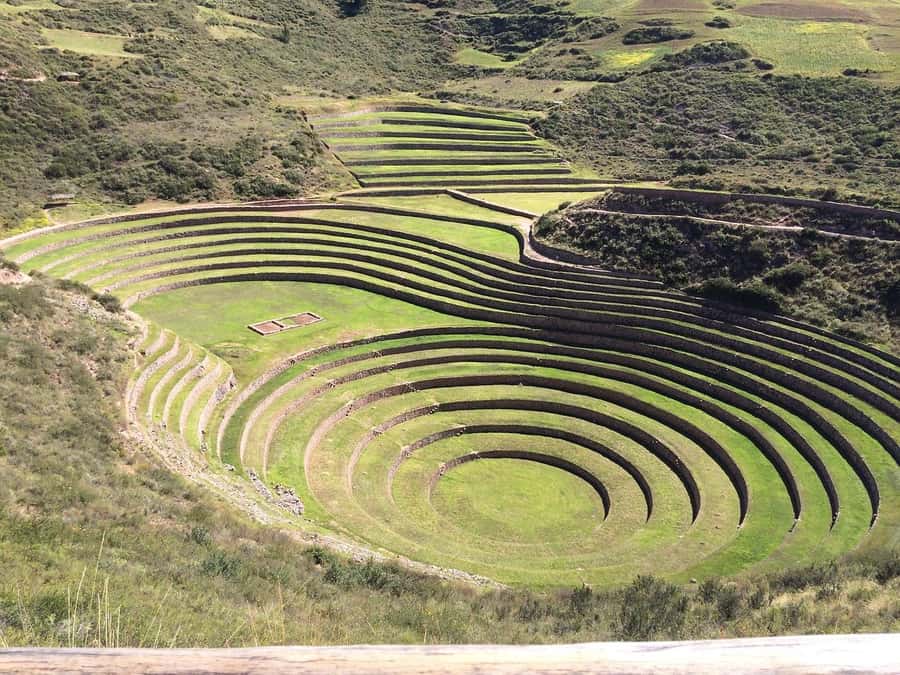
- Moray: the Inca agricultural laboratory terraces
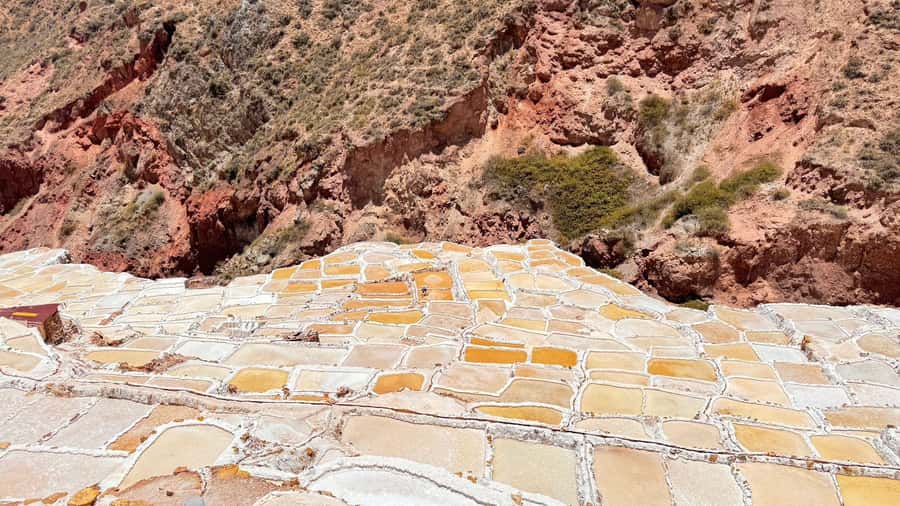
- Maras Salt Mines: the short stop with big visual impact
- Urubamba buffet lunch: included, and actually worth planning around
- Ollantaytambo: terraces, Temple of the Sun, and Princess Baths
- Pisac Archaeological Park and the artisan market: ruins plus real buying options
- Guides and drivers: why the experience rises above a checklist
- Price and tickets: what $25 really turns into
- Shopping stops, pace, and the one thing to watch
- Who should book this Sacred Valley day trip
- Should you book? My straight take
- FAQ
- What is the duration of the Sacred Valley tour?
- Are pickup and transport included?
- Is lunch included, and what kind?
- Do I need to pay tickets at the sites?
- What languages are the guides?
- Where does the tour end in Cusco?
Key highlights worth knowing
- Textiles in Chinchero: a local community stop tied to how Incas (and Andean makers) interpret fibers and weaving.
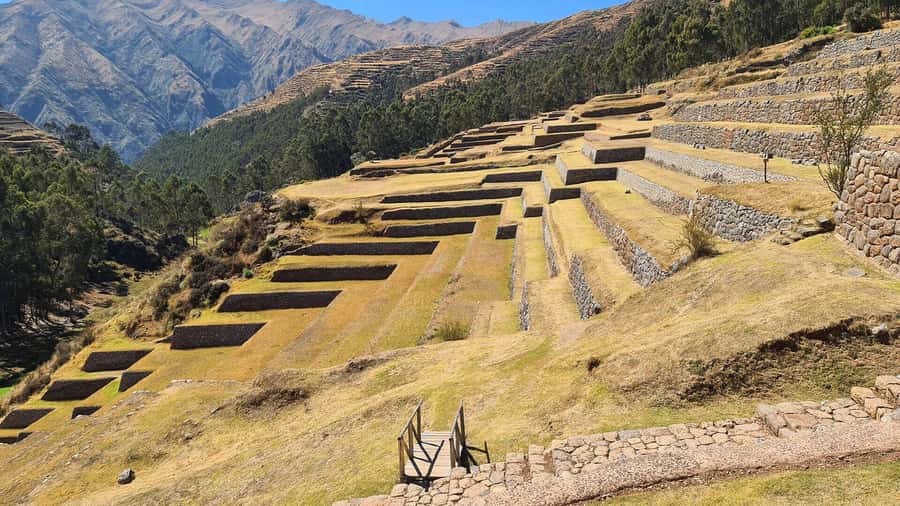
- Moray’s terraces: an Inca agricultural laboratory concept, explained on-site.
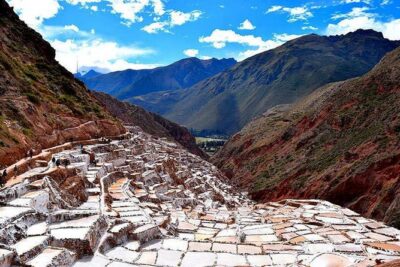
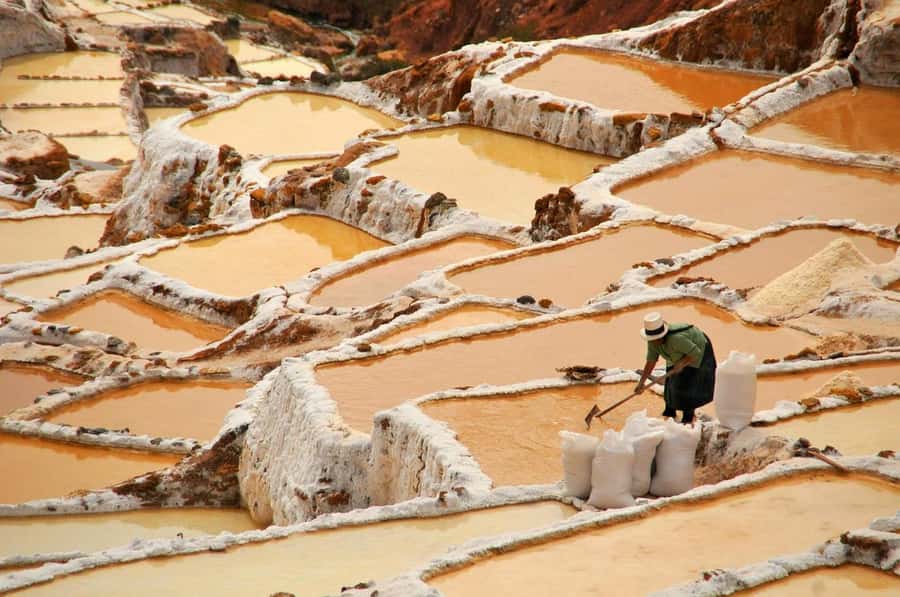
- Maras Salt Mines: short visit, big visual impact, and a chance to see salt production the local way.
- Urubamba buffet lunch: included meal in a proper restaurant setting, not a snack break.
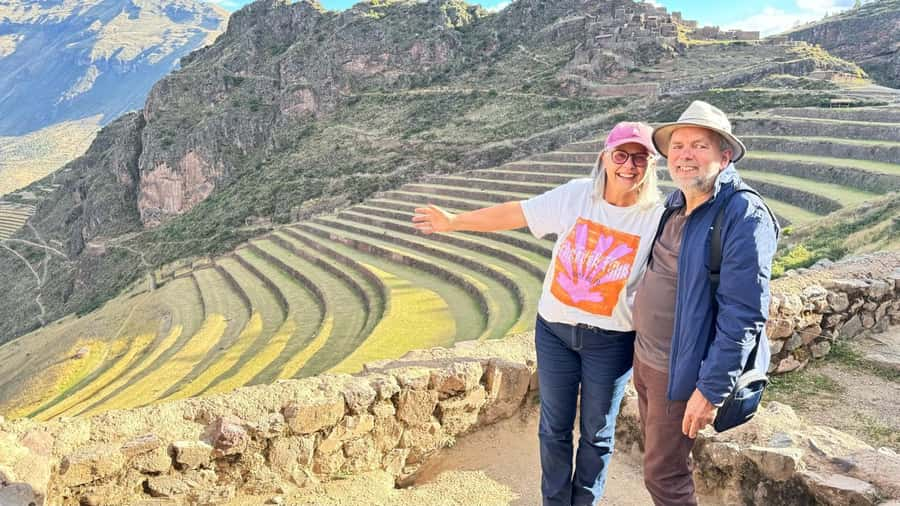
- Ollantaytambo stonework: terraces, the Temple of the Sun, and the Princess Baths fountain area.
- Pisac ruins plus market time: you get archaeology and some shopping where minerals and crafts show up.
Cusco altitude and the 12-hour reality check (3,350–3,762m)
This tour runs at serious elevation. Cusco starts around 3,350 meters. Then the day climbs again at Chinchero, Moray, and Maras (~3,762 meters). You drop lower for lunch at Urubamba (~2,780 meters), then rise again at Ollantaytambo (~2,790 meters) and Pisaq (~3,300 meters).
What that means for you in practice:
- Expect slower breathing on stairs and uphill walks, especially at Chinchero, Moray, and Maras.
- If you’re new to altitude, go easy on hard climbs and hydrate steadily. Bring what you need for comfort, not just photos.
Also note the tour includes walking and short climbs at multiple archaeological stops. It’s doable for many people, but it’s not a sit-everywhere day.
You can also read our reviews of more tours and experiences in Cusco
Pickup, buses, and timing: good comfort, but be ready for a full day
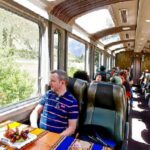
The day starts with pickup from your Cusco hotel or accommodation, with drivers arriving about 30 minutes before departure. You’ll be on a shared coach/transport, moving between stops with scheduled travel legs.
The itinerary is built like this:
- Bus/coach drives between major stops (45 minutes to Chinchero, then shorter hops between Moray, Maras, Urubamba, Ollantaytambo, and Pisac).
- Each site gets a guided window plus time for photos and a bit of browsing.
The good news: most of the praise focuses on comfortable transport and smooth rides. The less fun news: because it’s a route with many stops, the day can feel rushed in the final hours—especially if you want extra time at Ollantaytambo and Pisac.
My practical advice: if you hate being on the clock, this may not be your favorite format. If you want the highlights in one go, this is a strong fit.
Chinchero textile stop: where weaving turns into a story
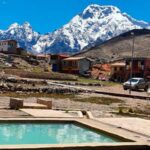
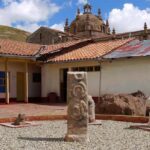
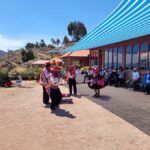
Chinchero is usually the warm-up stop—high altitude, great views, and a textile-focused introduction. The tour includes time for a break and photos, then a guided visit to a Textile Interpretation Center and time for walking and shopping.
Why I think this stop is valuable:
- You’re not just looking at ruins. You’re learning a different side of Andean culture: fibers, weaving, and how textiles connect to daily life and identity.
- It also helps you read the next sites with a better sense of how materials and craft traditions tie into the wider Inca-era world.
The stop comes with a realistic travel rhythm: enough time to see and understand, plus short shopping time if you want alpaca goods or locally made crafts.
Moray: the Inca agricultural laboratory terraces
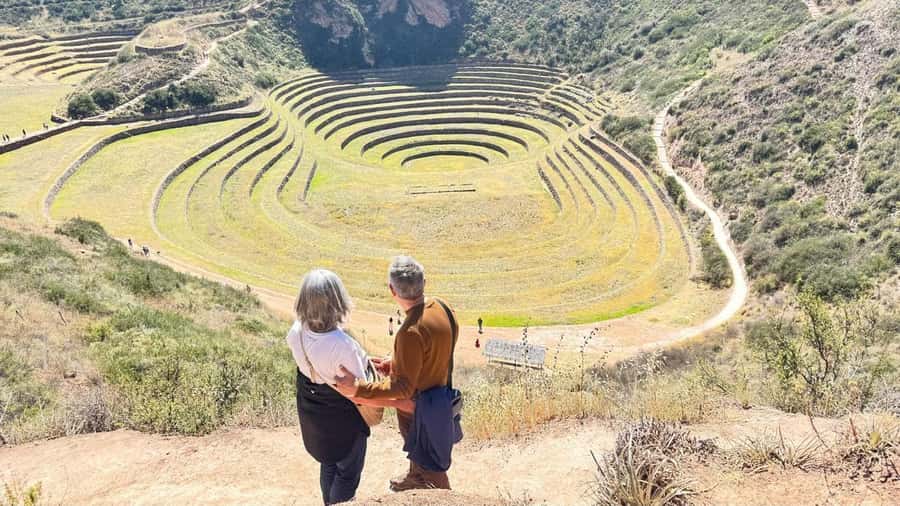
Next up is Moray, reached after another drive. This is an archaeological site built around terraces. The tour frames it as the Inca Agricultural Laboratory—a place where different growing conditions could be tested.
You’ll get:
- A break/photo moment
- A guided visit
- A short walk to view the terraces properly
How to get more out of Moray:
- Listen for the explanation of why terraces matter here. The site is easier to appreciate when you understand it as an engineering/experimentation idea rather than just an impressive hole in the ground.
- Bring your camera and take your time on angles—Moray’s terrace levels are much easier to interpret from certain viewpoints than from the flat path.
Time is limited, so you won’t have hours to wander. Still, it’s one of those stops that lands well even when the schedule is moving.
Maras Salt Mines: the short stop with big visual impact
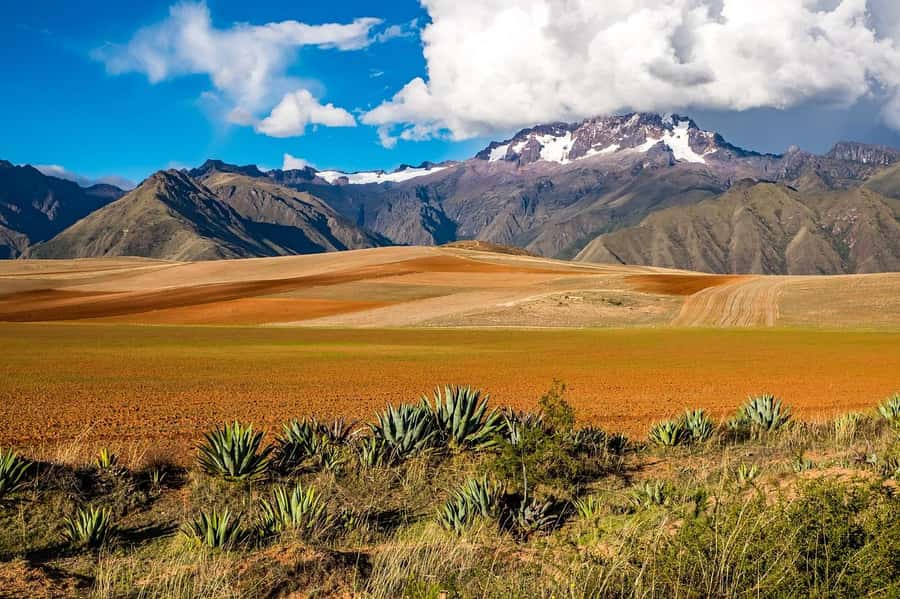
After Moray, you pass through the town of Maras and visit the Salt Mines of Maras. The tour includes a break, photo stops, and a guided visit.
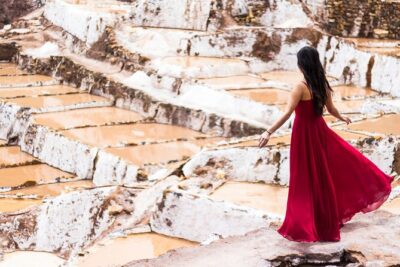
The salt mines are visually striking: you see many small channels filled with salt water and salt collection areas spread across the hillside. Even with a shorter visit, it gives you a sense of scale and how the production works in a way you can’t get from photos alone.
Two practical notes:
- There’s an additional salt mine ticket cost you should budget for.
- The walk can be uneven, so wear shoes you trust on stone.
If you’re the type who loves “one iconic site” stops, Maras is the kind that delivers quickly.
Urubamba buffet lunch: included, and actually worth planning around
Lunch is in Urubamba (about a 50-minute window) at a restaurant where you’ll have a buffet lunch featuring Peruvian cuisine. The buffet aspect matters: you can pick what sits best with your altitude-adapted appetite.
This is also where many people say the tour surprised them—in a good way. A common theme is that the lunch is large, varied, and feels like a real meal, not a rushed set plate.
Practical advice:
- Pace yourself. It’s easy to eat too fast when you’re hungry and then feel heavy later.
- If you have dietary needs, you’ll want to check options on-site since the tour only states buffet.
After lunch, you continue north toward Ollantaytambo.
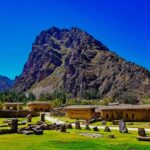
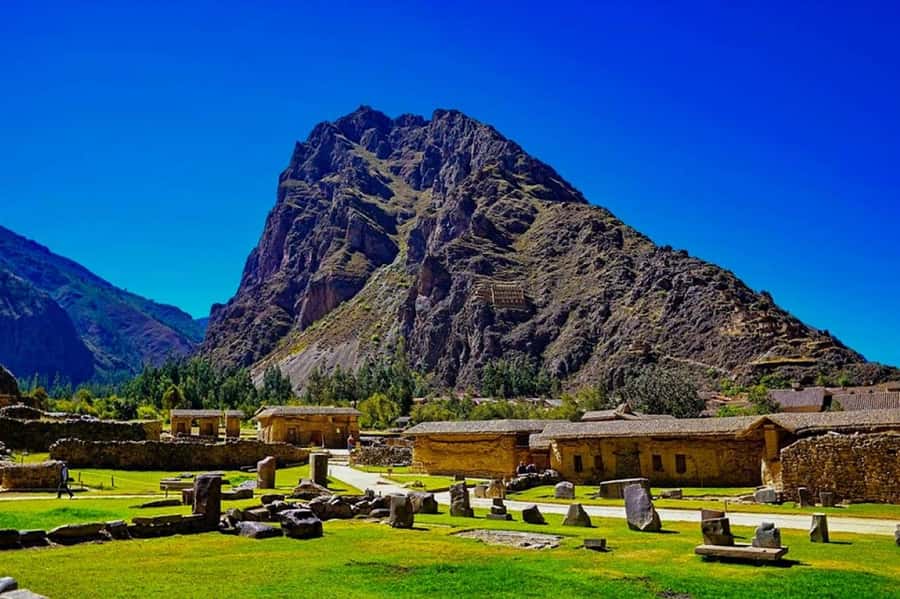
Ollantaytambo: terraces, Temple of the Sun, and Princess Baths
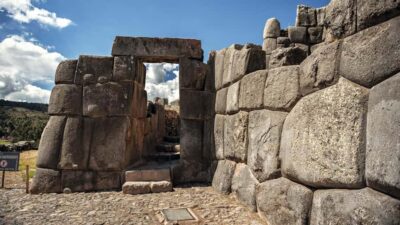
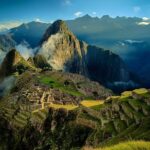
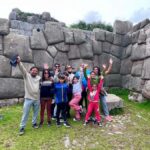
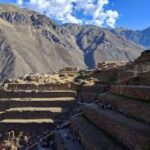
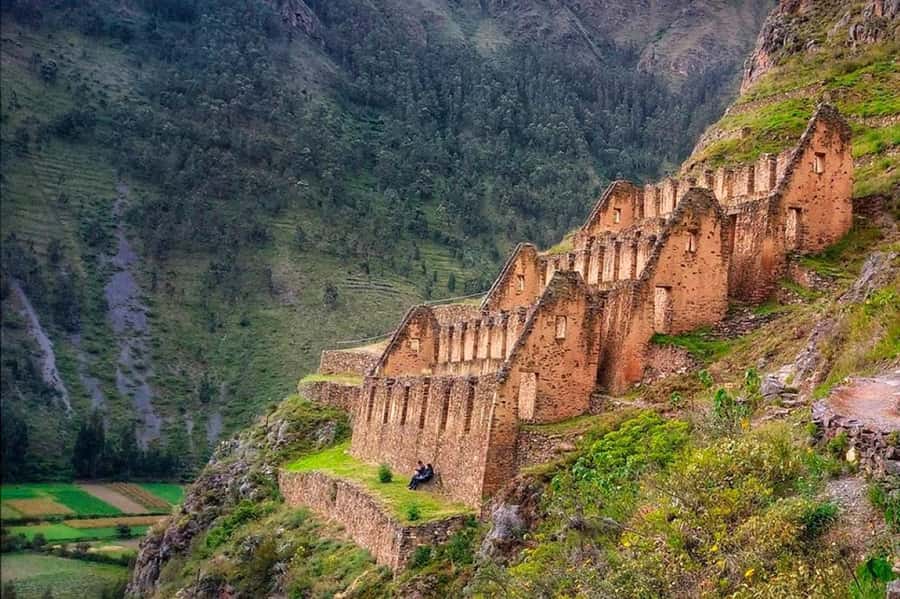
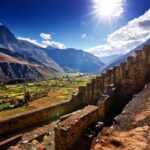
Ollantaytambo is one of the biggest story-telling ruins on the route. The tour includes photo stops, a guided visit, and time to explore key stone structures.
The highlights the tour points you toward:
- Large stone terraces
- The Temple of the Sun
- The fountain area associated with the Princess Baths
Why this stop often feels like the “real deal”:
- The stonework is built in a way you can visually follow, even if you’re not a stone-archaeology expert.
- Compared with other stops, you get a denser sense of how Inca architecture was designed to last and to function.
Timing consideration: the route is packed, and some people feel the time here could be longer. If you want to go slower at Ollantaytambo, this tour can still work, but you’ll have to accept that you’re seeing key highlights rather than every corner.
Pisac Archaeological Park and the artisan market: ruins plus real buying options
Pisaq is the final major archaeology stop plus a shopping opportunity.
You’ll ascend to Pisaq Archaeological Park, then return toward Pisaq town for time at the picturesque artisan market. The tour frames the market as a place where local residents are experts working with minerals, and you’ll have time to browse and purchase items if you want.
In the park, you’ll get:
- Photo stop
- Guided tour
- Free time and walking (plus sightseeing)
In practice, Pisac is where the tour shifts from “history mode” to “culture and commerce mode.” Some people like the market break because it adds variety after long stone walks. Others think the shopping portion could cut into archaeology time. Your best strategy is simple: set yourself a time limit for shopping and keep moving back to ruins before your energy runs out.
Guides and drivers: why the experience rises above a checklist
A big part of the day’s reputation comes from guides who make the explanations land. Names that come up include Victor, Rudy, William, and Guillian. The consistent theme is energy plus clear Inca-focused storytelling at each stop.
You can also feel it in the small details:
- Guides help with photo timing and viewpoint suggestions.
- They answer questions in English/Spanish (you travel with a live guide, not just a brochure).
- The day stays organized enough that you don’t feel completely lost at each new site.
Drivers also get credit for comfort and smooth rides. When the itinerary is as long as this one, transportation quality really does affect how much you enjoy the stops.
Price and tickets: what $25 really turns into
The tour lists a price around $25 per person, lasting 12 hours. That’s a strong value when you factor in what’s included:
- Hotel pickup in Cusco
- Tourist mobility (shared transport)
- English/Spanish professional guide
- Buffet lunch in Urubamba
But there are key add-ons:
- Archaeological ticket: 70 soles
- Salt mines ticket: 20 soles
So yes, you’ll likely pay more than the base rate once you arrive. Still, compared with booking separate guides, rides, and lunch, the structure can be a budget-friendly way to hit several top Sacred Valley sites in one day.
Also plan for cash. The tour guidance specifically asks you to bring cash for on-the-ground extras.
Shopping stops, pace, and the one thing to watch
This is a “see a lot” itinerary. That’s the appeal, and it’s also the constraint.
Two common considerations to keep in mind:
- Pace can be tight at later stops. If you’re hoping for long hangs at Ollantaytambo or deep wandering at Pisac, you may feel time pressure.
- Shops happen. There are multiple shopping opportunities during the day, including textile-related buying in Chinchero and mineral/handcraft shopping in Pisac. Some people love this as part of the culture. If you’d rather keep your money for ruins and views, decide in advance where you’ll say yes—and where you’ll politely move on.
A small logistics note: some people report pickup and departure running later than stated. If your schedule in Cusco is tight, build a buffer the rest of the day too.
Who should book this Sacred Valley day trip
This tour is best for you if:
- You’re short on time in Cusco and want a one-day overview of Chinchero, Moray, Maras, Ollantaytambo, and Pisac.
- You like guided context and want help connecting what you see to Inca-era ideas.
- You want an included meal in the middle (Urubamba buffet lunch) so you don’t have to hunt for food between sites.
You may want to skip or look for a slower option if:
- You hate a fast pace and want lots of free time inside each archaeological site.
- You prefer to avoid shopping stops and want a pure ruins-and-views day.
- You’re pregnant or weigh more than 220 lbs (100 kg), since the tour lists those limitations.
Should you book? My straight take
If your goal is to rack up the Sacred Valley highlights in a single day with transport, an English/Spanish guide, and a solid lunch, this is a very practical pick. The best part is the structure: you get culture in Chinchero, engineering/terrace thinking at Moray, a dramatic working landscape at Maras, and then two major archaeology stops with Pisac and Ollantaytambo.
Just go in with the right expectations. This is not a slow, hang-out day. It’s a guided route that trades extra time for variety.
One more thing to double-check before you book: the tour title mentions lunch and Sacred Valley sites here, while the general highlights list also mention Machu Picchu options. This specific schedule you have focuses on Chinchero, Moray, Ollantaytambo, and Pisac. If Machu Picchu is a must for you, confirm you’re selecting the correct package.
FAQ
What is the duration of the Sacred Valley tour?
The tour runs for about 12 hours.
Are pickup and transport included?
Yes. You get hotel pickup in Cusco and shared tourist mobility/transport.
Is lunch included, and what kind?
Yes. You’ll have a buffet lunch in Urubamba with Peruvian cuisine.
Do I need to pay tickets at the sites?
Yes. Archaeological tickets are listed as 70 soles, and there is an additional salt mines ticket of 20 soles.
What languages are the guides?
The tour provides live guidance in English and Spanish.
Where does the tour end in Cusco?
It ends around 6:30 to 7:00 p.m., dropping you at Plaza Kusipata and Calle Plateros.