REVIEW · BUFFET EXPERIENCES
Cusco: Scenic Route of the Sun to Puno with Buffet Lunch
Book on GetYourGuide →Operated by InkaExpress · Bookable on GetYourGuide
Four heritage stops turn a transfer into a story. This Route of the Sun journey from Cusco to Puno runs on a luxury bus, with big Andes viewpoints and lunch built into the day.
What I really like is the mix of guided stops plus breathing time to look out the window. Andahuaylillas’ church artwork and Raqchi’s 15m-high temple walls are the kind of sights that make the hours feel focused, not wasted.
One drawback: it’s an early start, and you’ll also need to pay entrance tickets in person on arrival (about 53 soles total).
In This Review
- Key highlights at a glance
- Why the Route of the Sun turns Cusco to Puno into a “see it” day
- Timing, altitude, and why an early start can be a good thing
- Andahuaylillas Church: the Sistine Chapel of America stop that’s worth waking up for
- Raqchi’s Temple of Wiracocha: huge Inca walls and a big sense of scale
- The mid-morning Cusco-region stop and why photo pauses are useful
- Buffet lunch in Marangani–Sicuani: refuel without losing the day
- Abra La Raya: the highest pass viewpoint and the best photo sprint
- Pucará Museum and Lithic Museum: where you see Andean life from 500 BC to 200 AD
- Getting there comfortably: heating, clean restrooms, and a smooth ride
- Guides and small touches: English/Spanish support that actually helps
- Price and value: is $44 worth it after entrance tickets?
- Who should book this Cusco to Puno Scenic Route
- Should you book?
- FAQ
- How long is the Cusco to Puno scenic bus day?
- Where do I meet for the tour in Cusco?
- What stops are included between Cusco and Puno?
- Is lunch included?
- Do I need to pay for entrance tickets?
- What onboard comfort and drinks are included?
- Is breakfast included?
Key highlights at a glance
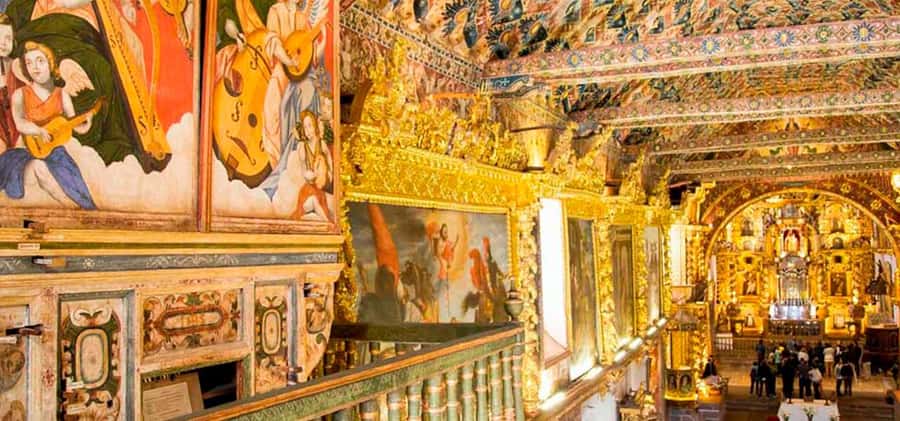
- Andahuaylillas Church: frescoes and gold-leaf detail that make it famous as the Sistine Chapel of America
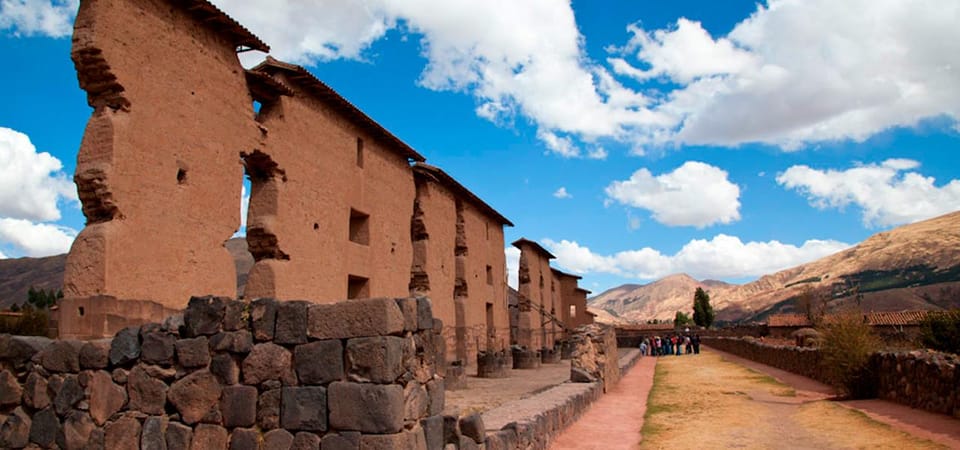
- Raqchi’s Temple of Wiracocha: massive ruins with a great sense of Inca-scale engineering
- Abra La Raya: highest-pass panorama and the day’s best photo window (short but worth it)
- Pucará Museum + Lithic Museum: a clear look at Andean life spanning 500 BC to 200 AD
- Buffet lunch in Marangani–Sicuani: Andean dishes plus desserts and herbal infusions
- Comfort on board: clean bathroom, heating & A/C, hot drinks, and an oxygen tank for extra safety
Why the Route of the Sun turns Cusco to Puno into a “see it” day
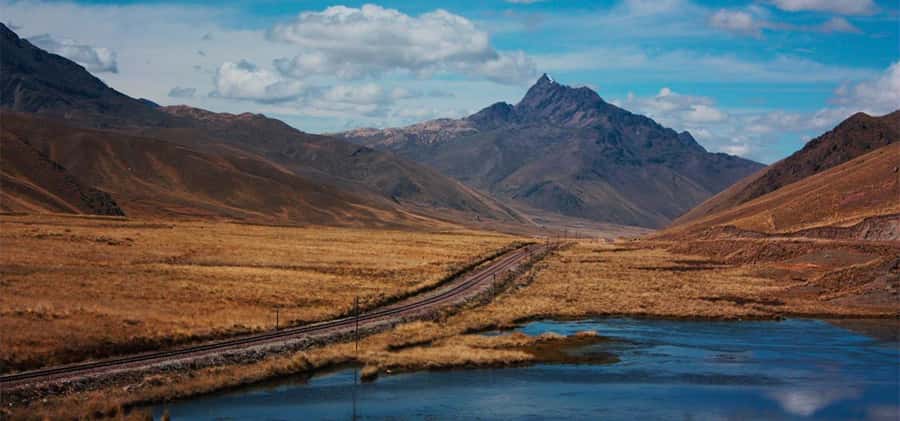
Cusco to Puno can be done as a simple bus transfer. This option adds structure. Instead of staring at the road for 11 hours, you get a rhythm: ride, stop, guided walk, photo break, and then back on the bus with the scenery changing behind you.
I like that this isn’t random sightseeing. The stops are built around major cultural and religious sites along the way, plus the high Andean viewpoint at Abra La Raya. You end the day in Puno on Lake Titicaca, but you’re not arriving with the feeling of having done nothing except endure a long ride.
There’s also a practical side. A lot of people worry about altitude between Cusco and the Altiplano. The tour includes an onboard oxygen tank, and it keeps you moving on a schedule rather than forcing you to figure out stops and timing yourself.
You can also read our reviews of more tours and experiences in Cusco
Timing, altitude, and why an early start can be a good thing
You’ll start bright and early. The ride lists an around 6:40 AM departure from Av. Alameda Pachacuteq 499-B, and you’re asked to be at the terminal about 30 minutes before (the operator shows a check-in time of 6:10). Plan your morning around that early window.
This matters because the day’s key moments happen at specific times:
- You’ll reach Andahuaylillas in time for a guided visit.
- You’ll hit Raqchi before lunch.
- You’ll reach Abra La Raya at the higher point when the views are at their best.
Altitude is real here. Abra La Raya is the natural border area between Puno and Cusco, and it’s the highest point of the trip. The bus includes heating, A/C, and that oxygen tank means you’re not just hoping for the best if you feel headachy or winded. It won’t replace common sense (slow down, sip water, don’t sprint up viewpoints), but it does add a layer of safety.
Andahuaylillas Church: the Sistine Chapel of America stop that’s worth waking up for
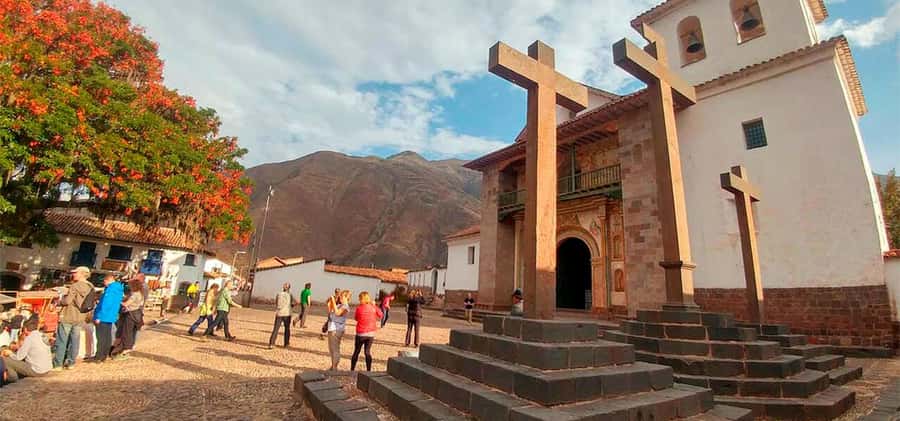
Your first major stop is Andahuaylillas at around 7:40 AM. You’ll get a guided visit to Church of Saint Peter the Apostle, often called the Sistine Chapel of America for a very good reason: inside, you see rich frescoes and gold-leaf-like ornament details that catch the eye fast.
This stop works for two types of travelers:
- If you love art and churches, you’ll spend real time studying the surfaces and colors.
- If you prefer cultural context, the guide helps connect the church to the Spanish-era story layered over earlier sacred Inca locations.
A small but important consideration: church visits move on local schedules, so you should keep your camera ready and your attention steady. The magic here is in noticing patterns and imagery up close, not just getting one quick exterior photo.
Raqchi’s Temple of Wiracocha: huge Inca walls and a big sense of scale
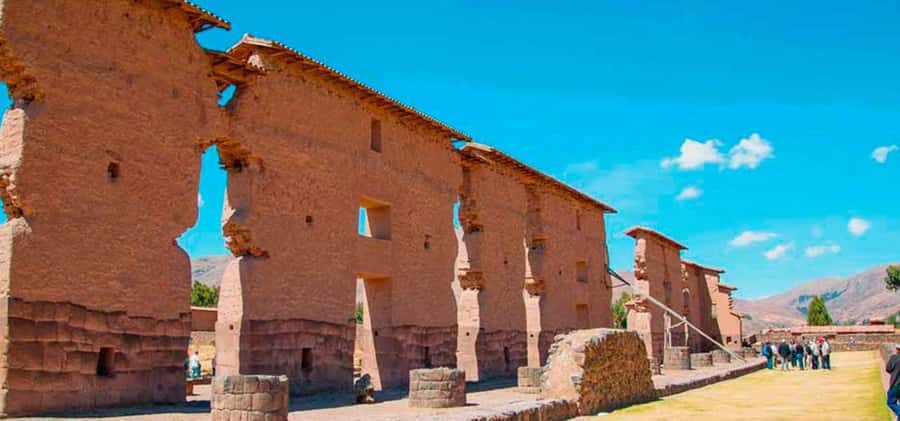
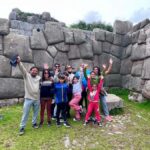
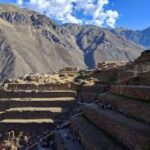
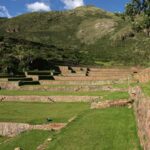
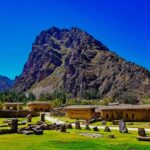
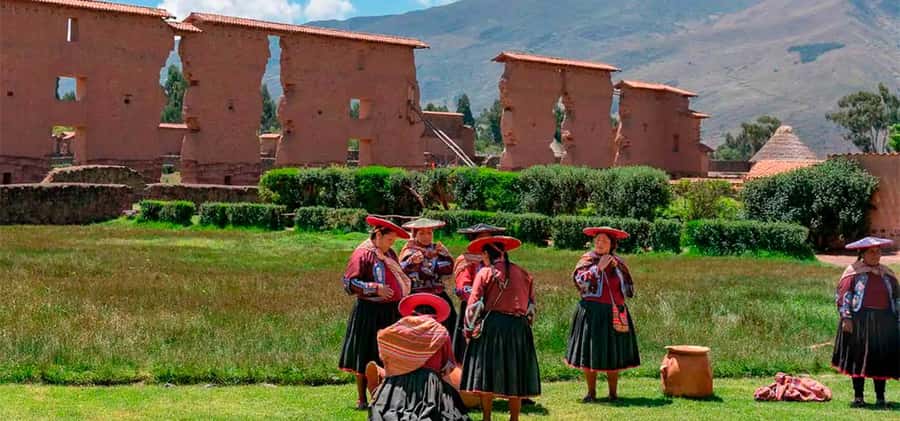
Around 10:15 AM, you’ll arrive at Raqchi, home to the Temple of Wiracocha. This site is special because it feels grand even when you’re standing at ruins. The big visual is the temple’s 15-meter-high walls, built in a way that shows serious planning and engineering.
Raqchi also gives you a clearer story about the Andean spiritual worldview. The temple is tied to Wiracocha and the idea of an invisible higher power in Andean tradition. Even if you don’t know all the names and meanings, the guide can make the site click: what it suggests about belief, community, and how Inca power was expressed through monumental architecture.
How to enjoy it: take a few minutes to step back and look at the structure from different angles. The ruin layout and surrounding remains help you understand the original scale and purpose, not just the main wall.
The mid-morning Cusco-region stop and why photo pauses are useful
Not every stop is a museum. There’s also a Cusco Region stop in the middle of the morning that mixes photo time with a guided explanation (about an hour). Think of this as your reset: you can stretch your legs, look at changing terrain, and let the guide narrate what you’re seeing.
This is one of the reasons the tour feels smoother than a straight bus ride. You’re not waiting until midday to do anything except sit.
You can also read our reviews of more tours and experiences in Cusco

Buffet lunch in Marangani–Sicuani: refuel without losing the day
Lunch comes after the heavier morning sites, around 11:35 AM (with roughly 50 minutes for the meal). It’s a buffet lunch in Marangani–Sicuani, and the menu is designed to feel local without being too fussy.
You’ll typically see options like:
- tender beef and succulent chicken
- fresh fish
- hearty sides
- both warm and raw salads
- desserts
- herbal infusions (tea-style)
The real win isn’t just the food. It’s timing and pacing. You get enough time to eat well and reset, but not so much time that the day falls apart. And based on what guides have done for groups (like keeping logistics organized so bathroom and coffee breaks don’t turn into a scramble), this lunch stop tends to run efficiently.
Tip: if you’re sensitive to big meals at altitude, stick to a normal portion and drink water slowly. Save the heaviest items for when you feel steady.
Abra La Raya: the highest pass viewpoint and the best photo sprint
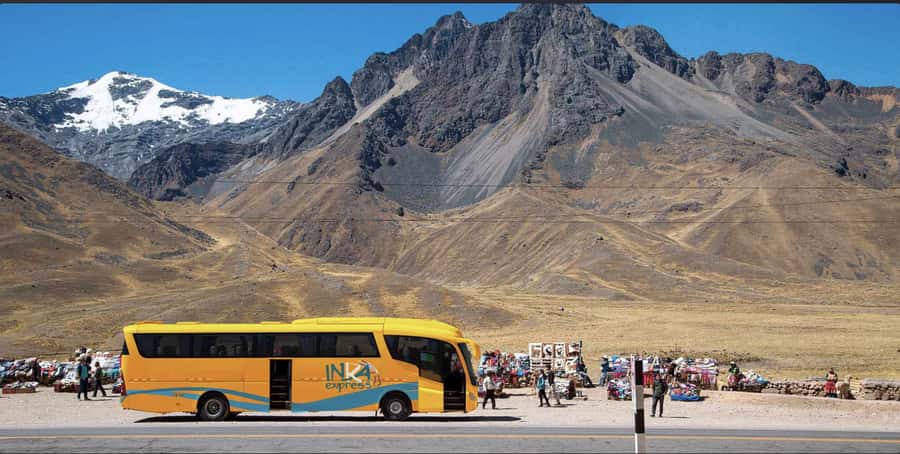
Around 2:15 PM, you reach Abra La Raya. This is the natural border area between Puno and Cusco and the day’s highest point. The stop is shorter (about 10 minutes), so you’ll want to be ready before the bus stops moving.
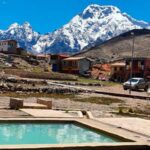
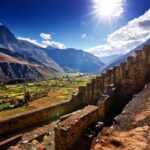
This is your moment for panoramic Andes views: snow-capped peaks when the weather cooperates, rolling hills, and wide open sky. Even if you’re not a photographer, this stop helps you understand the geography behind the route. Cusco’s valleys and Puno’s Altiplano feel like different worlds once you’ve seen the pass.
Since time is tight, I’d use this approach:
- Take two or three solid photos quickly.
- Then look up and around without the screen for a full minute.
- If wind is strong, keep your balance and don’t rush onto uneven edges.
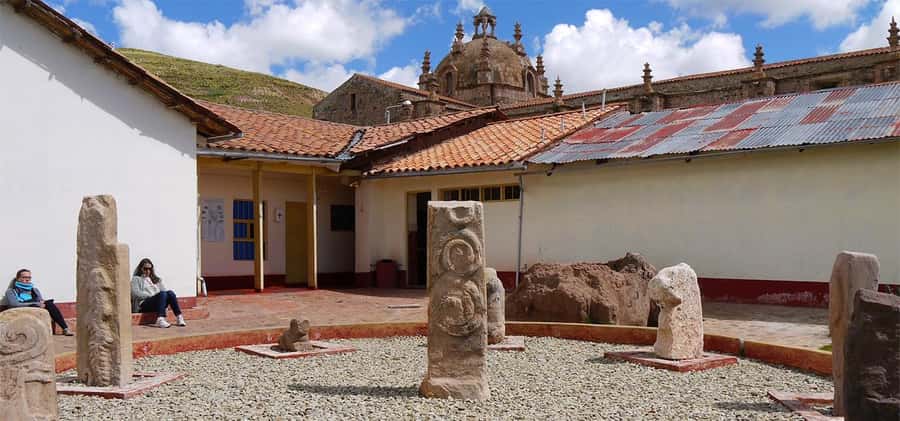
Pucará Museum and Lithic Museum: where you see Andean life from 500 BC to 200 AD
Your last big guided stop is Pucará at about 3:20 PM, with roughly 45 minutes on site. You’ll visit the Pucará Museum and also the Lithic Museum of Pucará.
What I like about this ending is that it brings the story full circle. After all the ruins and churches, the museum section turns artifacts into context. You learn about Pucará as a hub of Andean civilization from 500 BC to 200 AD, and you see how priests, artisans, and warriors fit into daily life.
If you’re the type who usually skips museum stops because you want more photos, this is a good one to keep. The material is presented in a way that helps you connect what you’ve seen outside with how people lived, worked, and built communities.
Getting there comfortably: heating, clean restrooms, and a smooth ride
This is a full-day route. Comfort isn’t a luxury detail here; it’s part of whether you enjoy the day.
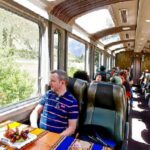
Included onboard you get:
- heating & A/C
- a clean bathroom
- hot drinks like tea, coffee, coca tea, and herbal infusions
- cold drinks like Coca-Cola, Inca Kola, and mineral water
- and that oxygen tank
That helps on a practical level. Cold buses and long drives can make you feel worse, especially before you’ve adjusted to Altiplano air. A clean restroom matters too. One of the nice touches from guides in past departures is how they handle timing so people can use facilities without the group getting stuck waiting.
Also, the driving gets praise for being smooth and careful on a route where weather and altitude can make roads feel demanding. A steady driver plus a well-run schedule is a big part of why the day doesn’t feel chaotic.
Guides and small touches: English/Spanish support that actually helps
You’ll travel with professional bilingual guides (Spanish and English). This matters because the sites are layered. If you only hear fragments, you miss why Andahuaylillas looks the way it does or why Raqchi’s walls carry so much meaning.
Some guides have been praised for being extra attentive with logistics, including splitting groups by language during museum time so one group can tour while the other handles bathroom and coffee breaks. Guides have also been noted for friendliness and enthusiasm, and some have added small extras like fresh cake, coffee and tea, or bagged snacks.
Even if your guide is different, the overall setup is built around making sure everyone gets the information, not just a collection of stop photos.
Price and value: is $44 worth it after entrance tickets?
The tour price is listed at $44 per person, and it’s a long day with real services included:
- private luxury bus transport
- guided visits at key stops
- onboard drinks and hot drinks
- restroom access and climate control
- an included buffet lunch
- an oxygen tank and service onboard
The part to plan for: entrance tickets are not included. You pay in person for Andahuaylillas, Raqchi complex, and Pucará Museum, totaling 53 soles (about $13). So your realistic total is closer to $57 before any personal costs.
To me, that’s still solid value if you compare it to doing the route on your own. You’re paying for organized access, bilingual guiding, and the schedule that prevents the day from turning into random searching for buses and tickets. If your main goal is simply arriving in Puno, you might choose cheaper. If your goal is to use the travel day, this price starts to make sense.
Who should book this Cusco to Puno Scenic Route
You’ll likely love this tour if:
- You want a guided transfer, not an all-day sit-and-stare drive
- You care about Inca and early colonial religious sites, especially Andahuaylillas and Raqchi
- You like “just enough” structure: stops with meaning, plus time to reset
You might think twice if:
- You hate early mornings and prefer flexible pacing
- You want a long pause at every stop (Abra La Raya is intentionally short)
- You’re on a super tight budget and don’t want to pay additional entrance tickets
Overall, it’s a strong match for first-timers doing the Cusco-to-Puno leg and also for repeat visitors who still want a better use of travel time.
Should you book?
If you’re traveling Cusco to Puno and want the day to feel like an actual experience, I’d book this. The combination of guided heritage stops, the Abra La Raya viewpoint timing, and an included buffet lunch makes the full 11 hours feel planned rather than painful.
If you’re the type who already knows these sites and just wants speed, you can skip the extras and take a direct bus. But if you want your arrival in Puno to come with stories, photos, and clear context, this route is a smart way to get there.
FAQ
How long is the Cusco to Puno scenic bus day?
The full experience runs about 11 hours, with an end time around arrival at the Puno bus terminal near 5:30 PM.
Where do I meet for the tour in Cusco?
You start at Av. Alameda Pachacuteq 499-B. You should arrive about 30 minutes early based on the departure time shown by the operator.
What stops are included between Cusco and Puno?
The tour includes guided visits at Andahuaylillas, Raqchi (Temple of Wiracocha), Abra La Raya, and Pucará (Pucará Museum and Lithic Museum), plus photo and sightseeing stops along the route.
Is lunch included?
Yes. You get a buffet lunch in Marangani–Sicuani, and it includes multiple traditional Andean dishes and desserts.
Do I need to pay for entrance tickets?
Yes. Entrance tickets for Andahuaylillas, the Raqchi complex, and the Pucará Museum are not included and must be paid in person on arrival. The total listed is 53 soles.
What onboard comfort and drinks are included?
The bus includes a clean bathroom, heating and A/C, and service on board with hot drinks (tea, coffee, coca tea, and herbal infusions), plus cold drinks like Coca-Cola, Inca Kola, and mineral water.
Is breakfast included?
No. Breakfast is not included, so plan to eat before the early departure.