REVIEW · MARKETS
Pisac Indian Market and Ollantaytambo Fortress with Lunch
Book on Viator →Operated by VIPAC Travel · Bookable on Viator
Cusco to the Sacred Valley in one day. This trip strings together Pisac’s market culture and the powerhouse ruins of Ollantaytambo, with a real guided explanation along the drive. I especially like how it’s built for convenience: hotel pickup, round-trip transportation, and time to wander so you don’t feel herded.
Two things I’d plan around: the stop at Pisac’s market (with handcrafted textiles and souvenirs, plus a Sunday mass if your timing matches), and the guided visit to the Ollantaytambo fortress and the Temple of the Sun. The lunch is a full buffet break in between, not a sad snack that disappears fast.
One consideration: entrance coverage depends on which ticket option you pick. Also, there’s enough walking and some uneven ground that good shoes matter—especially at Ollantaytambo, where you’ll be climbing and viewing stonework up close.
In This Review
- Key Highlights Worth Noting
- A Small-Group Sacred Valley Day From Cusco
- Morning Pickup and Why the 8:00 am Start Helps
- Pisac Indian Market: Shopping With Inca-Style Traditions in Mind
- Lunch Break: A Buffet That Keeps the Day Comfortable
- Ollantaytambo Fortress: The Temple of the Sun Up Close
- Expect Walking and Wind
- The Guide Makes or Breaks the Ruins
- Tickets, Entrance Fees, and the One Thing to Double-Check
- Price and Value: What $84 Buys in Real Terms
- How Long It Feels and When It’s Worth It
- Small-Group Comfort: What Max 15 Really Changes
- Practical Tips That Make This Day Easier
- So, Should You Book This Tour?
- FAQ
- What time does the tour start in Cusco?
- How long is the Sacred Valley day tour?
- Is lunch included?
- Are hotel pickup and drop-off included?
- Is the Ollantaytambo entrance ticket included?
- Is the guide bilingual?
- How big is the group?
- Does the tour visit the Pisac market?
- What happens if I visit Pisac on a Sunday?
- Are drinks included with lunch?
Key Highlights Worth Noting
- Pisac market time with real local buying energy: You’ll browse textiles and crafts made by local artisans.
- Sunday option includes a Quechua-and-Spanish mass plus pututos: If you hit the right day, it’s a meaningful cultural moment.
- A buffet lunch that actually feels like a break: You get a proper meal before the main ruins.
- Ollantaytambo’s fortress feel: The Temple of the Sun sits on defensive stonework from Incan civil conflict.
- Small group size (max 15): Easier pacing and more chances to ask questions.
- Bilingual guiding (Spanish/English): You’ll get context, not just stop-and-snap sightseeing.
A Small-Group Sacred Valley Day From Cusco
This is a full-day Sacred Valley outing that runs roughly 10 hours, starting at 8:00 am. You’ll be picked up from your hotel in Cusco, then driven into the valley with a bilingual guide leading the story in English and Spanish.
The small group size (up to 15 people) matters more than you might think. Cusco day tours often turn into a race between viewpoints. Here, you still move briskly, but you get enough breathing room to look, ask questions, and actually browse the market without feeling like you missed your chance.
One practical perk: round-trip transfers are included. In the Sacred Valley, that’s not just comfort—it’s time saved and stress avoided when you’re working with a long day and tight daylight.
You can also read our reviews of more shopping tours in Cusco


Morning Pickup and Why the 8:00 am Start Helps
Leaving at 8:00 am sets you up to see Pisac and Ollantaytambo while the day still feels manageable. Later in the morning, these places get busier, and your walking time can start to feel rushed.
You don’t just show up at a random meeting point, either. Pickup time is sent to you one day before the tour, so you can plan breakfast and hydration without guessing. That also helps if you’re staying near the center of Cusco and hate waking up to a vague schedule.
Tip: if you tend to feel altitude fatigue, treat the morning like part of the itinerary. Eat something light before pickup, sip water, and keep moving at a steady pace once you’re on the road.
Pisac Indian Market: Shopping With Inca-Style Traditions in Mind
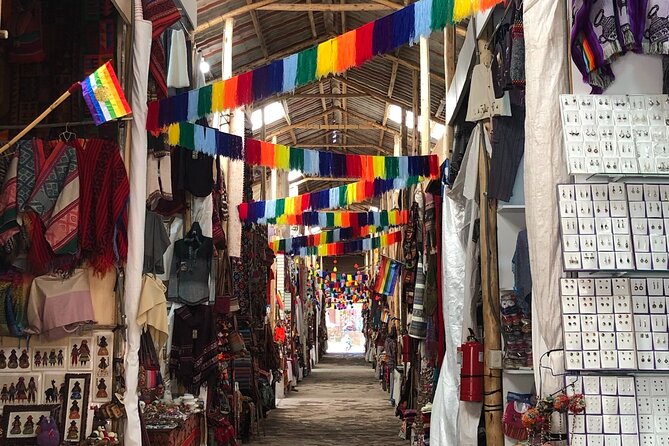
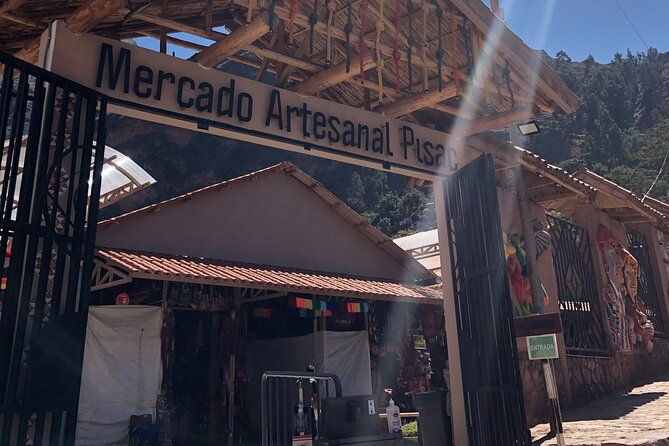
Pisac is the cultural warm-up before the ruins, and the market is the main reason. This town has long been tied to trade—so when you’re wandering stalls today, it helps to know you’re stepping into a living pattern, not a staged craft fair.
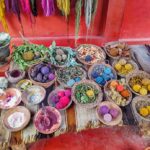
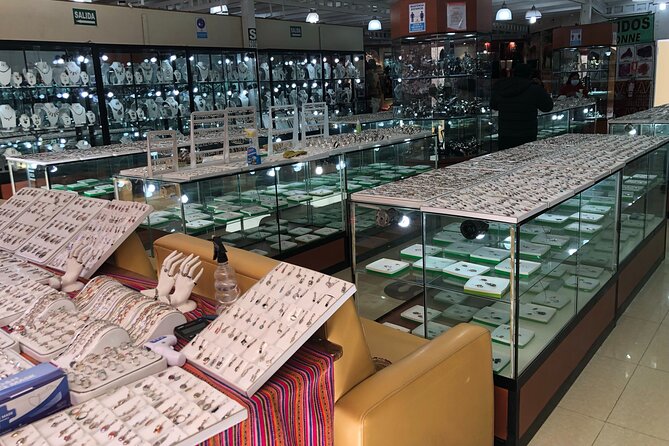
The market experience centers on handcrafted textiles and souvenirs made by local community members. You’ll likely see plenty of alpaca items, woven goods, and colorful pieces that make great gifts. I like that the tour doesn’t treat shopping as an afterthought; it gives you time to look around and decide what’s worth your money.
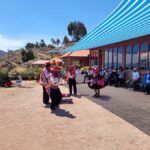
Here’s a unique detail that can make your visit feel extra special: if you’re there on a Sunday, you may catch a mass conducted in Quechua and Spanish, with local dignitaries in attendance. You may also hear the pututo, a traditional musical instrument, as part of the service.
A practical reality check: markets are where quality varies. If you want to avoid disappointment, go in with a plan:
- Touch and inspect fabric thickness and finishing.
- Compare similar items side by side before buying.
- Be ready to negotiate (bartering is part of the culture here).
Also, bring the mindset that you’re shopping in a working place. You’ll have to pay attention, ask questions, and be a bit patient.
Lunch Break: A Buffet That Keeps the Day Comfortable
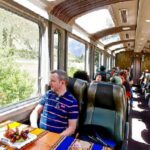
Between Pisac and Ollantaytambo, you’ll stop for lunch. This is a buffet included in the price, and the setting is a big part of why reviews talk about it with real warmth.
What this lunch gives you is timing and energy. Ollantaytambo involves more walking and more “look up at the stones” time than people expect, so eating before the ruins helps you move more comfortably.
One more practical suggestion from real-world pacing: if you’re the type who gets lightheaded while walking, treat lunch as your fuel, not something you rush. Eat steadily, drink some water, and keep your mind on the next stop rather than turning the meal into a long sit-down.
Ollantaytambo Fortress: The Temple of the Sun Up Close
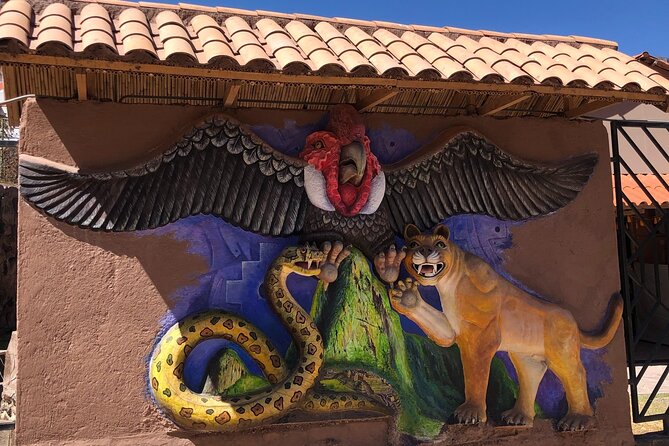
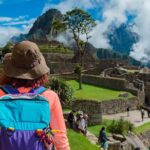
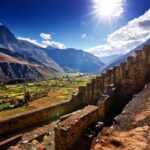
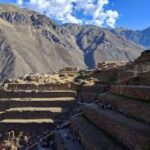
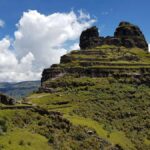
Ollantaytambo is the big archaeological centerpiece of the day, and you’re there for a guided visit to the fortress area and its main attraction, the Temple of the Sun.
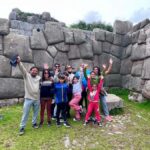
This isn’t just “pretty ruins on a hill.” The way the structures were built is part of the lesson. The Temple of the Sun is associated with a defensive purpose: during the Incan civil war, massive stones—around 12 feet tall (about 3.5 meters)—were used as key barriers.
That detail changes how you read the site. You’ll find yourself looking at scale first, then thinking about strategy: why walls were where they were, how the stones shaped movement, and how the terrain amplified defense. It’s the kind of context that makes the visit feel more connected than a list of names.
You can also read our reviews of more tours and experiences in Cusco

Expect Walking and Wind
Ollantaytambo isn’t a flat museum. Even if the walking doesn’t sound extreme, uneven ground and steep sections can make it feel like a workout. In windy conditions, hair can become annoying fast—so a hair tie and a cap can be smart, not silly.
Also, shoes matter. If you only packed city sneakers, this is where you’ll notice. Bring something you can trust on stone steps and slopes.
The Guide Makes or Breaks the Ruins
A lot of Sacred Valley tours succeed because the sites are incredible. But they can fail when the commentary is thin or the pace is chaotic. This one leans hard on the guide experience.
The tour is led by bilingual guides, and names you might see include Adriel, Carla, Alex, Frank (with driver Jordan), Luis, Henry, Manuel, Julio Eacalante, and Alan. Different personalities, same goal: explain what you’re seeing, connect it to the valley’s culture, and keep the group together.
What I like about the guide approach here is the balance between facts and practical pacing. The best guides on this route do a simple thing well: they give you time to look and then attach meaning to what you’re seeing, instead of sprinting from one explanation to the next.
If you’re traveling solo, bilingual guiding matters even more. It’s easier to follow the story when the guide keeps the group attentive and answers questions directly.
Tickets, Entrance Fees, and the One Thing to Double-Check
Ollantaytambo entrance is included only if you select the ticket-included option. If you choose the version without tickets included, you should expect to cover site admission yourself.
Why I’m making this its own point: one common hiccup in this region is confusion over what’s actually covered on your voucher. If your plan depends on included admission, double-check your booking confirmation before you leave Cusco.
My advice is simple: confirm the exact ticket option you selected and bring a little buffer (time and some cash) in case you need to pay at the site. It’s not the kind of surprise you want halfway through a long day.
Price and Value: What $84 Buys in Real Terms
At $84 per person, you’re paying for a full day that bundles several expensive pieces together:
- Guided time at two major Sacred Valley stops (Pisac market and Ollantaytambo)
- Hotel pickup and round-trip transfers
- A buffet lunch
- Bilingual guidance
You’re also buying time. With Sacred Valley logistics, the cost of transportation and the hassle of figuring out who goes where can add up quickly. This tour’s value is that it keeps you moving with a plan, while still leaving you free to browse the market.
The only “watch-out” for value is the ticket option for Ollantaytambo. If you selected the non-ticket version, your real cost goes up. If you selected the ticket-included version, you’re set.
How Long It Feels and When It’s Worth It
This is a great fit if you want:
- A first Serious Sacred Valley day without splitting your time across multiple tours
- A mix of culture (market life) and history (Inca-era fortress architecture)
- Enough structure that you’re not negotiating buses and schedules all day
It’s also useful if you have limited time in Cusco and want to hit the big highlights near the former Inca capital.
It might be less ideal if you want a slow, deeply academic tour. This day is built to see major highlights, not to spend hours reading stonework line by line. Still, with the guide’s explanations, you’ll come away with more understanding than you’d get from roaming alone.
Small-Group Comfort: What Max 15 Really Changes
With a maximum group size of 15, you’re less likely to feel lost in the crowd. This can matter in the market, where you might want a minute longer to compare textiles.
It also matters at the ruins. Ollantaytambo can create bottlenecks around viewing points. Smaller groups can spread out a bit better, which keeps the pace smoother.
If you like asking questions, smaller groups help. You’re more likely to hear your question answered in full instead of getting a quick nod as the guide moves on.
Practical Tips That Make This Day Easier
A few small things make a noticeable difference on a 10-hour Sacred Valley day.
Bring:
- Good walking shoes with grip for stone and slopes
- A hair tie if wind bothers you (Ollantaytambo can be windy)
- Hand sanitizer and tissues (public restrooms can be hit-or-miss in some areas)
- Your own bottled water and a light snack as backup
Also, watch your schedule thinking. Lunch happens before Ollantaytambo, but it’s still a long day. If you’re sensitive to heavy meals before uphill sections, eat normally, not huge.
So, Should You Book This Tour?
I’d book this tour if you want an efficient, well-paced Sacred Valley day that includes real market time and a guided visit to Ollantaytambo’s Temple of the Sun. The included lunch and transfers are a big part of the value, and the small group size helps the experience feel manageable instead of frantic.
Don’t book it blindly if you haven’t checked your ticket option for Ollantaytambo. Confirm whether entrance is covered in your booking so you don’t get surprised mid-day.
If you’re a first-timer to the Sacred Valley, this is one of the better ways to get your bearings fast: Pisac gives you local culture, and Ollantaytambo gives you the Inca engineering story in stone.
FAQ
What time does the tour start in Cusco?
The start time is 8:00 am.
How long is the Sacred Valley day tour?
It runs about 10 hours (approx.).
Is lunch included?
Yes. A buffet lunch is included in the price.
Are hotel pickup and drop-off included?
Yes. Round-trip hotel transfers are included.
Is the Ollantaytambo entrance ticket included?
It depends on which option you choose. If you select tickets included, the admission is included. If you choose the option without tickets, you’ll need to pay for admission yourself.
Is the guide bilingual?
Yes. The guide is bilingual in Spanish and English.
How big is the group?
The tour has a maximum of 15 travelers.
Does the tour visit the Pisac market?
Yes. You’ll spend time at Pisac’s local market.
What happens if I visit Pisac on a Sunday?
If it’s Sunday, you may see a mass conducted in Quechua and Spanish, and you may also hear the pututo played during the ceremony.
Are drinks included with lunch?
Alcoholic beverages are not included, and soda/pop is also not included.