REVIEW · SALKANTAY & ANDEAN TREKS
Full-Day Tour to Ausangate 7 Lakes
Book on Viator →Operated by Viagens Machu Picchu · Bookable on Viator
Turquoise high-altitude lakes start before dawn. This full-day Ausangate 7 Lakes trek from Cusco puts you on the road at 4:00 am and then into the 7 lagoons around Pacchanta, with sunrise views and a strong sense of place. I love how the day is built around warm-up time (breakfast in Pajchanta) and a guide who keeps the group moving at a human pace. One thing to take seriously: you’ll be hiking at altitude, so slow starts and good physical prep matter.
After the hike, Pacchanta isn’t just a pit stop. I like the option to soak in the hot springs, and the time to eat real Andean food without feeling rushed through it. In smaller group settings like this (max 17 people), the guide also has an easier job watching how you’re doing.
You’ll be picked up from your accommodation in Cusco, ride out to the trail area, hike for hours, then return to Cusco around 6:30 pm. It’s about 15 hours total, so plan your day like it’s a long one, not a half-day adventure.
In This Review
- Key things I’d bet you’ll notice
- Entering the Andes: why Ausangate’s 7 Lakes matter
- From Cusco at 4:00 am: sunrise drive and Pajchanta breakfast
- The 7-lagoon trek: pacing, altitude reality, and what you’ll see
- Pajchanta to Pacchanta: Andean food, optional hot springs, and recovery time
- Guides and drivers: why the people on your van matter
- Price check: is $69 good value for this full day?
- What to pack for cold mornings and thin air
- Optional horseback ride and hot springs: choose based on your body
- Should you book this full-day Ausangate 7 Lakes trek?
- FAQ
- How much does the Full-Day Tour to Ausangate 7 Lakes cost?
- How long is the tour?
- What time does the tour start, and when do you return to Cusco?
- What’s included in the price?
- How many people are in the group?
- What fitness level do you need?
- Is hot springs time included?
- Is the horseback ride included?
- Are service animals allowed?
- What is the cancellation and bad-weather policy?
Key things I’d bet you’ll notice
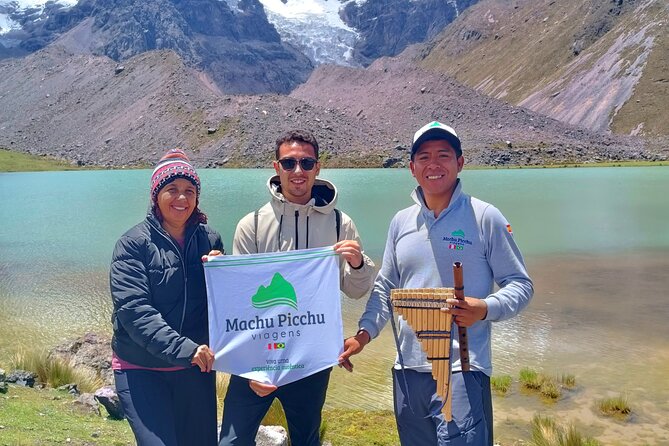
- A pre-dawn start with sunrise scenery on the drive out from Cusco.
- A focused 7-lagoon trek with a multi-hour walking circuit and lagoon stops.
- Meals that are actually included: breakfast and lunch, plus time to rest in Pacchanta.
- Optional hot springs in Pacchanta if your body needs a reward.
- A small group cap (17 max) with private transportation that feels smoother than cattle-car tours.
- Extra options handled locally, like an optional horseback ride paid directly to villagers.
Entering the Andes: why Ausangate’s 7 Lakes matter
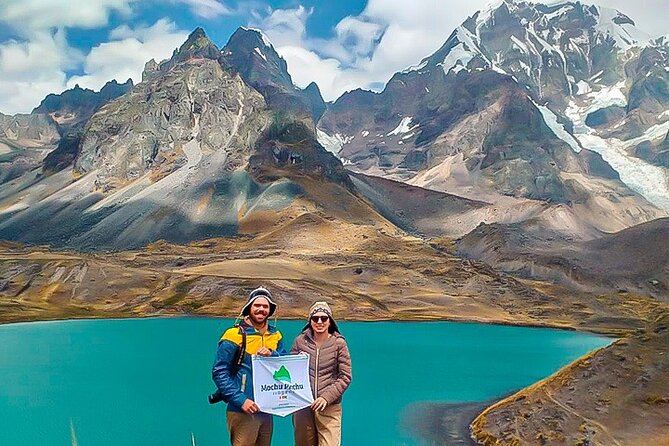
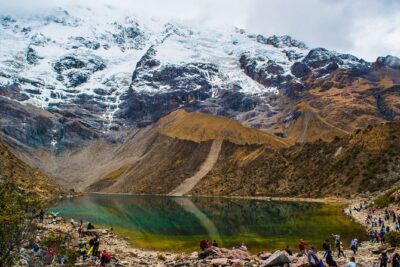
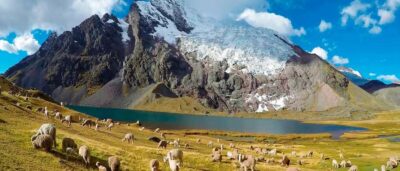
Ausangate is one of those Andean regions where the scenery isn’t just pretty—it feels serious, high, and elemental. The Seven Lakes route is popular because it packs a lot of payoff into a single day: you’re not commuting for hours just to see one viewpoint. You get a string of lagoons, glacier-area views, and the kind of stillness you can’t fake with Instagram angles.
What makes this tour feel especially worth your time is the structure. You don’t just drive out and hope for the best. You warm up with breakfast in Pajchanta, you hike for set blocks of time, and then you come back to Pacchanta for food and recovery. That rhythm matters at altitude, because your body needs pacing more than it needs heroics.
The other big plus is the small-group feel. Even though you’re doing a full-day trek, the maximum of 17 people means it’s easier for the guide to manage stops and keep the pace comfortable for the group.
One more point: guides matter here. You might meet guides such as Ernesto, Milton, Roberto, Jehomar, or Juan, and they’re repeatedly described as attentive and good at guiding the experience without leaving people behind. Some guides also help with comfort support if someone is struggling, and that can make a difference on high-altitude days.
You can also read our reviews of more tours and experiences in Cusco
From Cusco at 4:00 am: sunrise drive and Pajchanta breakfast
Your day starts early—4:00 am pickup from your accommodation in Cusco. That’s not a small detail. It’s the whole vibe. You’re getting on the road while the world is still dark, which is exactly when you can catch sunrise along the route. The drive itself is part of the experience, not just transportation.
After about 3.5 hours on the way to Pajchanta, you stop for breakfast. This isn’t a sad coffee-and-a-biscuit situation. It’s a real warm-up before the hike, which I consider one of the best values of the tour. When you’re headed into cold air at altitude, eating and warming up first is practical, not just nice.
Also, you’re going to want cold-weather gear. The tour info flags it, and high-altitude mornings in the Andes can feel sharp. Layers beat one thick jacket because you’ll swing between cold mornings and warmer hiking temps fast.
The 7-lagoon trek: pacing, altitude reality, and what you’ll see
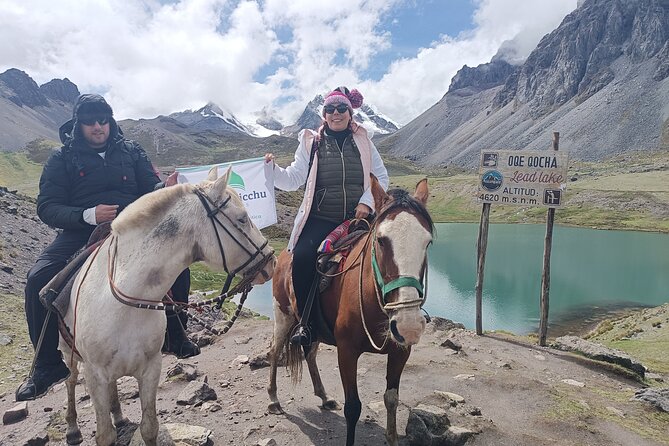
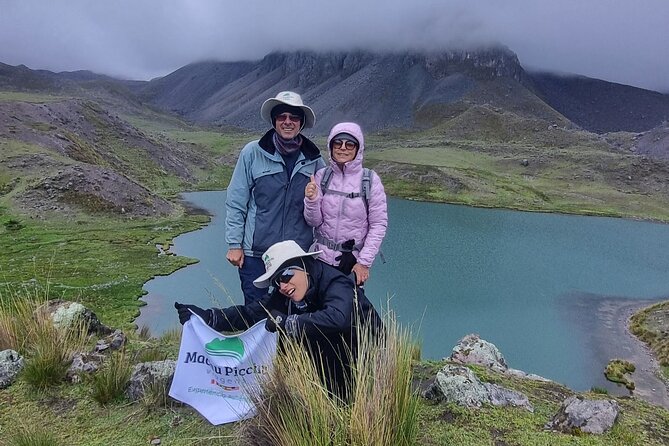
The Ausangate section is built around a hike that takes roughly 4 hours to visit all the lagoons on the way up. The route is high enough that you should take altitude seriously, even if you’re fit. One key consideration: walking above 4,000 meters for long stretches isn’t the same as hiking at sea level. You can feel it in breathing, energy, and how quickly your legs tire.
That said, the route isn’t described as brutally steep for everyone. People who are acclimated often report paths that feel manageable. Still, don’t treat that as permission to go fast. Go slow. Take breaks when the guide asks. This kind of hike rewards steadiness, not speed.
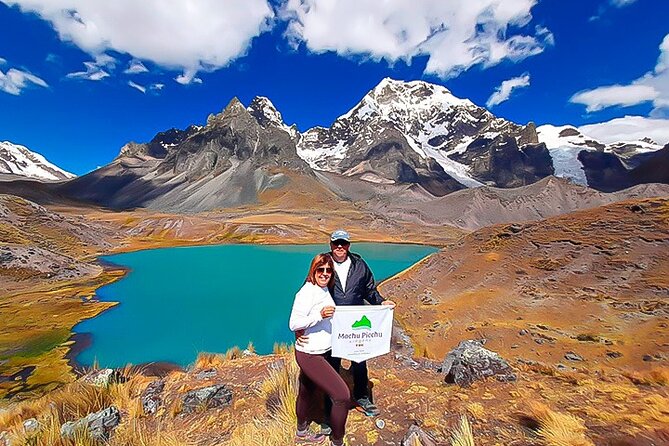
What you’re actually chasing is the lagoon sequence—the “seven stops” that turn the trek into a story rather than a single destination. The lagoons are described as peaceful and magical, with glacier-area views that can feel close enough to make you stop and stare. Even on a full group day, the pacing leaves room for photos, quiet moments, and just taking in how the light changes over water at altitude.
Distance can also catch people off guard. One report notes the walking route around 17 km, which gives you a better mental picture than the “4 hours” alone. Your speed will depend on acclimation and group pace, so I’d plan for a longer-feeling day even if the hike block is scheduled for hours.
Practical note: restroom facilities are basic. One reviewer described the WC structure as precarious because of local conditions. Your best strategy is simple: use facilities early when you can and treat this as rough-and-real rural infrastructure.
Pajchanta to Pacchanta: Andean food, optional hot springs, and recovery time
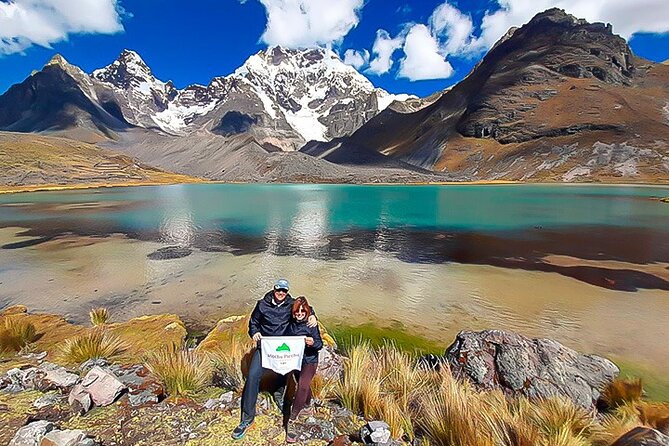
After the lagoon circuit, you return to the small town of Pajchanta to rest, then continue onward to Pacchanta for food. This matters. Your body has done the heavy work; now you need time to reset.
The tour includes time to eat at a restaurant with delicious Andean food. This isn’t just about calories. It’s about keeping the day from feeling like a grind. Lunch and warm food after altitude hiking can help you feel human again instead of just surviving until the bus ride home.
Then there’s the optional hot spring break in Pacchanta. If your legs feel cooked, a soak can be one of the best “why did I do this” payoffs of the entire day. The catch is that it’s optional, and the tour description notes you’ll have free time if you choose not to soak. Either way, you’re not locked into only one kind of downtime.
If you have dietary needs, keep it simple and communicate ahead or ask your guide on the day. One report mentions support for vegan food if requested. That’s not something you want to assume you’ll get silently, so asking directly is the move.
Guides and drivers: why the people on your van matter
This tour runs with private transportation and a professional bilingual guide (Spanish or English). That matters because Ausangate days aren’t “just walk and see.” A good guide helps you manage pace, interpret what you’re seeing, and keep the group safe.
You may get an experienced guide like Ernesto, Milton, Roberto, Jehomar, or Juan, and drivers such as Julio are mentioned in reports as polite and efficient. The common thread is attentiveness: people describe guides who check in, keep things organized, and help with lots of photos along the way.
A nice extra detail: some guides are described as bringing oxygen if someone needs support. I wouldn’t treat that as guaranteed for every group, but it’s a good sign that the operation takes altitude discomfort seriously.
In a small group (max 17), you’re less likely to feel like a number. That can be the difference between enjoying the quiet lagoon stops and feeling stressed trying to keep up.

Price check: is $69 good value for this full day?
At $69 per person, this tour has one of the best value-to-effort ratios you’ll find in the Cusco area if you plan to do the hike seriously.
Here’s why the price feels fair based on what’s included:
- Private transportation for a long day is usually expensive compared with shared-vehicle options.
- A bilingual professional guide costs real money, especially for a high-altitude day where timing and safety matter.
- Breakfast and lunch are included. That’s not a throwaway snack stop; it’s part of the body-management plan for altitude and cold mornings.
- Lagoon admission is listed as included for the trek portion.
Where the value can change for you is with the optional add-ons:
- A horseback ride is optional (about 80 soles, paid directly to villagers).
- Hot springs time is optional (you can also skip it).
If you’re the kind of traveler who would otherwise pay for guided transport plus meals, this price becomes much more reasonable. If you’re the kind of traveler who only wants the easiest version and hates altitude, you may decide it’s better to invest in a lower-elevation day trip instead.
What to pack for cold mornings and thin air
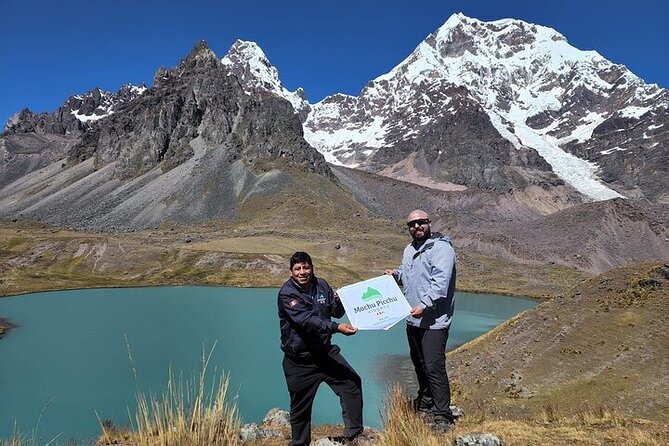
Cold gear is explicitly mentioned for this tour, and I agree with the emphasis. Start early and you’ll feel it. Bring layers you can peel off while hiking, not just one heavy jacket that turns you into a sweat-sponge on the move.
Beyond warmth, your pack should support long hours outdoors:
- Water you can drink steadily over the day.
- Snacks for extra energy if you’re prone to getting low on altitude.
- A warm hat and gloves for the early road and lagoon stops.
- Sturdy footwear for uneven rural paths.
Also, pace yourself like you expect altitude to slow you down. The tour is not framed as a casual stroll. One note from a high-altitude perspective: walking for hours above 4,000 meters isn’t light. Intermediate fitness is a safer fit than “I do a little cardio sometimes.”
If you have any heart or breathing conditions, take extra care and talk to a medical professional before going. That’s not fear-mongering—it’s altitude math.
Optional horseback ride and hot springs: choose based on your body
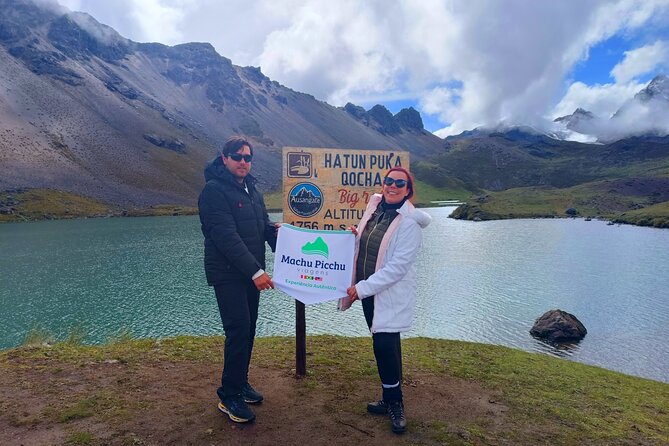
You can do this hike fully on foot, or you have the optional horseback ride option (paid directly to villagers). The tour notes it’s available for those who want it, with an approximate price of 80 soles.
Here’s how I’d decide:
- If you’re strong on your feet and acclimated, you’ll likely enjoy the walk and the lagoon sequence more by hiking.
- If altitude is your worry, a horseback segment can reduce strain, but don’t forget you may still be spending time at high elevation.
- If your main goal is photography and views rather than endurance, horseback can help you conserve energy for the lagoon stops.
Hot springs are the same idea: optional recovery. If your legs need relief, you’ll probably love it. If you dislike soaking, the tour still gives you free time to explore the village surroundings instead.
Should you book this full-day Ausangate 7 Lakes trek?
Book it if you want:
- A classic high-altitude day with sunrise drive vibes.
- The chance to see a chain of seven lagoons rather than a single stop.
- A guided, structured day with breakfast and lunch included.
- A smaller-group feel (max 17) and private transport.
Skip or think twice if:
- Altitude is a concern for you, especially if you’re not comfortable walking for hours above 4,000 meters.
- You want a super easy outing. This is doable for many people, but it’s not a casual stroll.
- You’re easily bothered by basic rural facilities; expect simple restroom conditions.
One last practical note: the tour requires good weather. If it’s canceled due to poor conditions, you should expect to be offered a different date or a full refund. If you’re flexible, that’s a win.
FAQ
How much does the Full-Day Tour to Ausangate 7 Lakes cost?
It costs $69.00 per person.
How long is the tour?
The tour runs about 15 hours.
What time does the tour start, and when do you return to Cusco?
The pickup starts at 4:00 am, and the tour arrives back in Cusco around 6:30 pm.
What’s included in the price?
The price includes private transportation, a professional bilingual guide (Spanish or English), breakfast, and lunch.
How many people are in the group?
The tour has a maximum of 17 travelers.
What fitness level do you need?
You should have a moderate physical fitness level.
Is hot springs time included?
Hot springs in Pacchanta are optional. If you don’t want to do it, you’ll have free time to explore the area.
Is the horseback ride included?
No. Horseback ride is optional (about 80 soles) and paid directly to the villagers.
Are service animals allowed?
Yes, service animals are allowed.
What is the cancellation and bad-weather policy?
You can cancel up to 24 hours in advance for a full refund. The tour requires good weather, and if it’s canceled due to poor weather, you’ll be offered a different date or a full refund.