REVIEW · INCA TRAIL TREKS
2 Day – Inca Trail to Machu Picchu
Book on Viator →Operated by Inca Path Tour Operator · Bookable on Viator
Sunrise at Machu Picchu starts before you blink. This two-day trip stitches together the Short Inca Trail from Km 104, cloud-forest walking, and two chances to see the citadel, including sunrise and that first dramatic Sun Gate view. I also like that you get real guiding (not just a stamp-and-go), plus included meals that keep the day moving. The main consideration: it is physically demanding and logistically busy, with early wake-ups and multiple transport steps in tight time windows.
You’ll walk with a maximum of 10 people, which keeps the hike feeling personal even when you’re sharing famous ground. If you get a guide like Rodrigo, Stiven, Jhimmy, or Alfredo Cruz, expect clear explanations of Inca life and the trail details, not just facts. If you’re prone to getting motion-sick or hate early mornings, plan your energy carefully before you sign up.
In This Review
- Key things I’d circle on your itinerary
- The value behind a $699 two-day trek
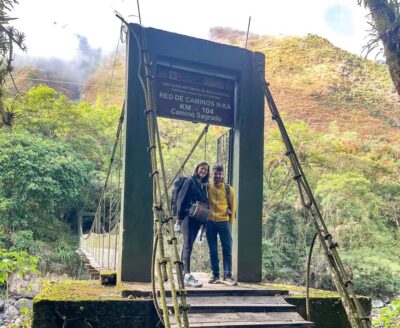
- Day 1: Cusco to Km 104, then Chachabamba into the cloud forest
- Chachabamba: where you learn to read the trail
- Wiñay Wayna: the “Forever Young” stop you don’t forget
- Inti Punku: first Machu Picchu view, right when the day softens
- Circuit 1-B near closing time: a calmer way to start at Machu Picchu
- Day 2 sunrise: the bus lines, the passport check, and the first light
- Why sunrise matters (even if you’re not an early-bird)
- Circuit 3 and a private 2-hour plus walking tour inside the citadel
- The best part: you’re not just standing around
- Getting back to Cusco: trains, timing buffers, and real-world logistics
- What included meals feel like on the ground
- The “small group” comfort factor (and who it helps most)
- Guide quality: what you should look for on the day
- Who should book this Short Inca Trail to Machu Picchu?
- Should you book Inca Path for the 2-Day Inca Trail?
- FAQ
- How long is the 2-day Inca Trail to Machu Picchu experience?
- What is the starting point in Cusco?
- Where does the tour end?
- What Machu Picchu circuits are included?
- Do I need my passport?
- What meals are included?
- Is a walking stick included?
- What is the maximum group size?
- Can I cancel for a full refund?
- Is this tour for people with low physical fitness?
Key things I’d circle on your itinerary
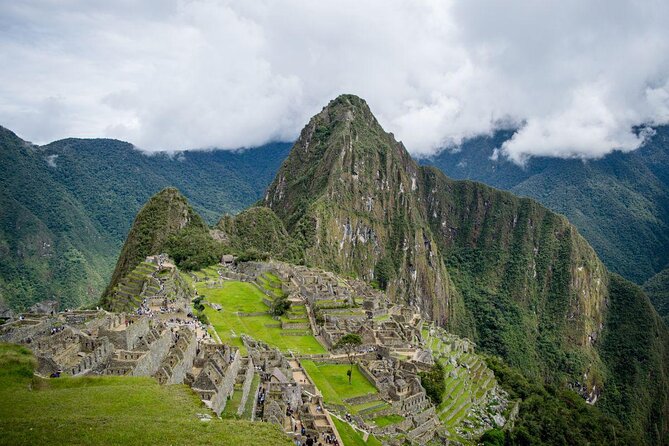
- Short Inca Trail route from Km 104: Big payoff in two days, with cloud forest and archaeological stops.
- Wiñay Wayna and Inti Punku: The trail’s best archaeology-meets-view combo.
- Circuit 1-B near closing time: A calmer Machu Picchu entry for photos and breathing room.
- Early bus to sunrise: You’re in the front lines to catch the light over the mountains.
- Private-guided walking tour inside the citadel: About 2.5 hours focused on what you’re seeing.
- Small group size (max 10): Easier pace control on uneven trail.
The value behind a $699 two-day trek
Let’s talk money honestly. At $699 per person, this isn’t a bargain—but you are paying for a very specific mix: limited-access trail entry, guided time on the ground, Machu Picchu admission, and the transport machine that makes everything line up (bus, train, return bus, and local buses).
Where the price starts to make sense is that you’re not just buying a hike. You’re buying:
- Trail access and Machu Picchu access
- Guided guiding during the hike and inside Machu Picchu
- Multiple pre-arranged transport links between Cusco → Ollantaytambo → Km 104 → Aguas Calientes → Machu Picchu → Ollantaytambo → Cusco
- Meals included on both days (breakfast, lunch, dinner)
The part that can surprise people is how much coordination goes into two days. You can feel that when you’re up before dawn, walking, then riding again. If you like your travel smooth and managed, this kind of package earns its keep.
You can also read our reviews of more tours and experiences in Cusco
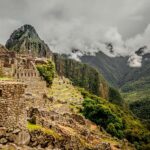
Day 1: Cusco to Km 104, then Chachabamba into the cloud forest
Day 1 is all about getting you to the official Short Inca Trail starting point and keeping your first hike portion immersive instead of rushed.
You start with an early private transfer from Cusco to Ollantaytambo, then board the train to Km 104. This matters because it saves you the stress of figuring out the route on your own. Once you pass through the control point, you begin the guided hike at Chachabamba.
Chachabamba: where you learn to read the trail
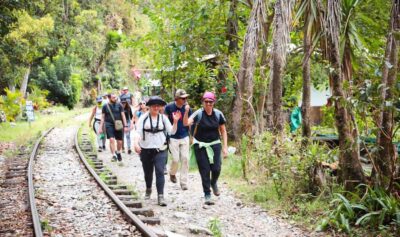
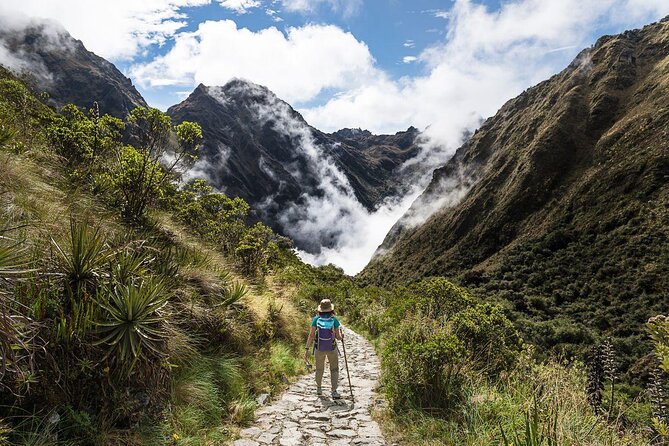
Chachabamba is more than a first stop. It’s a chance to shift from walking on a famous tourist route to actually noticing what you’re seeing. You’ll explore the archaeological remains, then keep moving into the lush cloud forest.
One nice detail is the way the pace is built around nature too. The route includes plenty of walking where you’ll notice flora such as orchids and native plants. Even if you’re not a plant person, this breaks up the effort and helps the hike feel varied.
Wiñay Wayna: the “Forever Young” stop you don’t forget
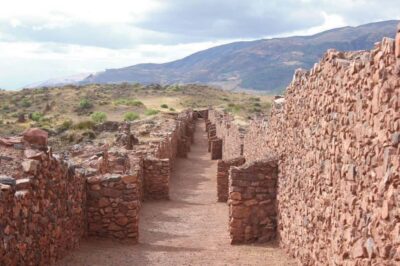
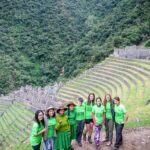
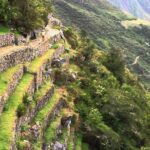
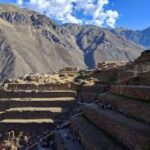
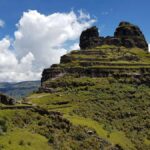
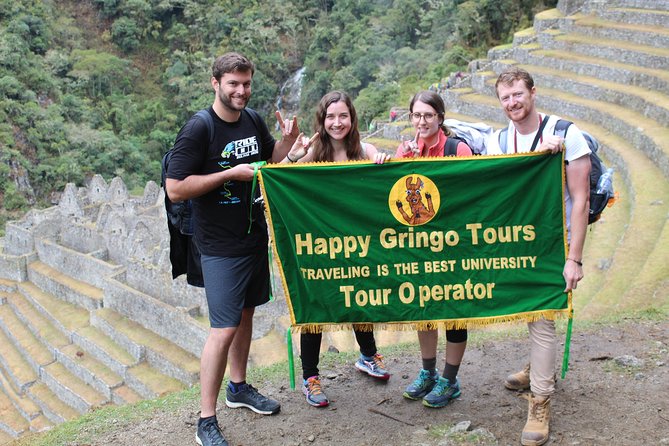
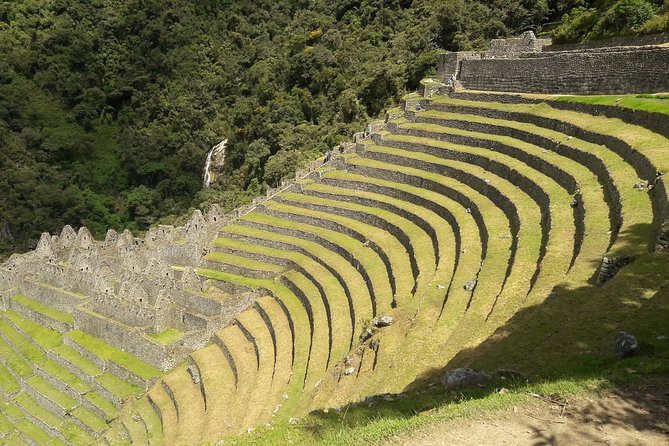
After lunch—served with spectacular scenery—you continue to Wiñay Wayna, a site whose name means Forever Young. This is where the trail starts to feel like a living Inca corridor: terraces, paths, and viewpoints that keep changing as you climb and round curves.
A potential drawback: this is still a hike on uneven ground. If you’re not used to altitude or sustained uphill walking, you’ll want to treat Day 1 as “work,” not as a gentle stroll. An optional walking stick can help (it’s not included; you can expect it to cost about PEN 30 per person).
Inti Punku: first Machu Picchu view, right when the day softens
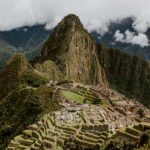
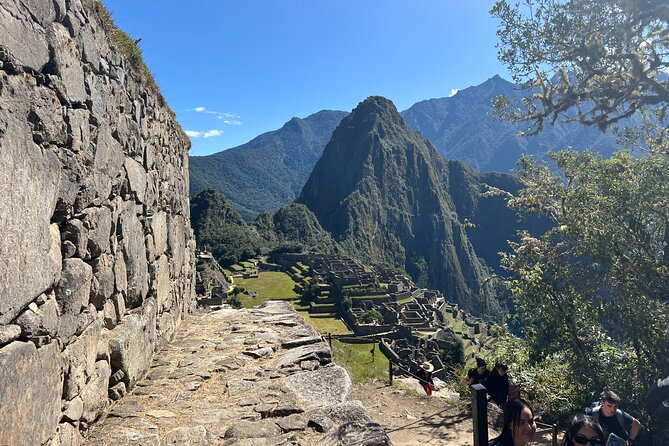
You finish the day by reaching Inti Punku (Sun Gate). From there, you get your first big look at the Machu Picchu Historical Sanctuary, and the light can be very forgiving in late-day hours.
Then it’s into Machu Picchu itself using Circuit 1-B, near closing time. This timing tends to feel like a cheat code: you get the place without the peak crush, and you’ll likely find it easier to take photos without constantly fighting through crowds.
Day 1 ends with a 30-minute bus to Aguas Calientes, hotel check-in, dinner, and rest. That’s important. If you don’t recover, Day 2 feels much harder than it has to.

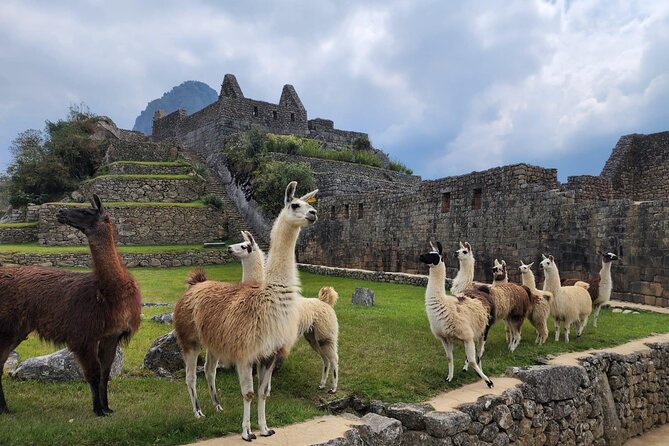
Circuit 1-B near closing time: a calmer way to start at Machu Picchu
Circuit 1-B is a smart choice for Day 1 because it’s tied to rhythm. You’ll already be tired from the hike and the climb into Inti Punku, so arriving when the crowds thin out helps you enjoy the moment instead of just surviving it.
Also, near closing time can be a big deal for photos. The angles shift as the sun drops, and the place can look sharper once the lighting cools off. You get your first entry, so the next morning sunrise feels like part two of the same story rather than a brand-new scramble.
Day 2 sunrise: the bus lines, the passport check, and the first light
Day 2 starts early. Your team wakes you up with hot drinks, and you have time to pack your duffel bags and day packs and eat breakfast. Then it’s a short walk to the bus station so you’re in position to ascend to Machu Picchu.
Here are the hard facts that help you plan:
- The first buses depart around 5:30 a.m. and arrive about 6:00 a.m.
- You should bring your original passport for the checkpoint
- Your guide will help you find a good spot to watch sunrise and take photos
That early bus timing is one reason small-group tours work. When the schedule is tight, you don’t want to be hunting for your meeting point while everyone else is already moving.
Why sunrise matters (even if you’re not an early-bird)
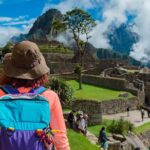
Sunrise isn’t just a dramatic moment. It’s the best time to see how Machu Picchu sits above the Andes. The mountain views can look different every minute, and the citadel takes on a softer look in morning light. This is one of those travel times where the effort pays you back immediately.
Circuit 3 and a private 2-hour plus walking tour inside the citadel
After sunrise, you get a two-hour private walking tour of Machu Picchu, and the guided walk is described as around 2.5 hours total. You’ll explore the citadel and learn its history and meaning, using Circuit 3.
This is where having a professional guide makes the biggest difference. Machu Picchu is impressive on sight, but it’s even more impressive when you understand what you’re seeing—how the structures relate to movement through the site, and what the Inca were doing with altitude, weather, and visibility.
The best part: you’re not just standing around
Because you have a guided route, you’re less likely to waste time wandering for angles. Your guide helps you focus your attention, so you can enjoy key viewpoints and still keep moving at a comfortable pace.
Getting back to Cusco: trains, timing buffers, and real-world logistics
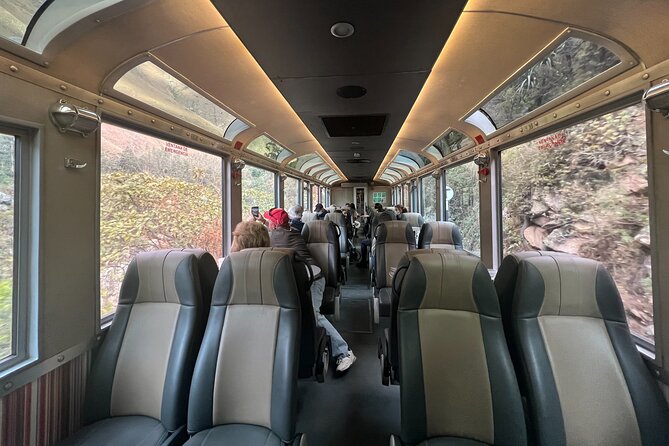
After your morning and tour, you return to Aguas Calientes and then switch back to train travel.
You’ll need to catch the bus back to Aguas Calientes at least 2 hours before your train departure. This timing window is practical: it gives you time for lunch (not included) and enough buffer to board without stress.
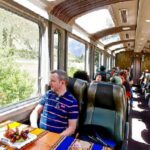
Then you take the train back to Ollantaytambo, and from there a van returns you toward Cusco. This is a long day even when everything goes smoothly, so don’t plan anything right after you arrive in Cusco.
One note on transport included vs not included: the tour information specifies CONSETTUR bus use for Machu Picchu to Aguas Calientes, and other segments are covered as part of the route. If you’re the type who likes receipts, ask your operator for a clear list of which buses are included on each leg before you go.
What included meals feel like on the ground
Food can make or break a multi-day trek. Here, you get:
- Breakfast (Day 1 and morning of Day 2)
- Lunch (included; you’ll have it during the hike day)
- Dinner (included in Aguas Calientes on Day 1)
This is valuable because you aren’t spending your best energy tracking down snacks in unfamiliar places while carrying time pressure. Still, Day 2 includes time for lunch on the return train segment, and that lunch is not included, so you’ll want a little extra cash.
The “small group” comfort factor (and who it helps most)
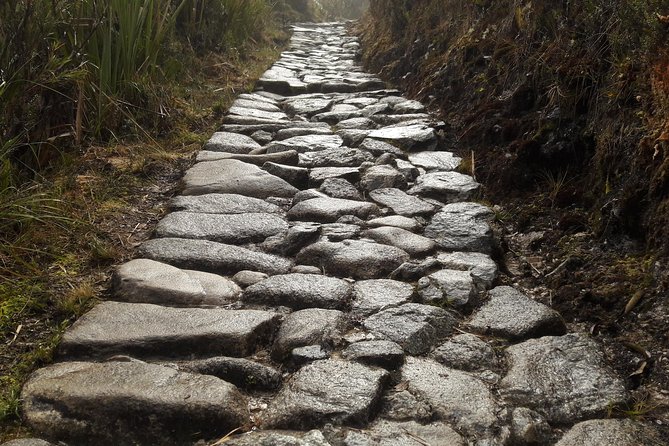
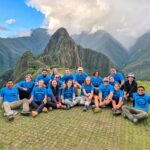
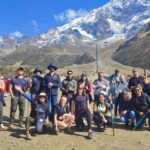
With a maximum of 10 travelers, pacing is easier to manage. In a place like the Andes—where you’re walking on uneven steps and dealing with altitude—small groups typically mean fewer bottlenecks at viewpoints and fewer issues keeping everyone together.
This tour fits best if:
- You want a true hiking experience but still want it packaged with logistics handled
- You care about guided context inside Machu Picchu (Circuit 3 tour)
- You’re okay with early mornings and expect a physical schedule for both days
It may not be ideal if:
- You dislike strenuous walks or altitude challenge
- You want a slow, flexible pace with long unplanned stops
- You’re sensitive to schedule changes, because the whole experience depends on time slots and transport connections
Guide quality: what you should look for on the day
You won’t meet one single guide every time—roles vary with the team. But from the guide names that have shown up in past experiences, the pattern is clear: the guides who perform well focus on both trail interpretation and Inca history, and they keep the hike moving without rushing.
If your guide is a good fit, you’ll notice it in small ways:
- You understand what each stop is for (not just where to stand for photos)
- The pace is adjusted to your group
- Questions get answered clearly, not waved off
If you’re hoping for this kind of guiding, you can ask about language options during confirmation. The tour includes a professional guide in English and Spanish.
Who should book this Short Inca Trail to Machu Picchu?
Book this if you want the most classic version of two days: trail hiking, cloud forest, archaeological stops, then Machu Picchu twice—one quieter circuit and one sunrise-focused day.
Skip it (or compare first) if:
- You’re price-focused above all and want a DIY-style budget
- You’re not comfortable with early bus timing and multi-transport days
- You’re hoping for a light hike with lots of leisurely wandering
Should you book Inca Path for the 2-Day Inca Trail?
If your priority is getting to Machu Picchu smoothly with a guided structure, I think this is a solid choice. The combination of included meals, small group size, and two Machu Picchu experiences (including sunrise timing) is where the value lives.
The only reason I’d hesitate is if you know you struggle with early starts, sustained uphill walking, or tight connection timing. If that’s you, your money might be better spent on a less schedule-driven plan.
FAQ
How long is the 2-day Inca Trail to Machu Picchu experience?
It runs for about 2 days.
What is the starting point in Cusco?
The tour starts at Plaza de Armas, Cusco.
Where does the tour end?
The tour ends at Plaza San Francisco, Cusco.
What Machu Picchu circuits are included?
You’ll visit Circuit 1-B near closing time on Day 1 and Circuit 3 on Day 2.
Do I need my passport?
Yes. You need your original passport for the checkpoint when ascending to Machu Picchu.
What meals are included?
Breakfast and lunch and dinner are included.
Is a walking stick included?
No. A walking stick is optional and costs about PEN 30 per person.
What is the maximum group size?
The maximum group size is 10 travelers.
Can I cancel for a full refund?
Yes. Free cancellation is available if you cancel up to 24 hours in advance.
Is this tour for people with low physical fitness?
The tour is listed for travelers with moderate physical fitness level.