REVIEW · MACHU PICCHU TOURS
From Cusco: Machu Picchu Full-Day Guided Tour
Book on GetYourGuide →Operated by Peru & U · Bookable on GetYourGuide
Machu Picchu logistics can be stressful. This full-day Cusco trip turns that chaos into a ticketed, guided route with train views and real history in front of you. You’re not just getting dropped at the gate. You get a plan, a guide, and the key sights like the Temple of the Sun and the terraced fields.
I especially like the way the day is structured around the big legs: train to Aguas Calientes, then the bus up to Machu Picchu, then back down and onto the return train. You also get an included entrance fee to the Lost Citadel, which matters on a place where tickets can be the whole bottleneck.
One drawback to consider: it’s a long day built on multiple legs, and you may have some waiting time on the way back. After the guided portion, you’ll need to pay attention to the timing so you don’t miss the bus or train.
Key points to know before you go
- Guided Machu Picchu time with a professional English/Spanish guide, including standout sights like the Temple of the Sun and terraces
- Train journey to Aguas Calientes for a scenic ride that breaks up the day
- Bus round-trip between Aguas Calientes and the ruins so you don’t have to figure out the mountain transport
- Lost Citadel entrance included, plus a guided route that helps you find the classic photo angle
- Real-world pacing: worth it, but it’s still a full-day commute with possible downtime on the return
In This Review
- Why this Machu Picchu day trip feels organized (and why that matters)
- Cusco pickup and the first handoff to the train
- Ollantaytambo to Aguas Calientes: the train ride that breaks up the grind
- Bus up to Machu Picchu: what that mountain transport really does
- Your Machu Picchu guided walk: 2.5 hours that connect the dots
- The Lost Citadel entrance and the classic observatory photo
- After the guide: you’re on your own, so manage your timing
- Aguas Calientes on the return: meal time and a short town reset
- Price and value: what $465 really covers (and what it doesn’t)
- What to bring (and the rules that affect your day)
- Who this tour suits best (and who might want a different plan)
- Should you book this Machu Picchu full-day tour from Cusco?
- FAQ
- What’s the duration of this Machu Picchu tour from Cusco?
- Is hotel pickup included, and where does it apply?
- What’s included in the price?
- What’s not included?
- How long is the guided time at Machu Picchu?
- What language is the tour guide?
- Are the train times guaranteed?
- What items are not allowed?
Why this Machu Picchu day trip feels organized (and why that matters)
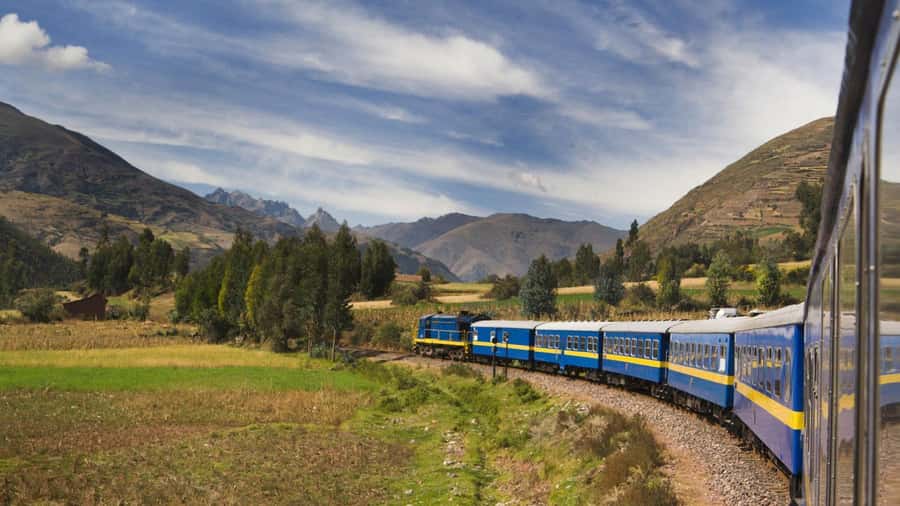
If Machu Picchu is the headline, the real story is how you get there. This tour is built around removing the most annoying friction: you don’t have to chase multiple tickets, figure out connections, or guess where to stand when the next bus departs.
What makes it work is the chain of handoffs. You get pickup in Cusco (with limits depending on the season), then a transfer to the train stage via local transport. Once you reach Ollantaytambo and board, the day keeps moving with the right guides and signposts at each key moment. That’s not a small thing on a place where trains, buses, and timed entry can swallow your day if you’re even slightly off.
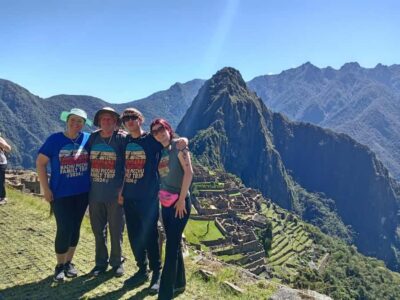
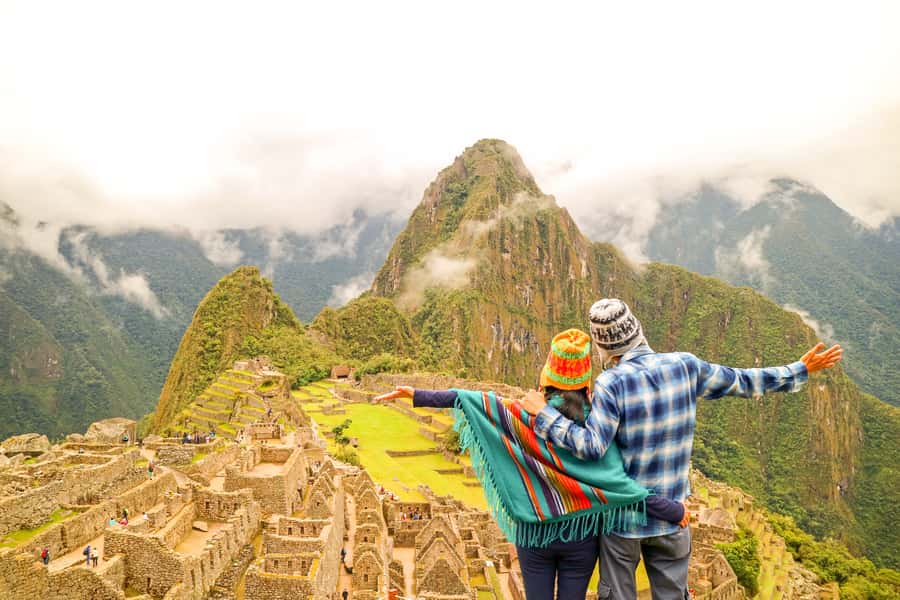
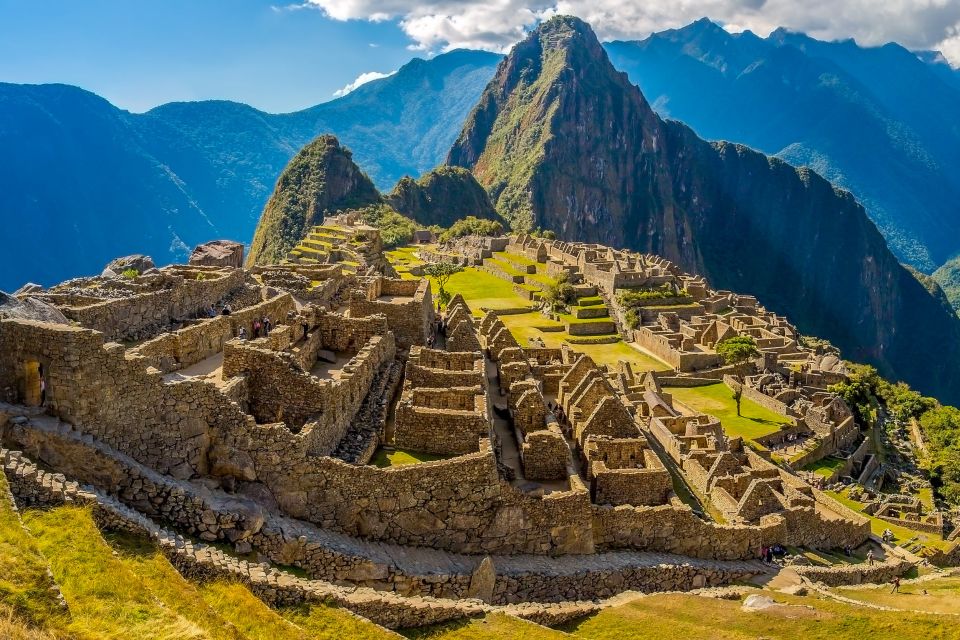
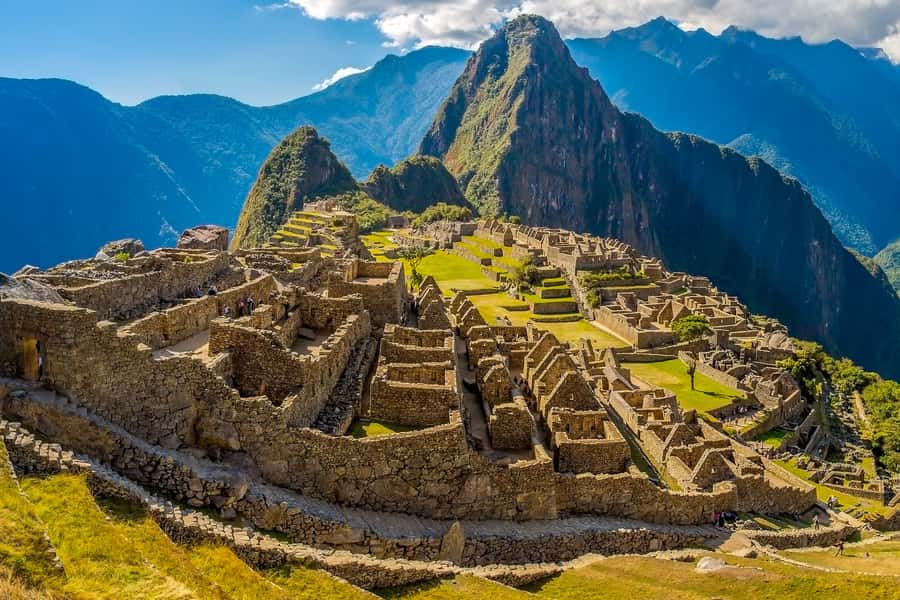
You also get a guide during the important part: the Lost Citadel itself. With a strong guide, the site stops being a postcard and starts making sense—why those terraces exist, what the Inca were doing there, and how the sacred city fits into Peru’s wider story. And yes, you still get time for photos, including the famous view from the observatory angle with the ruins in the frame.
Cusco pickup and the first handoff to the train
This trip starts in Cusco. The tour includes pickup from hotels in Cusco and suburbs, but there’s a seasonal caveat: pickup is available between May and December. If your street is too narrow for a vehicle to reach safely, you’ll be escorted to the pickup point.
I like this approach because it’s practical. Cusco’s center can be tight, and being able to avoid the last-street scramble matters when your day begins early.
On the day before the tour, you’ll also get a preview of the process. In real-life terms, that can look like a guide such as Rodrigo meeting you at your hotel to hand over tickets and an itinerary and explain what happens next. Then the next morning, you’re picked up again and guided to the bus station in Cusco so you can connect smoothly to the train leg.
You can also read our reviews of more guided tours in Cusco


Ollantaytambo to Aguas Calientes: the train ride that breaks up the grind
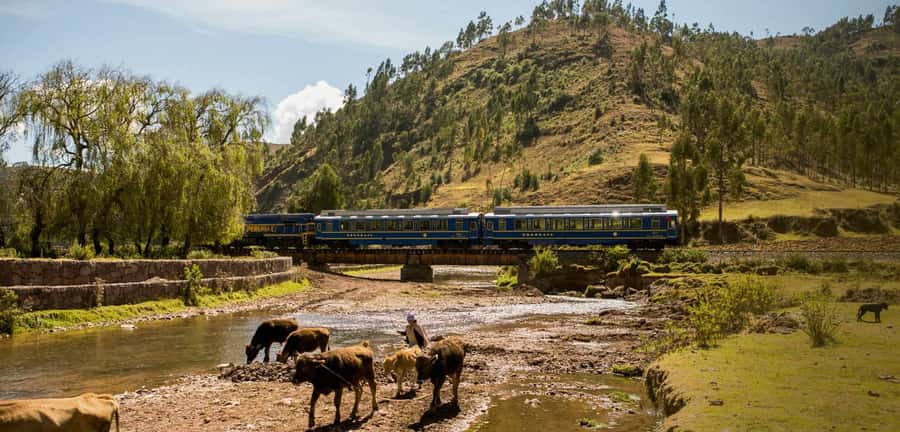
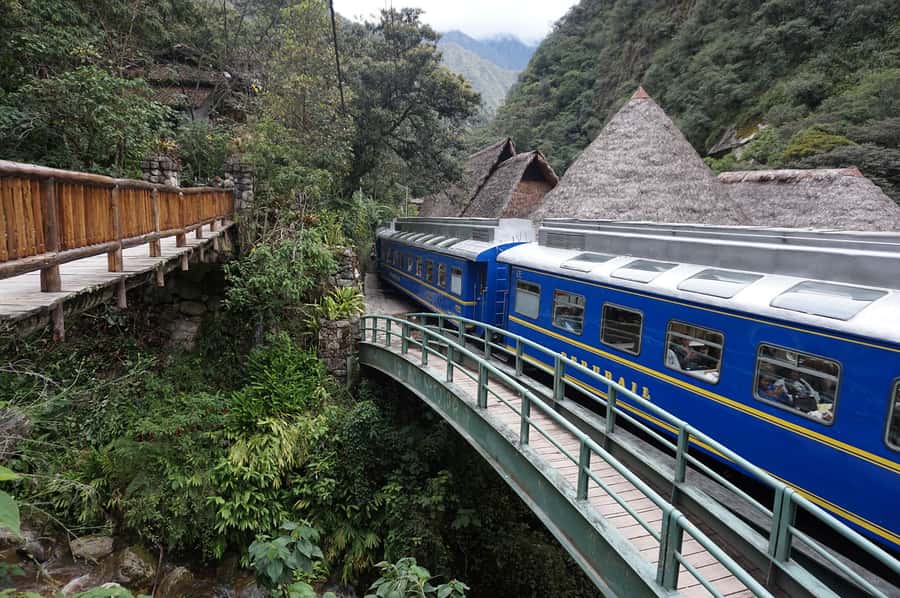
The tour uses the standard train between Ollantaytambo and Aguas Calientes. You’re not just buying transport—you’re getting a ride that’s part of the day’s payoff.
A couple things to know so you set expectations correctly:
- The tour operator assigns the best possible standard train category, but they can’t guarantee specific times because availability changes.
- If you’re deciding between train options and see a cheaper category, choose the cheaper one if the differences look minor. One clear lesson from past experiences is that the ride can feel essentially similar even when categories differ.
You’ll arrive in Aguas Calientes, the base town for Machu Picchu. From there, the next step is the mountain bus. But the train ride is more than a necessary transfer—it’s a buffer between Cusco and the ruins, letting your day breathe before it gets full-on.
Bus up to Machu Picchu: what that mountain transport really does
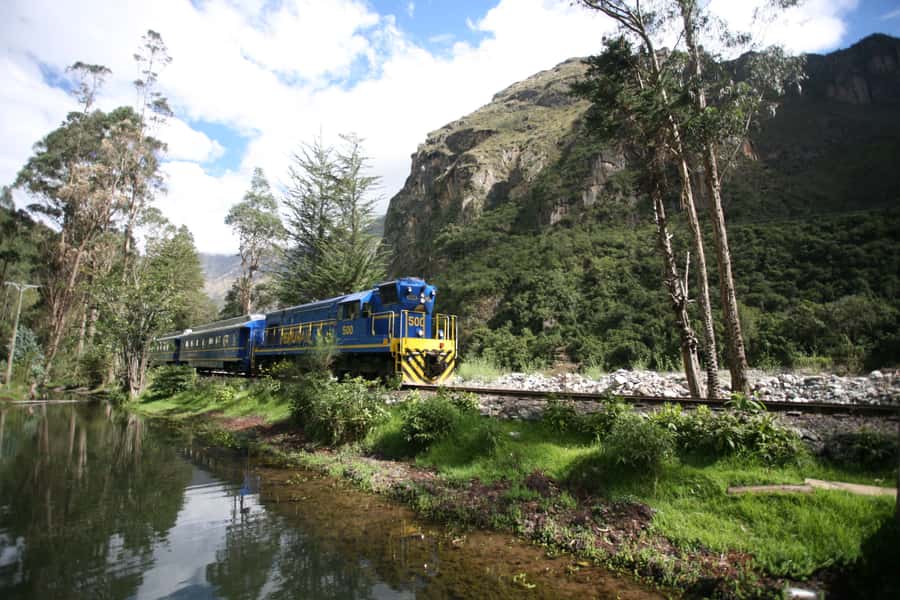
Once you’re in Aguas Calientes, you take the included round-trip bus to Machu Picchu. This matters because the mountain route isn’t the part you want to “figure out” after a travel day.
The tour’s structure also helps with pacing. You catch the early train to Aguas Calientes, and then you move onward toward the sanctuary area. That early start tends to mean a steadier flow of arrivals and fewer scrambling moments. You’ll still be in a very popular place—Machu Picchu is Machu Picchu—but the tour approach helps you avoid the worst of the day’s chaos.
One more note: during the bus and train transitions, you should stay alert and confirm timing with your guide or the staff members holding your sign during handoffs. The day works best when you treat it like a schedule, not like a suggestion.
Your Machu Picchu guided walk: 2.5 hours that connect the dots
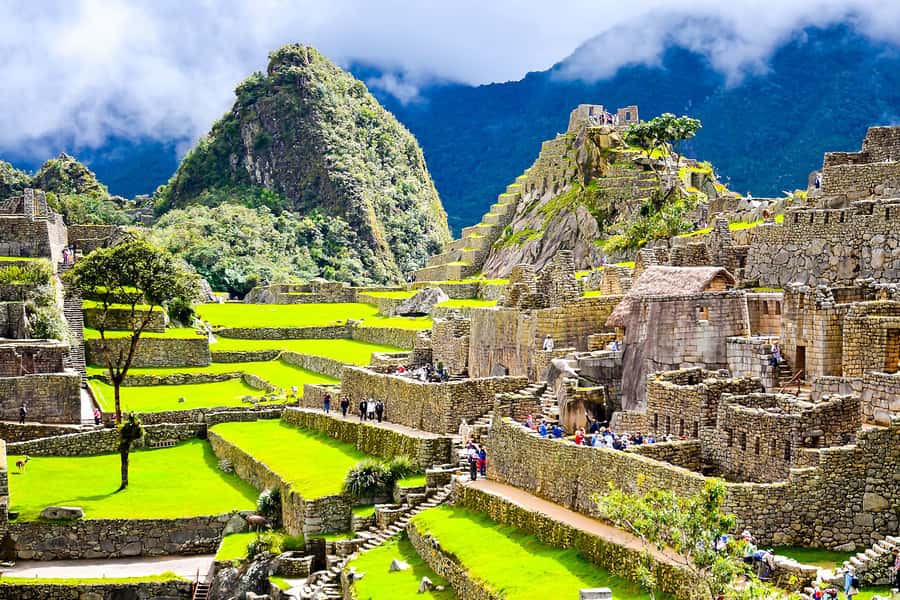
The best part of the day is when you’re actually inside Machu Picchu with a guide. Your guided time is about 2.5 hours, and it’s where the “wow” becomes understanding.
You’ll cover key highlights such as:
- The Temple of the Sun
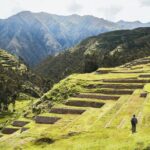
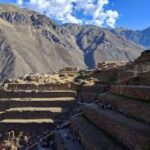
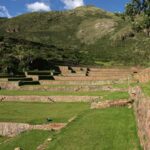
- Terraced fields from the agricultural sector
- An overall explanation of Machu Picchu as a sacred city and what it meant in Inca life
I also like that the guide doesn’t only focus on stones. You get context: how the site relates to Peru’s broader Inca heritage, and why the ruins mattered to both Inca and later history. Machu Picchu is often described as a city overlooked by 16th-century Spanish conquistadors, and that fact is part of how it stayed so well preserved.
The guide quality can make a big difference, and the names you may hear matter. Experiences include guides such as Walter, Alvin, and Jan, each praised for being informative and helpful on-site. One strong theme is that guides don’t just talk at you—they keep you moving at a good pace and can help with practical things like taking photos.
The Lost Citadel entrance and the classic observatory photo
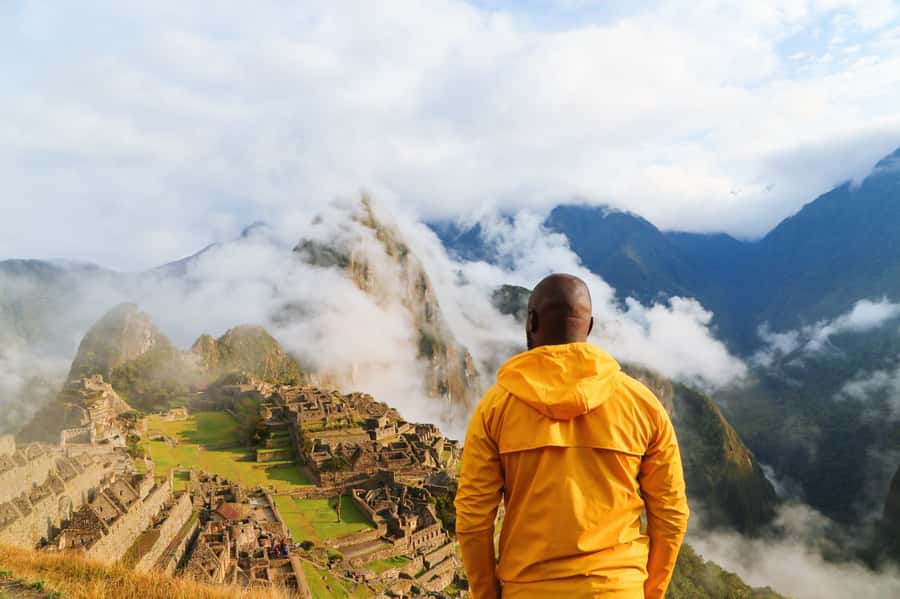
This tour includes the Machu Picchu Lost Citadel entrance fee. That’s important because you shouldn’t have to add a last-minute purchase or deal with entry timing uncertainty.
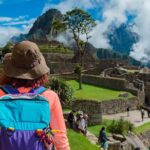
You also get guided help toward the signature photo angle: the observatory picture with the lost citadel behind. This is the kind of shot that’s easy to miss if you’re wandering without a plan. With a guide, you’re more likely to hit the right viewpoints in the flow of the site.
Even if you’re not an obsessive photographer, having someone show you where to stand saves time. It also keeps you from losing your bearings on paths where crowds and stone steps can steer you away from the exact angle you wanted.
You can also read our reviews of more tours and experiences in Cusco


After the guide: you’re on your own, so manage your timing
Once the guided portion ends, you switch to self-guided wandering. That’s not a problem if you’re a planner. It can be a problem if you lose track of time.
Keep this in mind:
- You’re dealing with scheduled bus and train legs back down and out.
- You’ll want to know exactly when the next meeting or pickup point is required.
- A smooth day depends on moving efficiently after the guide.
One caution from past experiences is that the tour can feel like a full-on day: bus/train/bus each way. People often say it’s worth it, but the return chain needs attention. On some days, there can also be downtime while waiting for the next connection, so don’t assume your schedule is perfectly tight from one rail platform to the next.
My practical advice: treat this like a “get up early, pay attention all day” type of outing. Bring your patience, plus snacks, and you’ll enjoy it much more.
Aguas Calientes on the return: meal time and a short town reset
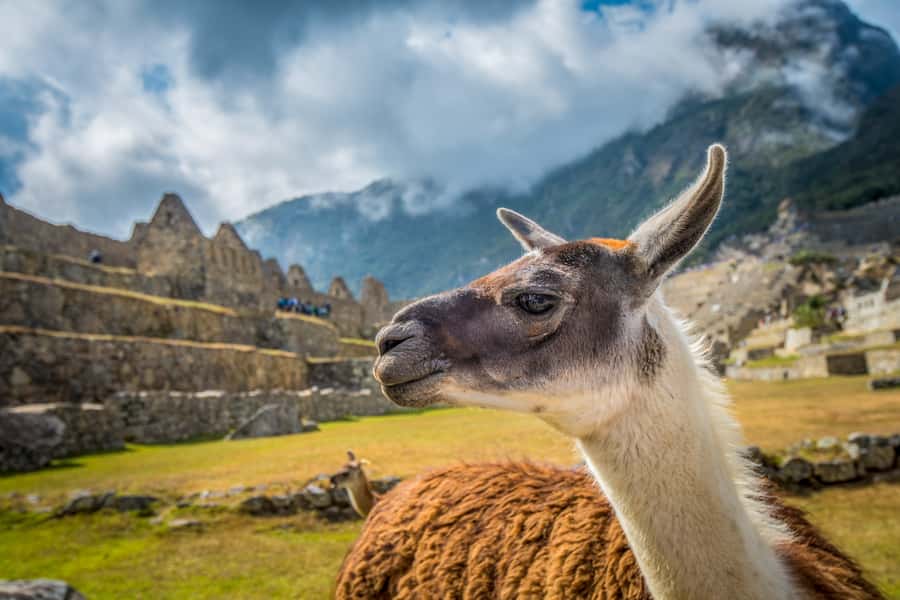
After the bus back from Machu Picchu, you get time in Aguas Calientes before your train back to Ollantaytambo. This is the part where you can finally slow down, grab a meal, and reset.
Food and drinks aren’t included. So you’ll either plan a restaurant stop or pick something quick in town. If you want a vegan-friendly option, one named restaurant that shows up in planning for this day is Govinda Restaurant VEGANO. (If food choices matter to you, it’s smart to look up current menus before you go.)
Even if you only have a short window, this town time is useful. It gives you a chance to:
- Refuel after the climb-heavy parts of the day
- Rehydrate properly
- Do a final pass for photos without feeling rushed
Price and value: what $465 really covers (and what it doesn’t)
At $465 per person, the cost is not small. Here’s what you’re paying for, based on what’s included:
Included:
- Pickup from hotels in Cusco and suburbs (May to December)
- Round-trip bus between Aguas Calientes and Machu Picchu
- Round-trip standard train tickets between Ollantaytambo and Aguas Calientes
- Professional guide (English/Spanish)
- Machu Picchu Lost Citadel entrance fee
Not included:
- Food and drinks
- Hotel drop-off
That last detail matters. You do get a complimentary transfer back to Cusco in the evening, but you may not be dropped exactly at your hotel.
So how does this price pencil out? It’s mainly paying for the big-ticket logistics: train tickets, mountain bus transport, and entrance. On a day like Machu Picchu, that matters because those pieces are precisely what can go wrong if you try to DIY with last-minute timing. If you want the simplest path—especially if you’re short on time in Peru—this package is often easier on your stress level than piecing everything together.
What to bring (and the rules that affect your day)
Machu Picchu runs on comfort and timing. Pack for weather change and for long stretches on stone paths.
Bring:
- Passport or ID card
- Comfortable shoes
- Sunglasses
- Sun hat
- Snacks and water
- Insect repellent
- Cash
- Weather-appropriate clothing
The tour also lists items that aren’t allowed:
- Pets
- Smoking
- Luggage or large bags
- Drones
- Plastic bottles
That plastic bottle rule is worth taking seriously. If you tend to buy water on the go, plan a container strategy that follows the local rule so you don’t have to improvise at the wrong moment.
Who this tour suits best (and who might want a different plan)
This tour fits best if:
- You want the ticketing and transport handled
- You like having a guide for the core site explanation and then free time afterward
- You’re okay with a long, multi-leg day built on train and bus connections
- You value the structure enough to stay attentive after the guided segment
You might want to rethink the plan if:
- You dislike schedules and hate waiting for connections
- You’re very sensitive to long travel days
- You need lots of control over exact timing for every leg (the train time can vary because standard categories depend on availability)
Should you book this Machu Picchu full-day tour from Cusco?
My call: book it if you want a straightforward route with the big items handled—train tickets, mountain buses, entrance, and a guide—and you can handle a long travel day.
Don’t book it if you’re hoping Machu Picchu happens in a relaxed afternoon. This is more like a well-run day trip from start to finish: early starts, scheduled legs, and you staying sharp after the guided 2.5 hours.
If you’re torn between DIY and organized, this one leans toward organized. For most first-timers, that’s the difference between arriving at Machu Picchu feeling ready, or arriving already worn down.
FAQ
What’s the duration of this Machu Picchu tour from Cusco?
It’s a 1-day tour. Starting times depend on availability.
Is hotel pickup included, and where does it apply?
Pickup is included from hotels in Cusco and suburbs, but only between May and December. If streets are too narrow for the vehicle, you’ll be escorted to the pickup point. If you stay outside the pickup areas, you’ll get the closest possible meeting point.
What’s included in the price?
The price includes pickup, round-trip bus between Aguas Calientes and Machu Picchu, round-trip standard train tickets between Ollantaytambo and Aguas Calientes, a professional English/Spanish guide, and the Machu Picchu Lost Citadel entrance fee.
What’s not included?
Food and drinks aren’t included, and there is no hotel drop-off at the end (you return to Cusco via complimentary evening transfer).
How long is the guided time at Machu Picchu?
Your guided tour at Machu Picchu lasts about 2.5 hours.
What language is the tour guide?
The guide is available in English and Spanish.
Are the train times guaranteed?
No. The standard train category is subject to availability, and the operator assigns the best possible options, but they can’t guarantee specific train times.
What items are not allowed?
Drones, pets, smoking, and luggage or large bags aren’t allowed. Plastic bottles are also listed as not allowed.