REVIEW · HISTORICAL TOURS
Historic/music Cusco FreeWalkingTour “free drink” Group Tour
Book on GetYourGuide →Operated by Real Cusco Walking tour · Bookable on GetYourGuide
Cusco’s best intro is on foot. This 2-hour free walking tour strings together the key sights in the center—starting at Plaza de Armas, then hitting Qoricancha and the artsy lanes of San Blas—plus you get Pisco Sour tastings and live Andean music along the way. I especially like how the route mixes big landmark stops (Cathedral, Sun Temple) with smaller moments that help you see the city like a local. Another win is the guide’s storytelling, including the fun bit of context around famous Inca-era stonework and symbols. One thing to plan for: it’s a walking tour with a short loudspeaker setup at times, so if audio is spotty for you, you may need to lean in.
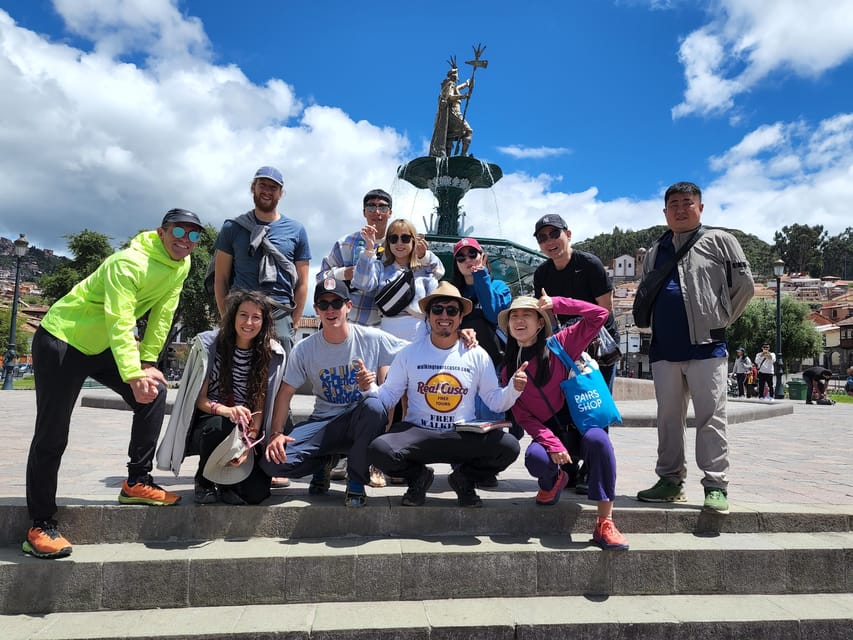
You’ll meet at the Inca Fountain on Cusco Main Square (Plaza de Armas), and from there you’re guided through iconic Cusco: Spanish colonial architecture beside Inca remnants, a luthier stop, and the photo-friendly stretch on 7 Borreguitos Street before ending at the Temple of the First Inca Ruler, Manco Capac. I like that the pace is built for a small group (around 10 people), so you can ask questions and keep up without feeling herded. The one practical drawback: water isn’t included, so bring some if you tend to get thirsty while walking.
In This Review
- Key things to know before you go
- Plaza de Armas to Inca Fountain: the perfect start point
- Cathedral of Cusco and the Company of Jesus: Spanish-era anchors
- Qoricancha Sun Temple: Inca symbolism you can actually visualize
- The 12 and 13 angled stones and the Andean Trilogy
- San Blas: art lanes, luthier visit, and live Andean music
- 7 Borreguitos Street: the photo stop that actually earns its fame
- Ending at Manco Capac: closing with a foundational Inca figure
- Pisco Sour tastings and the Chicha Morada option
- Price and tips: the value math is simple
- Group size, pace, and hearing the guide
- Who should book this Cusco walking tour (and who should skip it)
- Should you book this Cusco FreeWalkingTour?
- FAQ
- Where do I meet for the Cusco free walking tour?
- How long is the tour?
- What does the tour cost?
- Is Pisco Sour included?
- Is Chicha Morada available if I do not want alcohol?
- What language is the live guide?
- How big is the group?
- Is water included?
- Is the tour accessible for wheelchair users?
- What’s the cancellation policy and can I pay later?
Key things to know before you go
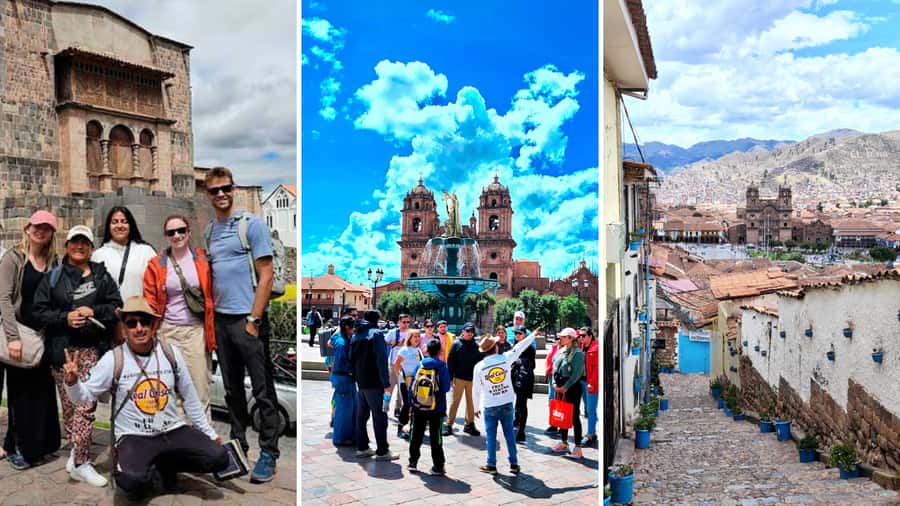
- Small group feel: about 10 participants keeps it personal and question-friendly
- Real Cusco mix of eras: Cathedral and Company of Jesus paired with Inca stone references
- You’ll drink something local: Pisco Sour tastings, with Chicha Morada as an option
- Stop for Andean music: you’ll visit a luthier and hear instruments performed live
- Iconic Cusco photo points: including 7 Borreguitos Street
Plaza de Armas to Inca Fountain: the perfect start point
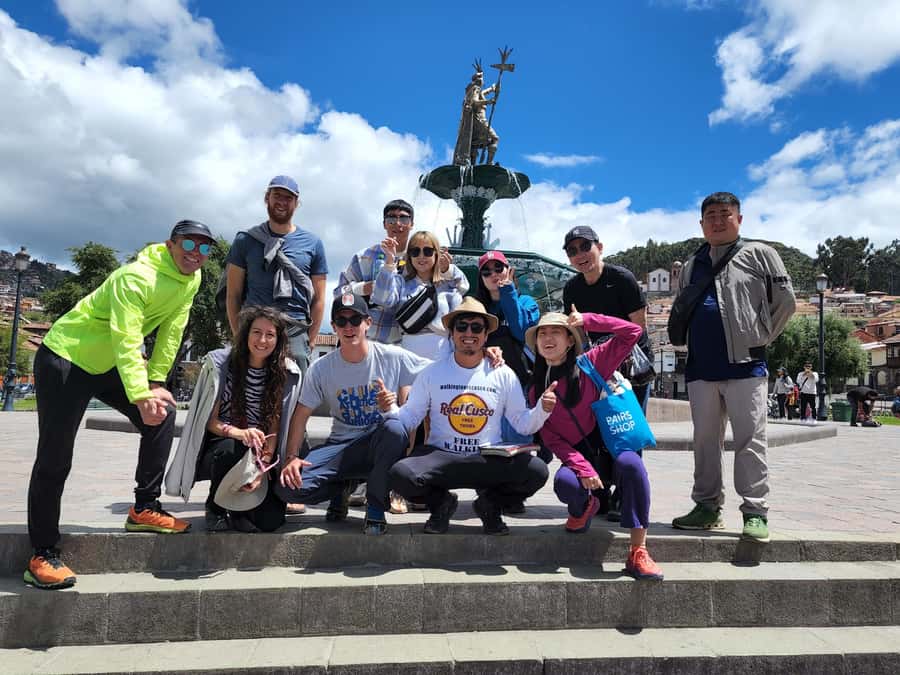
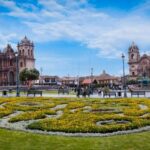
If you want an easy, low-stress first outing in Cusco, this tour starts exactly where you’d want to be anyway: Plaza de Armas. You’ll meet at the Inca Fountain in the main square (coordinates: -13.5167681, -71.9787795). It’s a handy meeting spot because it’s central, easy to find, and you’re already in the right frame of mind for the city.
From the start, the walk gives you orientation fast. You’re not just seeing buildings; you’re learning how Cusco’s layers sit next to each other—Inca-era elements and later Spanish structures. That matters because Cusco can feel like a maze on your own. With a guide, the streets start to make sense.
One more practical note: since it’s a free walking tour with a “tip your guide” model, you’ll want to come ready to contribute in a way that feels fair. The tour is priced low, but the guide’s work is the core value.
You can also read our reviews of more historical tours in Cusco

Cathedral of Cusco and the Company of Jesus: Spanish-era anchors
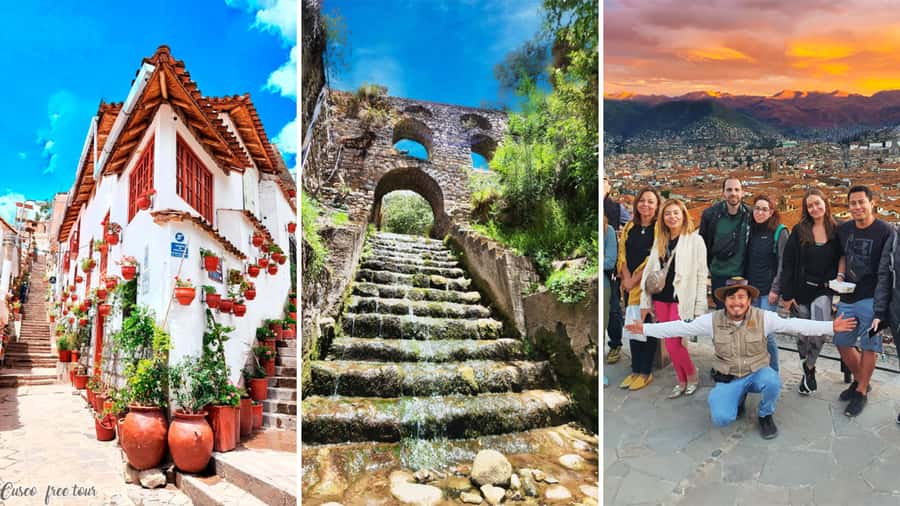
Your early stops focus on two major anchor points around Plaza de Armas: the Cusco Cathedral and the architectural presence of the Company of Jesus. Even if you’re not a cathedral devotee, it helps to understand what you’re looking at. These buildings aren’t just impressive façades—they show how Cusco became a strong Spanish center while older traditions still remained in the city.
What I like about starting here is that it sets up the rest of the walk. Once you’ve looked at the colonial structures, the later stops—where you’ll see Inca-era details referenced in the city’s design—hit harder. It’s like learning the plot before you watch the big scenes.
If you’re the type who hates sitting still, you’ll do fine. This tour is active. You’ll be mostly walking and stopping at key points, which keeps momentum and helps you absorb history without turning it into a museum lecture.
Qoricancha Sun Temple: Inca symbolism you can actually visualize
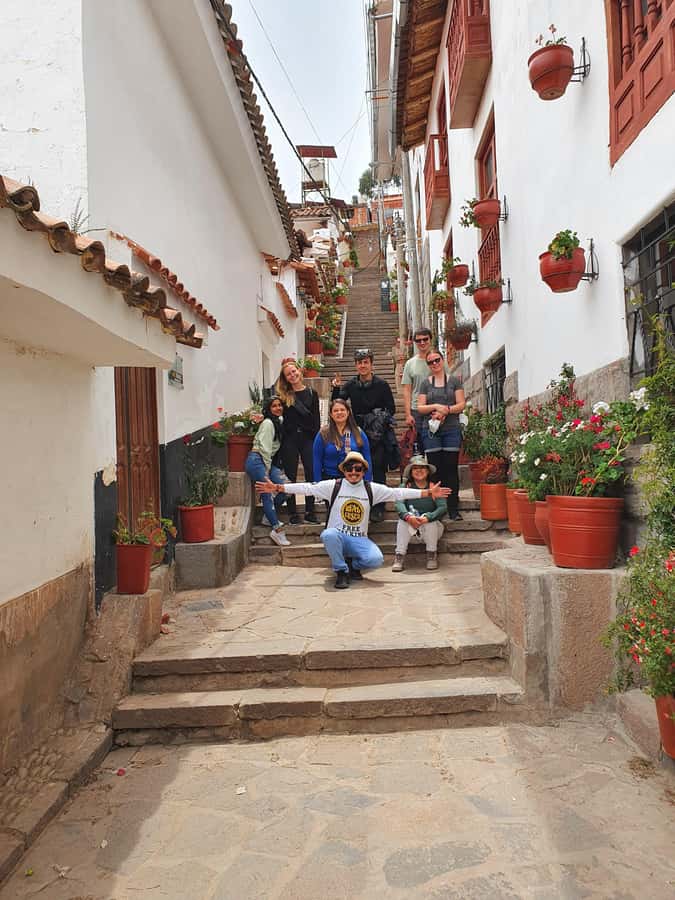
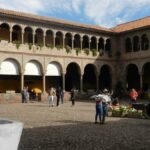
Then comes the big one: Qoricancha, the Sun Temple. This is the stop where the tour really earns its place on your list. Qoricancha is famous, sure, but the value here is how the guide explains why it mattered—how sacred symbolism shaped how people built and used space.
Even better, this stop connects directly to what you’ll see later. The guide’s commentary helps you notice the way Inca references show up in the urban fabric around Cusco. It’s not just a single highlight; it’s the hub of the tour’s bigger story.
If you’re taking photos, you’ll want to be ready. Qoricancha is one of those places where angles and details matter. Take a quick overview shot first, then come back for the close-up textures—especially if your camera zoom lets you catch the stonework and decorative cues.
The 12 and 13 angled stones and the Andean Trilogy
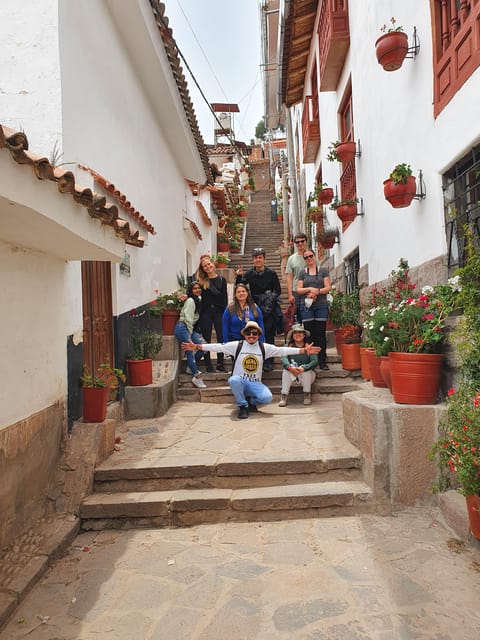
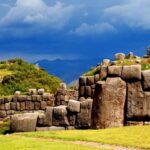
After Qoricancha, the tour gets more detail-oriented in a good way. You’ll spot the 12 and 13 angled stones, a famous Cusco feature tied to how Inca builders engineered structures. The “angled” part is the giveaway, but the real payoff is the explanation: you understand the intent behind the shape rather than treating it like a random relic.
Next is the Andean Trilogy—the Condor, Puma, and Snake carved into an ancient Inca wall. Symbol meaning is the whole point here. When you grasp what those animals represent, the carving stops being just decorative and starts feeling like a language the city is still speaking.
This part of the tour is also where the guide’s style matters most. The better the guide, the more you’ll feel the logic connecting all the stops. In recent experiences, the narration has included a friendly humor streak and clear explanations, which helps you keep your attention even when you’re standing still for a minute or two.
San Blas: art lanes, luthier visit, and live Andean music
Now you get a different kind of Cusco. The route moves into San Blas, a neighborhood known for its artistic character. This isn’t just a scenic section of the walk—it’s a shift in vibe. Streets here feel more creative, and the tour leans into culture beyond architecture.
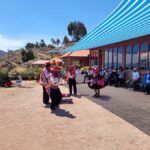
One of the most memorable moments is the visit to a luthier. You’ll see craftsmen working with Andean instruments, and then you’ll hear an Andean musical performance with panoramic views of the city. This is where the tour feels like a proper cultural exchange instead of a checklist.
I love that you’re not just watching from the sidewalk. You’re close enough to appreciate the instruments, and you get the story of what you’re hearing. If you’re a music person, this is the moment that might stick with you the longest after the tour ends.
One practical thought: you’ll be standing for the music, so choose your spot carefully and try to stay aware of your footing on uneven streets.
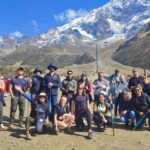
7 Borreguitos Street: the photo stop that actually earns its fame
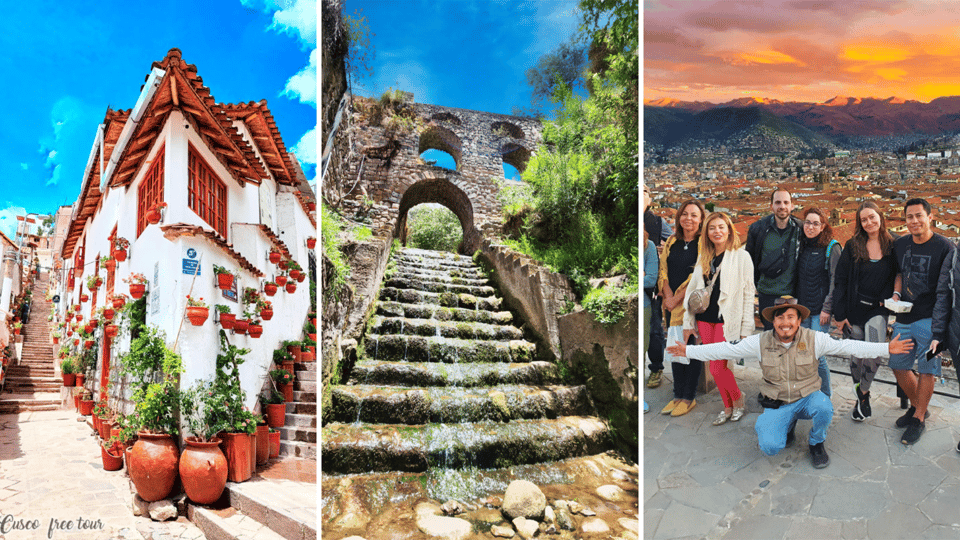
Then you’ll reach 7 Borreguitos Street, often regarded as one of Cusco’s most picturesque thoroughfares. Yes, it’s a photo stop. But the guide’s context helps you turn it into something more than a quick snapshot.
This is where you can slow down without feeling behind schedule. Take a few wide shots for context, then zoom in for the balcony and street details if you have a camera that handles it well. The city’s balconies and narrow lines are part of what makes Cusco look like Cusco.
If you’re traveling with friends or family, this is also the easiest place to regroup for photos. It’s recognizable and the guide will usually give you a clear cue for when to move on.
Ending at Manco Capac: closing with a foundational Inca figure
The tour finishes at the Temple of the First Inca Ruler, Manco Capac. Ending here is a smart move because it brings the story full circle: you started with Spanish-era anchors, walked through Inca references and symbols, and now you land at a point tied to the origin story of Inca rule.
It also works as a natural break point. After two hours of walking, you’ll appreciate having a defined endpoint where you can decide what to do next—whether that means staying in the neighborhood for more food or heading back toward your hotel.
Pisco Sour tastings and the Chicha Morada option
Food and drink are part of why this tour feels like more than a history stroll. You’ll have complimentary Pisco Sour tastings along the way, and at the end you can choose between another Pisco Sour or Chicha Morada, a popular non-alcoholic beverage.
Two practical tips here. First, since water isn’t included, plan your hydration. Drink what you need before the tastings, and keep an eye on how your body handles alcohol—especially if you’re still adjusting to Cusco. Second, if you prefer zero alcohol, choose the Chicha Morada option at the end. It keeps the experience fun without forcing anyone into a drink they don’t want.
Even if you’re not a cocktail person, Pisco Sour is a classic reason to participate. It’s a way the guide turns cultural storytelling into something you can taste.
Price and tips: the value math is simple
The advertised price is $2.00 per person for a 2-hour guided walk. That’s unusually low, so the real cost isn’t the ticket—it’s the tip. The tour information is clear that a gratuity of around 30 soles or 10 USD for the guide service is required.
Here’s how I think about it as value. You’re paying for:
- a guide to connect the sights into one coherent story
- multiple landmark stops (including major Cusco staples)
- Pisco Sour tastings
- a luthier visit and live Andean musical performance
If you compare that to what you’d spend on entry fees to see just one or two sights, this can be a bargain—assuming you appreciate guided context. If you prefer silent wandering, then it’s a poor fit. But if you like to understand what you’re looking at, you’re getting a lot for the money.
Also, with tips, you’re part of the system. That 30 soles (or 10 USD) helps make sure the guide can keep doing this kind of work.
Group size, pace, and hearing the guide
The tour is for a group of about 10 participants, which is the sweet spot for a walking tour. Big groups move slowly and create chaos; tiny groups can miss out on the social feel. Here, you should have enough room to talk and ask questions without constantly stopping.
The duration is 2 hours, which is great if it’s your first day and you want an organized taste of the city without committing your whole afternoon. You’ll likely cover a lot of ground, but you still get enough time at stops to absorb explanations.
One caution: there can be sound issues. In one experience, the loudspeaker didn’t work well enough to hear every detail. If you rely on clear audio, don’t sit too far from the guide at stops. Angle yourself where you can hear naturally.
Who should book this Cusco walking tour (and who should skip it)
This tour is a good match if you want:
- a first-day orientation to Cusco’s center
- a mix of Inca references and Spanish architecture
- cultural stops like the luthier visit and Andean music
- the option to end with a drink, either Pisco Sour or Chicha Morada
You might skip it if:
- you use a wheelchair (it’s not suitable for wheelchair users)
- you’re over 95 years (also noted as not suitable)
If you’re older but still steady on your feet, the walking tour can still feel fine for many people, but the operator’s age limit is part of the deal. Don’t fight the design of the experience—choose a tour that matches your body and comfort level.
Should you book this Cusco FreeWalkingTour?
Yes, you should book it if you like guided context and you want to hit the highlights without building a route yourself. The biggest reasons are simple: you get an organized walk through iconic Cusco sights, you get actual cultural participation via music and craft, and you finish with tastings that feel connected to the place.
Pay attention to two things before committing. First, plan for the tip—that’s required, and it’s the real cost. Second, bring water, since it’s not included. If you can handle those basics, this tour is a strong value way to start Cusco and understand what you’re seeing as you go.
FAQ
Where do I meet for the Cusco free walking tour?
You meet at the Inca Fountain on Cusco Main Square (Plaza de armas), at coordinates -13.5167681, -71.9787795.
How long is the tour?
The tour lasts about 2 hours.
What does the tour cost?
The listed price is $2.00 per person, and the guide service requires a gratuity of around 30 soles or 10 USD.
Is Pisco Sour included?
Yes. The tour includes complimentary Pisco Sour tastings, and at the end you can choose Pisco Sour or Chicha Morada.
Is Chicha Morada available if I do not want alcohol?
Yes. At the end of the tour, you can choose Chicha Morada, described as a non-alcoholic beverage.
What language is the live guide?
The live guide offers tours in English and Spanish.
How big is the group?
It’s described as accommodating around 10 participants.
Is water included?
No. Water is not included.
Is the tour accessible for wheelchair users?
No, it is not suitable for wheelchair users.
What’s the cancellation policy and can I pay later?
Free cancellation is available up to 24 hours in advance for a full refund. You can also reserve and pay later, keeping travel plans flexible.