REVIEW · INCA TRAIL TREKS
From Cusco: 4-Day Inca Jungle Adventure to Machu Picchu
Book on GetYourGuide →Operated by Inkayni Peru Tours · Bookable on GetYourGuide
The best part of this trip is how many ways you get to earn Machu Picchu. You ride out of the high Andes, hike along old Inca routes, and finish with a guided walk through the ruins at sunrise-timed hours. It’s a busy plan, but the variety is the point.
I especially like the way the itinerary mixes adventure sports (full-suspension biking, optional Class III/IV rafting, zipline) with real cultural stops like coffee and local family visits. I also like that Machu Picchu isn’t left to chance: you get a guided tour plus time to wander on your own.
One possible drawback is physical demand. You’ll be dealing with big altitude points, long walk segments, and activities that aren’t suitable for back or heart problems.
In This Review
- Key highlights worth your attention
- First day: Malaga Pass bike ride, optional rapids, then Santa Maria
- Day 2: Coffee farms, coca country, ancient ridges, Quellomayo hammocks
- Day 3: Zipline option, train-track trek, and arriving Aguas Calientes
- Day 4: Sunrise-light Machu Picchu, guided route, and optional mountain hikes
- Price and value: what the $519 covers (and what you’ll likely add)
- Logistics that matter: small groups, bilingual guides, and how transfers feel
- Fitness, altitude, and safety: be honest with your body
- The guide experience: why names keep showing up
- Should you book the 4-Day Inca Jungle Adventure?
- FAQ
- How long is the trip?
- What’s included in the price?
- Is rafting included, or is it optional?
- Are zipline and rafting guaranteed?
- Do you visit Machu Picchu on the first day?
- Are Huayna Picchu and Machu Picchu Mountain hikes included?
- What type of group size is this?
- What should I bring?
- Is this tour suitable for everyone physically?
Key highlights worth your attention
- Full-suspension bike descent from Malaga Pass at 4,350 m, with rivers, forests, and villages along the way
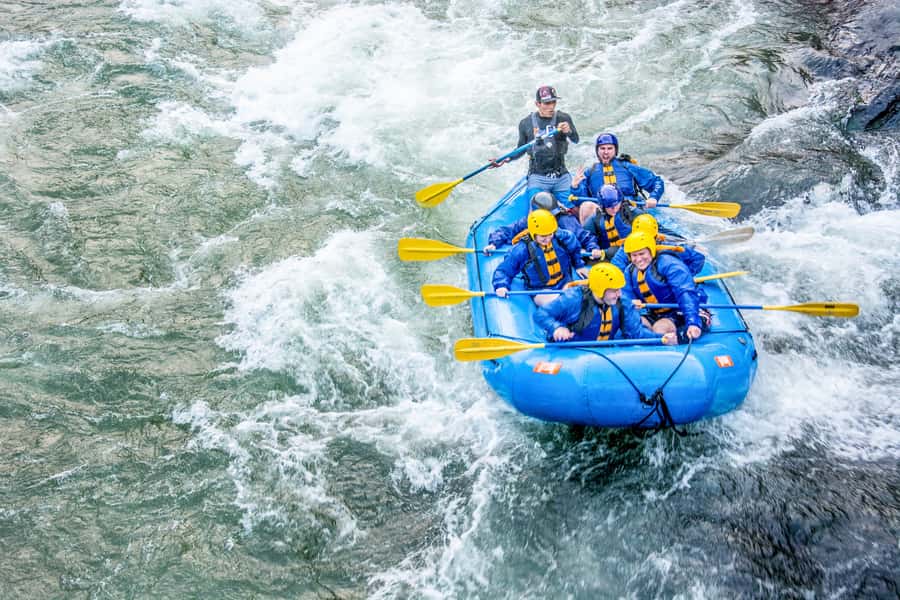
- Optional Class III/IV rafting if you want the adrenaline bump on Day 1
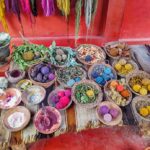
- Coffee, bananas, and coca plantations plus a stop at a local family home to taste fruit and learn how farming works
- Ancient Inca Trail sections with ridge views and a descent toward Quellomayo
- Cocalmayo hot springs time to reset after walking and trekking
- Machu Picchu early-bus timing so you can see the site as the light hits the terraces
First day: Malaga Pass bike ride, optional rapids, then Santa Maria
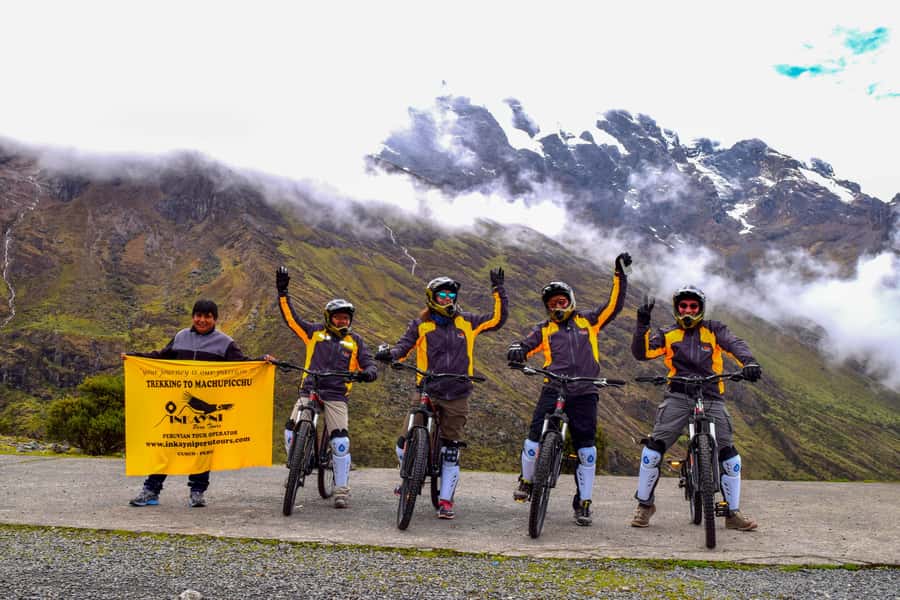
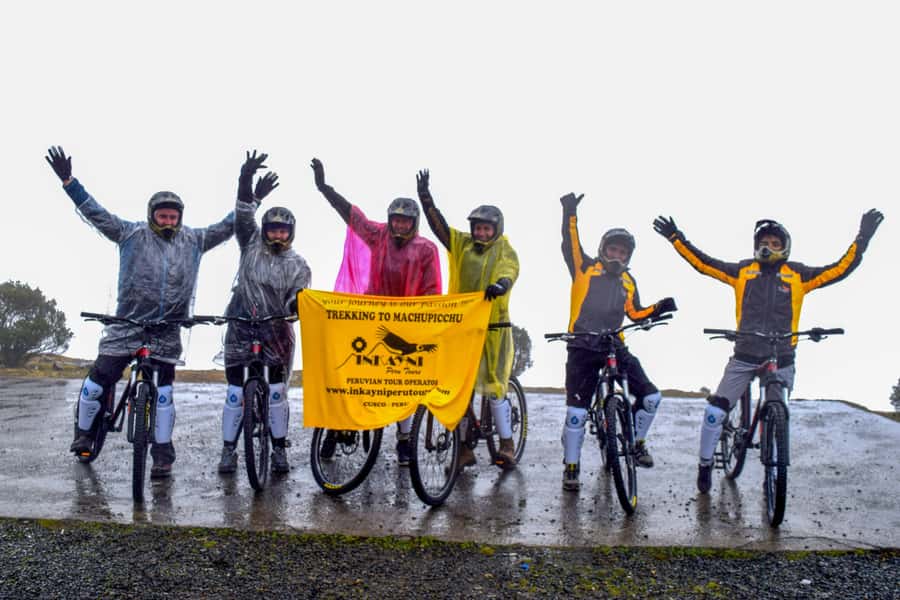
Day 1 starts early: hotel pickup in central Cusco around 5:30 a.m. After a 3.5-hour drive, you reach Malaga Pass (4,350 m / 14,271 ft)—the day’s altitude anchor. Then comes one of the trip’s signature moves: a 3-hour mountain bike descent.
What makes this ride special (and not just a thrill-for-thrill’s-sake) is the pace and variety. You’re not biking through a single “tourist corridor.” You pass through lush forest, cross or track alongside rivers, and roll past small Andean villages. It’s the kind of route that makes your legs feel the altitude one minute and the jungle green the next.
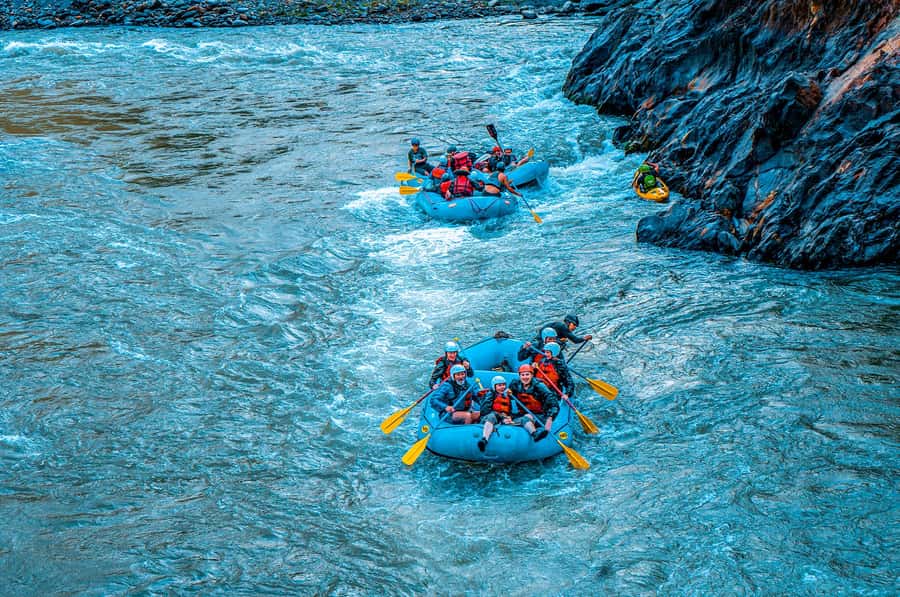
Lunch happens when you reach Huamanmarca. After that, you have an optional choice: rafting for about 2 hours on Class III and IV rapids. If you’re the type who likes a physical challenge, this is the day to say yes. If you want to save your energy for hiking later, you can skip it and still keep a full schedule.
Dinner and sleep are in Santa Maria at the lodge you’ll be using that night. This matters because the next day leans more into walking. A good rest here can make the rest feel lighter.
Practical consideration: biking and rafting both mean you should be ready for sore muscles and wet gear. Pack for warmth at the higher points and keep a waterproof layer handy.
You can also read our reviews of more tours and experiences in Cusco
Day 2: Coffee farms, coca country, ancient ridges, Quellomayo hammocks
Day 2 begins with a slower rhythm—first breakfast, then a 2-hour trek through coffee, bananas, and coca plantations. This isn’t framed as a lecture. You stop at a local family home to taste regional fruits and learn how farming shows up in everyday life. It’s one of the best “real Peru” moments on the calendar because it doesn’t require you to know anything beforehand.
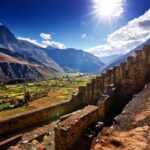
Next you transition onto an ancient Inca Trail segment—part of an old network that connected Machu Picchu with Vilcabamba. You’ll walk along mountain ridges with big views over Huancarccasa Canyon, then you descend toward Quellomayo.
Quellomayo is where the trip gives you a small luxury break: lunch and time in hammocks. That hammock moment is simple, but it’s smart. It lets your body reset before you move again.
Then comes Cocalmayo hot springs. After coffee country and Inca ridges, thermal water is a perfect gear-shifter from “work” to “recovery.” You’ll spend time soaking in the warm waters, then head to Santa Teresa for dinner and a basic hotel night.
Balance note: Day 2 is where you feel the walking. The views are worth it, but it’s not a day for shoe-shopping mistakes. Good boots or walking shoes make a big difference.
Day 3: Zipline option, train-track trek, and arriving Aguas Calientes
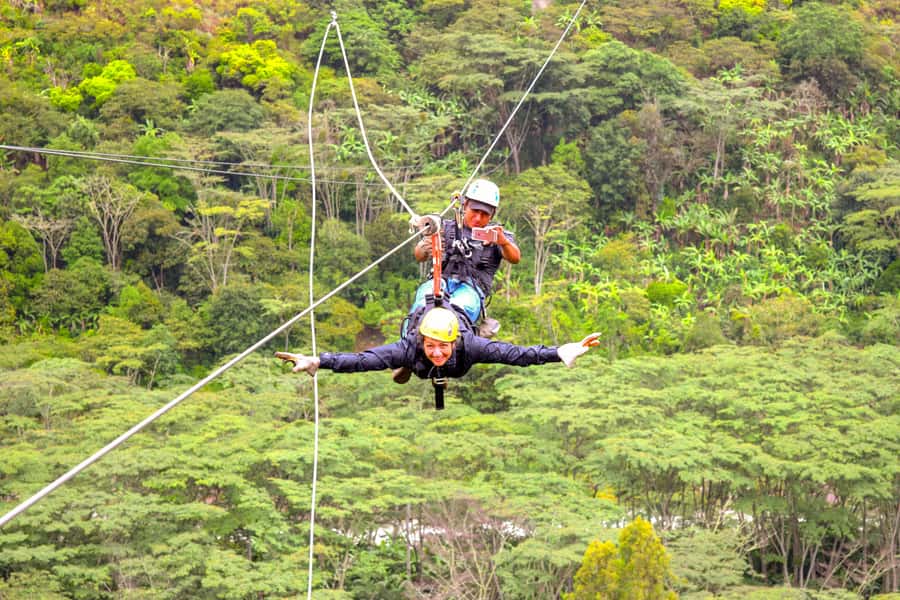
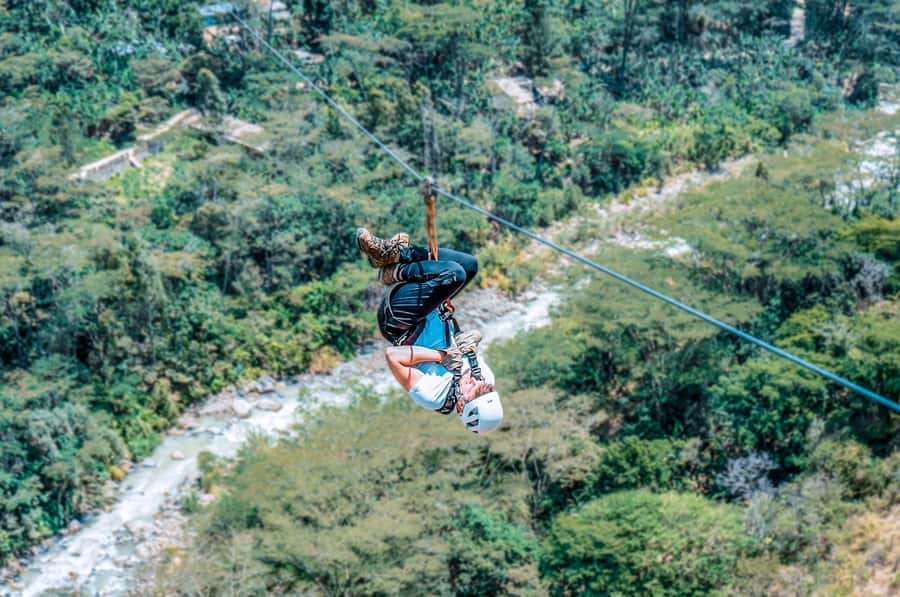
Day 3 starts with a choice: an optional zipline over lush valleys. If you want one more adrenaline hit before Machu Picchu, this is your moment. If you prefer calmer sightseeing, you can skip it and still get plenty of physical action later.
After that, you travel to the Hydroelectric checkpoint, which doubles as a lunch stop. Then you do a 3-hour trek along the train tracks, passing waterfalls and dense jungle until you reach Aguas Calientes in the late afternoon.
This train-track segment is a classic “Inca Jungle” move, but the practical value is how it bridges modes of travel. You’re not only walking for exercise—you’re also slowly approaching the Machu Picchu area without spending the whole day on buses.
Once you arrive in Aguas Calientes, you check into the three-star Golden Sunrise Hotel. That evening includes a group dinner, and your guide shares final details for the Machu Picchu day. This preps you for sunrise timing, route flow, and what to watch for during the guided tour.
From the guide side, the experience seems to live or die by the person leading you. In past departures, names like Wilbert, Freddy, and Jonny came up for their history knowledge and friendly teaching style. I’d treat that as a strong sign you’ll get more than “point at the stones” explanations.
Day 4: Sunrise-light Machu Picchu, guided route, and optional mountain hikes
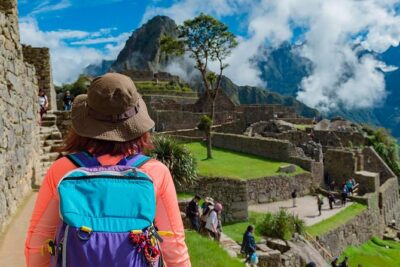
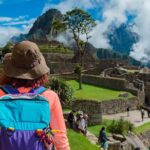
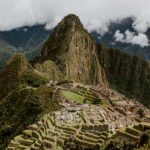
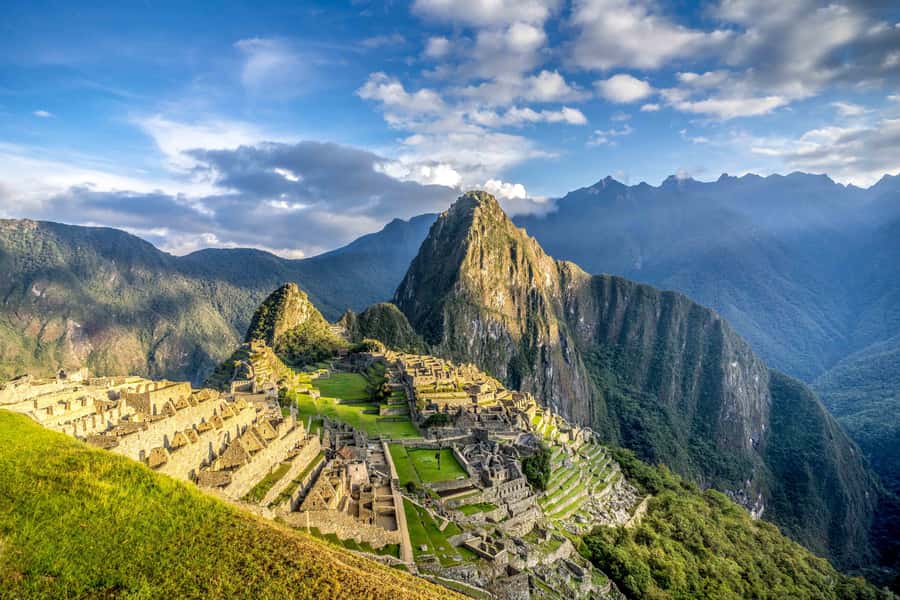
Day 4 is the money day. You rise early and take one of the first buses to Machu Picchu, reaching the site around 2,430 m with daylight illuminating the terraces and temples. Timing like this helps because the ruins look different as the light changes, and the site feels calmer before the biggest crowds.
You’ll get a guided tour through the most important areas. This is where you learn what the builders were trying to accomplish and how the site fit into Inca life. Your guide’s job is to connect the layout to real-world meaning—where people moved, how water and terraces mattered, and why particular areas mattered.
After the guided portion, you explore on your own at your pace. This is where you can slow down and enjoy the place rather than rushing to “tick off” stops.
You also have optional hike choices, but you’ll need extra tickets:
- Huayna Picchu (at 2,720 m)
- Machu Picchu Mountain (at 3,082 m)
These are limited availability hikes, so plan ahead if you want either one. They can be steep, and altitude plus stairs is a combo you shouldn’t underestimate.
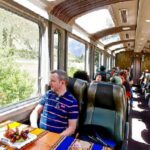
For lunch you head back to Aguas Calientes, then later take the train to Ollantaytambo. A private van brings you back to Cusco, closing the loop on the whole adventure circuit.
Price and value: what the $519 covers (and what you’ll likely add)
This costs $519 per person for 4 days, and the value comes from the package size. You’re not just paying for transport to Machu Picchu—you’re paying for a full set of activities plus meals and key tickets.
What’s included that drives value:
- Bikes: full-suspension plus helmets and gloves
- Rafting equipment (even if rafting is optional)
- Zipline activity
- Machu Picchu entrance and a guided tour
- Bus to Machu Picchu (one way) and a train from Aguas Calientes to Ollantaytambo
- All transportation across the whole route
- Meals: 3 breakfasts, 3 lunches, 3 dinners
- Lodging: 1 night in Aguas Calientes (3-star) and 2 nights in basic hostel-style accommodation
- Safety: first aid kit and safety equipment
What may cost extra:
- Huayna Picchu entrance fee (if you choose that hike)
- Hot springs entrance fee (noted as PEM 20)
- First breakfast and last lunch at Aguas Calientes (your listed meals skip those specific times)
- Travel insurance (strongly recommended)
I’d see this as a “pay once, show up ready” trip. If you’d otherwise have to rent a bike, arrange transfers, and buy each activity separately, the package is usually the cheaper route in real-life terms—especially with a small group cap.
Logistics that matter: small groups, bilingual guides, and how transfers feel
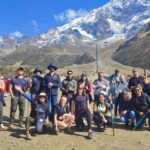
This runs as a small group (up to 10 participants) with an experienced bilingual adventure guide. There’s also an assistant for groups of 8 or more. That ratio matters when you’re on bikes, coordinating gear, or walking through areas where footing and pace matter.
The tour also includes a pre-departure briefing, which is more useful than it sounds. It helps you get your bearings fast for what you need to carry, how the day flows, and how safety works during active segments like biking and rafting.
Pickup is included from hotel locations in and around central Cusco. If you’re staying far out, you’ll want to confirm your pickup range early.
Also included are the key “make or break” tickets and routes: Machu Picchu entrance, guided tour, bus timing, and the train from Aguas Calientes to Ollantaytambo. When those parts are handled for you, you can focus on the experience instead of playing ticket Tetris.
Fitness, altitude, and safety: be honest with your body
This is an adventure tour, not a relaxed sightseeing cruise. It includes:
- early starts
- big altitude exposure (Cusco area begins at high elevations, then down/up repeatedly)
- a long day of walking (Day 2 and the train-track hike on Day 3)
- activities that require control and endurance (biking; optional rafting; optional zipline)
It’s also explicitly not suitable for:
- people with back problems
- people with heart problems
- wheelchair users
If you’re on the fence, I’d recommend thinking in terms of comfort with sustained walking and uneven terrain, not just whether you can “do a hike.” For some people, the bike descent is a muscle and core workout even when it’s fun.
For what to bring, focus on the basics you’ll actually use: passport or ID, walking boots, warm layers, a waterproof jacket or poncho, sun protection, and insect repellent. If rafting is part of your choices, bring swimwear. Pack for wet and warm-and-cold swings.
The guide experience: why names keep showing up
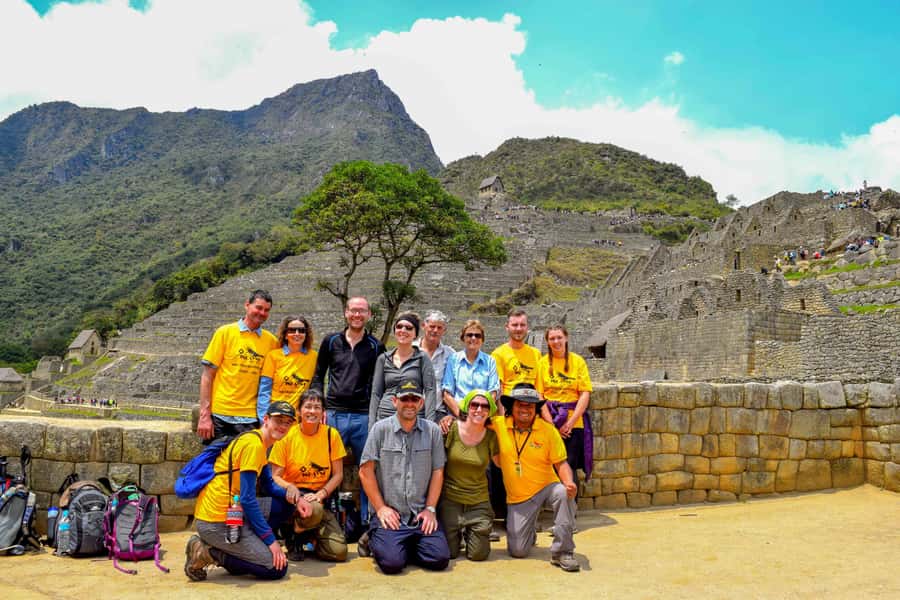
A striking theme from past departures is the guide’s role as more than a safety checker. People highlighted guides like Jonny and Wilbert for mixing information with real warmth. One highlight included the guide helping set you up for Machu Picchu tickets, including Route 2 in at least some confirmations, which can affect what you see first inside the site.
I’d treat this as a hint: the best way to get value out of Machu Picchu is to go with someone who can connect the stones to the lived logic of the Inca world. When the guide is good, the guided tour doesn’t feel like a script—it feels like you’re getting the short version of a bigger story.
Should you book the 4-Day Inca Jungle Adventure?
Book it if:
- you want Machu Picchu plus multiple active days rather than one-day ruins-and-done
- you like a structured plan that handles transport and key tickets
- you’re comfortable with walking, early starts, and altitude realities
Consider skipping (or choosing a different style) if:
- you have back or heart concerns, or you need accessibility-friendly routing
- you want a slower, lighter itinerary with fewer physical demands
- you dislike getting wet or muddy on an adventure day
If you’re the type who likes both adrenaline and meaning, this hits a sweet spot: bike and rivers first, Inca trail ridges second, then a guided Machu Picchu morning that feels earned.
FAQ
How long is the trip?
It runs for 4 days.
What’s included in the price?
You get pre-departure briefing, transportation throughout, full meals for most parts of the trip (3 breakfasts, 3 lunches, 3 dinners), lodging in Santa Maria and Santa Teresa plus a 3-star hotel in Aguas Calientes, Machu Picchu entrance and guided tour, bus to Machu Picchu (one way), and a train ticket from Aguas Calientes to Ollantaytambo. Bike gear, rafting equipment, zipline, and safety equipment are also included.
Is rafting included, or is it optional?
Rafting is optional and listed as a 2-hour experience on Class III and IV rapids.
Are zipline and rafting guaranteed?
Zipline is included as an activity but it’s described as optional. Rafting is also optional. You’ll be given choices during the trip.
Do you visit Machu Picchu on the first day?
No. Machu Picchu is visited on Day 4 after an early bus up to the site.
Are Huayna Picchu and Machu Picchu Mountain hikes included?
No. Those hikes require an extra ticket and need to be reserved in advance due to limited availability.
What type of group size is this?
It’s a small group with a limit of 10 participants.
What should I bring?
Bring your passport or ID card, walking boots, a waterproof jacket or poncho, warm layers, hat and gloves, sunscreen (factor 35+), insect repellent, toiletries/hand sanitizer, personal medication, and a flashlight with spare batteries. If you do rafting, bring swimwear.
Is this tour suitable for everyone physically?
It’s not suitable for people with back problems, heart problems, or wheelchair users. The route includes biking, trekking, and other active segments.