REVIEW · CITY TOURS
Cusco: 6-Hour City Highlights Tour
Book on GetYourGuide →Operated by PVTravel · Bookable on GetYourGuide
Cusco in six hours? It’s a fast track to Inca + Spanish Cusco. I like the way the route hits Qoricancha first and then keeps the focus on major Inca sites like Sacsayhuaman, not random photo stops. You’ll also get a clear “why this place matters” explanation as you move around, which makes the stonework feel more than just old rocks.
One big thing to plan for: entry tickets and fees aren’t included. The tourist ticket costs extra (listed as S/70 per person), and entrances for Qoricancha and the Cusco Cathedral are also listed as not included—so bring cash and don’t assume everything’s paid for.
In This Review
- Key things I’d zero in on before you go
- How the 6-Hour Cusco Loop Actually Works
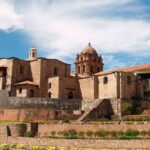
- Qoricancha First: Inca Gold Temple to Spanish Cusco
- Sacsayhuaman Fortress: Cyclopean Walls and Big Picture Inca Power
- Quenqo and Pucapucara: Rock Cuts With Purpose
- Tambomachay Baths: Water, Stone, and Ritual Logic
- Cusco Cathedral Stop: Architecture Appreciation Without Guaranteed Entrance
- Guide Language and Group Choice: Shared Tour vs Private
- Price and Value: What $20 Really Buys in Cusco
- What to Bring (and What to Skip)
- Arrival Timing: The One Small Habit That Prevents Big Stress
- Who This Tour Fits Best (and Who Should Skip It)
- Should You Book This Cusco Highlights Tour?
- FAQ
- How long is the Cusco 6-Hour City Highlights Tour?
- Is pickup from my accommodation included?
- What are the main stops on the tour?
- Are entry tickets included for Qoricancha and the Cusco Cathedral?
- How much is the tourist ticket if I need it?
- Does the tour include food and drinks?
- What languages are available for the guide?
- Is this tour suitable for wheelchair users?
Key things I’d zero in on before you go
- Qoricancha sets the tone: start at the Temple of the Sun, also known as Qoricancha
- You’ll see the main Inca heavy hitters: Sacsayhuaman, Quenqo, Pucapucara, and Tambomachay
- Pickup + transport does the heavy lifting: you’re collected from your accommodation and moved between stops
- Language and pacing can matter: choose shared vs private if you care a lot about staying with your guide
- Cusco Cathedral is more “architecture stop” than must-see museum (entrance not included)
How the 6-Hour Cusco Loop Actually Works
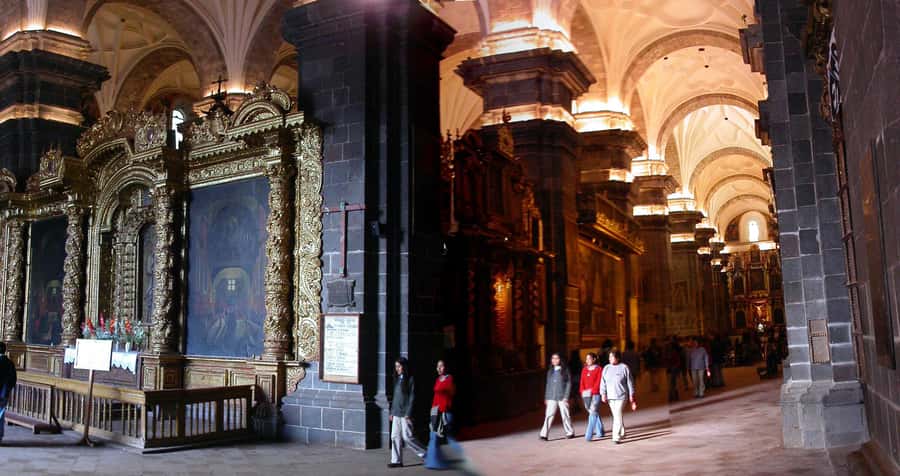
This is a 5–6 hour city highlights tour that runs after pickup and finishes around 7:00 PM, with drop-off at Plaza Regocijo. The itinerary is built like a loop: start inside Cusco with a key Inca site, then head out of town for the major ruins, then come back toward the city center.
The “why” behind the timing is simple. If you’re short on time (or you’re still adjusting to Cusco altitude), you get transportation, a guide, and a logical route that clusters the most important ruins together. Your job is mainly to show up on time, wear comfortable shoes, and keep an eye on your cash situation for entrance fees.
You can also read our reviews of more city tours in Cusco
Qoricancha First: Inca Gold Temple to Spanish Cusco
You kick things off at the Temple of the Sun (Qoricancha), described as the most renowned temple of the Inca Empire. Even if you only have a little time there, starting here helps you understand Cusco’s big story: how Inca sacred space connects to what the Spanish later built and used.
Now for the part you should plan around. The tour’s listed inclusions don’t cover the Qoricancha entrance, so you’ll want to have cash ready and be prepared to pay on the spot if you want to go inside. If you’re the type who likes to see sites beyond the exterior, this is one of the stops where entrance matters.
Sacsayhuaman Fortress: Cyclopean Walls and Big Picture Inca Power
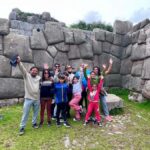
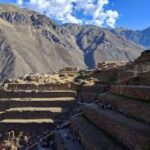
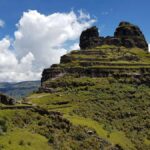
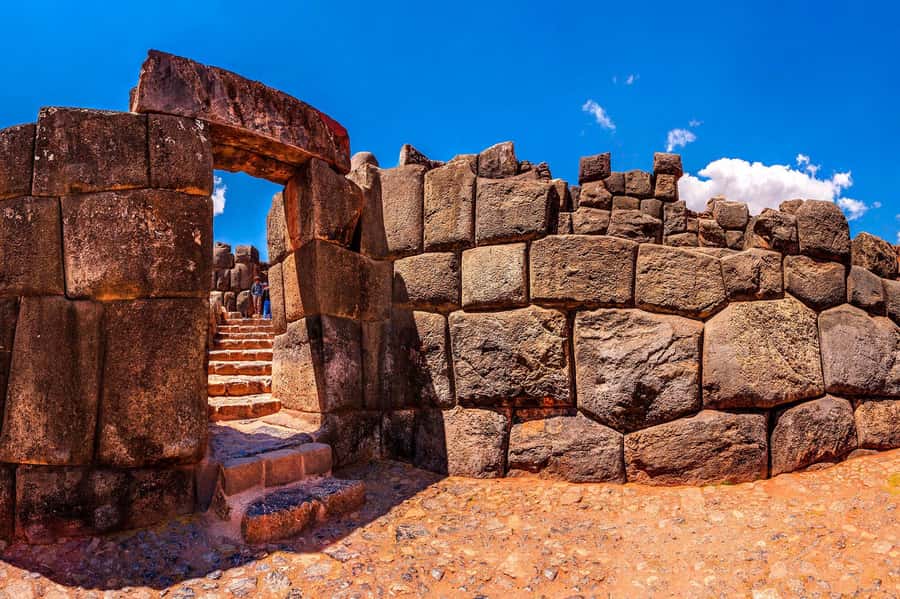
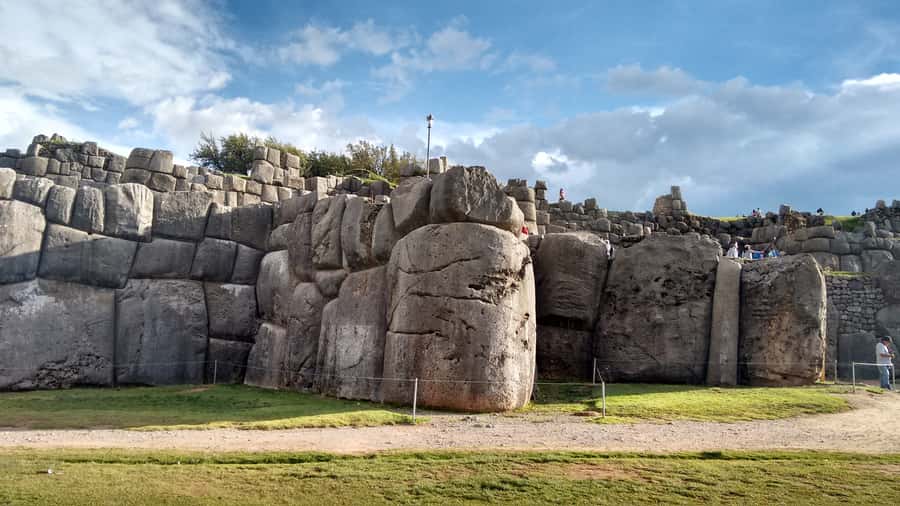
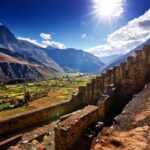
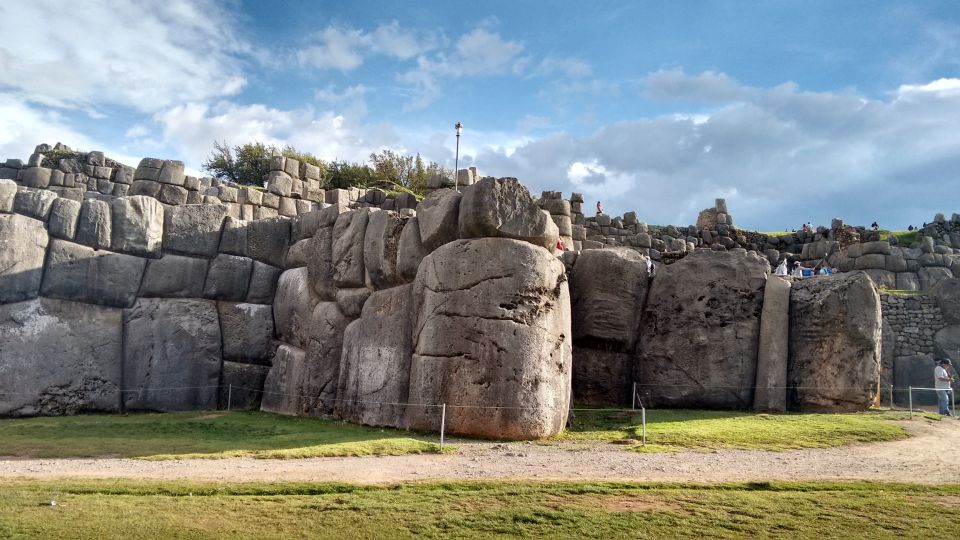
Next you drive outside the city to Sacsayhuaman, one of the most famous Inca fortress sites around Cusco. This is the stop where the scale usually surprises first-timers: you’re looking at massive stonework that feels built to last, and the setting helps you imagine how strategically Cusco was defended and organized.
What makes this stop valuable on a guided loop is the context. Without explanation, it’s easy to see “cool stones.” With a guide, you get the historical thread tied to the Inca presence around Cusco—why these locations mattered and how they fit into the larger city system.
Quenqo and Pucapucara: Rock Cuts With Purpose
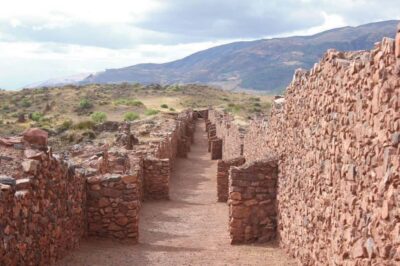
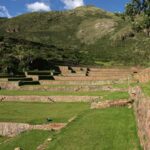
The tour keeps going to Quenqo and Pucapucara, both Inca sites around Cusco that tend to reward people who like details. Quenqo is known for rock-cut features, and Pucapucara is another stop where you’ll spend time looking closely at what’s carved into the area and how the space seems to have been used.
In this kind of tour, the guide’s job is to connect visible shapes to their roles. You’ll hear histories and stories tied to the ruins, which is exactly what turns a quick stop into a “now I get it” moment. If you’re more into wide landscapes and long wandering, know that this day is structured—so you’ll be moving steadily rather than lingering for hours.
Tambomachay Baths: Water, Stone, and Ritual Logic
Then it’s on to Tambomachay—listed as the Baths of Tambomachay. The name alone nudges you toward water and function, and that’s part of the appeal: not every Inca site here is a fortress or an obvious “temple.” Some places look more practical, yet they’re still tied to how people lived, honored, and organized their environment.
This is also one of the stops where timing can feel nice. By late in the route, you’ve already built a mental map of the area. When you reach a new type of site, it clicks faster because you’re no longer trying to guess how everything connects.
Cusco Cathedral Stop: Architecture Appreciation Without Guaranteed Entrance
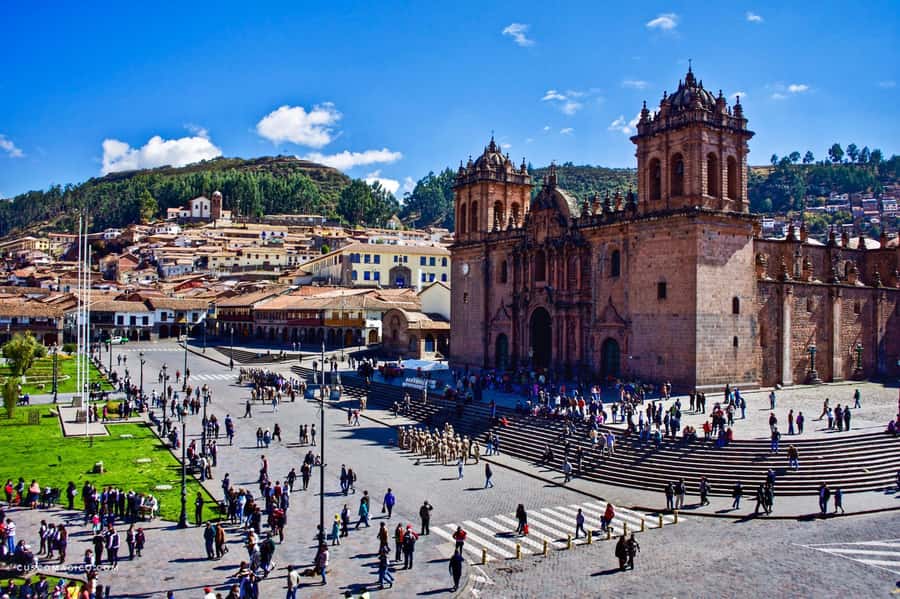
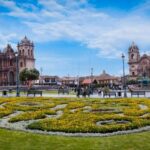
Cusco’s cathedral is one of the listed highlights, and you’ll be able to admire its architecture as part of the city focus. But here’s the catch: entrance to the Cusco Cathedral is not included.
So think of this stop like two possible experiences:
- If you’re happy with the outside and the general architectural feel, you’ll likely feel satisfied.
- If you want the full interior visit, you’ll need to pay separately and decide if it’s worth your time in a packed day.
One traveler pointed out that the cathedral wasn’t a priority for them and didn’t feel worth an entrance fee, while the rest of the tour delivered. That lines up with what you can expect based on what’s included vs not.
Guide Language and Group Choice: Shared Tour vs Private
You can choose between a shared group or a private tour, and you also get a guide who speaks Spanish or English. On paper, that’s straightforward. In real life, the difference between shared and private can be huge for comfort—especially if you care about being with the right language group.
A positive note from a recent booking: one guide named German was praised for doing a solid job explaining things, and the traveler loved the Inca sites while feeling less interested in the cathedral. That’s a good sign if you’re coming for ruins over churches.
On the caution side, some bookings reported problems like late arrival, mixing Spanish-speaking customers into an English tour, and guides moving fast or not keeping everyone together. I can’t guarantee how your day will go, but it’s smart to plan for the possibility of language or pacing issues on shared tours. If you want a smoother experience and tighter control over timing and attention, the private option is often the most “stress-free per hour.”
Price and Value: What $20 Really Buys in Cusco
The tour price is listed at $20 per person, for about 5–6 hours including pickup, transportation between sites, and a guide. That’s a good value setup in Cusco because getting around on your own—plus ticket lines plus figuring out the best cluster of ruins—can burn your day.
But the key value math is the entrance fees:
- The tourist ticket is extra, listed at S/70 per person
- Qoricancha entrance is not included
- Cusco Cathedral entrance is not included
So your real budget is the $20 plus whatever you pay for entrances. If you show up with cash and expect those fees, the tour can feel like a smart deal for a structured highlights day. If you hate surprise costs, this one needs a bit of mental prep.
Also note what isn’t included: there’s no food or drinks. If you’re doing this later in the day, plan a meal strategy so you’re not hungry while you’re moving between sites.
What to Bring (and What to Skip)
The tour tells you exactly what to bring, and following it makes the day easier:
- Comfortable shoes (you’ll be walking around ruins)
- Sunglasses and a sun hat
- Camera
- Cash (for the tourist ticket and entrances)
And you should skip the extras:
- No luggage or large bags
- No smoking
- No pets
This is the kind of tour where being “light” matters. If you travel with a big pack, you’ll feel it fast—so plan to carry what you need, then keep your hands free.
Arrival Timing: The One Small Habit That Prevents Big Stress
Because you’re dealing with multiple sites in a fixed loop, small timing problems can ripple. Some bookings have described issues like late start or moving people onto the wrong language group, which turns a fun day into frustration.
Your best defense is simple:
- Arrive ready at pickup time with your cash counted
- Have your confirmation details handy
- If you care about English, make sure you’re on the correct language group at the start
If something feels off early, it’s better to ask right away than try to fix it after you’ve already left the meeting area.
Who This Tour Fits Best (and Who Should Skip It)
I think this tour fits best if you want:
- A one-day route that covers the main Inca sites around Cusco
- A guide to explain the “why” behind each stop
- Pickup and transport so you’re not coordinating bus/taxi changes all day
It’s less ideal if:
- You want a super relaxed pace with long stops at each ruin
- You strongly dislike paying for entrances on top of the tour price
- You need wheelchair access (it’s listed as not suitable for wheelchair users)
For people who like ruins more than churches, you’ll probably feel happiest with the planned focus on Inca sites. For people who want a major interior cathedral experience, you’ll need to account for the separate cathedral entrance.
Should You Book This Cusco Highlights Tour?
If you’re here for your first (or only) highlights day and you like structured sightseeing, I’d say it’s a solid value at $20, especially because pickup and transport are included. Just go in with your eyes open: entry fees are extra, and shared-group language or pacing can be hit-or-miss.
Book this tour if you:
- Want a tight loop of Qoricancha + Sacsayhuaman + Quenqo + Pucapucara + Tambomachay
- Prefer having a guide explain sites instead of reading alone
- Can handle paying additional entrance costs with cash
Skip or upgrade to private if:
- You’re very sensitive to language mix-ups
- You want the calm, steady attention of a guide without the shared-group pressure
FAQ
How long is the Cusco 6-Hour City Highlights Tour?
The duration is listed as 5–6 hours.
Is pickup from my accommodation included?
Yes, pickup from your accommodation in Cusco is included.
What are the main stops on the tour?
You’ll visit Qoricancha (Temple of the Sun), Sacsayhuaman, Quenqo, Pucapucara, and the Baths of Tambomachay, with a final stop/drop-off in Plaza Regocijo.
Are entry tickets included for Qoricancha and the Cusco Cathedral?
No. Entrance to Qoricancha and entrances to the Cusco Cathedral are listed as not included.
How much is the tourist ticket if I need it?
The tourist ticket is listed as S/70.00 per person and is not included.
Does the tour include food and drinks?
No. Food and drinks are not included.
What languages are available for the guide?
The guide is available in Spanish or English.
Is this tour suitable for wheelchair users?
No, it’s listed as not suitable for wheelchair users.