REVIEW · INCA TRAIL TREKS
Classic Inca Trail 4 Days to Machu Picchu
Book on Viator →Operated by Vidal Expeditions · Bookable on Viator
Four days, one big milestone. I love the small group pace (max 8) and the bilingual guide attention, which makes the trail feel organized and calm instead of chaotic. This is the classic route to Machu Picchu: you start near km 82, cross high passes on the old path, camp in the Andes, then finish with Sun Gate and guided time inside Machu Picchu.
The main thing to consider is effort. Day 2 includes the hardest stretch and a high pass at 4,216 meters / 13,828 feet, so you’ll want real hiking fitness and good acclimatization to Cusco first.
In This Review
- Key highlights you’ll actually feel on the ground
- Cusco prep: how to set yourself up for the hardest day
- From hotel pickup to km 82: Day 1’s warm-up with real Inca ruins
- Llactapata: why this early stop is worth your energy
- Day 2 over the highest pass: the real “classic Inca Trail” moment
- Pacaymayu camping: what included gear actually means for you
- Day 3: Puyupatamarca to the cloud-forest feeling, plus Runkuracay
- Inti Punku and Machu Picchu: the classic finish done in a smart order
- Price and logistics: where the $820 really goes
- What to pack (and what not to waste money on)
- Who should book this Classic Inca Trail 4 Days to Machu Picchu
- Should you book Vidal Expeditions’ Classic Inca Trail?
- FAQ
- How much is the Classic Inca Trail 4 Days to Machu Picchu tour?
- How long is the trek?
- What’s the group size?
- Where do I meet or redeem my ticket?
- What are the office hours for ticket redemption?
- What lodging is included during the trek?
- Do I need to bring a sleeping bag?
- What meals are included?
- Is the train included on Day 4?
- What’s the highest altitude on the itinerary?
- Is bottled water included?
Key highlights you’ll actually feel on the ground
- Small group (up to 8): easier pacing, less waiting, more focus on the trail and sites.
- Guiding through Inca sites: stops like Llactapata, Puyupatamarca, and Runkuracay come with explanations, not just photos.
- A true high-pass day: Day 2 pushes to the highest pass, with time for rest and views at the top.
- Camping that’s set up for you: tents for 2 people and basic sleeping pads are included, plus porters and a cook for shared gear.
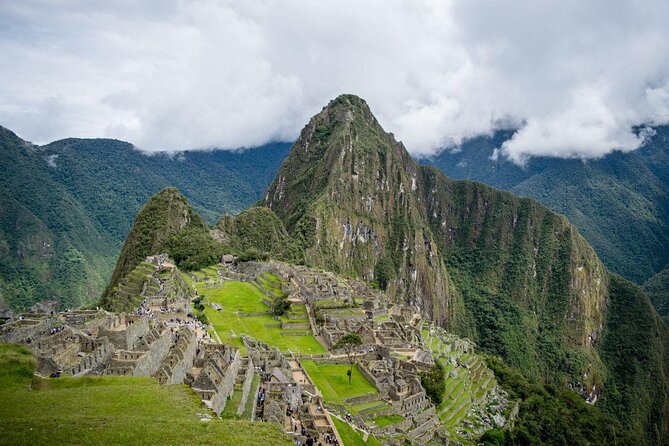
- Sun Gate first at Machu Picchu: you get the first big view before you go down for the main Machu Picchu circuit and guided exploring.
Cusco prep: how to set yourself up for the hardest day
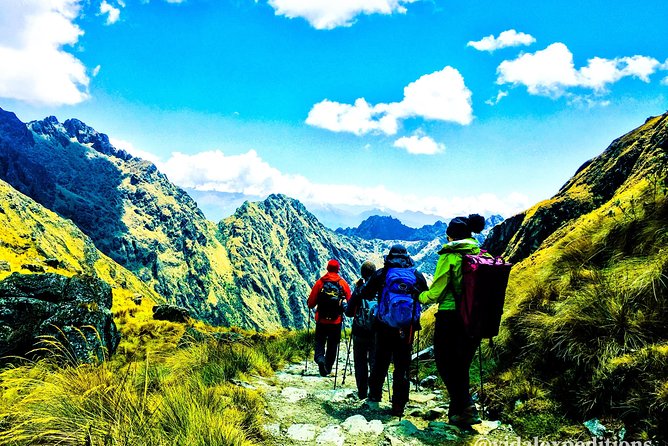
This trip is for people with moderate physical fitness who can handle a multi-day mountain hike. The itinerary naturally forces you to think about stamina in two ways: altitude and long, steady hiking days.
I recommend you take Cusco seriously before you start. The tour runs from Cusco, and even though you’re not told to do a formal acclimatization program, the difference between showing up tired versus showing up ready is huge. If you arrive a couple of days early, eat light, drink water (you’ll have to buy bottled water yourself), and take a few easy walks, you’ll be in a better place for the big push on Day 2.
Also, be honest about your comfort needs. The trek includes camping accommodations and basic sleeping pads, but it doesn’t include everything you might want for sleep. If you’re the type who needs extra cushioning or warmth, plan ahead (more on packing later).
You can also read our reviews of more tours and experiences in Cusco
From hotel pickup to km 82: Day 1’s warm-up with real Inca ruins
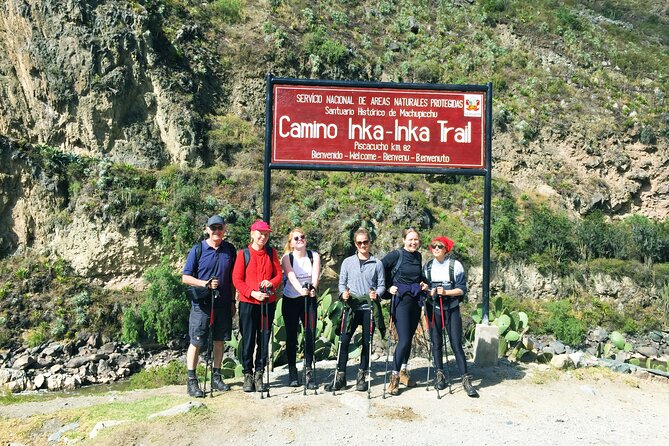
Day 1 starts with hotel pickup in Cusco and a drive to km 82, then you go through the check point before hiking. This matters because it gets you out of town quickly and puts you on an authentic start point rather than slowly easing in with endless logistics.
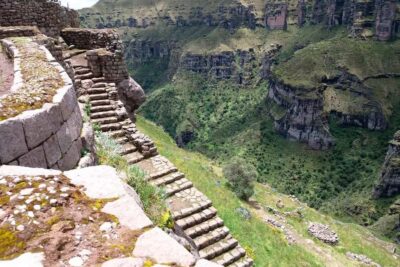
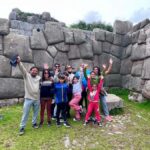
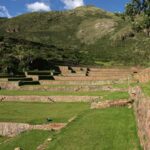
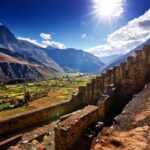
Stop 1 is Llactapata, an Inca archaeological zone with 20 minutes allocated for exploring. You get time with your bilingual guide to understand what you’re seeing, then you continue walking toward the next planned lunch area and another chance to take in the surrounding views. In plain terms: Day 1 isn’t about suffering yet. It’s about getting your legs used to the rhythm, learning how your group and guide operate, and soaking up early Inca context.
One practical note: because you start with pickup and a drive, you’ll want to be ready on time. The best trekkers don’t try to “wing it” on the first day. They follow the flow, hydrate, and treat the early climb like practice.
Llactapata: why this early stop is worth your energy
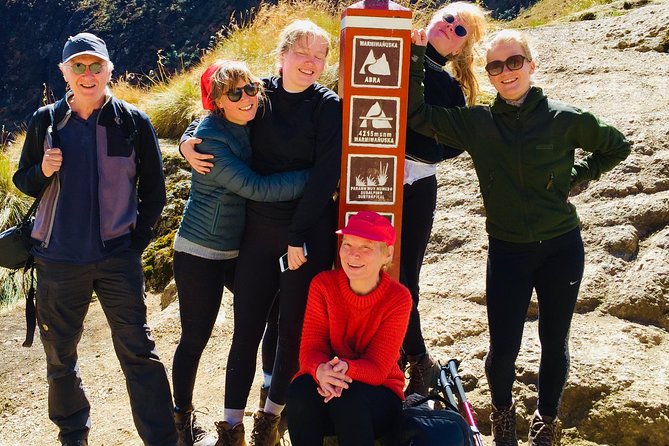
Llactapata tends to be the kind of site you remember because it feels connected to the trail rather than tacked on. You’re hiking in the Andes, you’re already thinking in elevation and ancient routes, and then suddenly you’re standing in front of stone that belongs to the Inca world.
What I like about this structure is the pacing. You don’t just rush through. You spend time exploring, get explanation from your guide, then you move on. That keeps your brain engaged, not just your lungs.
Drawback? If you show up underprepared and exhausted, an early site stop can feel like extra effort. But if you’ve handled Day 1 properly, it becomes a morale boost.
Day 2 over the highest pass: the real “classic Inca Trail” moment
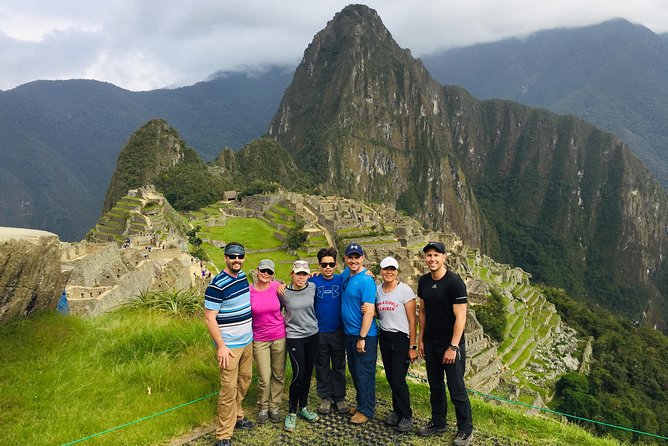
Day 2 is the big one: the trek follows the ancient Inca Trail route, and you’ll hike for around 5 hours to reach the highest pass at 4,216 meters / 13,828 feet.
This day has a clear rhythm:
- Climb through the most challenging section.
- Reach the summit and take time to rest and enjoy the views.
- Descend for a few hours to lunch and your campsite.
- After lunch, you relax before your second night at about 3,600 meters (Pacaymayu).
The value here is that the itinerary doesn’t pretend the day is easy. Your plan includes rest at the top, not just “press on forever.” That’s what helps most people keep their energy and enjoy the moment instead of just surviving it.
If you’re worried about altitude anxiety or breathing limits, prepare your strategy now:
- Slow down early.
- Take steady breaths, not big gasps.
- Use short pauses to drink and reset.
And yes, you’ll likely feel it the next day. That’s normal. What’s not normal is pushing too hard from the start and burning your energy before you hit the pass.
Pacaymayu camping: what included gear actually means for you
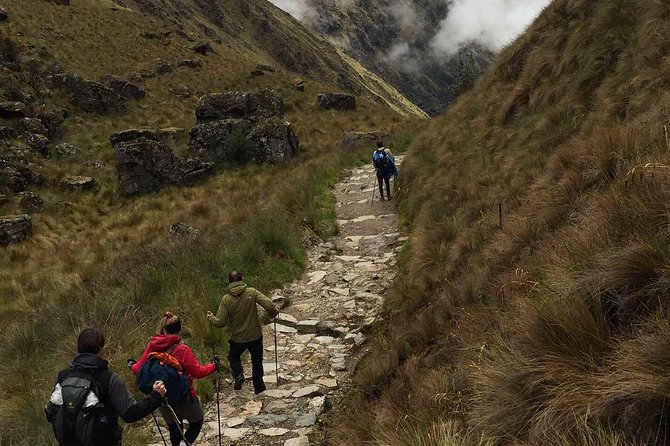
Your second night is at Pacaymayu, and camping is part of the deal on this 4-day classic trail. The trip includes:
- Tents for 2 people
- A basic sleeping pad
- Porters and a cook to carry shared camping equipment
- Camping setup handled by the team so you can focus on trekking
This is a big deal for value. With camping like this, you’re not trying to assemble gear in mountain wind or manage heavy loads. You’re still sleeping in the outdoors, but the heavy lifting is done for you.
One thing to plan: a sleeping bag is not included. If you run cold at night, bring the right system for mountain temperatures. If you want extra comfort, there’s an optional inflatable sleeping mattress for $15 USD for the trek. That’s the kind of add-on that can make Day 3 feel much easier.
Day 3: Puyupatamarca to the cloud-forest feeling, plus Runkuracay
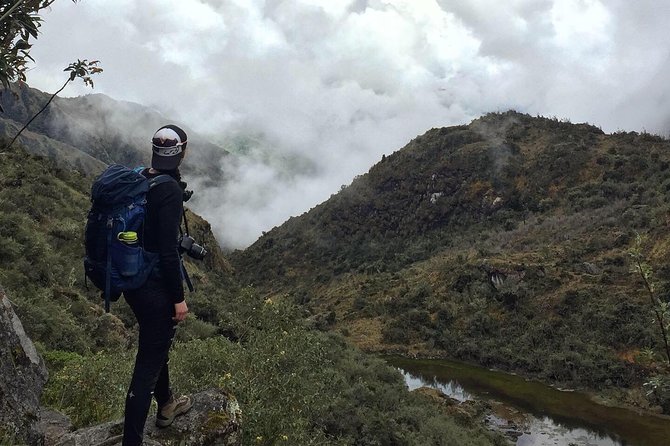
Day 3 is described as the most beautiful section because it mixes high mountain hiking with a cloud-forest vibe. After breakfast, you’ll hike up toward the next pass at about 3,960 meters, then go down for lunch.
You also get Inca site time in the morning, with your guide explaining history as you move through the area. That’s a smart way to keep the hike from becoming one long “just walking.” Your brain gets a reason to stay curious.
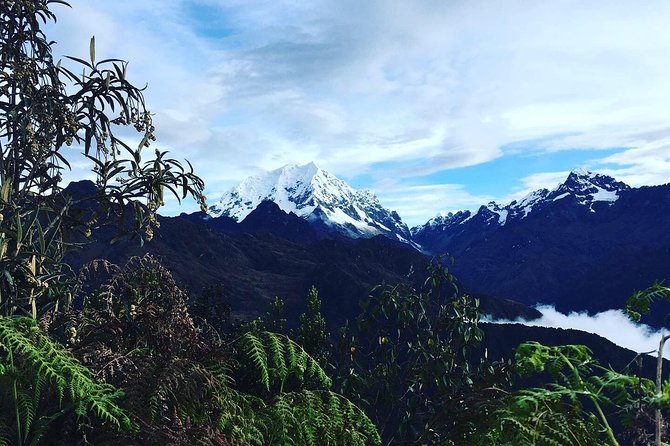
After lunch, the day gradually climbs toward the last pass at 3,660 meters. From there, you can see the Machu Picchu mountain, which is a huge psychological payoff. Then you descend for a couple hours to reach the campsite.
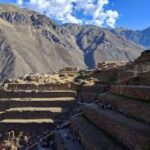
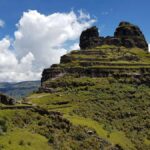
In the afternoon, you visit Runkuracay and also have planned time to capture photos after your guide explains what you’re seeing (Runkuracay is scheduled for about 20 minutes). And during the evening meal, your guide organizes a ceremony to say thanks to the team, followed by going to the town by another path.
Here’s what I think you’ll appreciate: the itinerary balances effort with meaning. Even if you’re tired, you’re not just trudging toward the destination. You’re moving through layers of Inca route history and ending the day with a human moment that reminds you there’s a team behind the scenes.
Inti Punku and Machu Picchu: the classic finish done in a smart order
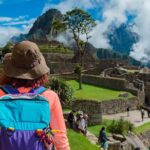
Day 4 begins with a control check and hiking to Inti Punku (Sun Gate). The trail is described as going through dense high rain-forest, then you reach Sun Gate after a few hours and get the first major view of Machu Picchu.
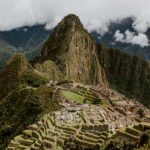
This is worth calling out because the order matters. You see Machu Picchu from above first, then you go down to explore the city itself. That gives you a bigger sense of scale and layout than if you walked in first from the base.
At Sun Gate, you’ll enjoy a snack and rest long enough to take in the view. After that, you continue down to Machu Picchu, spend time at the classic photo spot, and you can use restrooms or grab coffee. Then you go back to Machu Picchu for guided exploring of outstanding areas.
Time allocation is clear here:
- Inti Punku: about 30 minutes
- Santuario Historico de Machu Picchu: about 3 hours with admission included
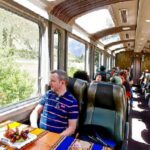
Then you leave Machu Picchu, head to Aguas Calientes for lunch, and in the afternoon you take the train to Ollantaytambo (about 2 hours) followed by bus back to Cusco.
Practical tip: plan for a mix of emotions on Day 4. The hike to Sun Gate can feel like a final hurdle, then Machu Picchu hits like a switch. Give yourself a little patience. It’s okay if you’re not fully “ready” for photos right away. Breathe first.
Price and logistics: where the $820 really goes
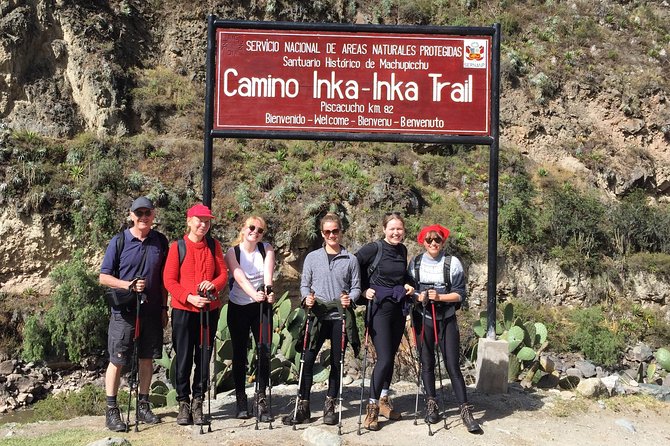
At $820 per person for about 4 days, this tour’s value comes from what’s bundled and how much human support it includes.
You’re paying for:
- A professional bilingual guide for both trail and Machu Picchu
- Camping gear and setup support (tents for 2 and basic sleeping pads, plus porters and cook for shared equipment)
- Meals: 3 breakfasts, 3 lunches, and 3 dinners
- The train segment Aguas Calientes to Ollantaytambo
- Admission tickets included for the listed stops
What’s not included also helps you plan:
- Day 1 breakfast
- Day 4 lunch
- Bottled water
- A sleeping bag
- Tips (optional)
- Optional inflatable mattress ($15 USD)
So the cost isn’t just “walking plus tickets.” It’s organized hiking with logistics handled for you, plus the big-ticket structure of guide, admissions, and rail transport.
One more reason I like this pricing model for the right traveler: small group size (max 8) usually means you’re not stuck in a huge herd at key moments. Less noise. More listening.
What to pack (and what not to waste money on)
This trip clearly expects you to be able to hike multiple days, camp outdoors, and handle changing conditions. Since bottled water isn’t included and sleeping bag isn’t included, those are two items you should treat as non-negotiables in your planning.
From what’s offered:
- You already get a tent for 2 and a basic sleeping pad
- You can add an inflatable mattress for $15 USD if you want more comfort
- Your guide and team handle porters and a cook, so you don’t need to bring heavy shared camp items
What you should bring based on the gaps:
- A sleeping bag that works for cold nights
- Personal water and/or budget for bottled water
- A plan for Day 1 breakfast and Day 4 lunch
Beyond that, follow common Inca Trail common sense: day-appropriate layers, shoes you trust, rain protection (the forest portion suggests wet conditions can happen), and a headlamp if you like walking around at night.
Who should book this Classic Inca Trail 4 Days to Machu Picchu
You’ll love this tour if you:
- Want a guided trek with explanations at Inca sites, not just a hiking route
- Like the structure of small groups (up to 8)
- Are ready for a real challenge on Day 2, including a pass at 4,216 meters
You might skip or change approach if:
- You’re uncomfortable with high altitude hiking and long, tough climbs
- You don’t want to camp outdoors
- You don’t have the right sleep system and hate cold nights (because a sleeping bag isn’t included)
This is also a good choice if you value human support. The trip includes porters and a cook, and there’s even mention of a chef who goes the extra mile for special moments like birthdays, which tells you the team effort matters here.
Should you book Vidal Expeditions’ Classic Inca Trail?
If you’re aiming for the classic route with a bilingual guide, organized camping, and a finish that starts at Sun Gate before you hit Machu Picchu, I think this is a strong option. The structure is designed to keep you moving with purpose, while still giving time to rest, explore, and take photos.
Before you commit, check two things: your readiness for Day 2’s high pass and your comfort with packing a sleeping bag. If those boxes are checked, this is the kind of trip that feels huge for the effort you put in.
FAQ
How much is the Classic Inca Trail 4 Days to Machu Picchu tour?
The price is $820.00 per person.
How long is the trek?
It’s listed as 4 days (approx.).
What’s the group size?
This tour has a maximum of 8 travelers.
Where do I meet or redeem my ticket?
Ticket redemption is at VIDAL EXPEDITIONS PERU, Urb, Santiago, Cusco 08007, Peru.
What are the office hours for ticket redemption?
The listed opening hours are Monday–Friday from 9:00 AM to 8:00 PM.
What lodging is included during the trek?
Camping accommodation is included, including a tent for 2 people and a basic sleeping pad.
Do I need to bring a sleeping bag?
Yes. A sleeping bag is not included.
What meals are included?
The tour includes 3 breakfasts, 3 lunches, and 3 dinners. Day 1 breakfast and Day 4 lunch are not included.
Is the train included on Day 4?
Yes. Train Aguas Calientes to Ollantaytambo is included, and then there is bus service to Cusco afterward.
What’s the highest altitude on the itinerary?
The highest pass on Day 2 is 4,216 meters / 13,828 feet.
Is bottled water included?
No. Bottled water is not included.