REVIEW · EVENING EXPERIENCES
Cusco by Night: Planetarium Cusco, Dinner, and Pisco Sour
Book on Viator →Operated by Valentins Pachamama Journeys · Bookable on Viator
Cusco at night hits different. This 5-hour evening mixes city views, an Inca-constellation planetarium show, and a traditional dinner with a first Pisco sour. I like that it’s paced for late afternoon into the night, with hotel pickup and drop-off so you don’t have to figure out logistics while you’re already dealing with altitude.
Two things I’d put at the top: the star-focused planetarium time (small operation, real enthusiasm) and the way your guide helps you connect what you see in the sky with what Incas used those patterns for. One possible drawback: the planetarium entrance is not included, so you’ll add about $25 per person (or s/90) on top of the tour price.
In This Review
- Key things to know before you go
- Cusco by Night: a simple plan that actually makes sense
- Price and value: what you pay (and what you’ll add)
- Pickup, timing, and the real pace of a 3 pm departure
- Plaza de Armas after dark: your orientation stop
- Market time and local food culture (often part of the walk)
- The big moment: Planetarium Cusco and Inca constellations
- Telescopes, blankets, and why cold is part of the deal
- Dinner and Pisco sour: a proper Peruvian break
- Who your guide is, and why that changes the feel
- Group size and comfort: private can be more relaxed than you expect
- Practical expectations: what to bring and how to set yourself up
- Is this tour for you? Quick fit check
- Should you book Cusco by Night?
- FAQ
- How long is the Cusco by Night tour?
- What time does the tour start?
- Is hotel pickup and drop-off included?
- Is the planetarium ticket included in the price?
- What’s included with dinner and the drinks?
- Can I cancel and still get a full refund?
Key things to know before you go
- Late start, night finish: Starts at 3:00 pm and is built around seeing Cusco after dark.
- Planetarium entrance is extra: Budget about $25 per person (or s/90).
- Inca constellations + telescope time: Expect lessons on how the Incas read the sky, plus stargazing.
- Warm layers matter: The planetarium can run cold, and stargazing happens outside.
- Dinner + one Pisco sour included: You get a traditional meal and one cocktail; extra drinks cost more.
- Private for your group: Minimum 2 people, only your group participates.
Cusco by Night: a simple plan that actually makes sense
If you’re in Cusco for more than a day, you’ll see plenty of stone and churches in daylight. This tour gives you a different kind of Cusco. You start with getting your bearings in the late afternoon, then shift into night mode for stargazing and a dinner that feels local instead of rushed.
The best part is how the evening is structured around a goal you can feel: learning the sky, then looking at it. You’re not just sitting in the dark waiting for something to happen. The guide’s job is to give meaning first—then you get to see what they’re talking about.
You can also read our reviews of more tours and experiences in Cusco
Price and value: what you pay (and what you’ll add)
The tour price is $95 per person for about 5 hours. What you get for that money is practical: a local guide, hotel pickup and drop-off, dinner, and one Pisco sour.
What’s not included is the planetarium admission. You’ll pay about $25 per person (or s/90) for the planetarium ticket. If you’re budgeting, think of the total as roughly $120 per person before any extra alcohol or personal expenses.
Is it good value? For Cusco, yes—especially if you want an English-speaking guide and a smooth, chauffeured evening. The planetarium portion alone isn’t cheap, and you’d still need transportation. Here, the tour stitches it together so you spend your time on the experience, not on figuring out where to go next.
Pickup, timing, and the real pace of a 3 pm departure
Starting at 3:00 pm is a smart choice. It gives you time to see the city light shift into night, which helps if you’re tired from travel or you’ve only just arrived. You’ll also be going to the planetarium and stargazing while Cusco is properly dark, not in that half-lit in-between time.
Most of the evening is guided, with you being moved from one part to the next. That matters at altitude. You don’t want to be sprinting around town after a big lunch, trying to catch the last bus or match confusing directions.
Plaza de Armas after dark: your orientation stop
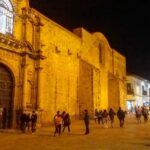
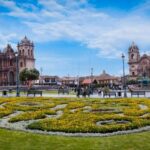
Your evening typically begins with a visit around Plaza de Armas Cusco. In daylight, it’s a classic postcard moment. At night, it becomes more of a live neighborhood scene. The light on the buildings changes fast, and the square feels like it’s waking up—without the daytime crowds.
This stop is less about big-ticket attractions and more about feeling the place. It’s a good point to reset if your first impression of Cusco has been chaotic. You’re also far more likely to remember details later when you’ve already walked the center and seen where things are.
Practical tip: take a few minutes just to look around before your guide starts talking. Cusco in the evening has a way of pulling your attention in several directions at once.
Market time and local food culture (often part of the walk)
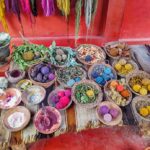
Several evenings include a walk that touches market culture, often connected to San Pedro Market. This is where you learn what locals actually do day-to-day—shopping, tasting, asking questions. It also helps explain Cusco beyond the tourist highlights.
Guides like Kenny and Valentin (both mentioned in guides leading the experience) are praised for making this feel understandable, not like a lecture. If you like food and you’re curious about what ingredients mean in a Peruvian kitchen, this walk is a nice add-on.
One thing to consider: market time can mean more sensory input—smells, noise, and moving through stalls. If you get overwhelmed easily, go slow and focus on the guide-led bits, not trying to take in everything at once.
The big moment: Planetarium Cusco and Inca constellations
The heart of the tour is the Cusco planetarium visit, where you learn about the sky the way Incas did. This is not just “spot the star.” The show focuses on how constellations fit into belief and how those sky patterns helped people plan their lives—including agriculture rhythms.
A point that comes up again and again: the planetarium experience is small, and the staff run it with real passion. You’ll feel that in how the explanations are delivered. People like the guide-led narrative and the visuals, then the payoff comes with telescope viewing.
What might you see? In at least one reported evening, guests were able to see the moon and Saturn through the telescopes. That’s not guaranteed in every condition, but it shows you the kind of payoff you can hope for.
If you’re a total astronomy beginner, you’re still the target audience. The information is presented as a story—how humans interpret the sky—and then you get to look.
Telescopes, blankets, and why cold is part of the deal
Cusco nights can bite. The planetarium itself can be cold, and stargazing often happens outdoors or near open air. One review specifically calls out that the planetarium was cold, and another mentions blankets being provided for stargazing.
So here’s my practical advice: bring layers even if the day felt warm. A light hat and something that blocks wind can make the whole night feel easier. And if you hate feeling uncomfortable, plan to handle the cold for the payoff. This tour is built for it.
Also, if you’re traveling in a group with different comfort levels, agree on layers before you go. It’s much smoother than trying to find a solution halfway through the night.
Dinner and Pisco sour: a proper Peruvian break
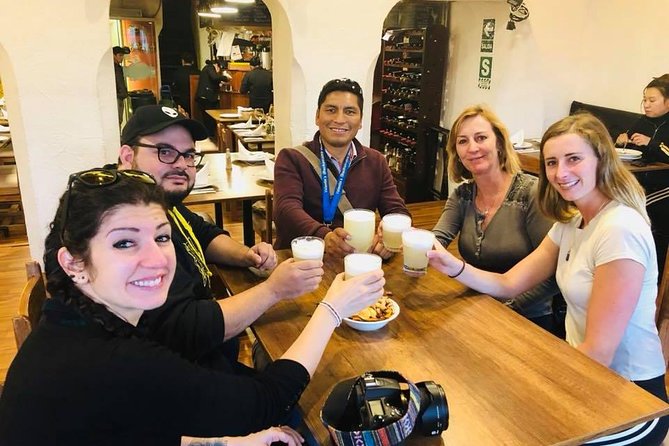
Dinner is included, and so is one Pisco sour. That cocktail matters here because it turns the evening into something social, not just educational. It also gives you a steadying moment after time outside and around night air.
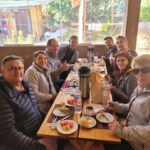
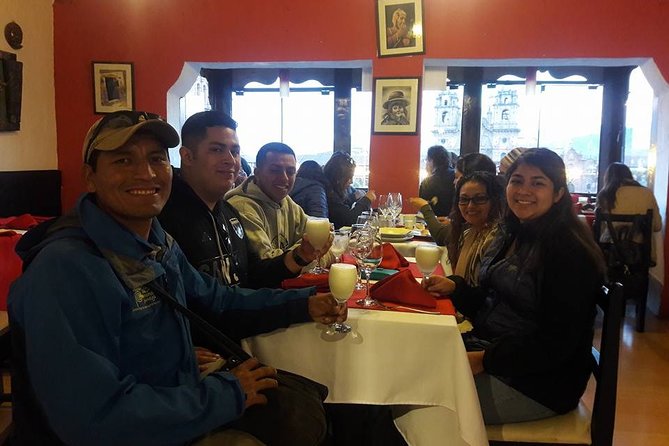
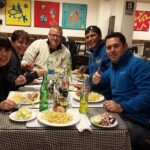
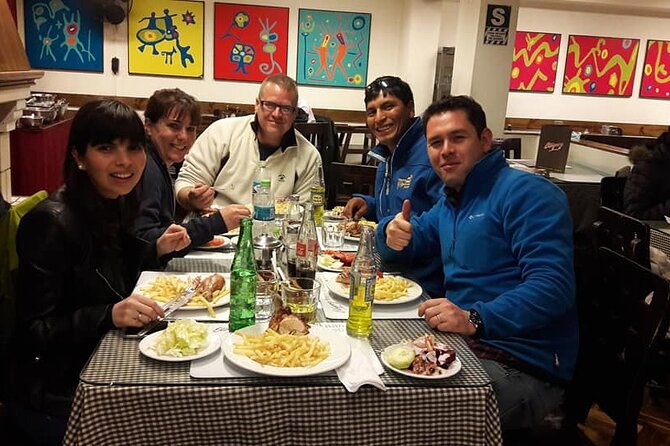
The exact restaurant experience can vary, but the dinner component is consistently described as a highlight when it lands well. At least one person loved dining with their guide and family members, which is a big reminder that this is not a faceless tourist machine.
One caution: one review said the restaurant portion felt okay and suggested a more traditional restaurant would have been better. So think of dinner as included value, not as the single best meal in Cusco. Still, it’s a meaningful stop when you need energy for the stargazing portion afterward.
Who your guide is, and why that changes the feel
This is a private tour/activity, meaning only your group participates. You’ll also have a local guide, and the experience is repeatedly praised for strong English and clear explanations.
Names that come up in guide-led experiences include Valentin, Kenny, and Valentine (likely the same guide referenced with different spellings), plus references to guides like Maria, Herlin, and Day-bee. The common thread is communication: guides take time, explain details, and keep the pace relaxed rather than pushy.
What you should take from this: you’re not just buying a ticket to a planetarium show. You’re buying a guided story that makes the stargazing feel personal and tied to Cusco.
Group size and comfort: private can be more relaxed than you expect
Even though this is “private,” the evening still includes shared components—planetarium viewing may happen alongside the planetarium group schedule. That doesn’t mean it’s crowded. It usually means you’ll be coordinated at transitions: seats, timing, and supplies like blankets.
Several reviews mention a calm, low-stress vibe—especially for people who don’t want a forced, loud group experience. If you want conversation time with your guide and you prefer your tour to feel like a plan rather than a stampede, this style fits.
Practical expectations: what to bring and how to set yourself up
Here’s what I’d plan for, based on what’s consistently mentioned:
- Warm layers for planetarium time and stargazing
- Comfortable walking shoes for the city stops
- A flexible attitude toward dinner style. It’s included, but not every restaurant experience will match your exact taste.
- If you drink, remember the deal includes one Pisco sour. Extra alcohol is not included.
Also, because this is a night experience, it helps to avoid scheduling something too intense right before. You’ll enjoy the planetarium more when you’re not already exhausted.
Is this tour for you? Quick fit check
You’ll probably like this if:
- You want a first-night Cusco orientation that feels different from temples and plazas in daylight
- You care about stories—especially how cultures read the sky
- You enjoy guided explanation, then want an actual viewing moment
You might want to skip or swap if:
- You’re strongly budget-focused and don’t want to add the planetarium ticket on top
- You hate cold and don’t want to dress for it
- You mainly want big cultural sites; this is more education and stargazing than archaeology
Should you book Cusco by Night?
Book it if you want a night in Cusco with a clear payoff: the sky, plus a guide who connects what you’re seeing to how the Incas understood the heavens. The value is strongest when you count what’s included—dinner, a Pisco sour, guide time, and hotel pickup/drop-off—and when you’re okay paying the planetarium entrance separately.
I’d especially recommend it as an early trip activity. It helps you make sense of the city fast, then adds a layer of meaning that daytime sightseeing doesn’t always deliver. If you’re planning around comfort, pack for cold and you’ll be much happier during the star time.
FAQ
How long is the Cusco by Night tour?
It runs for about 5 hours.
What time does the tour start?
The start time is 3:00 pm.
Is hotel pickup and drop-off included?
Yes. Hotel pickup and drop-off are included.
Is the planetarium ticket included in the price?
No. Planetarium entrance costs about $25 per person (or s/90.00) and is not included.
What’s included with dinner and the drinks?
Dinner is included, along with one Pisco sour. More than one alcoholic beverage is not included.
Can I cancel and still get a full refund?
Yes. You can cancel up to 24 hours in advance for a full refund. If you cancel less than 24 hours before the start time, you won’t be refunded.