REVIEW · MARAS & MORAY SALT MINE TOURS
Moray and Salinera de Maras Half Day
Book on Viator →Operated by Tour Machu picchu best · Bookable on Viator
One of Peru’s strangest farming ideas is right near Cusco. This half-day trip links Moray (Inca terrace experiments) and Maras Salt Mines (still-producing salt), with a helpful textile stop in Chinchero to round out the day. I especially like how the itinerary hits two wildly different landscapes in one go, and how the best part is the explanation—guides like Washington and Mario can make the sites click fast. One thing to keep in mind: both major entrance fees are extra, so your final total will be higher than the headline tour price.
The pacing is generally smooth, but the most common complaint is bus comfort and guide style. One person mentioned the bus had poor airflow and felt sweltering, and another said a guide spoke too much about topics outside the route. If you’re sensitive to heat or prefer a quieter guide, plan snacks, water, and a flexible mindset.
In This Review
- Key things to know before you go
- Moray terraces: Inca farming in a bowl of stone
- Maras salt mines: a working tradition, not a museum
- Chinchero textile stop: more than a quick shop visit
- What “included” really means in your day
- Timing and the 8:30 am start: why half-day tours can work
- Cost and value: adding the entrance fees before you decide
- Service, communication, and staying in control of your day
- Who this tour fits best (and who should consider skipping)
- Should you book the Moray and Salinera de Maras half-day tour?
- FAQ
- What time does the Moray and Salinera de Maras half-day tour start?
- How long is the tour?
- What’s included in the price?
- Are entrance tickets included?
- Is lunch included?
- What is the cancellation policy?
Key things to know before you go
- Two sites, one efficient half day: Moray terraces and Maras salt pans back-to-back.
- Inca engineering explained at Moray, including how the terraces were used.
- Salt production you can still see at Maras, not just ruins.
- Chinchero textiles included with a shop and manufacturing visit component.
- Entrance fees are separate (Via Moray and Maras Salt Mine), so budget ahead.
- Bus comfort varies: plan for warm conditions since air can be limited.
Moray terraces: Inca farming in a bowl of stone
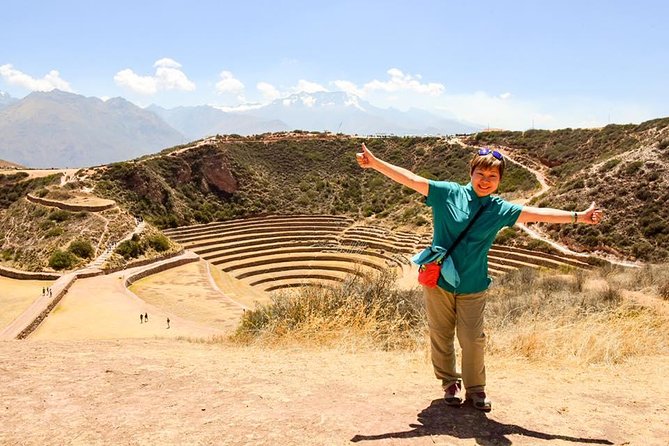
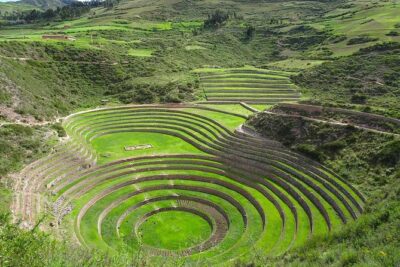
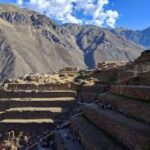
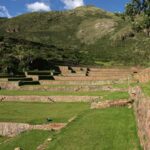
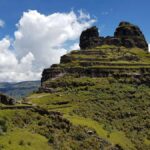
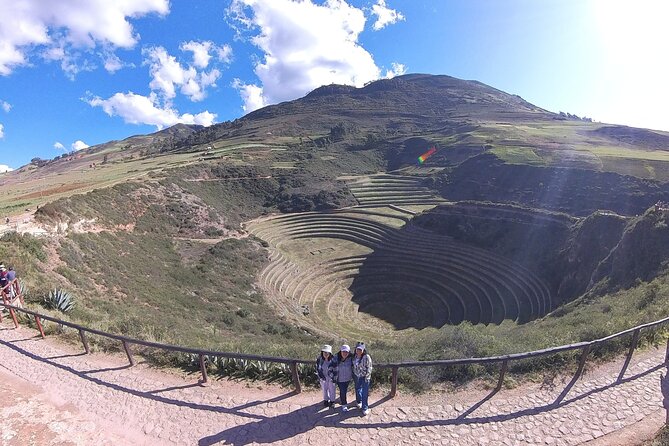
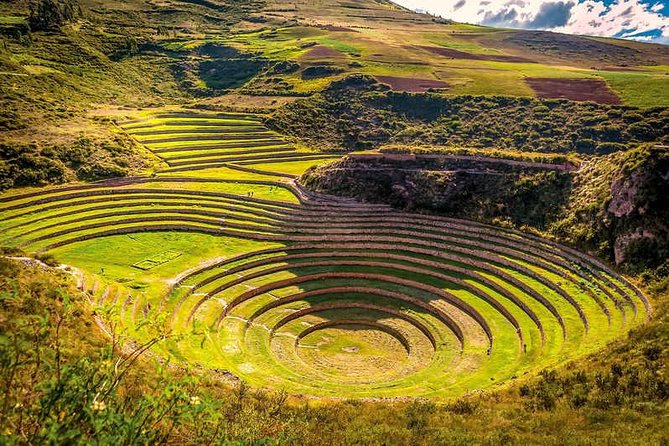
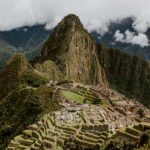
Moray feels like an optical illusion the first time you see it. You’re looking into a stepped depression of terraces, and the whole place reads like a big outdoor lab. The magic here isn’t just the views; it’s the story. You’ll learn how the Incas used these levels for agriculture—essentially using the site’s natural temperature and conditions to test growing potential. Even if you’ve seen Inca ruins before, Moray is different because it’s not only about buildings. It’s about experiments.
This is also a great stop if you want context. A good guide makes the terraces make sense: why the design matters, how the layout could influence farming conditions, and what the site meant to the people who built and used it. I like that this tour keeps Moray focused on explanation instead of rushing you through.
Your consideration: the entrance fee for Via Moray is extra. The number you’ll see is PEN70.00 per person, so when you compare prices, add that in. Also, Moray can feel hot and exposed, so bring your patience if the timing lines up with strong sun.
You can also read our reviews of more tours and experiences in Cusco.

Maras salt mines: a working tradition, not a museum
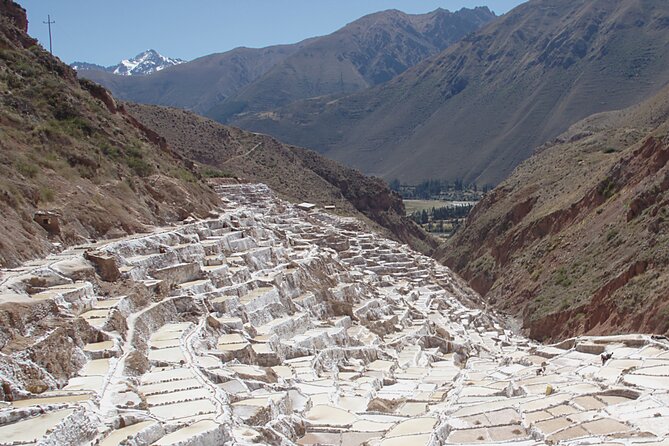
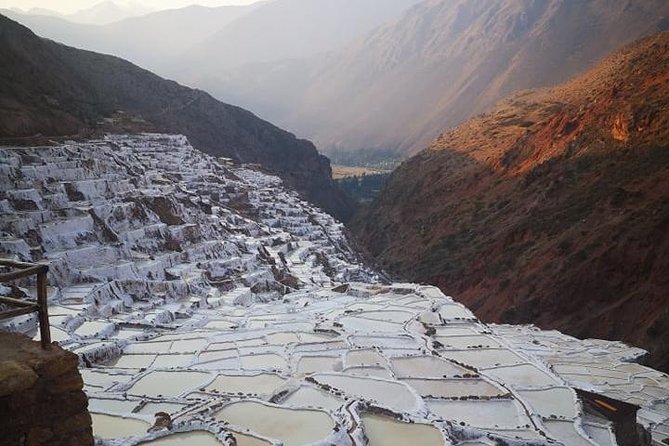
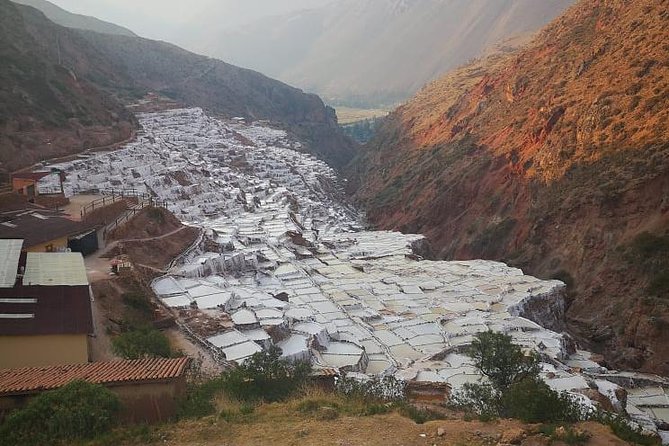
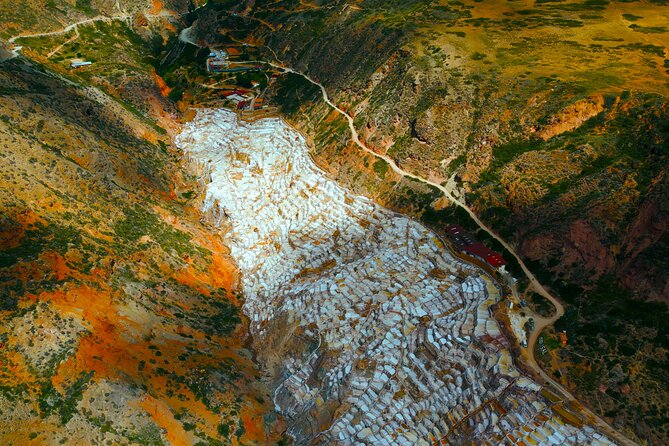
Then the tour shifts gears. Maras Salt Mines look almost unreal in photos, but what makes them memorable is that you’re watching a system that’s still producing salt. The salt pans form a patchwork of small basins down the mountainside. You get the sense of a landscape shaped by routine work—less about one-time spectacle and more about ongoing production.
What I find valuable is how the guide links Moray and Maras as related local ingenuity. Moray is about controlling growing conditions. Maras is about harvesting a resource from the earth and managing water flow. When your guide connects those ideas, you come away understanding how different kinds of “technology” lived side by side.
Your consideration: the Maras Salt Mine entrance fee is extra as well—PEN20.00 per person. Again, budget for it. And while the sites are the stars, comfort can be a factor on the ride between stops. One review called out sweltering heat on the bus due to poor airflow, with no windows open and no air conditioning. The travel time isn’t said to be long enough to ruin the day for most people, but it’s still worth planning for.
Chinchero textile stop: more than a quick shop visit
This half-day tour doesn’t only chase ruins. It includes a stop in Chinchero, centered on textiles. The plan includes a textile shop and a textile manufacturing visit, so you’re not just window-shopping at the end.
Even with limited time, I like that this stop gives you a chance to see how local craft gets done and why it matters. If textiles are your thing, Chinchero can be a refreshing reminder that Peru’s heritage isn’t stuck in stone—some of it is still being made by hand using traditional methods and designs passed through generations. You’ll also likely encounter small opportunities to buy items tied to the salt region (one review mentions a surprise shop selling Maras salt products and other related items). That can be fun if you’re into souvenirs that feel connected to the place you visited—not just generic trinkets.
Your consideration: be ready for the classic travel-business reality: at some point, you may be guided toward stores. That’s not automatically bad, but one review included a warning tone about buying. My practical advice: browse first, ask questions, and don’t feel rushed into purchases just because you’re being shown options.
What “included” really means in your day
This tour includes round trip transportation and a professional tour guide. That’s a big deal in Cusco, where logistics can eat time fast if you’re trying to coordinate yourself. For a half-day, having transport lined up helps you spend your energy on the sites instead of figuring out roads, timing, and what to do when you’re pressed by the clock.
The guide is also the value driver. The reviews consistently praise guide quality—some guides are described as engaging and funny, and others as helpful with things like understanding which tickets to get for your situation. When the guide is on point, Moray and Maras turn from photo stops into stories you can actually repeat later.
Your consideration: guide style isn’t the same for everyone. One review complained that the guide talked too much about things outside the itinerary, while another complaint said the guide sometimes didn’t talk enough. If you’re picky about narration, you may want to set your own expectations: guides are often managing a group, and if they’re explaining “culture context” it may not match every visitor’s preferences.
Timing and the 8:30 am start: why half-day tours can work
The tour starts at 8:30 am and runs about 6 hours on average. That’s long enough to feel like you went somewhere, but short enough that you’re not locked into a full day leaving Cusco.
Here’s how I think about timing on tours like this:
- Early mornings are helpful for sun and comfort at open-air sites.
- The transport day stays manageable because you’re not bouncing between dozens of stops.
- You can still have energy afterward for dinner plans or other Cusco-side activities.
If you’re heat sensitive (or you just hate being uncomfortable), consider that bus comfort can be inconsistent. One review described a sweltering bus experience, though other parts of the day weren’t reported as overly long. So I’d plan like you might need a few extra minutes of patience—especially around midday when you’re out in the sun.


Cost and value: adding the entrance fees before you decide
The headline price is $14.00 per person, and it’s often described as great value. Here’s the math you should do before you book:
- Via Moray entrance: PEN70.00 per person
- Maras Salt Mine entrance: PEN20.00 per person
The tour itself covers transportation and guiding. So your money goes into getting you from point A to B with context, not into buying entry to the archaeological and salt areas.
That’s why people call it a bang-for-your-buck option: you’re essentially paying for organization and interpretation, and then adding relatively small entry costs on top. If you’re willing to cover those fees, the overall day can be very cost-effective compared with tours that include everything at a higher all-in rate.
One thing to watch: the Chinchero stop includes textile-related shops, so there’s a chance you’ll be tempted to buy something. If you want to keep costs predictable, set a personal budget before you arrive.
Service, communication, and staying in control of your day
Most of the experience sounds smooth: easy pick-up location, confirmation at booking, and communication described as easy for some guests. One review even said the operator contacted them the day before to coordinate pick-up.
Still, there are a couple of caution flags in the mix:
- One person reported no pick-up on the day of the tour and wanted their money back.
- Another mentioned an end-of-day misunderstanding involving an unplanned stop to eat, before returning directly to Cusco.
That doesn’t mean the tour is unreliable. But it does mean you should do two sensible things:
- Confirm your pick-up details ahead of time and make sure the operator has your hotel address if they ask.
- Know what return plan you’re expecting so you can gently push back if someone proposes extra stops at the end.
If you prefer a tight itinerary, say it clearly early: you want the planned route and then direct return.
Who this tour fits best (and who should consider skipping)
I’d recommend this tour if you want a compact Cusco day that combines Inca agricultural design and active salt harvesting, with a cultural stop that adds variety.
You’ll likely enjoy it if:
- You like learning how people used their environment, not just seeing ruins.
- You want a half-day option that doesn’t swallow your whole schedule.
- You’re interested in textiles or enjoy a brief craft stop with real-world context.
You might rethink it if:
- You dislike any store stops and prefer pure outdoor sightseeing.
- You’re very sensitive to heat and worry about bus comfort.
- You want guaranteed silent narration—guides can be talkative, and group tours rarely stay fully quiet.
Should you book the Moray and Salinera de Maras half-day tour?
If your goal is value + variety in a single morning-to-afternoon window, this is a strong option. The main stars—Moray’s terraces and Maras’s working salt pans—are the kind of places that feel memorable even on a tight schedule. Add in the Chinchero textile stop, and you get a day that’s not only about stone.
Just budget for the extra entrance fees (PEN70 and PEN20), and go in knowing the bus and guide delivery can vary. If you prepare for that, you’ll likely get exactly what most people seem to want here: a well-packed half day that makes Cusco’s surrounding culture and practical engineering feel real.
FAQ
What time does the Moray and Salinera de Maras half-day tour start?
The start time is 8:30 am.
How long is the tour?
The duration is about 6 hours.
What’s included in the price?
The tour includes round trip transportation and a professional tour guide.
Are entrance tickets included?
No. Entrance tickets are extra charges: Via Moray PEN70.00 per person and Maras Salt Mine PEN20.00 per person.
Is lunch included?
Lunch is not mentioned as included, and at least one review notes there is no lunch, so bringing snacks can help.
What is the cancellation policy?
You can cancel for a full refund if you do it at least 24 hours before the experience’s start time. Free cancellation is available up to 24 hours in advance.