REVIEW · FARMS
Cusco: Alpaca and Llama Farm Tour w/ Transfer & Weaving Demo
Book on GetYourGuide →Operated by Andina Expeditions · Bookable on GetYourGuide
Alpacas plus Inca stories in under three hours. This Cusco farm tour is built for a quick reset: you get picked up from your hotel and head out to Manos de la Comunidad, where you meet alpacas and llamas up close while your guide connects the animals to ancient Inca life.
My favorite parts are the hands-on time with the camelids and the photo help, plus the weaving demo that explains how fibers turn into real textiles. One caution: the stop at the retail area at the end can feel pricey, and a few people said it made them feel a little watched while shopping.
In This Review
- Key things I’d mark on your Cusco plan
- Why This Cusco Alpaca and Llama Farm Tour Fits Most Schedules
- From Busy Cusco Streets to a Farm in About 20 Minutes
- Manos de la Comunidad: The Inca Camelid Story Comes First
- Up Close With Alpacas, Llamas, Vicuñas, and Huanacos
- The Weaving Demonstration: How Andean Wool Becomes Textiles
- The Bonus Animal Exhibit: Condors, Deer, and More
- Pricing and Value: What $34 Actually Buys You
- The Shop Stop: What to Expect Before You Buy Anything
- Who This Tour Suits Best in Cusco
- Should You Book This Cusco Alpaca and Llama Farm Tour?
- FAQ
- How long is the Cusco alpaca and llama farm tour?
- Does the tour include hotel pickup and drop-off?
- What animals will I see?
- Is there a weaving demonstration?
- What languages are available for the tour guide?
- Is the activity wheelchair accessible?
- Are souvenirs included in the price?
Key things I’d mark on your Cusco plan
- A short trip from central Cusco: the farm is about 20 minutes from the historic center, so it stays easy on your schedule.
- More than alpacas: you’ll see multiple alpaca and llama types, along with vicuñas and huanacos.
- Guides who answer and help with photos: English/Spanish tours with guides including Marlith, Holger, Olga, and Marileth.
- Textiles aren’t just a show: the weaving demonstration focuses on the skills behind Andean textile making.
- You might get a bonus animal exhibit: some tours include a small museum area with rescued condors and other animals.
- Souvenirs are optional: shopping isn’t included, and prices may feel high compared with Cusco.
Why This Cusco Alpaca and Llama Farm Tour Fits Most Schedules
This is one of those Cusco activities that works even if your energy is low, your altitude feels cranky, or you simply don’t want a full day of rushing around. The total time is about 150 minutes, and you’re not spending half that time arguing with traffic or trying to figure out logistics.
You’re also getting a real value mix for $34 per person: hotel pickup and drop-off, a live guide (English or Spanish), the farm visit, and a weaving demonstration—plus water. That’s a lot bundled into a short outing.
Best of all, it’s not just a cute-animal stop. The guide ties the camelids to ancient Inca domestication and to the broader role these animals played in Andean life. In other words, you leave with something you can actually explain to friends.
You can also read our reviews of more tours and experiences in Cusco
From Busy Cusco Streets to a Farm in About 20 Minutes
The experience starts with pickup from your hotel in Cusco. Then you head out to the farm, located only around 20 minutes from the historic center—close enough that you’re still in Cusco mode, but far enough to switch gears fast.
You’ll drive up and out (one review mentioned winding roads and big views), and that shift matters. Cusco can feel like nonstop motion, and this tour gives you a calmer pace without demanding extra stamina. That is a big deal if you’re arriving fresh and still adjusting to altitude.
Also, the on-site part is guided for about 80 minutes. So you get a structured farm visit, not a free-for-all. Still, keep expectations flexible: at least one person felt the tour ran a bit fast and didn’t match the time listed as closely as they hoped. If you’re the type who likes to linger, you may want to book with a mindset of short and sweet.
Manos de la Comunidad: The Inca Camelid Story Comes First
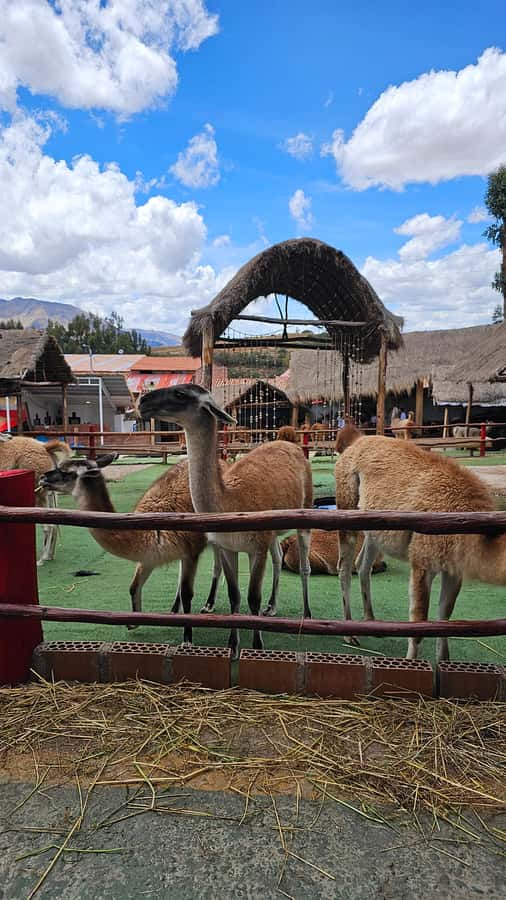
Once you arrive, the tour begins with your guide at Manos de la Comunidad. This is where the experience becomes more than cuddles. You’ll learn about ancient South American camelids, how domestication worked, and which species the Inca developed for everyday life.
What I like about this approach is that it answers a question you probably have while looking at the animals: why are there so many types, and why does Cusco care so much about them? Instead of treating alpacas and llamas as a single category, the guide explains how different camelids relate to each other and to Andean culture.
In several reviews, guides stood out for answering questions and helping with photos. People specifically named guides like Marlith, Holger, Olga, Marileth, and Marley. So if you’re picky about explanations, you’ll likely find the guide makes time for conversation.
Up Close With Alpacas, Llamas, Vicuñas, and Huanacos
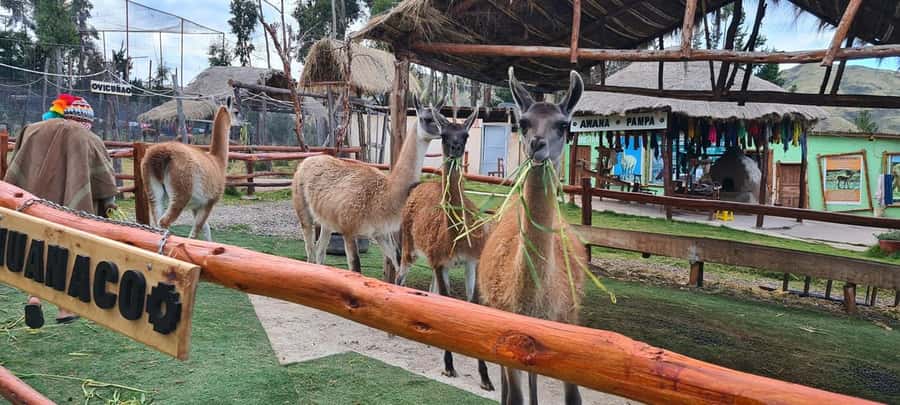
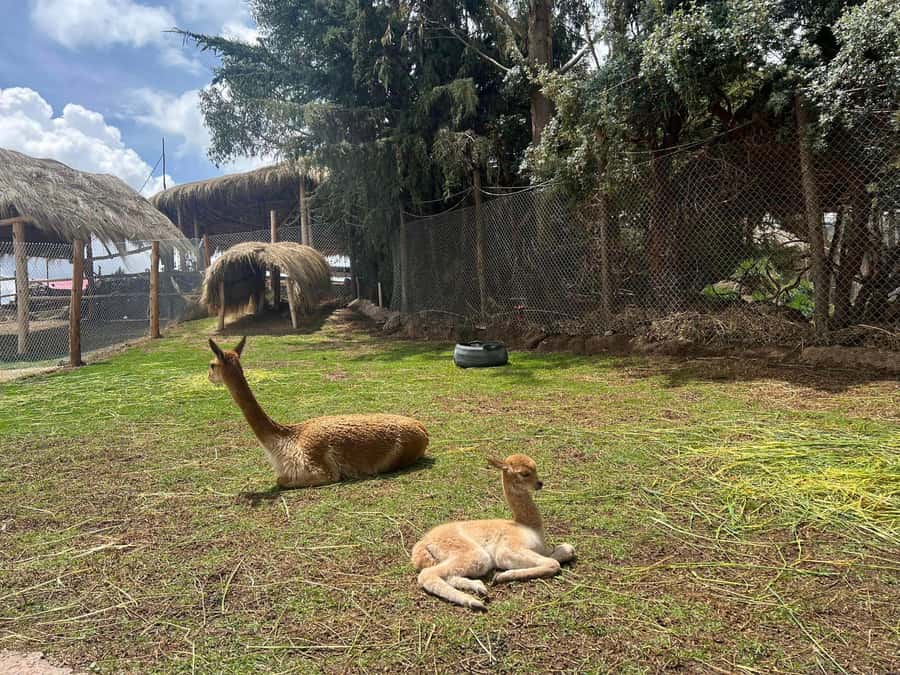
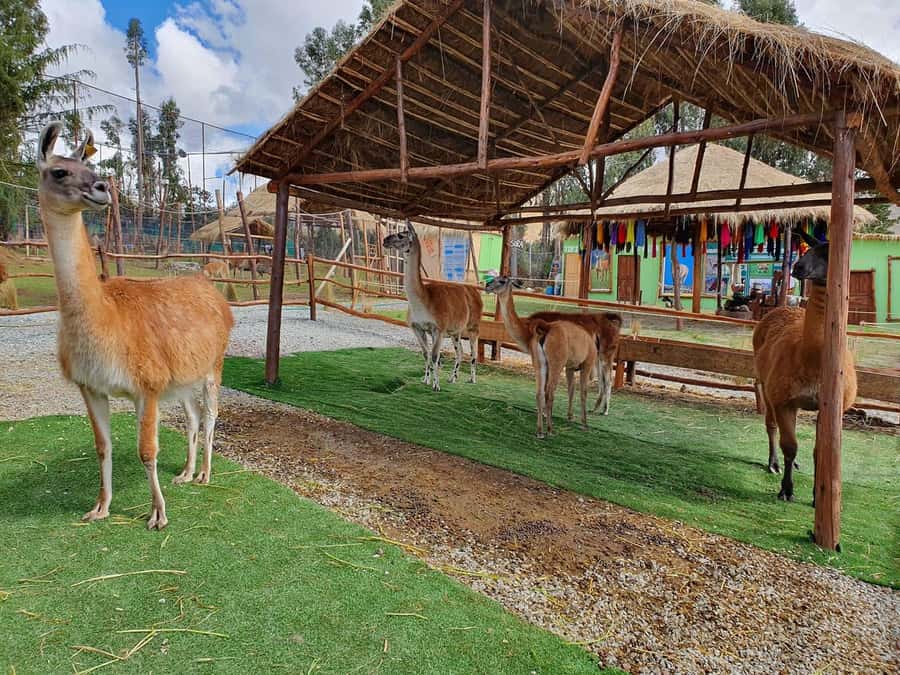
This tour shines because it lets you see a full set of Andean camelids in one place. You’ll start with two varieties of alpacas and llamas, then you move deeper into the bigger family tree—looking at their ancestors and relatives, including huanacos and vicuñas.
Vicuñas are worth the attention on their own. They’re known as the gold of the Andes, and the tour frames them as part of a larger story about wool, fiber value, and why these animals matter economically and culturally.
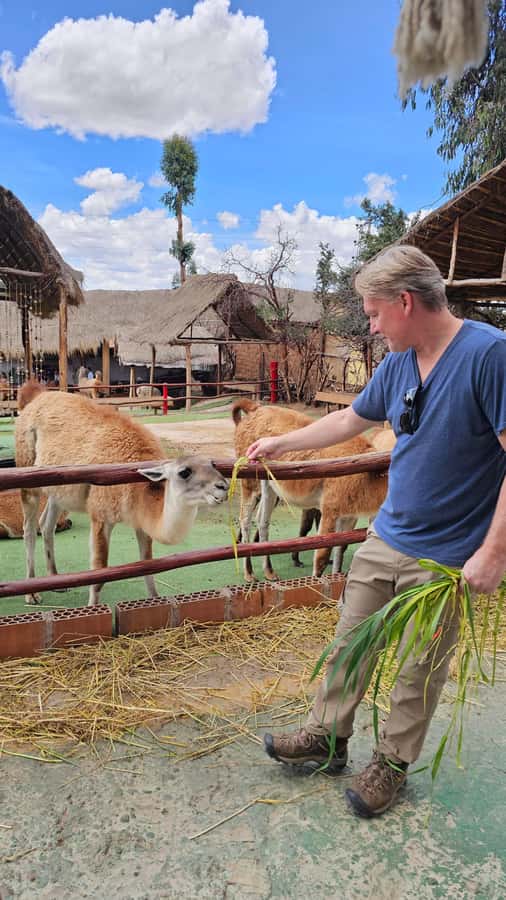
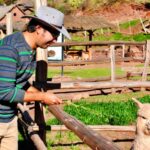
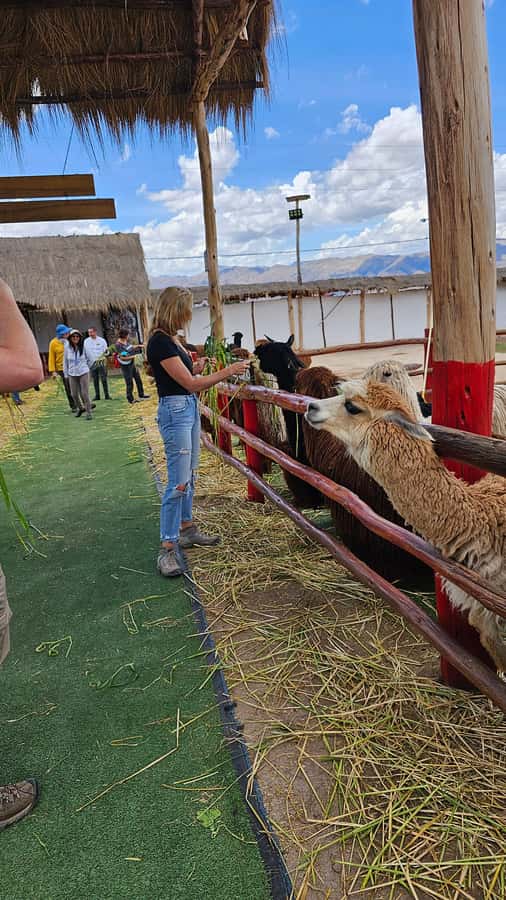
The handling side is a big reason people book: multiple reviews mention opportunities to feed and pet the animals, and several say the guide helped them take photos. If you want close interaction, you’ll probably get it, but I’d treat it as a guided moment rather than a guarantee of unlimited contact. Your best move is simple: watch how the guide manages safety and how close you’re invited to get.
Another thing to notice is how calm the visit feels compared to a city day. One review highlighted that the animals look happy and healthy because they’re rescues, which adds an extra layer of meaning if you care about welfare, not just photos.
The Weaving Demonstration: How Andean Wool Becomes Textiles
The weaving demonstration is not a random add-on. It’s the bridge between watching animals and understanding what humans do with their fiber.
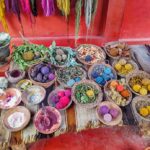
During this part, the tour focuses on how native people weave and the skills used to produce textiles. Even if you don’t plan to buy anything, this is where you start recognizing why Peru is famous for textiles. You begin to see the craft as a chain of skills: fiber quality, preparation, dyeing and color work (a few reviews mention dyeing), and then the weaving itself.
One reviewer also described a helpful angle: guidance on identifying real baby alpaca fabric versus fakes. That’s the kind of practical detail that can save you money later, especially if you’re shopping in Cusco after the tour.
If you love handiwork, this is the moment that turns a farm visit into something educational. If you’re mostly here for animals, the weaving demo still gives you context for why anyone would do all of this by hand.
You can also read our reviews of more tours and experiences in Cusco


The Bonus Animal Exhibit: Condors, Deer, and More
Some farm visits include a bonus stop on the property—something like a small museum area. Several reviews mention rescued condors as a highlight, plus other animals such as deer and guinea pigs.
This is one of those surprises that makes the tour feel more complete. You came for alpacas and llamas, and you end up with extra wildlife you didn’t plan around. It also reinforces the conservation angle people picked up from the visit.
Because this isn’t described as a guaranteed part of every tour, I’d think of it as a pleasant bonus. If you’re the type who likes farms that mix animals with meaning, that added context is a win.
Pricing and Value: What $34 Actually Buys You
Let’s talk value, because $34 in Cusco can mean very different things depending on what’s included.
In this case, the price covers a lot of the expensive-to-do-easily stuff:
- hotel pickup and drop-off
- a live guide
- the farm visit
- the weaving demonstration
- water
That matters. Getting from Cusco to a farm, paying for a guide, and managing timing on your own can add up fast—especially if you’re not confident with local transport. Here, the schedule is handled, and you get a structured visit rather than a vague time-on-your-own.
Also, because the outing is about 150 minutes total, it’s a good fit for people who want to do something meaningful without committing to a long day. A few reviewers specifically mentioned doing it as an acclimation-friendly activity, including using it as a first or second evening plan to get used to the altitude.
Could you do more for the same money? Maybe, depending on your interests. But as an animal-and-craft combo with transportation included, it’s easy to see why the rating is so high.
The Shop Stop: What to Expect Before You Buy Anything
At the end, there’s a retail area where you can purchase textiles and alpaca products. Souvenirs aren’t included, so this is optional. But it is part of the flow, and you’ll want a plan for it.
Here’s the balanced take: some people said the shop felt educational, which makes sense if you want to learn what you’re looking at. Others flagged the downside. One person compared pricing and noted a major markup for yarn sold in the shop versus Cusco prices (they cited an example of 15 soles versus 60 soles). Another review said the shopping area felt overpriced, with some feeling stalked while browsing, though there was also mention that there was no pressure to buy.
So here’s how I’d handle it if you go: set a budget before you enter, and decide what you’re actually buying. If you’re just browsing, treat it like a museum gift shop. Enjoy the learning, then leave with only what you truly want.
Who This Tour Suits Best in Cusco
This is a strong match if you’re:
- an animal lover who wants real face time with Andean camelids
- someone interested in Peru’s textile culture, not just photos
- a first-time Cusco visitor who wants a day that’s easy to manage
- anyone trying to acclimate and prefers low-stress plans
Reviews also suggest this tour works well when you still don’t have full legs for big hikes. If you’re in that in-between stage—excited to explore but not ready for strenuous days—this farm visit is a practical pick.
Who might be less happy? If you’re expecting a long, unhurried farm wander, you could feel it’s tighter than you hoped. One review said the tour felt a bit rushed and shorter than the time listed. You can still have a great experience, but your expectations should match a short guided format.
Should You Book This Cusco Alpaca and Llama Farm Tour?
Book it if you want a short, organized outing that mixes animals, Inca context, and a hands-on look at weaving. The price includes transportation and a guided visit, and that makes it a smart “do something real” choice when you’re managing altitude and time.
Skip it or look for another option if:
- you hate any shopping stop and can’t stand retail pressure at the end
- you want a long self-paced tour rather than a guided 80-minute farm experience
- you’d be disappointed if the visit feels fast-paced
If you fit the first group, this tour is a solid value: alpacas and llamas up close, vicuñas and huanacos in the story, and a weaving demo that explains why the fiber matters.
FAQ
How long is the Cusco alpaca and llama farm tour?
The experience runs for about 150 minutes total.
Does the tour include hotel pickup and drop-off?
Yes. It includes hotel pickup and drop-off.
What animals will I see?
You’ll see alpacas and llamas at the farm, plus huanacos and vicuñas.
Is there a weaving demonstration?
Yes. The tour includes a weaving demonstration.
What languages are available for the tour guide?
The live tour guide is available in English and Spanish.
Is the activity wheelchair accessible?
Yes, the tour is listed as wheelchair accessible.
Are souvenirs included in the price?
No. Souvenirs are not included. There is shopping available at the end of the tour.