REVIEW · HISTORICAL TOURS
Cusco: Historical Guided City Tour with 4 Inca Ruins
Book on GetYourGuide →Operated by MACHUPICCHU TC · Bookable on GetYourGuide
Four Inca sites in one half day.
This is one of the smartest ways to get oriented in Cusco fast: you see Qoricancha (Temple of the Sun) and then you’re transported through the big-name Inca sites—Sacsayhuamán, Qenqo, Puka Pukara, and Tambomachay—with an accredited guide and time for photos. It’s built for people who want history explained clearly, without losing half the day to guessing routes in high-altitude streets.
I especially like two things. First, I love the pacing and logistics: you get hotel pickup on many departures and tourist transportation between sites, so you’re not burning energy you might want later. Second, I love the guide work—people in the reviews named guides like Luis and Alfredo, and you can feel the difference when the explanations connect the stones to how the Inca lived and believed.
One consideration: the headline price is $23, but key entrance fees and the Cusco Tourist Card are on top (tickets for the Cathedral, Qoricancha, and the archaeological zones are listed separately). If you’re budgeting tightly, plan for that before you go.
In This Review
- Key highlights you’ll actually feel
- Cusco, half-day style: why this tour works
- Qoricancha (Temple of the Sun): starting inside Cusco
- Sacsayhuamán: the puma-head fortress and its heavy stones
- Qenqo + the eucalyptus forest: ceremony and a quick photo stretch
- Puka Pukara (Red Fortress): control points and Andean views
- Tambomachay (Temple of Water): fountains and mystery
- What happens with the Cathedral of Cusco and the afternoon option
- Timing, transport, and how to manage altitude
- Price ($23) and the real budget for entries
- Guides and the small details that make the difference
- Should you book this tour?
- FAQ
- How long is the Cusco Historical Guided City Tour with 4 Inca Ruins?
- What sites are included in the tour?
- Does the tour include hotel pickup?
- Are entrance tickets included?
- Do I need the Cusco Tourist Card?
- What languages are the tours offered in?
- Where does the tour end?
- What should I bring with me?
- Is the Cusco Cathedral visit guaranteed?
Key highlights you’ll actually feel
- Qoricancha first: the tour starts at the most important Inca religious site before moving outward to the major ruins
- Sacsayhuamán’s massive stones: the “puma head” complex is famous for block sizes that sound unreal until you see them
- Qenqo + eucalyptus forest: ceremonial mummification site with a quick photo break in a scenic setting
- Puka Pukara red fortress views: the rock color and elevated perspective make this stop memorable
- Tambomachay water fountains: the Temple of Water angle gives you a different kind of Inca engineering
- English/Spanish guides: from the reviews, the bilingual delivery is a big part of the value
Cusco, half-day style: why this tour works
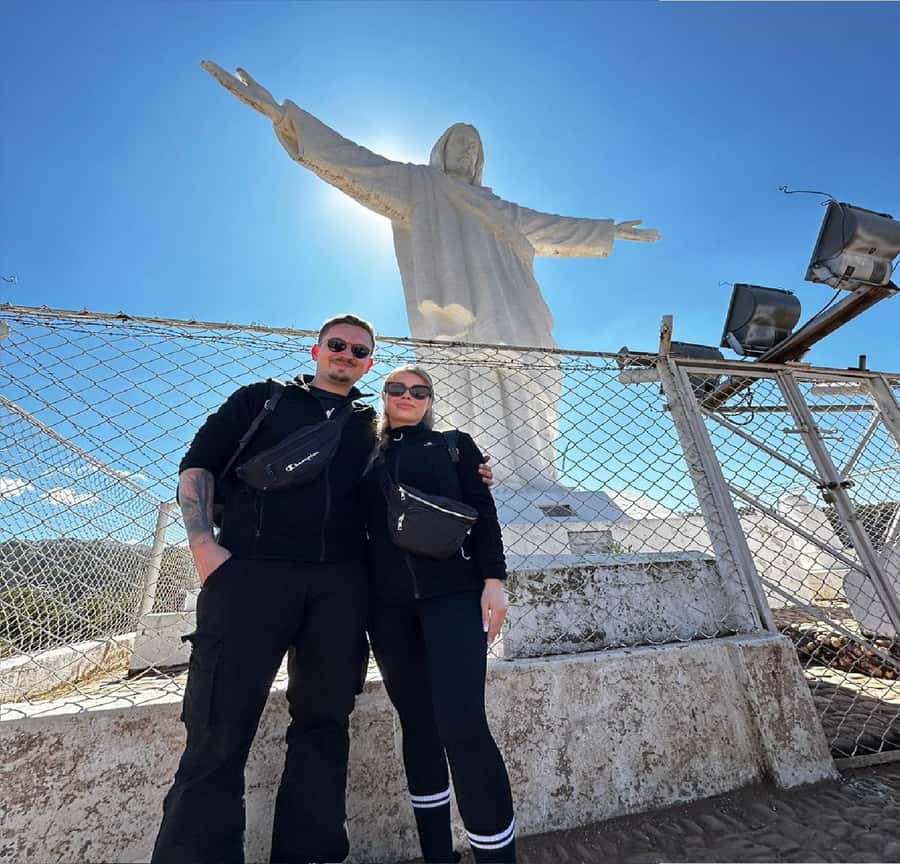
Cusco can feel like information overload: colonial churches, Inca walls, steep streets, and altitude that makes everything slower. This tour cuts through that by focusing on the Inca core—so you get context without needing a car or a full day’s wandering.
The format also respects your time. You’re looking at about 6 hours, with morning departures that wrap around ~2:30 pm and an afternoon option that runs until 6:00–6:30 pm. That matters if you’re planning around Machu Picchu days or just want to leave your afternoon open for acclimation and lunch.
You can also read our reviews of more guided tours in Cusco
Qoricancha (Temple of the Sun): starting inside Cusco
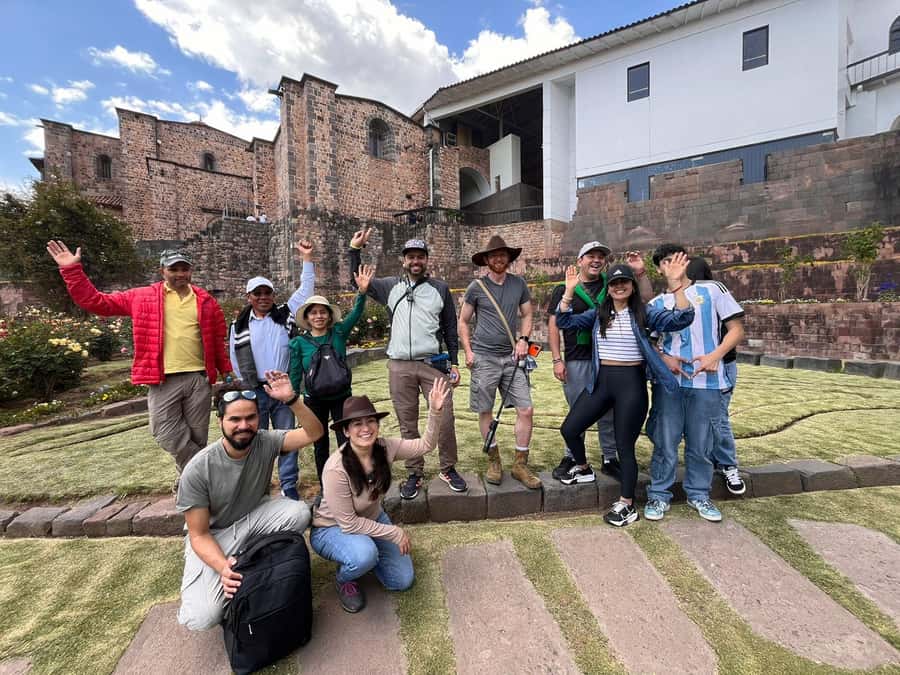
Many itineraries kick off at 8:55 am at Qoricancha (also called the Temple of the Sun). The idea is simple: start with the Inca’s top religious site, then see how the rest of the complexes connect to ceremonial life and political power.
You’ll enter and get a guided visit of about 1 hour. This is a useful start point because it gives you language for what you’re seeing later. When you know this place was the most important Inca religious construction, the rest of the “why” clicks faster—especially when the guide brings up Sun worship and ritual spaces.
Budget note: Qoricancha’s entrance ticket is not included (listed as 15 soles). The tour includes the guided visit, but you still need to pay to get in.
Sacsayhuamán: the puma-head fortress and its heavy stones
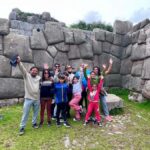
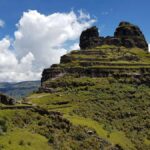
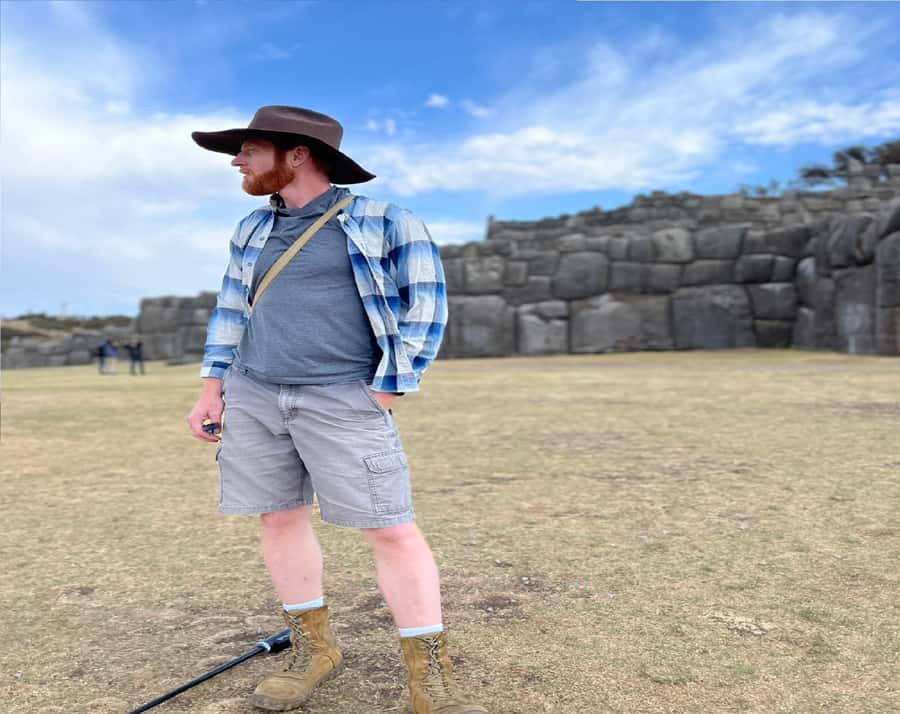
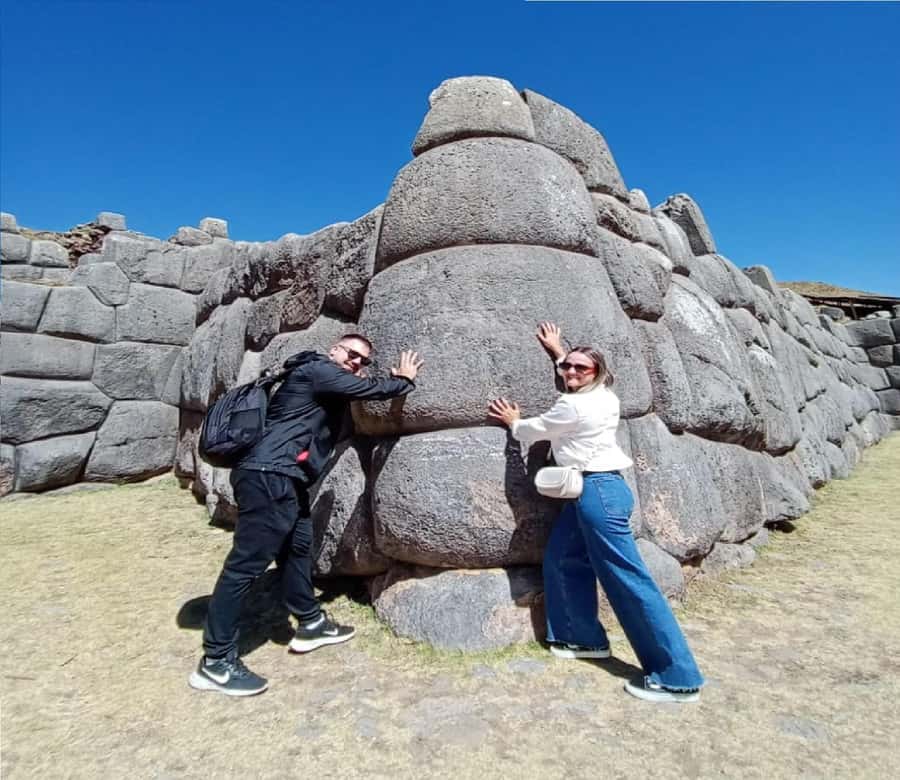
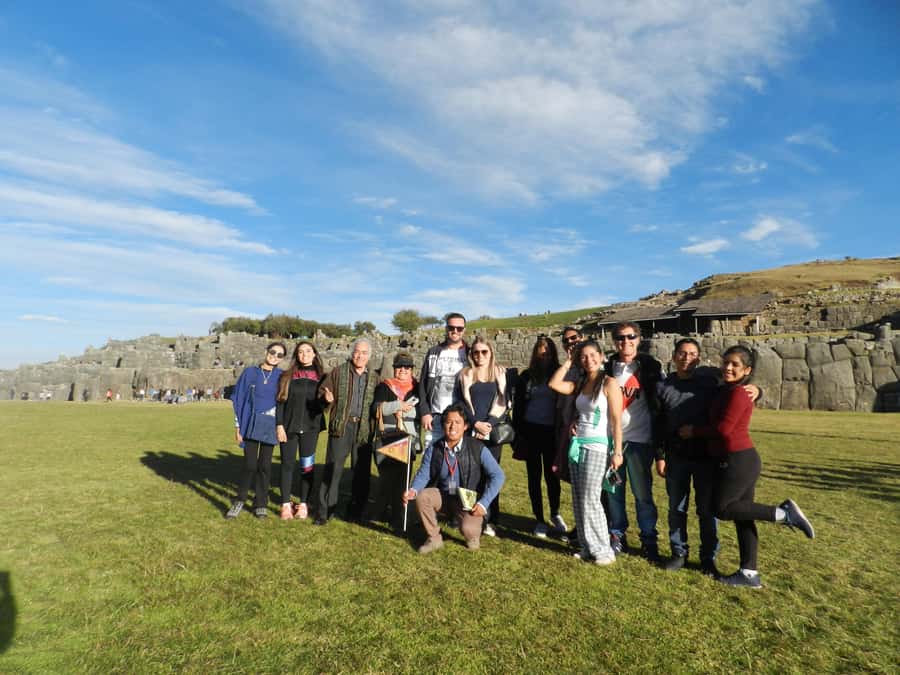
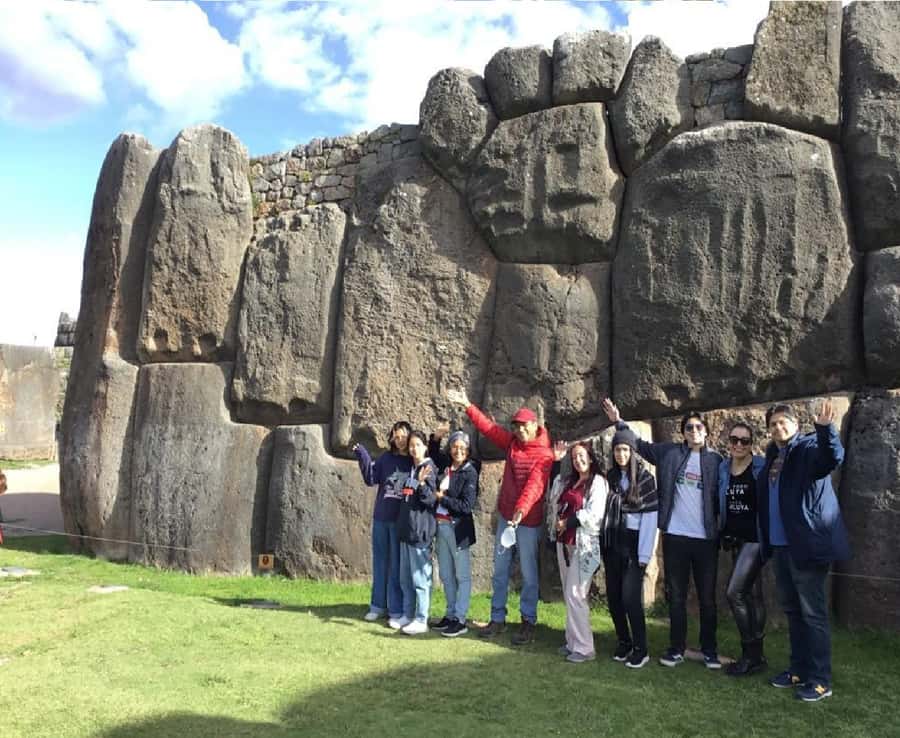
After Qoricancha, the tour rides out to Saksaywaman / Sacsayhuamán. This is described as the largest archaeological site in Cusco and is known for gigantic stone blocks—some weighing more than 100 tons.
The guided sightseeing here runs about 1.5 hours. What makes Sacsayhuamán special isn’t only its size; it’s the feeling that this was built for strength and control. The tour frames it as an Inca military fortress, so the stones and walls don’t feel random. They feel like a system.
A practical tip: wear comfortable shoes. This stop rewards you for moving a bit to see different angles of the construction, and you’ll want stable footing more than fancy sandals.
Qenqo + the eucalyptus forest: ceremony and a quick photo stretch
Next up is Q’enqo / Q’enco, an Inca ceremonial center tied to sacrifices to the Sun God. The tour also notes Qenqo as the ancient mummification site, so you’re getting both religious and ritual context in one place.
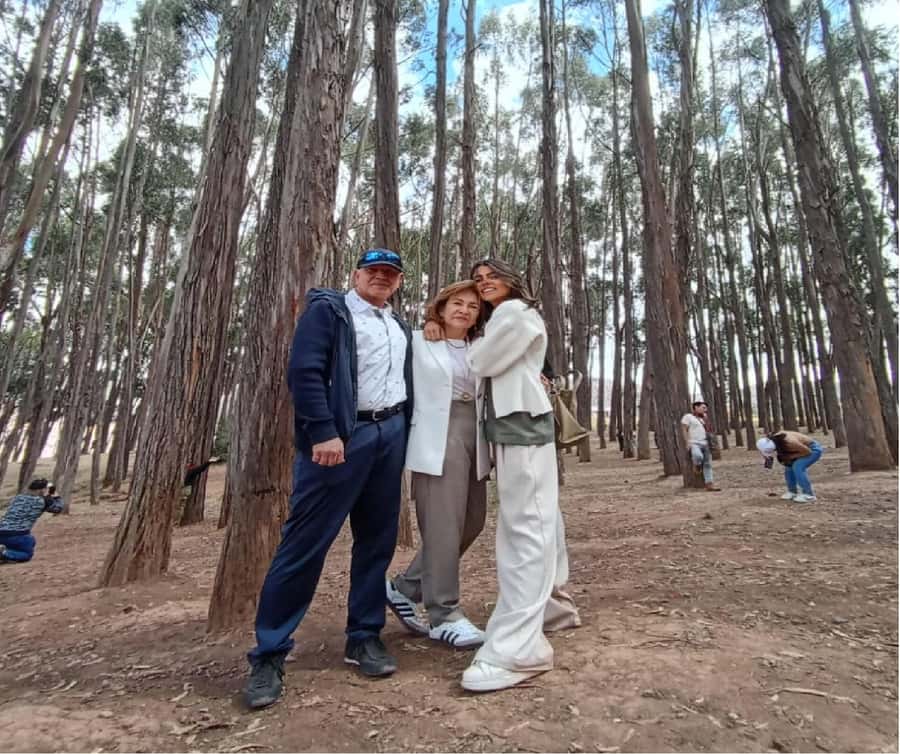
You’ll get about 1.5 hours here, plus time in the Qenqo eucalyptus forest area for photos. That photo break is more than a “nice view stop.” It helps you reset, especially at altitude, and it gives you a moment to look at how the site sits with the greenery and slopes around it.
One more reason I like this pairing: Qenqo isn’t a single “wall and done” stop. The guide time plus the quick walk around photo zones helps you understand the site’s purpose rather than only collecting pictures.
Puka Pukara (Red Fortress): control points and Andean views
Then you reach Puka Pukara, popularly called the Red Fortress because of the pigmentation of the rocks used to build it. It’s also described as an Inca surveillance center, built on higher ground to control access to the Inca city.
This is one of the stops where you start appreciating the Inca’s planning. You can see why being up high mattered: it wasn’t just dramatic architecture—it was about sightlines, movement, and control of routes entering Cusco.
You’ll spend about 1.5 hours at Puka Pukara as part of the general circuit. The tour also notes you’ll enjoy a spectacular view of the Andes from here, which is exactly the kind of payoff that turns a “ruins photo” into a “ruins I understand” moment.
You can also read our reviews of more city tours in Cusco
Tambomachay (Temple of Water): fountains and mystery
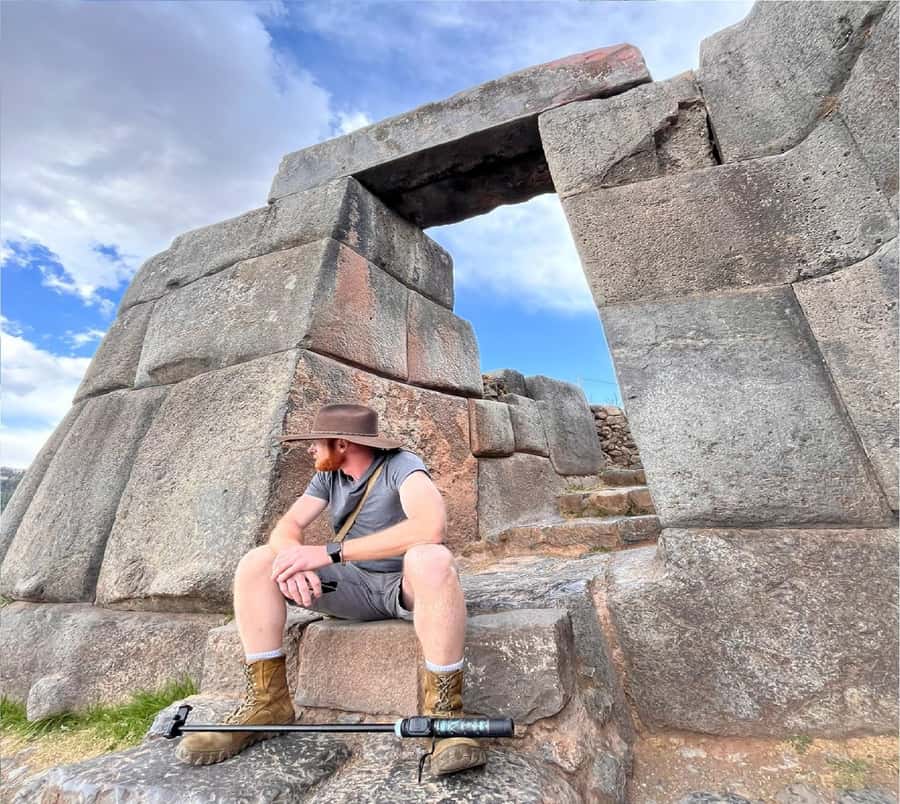
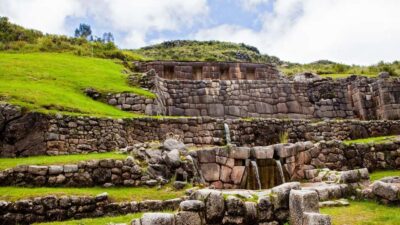
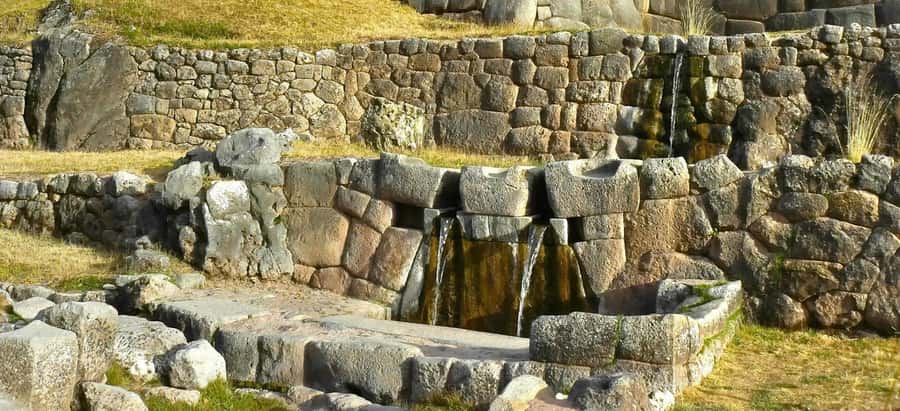
Your last Inca stop is Tambomachay, known as the Temple of Water. The big feature here is the set of water fountains distributed around the area, which makes this feel different from the more purely ceremonial or defensive stops.
The tour presents Tambomachay as a mysterious Inca place, and that tone is useful. It’s a reminder that not everything has a perfectly labeled explanation, and part of the fun is seeing how Inca engineering and ritual could overlap.
Like the other major sites, Tambomachay is visited with guidance and planned time (about 1.5 hours). By the end, you’ve covered four major functions: religious focus (Qoricancha), defense (Sacsayhuamán), ceremony (Qenqo), surveillance (Puka Pukara), and water/ritual engineering (Tambomachay).
What happens with the Cathedral of Cusco and the afternoon option
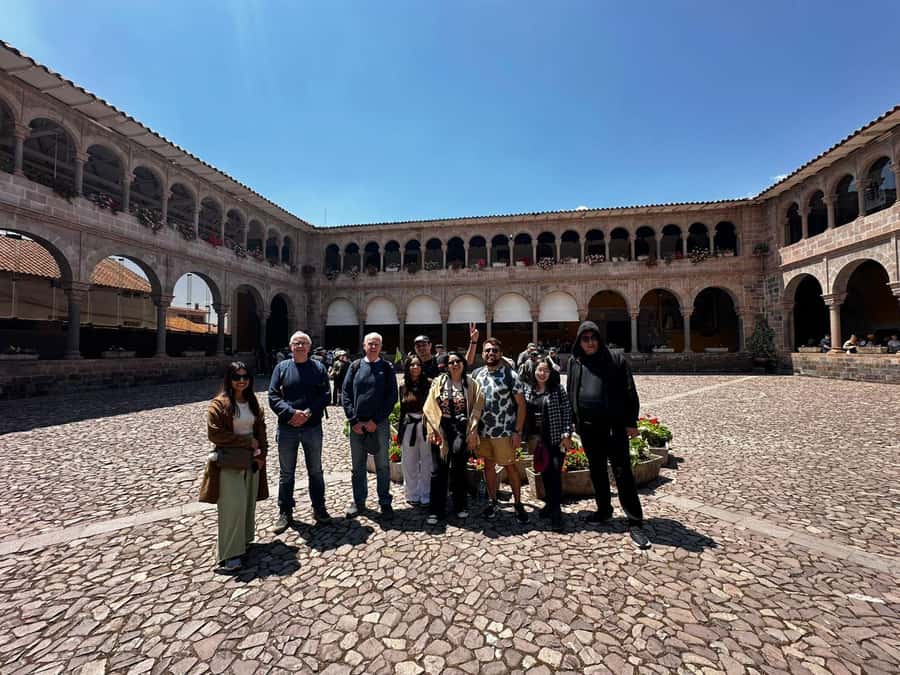
Depending on which departure you choose, you may also add the Cusco Cathedral. The tour data says cathedral visits are part of option 2 and option 3, and the cathedral entrance ticket (50 soles) is not included.
Also, cathedral access may depend on availability, so you can’t treat it as a guaranteed “I will see it” item unless your schedule confirms it. If seeing the cathedral matters to you, plan your day with a little flexibility.
There’s also an afternoon-style version that starts at the cathedral area (with a stated meeting at the entrance door of the cathedral around 11:50 am to 12:00 pm) and runs later, ending between 6:00 pm and 6:30 pm.
Timing, transport, and how to manage altitude
The tour is designed around the idea that you’ll do a lot in one day. With tourist transportation between stops, you spend less time figuring out routes and more time listening and looking.
Typical flow (morning options):
- Start at Qoricancha (one option begins 8:55 am)
- Ride to Sacsayhuamán, then Qenqo, then Puka Pukara, then Tambomachay
- End around ~2:30 pm, with drop-off near Plaza de Armas (including Calle Plateros)
Typical flow (afternoon option):
- Start around the cathedral area
- Do the same core sites
- End 6:00–6:30 pm
- Bilingual option notes: drop-off near the main square
Here’s the altitude reality check: even with transport, you’ll still be outside and moving at each complex. That’s why the “bring comfortable shoes” part isn’t small. It’s the difference between enjoying the stops and rushing through them just to catch your breath.
Price ($23) and the real budget for entries
The headline price is $23 per person, duration 6 hours. For Cusco, that’s a value-focused way to get:
- a guided visit at multiple major Inca sites
- transportation between them
- a guide available in English and Spanish
But you should treat entrances as a separate line item because they’re clearly listed as not included:
- Cusco Tourist Card is required for access to Inca sites, and it’s available only in person with passport required
- Qoricancha ticket: 15 soles (not included)
- Archaeological zones ticket: 70 soles (you can buy it at Saqsayhuaman)
- Cusco Cathedral ticket: 50 soles (not included, and availability matters)
This matters because the true cost depends on which parts you’re visiting. If you’re doing the full morning Inca circuit only, your budget will center on the Tourist Card plus the archaeological zone access. If you also want the cathedral, add that 50 soles and keep your fingers crossed for access.
Guides and the small details that make the difference
One of the most praised parts from the reviews is the guide quality. Names mentioned include Luis, Alfredo, Hyame, and Romulo, and the consistent theme is that guides explain the ruins with detail and strong English (often with Spanish too).
That’s not just “nice commentary.” It changes how you experience the stones. When the guide frames Qenqo as a ceremonial center for Sun sacrifices and also mentions the mummification connection, you stop seeing random rock features and start seeing a system of beliefs and ritual spaces.
If you want to get extra value, ask practical questions in plain terms during each stop. For example:
- What was the main purpose of this complex?
- How does this place connect to life in Cusco?
- Where would people move through it, and why?
You’ll get more out of the short time if you treat the guide like a translator for meaning, not just a driver for sight spots.
Should you book this tour?
Yes, if you want a guided hit of Cusco’s major Inca sites without spending your day navigating transport. I’d book it if you’re trying to fit Cusco into a tight schedule, especially when you have limited time before other plans.
Skip it or reconsider if:
- you have trouble walking outside for extended periods (there’s no mention of step-free access)
- you’re older than 95 (the tour is listed as not suitable for people over 95)
- you don’t want to manage extra costs for the Cusco Tourist Card and site tickets
If you do book: plan your budget for entries, bring cash, wear comfortable shoes, and pack sunscreen + water + rain gear. Then do what this tour is built for—listen closely early (Qoricancha), take your time at the big stops (Sacsayhuamán, Qenqo), and save your questions for the moments when you’re standing right in front of the stones.
FAQ
How long is the Cusco Historical Guided City Tour with 4 Inca Ruins?
The tour duration is 6 hours.
What sites are included in the tour?
The tour includes Qoricancha (Temple of the Sun) and the Inca ruins Sacsayhuamán, Q’enqo, Puka Pukara, and Tambomachay. In some options, it also includes a visit to the Cusco Cathedral.
Does the tour include hotel pickup?
Yes. There is a hotel pick up option 1 and option 2, where pickup is available from hotels close to the main square. You wait in the lobby of your hotel.
Are entrance tickets included?
No. The Cusco Cathedral ticket (50 soles), Qoricancha ticket (15 soles), and archaeological zones ticket (70 soles) are not included.
Do I need the Cusco Tourist Card?
Yes. Access to Inca sites requires the purchase of the Cusco Tourist Card, available only in person and requiring you to show your passport.
What languages are the tours offered in?
The live guide offers English and Spanish.
Where does the tour end?
Morning tours finish at about 2:30 pm near Plaza de Armas (including Calle Plateros). The afternoon option ends between 6:00 pm and 6:30 pm.
What should I bring with me?
Bring passport or ID card, comfortable shoes, camera, sunscreen, water, rain gear, and cash.
Is the Cusco Cathedral visit guaranteed?
It’s included in option 2 and option 3, but you must ask for availability, and the 50 soles entrance ticket is not included.