REVIEW · SACSAYHUAMAN & INCA RUINS
Cusco 4-Hour Private Tour Including Sacsayhuaman and Qenqo
Book on Viator →Operated by Rainbow Mountain Cusco Agency · Bookable on Viator
Saqsayhuaman and the cathedral in four hours. What makes this tour click is the tight half-day route: you move by private vehicle and you get a guided storyline that connects Inca engineering with Spanish-era Cusco.
I especially loved how the guide ties sites together into one clear narrative, not just a stop-by-stop recitation. I also liked the pacing for real life in Cusco: pickup, short walks, and plenty of moving time so you’re not exhausted before you even start exploring. Guides such as Alfredo and Patricia (among others) are known for explaining what you’re looking at in plain terms, which makes photos and context both better.
One drawback to plan for: entrance fees for major stops aren’t included, so you’ll want cash or a card ready for Sacsayhuaman, Qorikancha, and Cusco Cathedral.
In This Review
- Key highlights you will feel fast
- A well-paced Cusco story in 4 hours
- Saqsayhuaman: cyclopean walls and a northern fortress mood
- Plaza de Armas: the colonial face, built on older roots
- Cusco Cathedral: what the square turns into
- Qorikancha: the temple that became a foundation
- Puka Pucara and Tambomachay: roads, checks, and water control
- Q’enqo: the labyrinth-shaped rock and the mystery canal
- Price and logistics: what $87 buys you, and what costs extra
- Who this half-day tour is best for
- The small details that make the day smoother
- Should you book this Cusco private tour?
- FAQ
- How long is the tour, and what is the price?
- Is this tour private, and does it include hotel pickup and drop-off?
- What language is the guide available in?
- Are entrance tickets included?
- What are the entrance fees for the listed ticketed sites?
- Is there an optional textile factory visit?
- Are snacks included?
- What should I bring or wear?
- Are there any age limits or service animal notes?
- What happens if the weather is bad or I need to cancel?
Key highlights you will feel fast
- Private group, private vehicle, hotel pickup and drop-off so you lose less time crossing town
- Saqsayhuaman + Qorikancha + Q’enqo gives you three of the most talked-about Inca-area sites nearby
- Plaza de Armas and Cusco Cathedral add the Spanish layer without turning this into a full city day
- A practical mix of driving and walking that keeps the half-day manageable
- Optional textile factory visit is available at no extra charge
A well-paced Cusco story in 4 hours
Cusco can feel like a swirl at first. This tour helps you get your bearings quickly by lining up Inca sites on the edge of town and then stepping into the city’s colonial center. It’s a smart format if you only have a short window, or if you want a guided primer before you go deeper on other trips like the Sacred Valley and beyond.
Because it’s private, you’re not stuck with the slowest pace. You can ask questions as you go, and the guide can adjust how long you spend at each viewpoint. In multiple guide styles reported for this experience, the common theme is clear explanations—Alfredo, Ruben, Patricia, Soledad, Victor, and others—so you don’t feel like you’re reading labels alone.
You can also read our reviews of more private tours in Cusco
Saqsayhuaman: cyclopean walls and a northern fortress mood
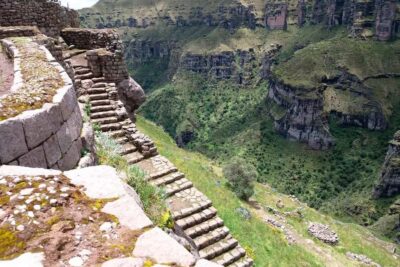
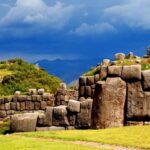
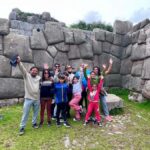
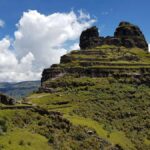
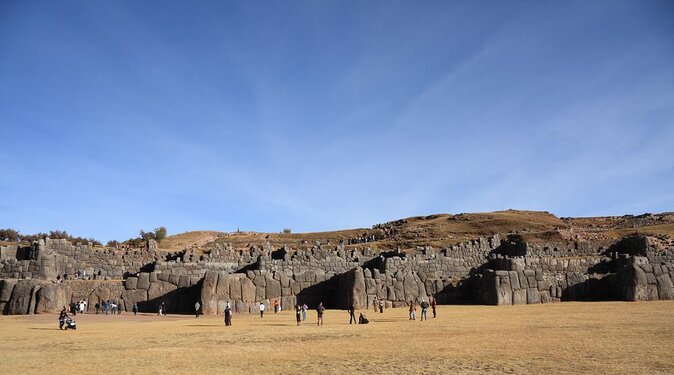
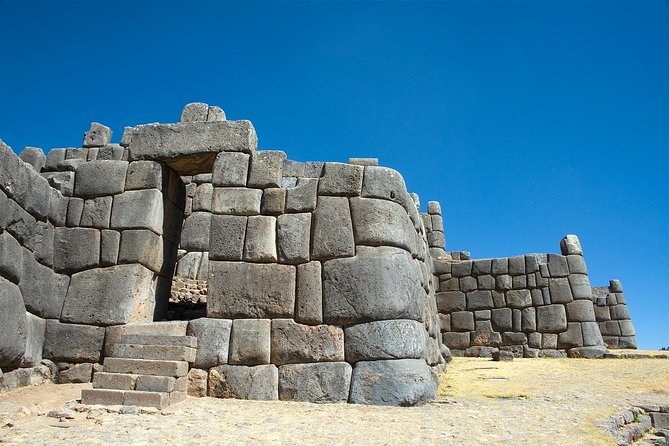
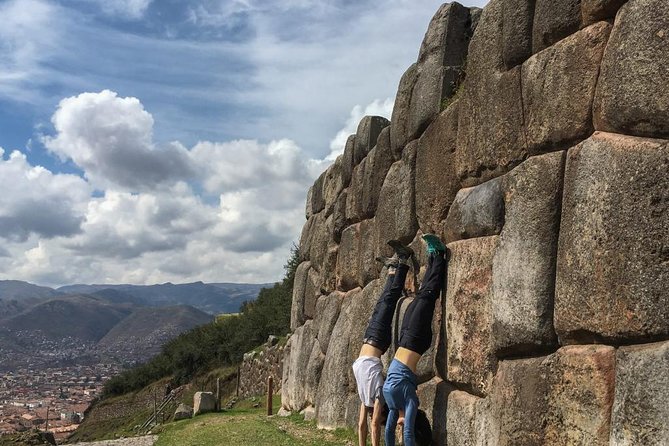
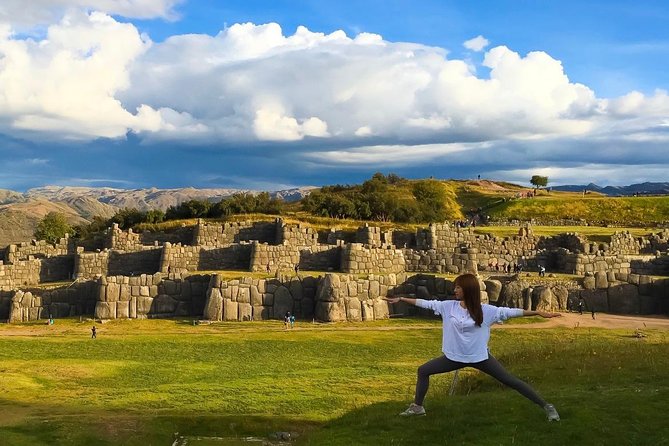
Your first major stop is Saqsayhuaman, a citadel on the northern outskirts of Cusco. Built in sections starting around 1100 CE by the Killke culture (after they occupied the area from about 900 CE), it’s one of those places where you instantly understand why the Incas were good at logistics and engineering.
What I like about starting here is the energy. The stonework sits above the city, so you get a sense of scale right away, and you’ll likely spend a full half-hour in the area because it’s not just one viewpoint—it’s walls, angles, and the way the ruins relate to the city below.
A practical note: admission is not included, and the listed fee is PEN 70 per person. If you’re budgeting tightly, you’ll want to account for this early, since it’s the biggest named entrance fee on the route.
Plaza de Armas: the colonial face, built on older roots
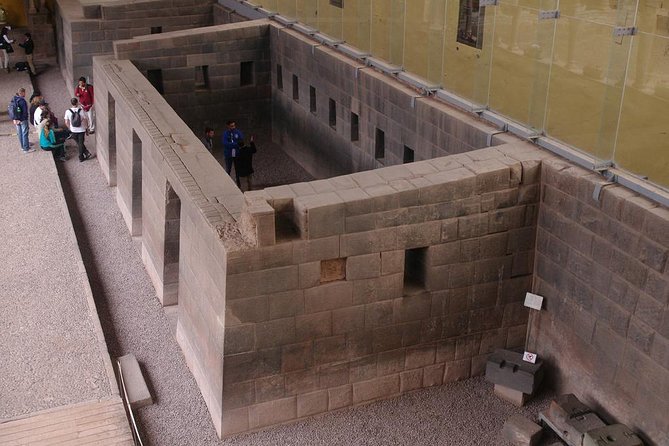
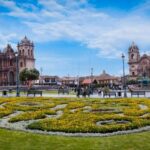
After the ruins, you step into Plaza de Armas, Cusco’s main square. You’ll love this if you enjoy architecture and street life, but even if you’re not a wanderer, it works as a useful reset. It’s where Spanish planning is visible in the buildings that frame the square, but the place itself existed before the Conquest as Cusco’s development began there.
This stop lasts about 10 minutes, which is short—but it’s the right length. You get the core orientation: what Cusco looks like at street level, and why the city’s center became such a powerful symbol. Admission for this stop is included, so you can focus on the scene instead of ticket math.
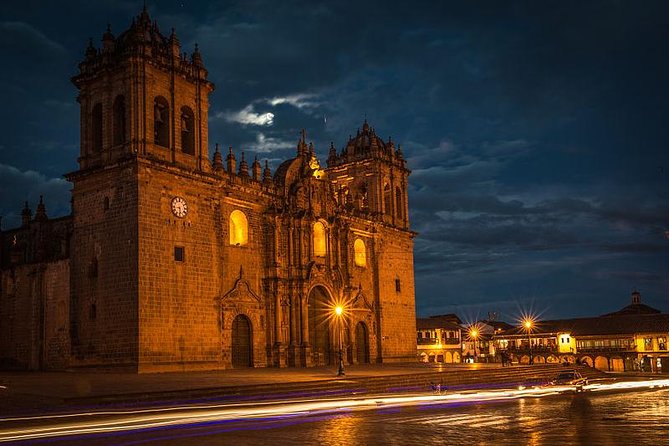
Cusco Cathedral: what the square turns into
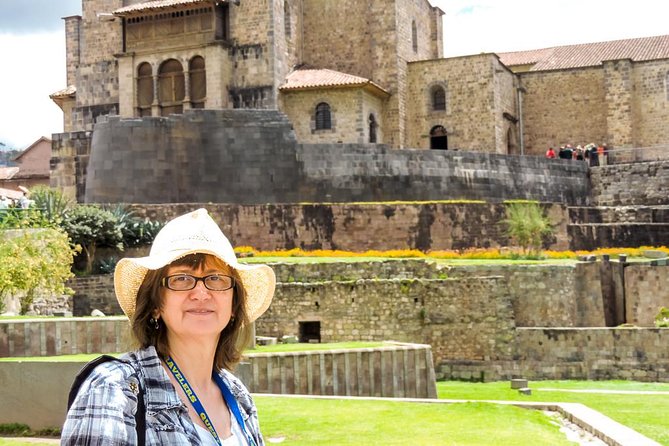
Since Cusco Cathedral sits right on Plaza de Armas, this tour folds the religious heart right into the same city center window. The building is the Cathedral Basilica of the Assumption of the Virgin, and it’s the mother church of the Roman Catholic Archdiocese of Cusco.
This is a quick visit (about 20 minutes), so it’s not meant to replace a slower cathedral day. Instead, it adds context: Spanish conquest didn’t just change governments—it changed sacred spaces and how people gathered. If you’ve been wanting to understand why Cusco feels like layers instead of one era, this stop nudges you in that direction.
Just know the admission fee is not included, and it’s listed at PEN 40 per person.
Qorikancha: the temple that became a foundation
Next comes Qorikancha, originally known as Intikancha or Intiwasi and dedicated to Inti. The big idea here is loss mixed with survival: much of the original temple was destroyed after conflict with Spanish conquistadors, and settlers also took apart stonework for new buildings.
What makes Qorikancha especially meaningful is what replaced it. Much of the Inca stone was reused as the foundation for the Santo Domingo Convent. Then came another turning point after the 1650 earthquake, which destroyed the first Dominican convent—leading to what you see later in the Dominican-era structures.
Your time is about 20 minutes. It’s long enough to understand why people care, but short enough that you’re not fighting daylight. Admission is not included, listed at PEN 15 per person.
Puka Pucara and Tambomachay: roads, checks, and water control
Two Inca sites near Cusco make this half-day tour feel more like a real route than just a highlight list.
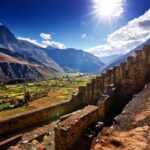
Puka Pukara (also spelled in a few ways) is about 6 km from Cusco. The name comes from Quechua: puca means red and pucara means fortress-watchtower. The site sat at a strategic point along the road toward the Antisuyo, the jungle part of the Inca empire. It also functioned as a checkpoint on the Inca road and served as a military and administrative center.
What you’re getting by stopping here is a less-famous angle: not just temples and ceremonies, but control of movement. It helps explain how the Inca empire kept communication, trade, and authority running across long distances.
Then there’s Tambomachay, often connected with the Incas and known by a Spanish name: El Baño del Inca. Instead of stone walls as the main feature, this place is about water. Expect terraces plus aqueducts, canals, and waterfalls carved through the rock. It’s a strong reminder that “architecture” in Inca Cusco often meant engineering for water, not only building walls.
These stops are shorter—about 15 minutes for Puka Pukara and 25 minutes for Tambomachay—but they add variety fast.
Q’enqo: the labyrinth-shaped rock and the mystery canal
If you want one stop that sparks questions, make it Q’enqo. The Quechua meaning is labyrinth or zig-zag, and the naming fits the rock formation. The key feature is a crooked canal cut out of the stone, and that canal is the star of the show.
We know it carried some kind of liquid, but researchers have had to guess what it was used for and even what the liquid actually represented. The hypotheses include holy water, chicha (corn beer), or blood. And if those guesses are right, then Q’enqo was used for death rituals—possibly for embalmment practices or for some form of life and fate testing based on the liquid’s course.
Your time here is about 15 minutes. It’s short, but it’s exactly the kind of place where a guide helps you look smarter. Even if you don’t land on one single theory, you’ll leave understanding why the site is still discussed instead of being reduced to a simple photo spot.
Price and logistics: what $87 buys you, and what costs extra
At $87 per person for a 4-hour private tour, you’re paying for three big things: a guide, a driver, and a plan that keeps travel time under control. This is not a “here’s a ticket and good luck” setup. You get hotel pickup and drop-off, transport by private vehicle, and snacks—plus the ability to move at your group’s comfort level.
Now for the part you must budget: entrance fees are not included for some key stops. The tour data lists the following:
- Sacsayhuaman: PEN 70 per person
- Cusco Cathedral: PEN 40 per person
- Qorikancha: PEN 15 per person
Plaza de Armas is listed as included, so you don’t pay there for entry.
When the guide also offers an optional textile factory visit, it’s listed as no additional charge. Depending on how your day is running, this can add a hands-on cultural layer—especially if you like understanding what you see in markets and local clothing.
Also worth noting: the tour is marked as requiring good weather. If conditions are rough, you should expect a date change or a full refund option rather than a weather-stressed scramble.
Who this half-day tour is best for
This is a good choice if you fall into any of these groups:
- You’re in Cusco for a short time and want the main Inca-area sites near town without doing them one by one on your own.
- You want a guided explanation that helps your future sites make sense. Many people use this as a prep day, especially if the next stops on their trip include other major Inca ruins.
- You prefer private pacing. Reviews tied to this experience often mention that the mix of vehicle time and short walks helps with comfort, including when altitude is still messing with your energy.
- You’d rather spend money on a structured day than spend your first hours figuring out timing, entrances, and routes.
It’s also family-friendly in the sense that the walking segments are not long and the schedule is compact. The tour data says it’s suitable for most travelers, and service animals are allowed. The minimum age listed is 2 years.
The small details that make the day smoother
Even on a short tour, the details matter. Here’s what helps you enjoy this day more:
- Bring a camera. Several photos will be worth it, especially with views and stonework at Saqsayhuaman and Q’enqo.
- Dress according to the season. Cusco weather can shift fast, and you’ll be outdoors at several sites.
- Plan to go with a calm mindset. At about 4 hours total, the goal is understanding and highlights, not parking yourself at one location for a long time.
- If you want more shopping or culture time, ask your guide how the optional textile stop can fit.
Should you book this Cusco private tour?
If your priority is a fast, guided introduction that links Inca engineering and Spanish-era Cusco in a single morning or afternoon, I think this booking makes sense. You get the convenience of pickup and a route that hits major nearby sites without stretching the day.
I’d pass or think twice only if you strongly hate budgeting for entrance fees, since multiple major stops require separate tickets. Also, if weather is forecast to be poor, keep flexibility in mind because the tour depends on good conditions.
If you’re trying to make Cusco feel less confusing on day one, this is the kind of half-day plan that turns scattered ruins into a storyline you can remember.
FAQ
How long is the tour, and what is the price?
The tour lasts about 4 hours and costs $87.00 per person.
Is this tour private, and does it include hotel pickup and drop-off?
Yes, it’s private. You also get hotel pickup and drop-off.
What language is the guide available in?
The tour includes a private English- or Spanish-speaking guide.
Are entrance tickets included?
Admission for Plaza de Armas is included, but entrance fees are not included for Cusco Cathedral, Qorikancha, and Sacsayhuaman.
What are the entrance fees for the listed ticketed sites?
The listed entrance fees are:
- Sacsayhuaman: PEN 70 per person
- Cusco Cathedral: PEN 40 per person
- Qorikancha: PEN 15 per person
Is there an optional textile factory visit?
Yes. There is an optional textile factory visit available at no additional charge.
Are snacks included?
Yes. Snacks are included.
What should I bring or wear?
Dress according to the season and bring your camera. You’ll also be spending time outdoors at multiple archaeological sites.
Are there any age limits or service animal notes?
The tour requires participants to be at least 2 years of age. Service animals are allowed.
What happens if the weather is bad or I need to cancel?
If the tour is canceled due to poor weather, you’ll be offered a different date or a full refund. You can cancel for a full refund up to 24 hours in advance.